Urals Oligarchs Lose Business in Major 2025 Nationalization
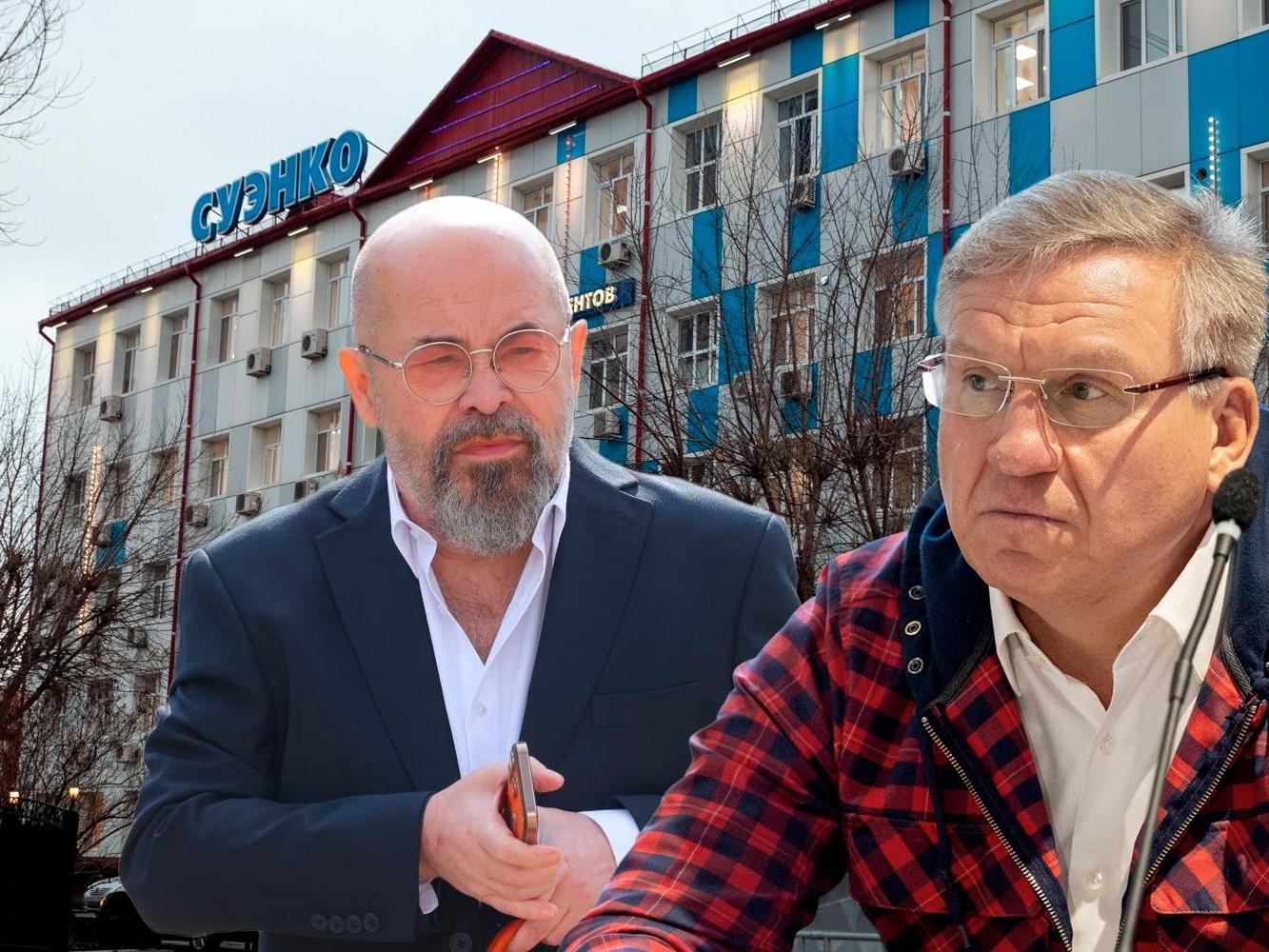

A wave of nationalizations has swept Russia in recent years. Large companies are being transferred to state ownership. The same happened with the assets of Ural oligarchs Artem Bikov and Alexei Bobrov, who conducted their entrepreneurial activities in different regions of the country, including Sverdlovsk Oblast. Overnight, they lost their companies, and for some, it even turned into a criminal case.
The businessmen had shares seized: JSC EK Vostok, JSC Yamalkommunenergo, JSC NPF Professionalny, JSC KB Agropromkredit, LLC Sibir-Holding. And now — state property. In this article, our colleagues at 72.ru recalled how the nationalization took place and why once-large businessmen suddenly lost everything.
What Happened?
Quite unexpectedly on September 15, news spread in the media about a lawsuit from the Prosecutor General«s Office against Artem Bikov and Alexei Bobrov. Among the defendants were also former Minister of State Property Alexei Pyankov, ex-head of the Ministry of Energy and Utilities Nikolai Smirnov, Vice-Governor Oleg Chemezov (all of Sverdlovsk Oblast), co-owner of »Corporation STS« and business partner of Bikov and Bobrov Tatyana Chernykh, and others.
TASS published the essence of the claims from the Prosecutor General«s Office. The agency identified violations of anti-corruption legislation in the actions of officials from the Sverdlovsk Oblast government, State Unitary Enterprise SO »Oblkommunenergo« and its subsidiaries.
The Prosecutor General«s Office established that »Corporation STS« monopolized generation, electricity supply, water supply, and solid waste management in Sverdlovsk, Tyumen, and Kurgan Oblasts, as well as in Khanty-Mansi Autonomous Okrug and Yamalo-Nenets Autonomous Okrug. Because of this, as concluded by the agency, the holding has strategic importance for the country»s energy security, and the beneficiaries Bikov and Bobrov have Austrian citizenship.
The Prosecutor General«s Office demanded to seize for the income of the Russian Federation 75% of the shares of »Oblkommunenergo« owned by JSC »SUENKO«, as well as shares and stakes in another 80 companies.
The lawsuit noted that Bikov and Bobrov obtained energy assets and lobbied for their interests thanks to connections with leaders of federal and regional state structures, including former head of RAO «UES of Russia» Anatoly Chubais. Bikov was his advisor from 2003 to 2005.
It also said that the production complex of «Corporation STS» was formed using state property of GUP SO «Oblkommunenergo», which the businessmen acquired in circumvention of anti-corruption laws. According to the Prosecutor General«s Office, Bikov and Bobrov used informal connections with Pyankov and Smirnov. As a result, after transformation and reorganization, 75% of the shares of JSC »Oblkommunenergo« were obtained by JSC »SUENKO« of the Ural businessmen.
According to the Prosecutor General«s Office, using illegally acquired assets, the businessmen bought up resource-supplying companies in Kurgan and Tyumen Oblasts, in Khanty-Mansi and Yamalo-Nenets Autonomous Okrugs, monopolized the energy supply market of the Ural Federal District, and refused to fulfill obligations to invest in modernizing utility infrastructure. According to the prosecutor»s office, the holding operated solely on annual state subsidies and regular tariff increases with the support of regional authorities in the Ural Federal District.
The lawsuit states that for agreeing to tariffs, structures of «Corporation STS» provide Vice-Governor of Sverdlovsk Oblast Oleg Chemezov and his relatives with services and property on preferential terms. For example, under the guise of a sale and purchase agreement, highly liquid real estate in the Sysertsky District was transferred to his spouse at a nominal price.
The lawsuit also notes that revenues from the sale of utility resources, Artem Bikov and Alexei Bobrov, are transferred through the controlled bank «Agropromkredit» to foreign accounts in Austria and Switzerland. From there, they invest in the economies of Montenegro and Austria — by purchasing hotel complexes. Under the guise of fictitious loans, as indicated in the publication, the beneficiaries of the holding transferred over 12 billion rubles (about $133 million at current rates) abroad.
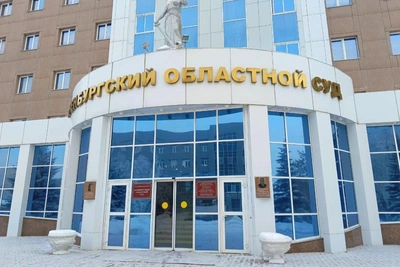
In October, the Leninsky District Court of Yekaterinburg granted the Prosecutor General«s Office»s lawsuit. But the proceedings did not end there. In November, the court seized another series of assets from the Ural businessmen. Thus, several dozen companies passed into state ownership.
Rosimushchestvo did not specify to the 72.RU observer which specific companies of the Ural oligarchs were transferred to state ownership. Similarly, they did not say what will happen with these assets next.
But from open data, it can be determined which companies associated with Artem Bikov and Alexei Bobrov were nationalized. If taking organizations that operate in Tyumen Oblast and are well-known — these are «SUENKO», TEO, EK «Vostok», shares that were held by «Corporation STS», in TRIC and USTEC.
What Now for the Case Participants?
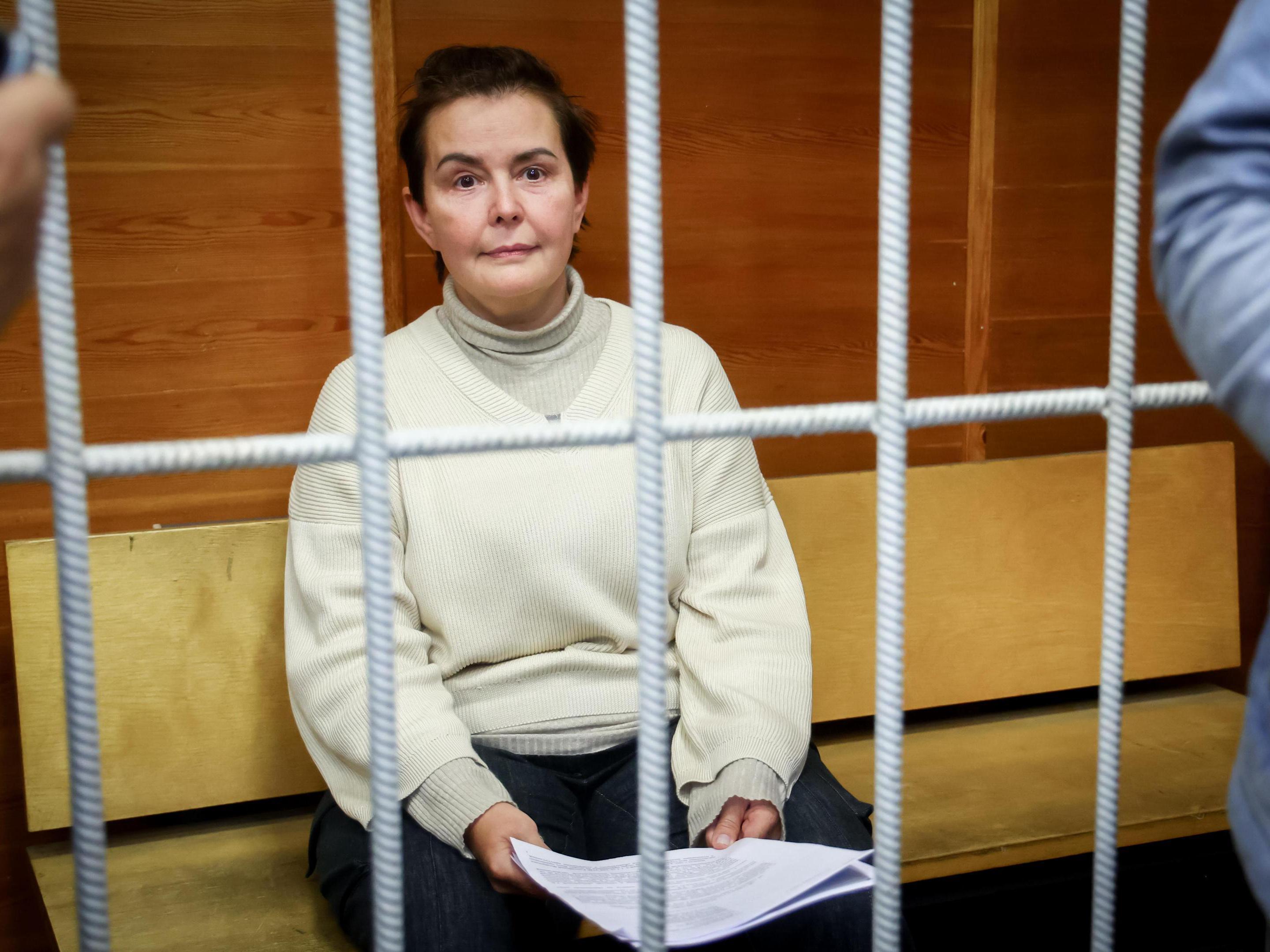
On September 23, it became known that Alexei Bobrov and Tatyana Chernykh were detained. They are accused of large-scale group fraud (Part 4 of Article 159 of the Criminal Code of the Russian Federation). They are in custody until February 15.
Testimony against the businessmen was given by Nikolai Smirnov. In December, the former official received a suspended sentence. The court found him guilty of receiving a large bribe through an intermediary, sentenced him to 5 years of imprisonment suspended, a fine of 4.4 million rubles (about $49,000 at current rates), and banned him from holding state and municipal positions for the next five years. The case was considered in a special order: Smirnov entered into a pre-trial cooperation agreement.
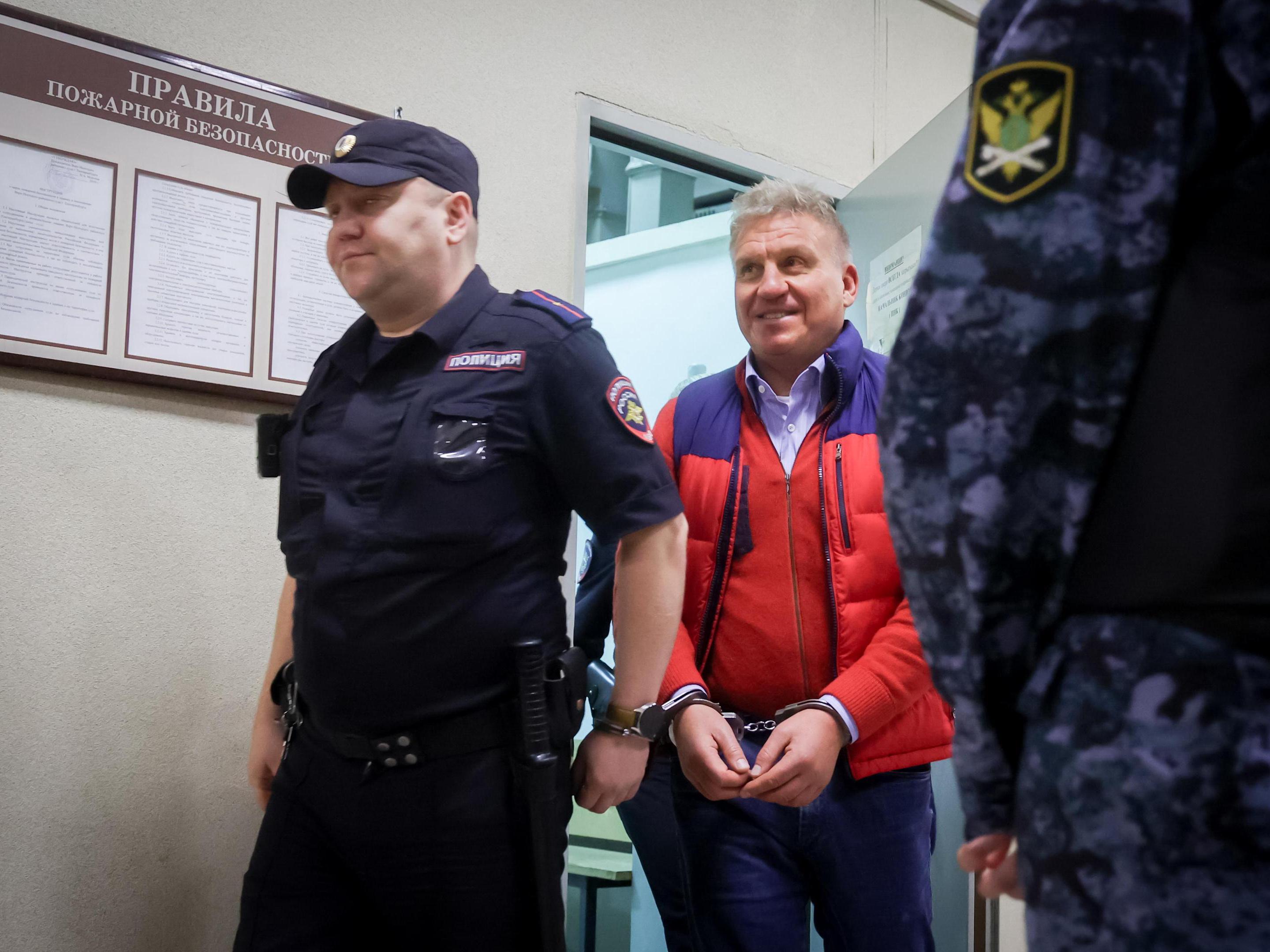
Oleg Chemezov, who at the time held the post of acting vice-governor of Sverdlovsk Oblast, was sent into resignation on September 25. Four days later, it became known that he was detained. He was charged with fraud on a large scale — also Part 4 of Article 159 of the Criminal Code of the Russian Federation. In November, information appeared that Chemezov was transferred to a pre-trial detention center in Chelyabinsk. The ex-official«s lawyer stated that the former vice-governor»s health was deteriorating. On December 30, Oleg Chemezov was released from the pre-trial detention center. He was placed under house arrest.
Pyankov had been under suspicion for years of abuse of official powers and embezzlement of property on a large scale. His criminal case had 15 episodes, and the investigation — was completed. The official familiarized himself with the materials until 2022, and when the Special Military Operation began, he signed a contract. In November 2025, the criminal case against Alexei Pyankov was terminated. One of the arguments in favor of this decision was the awards he received at the front.
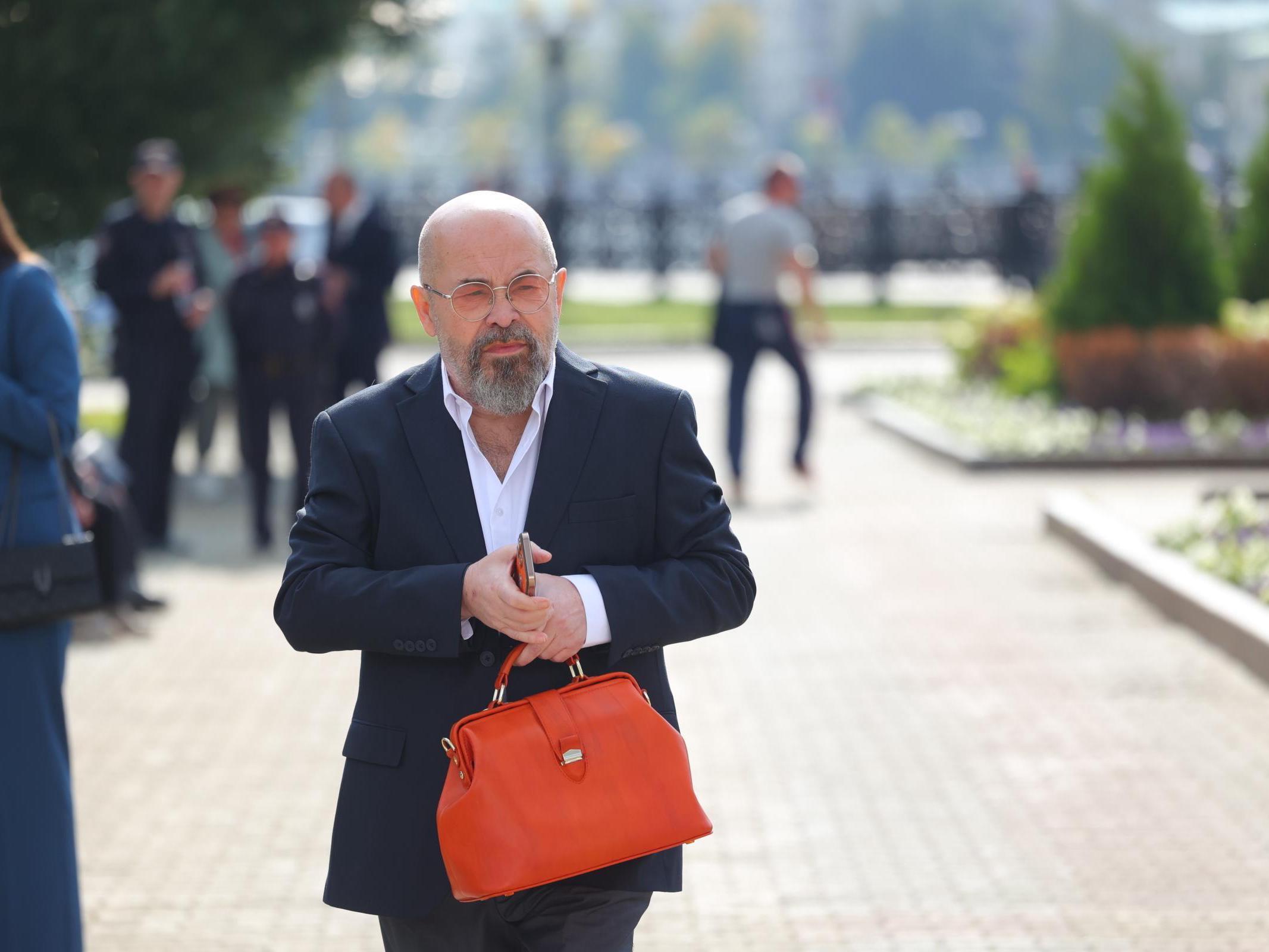
Artem Bikov appeared in the public sphere on September 16. Then he attended the inauguration of the new governor of Sverdlovsk Oblast, Denis Pasler.
What is Nationalization?
Nationalization — is the transfer of private property (enterprises, assets, industries) to state ownership, explains for 72.RU Artem Denisov, managing partner of the law firm «Genesis». According to him, the process can be conducted on a compensatory basis — with payment of compensation to owners — and non-compensatory — through confiscation, usually by court decision, if the property was obtained or used illegally.
«The key difference from simple state regulation — is the change of owner. In recent years in Russia, there is more talk not about classic nationalization of entire industries, but about targeted seizure of assets from specific businessmen through the court, often within the framework of criminal cases,» — notes Denisov.
In Recent Years, the State Has Actively Pursued Nationalization. What is This Connected To?
Over the past few years, a number of well-known and large assets have passed into the ownership of the Russian Federation — «Yuzhuralzoloto», KDV Group (brands «Yashkino», «Babkiny semechki», Calve, «Baltimore», «Kirieshki» and others).
Denisov highlights several interrelated reasons that have intensified in the last 2–3 years.
«The policy of »bringing order« and »control over strategic assets«. Especially after the start of the Special Military Operation and the departure of many Western companies. The state seeks to establish control over infrastructure, energy, logistics, and other assets important for economic security,» — he notes.
Another — is fiscal motivation. Replenishing the budget under sanctions and increased military expenditures. Assets transferred to state ownership, the expert says, begin to generate income for the treasury.
Third — is the fight against «disloyal» business. As Denisov explains, the seizure mechanism becomes a tool of political and economic pressure.
«Businessmen who come to the attention of law enforcement agencies for any reason — from real violations to political or corporate conflicts — risk losing assets,» — he warns.
Fourth — is the legalization of raider seizures under the «state flag».
«Critics of the process point out that under the guise of »national interests«, the interests of competing groups or law enforcement officers are often hidden, who use the state apparatus to redistribute property,» — notes the lawyer.
And fifth — is an ideological trend. According to Denisov, a narrative is promoted in the public sphere that large assets, especially in critical sectors, should not belong to «oligarchs», but should work for the state and the people.
Denisov draws attention to the fact that nationalization is formally a legal process. As the expert explains, the process relies on existing norms, but their application raises serious questions among lawyers and human rights activists.
«It is legal within the existing legal system, but the system allows using the court as a tool to change ownership in favor of the state with minimal opportunities for real defense,» — explains Denisov.
Why Did They Come for Bikov and Bobrov«s Assets?
Denisov highlights several reasons. First: «Oblkommunenergo» — is a key energy operator in Sverdlovsk Oblast. Control over such infrastructure — is a matter of state security and influence.
Second — conflict with law enforcement structures.
«There is a version that the conflict began with a corporate dispute around other assets, in which law enforcement actively intervened. After that, all the main businesses of the entrepreneurs came into view,» — suggests Denisov.
Third — change of paradigm regarding «old» property.
«Bikov and Bobrov — are representatives of business that formed their capital in the 1990s/2000s. The state, using modern norms, reconsiders the legitimacy of those acquisitions. Their cases — are part of a larger campaign,» — continues the expert.
And fourth — lack of «protection» at the top level. In the current political conjuncture, according to Denisov, their previous connections might have been insufficient or outdated.
«The case of Bikov and Bobrov — is a typical example of the new reality of Russian business. The state, relying on courts and law enforcement, conducts »targeted nationalization« of assets that it considers strategically important or wants to control, especially if the owners fall into the category of »disloyal« or »unreliable«. This trend, judging by everything, will continue,» — summarizes Artem Denisov.
Earlier we wrote that the remaining business of Ural oligarchs Alexei Bobrov and Artem Bikov is being nationalized. The Leninsky District Court of Yekaterinburg fully granted the Prosecutor General«s Office»s lawsuit to transfer the entrepreneurs« assets to state income.
Earlier, the court transferred to state income «Oblkommunenergo», as well as shares and stakes in other companies of Bikov and Bobrov (full list see via the link).
Recall that in the fraud case, co-owner of «Oblkommunenergo» and «Corporation STS» Alexei Bobrov and his main partner Tatyana Chernykh were arrested, as well as ex-director of «OTSK» Anton Bolikov. In the case, the current head of «OTSK» Artem Noskov, who has headed the company for several months, was also detained but later released.
Testimony against top managers and owners of «OTSK» was given by former regional utilities minister Nikolai Smirnov. He entered into an agreement with the investigation. After the fraud accusation, the company «OTSK» issued a statement. It can be read in full via the link.
Vice-Governor Oleg Chemezov was also among the defendants. The accounts of the politician and his family were blocked. Oleg Chemezov himself earlier told E1.RU that he learned about the account freeze in a store when trying to buy food for children.
Meanwhile, at the media outlet owned by the businessmen, mass layoffs began.
All news on this topic we collect in a special section.