Five Tyumen women who built businesses
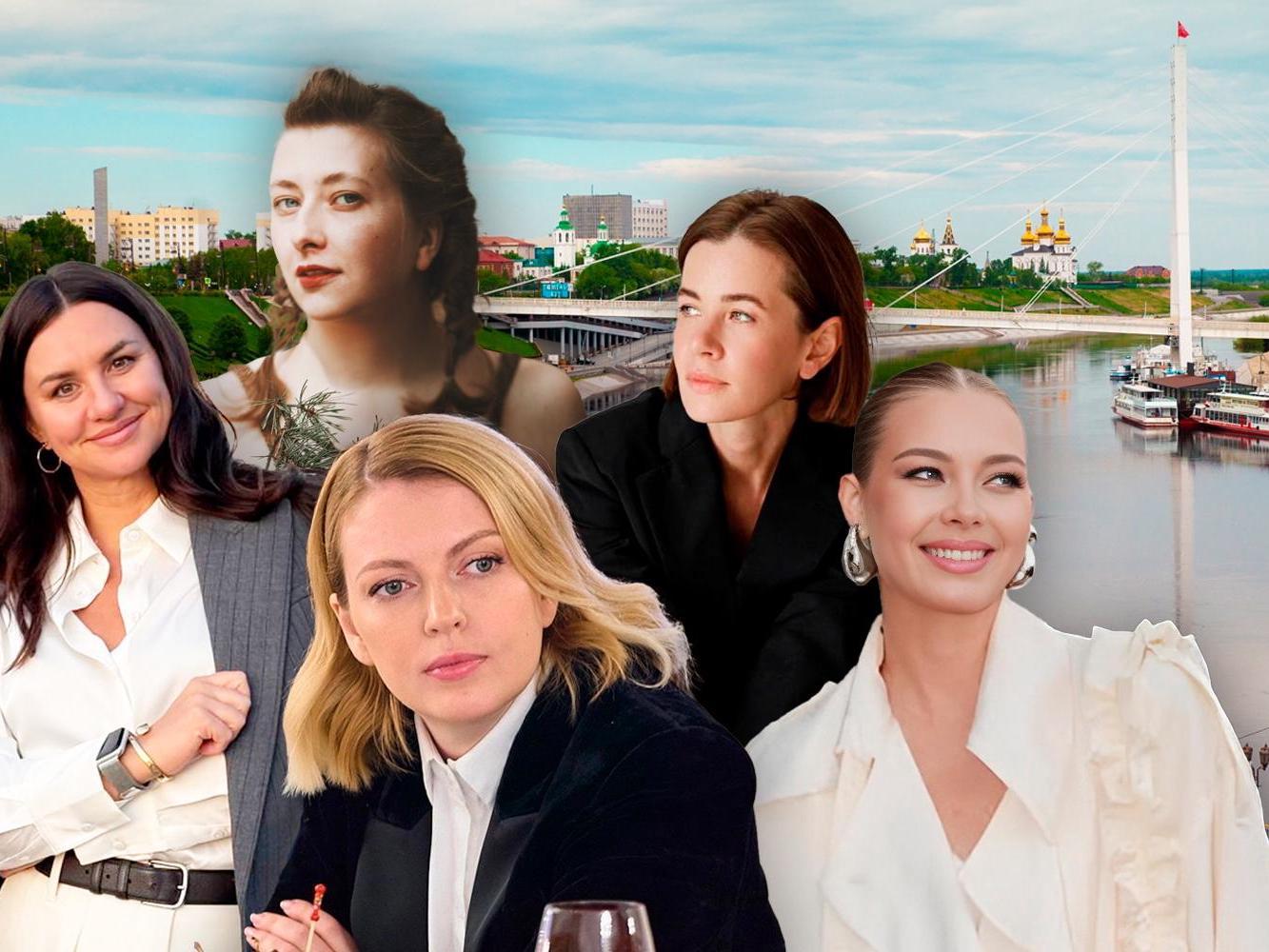

Profiles span tourism, culture, bookselling, fashion, and bridal design launched in Tyumen.
In Tyumen live women who not only dream but bring their boldest, most unusual ideas to life. In one feature we’ve gathered five stories showing how passion becomes a life’s work. A tourist complex on a lakeshore, a cozy space for unhurried conversations about books and music, an independent bookstore with a nomadic fate, a fashion brand inspired by Siberia, and a wedding label known far beyond Russia — all these projects were born in Tyumen and keep growing despite challenges and change.
Each story traces a path from first steps to success that inspires others. Neither the pandemic nor economic turmoil stopped their creators. These entrepreneurs aren’t seeking «capital opportunities» because they’re sure you can do big things right here in Tyumen.
«Morelesa»: the story of a mother of three who turned a love of travel into a lakeside tourist complex
Irina Katigarova, director of the nature-and-tourism complex «Morelesa», jokes that she has two elements — travel and business. Today her project on the shore of Lake Ipkul (Nizhnetavdinsky District, Tyumen Oblast, Western Siberia) is known far beyond the region: 10 safari tents, forest cabins, a barrel sauna, quad-bike rides (ATV tours), and even her own art park, «Klyuchi». People come not only from the city to relax with their families, but also from elsewhere in the region. Yet before Irina realized her calling was tourism, she worked in several fields.
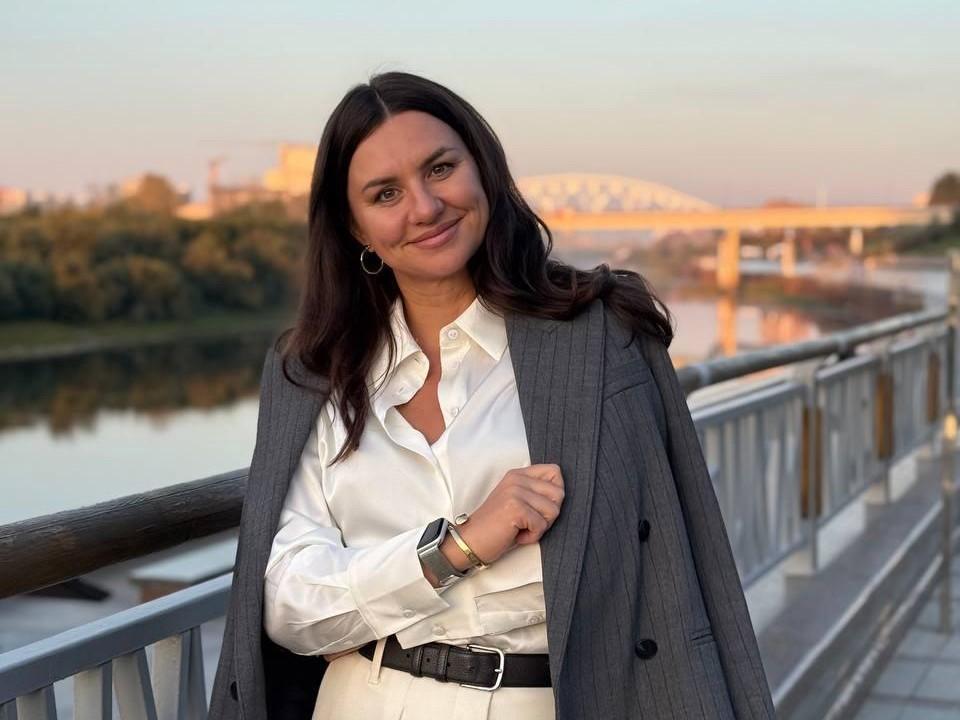
Before founding Morelesa, Irina worked in magazine publishing and a corporate bank.
The road to this success began long before «Morelesa». On her blog, Irina candidly describes how she learned entrepreneurship almost in the field. She started at the glossy tmn magazine, where the pace was intense. The team she was in lived in the same stream: «I see the goal; I don’t see obstacles». Standups started at 8 a.m., and workdays often ended after 9 p.m., sometimes after midnight. Sleep and food felt superfluous, and as she puts it: «If you made it to the hospital — you can make it to work. The only place there’s no way out of is the coffin».
— Two reasons not to show up for work: childbirth or death. You are the primary person responsible for your result. And yes, a base salary of 3,500 rubles ($35 at current rates), just enough to get to the office. No benefits package, guarantees, or other fluff. But every weekend meant study. The best learned more than the rest. We set high bars for ourselves, devised our own ways to reach them, and reached them. It was a euphoric time of youthful maximalism, channeled into the right goals and meanings, — Irina writes.
Then Irina moved to a corporate bank, where she grasped what a «product» is and how to build sales: «You came to open an account and left with a card, insurance, and a retirement savings account». But the comfortable salary and bonuses quickly paled: «Neither the annual bonus nor the refined conditions held any appeal. I quickly got bored», Irina writes on her blog.
Boredom pushed her toward a first venture of her own. On business trips Irina noticed how convenient it is when one company books both tickets and hotels. «I found out there was no such service in Tyumen and decided to do it myself. Once I committed, everything arrived: people, connections, resources.» So in 2010 she opened a travel company that quickly carved out a niche in corporate travel and visa services.
— At first we entered the business-travel segment and worked only with corporate clients; the visa center and tours came sharply later. In the first year I realized I would make it. Tyumen proved favorable for a launch; there was state support, and it was a time of big events held by the region, — Irina recalls.

Morelesa’s park hotel on Lake Ipkul draws visitors from beyond Tyumen Oblast.
For the first two years, Irina had a co-founder — a friend she had helped in the early stage of his business. When he learned of her idea, he offered to invest in exchange for a stake, and she gave him 50%. In the first year he put in 2,000,000 rubles ($20,000 at current rates), which they managed to return by the end of year two. Four years later Irina bought out the stake for an additional 4,000,000 rubles ($40,000 at current rates) and began running the business independently.
— With mistakes and miscalculations — but without guilt or excuses to anyone — I did what I wanted and how I wanted. The freedom to make decisions is one of the main values of your own business, but you alone also pay for the mistakes of those decisions, — she admits.
Today Irina has three children and several projects in tourism and hospitality. She speaks calmly about risk, loves assembling strong teams, and jokes that «she combines high standards with a healthy degree of not sweating the small stuff».
«House of Culture»: how two philologists created a place in Tyumen for unhurried conversations about what matters
Once, Irina Kondratyuk jokingly called herself a «professional reader». A philologist by education and a librarian by vocation, she created the largest book club in the country, «Smysl» (Meaning), and for years delivered her own lectures. The scale seemed impressive — hundreds of listeners, regular courses, a loyal audience. But Irina wanted something else: an intimate space to discuss literature and music not from a lectern, but live, without haste.
That’s how she conceived her own cultural «home» — and in partnership with colleague and like-minded friend Valentina Sharova, also a philologist, the idea found four walls. «Is it even sensible now to engage in literature, language, music, and all that?» — this very question, which they heard from their first listeners, became, as Irina says, the seed of the future project.
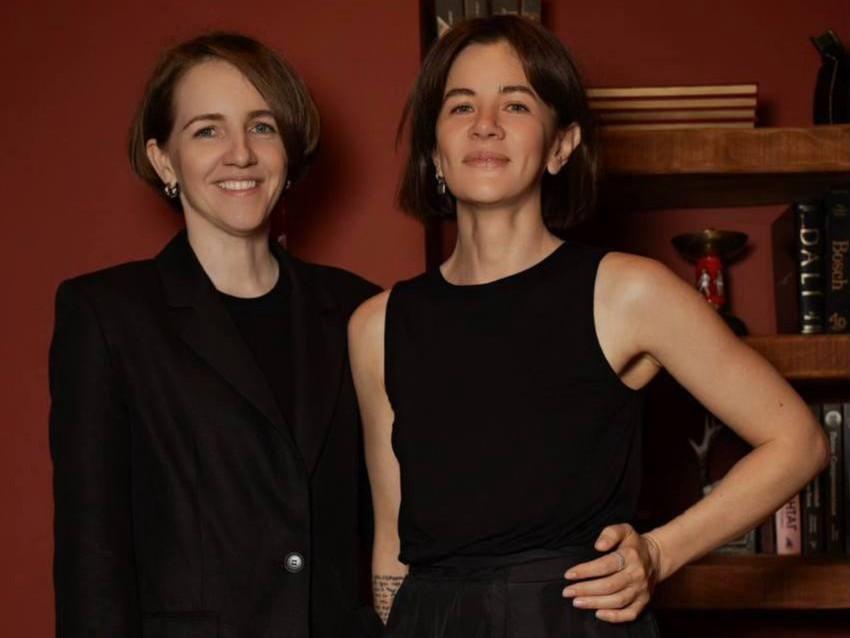
Co-founders Valentina Sharova and Irina Kondratyuk curate lectures, readings, and screenings.
Less than two months passed from idea to opening. Irina and Valentina themselves found a space, wrote a business plan, ordered furniture and lighting, did cosmetic repairs, announced the project on social media, and immediately drew in people who wanted an informal lecture space. Thus «House of Culture» appeared in central Tyumen — a venue officially listed as a lecture hall, but in practice it long ago outgrew that dry definition.
«House of Culture» has two cozy rooms: in the first — a long table, armchairs, chairs, and a screen with a projector. It hosts lectures, readings, film screenings, and literary debates. The atmosphere is like a friendly kitchen table: people of very different professions and views meet, arguing about Russian classics and contemporary prose, music and philosophy.
— When I was little, I was always working with my mom in the library, sometimes even lending books out myself, just like a grown-up. I grew up and now work in a library — only now I really am an adult, — she writes on her channel.
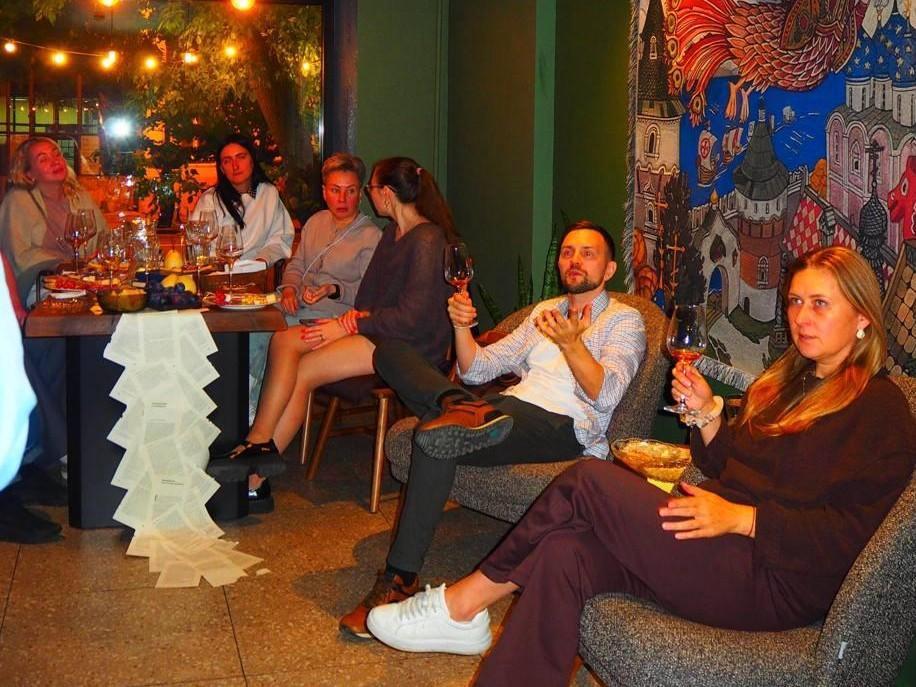
The club hosts discussions, readings, and occasional tastings in a convivial setting.
Irina now continues to give lectures, leads the «Smysl» club, and together with Valentina fills «House of Culture» with bold plans and live meetings that bring in dozens of Tyumen residents. Their project has become a magnet for locals who prefer warm conversations about what endures over noisy bars.
— There’s been humor and tears of joy, candid confessions and inspiring phrases, — they say of their work. — We want our house to always have room for such encounters.
«Nobody Sleeps»: the story of a literature lover who turned a student assignment into the city’s leading indie bookstore
Once, «Nobody Sleeps» was only a name from a university imagination game: come up with an unusual bookstore. Daria Novikova then didn’t even imagine it would become her life’s work. But by 2015 an independent bookstore with that name had opened in Tyumen — and since then it has become a place to find rare books, ideas, and new friends.
— It’s hard for me to pinpoint the moment when the joke turned into reality, — Daria recalls in an interview with Tatlin. — Our department at the university instilled confidence that any idea could be brought to life.
Before opening, she interned at the St. Petersburg shop «Vse svobodny» (Vse Svobodny, «All Are Free») and remains friends with its team to this day. The name «Nobody Sleeps» comes from a book by Swedish author Katarina Kieri. Over time it became a motto: here you meet literature that makes time fly.
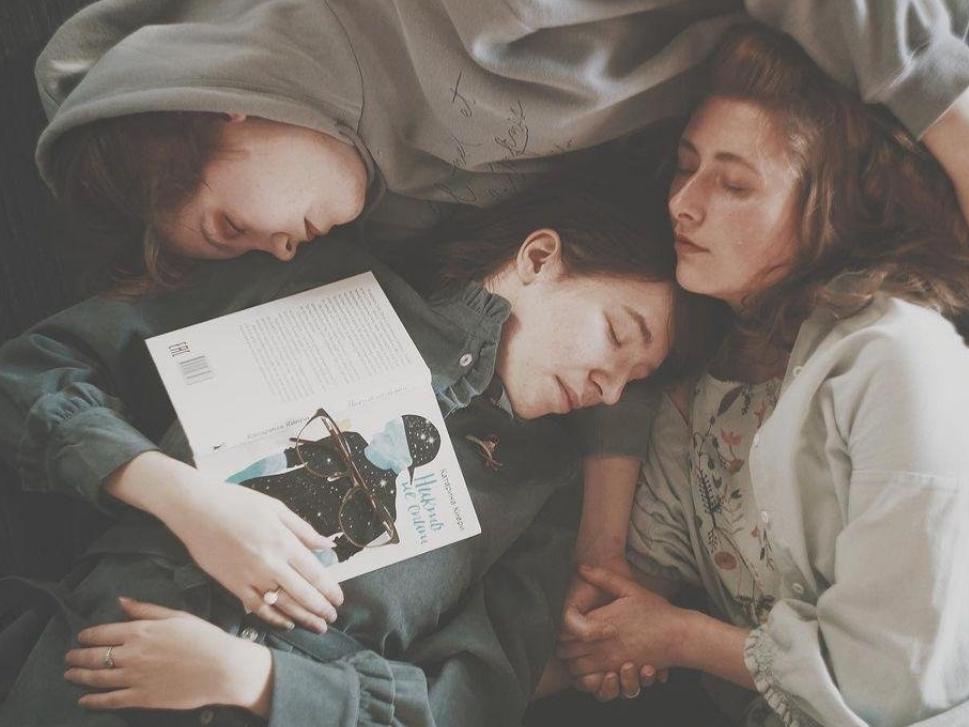
The store’s name comes from Katarina Kieri’s book Nobody Sleeps.
Over 10 years, the bookstore has changed addresses four times. They started from a small apartment in a courtyard «well» building on Surgutskaya Street, then moved to a workshop in the city’s House of Printing, where the ceiling barely reached 1.8 meters (5 ft 11 in), then worked in the library of Tyumenskiy gosudarstvennyy universitet (Tyumen State University, TSU). The longest stretch was in the building of the Shkola perspektivnykh issledovanii (School of Advanced Studies, SAS), where the team grew, the assortment expanded from one thousand to six thousand titles, and the shelves filled out with fiction, philosophy, and the humanities. Each move, says Daria, was «a bit Nenets-like»: «I was born in Yarsale (Yamalo-Nenets Autonomous Okrug), and the Nenets have nomadism in their blood. Apparently the shop inherited that fate.» But in the summer of 2023 the project almost closed after a breakup with the university.
— We realized we needed our own space. Online retail isn’t for us. People come not only to buy, but for the atmosphere: to sit, flip through, and talk, — says Daria.
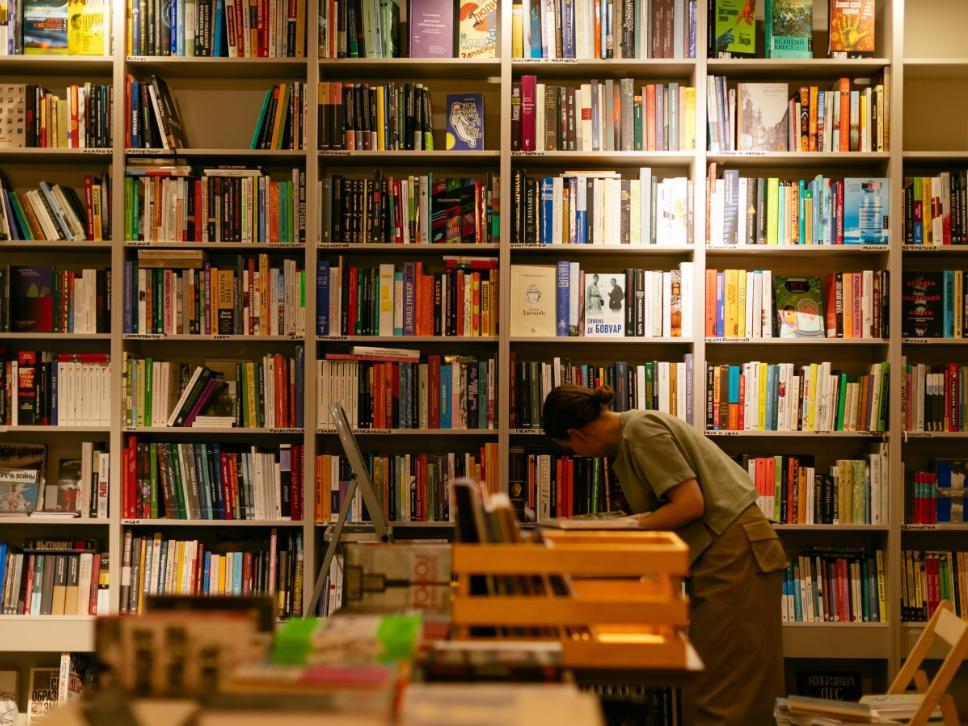
After several moves, the shop now operates daily on Ordzhonikidze Street.
Today «Nobody Sleeps» has reopened at 51 Ordzhonikidze Street as part of the Tsentr sovremennoy kultury «Zoloto + Boloto» (Gold + Bog) Center for Contemporary Culture. Next door are a contemporary art gallery, a ceramics workshop, a micro coffee bar, and a library of the legendary comics community «Kosmicheskaya Korova» (Cosmic Cow). It still hosts drawing sessions, discussions, and exhibitions.
Daria is sure independent bookstores are needed for community to take root in a city. Asked why she stays in Tyumen instead of moving to the capital or St. Petersburg, Daria answers: «I might be a grain of sand there, but here I see how my actions change the city. I want to create meanings here.»
N97: a student who turned a chance accessory into a brand worn across Russia
Daria Norkina is one of the most visible young designers in Tyumen and Russia. Her brand Norkina Daria N97 is now recognized far beyond the region; collections are shown in Moscow, and pieces are bought not only in her hometown showroom but online across Russia. Her love of fashion began in her teens. By chance, one of her accessories ended up at Milan Fashion Week.
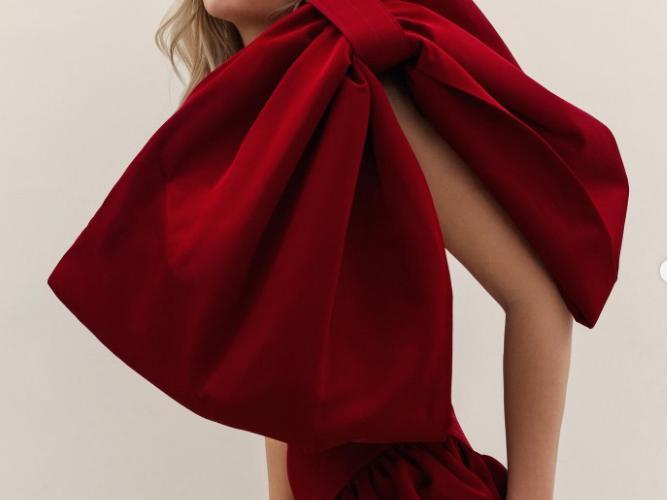
Daria began with accessories and later built a regionally recognized apparel label.
— I made an accessory for my prom. At the time I was also into photography, so I shot it and posted it on social media. I remember being stunned that my headband made it to Milan Fashion Week and everyone started writing about it. That some guest was wearing such-and-such an accessory. My accessory! Back then I combined school with making handmade jewelry, — Daria told the channel «Ostorozhno, Sobchak!».
After school she studied at the British Higher School of Art and Design (BHSAD) in Moscow and took courses in Milan and London. The knowledge she gained helped her build her own brand. Even so, Daria deliberately didn’t move to the capital.
— I don’t need Moscow to fulfill myself. Tyumen is my place of strength. Here I’ve built production, a showroom, a photo studio, my own workshop. It’s my foundation, — the designer insists.
Today N97 offers collections inspired by Siberian nature and Russian culture. At Moscow Fashion Week in 2024 (fashion showcase), Daria presented the «Morozko» collection, which caused a stir. Her brand is valued for the uniqueness of its models, attention to detail, and immersive atmosphere. Reviews of the Tyumen showroom confirm it: the pieces fit perfectly, stand out, and «aren’t like everyone else’s».
Daria admits she’s driven not only by a love of fashion but also by the thrill of creation. Her plans include new collections, appearances at major shows, and brand development. Above all, she aims to stay true to her style and roots.
Lana Marinenko: a bride who created her own wedding brand that won over Russia and beyond
Svetlana Marinenko’s story began with a personal problem: she couldn’t find the dress of her dreams for her own wedding. That pushed her to create a brand. At first the work started literally from zero — finding artisans, developing patterns, hand embroidery, and sewing all took place in Tyumen. Her husband supported the initiative by taking out a loan to launch the project, and soon after the wedding new dress models appeared that didn’t exist on the market.
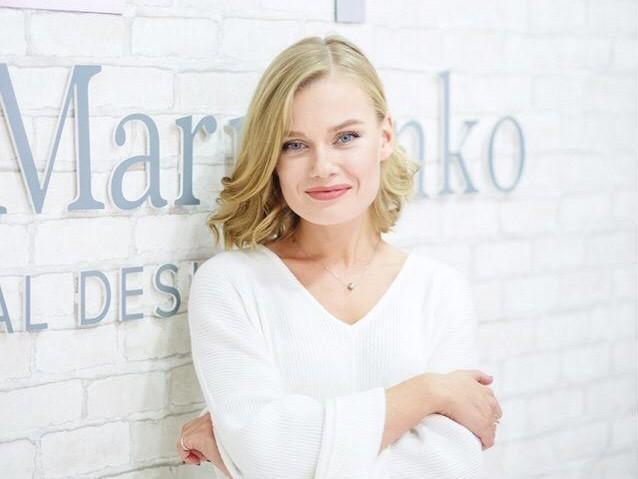
Svetlana launched her bridal brand in 2010 and expanded to major cities.
Thus, since 2010 the Lana Marinenko brand has grown from a local atelier into one of Russia’s leading wedding-fashion labels. The designer’s team consists solely of professionals, each mastering a specific discipline — from cutting and hand embroidery to sewing and working with fabrics. That matters, because each gown is created by hand. It’s no surprise that prices can reach nearly 1,000,000 rubles ($10,000 at current rates).
Today the brand is easy to find in the country’s largest cities — from Moscow and St. Petersburg to Yekaterinburg and Kaliningrad. Wedding looks are even shipped abroad: to Belgium, Israel, the United States, Georgia, Kazakhstan, and several other countries, with one-off deliveries to Lithuania, Germany, and Saudi Arabia.
The past few years have tested the business: the pandemic and the international situation led to order cancellations and forced a search for new ways of working with foreign partners.
— We had to invent new paths and lose orders due to event cancellations. At the moment, we have to find new schemes for working with other countries, which, of course, leaves a mark on the business when you have to rebuild what was already worked out, — the designer acknowledged.
Despite this, the owner says there are enough orders — so many that staff can’t always meet deadlines. Because of high demand they even had to raise prices for finished items and increase production to handle orders faster.
There’s no shortage of inspiring stories among Tyumen’s entrepreneurs. We cover them — and what else is made in our region — in the «Business» section. Here are just a few pieces from the series:
«Damn, I really want this!»: how a dishwasher rose to restaurant director and then built a major fashion business;
A small predator from Tyumen: how the Rosomakha all-terrain vehicle became a favorite of hunters and Arab magnates;
A Tyumen couple turned a field into a flower farm and now earn millions;
«I can’t sew! But I can cut a deal with anyone»: a schoolboy created a fashion brand — because there was nothing to wear;
She baked a cake for Dima Bilan and treated mayors to desserts: how a Tyumen environmentalist built her pastry empire.