Skoda Kodiaq Meets Chinese Hybrids in Diverse 10-Car Test
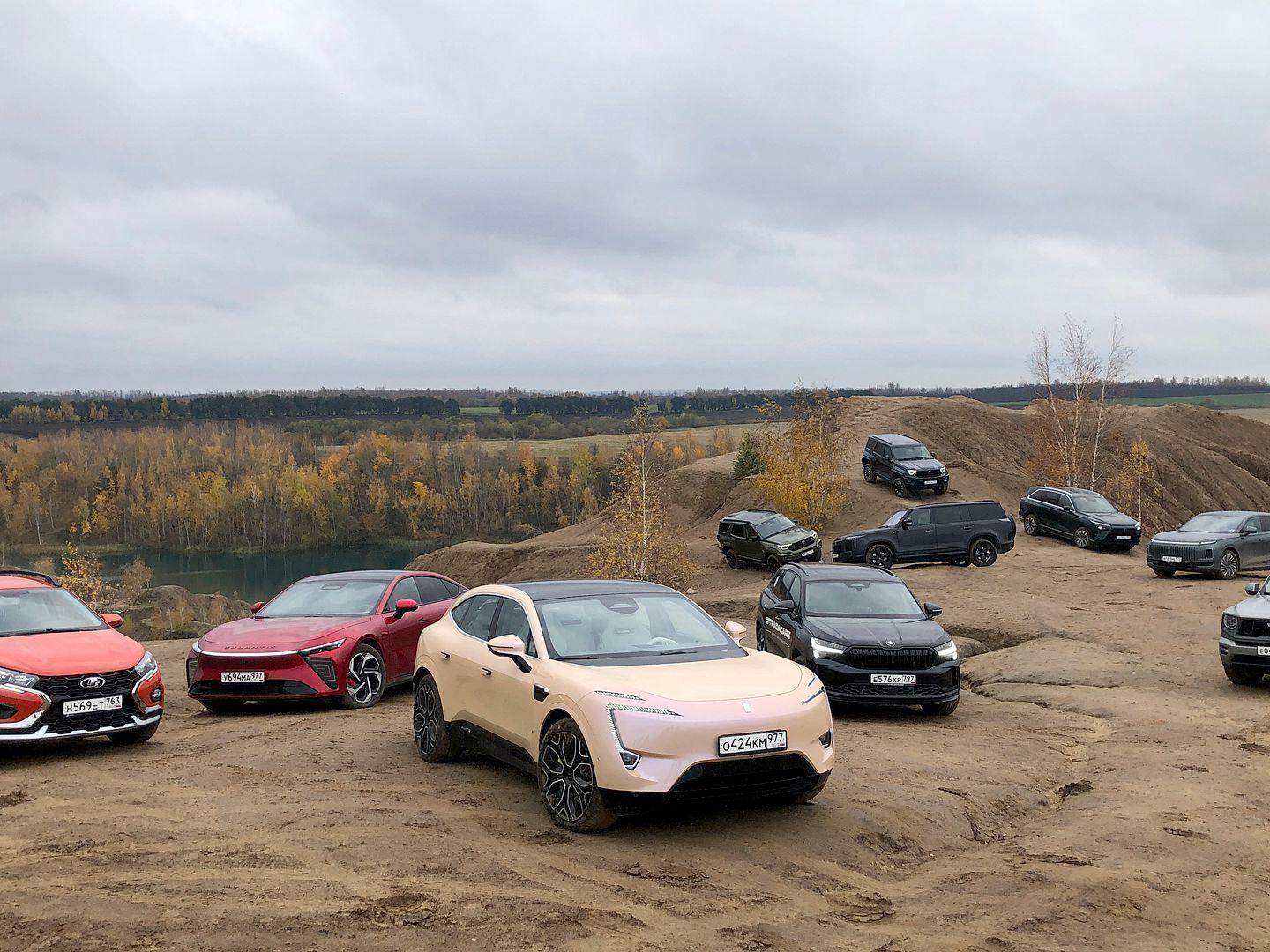

In the fall, the publication «Avtoreview» invited me to be one of the judges for the rating test: an annual large test drive where the magazine«s experts compare 10 of the most striking new models. This event was doubly interesting to me because, in addition to a horde of Chinese crossovers, it included the new Lada Iskra, as well as a reference car—the Skoda Kodiaq, one of the best crossovers of the old school. The »Kodiaq« set the quality benchmark, but it failed to win… Below—my personal hit parade in reverse order, from tenth place to first.

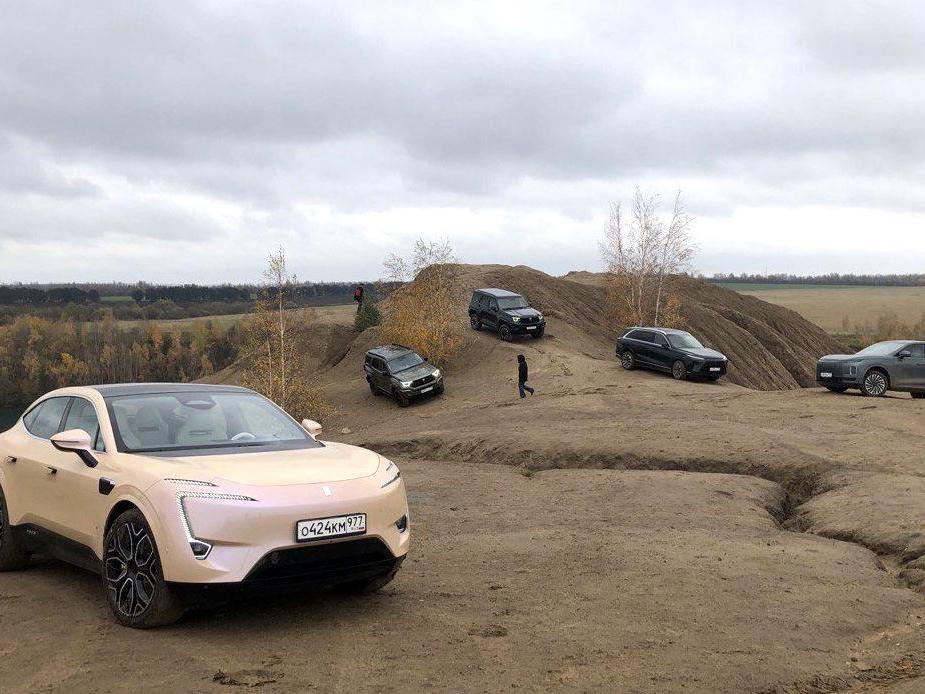
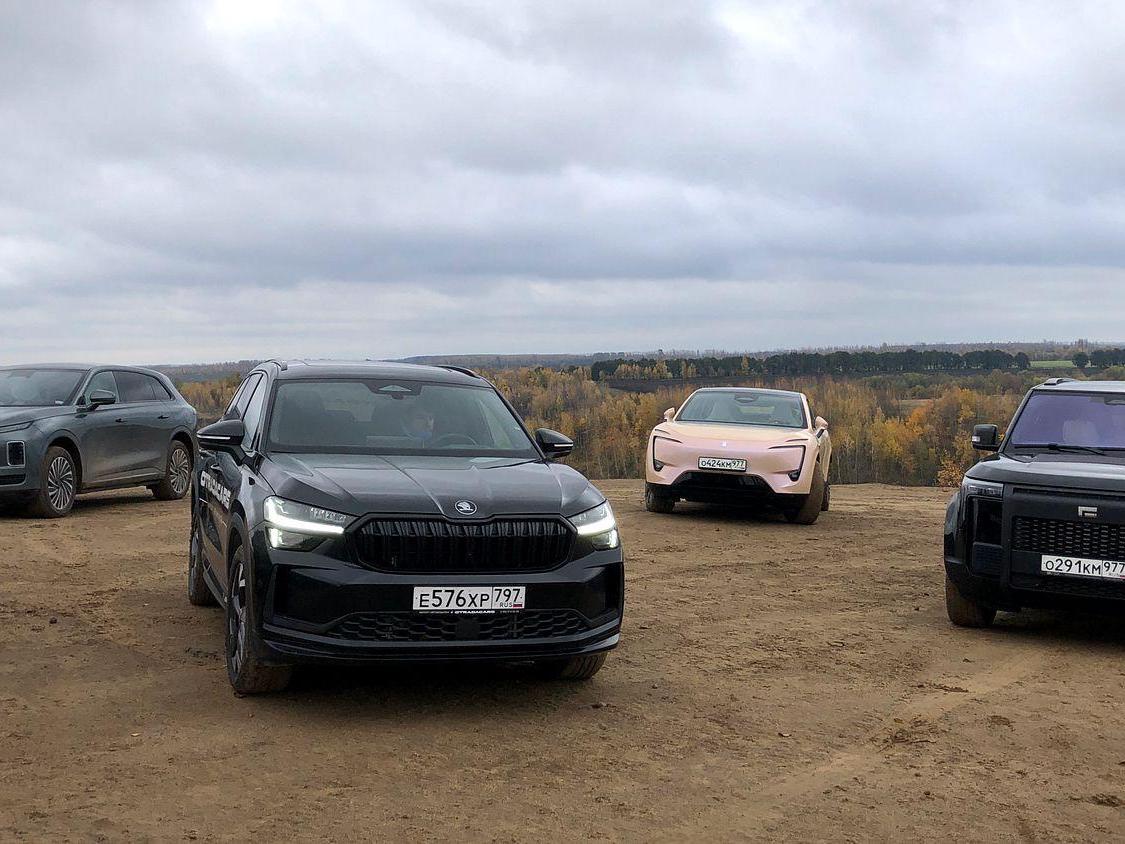
Who participated in the rating test? In addition to the mentioned Lada Iskra and Skoda Kodiaq, there was its competitor Haval H7, two off-roaders Tank 400 and Tank 700, the electric car Avatr 11, three hybrid crossovers Exlantix ET, Wey 07, Rox 01, and a sedan with a gasoline-electric drive Exlantix ES.
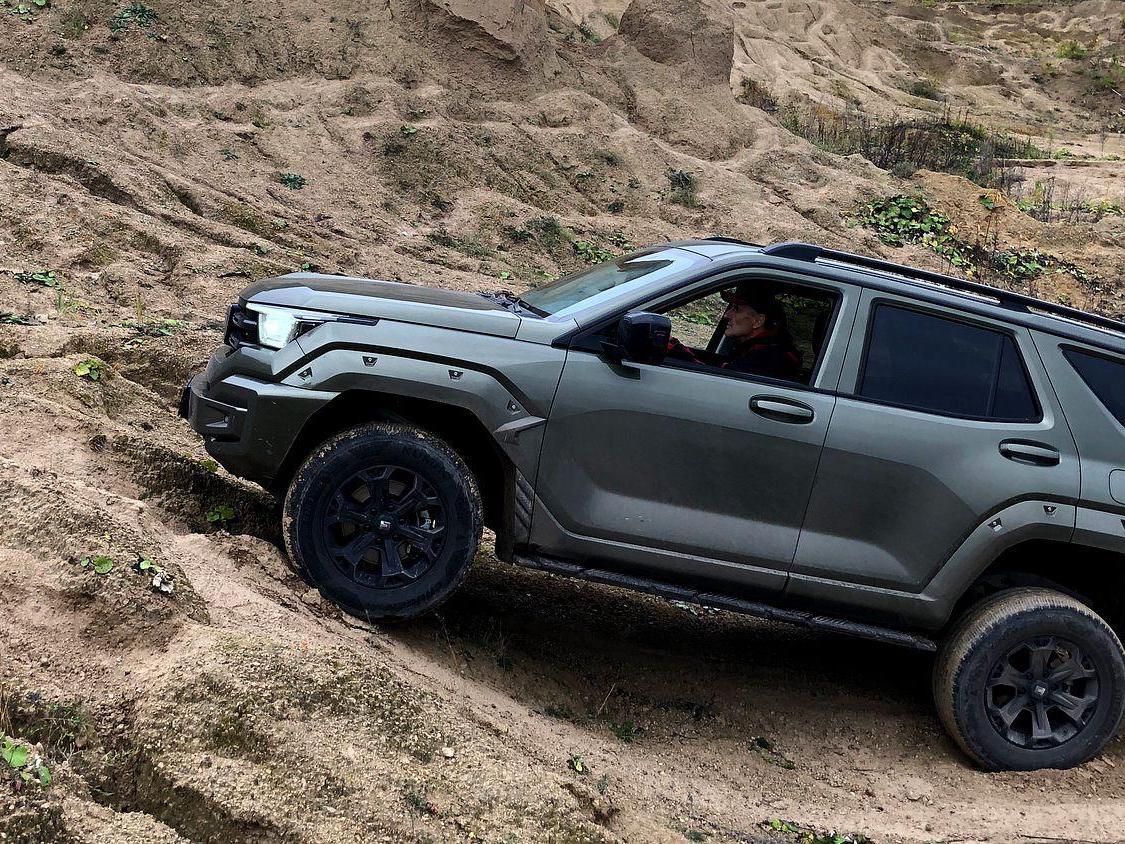
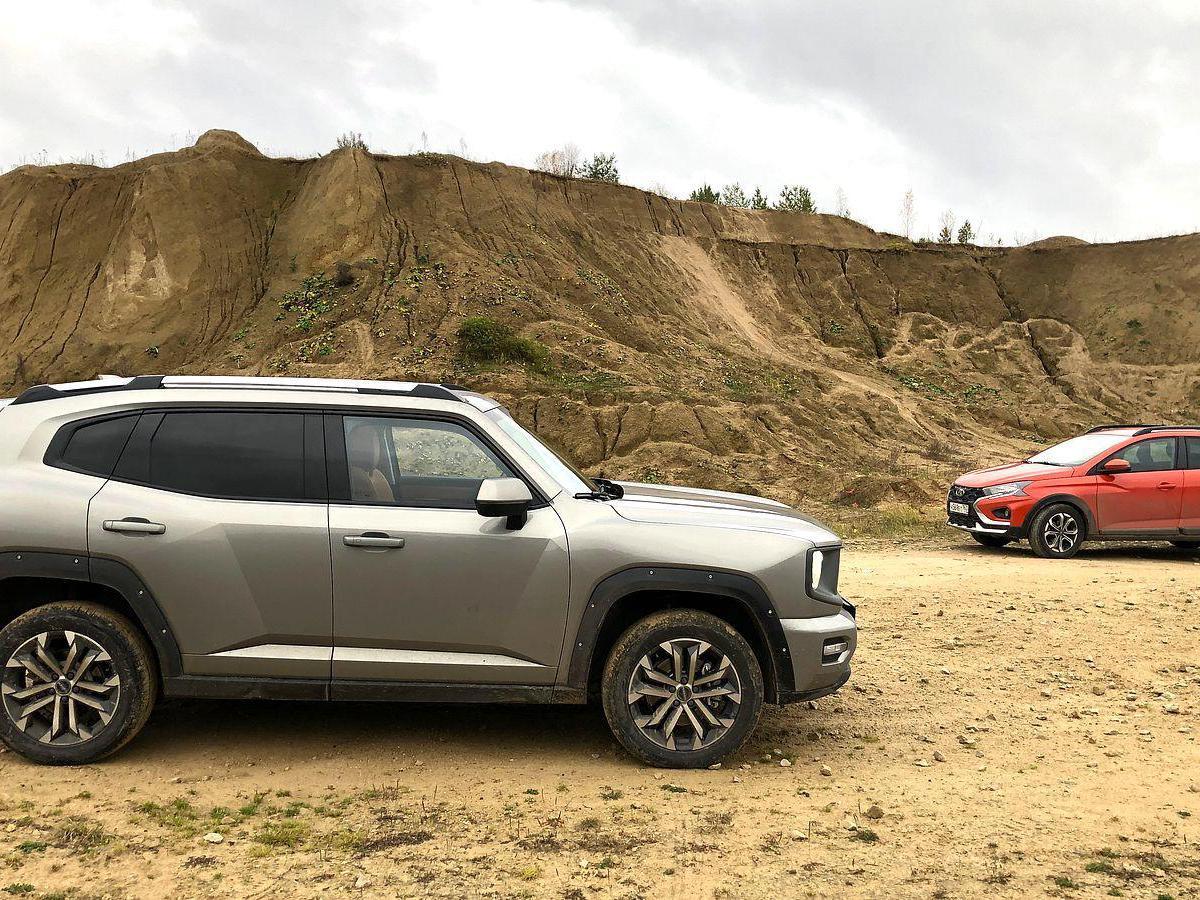
10th Place. Tank 400
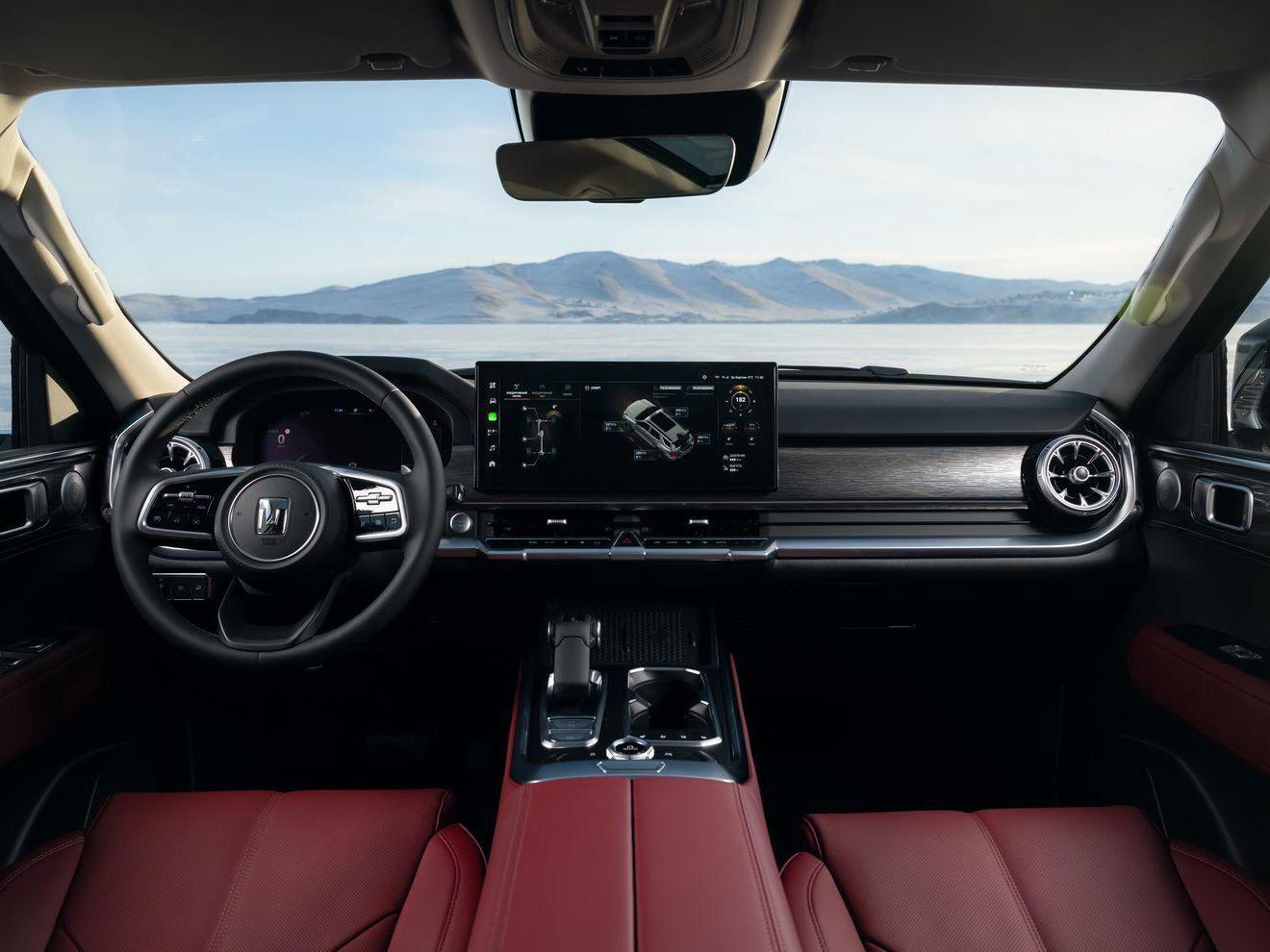
On it, I drove the most, on the evening of the first day and morning of the second. And although usually with a fresh head you perceive a car more positively, Tank 400, like uncomfortable shoes, continued to grate on my nerves. I don«t like anything about it except for its off-road capability.
The attempt to mimic a military armored vehicle succeeded too obviously: Tank 400 really looks like the result of makeshift welding. And its character is just as angular. During the test on a dirt road, it turned out to be the bumpiest; on asphalt—sometimes sluggish, sometimes nervous. It was hard to get used to its steering wheel and pedals; in general, here you can only understand and forgive.

Overall, it resembles a «UAZ Patriot» from a parallel reality, where the Ulyanovsk plant managed to release a new generation of its bestseller in 20 years. UAZ vehicles also consist entirely of rough edges, but fans forgive this for the unprecedented ratio of price, off-road capability, and practicality. So if the price of Tank 400 were around 2–2.5 million rubles (approximately $25,000 at current rates)—no questions would arise, but for 6 million rubles (approximately $60,000)—sorry… Even the Great Wall concern itself has more balanced cars, including the Haval H9.
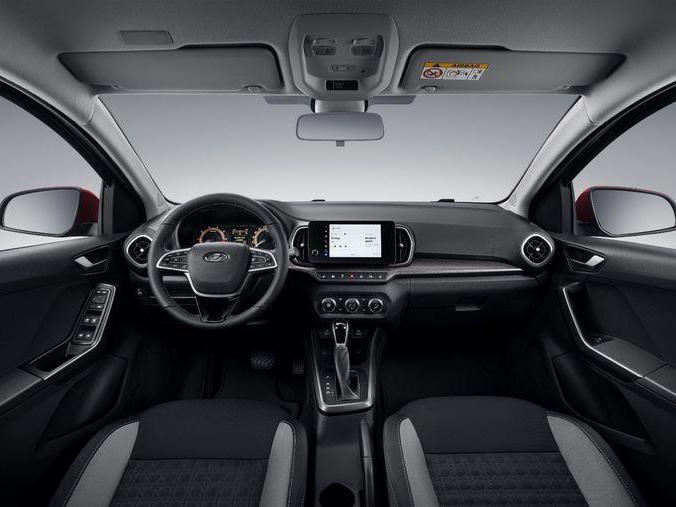
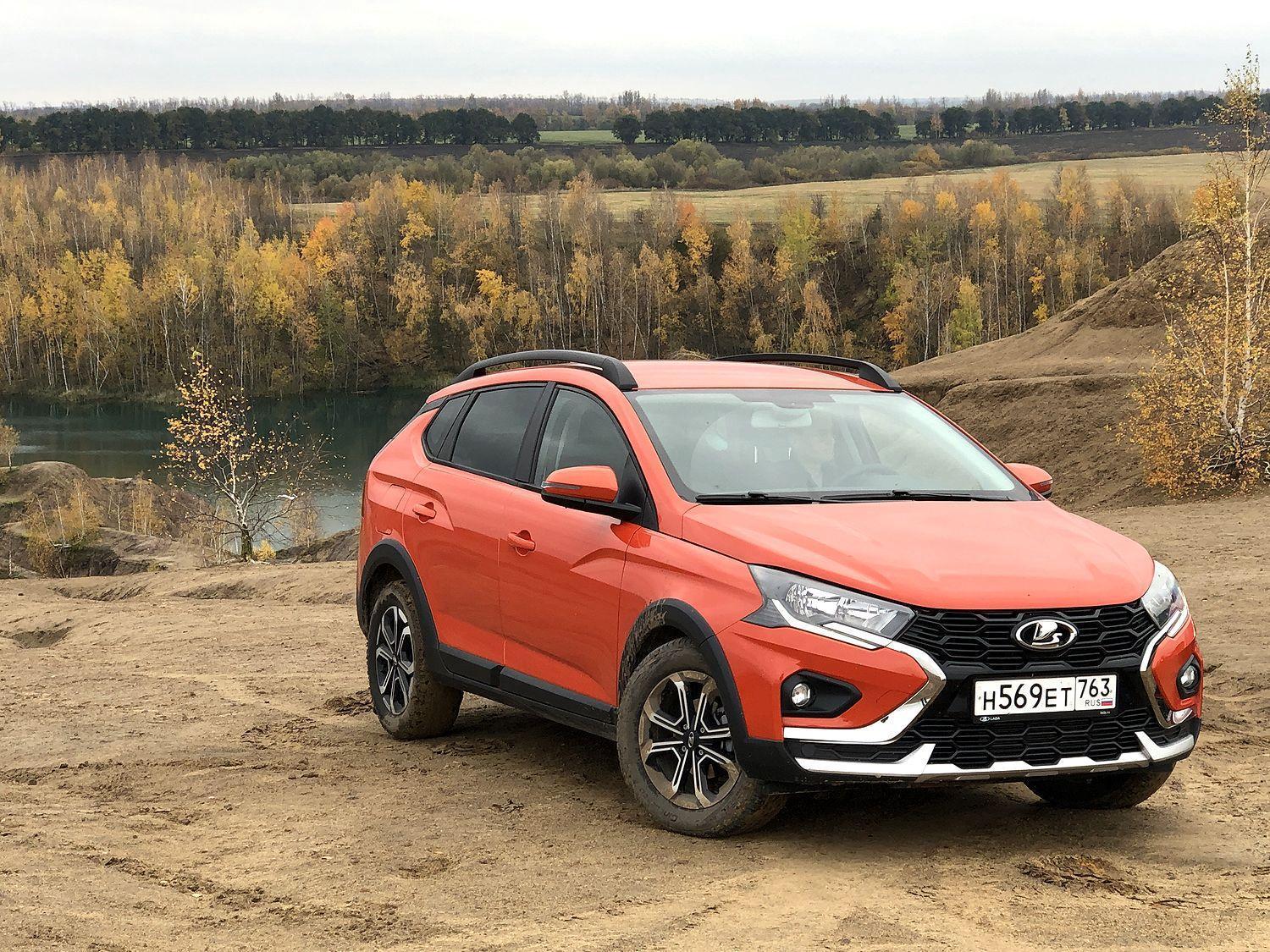
9th Place. Lada Iskra
We assigned scores without tying them to cost, because that was accounted for separately when finalizing points. So «Iskra», the cheapest model in the test, predictably ended up at the bottom.
Overall, it«s not that bad. In its pluses, I noted a successful form factor—a small but spacious wagon with increased ground clearance. Sedans, by the way, are also practical for their class. »Iskra« has decent ergonomics inherited from Renault, devoid of French quirks and quite modern for the budget segment. And it also handles dirt roads well, or more precisely, bounces resiliently and predictably, like a tennis ball. In general, you can even have fun with it, but…
The engine is still lacking, and even in the budget class, the 16-valve veteran looks like an anachronism. Its efforts are clearly heard during acceleration, and the car is generally noisy. The Chinese six-speed manual—also seems like from the «90s: sometimes, with an awkward hand movement, you simply can»t engage first or second gear. The lever jams, vibrates, and doesn«t click into place. I»ve seen this in PAZ buses.
The main problem of «Iskra»—is its closeness in all parameters to the Lada Vesta. And why does AVTOVAZ need a model, made at considerable cost, that achieves a result already reached earlier? The forest belt has been taken twice. The main thing—is to report to headquarters.
At the end of the test, everyone was looking to offload the «Iskra», and they offloaded it to me. After the Chinese hybrids, it felt like I had moved not just from business class to a regular plane—but to a crop duster. You«re flying along the Kaluga Highway, rain lashing, the car shaking… But where to go? You»ll get used to it and come to love it. And if not—get another unscheduled increase in «scrap». So hush.
8th Place. Haval H7
Another car that landed in the wrong weight category—is the Haval H7. It«s more compact and cheaper than the other participants, and therefore loses to them by default, but that»s not its fault. I even like it: a kind of grown-up Dargo with a normal trunk, decent control tuning, and an appearance calling for adventure.
Technically, H7 is ordinary: it«s just a gasoline crossover. But it has an alter ego: it skillfully mimics a real off-roader, and just look at the massive handles on the front pillars. I gave it a high score for emotionality, because it»s hard for soft-roaders to stand out from the crowd, and Haval H7 managed to combine rational insides with a hooligan exterior. I see its target audience: sometimes, the soul wants an off-roader, but reason says: «Don»t, a crossover is enough for you.« Happens, right? And you can always spin a tale to the neighbors that you bought a frame-based vehicle.
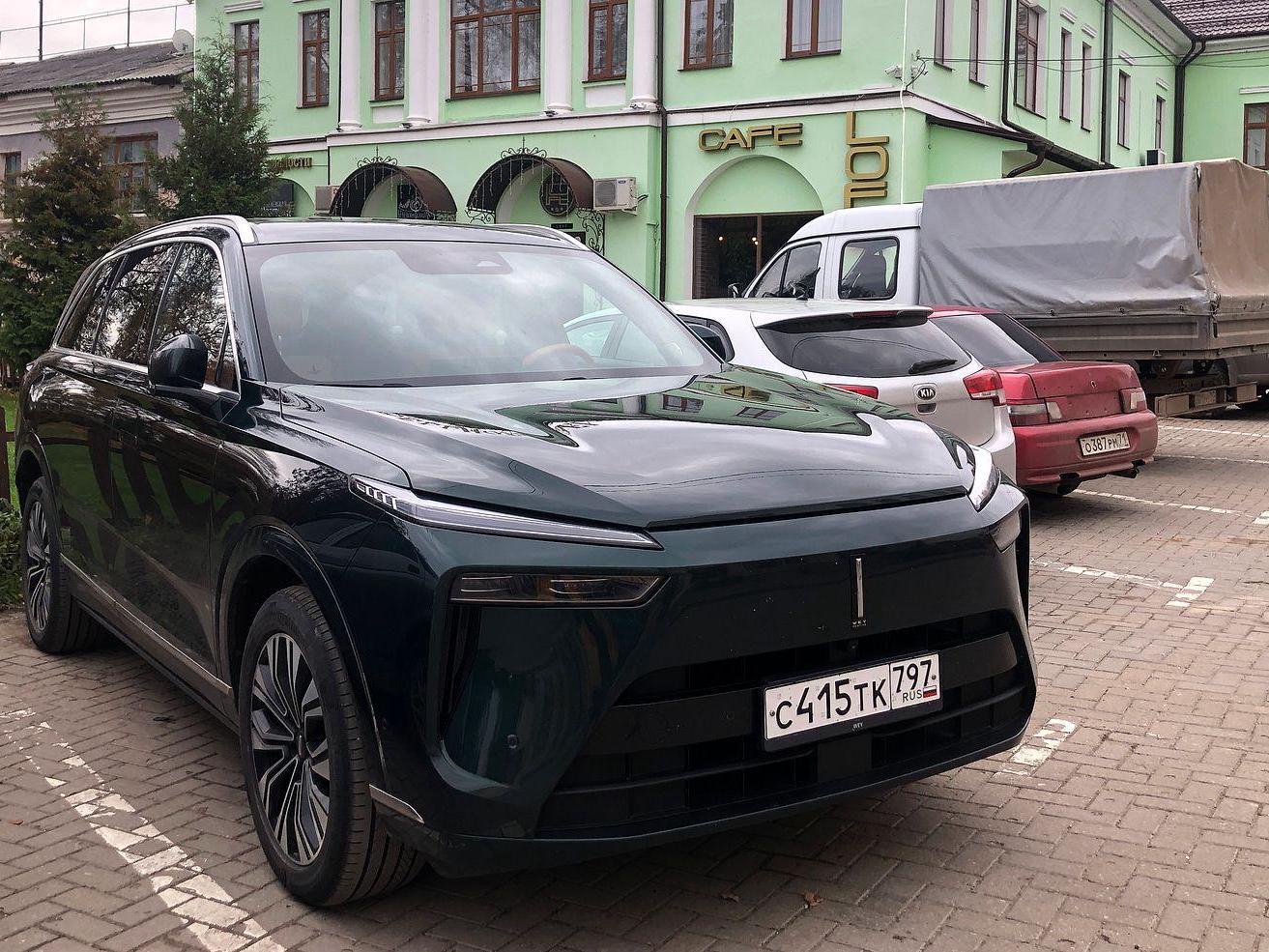
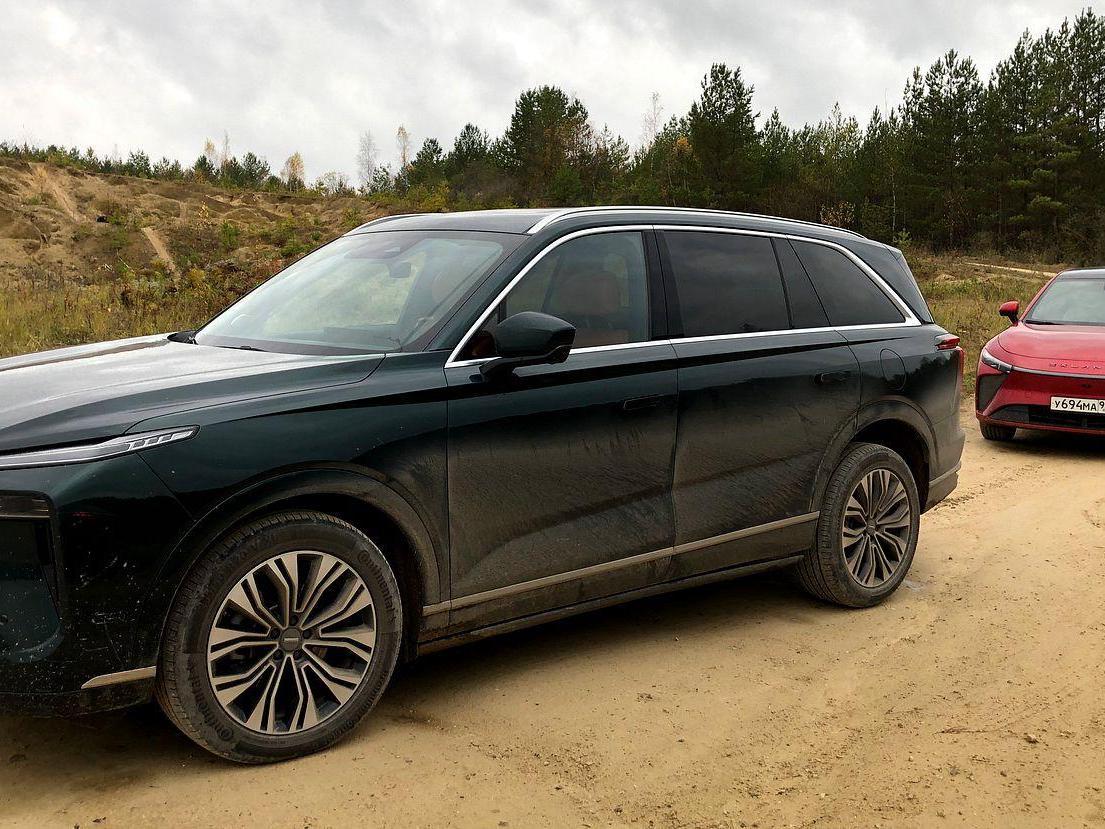
7th Place. Wey 07
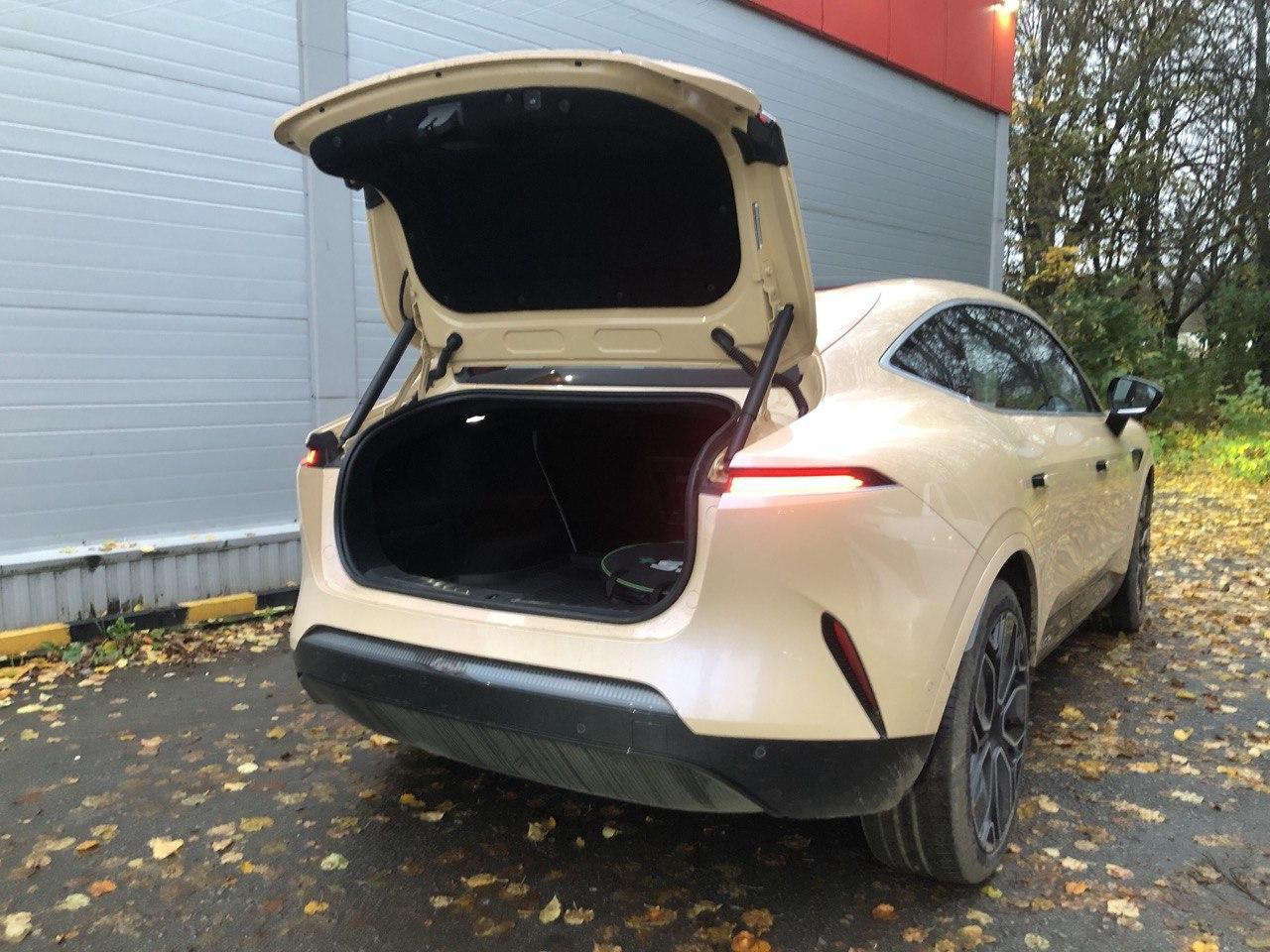
This contestant flashed on the periphery of perception, as if it wasn«t even there. It flew under the radar. Why is that?
Formally, Wey has everything in place: it«s a powerful hybrid, quick, practical… What»s wrong? I don«t know. It»s just boring, like a chemistry lesson. Our valency didn«t match.
It«s generally surprising that with outstanding performance specs, the Chinese managed to create a car that seems too ordinary to stick in your soul. Neither the appearance, nor handling, nor interior, nor dynamics left a trace in the soul. They say the brain registers deviations from the average line, when something diverges from expectations for better or worse. Apparently, Wey 07 hit the very center—a kind of Mr. Predictability. Maybe that»s a compliment?
Well, yes, if it were a corporate car issued on the company«s account, no questions. But for your own money, there are more interesting options.
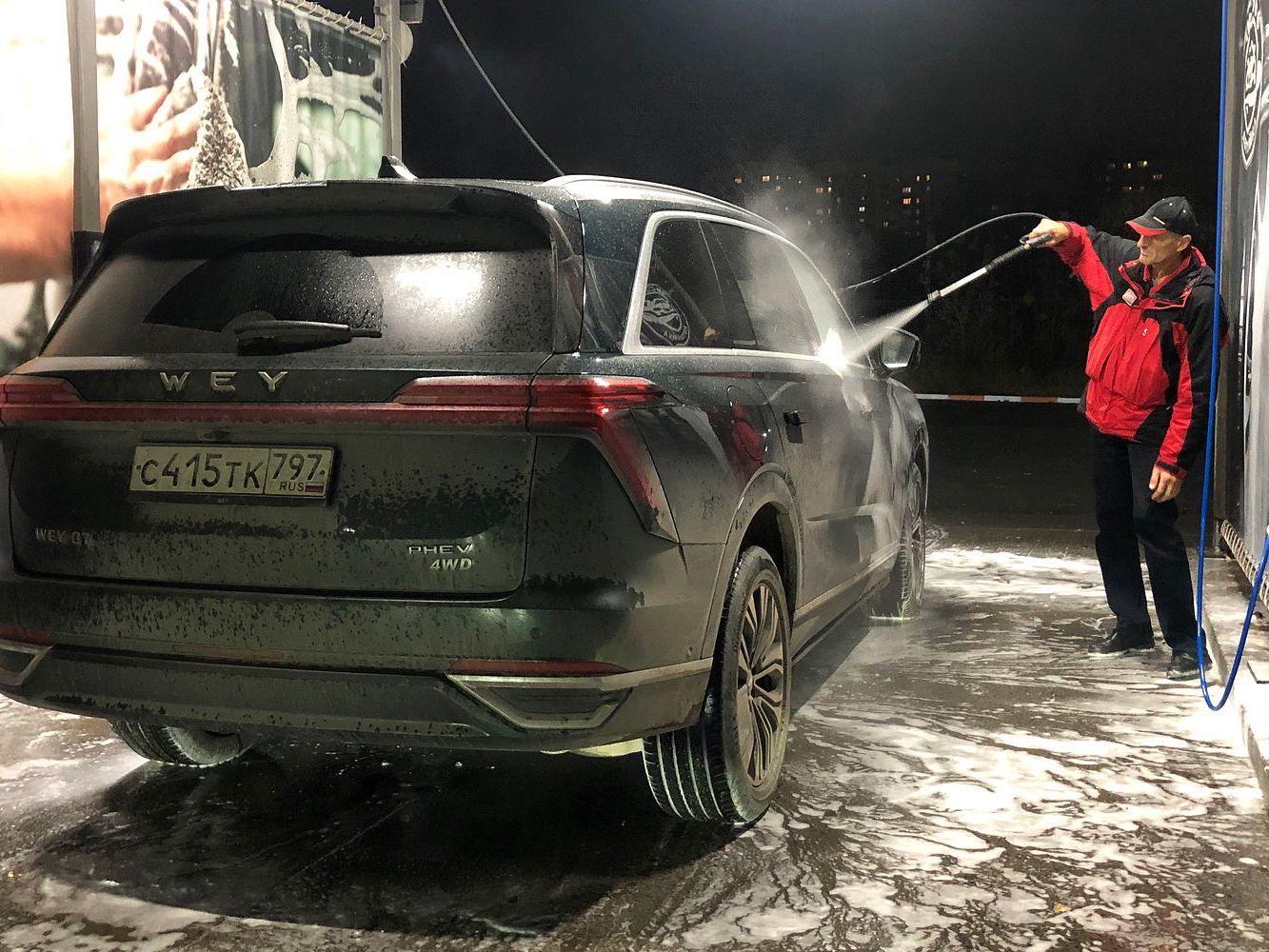
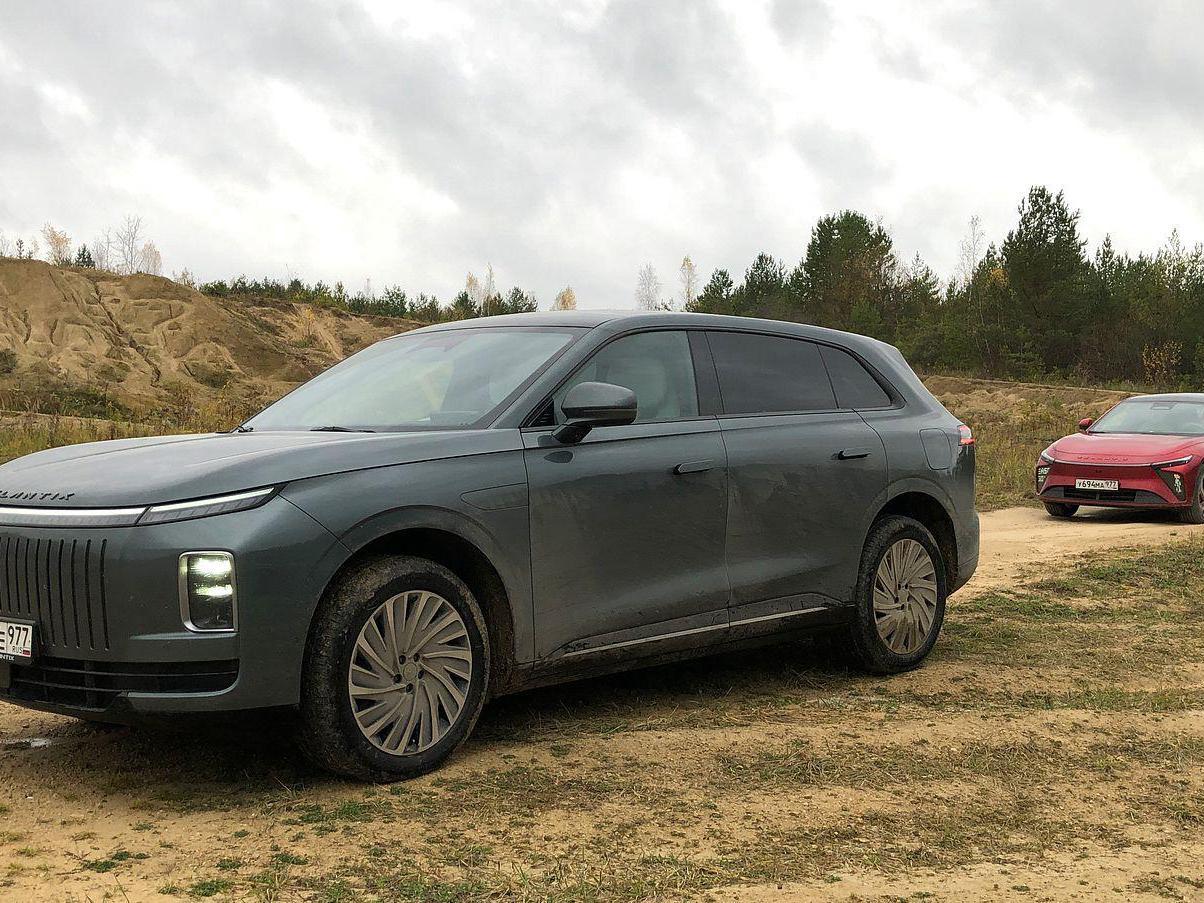
6th Place. Exlantix ET
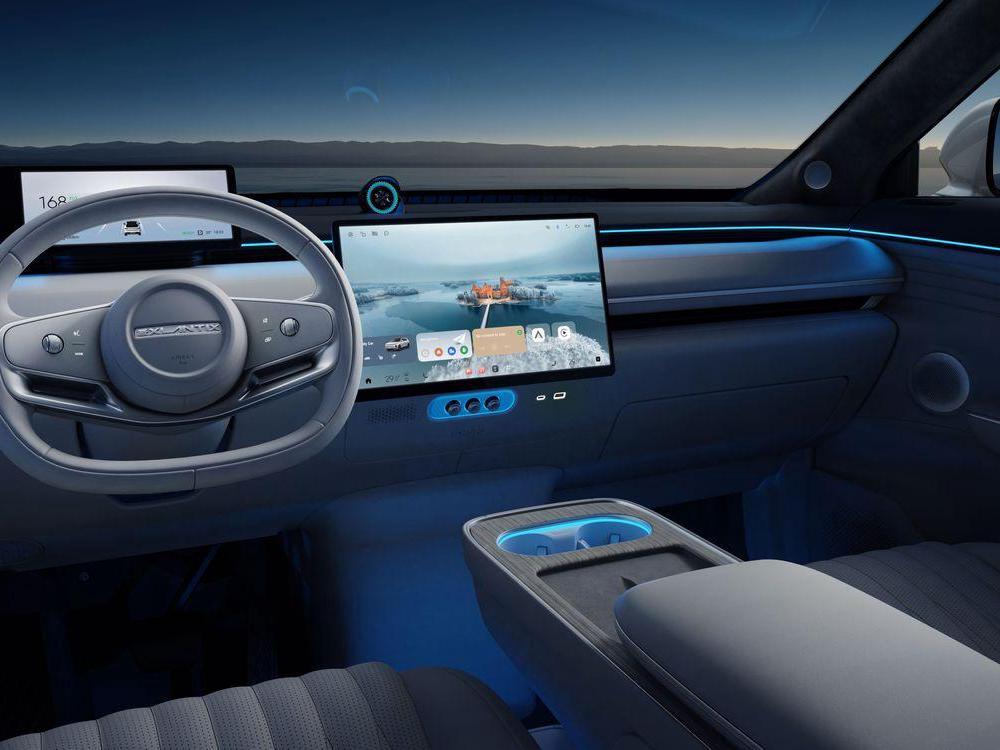
«Exlantix» is remembered for its light, yogurt-like interior and similarly effortless character, though you wouldn«t tell from the outside. It»s like a skilled and efficient employee whom you«re pleased to give a task, because they»ll rush to do it without grumbling, with an LED gleam in their eyes.
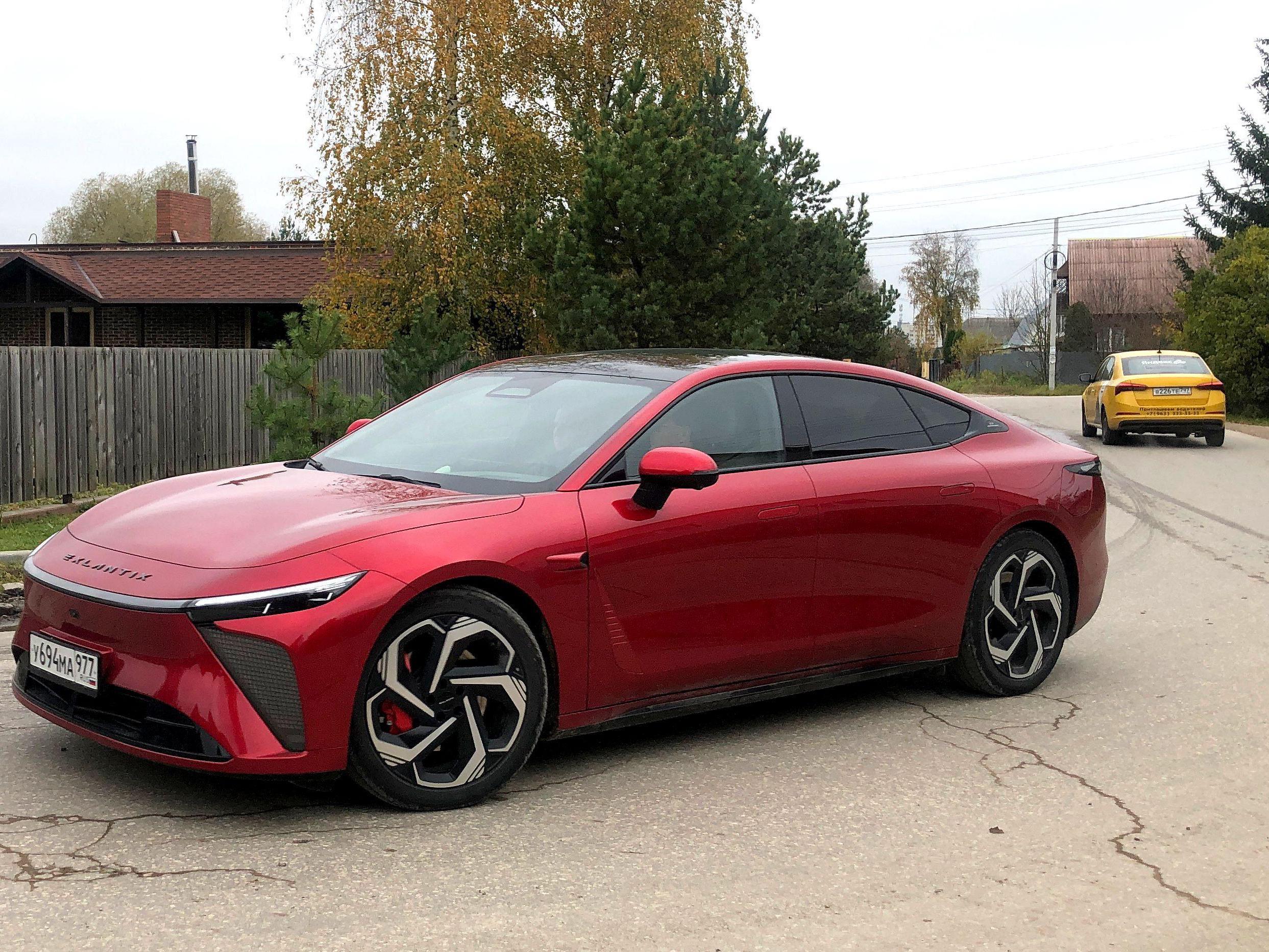
I wouldn«t say it particularly amazed me, because large crossovers are created more for common values—they need to be understood over a long distance. Exlantix ET is from that new formation of cars where they must be everything at once: quick, comfortable, economical, and also interactive.
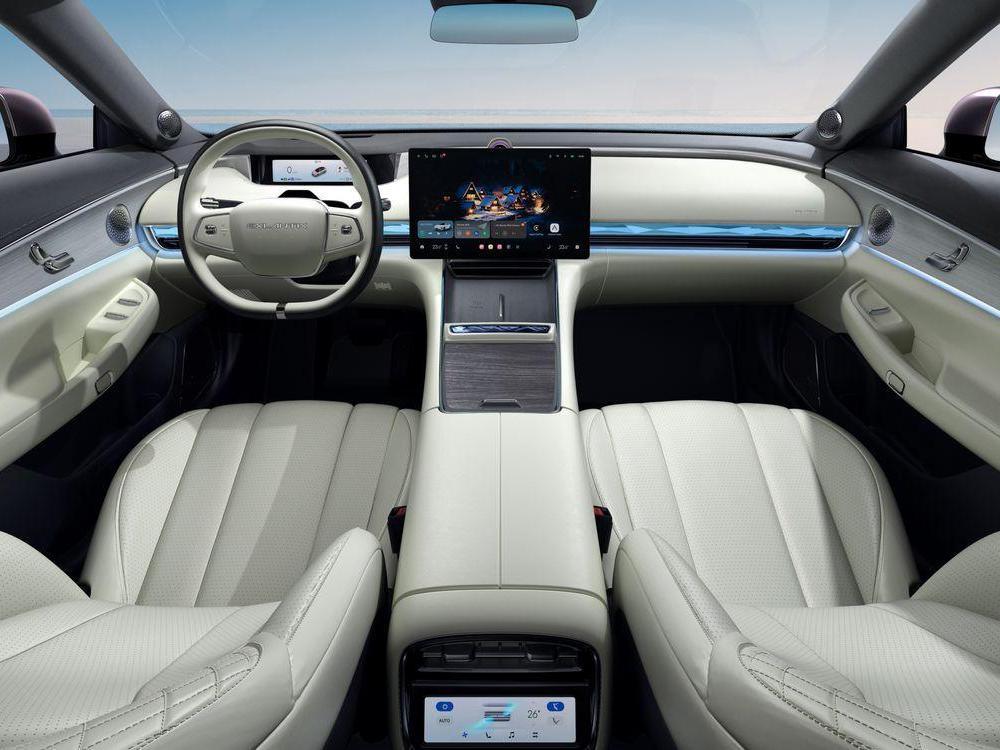
In China, the attitude toward cars is different: they are increasingly becoming an extension of the home or office. That is, they should not so much engage you in the driving process as give you the opportunity to rest, chat, or even work (autopilot is not far off). And from this perspective, ET is good. By the way, my son and I were dropped off from it into the «Iskra», and yes, it was a culture shock.
5th Place. Avatr 11
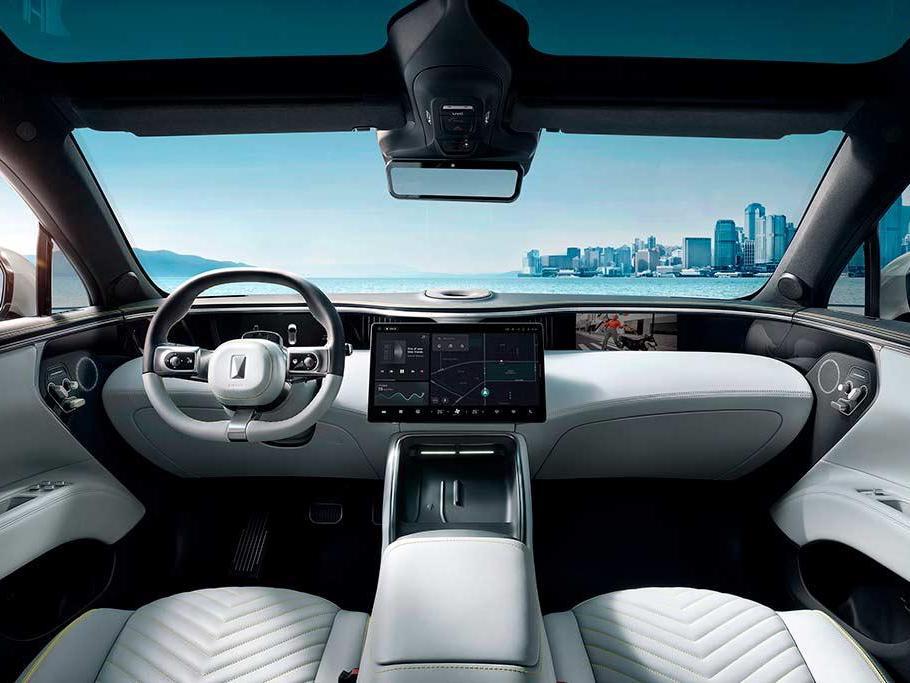
This was my off-screen favorite of the test: the only electric car, and with cool design to boot.
But that«s the problem. Avatr looks like a sports coupe, a kind of reincarnation of the Infiniti FX (yet with a sedan body, strangely enough). But the bold claim doesn»t quite justify itself: it feels more ordinary than it wants to appear.
On the move, Avatr 11 is soft, wallowy, sterile. Electric cars are generally less intrusive—they have no gear shifts, engine roar, fire-spitting through the exhaust pipe on downshifts (or downshifts themselves). But Avatr was made too compliant: a gadget-car taken to the limit. Charge and forget. And if you forget to charge—no gadget.
We return to the thought that in China, cars are perceived more instrumentally, as transport, not an object of desire or art. But here they overdid it: how can a 578-hp crossover feel like a Renault at max settings? Zeekr 001 delivers far more emotions, while Avatr«s character is wrapped in foam. Could have left a couple of thorns.
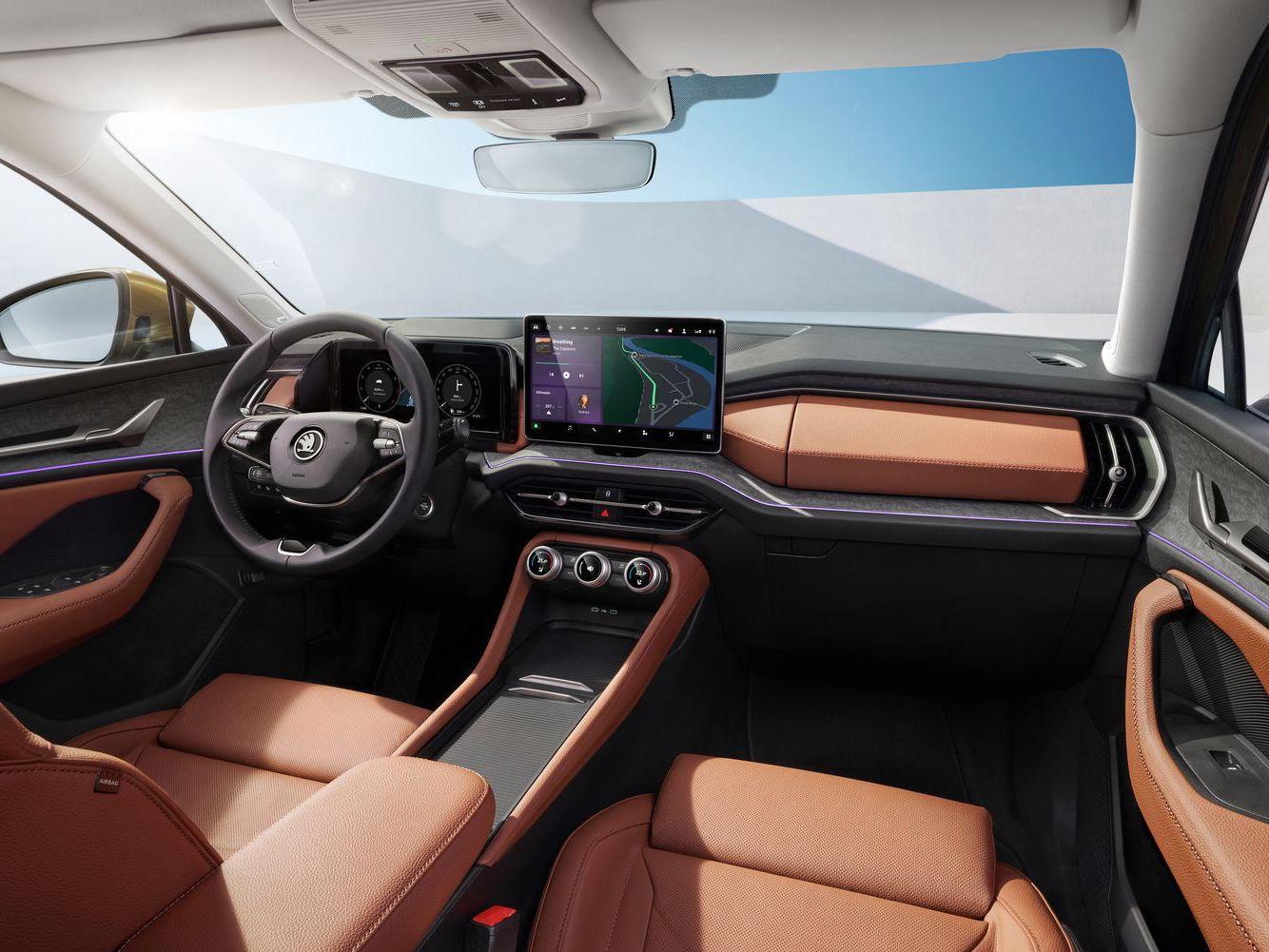
4th Place. Skoda Kodiaq
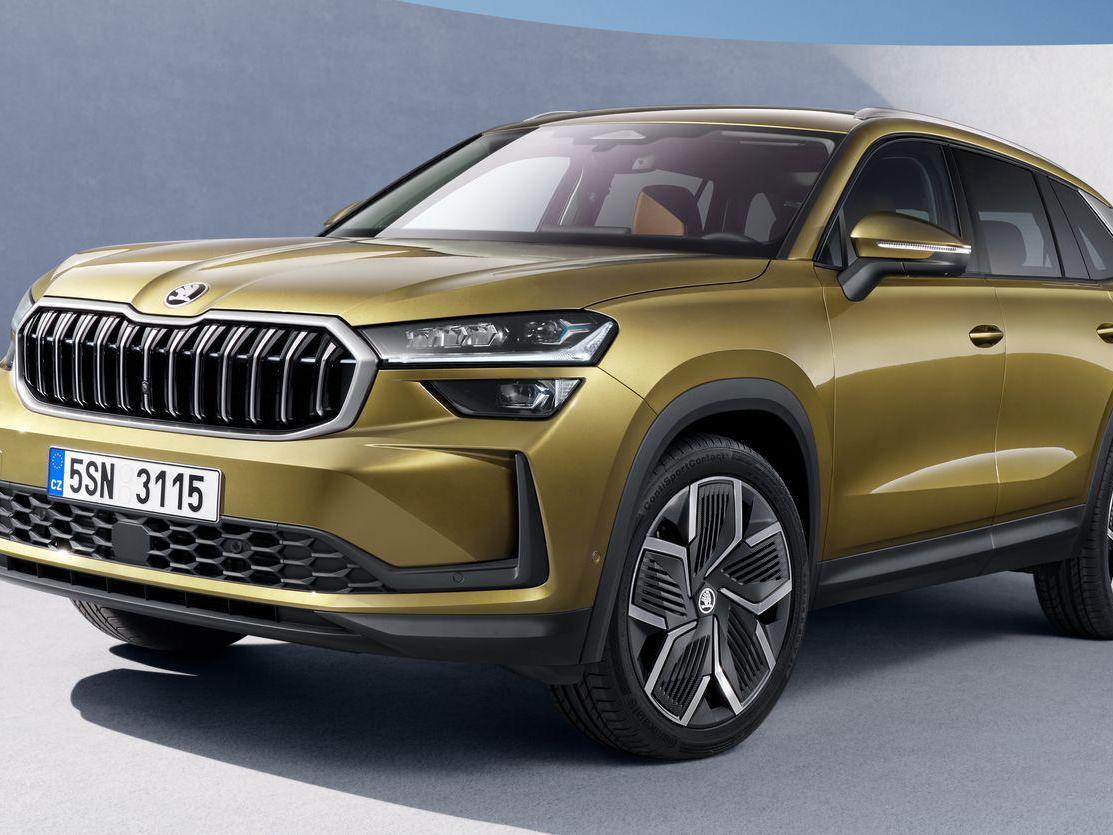
This car was added outside the competition precisely to calibrate our aim thrown off by «China-cars». Otherwise, we drive «Chinese», admire them, but sit in a normal car—and fall into a sugar coma… Or not?
I got into the «Kodiaq» right after the «Avatr» full of hopes and anticipation and didn«t feel anything special. The sky didn»t fall to earth. No sparks in the eyes. Rather, there was a feeling that you took half a step back, into the previous era of the auto industry. Good, but last century.
Okay, by many criteria it«s still good: the best ergonomics among all participants, attention to detail, handling again (though where to use it today?). Somehow »Skoda« organized rides on a winding forest road, and there the »Kodiaq« shone: by crossover standards, it»s precise and eager. But this time I looked at it from a different angle. The interior is a bit dull, dynamics (after hybrids) are bland, suspension settings seem overly detailed.
Yes, in nuances it«s better than Chinese cars—connoisseurs will understand this, accustomed to tasting wine, smacking lips and half-rolling eyes. In a real choice, I»d rather settle on the «Kodiaq», because it«s a clear, proven car.
But even if you kill me, the emotional part leans toward the «Chinese». They«re more interesting. More fun. More diverse. They managed to blur the line between mass-market and premium segments. If before »Skoda« would have competed with »Toyota« and »Nissan« (and won), now it contends with cars on steroids of electric drive and powerful computing. And the difference turns out like between a carburetor and fuel injection.
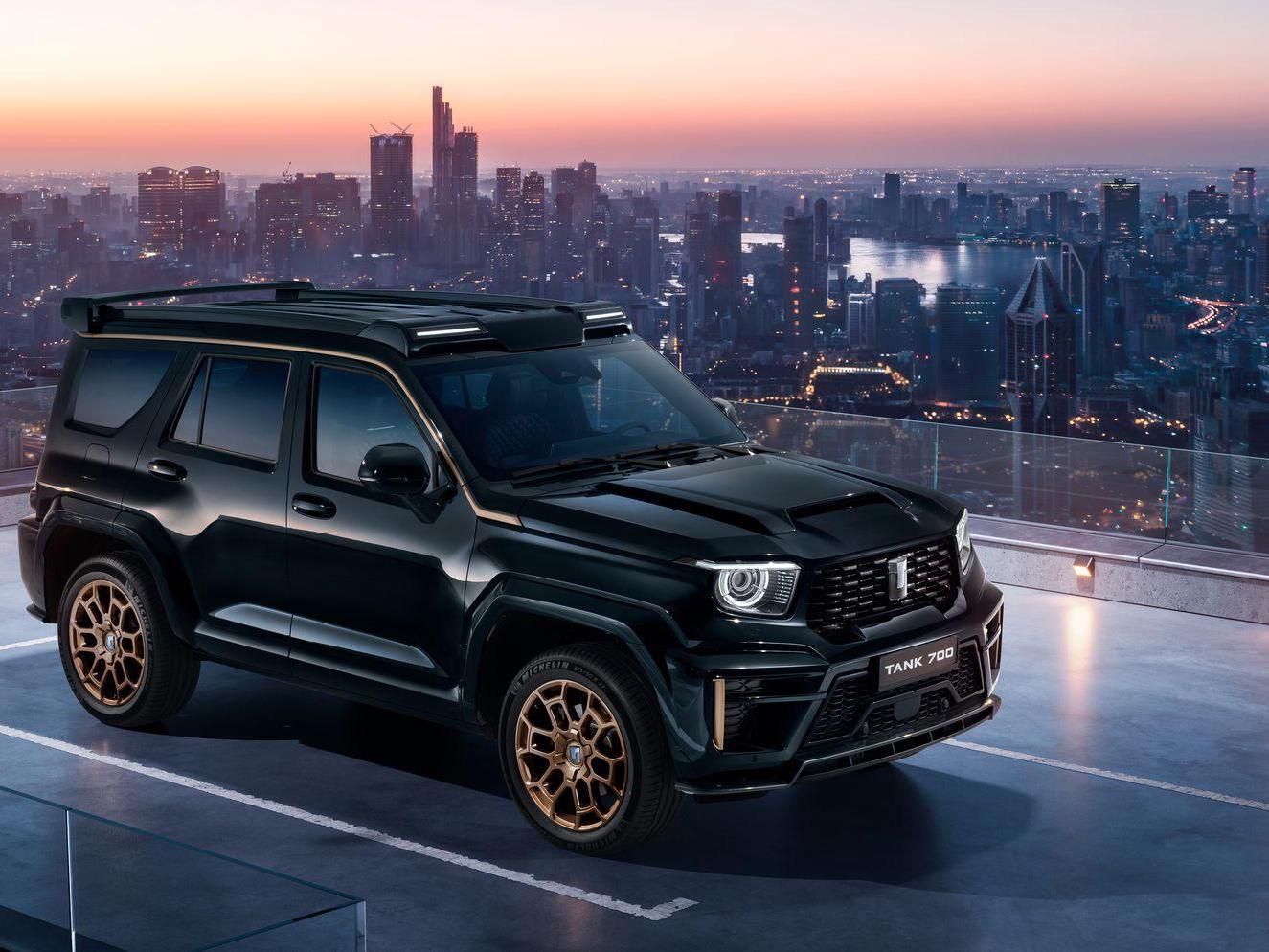
3rd Place. Tank 700
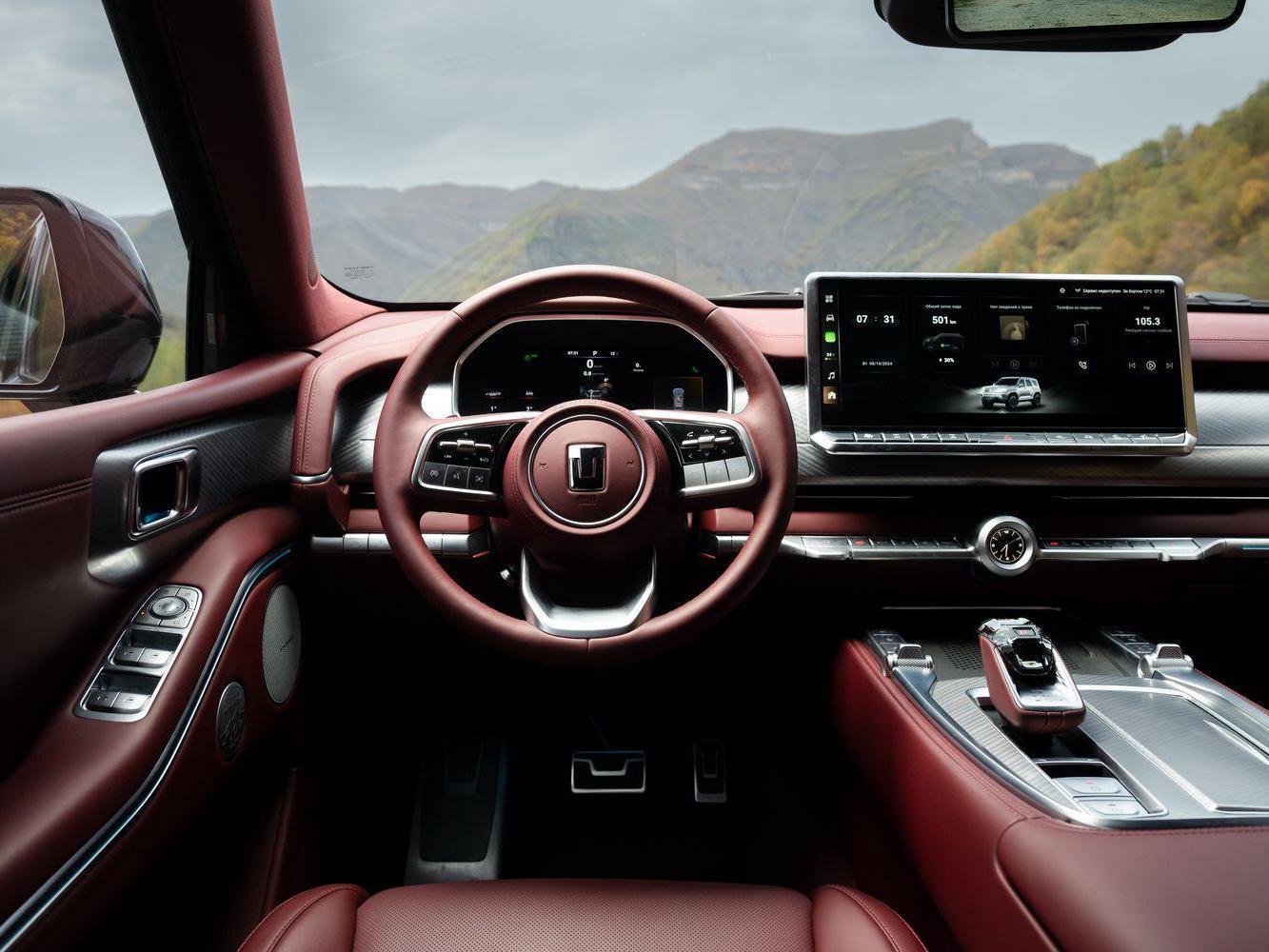
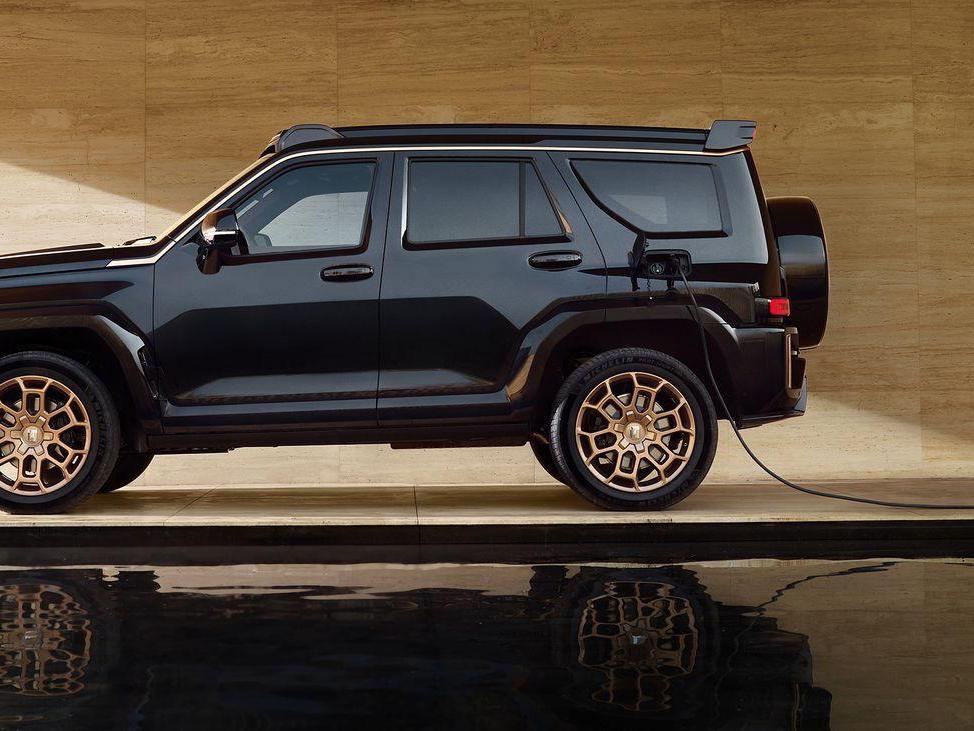
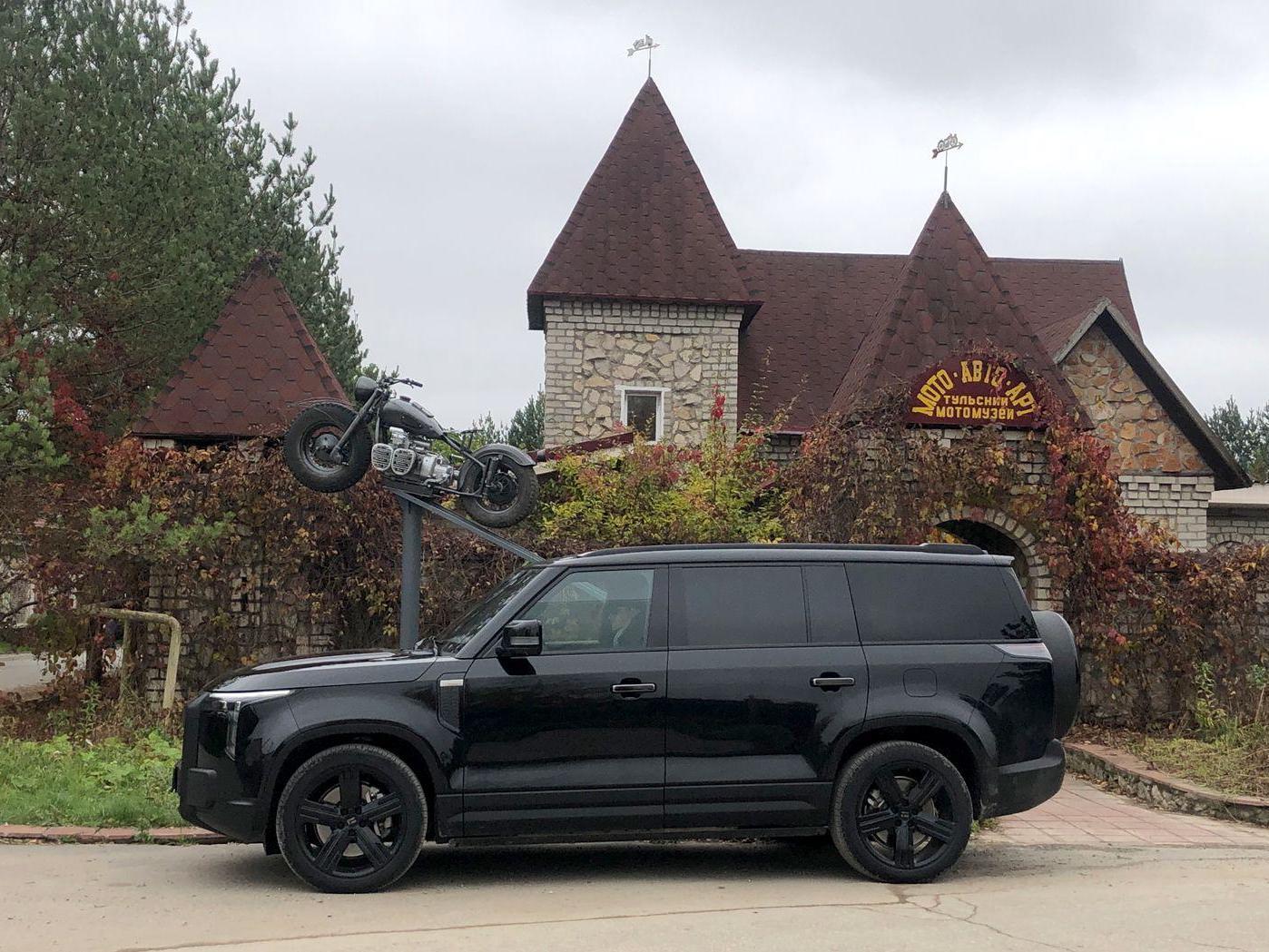
Tank 700 is stylistically similar to the «four hundred», and some might take them for one scaled model. Not so: Tank 700—is a part from the same blank, but more polished. It«s more comfortable, faster, roomier, and simply better. You sit in it and feel the itch to go all out. Get into the wilderness. Head to Altai. Dash off to a showdown.
With considerable size and almost truck-like mass, it feels like a normal car that doesn«t tire you, even if a long road turned into a dirt road or disappeared altogether. Its cavernous design isn»t without the charisma of a boxer with a busted nose and slightly swollen eyes. At the wheel, it skillfully hides the innate minuses of an off-roader: other journalists criticized it for handling, suspension tuning, sway, but it seemed to me that all this fits within genre boundaries. Such a car should drive leisurely: those who understand life don«t hurry.
And of course, off-road capability: no center differential (rigid coupling connection), wheel differentials lock, there«s low-range gearing, a frame, a V6 engine, and a nine-speed automatic. Against the backdrop of other test participants, the »seven hundred« doesn»t seem explosive in acceleration, but for those who find its dynamics insufficient, there«s a hybrid version.
The main problem—price from 10 million rubles (approximately $100,000 at current rates). However, a «Geländewagen» is many times more expensive.
2nd Place. Exlantix ES
For me, ES was the favorite of the test, and it rolled back to second place purely due to low practicality: it«s a sedan with a small trunk and narrow opening, plus it has a rather uncomfortable seat, so the ergonomics score is also reduced. But otherwise, when there was a choice, I got into it.
Before the test, I didn«t think much about the Exlantix brand. It»s another sub-brand of Chery, known for a horde of crossover-clones on the T1X platform (Tiggo family). This platform is ordinary, and in some executions mediocre, though there are pleasant exceptions like Omoda C7 or Jetour T1. But Exlantix—is a different branch, electric, with assertive acceleration and an excellent balance of comfort and handling.
In ES, I felt each time as if I took off winter shoes and ran barefoot. Of course, after sluggish crossovers, a sedan is always preferable for the driver, but this one is also made with soul. I understand what the author wanted to say. He wanted and said: enjoy the road, life, prospects. With this car, it«s easiest to establish a mental connection, and so it became my No. 1—if not by points, then in essence.
1st Place. Rox 01
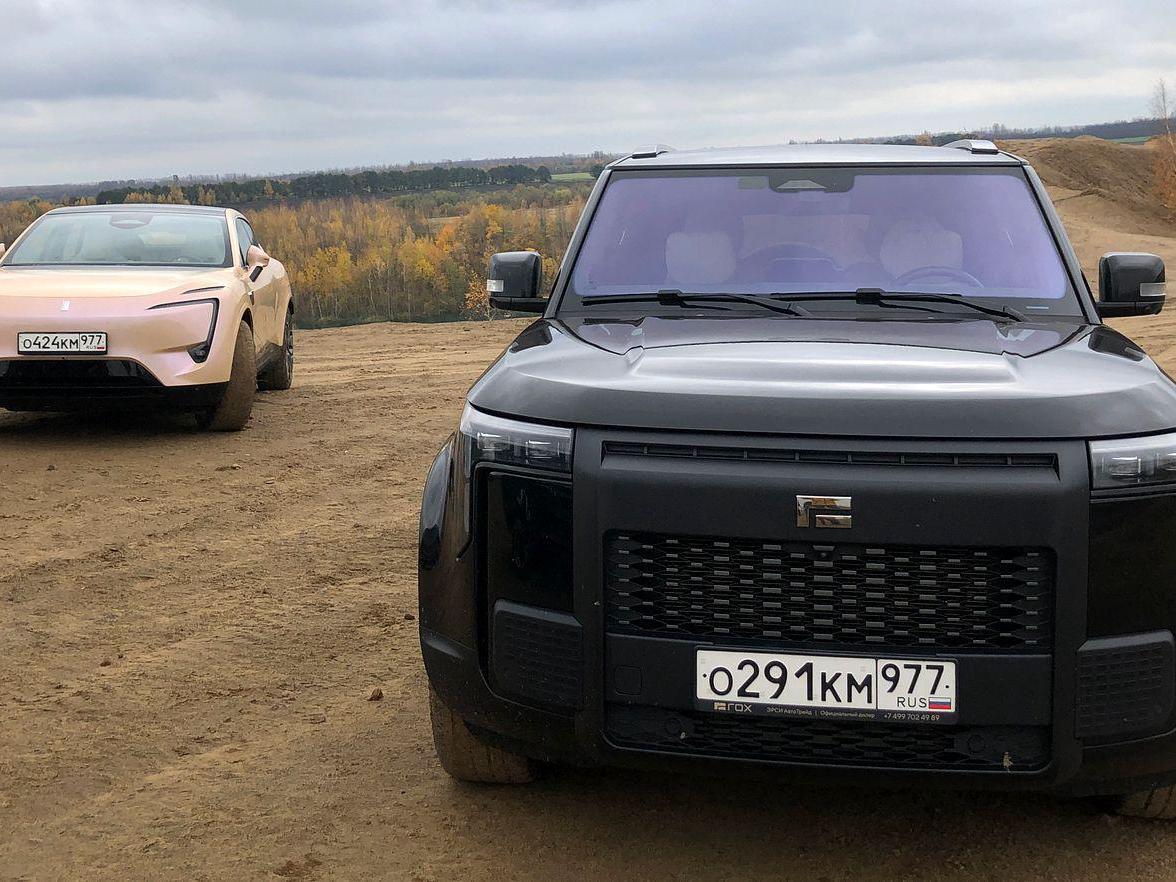
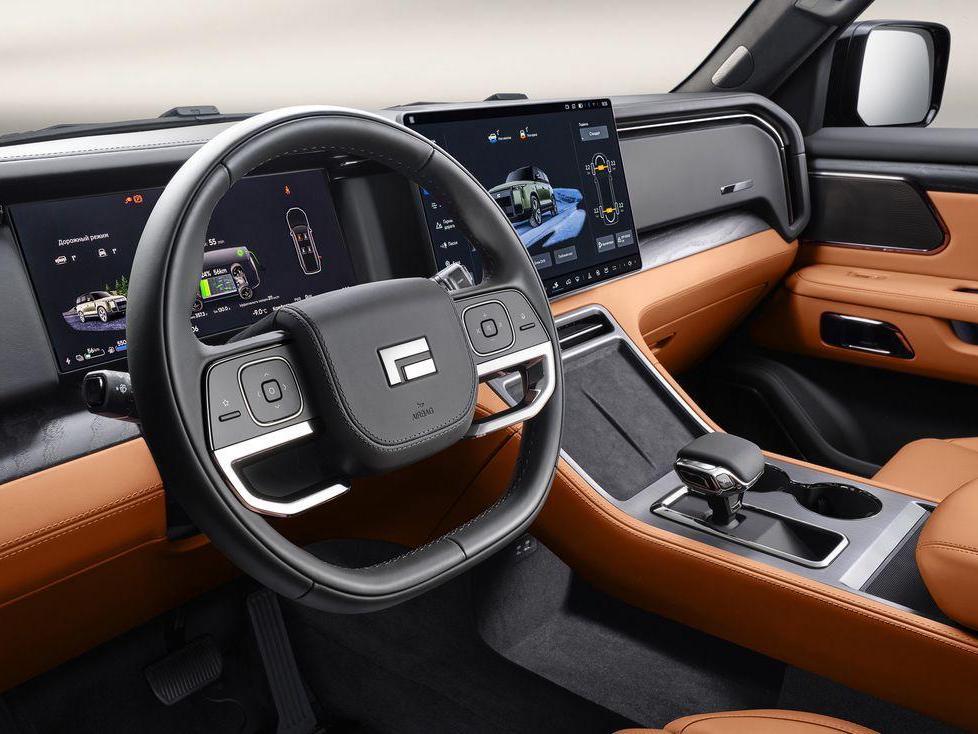
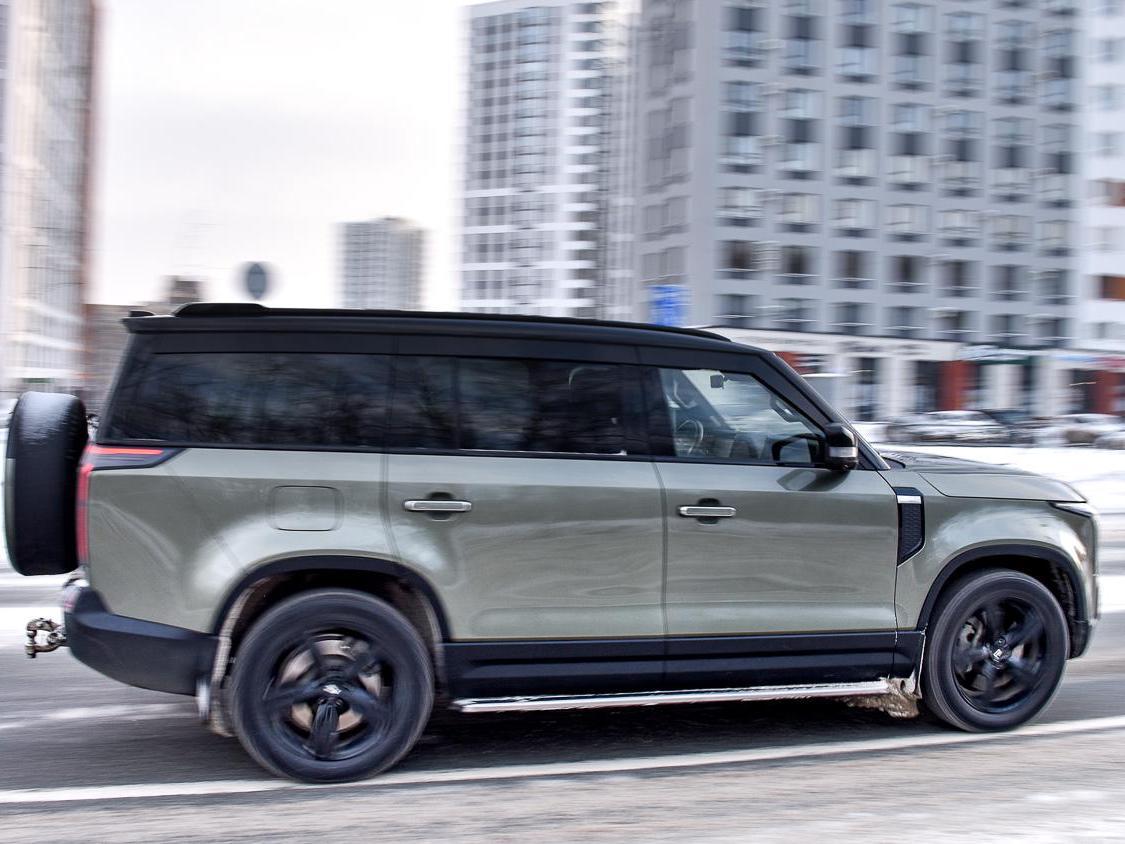
A vacuum cleaner manufacturer released its first car—sounds like a joke. I didn«t expect much: the design of »Rox« is pleasant, but how many Land Rover look-alikes are there now?
But, as it turned out, it took first place by points not only with me—it«s the winner of the entire rating test considering the proving ground part, where handling was tested, and with price adjustment. And it»s not small, meaning «Rox» had to sweat to compensate for the ruble handicap.
What wins you over? There are such clever fatties: you go to argue with them, and before you is a charming sanguine, and you immediately forget the subject of dispute. So Rox immediately softens your criticism with a luxurious seat, where you sit as if in a VIP cinema hall, watching events on the windshield panorama. A sense of surrealism of what«s happening—like in a movie. Press the pedal, and the road stands on end. Suspension comfort like classic Jaguars. Handling?.. I don»t even know. On such a car, you don«t want to drift, but in normal driving, it»s nimble, courteous, and you don«t expect more from an XXL-sized crossover.
Rox 01 better than other test participants shows how high the Chinese have climbed. And I«m amazed that such a mature car came from a debutant company. There»s a nuance here. China has created such a powerful auto industry that their firms have the opportunity to create a new car brand on the principle of an online store: buy design here, battery there, order assembly from these, fine-tuning from those. For example, Rox production is at the plants of BAW company, the one that brought to Russia a distant relative of UAZ vehicles. Firms like Rox are more technology integrators than creators. But the result is still impressive.
We separately covered the ownership experience of Rox 01. And here«s another »multinational« test—Toyota RAV4 vs. GAC GS4.