Kazakhstan Proposes High Waste Fee on Russian Cars in Retaliation

Kazakhstan plans to set prohibitive rates for the waste disposal fee on cars imported from Russia and Belarus. The draft order has been published on the legal information portal. The measure appears to be a retaliatory step against Russia, which has been consistently increasing the waste fee and applying additional charges specifically to cars produced in Kazakhstan. We examined how much and why Kazakhstan wants to raise the waste fee for Russian cars and whether this will affect AVTOVAZ.
What Kazakhstan Proposes
The draft law text published by media implies the introduction of a separate increasing coefficient for cars from Russia and Belarus: it varies depending on engine volume. For simplicity, let«s consider the most popular category—cars with internal combustion engines of 1–2 liters.
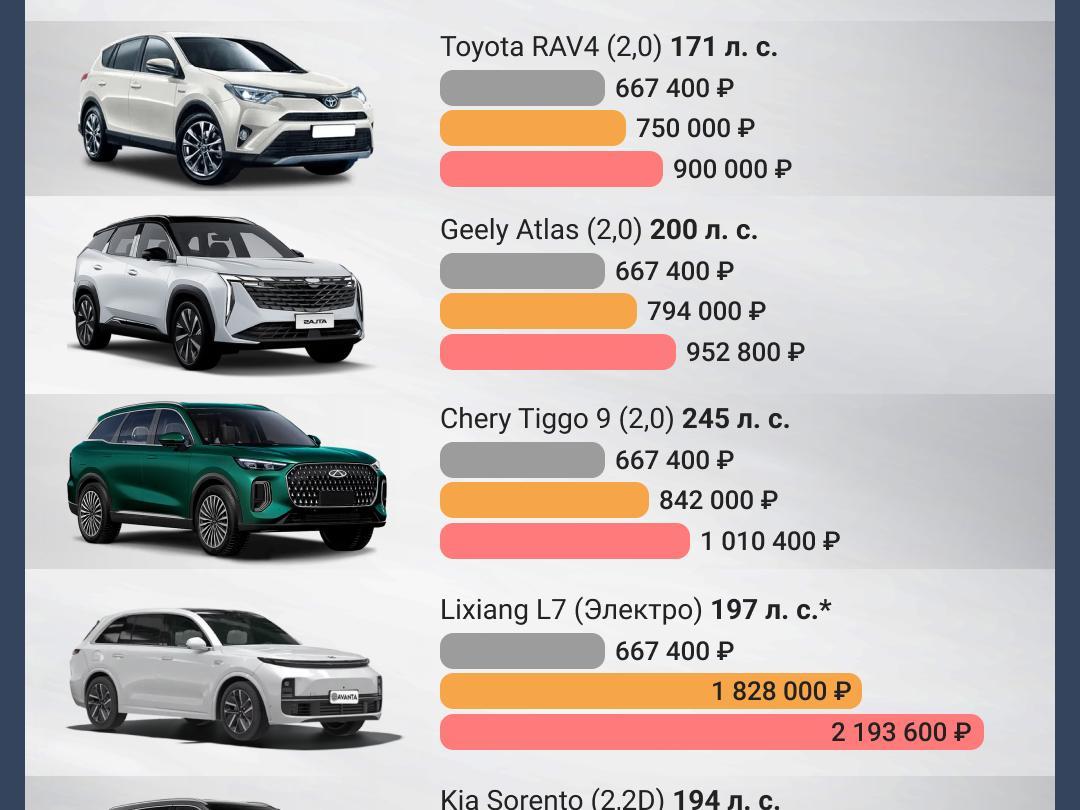
Currently, the waste disposal fee for importing a car into Kazakhstan is 757 thousand tenge, or 114 thousand rubles (approximately $1,300 at current rates), which is significantly lower than the Russian «waste fee» (800 thousand rubles) applied for imports in the opposite direction. The draft order proposes to increase the coefficient by about 40 times, making the tariffs prohibitive: 29 million tenge, or 4.4 million Russian rubles (about $48,400 at current rates). It should be clarified that these values are not final—discussions are ongoing.
For other member countries of the Eurasian Economic Union (EAEU), Kyrgyzstan and Armenia, Kazakhstan«s waste fee rates remain unchanged.
Why Is Kazakhstan Doing This?
The initiators of the proposal explain that the draft is aimed at protecting the national interests of the state.
«It provides for eliminating the imbalance in the level of the waste disposal fee between the Republic of Kazakhstan and the countries of the Russian Federation and the Republic of Belarus, as well as equalizing the conditions for access of Kazakh cars to the EAEU market by bringing the mechanisms for calculating the waste fee to comparable parameters,» the explanation to the draft states.
Simply put, Kazakhstan is trying to mirror the practice of increasing the waste disposal fee in Russia and Belarus. Why then are the proposed rates many times higher than even the Russian waste fee? As reported by the publication Kolesa.kz citing the initiators, Russia when calculating the waste fee also includes customs duties, VAT, and excise taxes, so the new rates were computed taking this into account.
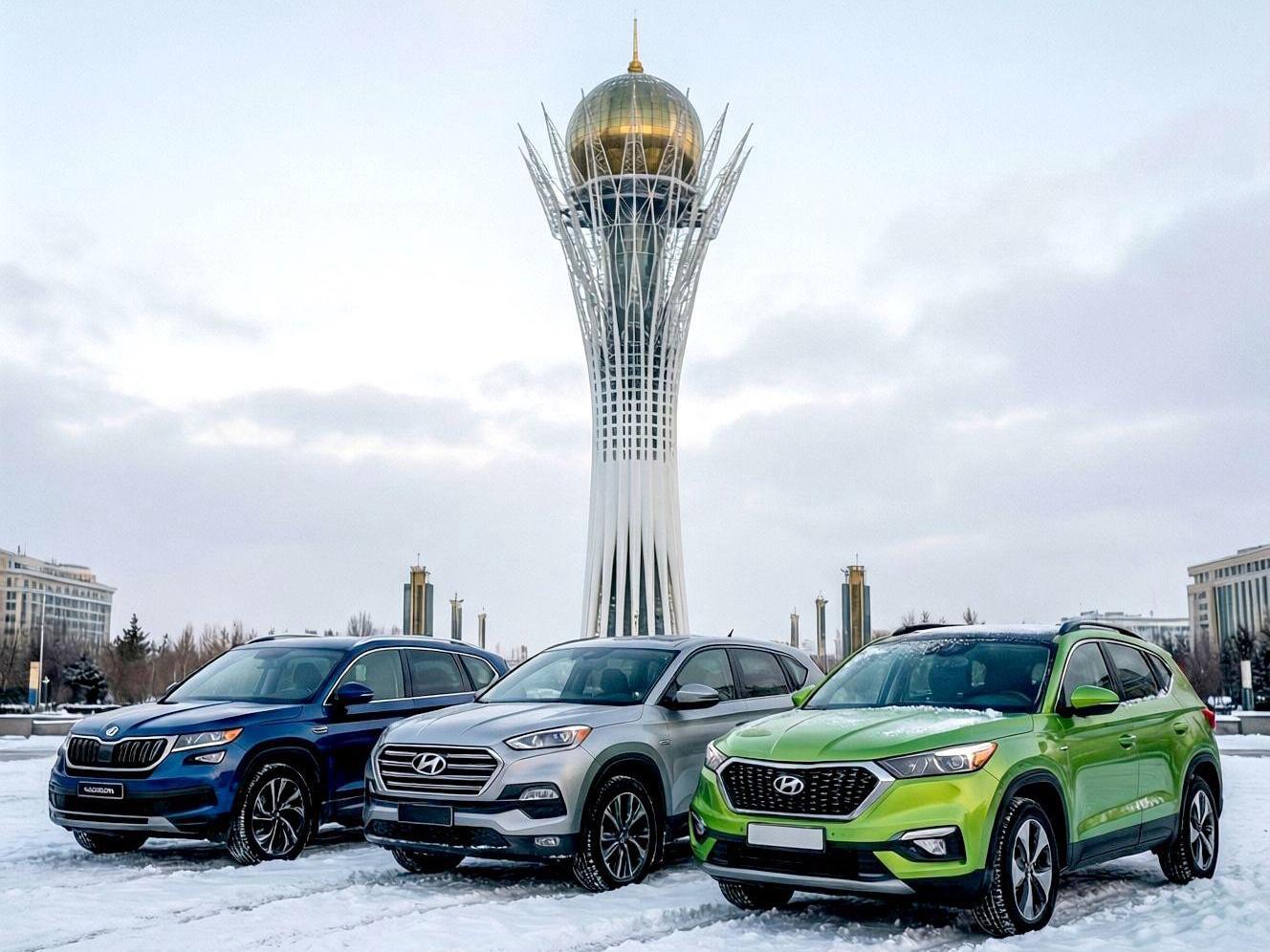
Since 2024, Russia has practiced including all «shortfalls» in customs payments into the waste fee amount. This is why owners of Skoda, Kia, and Hyundai cars from Kazakhstan receive demands to pay over a million rubles extra, even if they initially cleared the cars through customs at commercial waste fee rates.
You Made a Mess—Now Deal With It
Essentially, there is a dispute between Russia and Kazakhstan over the terms under which locally assembled cars can enter the neighboring country«s market.
Kazakhstan is developing its own automotive industry, and the Russian market could provide significant demand for such cars if the rules of the single customs space were functioning. The proponents of raising the «waste fee» in Kazakhstan refer to the EAEU Customs Code, which recognizes cars placed under the free warehouse customs procedure as EAEU goods. Without delving into details, this procedure allows Kazakh car assemblers to save substantially on customs clearance of components for assembly, making such cars relatively affordable. This has become the bone of contention between owners of Kazakh-assembled Skoda, Kia, Hyundai and the Federal Customs Service of Russia (FTS).
«Accordingly, the application in Belarus and Russia of so-called customs coefficients to cars assembled in Kazakhstan is unlawful,» the publication Kolesa.kz quotes the authors of the draft order.
«Kazakhstan adheres to a balanced and open economic approach, building its policy in the field of waste fees and imports based on a balance of interests of the state, business, and consumers, maintaining a predictable regime for domestic production, imports from EAEU countries and third states,» said Adilbek Bektybayev, Director of the Industrial Policy Department of the Ministry of Industry and Construction of the republic. «Such an approach demonstrates market openness and a desire for stable and clear rules for all participants.»
«Trying to Close the Market to AVTOVAZ»
Anton Shaparin, Vice President of the National Automobile Union, believes that such a step is another blow to the Eurasian Economic Union.
«This is again an internal demarcation story: Kazakhstan is trying to close its market to AVTOVAZ because Russia closed its market to all others,» he says. «And I fear that such practice will spread to other types of products, there will be measures to block Russian certificates and goods entering the Kazakh market.»
According to him, the National Automobile Union does not welcome such steps.
«The waste disposal fee is being used as a tool of political pressure, so we hope that major negotiations are now underway on how the EAEU will develop, how customs will work, whether the single space will be preserved, including for certification,» continues Anton Shaparin. «These are all big questions, we will wait for their resolution.»
In addition to passenger vehicles, waste disposal fees in Kazakhstan are planned to be raised for trucks and agricultural machinery from Russia and Belarus, which will likely deal an even bigger blow to Russian manufacturers. According to the results of 11 months of 2025, 6.7 thousand cars, 481 trucks, and 141 units of special equipment were sent from Russia to Kazakhstan. For the passenger car segment, exports from Russia to Kazakhstan are small both by the standards of the republic«s market (235 thousand) and in the scale of AVTOVAZ, which sold 325 thousand cars in 2025. But in the area of freight and special equipment, the proportional share may be higher.
Public discussion of the draft order will continue in Kazakhstan until February 3, 2026.
How Tensions Between Russia and Kazakhstan Escalated
Both countries are members of the Eurasian Economic Union (EAEU). In theory, it was supposed to become an analogue of the European Union with a single customs and certification space, ensuring seamless trade between member countries, which also include Belarus, Kyrgyzstan, and Armenia.
However, the different living standards of EAEU participants required a more flexible approach, and some countries were left with the ability to set their own customs rules. Formally, exporting cars from EAEU member countries cleared through customs under internal rules was prohibited, but no control was established over this.
In 2022, with the departure of global brands from Russia, EAEU countries became a transit hub for parallel and gray imports of cars. They were cleared through customs according to local rules and then imported into Russia, taking advantage of the open borders regime.
In 2024, Russia tightened import rules by introducing a new formula for calculating the waste fee. The FTS was required to add to it all the differences in VAT, excise taxes, and customs duties for cars cleared through Kazakh (Kyrgyz, Belarusian) rules. For example, the VAT rate in Kazakhstan was long 12%, while in Russia until a recent increase it was 20%. This «delta» has been collected since 2024 in the form of additional charges to the waste fee. At the same time, the rates of the «waste fee» itself grew, resulting in customs fees equaling the price of the car imported into Russia.
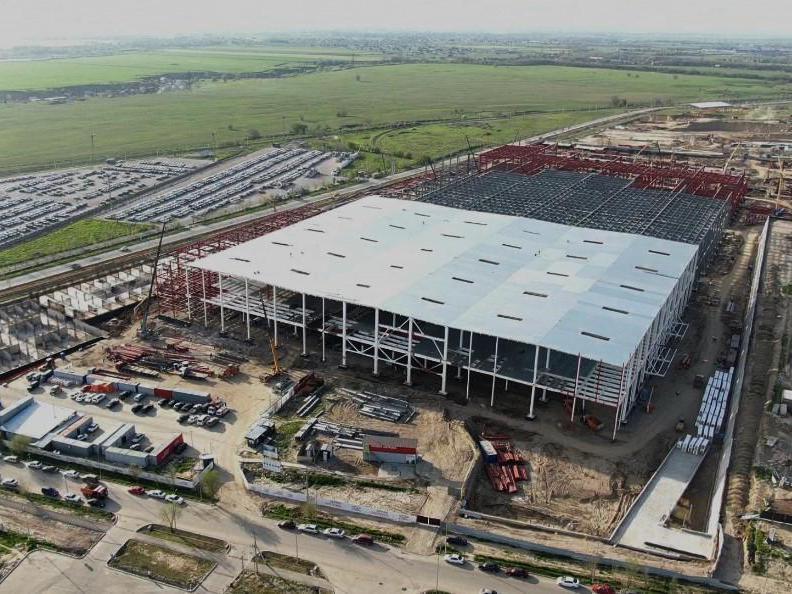
A new round of tension arose with the development of car assembly plants in Kazakhstan, some of which were oriented towards Russia. Even before the start of the Special Military Operation (SVO), Hyundai cars were assembled in Almaty, Ladas in Ust-Kamenogorsk, and right near the borders with Russia, in Kostanay, Allur enterprises operated, producing a wide range of cars from Chevrolet to JAC. Also in Kostanay, Skoda and Kia plants were established, assembling cheap models, competitors to Ladas. The choice of location hints at interest in the Russian market.
Kazakhstan attempted to negotiate with Russia on importing such cars under preferential conditions but failed. On the contrary, Russia increased waste fee rates and simultaneously began applying additional «waste fees» to Kazakhstan-assembled cars. De facto, this means a ban on importing such cars: clearing them through customs at the new rates makes import unprofitable. The problem, as far as can be judged, arose from different interpretations of the «free warehouse regime»: the Kazakh side believes that cars legalized in this way should be considered produced in the EAEU, while Russia views them as foreign cars, requiring full customs clearance.
Apparently, the Kazakh authorities want to use the increase in the waste fee as leverage to restore dialogue with Russia and create a transparent regime for mutual trade. But Russia«s semi-lively automotive industry is unlikely to welcome competitors from Kazakhstan.
The waste disposal fee on cars in Russia has been raised twice recently: in December 2025 and January 2026. In some cases, the cost of cars increased by 1 million rubles. It is worth noting that with the inflated rates, actual «waste fee» collections are twice worse than expected.