China bans new car exports to Russia for six months


From January 1, 2026, China has introduced new rules for car exports that primarily target «gray» and «parallel» importers. According to Rossiyskaya Gazeta, a large batch of Zeekr, Nissan, and Mazda vehicles for the Russian market has been detained at Chinese customs. We explain which cars exactly are affected by the moratorium and why China is doing this.

Fighting Parallel Imports
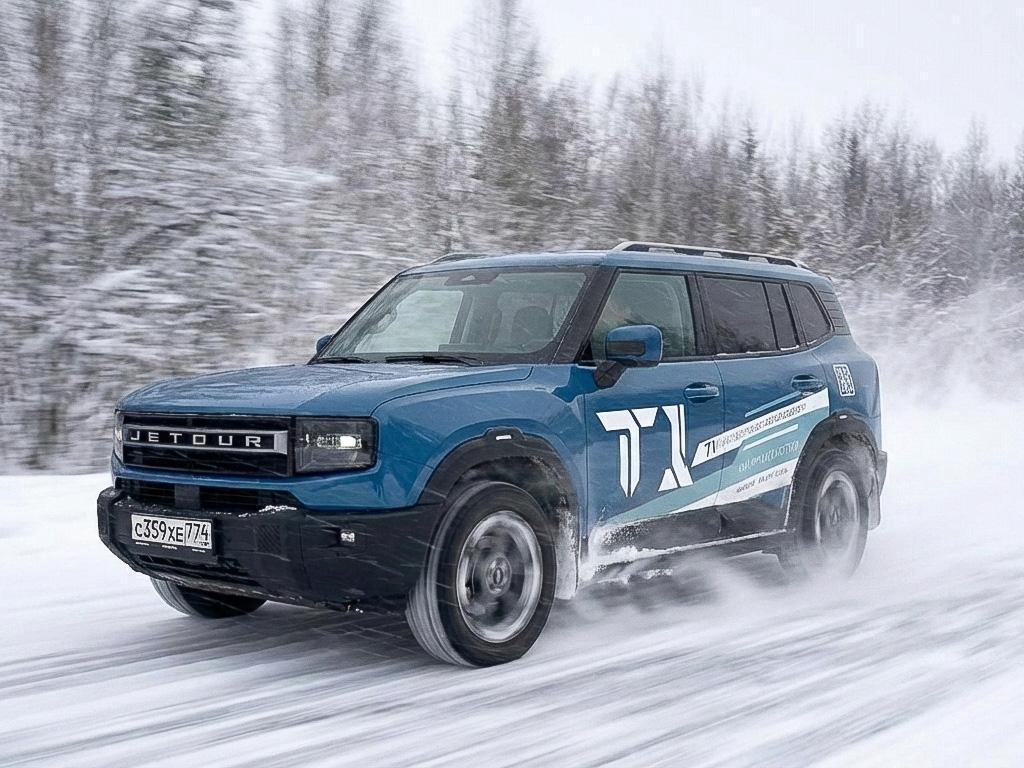
In China, there is a ban on exporting new cars without the manufacturer«s permission, meaning only through official channels. This practice mirrors the Russian ban on parallel imports, which was in effect until 2022 and for which exceptions were made for brands that left Russia. Since then, two schemes of unofficial imports have been operating in Russia: »parallel« (for brands like Ford, Toyota, Kia) and »gray« for cars previously not represented in the country or still operating. This is how Zeekr and part of Lixiang are imported. Geely Monjaro, although officially represented, is also in demand as »gray« imports.
Since Russia eased import rules, and China did not, a conflict arose. New Zeekr or locally assembled Toyota vehicles could not be exported from China without permission from parent companies, while in Russia there was high demand for them. Bypassing the ban turned out to be easy: the car was registered in China, making it formally used, and exported from the country without the manufacturer«s knowledge. In Russia, such cars were sold as new, since de facto they were.

The practice of formal sales was also used by Chinese companies themselves, for example, to improve statistics. Moreover, this allowed for dumping: the car was purchased at factory price, but unlike the manufacturer, a private seller did not provide warranties or insurance, meaning lower costs and risks.
What China Did
From January 1, the export of a new car that has already been registered is possible no earlier than 180 days after initial registration. More precisely, this can be done by requesting a special document from the manufacturer, but it is unlikely to provide it to a reseller. Auto companies suffered from such practices, so they are interested in stopping them.
Cars stuck at Chinese customs can be exported to Russia no earlier than summer 2026. Henceforth, exporting cars less than six months old from China will only be possible through official channels, regardless of whether the car is registered.
For «white» imports, nothing changes: exporting new cars to Russia or another country through official brand representatives works without restrictions.
Another Nail in the Coffin of Imports
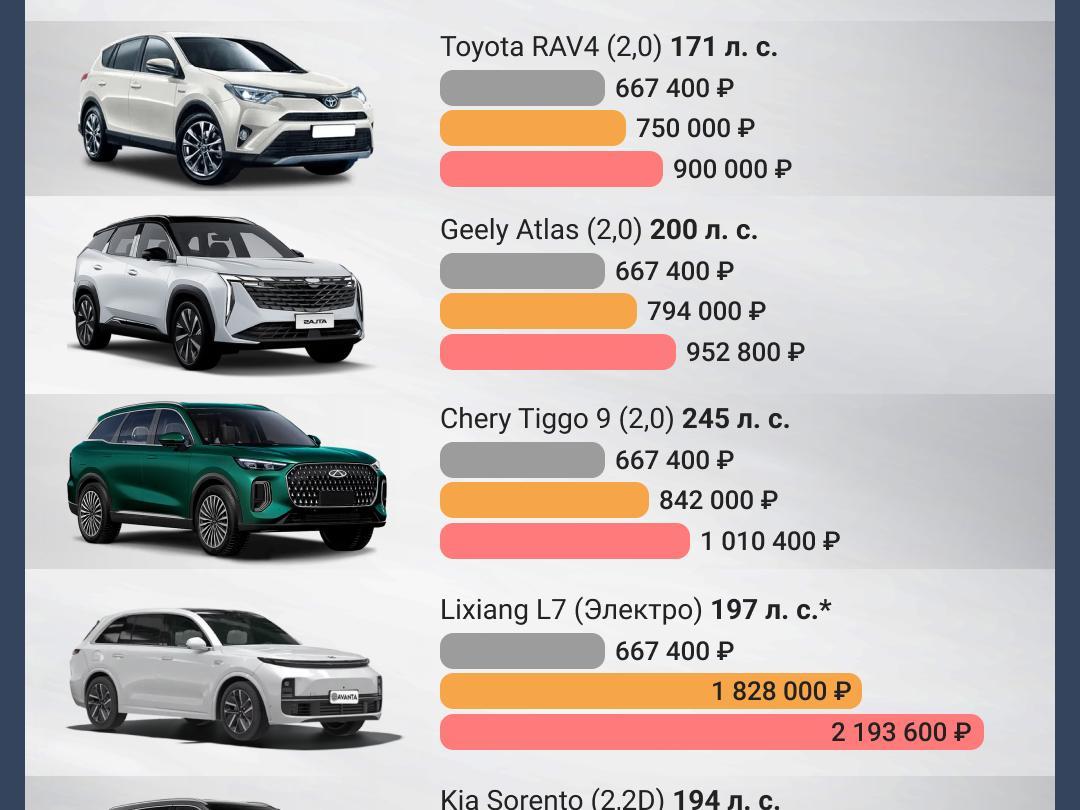
The new restriction adds to other obstacles for importing cars into Russia. Thus, from December 1, 2025, a prohibitive recycling fee tariff was introduced for private imports of cars with more than 160 hp, and from January 1, 2026, rates for all categories have been increased.
Importing used cars into Russia was already complicated by extremely high duty and recycling fee rates, and now the situation has become almost absurd. For example, for a car with a customs value of $10,000 (760,000 rubles) with a 2.5-liter engine, 4 years old, one needs to pay over 4 million rubles (about $44,400 at current rates) upon import, of which 3.5 million is the increased recycling fee.
Meanwhile, imports of non-new cars from China were gaining momentum: according to Sergey Tselikov, head of Avtostat (a Russian automotive analytics agency), last year it reached 81,000 units, 3.5 times higher than the previous year. From China, they mainly imported not local brands, but Toyota, Volkswagen, Honda, BMW, and Audi. More than half of such cars had power over 160 hp, and this part of imports will likely shrink significantly.
The ban introduced by China will further hit the primary market, since now buying a new car will have to be through distributors, or already six months old. In the case of Zeekr, which is not officially supplied, buying a truly new car is now excluded.
Bet on Localization
Russia has taken a course on local assembly of models, and on the primary market, the share of direct imports from China in 2025 decreased to 53% with a tendency to further decrease. For example, Chery stopped importing Tiggo family crossovers, which are now produced in Kaluga under the Tenet brand. Popular Geely models are imported to Russia from Belarus (Belgee), Changan has established production of the popular CS55 crossover in Kaliningrad, and Haval produces over 80% of cars for the Russian market at a plant near Tula.
However, direct imports from China were important for those who wanted a less typical car, or a car from one of the brands that left Russia. From China, they actively imported new electric vehicles and hybrids, the share of which fell last year, and now, apparently, will decrease even more.
In response to Russia«s aggressive customs policy on introducing a high recycling fee, Kazakhstan is considering: the republic is trying to block the import of passenger, commercial, and special vehicles from Russia and Belarus.
Recently, we told how the China-assembled Toyota RAV4 feels against a purebred «China car». And here are the results of a test drive of ten cars, among which were Lada Iskra and Skoda Kodiaq.