A Second Life for 'Old Ladies'. Novosibirsk Puts Early 2000s Japanese Cars Back on the Road

Ten years ago, the phrase «restore an old car» sounded like a budget death sentence. Today, it«s a calculated decision. The average price of a new car in Russia long ago exceeded 3–3.5 million rubles (approx. $33,300–$38,900 at current rates). Even budget models require either a loan or serious compromises. Against this backdrop, restoring an old but understandable car for 200–300 thousand rubles (approx. $2,200–$3,300) looks not like nostalgia, but like pragmatic calculation. Old Toyotas, Hondas, and Nissans from the late 1990s to early 2000s are valued not for their multimedia systems and driving aids, but for their simple and durable construction, long-lasting components, availability of parts (including aftermarket and used), and ease of repair without »diagnostic headaches.« NGS spoke with auto repair specialists to find out how much it takes to invest in a car»s «reincarnation» to drive trouble-free for another five years.
The Body — the Most Problematic Spot
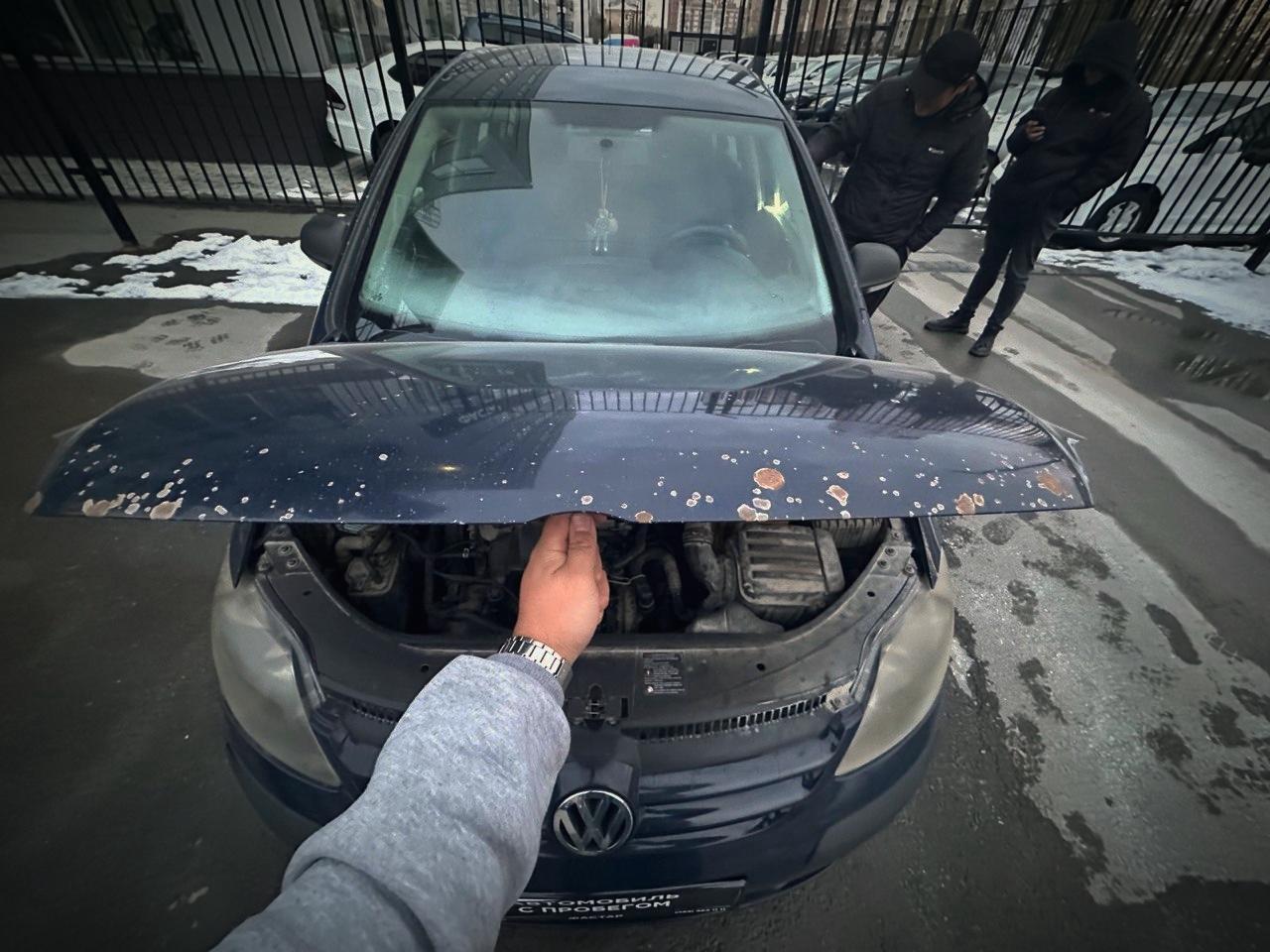
It«s important to understand: if a car»s body, engine, and transmission have all «died» simultaneously, that«s not a project, it»s a black hole. Don«t harbor illusions. In all other cases, everything is solvable; the question is only the budget. Any restoration is a numbers game, and the first step is diagnostics, without which all further investments become a lottery.
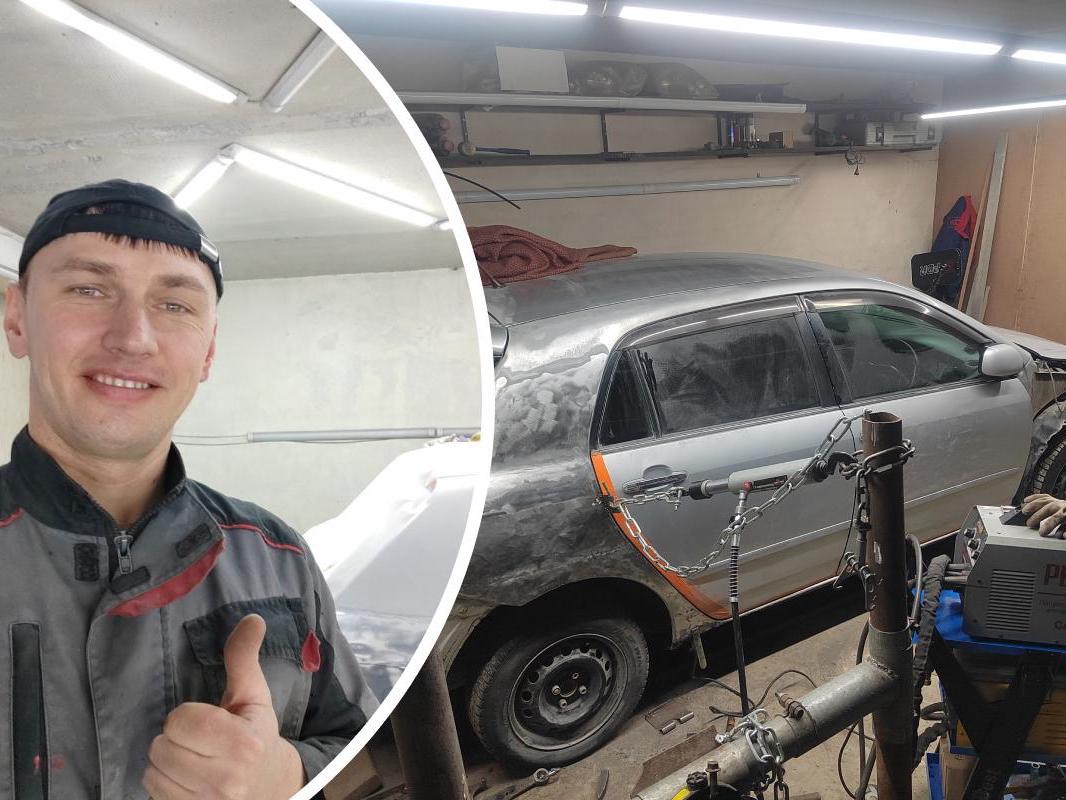
Konstantin Panurovsky has been restoring old foreign cars for over 10 years and specializes in body repair. This work is far from being available at every service station, unlike mechanical work, and booking a master can stretch for months. For instance, the queue for Konstantin«s workshop today is almost a year long.
«Rust is one of the most common problems in old cars. If you try, you can find a place to paint a bumper or a fender not today, but tomorrow or the day after. But to weld elements — definitely not. You need to count on a queue of at least a month. I»ve even heard that many now have paid queues: to prevent people from backing out after booking, they take a deposit,« the master shared.
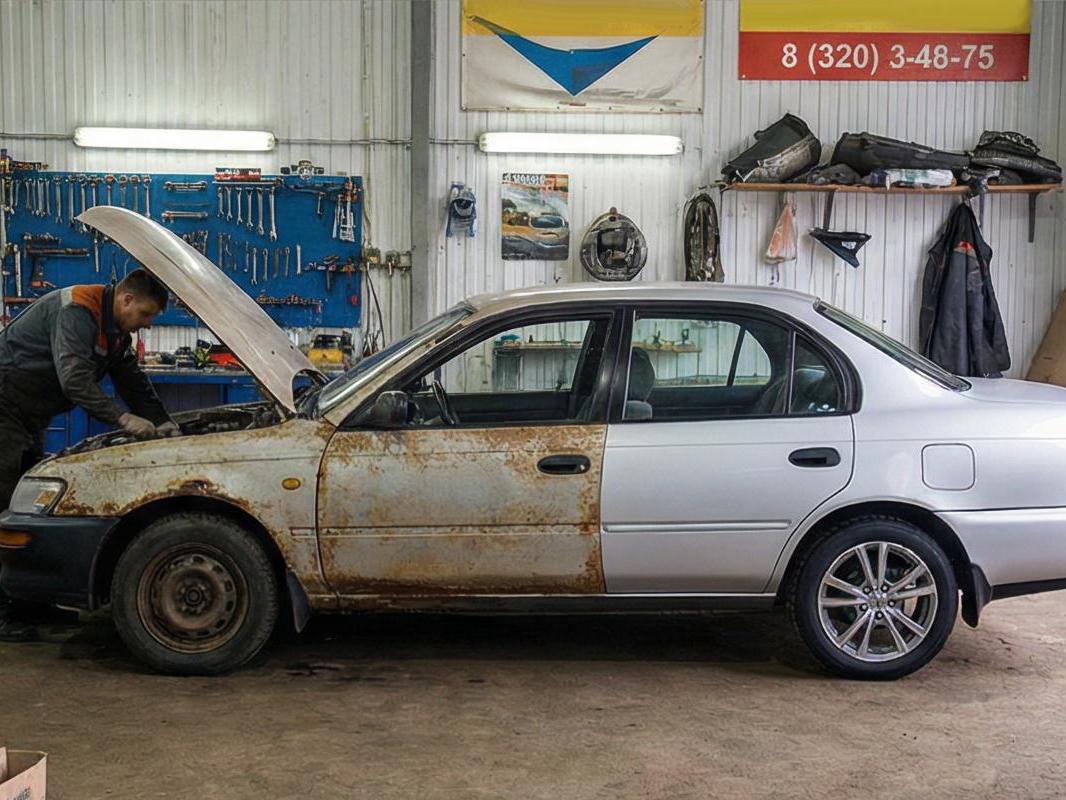
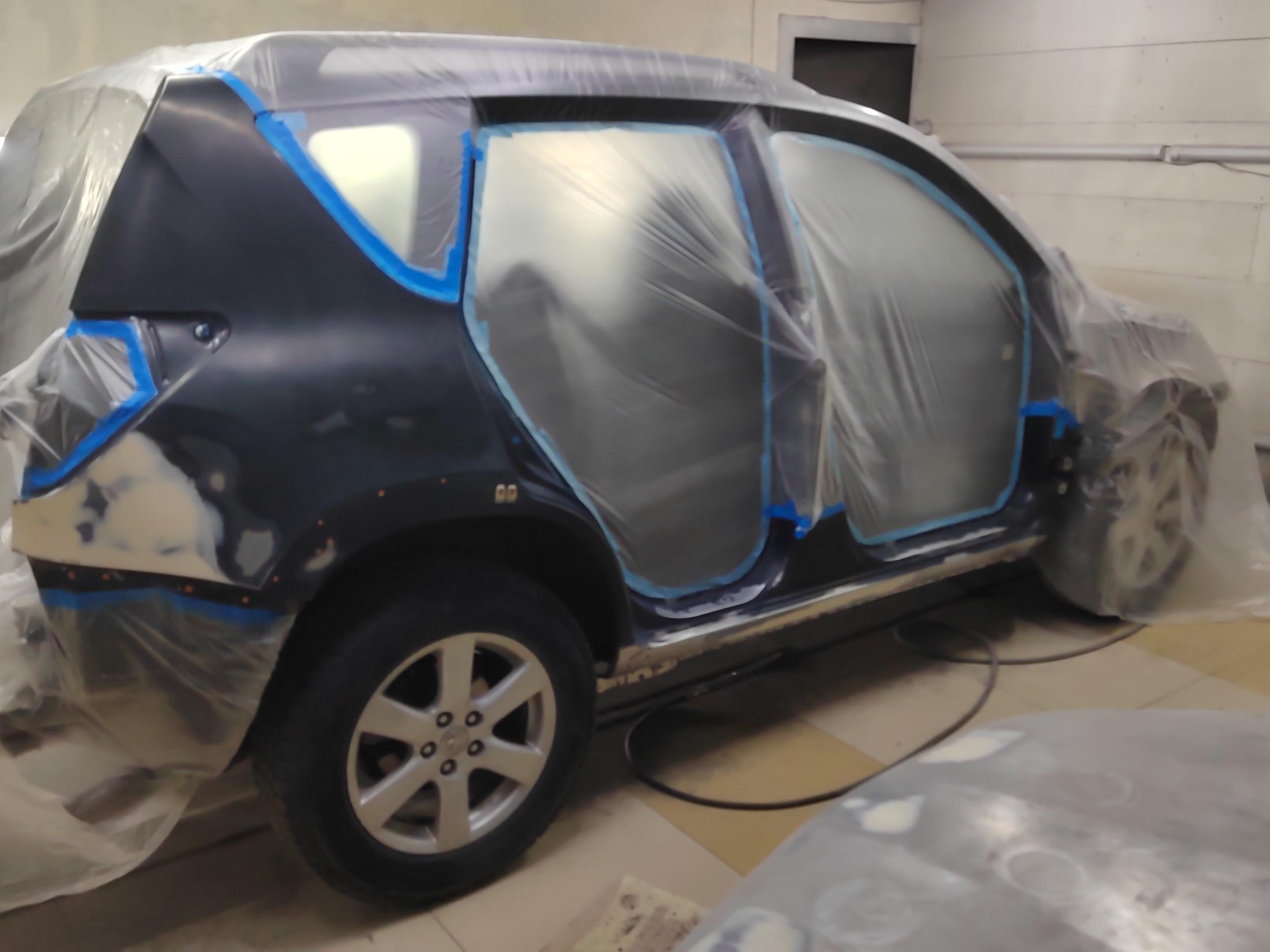
Typical corrosion spots: sills and wheel arches, lower parts of doors, the floor and beams, and strut towers. Local bodywork will cost from 5–30 thousand rubles (approx. $55–$330) per element, while a full paint job with preparation can cost 100–250 thousand rubles (approx. $1,100–$2,750) or more.
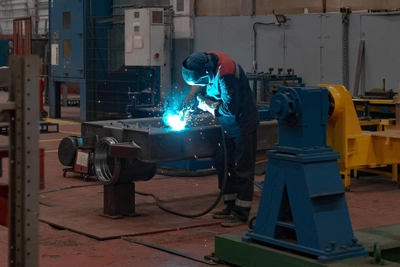
Furthermore, real «treatment» is not «smearing and painting,» but cutting out the rotten metal, welding in new metal, treating it with anticorrosive, and only then painting. Cosmetic work without welding is money down the drain: the rust will return in a year. This option is only suitable when you need to quickly get rid of the car (mechanics call this process «putting on lipstick»), but it«s not appropriate if you plan to drive the car for several more years.
«Let»s say a sill, roughly shaped by yourself, costs around 2–3 thousand rubles (approx. $22–$33) per side for practically any Toyota. In a year or a year and a half, rust appears on it — that«s the quality of the metal,» explained Konstantin Panurovsky. «There is a used original sill from a donor car — that»s higher quality metal, it has anticorrosive treatment, and it fits perfectly. Replacing with a used sill already costs from 50 thousand rubles (approx. $550) for the most budget car. The total budget for sills can reach up to 100 thousand rubles (approx. $1,100) per side.«
Experienced car owners know, and newcomers might hear for the first time: the sill is not just the external trim visible from the outside. It consists of several parts, where the main component is the structural element hidden from view. It plays a crucial role in the body«s strength and is also susceptible to corrosion, so its replacement is fundamentally important.
«Everyone Asks for Something Cheaper»
During body repair, you must not only replace «rotted» elements but also treat them. In some cases, a master can cut out a separate part and weld it in; in others, you«ll have to search dismantling yards for the needed body parts.
If you ignore anticorrosive treatment, in a year you can find «rust spots» again. This primarily concerns cases where the element is not a used original part, but simply a piece of metal shaped at a rolling mill — essentially a patch. Factory parts are more reliable, but also more expensive. Arches for the same Toyota Corolla (E120) — perhaps the most popular model — will cost 15–20 thousand rubles (approx. $165–$220) apiece.
«Old Japanese cars are, of course, very profitable to restore. People used to chase after them, but today small »Corollas,« unfortunately, people are not ready to repair thoroughly; everyone asks for something a bit cheaper. But a full body repair that would bring the car formally to a practically new condition will cost 400–450 thousand rubles (approx. $4,400–$4,950). Essentially, that»s the price of that same 20-year-old «Corolla» today,« admitted the bodywork master.
The scale of investment depends on how far the corrosion has spread. It will certainly be found not only on external body elements but also under the floor and even under the hood: strut towers often suffer. To reweld one strut tower costs about 20–30 thousand rubles (approx. $220–$330).
«As If the Car Shed Ten Years»
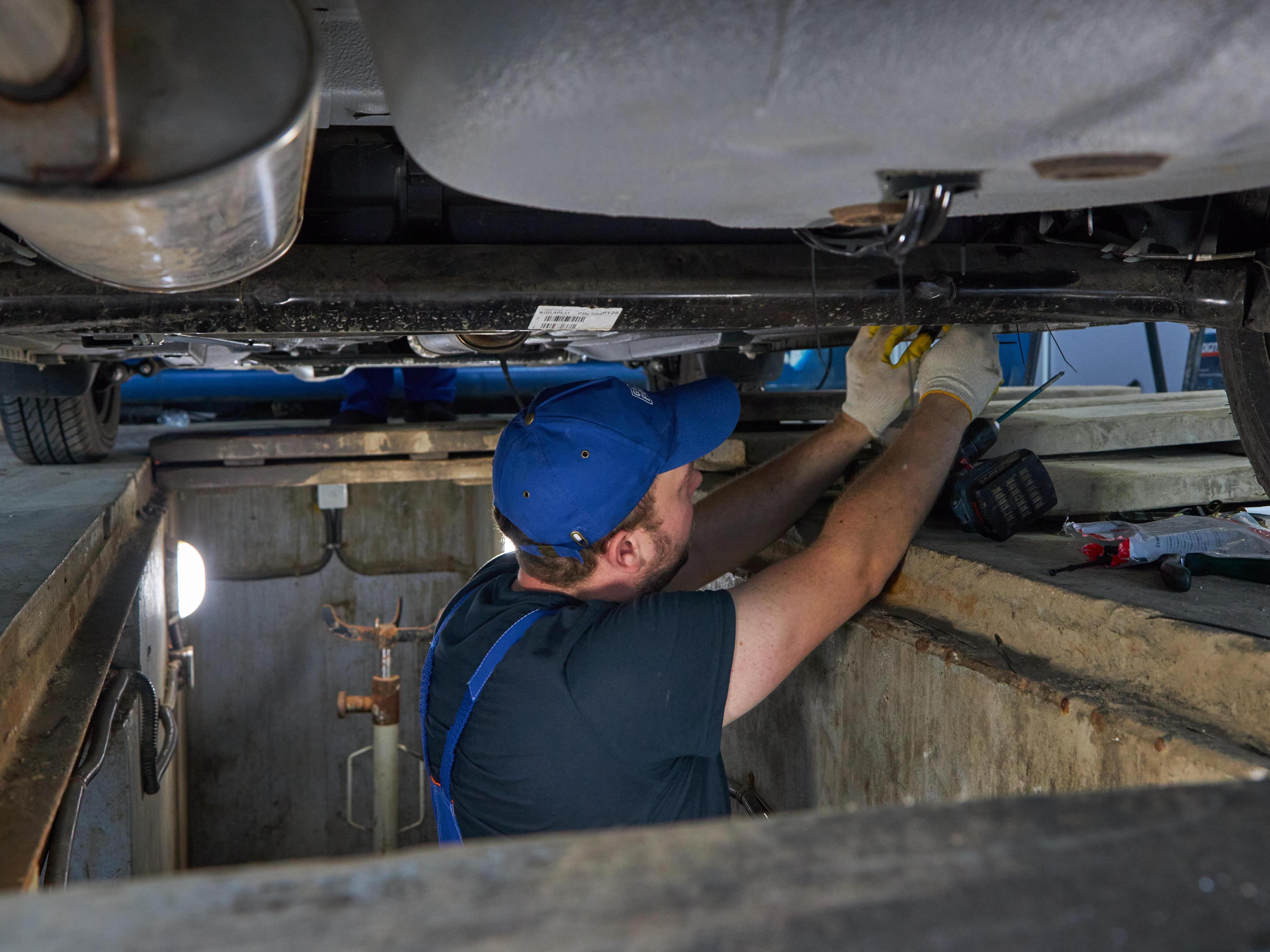
After the body, they usually move on to the chassis. What gets replaced first: shock absorbers and springs, bushings, ball joints, tie rod ends, wheel bearings — these parts suffer from wear and tear. Nothing lasts forever, especially on a car that«s already 20+ years old. Chassis work can be done at almost any service station.
«The average bill for putting the suspension in order is 30–70 thousand rubles (approx. $330–$770). It depends on wear. If everything is done correctly, the effect will be as if the car shed ten years. With careful use, as with any car, the chassis will last about three years without an overhaul,» said Grigory Mezentsev, an auto mechanic at one of Novosibirsk«s service stations.
Finding replacements isn«t particularly problematic, but it»s recommended to invest in original parts. You can look for them at auto dismantlers or buy aftermarket parts. Nowadays, mainly Chinese parts are in use: they are cheaper but, according to knowledgeable mechanics, less reliable.
It«s worth noting that chassis repair is not only about comfort but also safety. The load on a car»s suspension during movement is colossal; the reliability and functionality of the parts ensure a smooth ride and increase service life.
Not an Overhaul, but Smart Repair
Contrary to fears, the engines of old Japanese cars rarely require a full overhaul; more often it«s about age-related maintenance. For example, the Toyota Corolla (E120) is equipped with »those« million-mile engines: a conditional mileage threshold of 300 thousand km is not critical for them.
Usually, for a noticeable rejuvenation of the car«s »heart,« you need to replace the timing belt or chain, fix leaks (seals, gaskets), clean the throttle body and injectors, and replace spark plugs, coils, and engine mounts.
«The repair budget here will be 20–50 thousand rubles (approx. $220–$550), in complex cases — up to 100 thousand (approx. $1,100),» calculated mechanic Grigory Mezentsev. «The reasons for wear are standard: besides service life, it»s poor oil, overheating, untimely maintenance. Winter frosts also contribute. It«s also important to pay attention to the transmission.»
The transmission is not a capricious but a sensitive part of the car. It requires special oil and attentive operation. But even with careful treatment, it wears out over time.
A manual transmission (MT) is often limited to clutch replacement; an automatic transmission (AT) requires regular oil and filter changes, sometimes — solenoids. Transmission repair is a flexible cost. Depending on wear, it may require investments from 50 thousand rubles (approx. $550) and up.
Starter, generator, heater motor, power windows, wiring — none of these are critical individually, but together they form the feeling of a «beaten» or «well-kept» car, depending on their condition. On average, about 30–40 thousand rubles (approx. $330–$440) will need to be allocated to bring everything up to scratch.
A Pragmatic Response to the Market
The investment calculator for one of the most popular models, the Toyota Corolla from 2001–2006, yields the following total: 350–400 thousand rubles (approx. $3,850–$4,400). Considering that today on the secondary market such a car costs about the same (the ceiling is said to be 550–600 thousand rubles, approx. $6,050–$6,600), many will have doubts about whether it«s worth investing at all.
But if you consider that for 400 thousand rubles (approx. $4,400) you can only buy a car in a similar condition, requiring all the same investments, plus the «pig in a poke» effect, then the cost of repair no longer looks absurd. Every car owner knows their own vehicle, its weak points, and can focus on eliminating the most insidious defects. And in the end, get a still lively «Japanese» car, ready to serve for years.
On the secondary market today, there are still offers to sell such cars. By the way, many buy them precisely to «perk up»: to sell for more and make a profit. But that«s another story.