Tyumen school turns pet dogs into herding shepherds
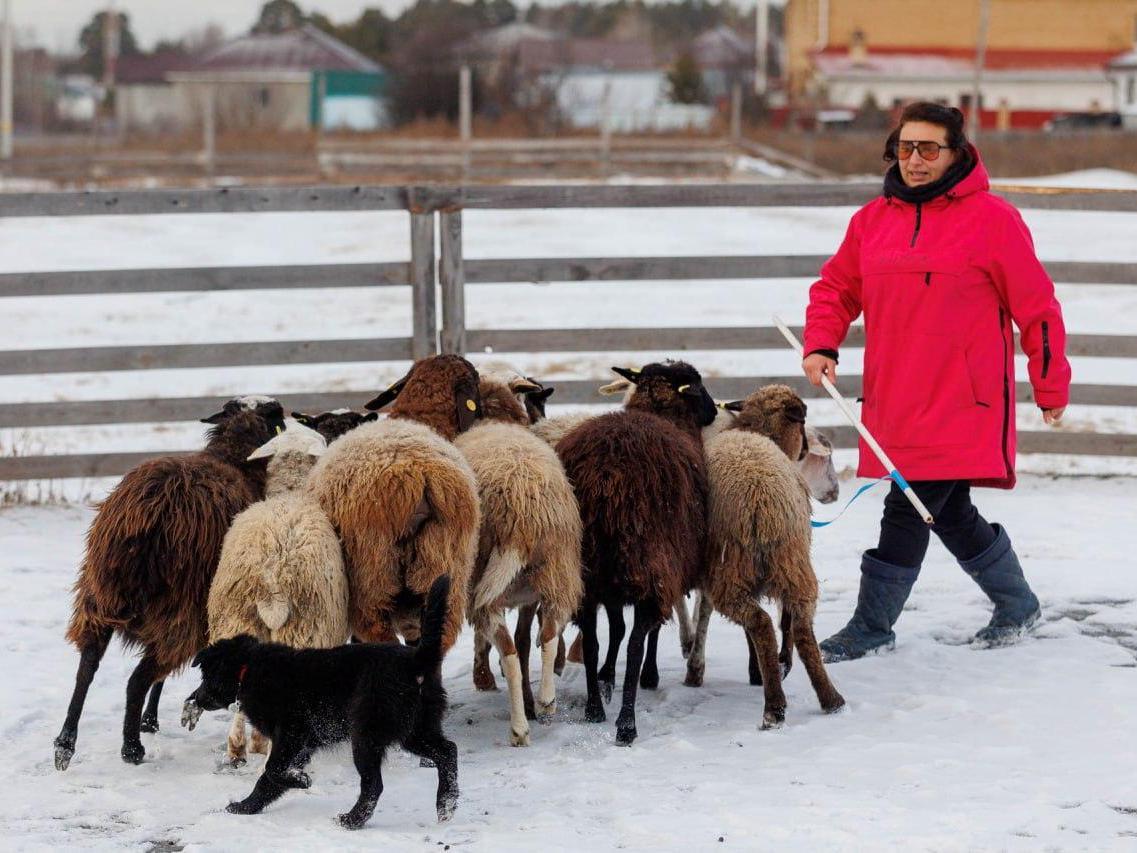

Anastasia trains Zagryu — a three-month-old puppy of a rare Australian Shepherd breed.
In the village of Paderina operates the only herding dog school in the Tyumen region, “Black Sheep.” Here, enthusiasts are reviving the forgotten tradition of herding — teaching animals and their owners to control a herd of dozens of animals, search for lost sheep, and help the farmer in every way.
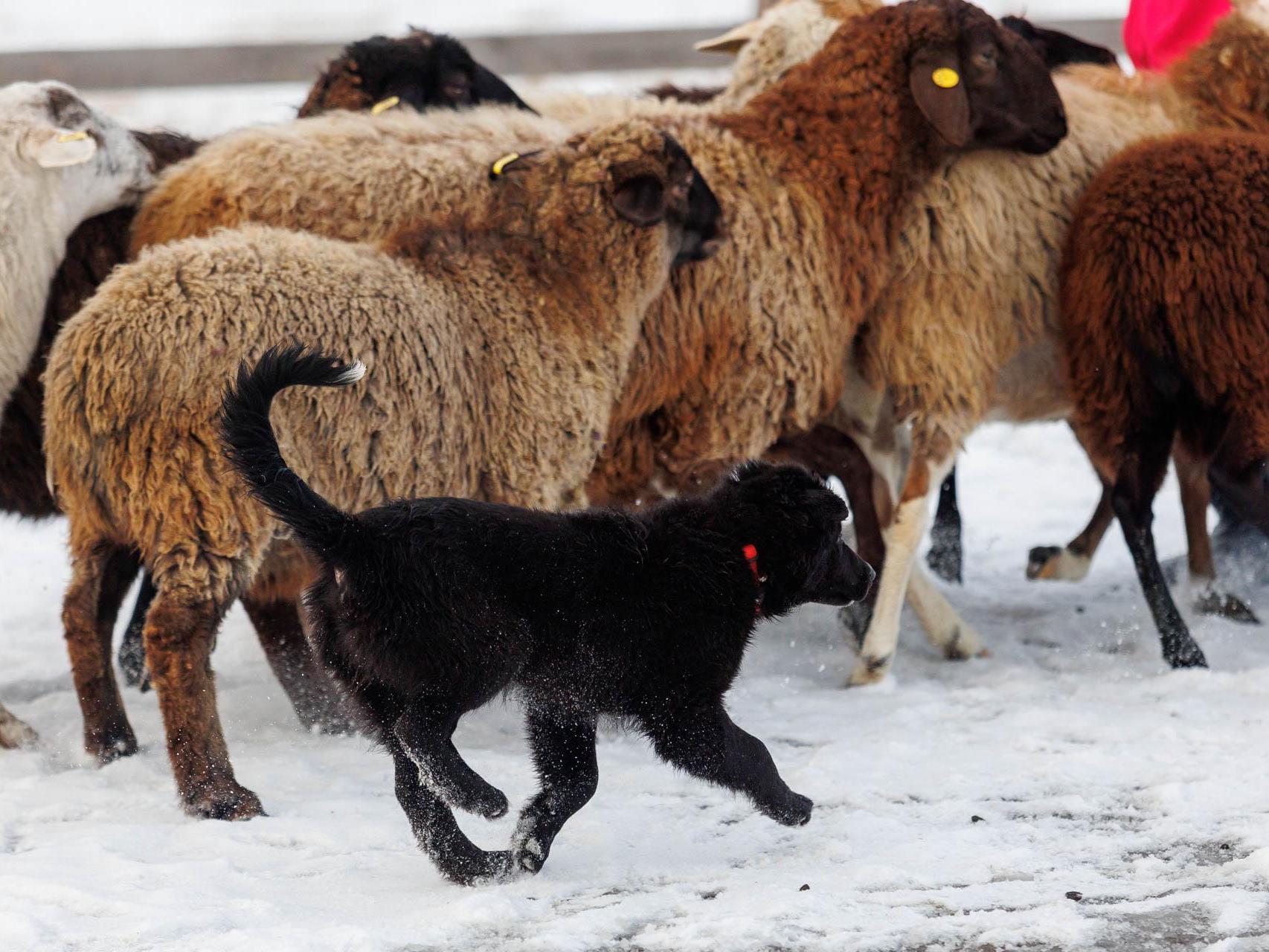
A small but talented herding dog in training.
The school was founded by Anastasia Suvorova. Actually, she works in sales, and “Black Sheep” is her hobby and greatest passion. How couch-potato pets become herding dogs, how they are trained, and why sheepdogs are needed in the 21st century — we tell in this article.
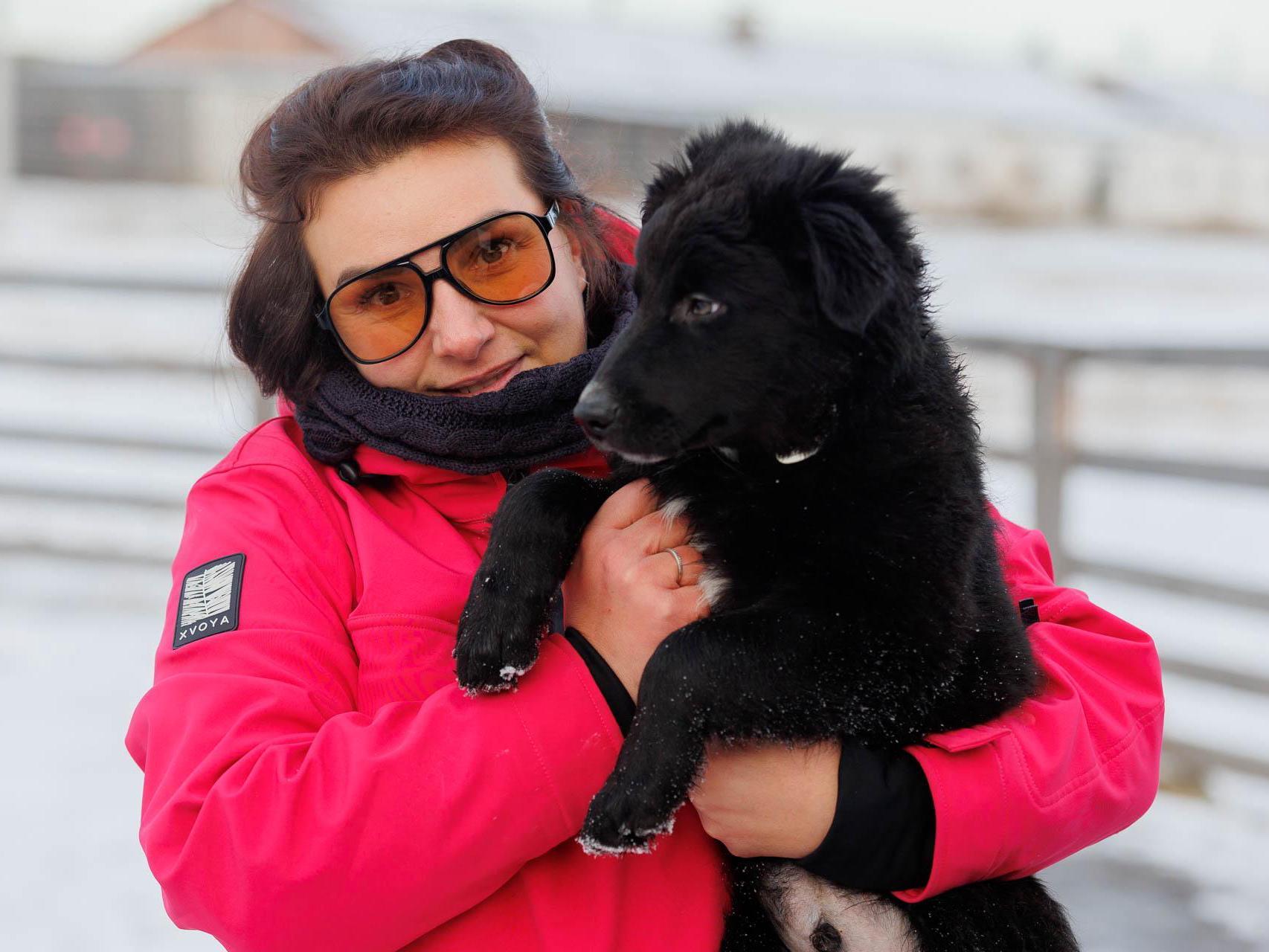
This little one is on his way to becoming an excellent farmhand.
“You used to be normal, and now you’re herding sheep”
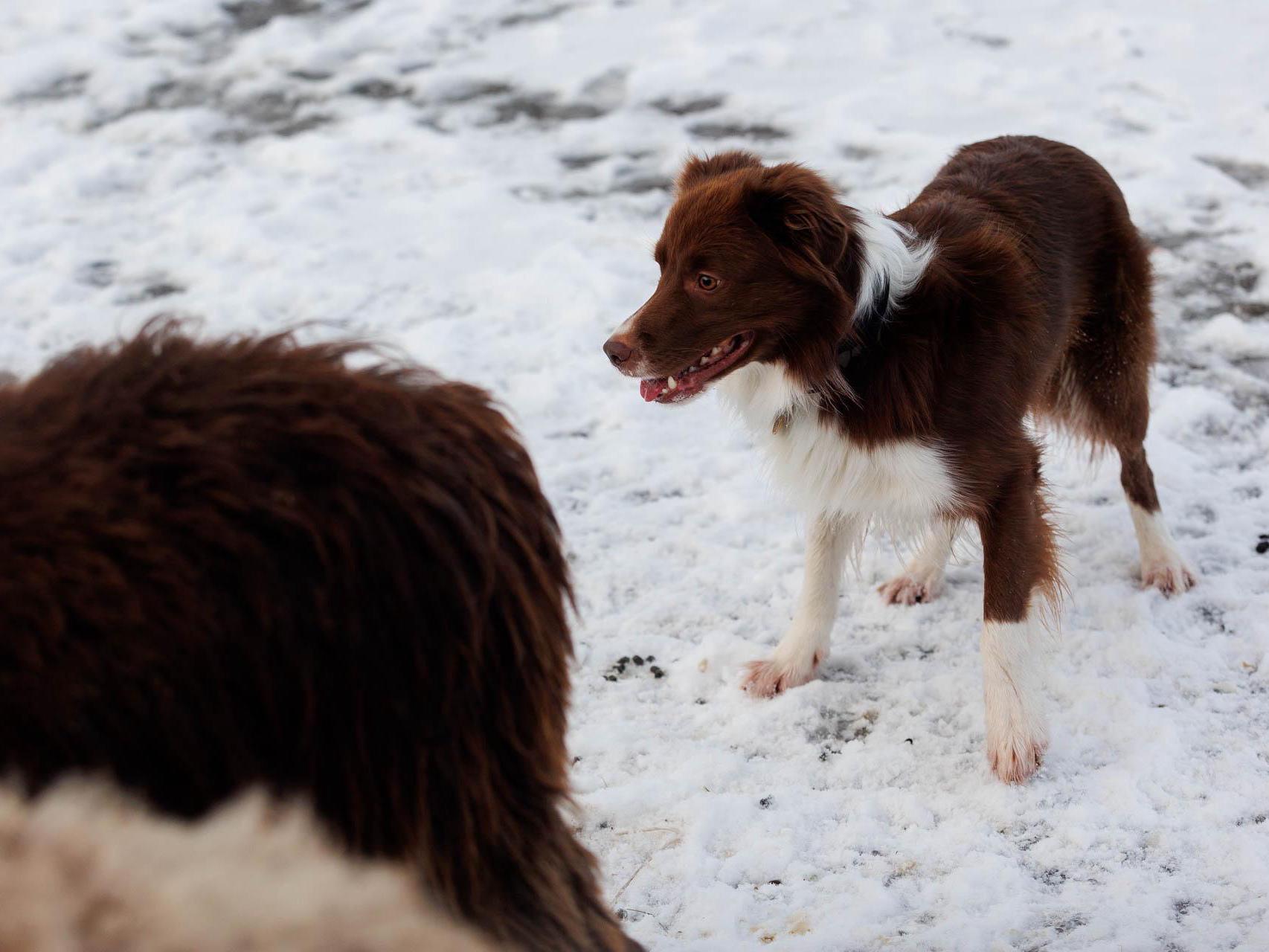
Bjorn is hard at work with the flock.
When Anastasia got herself a German Shepherd, a friend suggested testing its herding instinct. Why not, the breed allows it, it’s good for the dog, and interesting for the owner. It turned out to be so captivating that soon Anastasia had four dogs — two Border Collies and a rare Australian Shepherd — and all of them took up herding.
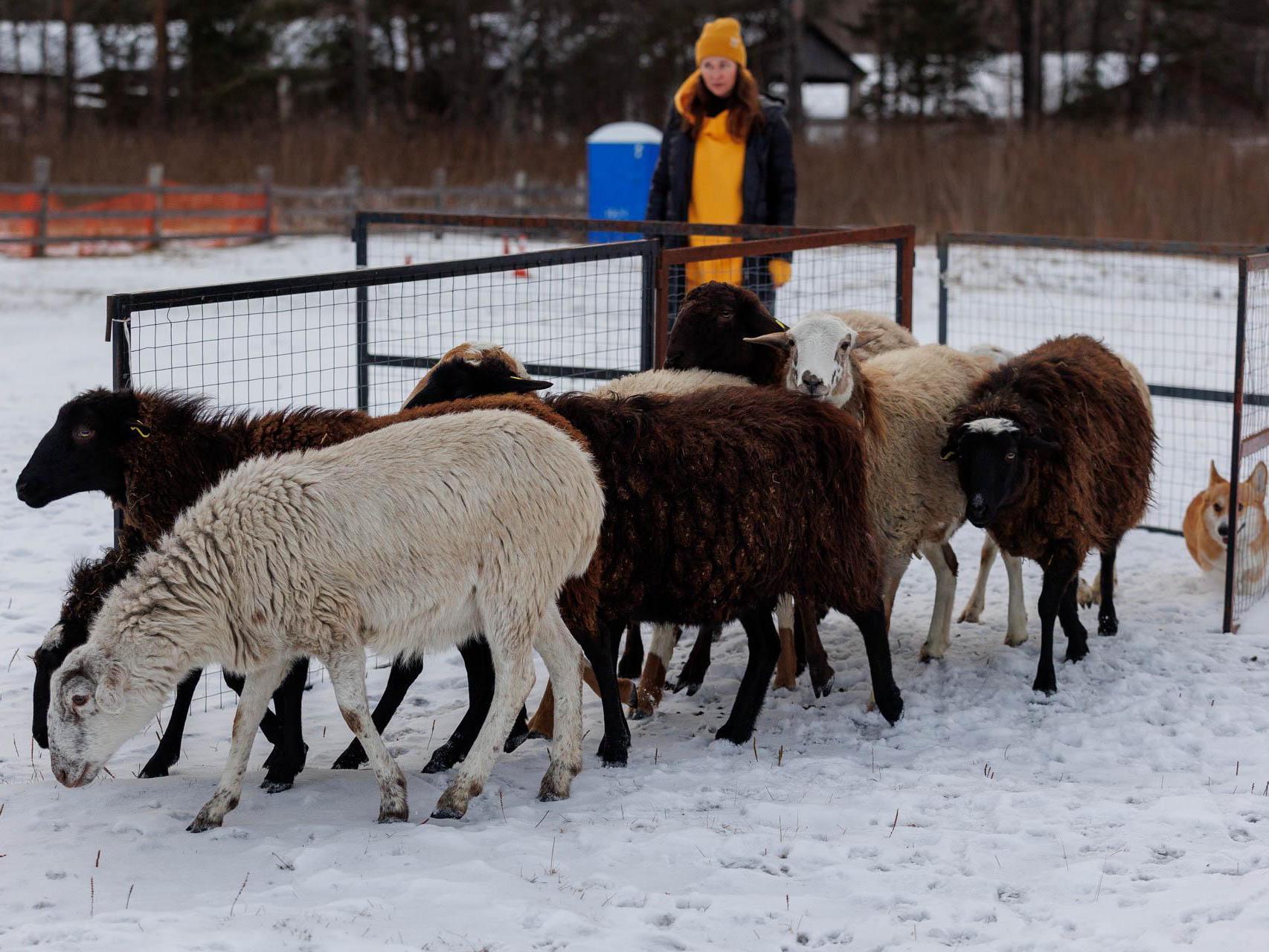
Corgis make excellent herders, so don«t be surprised.
This is how the “Black Sheep” herding dog school appeared on a farm in Paderina.
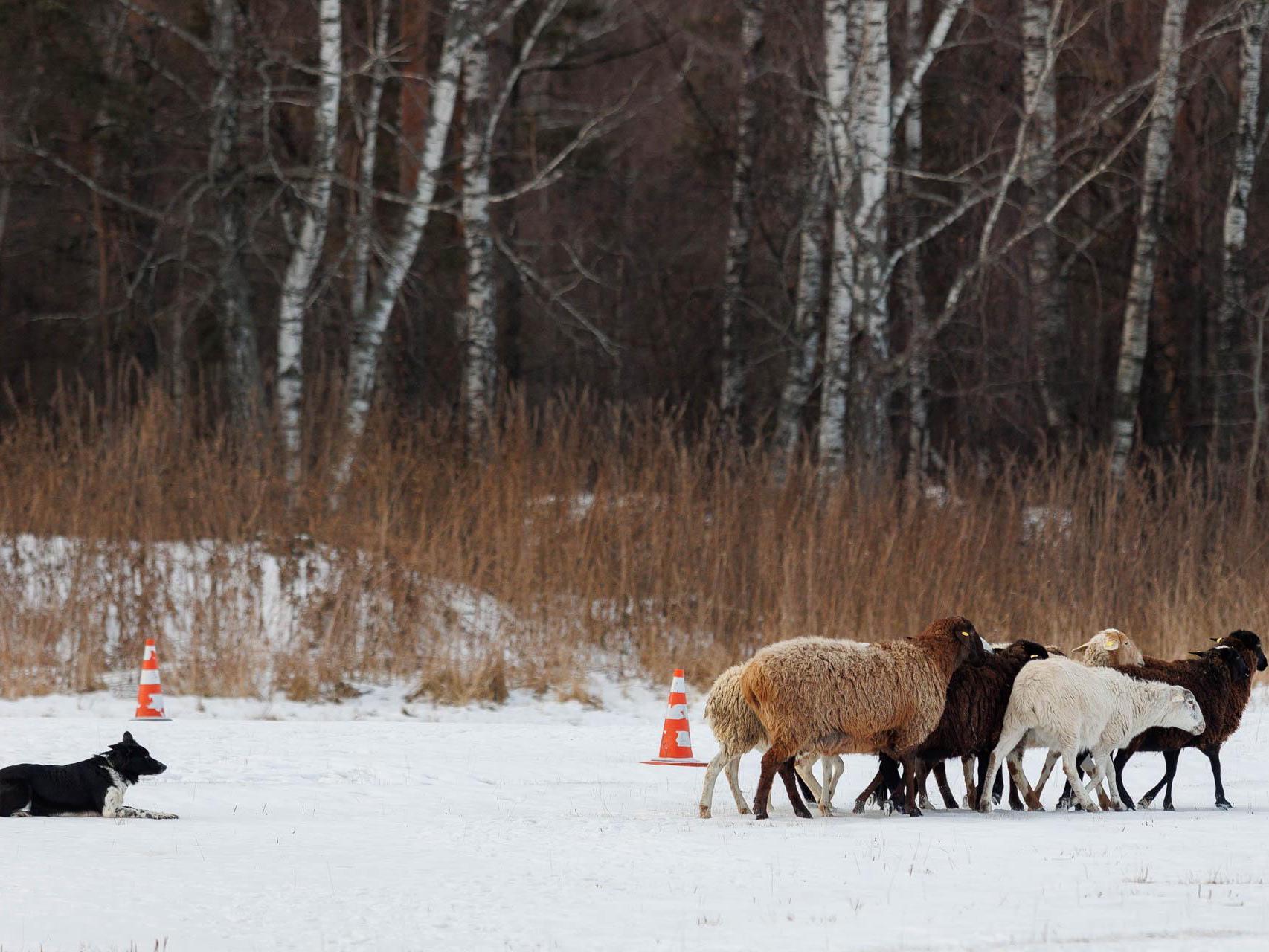
The dog lies down because the trainer gave the command «Place!», used to stop sheep from running away.
“I, as a person who knew absolutely nothing about sheep or agriculture, lived calmly and happily, worked as a sales manager, and then I saw how a dog, purely on instinct, without any commands, starts working, herding sheep. It impressed me so much that my life was divided into before and after. My husband tells me: ‘You used to be normal, and now you’re herding sheep,’” says Anastasia.
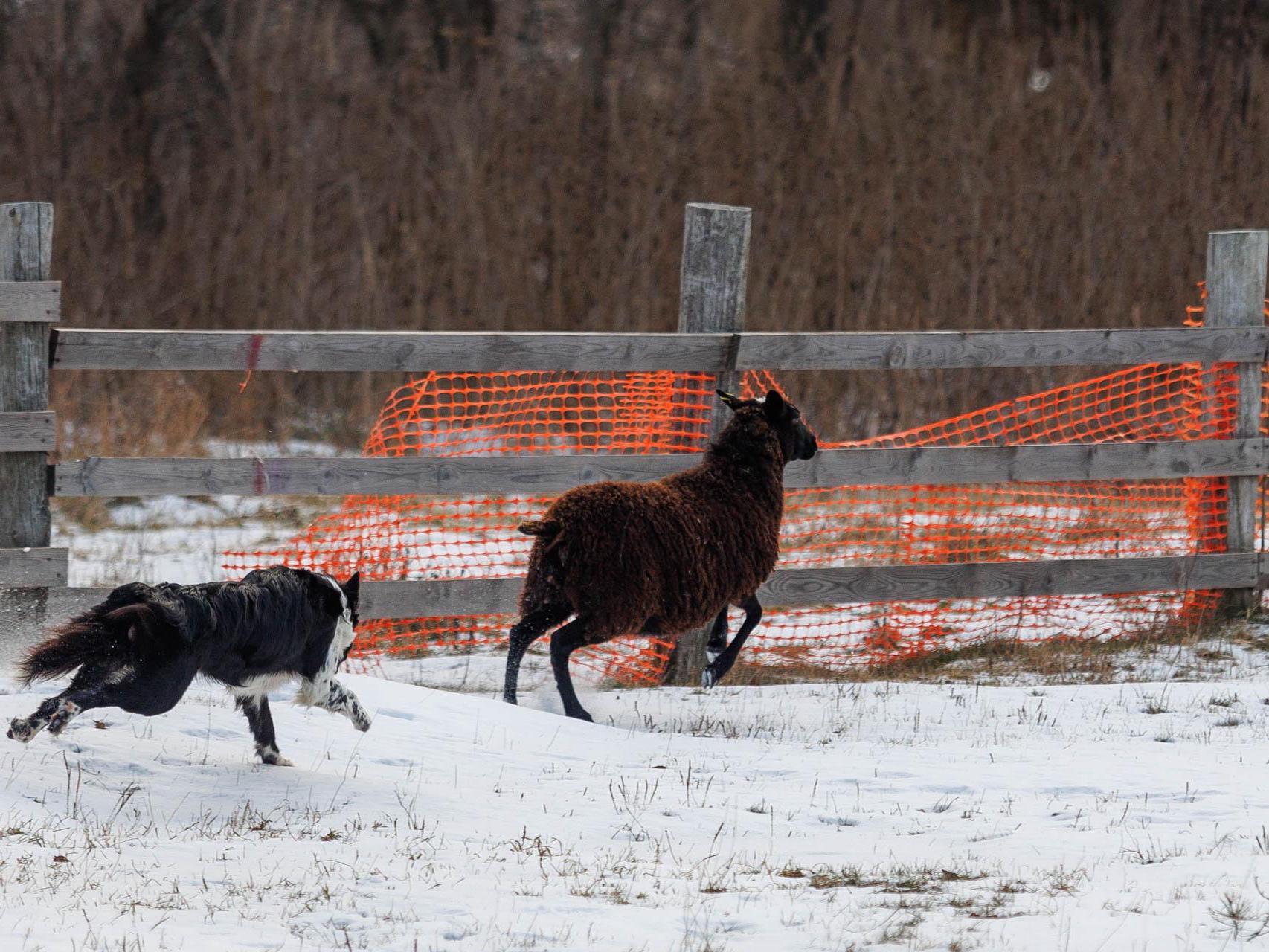
In 2025, the school turned three years old. Not that long, but during this time they have trained 12 dogs in herding, won prestigious competitions, and acquired a whole flock of sheep — about a hundred. The sheep here, by the way, are special — for training, they select active individuals who will give the dogs a hard time.
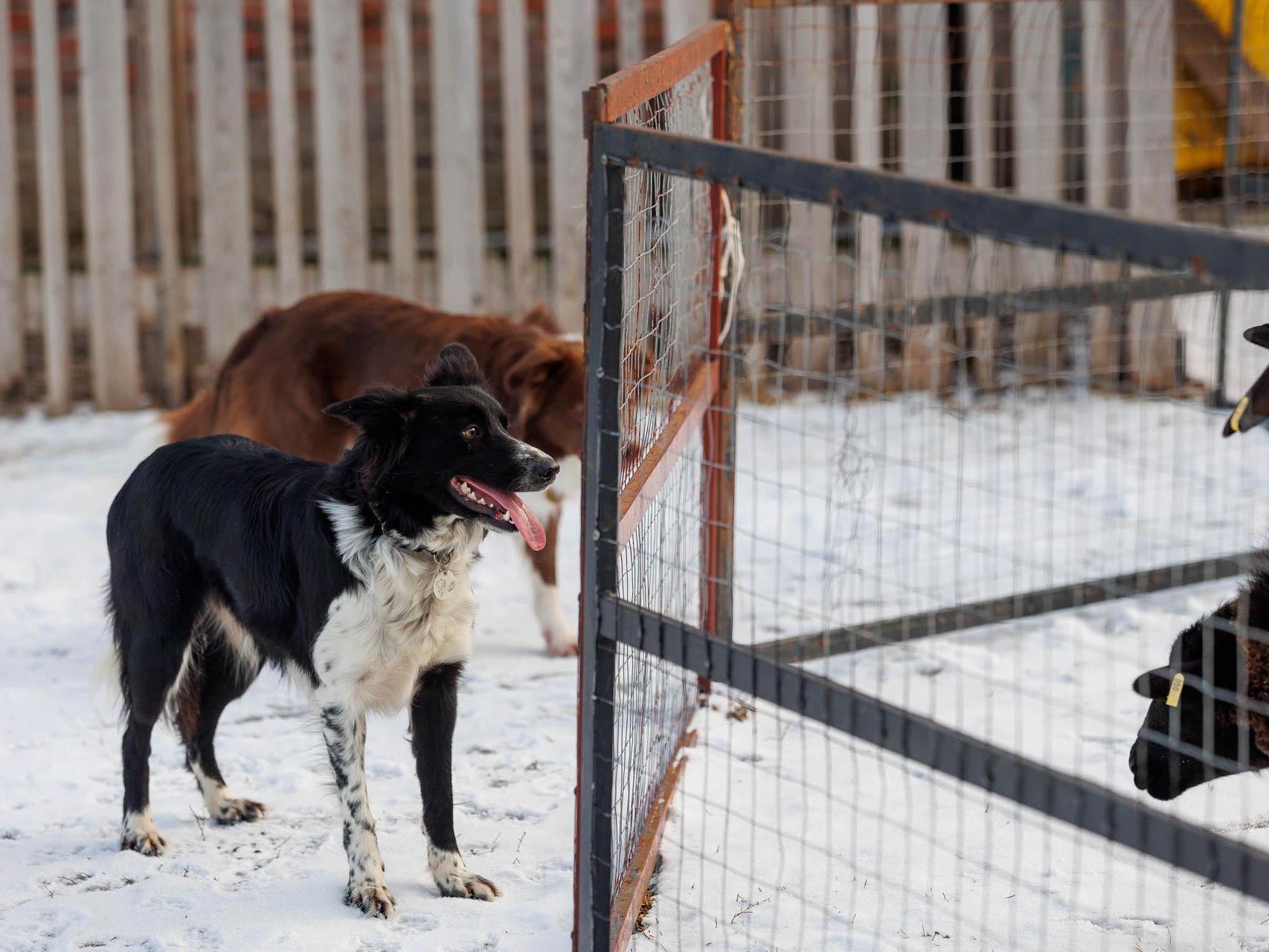
The dogs are pleased with their work.
Any owner can come here and test their pet for herding instinct. Everything happens under the supervision of trainer Maria Koblitskaya — she helps to notice and awaken in the animal the behavior necessary for work.
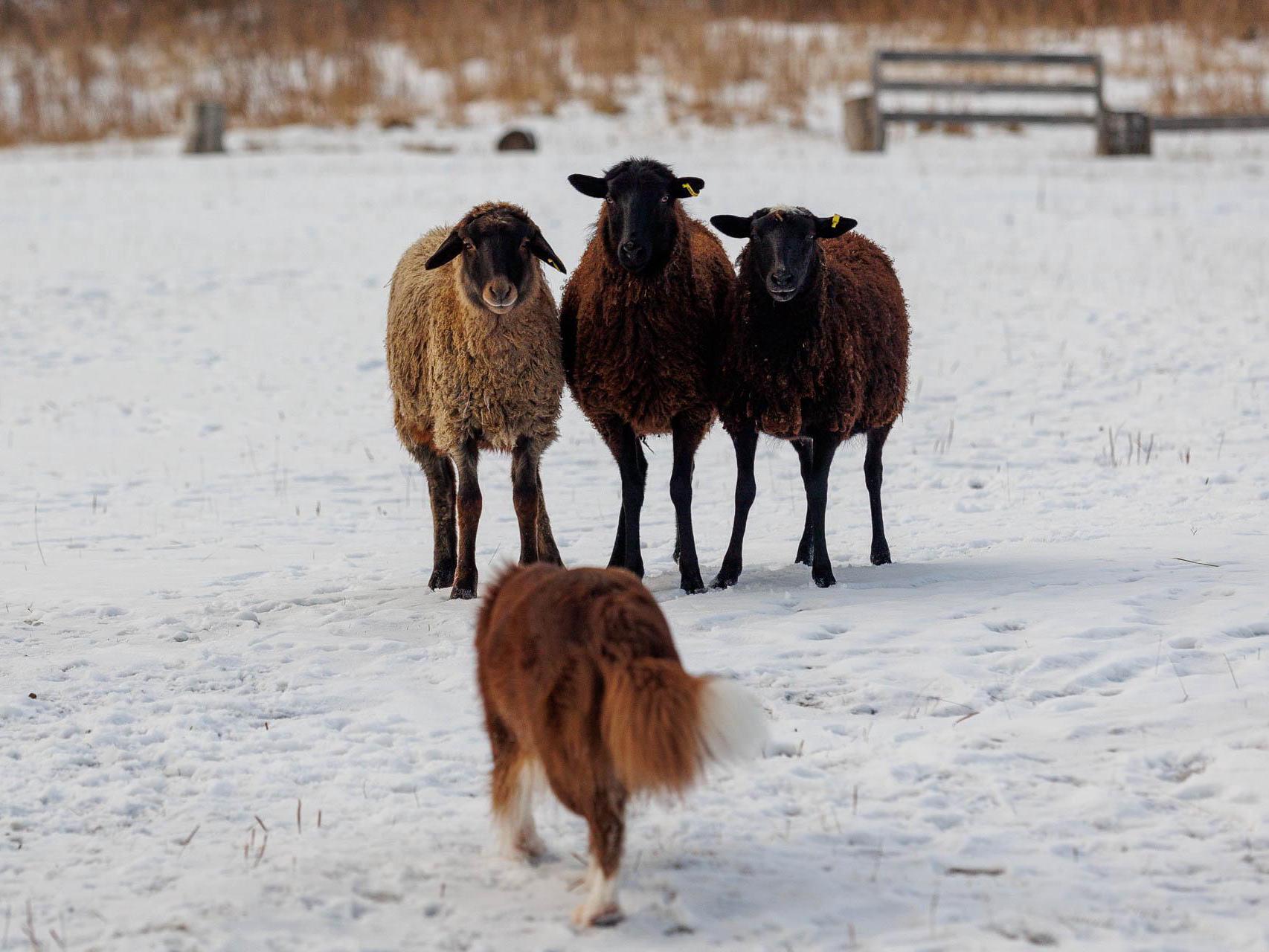
This very instinct can and should be awakened from a very early age. For example, Anastasia«s dog named Zagryu is already working in a pen with sheep at three months old. He makes very characteristic movements: lies down on the ground, sneaks up, lightly nips the sheep»s legs and constantly maintains eye contact with the trainer. Where she turns, Zagryu turns too. This is called “working off the body.”
Herding service in action — watch in this video.
“It«s not just an interest in sheep, not just running around with a high tail and having fun, but a desire to control the herd, a focus on the sheep. This makes me love herding work very much,” Anastasia comments on what is happening.
How herding dogs are trained
Although all breeds are allowed to take the test, not every dog can be a herder — only a certain group of animals capable of it. Suitable for this work are, of course, Border Collies, Shepherds, Briards, Corgis, and Shelties. Even Samoyeds can be taught. But hunting dogs are not allowed: they have a different instinct, not suitable for traditional herding.
If a dog shows the slightest herding behavior on the test, it can be developed — that’s already the trainer«s job. The puppy is gradually and carefully introduced to the sheep so they don’t harm each other or themselves.
For each dog, their own sheep are selected — based on character, behavior, and other characteristics. If everything goes well, the student can be let off the leash.
“The higher the instinct, the higher the breed qualities of the dog, the shorter the training period. A dog with a strong instinct we start training immediately, indicating direction, showing how to work, teaching specific commands. To master the basics, such an animal needs only three or four sessions,” says Anastasia.
A training session lasts from half an hour to an hour — two or three 15-minute approaches with breaks. It all depends on the dog«s skill. Importantly, dogs are not given treats as a reward and no violence is used — only loud and clear commands or a gentle voice.
Results are already there. Recently, at prestigious herding competitions, Tyumen dogs took first and third places. By the way, dog trainer Maria notes that if dogs don’t succeed at something, they get genuinely upset. Dogs read intonations perfectly and really want to do everything right: for them, it’s as important as for office workers to submit a report on time.
A dog after such training gets as worn out as it wouldn’t in an hour of regular exercise. The thing is, for the dog this is not only physical but also intellectual load. For example, during training we came across two Corgis — Tom and Rem. Their owner, Ekaterina, was working with them. Her dogs perform in competitions and show good results. And after a hard day, they sleep like logs. Ekaterina says they all really enjoy the classes.
“We just drive up here, and they are already standing at the car window, waiting. It«s their nature, their element,” shares the owner of Tom and Rem.
And why do we need herding dogs in the 21st century anyway?
First, it’s useful for the animals and their owners, Anastasia believes.
“Dog lovers take Aussies, Borders, start playing and having fun with them, but forget that they were created for work. They have behavioral characteristics. If you take them and then put them on your bed, don’t be surprised later when they have back pain, joint issues, shortness of breath, bad behavior. They chew furniture, “herd” your children, howl. And why? They are simply asking you: ‘Give me what you took me for!’” the woman explains.
Due to breed characteristics, many herding dogs end up in shelters or on the streets. During their work, Anastasia and her colleagues have placed six such abandoned dogs. They find them among strays, on classifieds websites, and through acquaintances.
Secondly, the creator of “Black Sheep” believes that herding dogs will not become a thing of the past — they still do their main job excellently. Yes, there are electric fences, tractors, and drones now. But they don’t always help.
“Imagine complex terrain with depressions, with mountains. What will you send there to gather the sheep? At our farm, for instance, the pasture ended, the grass ran out, and the herd left. I tried to find them with a quadcopter, flew all around, but couldn’t. I released two dogs, and they brought the herd back. Or, for example, vaccinating sheep. For people without dogs, it takes 5–6 hours. A veterinarian comes to us and spends half an hour. He himself says how he loves to come to us,” muses the Tyumen woman.
“This is not a business”
Anastasia charges money for classes. A trial session to find out if a dog has potential costs 1300 rubles (about $13 at current rates). Subsequent training sessions cost 1800 rubles (about $18 at current rates). There are other services, for example, puppy classes or a photoshoot with dogs.
But all this money, according to the farm owner, goes either to feed the livestock, or to the dogs, or to competitions.
“Of course, this is not a business, it doesn’t bring in money. For you to understand, a bale of hay for the sheep in winter — that’s for two days. That’s without oats and everything else. Naturally, as long as, let’s say, we have this idea, this drive, we will have the herding service,” she shares.
Anastasia, Maria, Ekaterina, and other enthusiasts who bring their dogs here hope to revive the work of herding dogs across Russia. There are currently only a handful of such schools in the country.
Earlier we told the story of Tyumen woman Natalya and a dog named Zotti. They are not just best friends, because Zotti is a guide dog for Natalya. Read and watch here how they live and what Zotti helps the woman with.