How Starozhilovo farm is saving the Russian Riding Horse from extinction
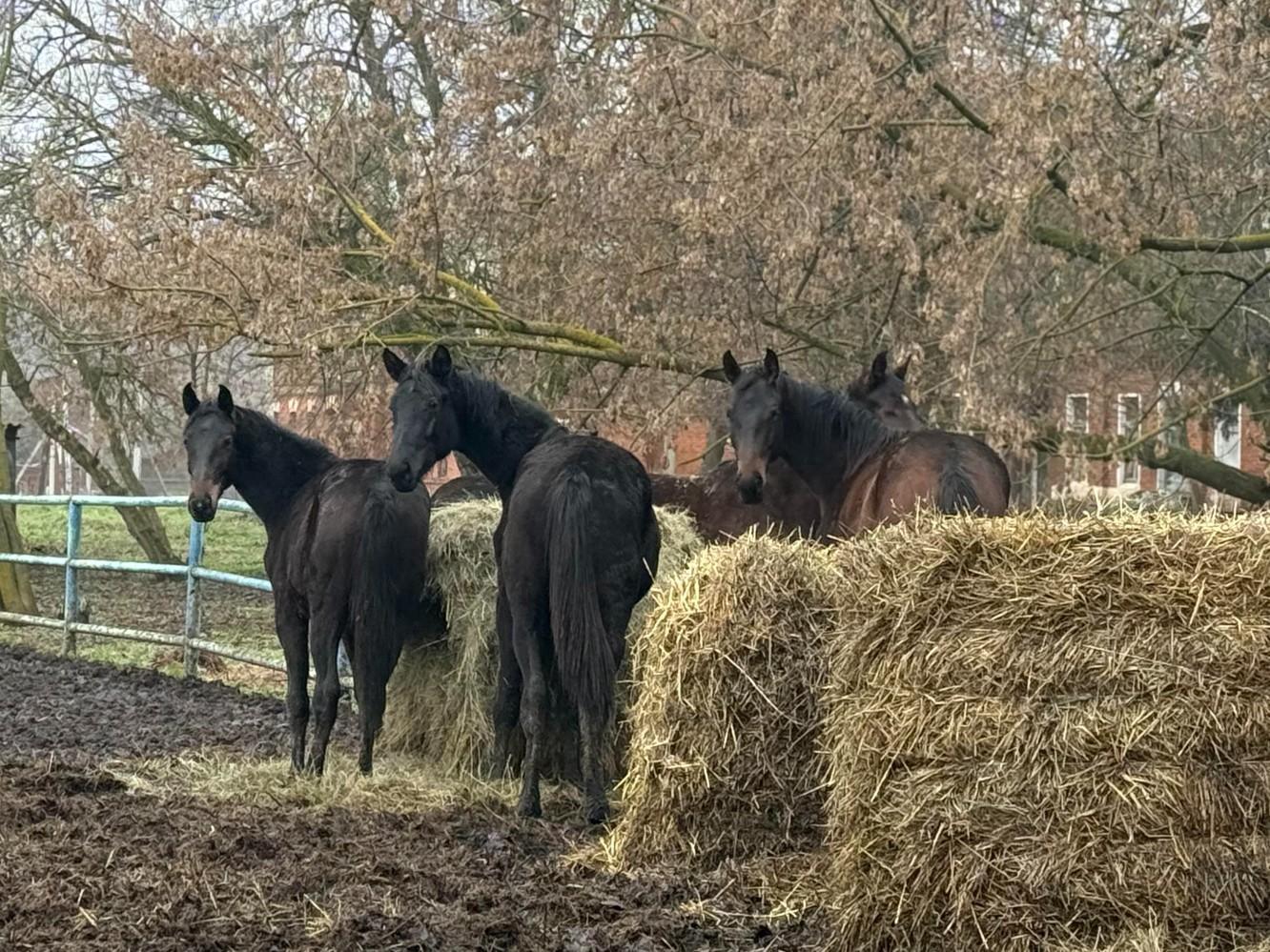

Scientists managed to recreate the Russian Riding Horse breed, but it remains under threat of extinction.
The Starozhilovsky stud farm is the only one in Russia that breeds the pride of Russian horse breeding — the Russian Riding Horse. This breed competes with the world«s leading varieties and is highly valued abroad. However, its fate has been difficult: it has experienced ups and downs that depended on where Russia»s next historical twists took it. The breed has repeatedly been on the verge of extinction, but each time it has been revived — by some miracle and, of course, thanks to the selfless efforts of enthusiastic scientists.
Journalists from YA62.RU visited the stud farm to learn how the Russian Riding Horse is being restored in Ryazan Oblast today and what difficulties the farm«s workers face.
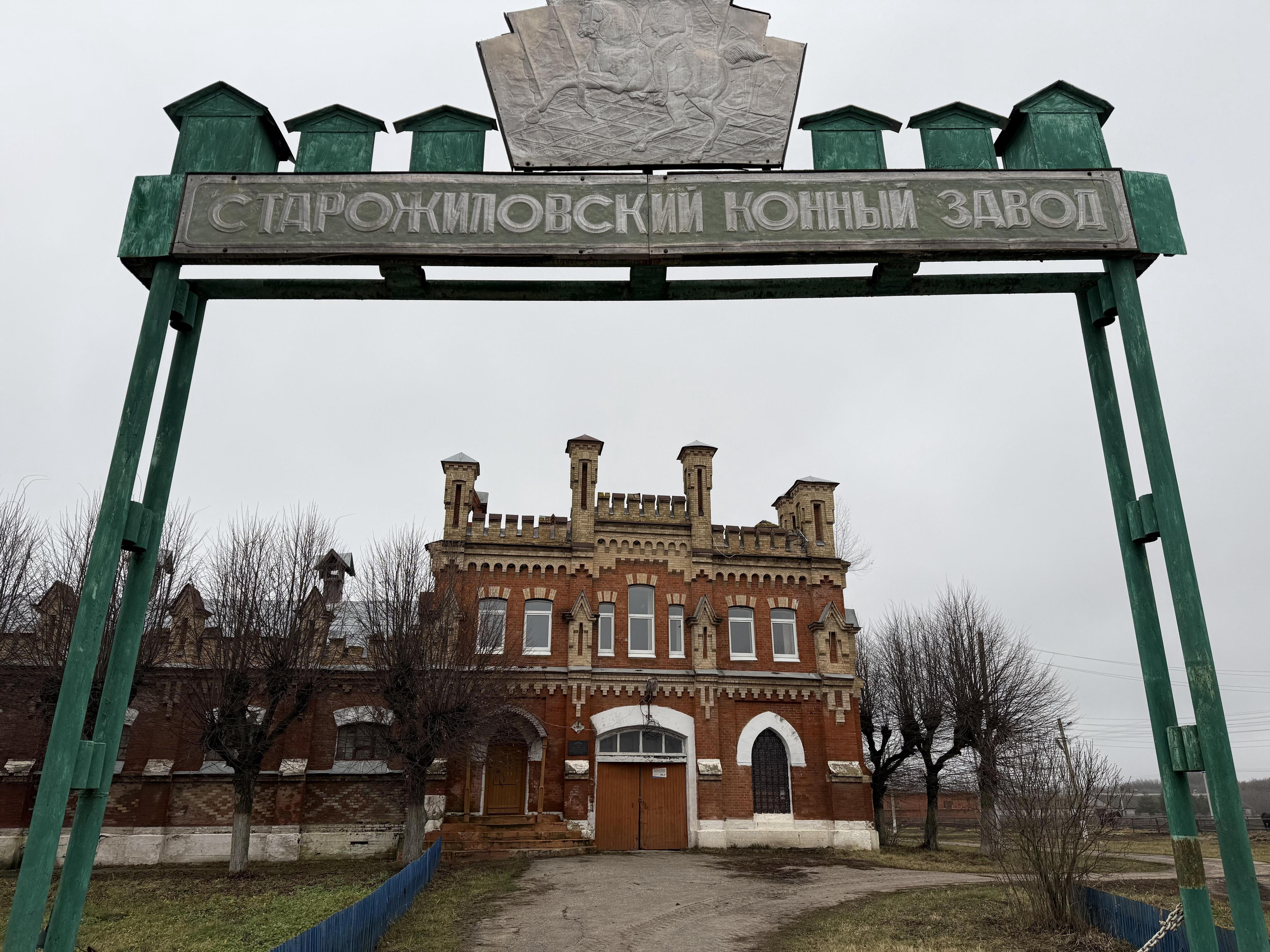
The stud farm«s German pseudo-Gothic buildings are also at risk of being lost.
The stud farm is a complex of beautiful semi-ruined buildings in the pseudo-Gothic style an hour«s drive from Ryazan and the birthplace of the Russian Riding Horse breed. The head of the horse department and veterinarian Yelena Shishkina offered to tell us about the horses and the farm — she has worked here for 15 years and knows almost everything about Russian Riding Horses.
We arrived an hour before the meeting and were able to walk around the farm grounds and meet the horses. It«s slushy outside but not cold. The horses are leisurely walking in the paddocks — fenced-off areas, quietly chewing hay, and greet us with friendly curiosity. Stallions and mares are kept separately.
I«m one of those people who love horses but can»t find a common language with them — if I get on a horse, I«m the one from the whole group it tries to buck off; if I try to feed or pet one — I»m the one it tries to bite or kick. They say horses sense inner uncertainty in handling and don«t tolerate people who doubt their own abilities. But these horses turned out to be very good-natured. No aggression — just interest and curiosity. There»s practically no one on the grounds — we meet one employee and then two young people. As it turned out, they are undergoing veterinary practice and came here all the way from Nizhny Novgorod Oblast. They dream of working specifically with horses.
To preserve, so as not to lose oneself
Horses cannot be kept in the farm«s historic buildings — some of them have been declared unsafe. So, in addition to the open paddocks, the horses are kept in closed stables. They are guarded by two dogs. One immediately appointed itself as our guard or guide, and the other knows its job — it barked and didn»t let strangers into the stable area. In one of the paddocks, the horses are noticeably more lively and playful, and their mischievous eyes show they are practically children. They have no sedateness at all — they think of mischief, running around, and mock fights.
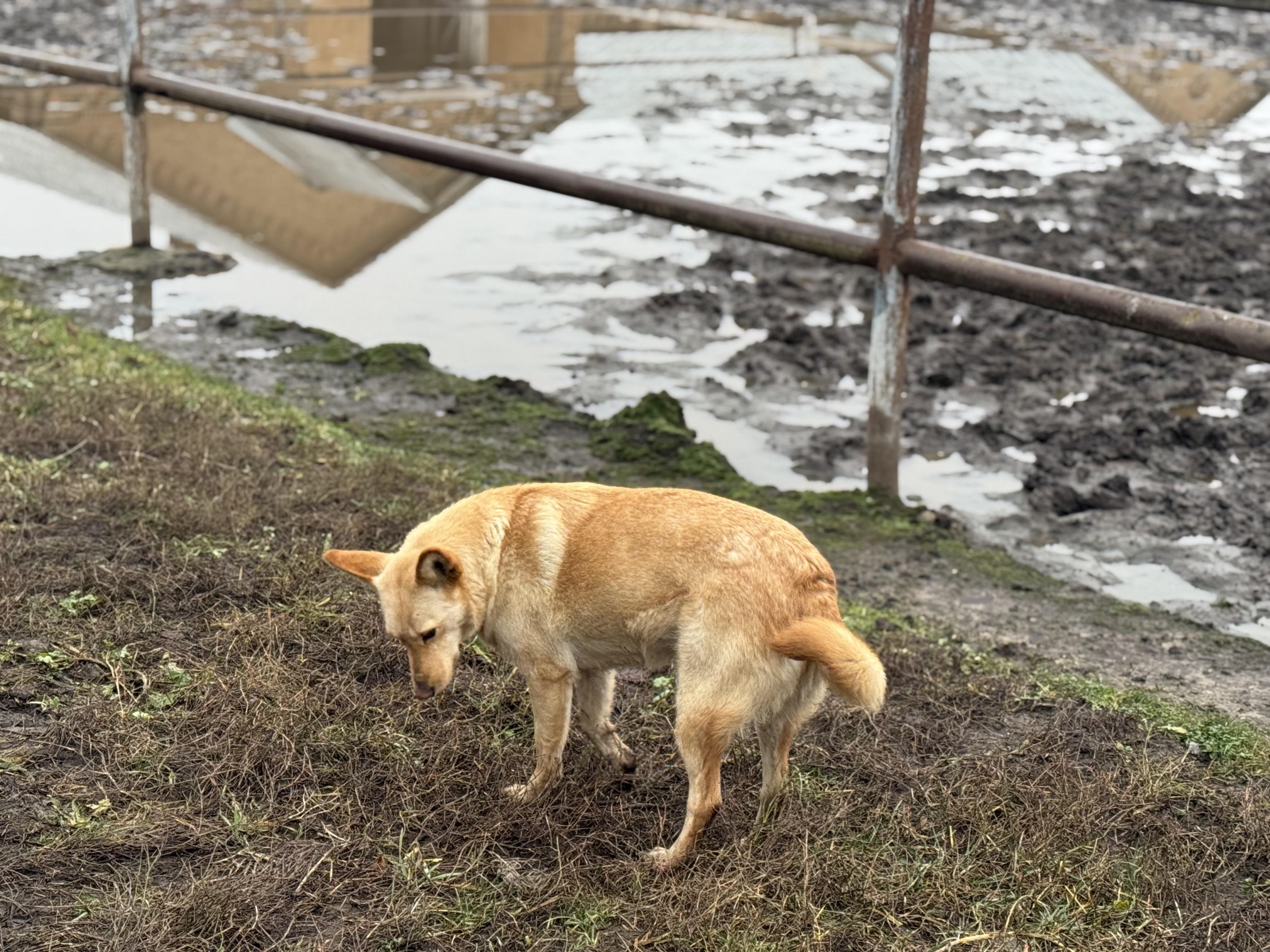
This dog appointed itself to escort us around the stud farm grounds.
But, like their older companions, they also turned out to be kind. They ran up and started nuzzling like kittens. And with one black horse with a star on its forehead, I completely fell in love — it let me pet it and chased other horses away from my hand. If I had a million rubles (that«s about how much a horse costs) and three times more to equip a stable, I would take it with me. But alas.
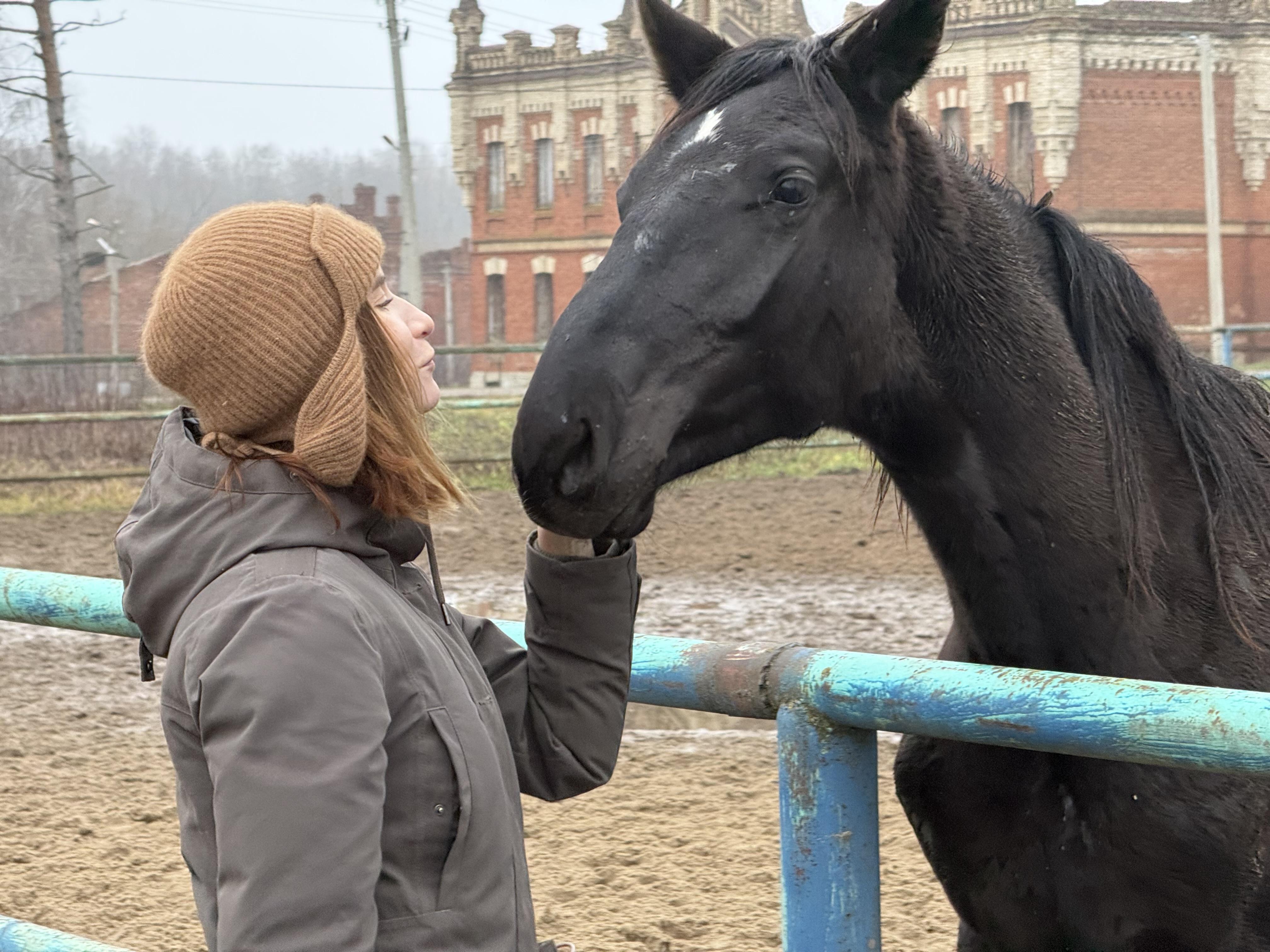
A horse with a star on its forehead immediately formed a friendly bond with the visitor.
Finally, Yelena arrived, and she explained that the horses are so affectionate because it«s their distinctive breed quality — they were bred with the expectation that they would be good friends to humans, respect their personal space, and not show aggression towards them.
Starozhilovo, as Shishkina explains, is a hallowed place for Russian horse breeding. Since the stud farm was built here in the late 19th century, horses have always been here — under the Empire, the Union, and the Russian Federation. But the horses« life was not always rosy — the upheavals that happened to the country affected them in the most direct way. And surprisingly, like the country itself, the horses and the people caring for them emerged from seemingly unsolvable predicaments.

The Russian Riding Horse repeatedly teetered on the brink of complete disappearance but was saved.
«With the collapse of the Soviet Union, the horses passed into private hands. The first owner was Rima Khristoforovna Gagut. In 2014, she decided to sell everything, and the horses were bought by our current owner Vladimir Aleksandrovich Demin — the head of the horse breeding department at the Timiryazev Agricultural Academy. He had worked with horses all his life, it was close to him. Especially since the breed was recreated and overseen by his department», — said Yelena.
OOO «Starozhilovsky Stud Farm» was founded in December 2015. The sole owner is Vladimir Demin, who is also the general director of the enterprise. For 2024, the company«s revenue was 27.4 million rubles (about $304,000 at current rates), net profit — 4.3 million rubles (about $47,800).
In addition to the horses, the previous owners had land and other agricultural animals. Those were bought quickly, but no one wanted the horses. Vladimir Demin bought the herd of horses to save them, hoping to transfer them to the state, because today horse breeding in Russia is a loss-making activity and cannot survive without state support. The stud farm survives only through the sale of horses, and currently only athletes and wealthy connoisseurs buy them, and there aren«t many of those. In such conditions, it»s very difficult to develop the breed — the task is at least to preserve it in the hope that, as has happened before, better times will come for horse breeding, and the horses will be preserved as a national treasure.
Vladimir Demin still heads the horse breeding department at the Timiryazev Academy. For him, the survival of the Russian Riding Horse breed is a matter of honor.
«First, our department recreated this breed over 20 years. They started in 1978, and in 1998 the breed was recreated. Secondly, this is the oldest of all domestic riding horse breeds. At one time, all the royal figures rode these horses. And these horses, even before the Revolution, in 1867 at the World Exhibition in Paris, were recognized as the standard of a riding horse. And in general, at all exhibitions where they participated, they always took first place; it«s the most beautiful breed», — said Vladimir Demin.
When the previous owners sold the land and other, more practical animals, he suggested the new owners buy the horses. They replied they didn«t need a loss-making division.
«I always say that we must remember what was, that without the past there is never a future, so we must not abandon what was created before us. It must be supported. So, when the question arose of preserving the only stud farm in Russia, and indeed in the world, that works with the Russian Riding Horse, I had no doubts. I believe I did everything right, even though it«s sometimes very difficult», — says Vladimir Aleksandrovich.
After Ryazan Oblast Governor Pavel Malkov took an interest in the Starozhilovsky stud farm, hope appeared that the situation would change in favor of the horses. «Recently the governor came, said — let«s try now to restore the stud farm building. Let»s bring horses there, do the repairs, bring in horses so the building comes alive again, to support the Russian Riding Horse», — says the farm«s owner.
Now the breed, according to him, is in a threatened state.
After the horses were evicted from the Starozhilovsky stud farm buildings several years ago, partly due to the efforts of the Ryazan branch of VOOPIK (the All-Russian Society for the Protection of Historical and Cultural Monuments; the argument being the building is protected, but there«s a private stud farm there), and partly due to its dilapidation, they had to reduce the number of mares. And it is precisely the number of mares capable of reproducing that determines the future of the breed.
«We have 130 horses, of which 40 are mares; we cannot accommodate more. Forty mares is very few, it«s practically nothing. It»s very difficult to conduct breeding with such a small herd, and basically no one else is doing this», — says Vladimir Demin.
The stud farm receives state subsidies for breeding mares and young stock, but they are not enough to cover current expenses for maintaining the farm. «For example, last year we received about a million. That works out to 8,000 a year per breeding mare. But just the vaccines for that same mare cost more than that subsidy. So it«s a pittance», — he explains.
«They collected the breed bit by bit and did a major, jeweler-like work»
Yelena Shishkina looks businesslike and a bit stern. And no wonder — aside from two students and one assistant, there«s no one at the stud farm. And as a veterinarian, she must give attention to each horse. Yelena immediately warns that she has very little time, but when she sees that we are interested in the fate of her charges, she becomes more sociable and happily talks about the horses. We walk to the stables — they were built outside the beautiful buildings of the Starozhilovsky stud farm, where keeping horses was forbidden.
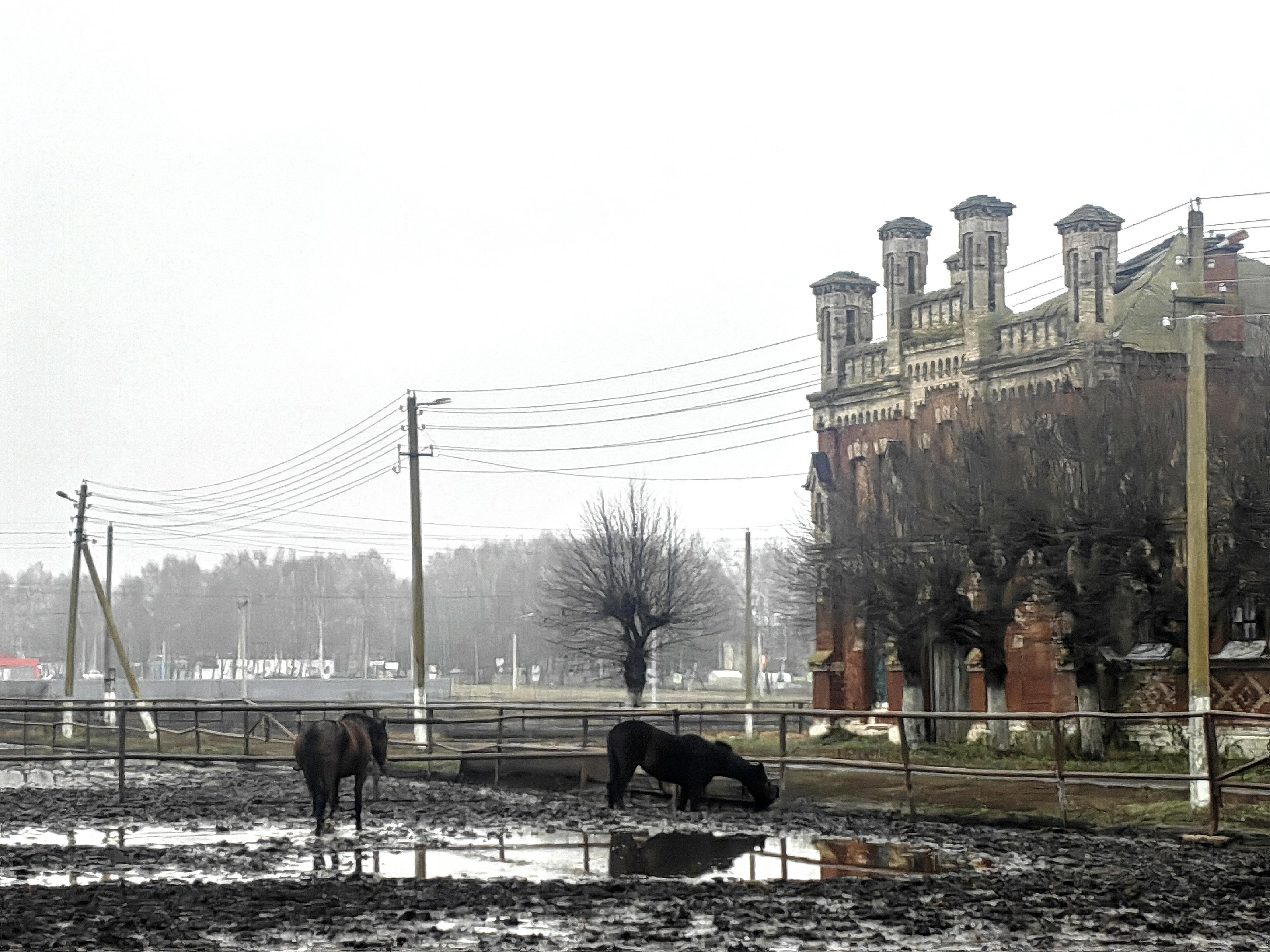
The horses were evicted from the main stud farm building for safety and preservation reasons.
«A horse was sold, salaries were paid, feed was bought. That«s how we live. The breed is in a threatened state because to preserve it, you need at least 500 broodmares that will produce offspring annually. With our 40 broodmares a year we get 30–35 foals. At the same time, no one has canceled problems — spontaneous abortions, death of young foals. This year we have 29 foals. Well, what is 29 foals for all of Russia?» — laments Yelena.
At the same time, the breed is truly unique. It was worked on for two centuries, and its origins trace back to Orlovo-Rastopchin horses. Count Orlov and Count Rastopchin bred their own breeds, which were later combined into one Orlovo-Rastopchin breed.
«These were very showy, beautiful horses, they were prepared for the cavalry, officers rode them. But during the Revolution years, the breed was renamed the Russian Riding Horse, because the legacy of the counts was no longer relevant then», — says the head of the horse department.
During the war, Russian Riding Horses were mostly kept on stud farms in the more favorable southern regions of the USSR, which ended up under occupation. The Germans took the horses to Germany, sending the best ones by plane to the stables of Wehrmacht leaders. The mare Biologiya (Biology) and the stallion Korall (Coral) were sent to Ribbentrop«s personal stables.
They tried to evacuate horses from the Starozhilovsky stud farm, but many of them died during the crossing of the Oka River. After the war, the Russian Riding Horse was sought out all over the country, and they achieved success — the horses began to participate in leading world competitions and exhibitions, took prize places, and caused delight among connoisseurs.
«Then they collected the breed bit by bit, picking suitable horses by type, conformation, mass. There was a whole mix, a cocktail of these horses, Arabian, Akhal-Teke, they did a major, jeweler-like work», — says Yelena.
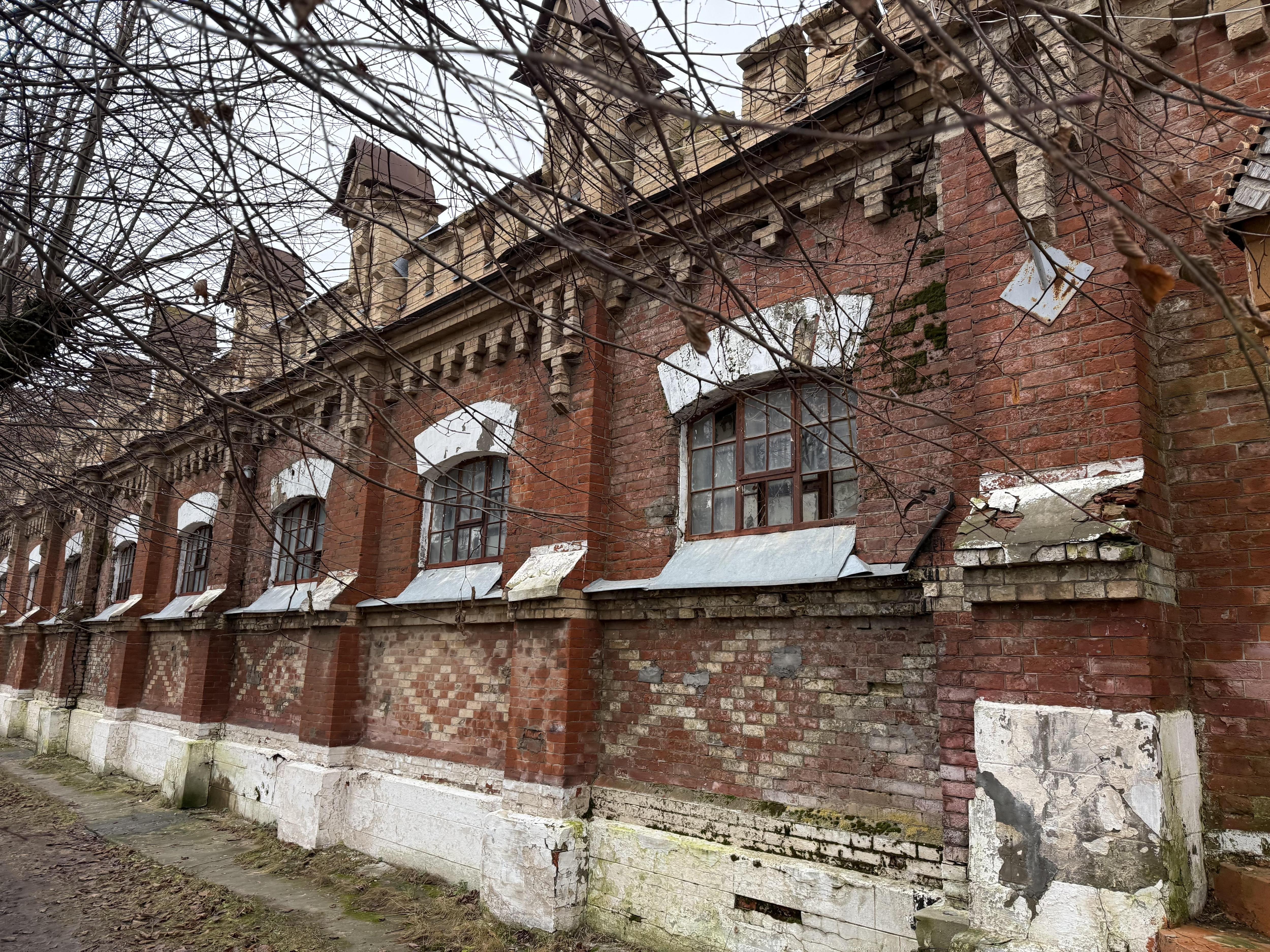
The historic stud farm buildings now also require restoration to be saved.
But soon, due to inept bureaucratic decisions, — the horses were transferred to unfavorable conditions, and many valuable horses under Khrushchev were simply sent to the slaughter, — the breed declined again. And it experienced its renaissance again only in the 1970s. It was then that Moscow«s Timiryazev Academy began to oversee its restoration, and the Starozhilovsky farm became the only farm for reproducing the breed.
How Ryazan Oblast became a new home for the Russian Riding Horse
Today the Russian Riding Horse is the only domestic breed that is competitive with European ones in dressage — an Olympic equestrian sport.
«Europe has very good horses, we can«t deny that, but our breed is not just competitive. Under better conditions it could give them a run for their money. They have a herd of a thousand mares, respectively, stricter selection of foals, they choose the best from a larger number of foals, we choose from what we have, unfortunately», — explains Yelena Shishkina.
The Russian Riding Horse has a number of features that make it unique — they are reactive, fast, intelligent, strong, large, graceful, and at the same time very well-mannered horses. «For the most part, they are contactable with humans, respect humans, their space, and learn quickly. These qualities are very valuable in dressage because close interaction between human and horse, their partnership, is important there. The human gave a command, the horse heard it, understood, and quickly responded. And also beauty, these are some of the most beautiful horses», — says Yelena.
We walk along the stables — the horses look at us with big attentive eyes, recognize Yelena, stretch their muzzles towards her, smack their soft lips, and rejoice. They look at us, strangers, with curiosity but without fear or aggression.
Over the 15 years Yelena has worked at the stud farm, the horses and the people caring for them have gone through difficult times. Sometimes there was no hay, or it turned out to be of poor quality. «Horses are very sensitive to food. If they eat bad hay, that«s it, their stomach gets sick, and for a horse, colic is a fatal disease», — explains Yelena.
There are few patrons striving to help the stud farm, and the main problem is the lack of land for pastures and, accordingly, for growing feed.
Supplier of champions
Together with Yelena, we enter one of the stables. Each horse has a separate stall with a drinker. The dog that barked at us when we tried to enter here without the farm employee immediately became friendly and accompanied us during the tour. The stalls have the horses« names. We notice that some names start with the same letter, for example, «V».
Yelena explained that horses are given names based on their parents« names, and different breeds have different traditions. In the case of the Russian Riding Horse, for colts the first letter of the name comes from the father, and the next one from the mother. For fillies it»s the opposite: the first from the mother, the second from the father.
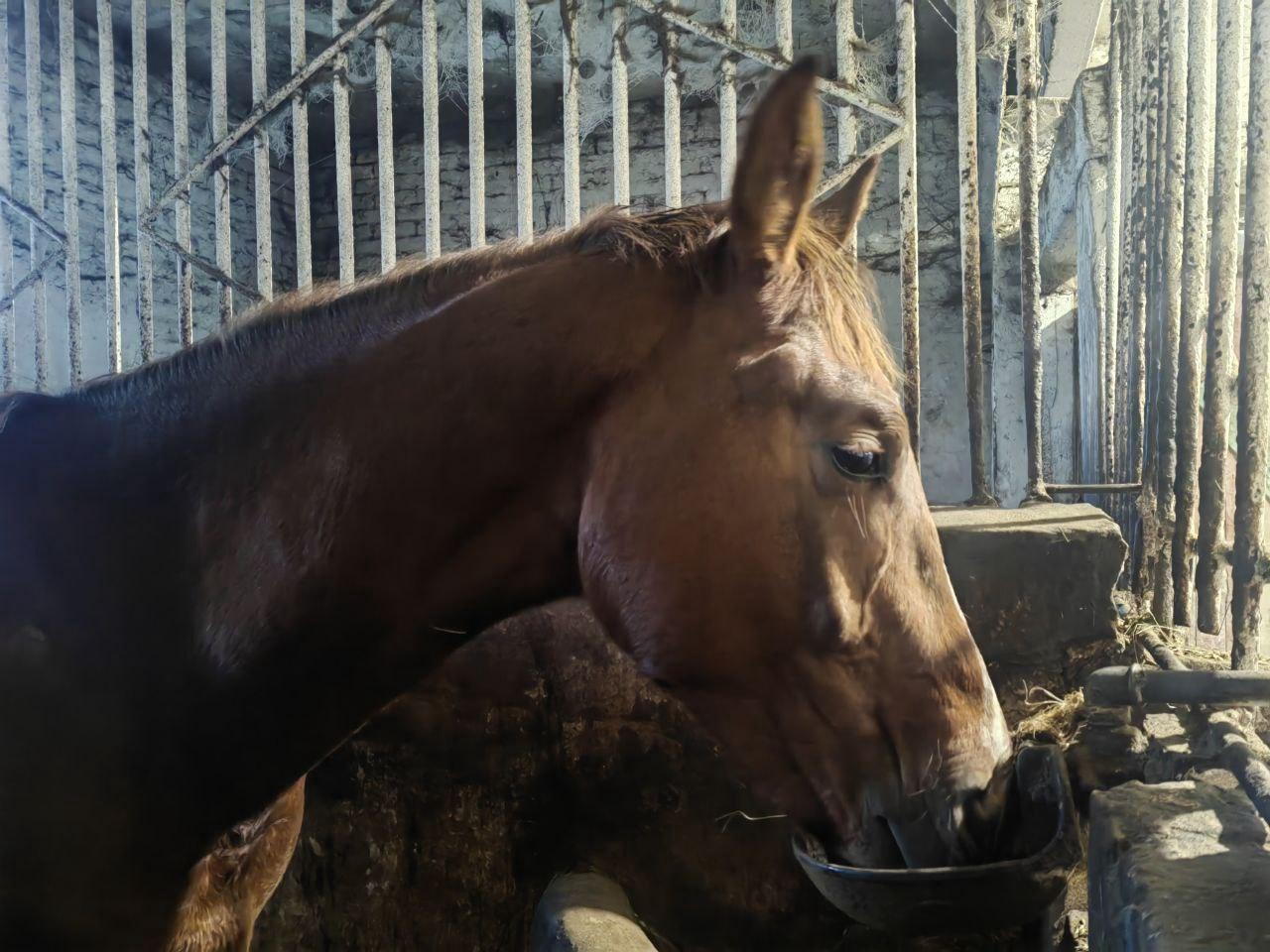
The stalls provide necessary water and feed, but maintaining them is very expensive.
Despite the small number of foals, the farm still produces champions today. Yelena opens one of the stalls, brings in an armful of hay, and gives it to the local resident. Have you ever seen a gray-haired horse? The farm employee says he is already elderly and has difficulty chewing hay, but he is a legend of the enterprise.
The horse«s name is Va-Bank (All-In), his owner once moved to France, and he was on the French dressage team. But then he returned to his homeland and produced very good offspring here.
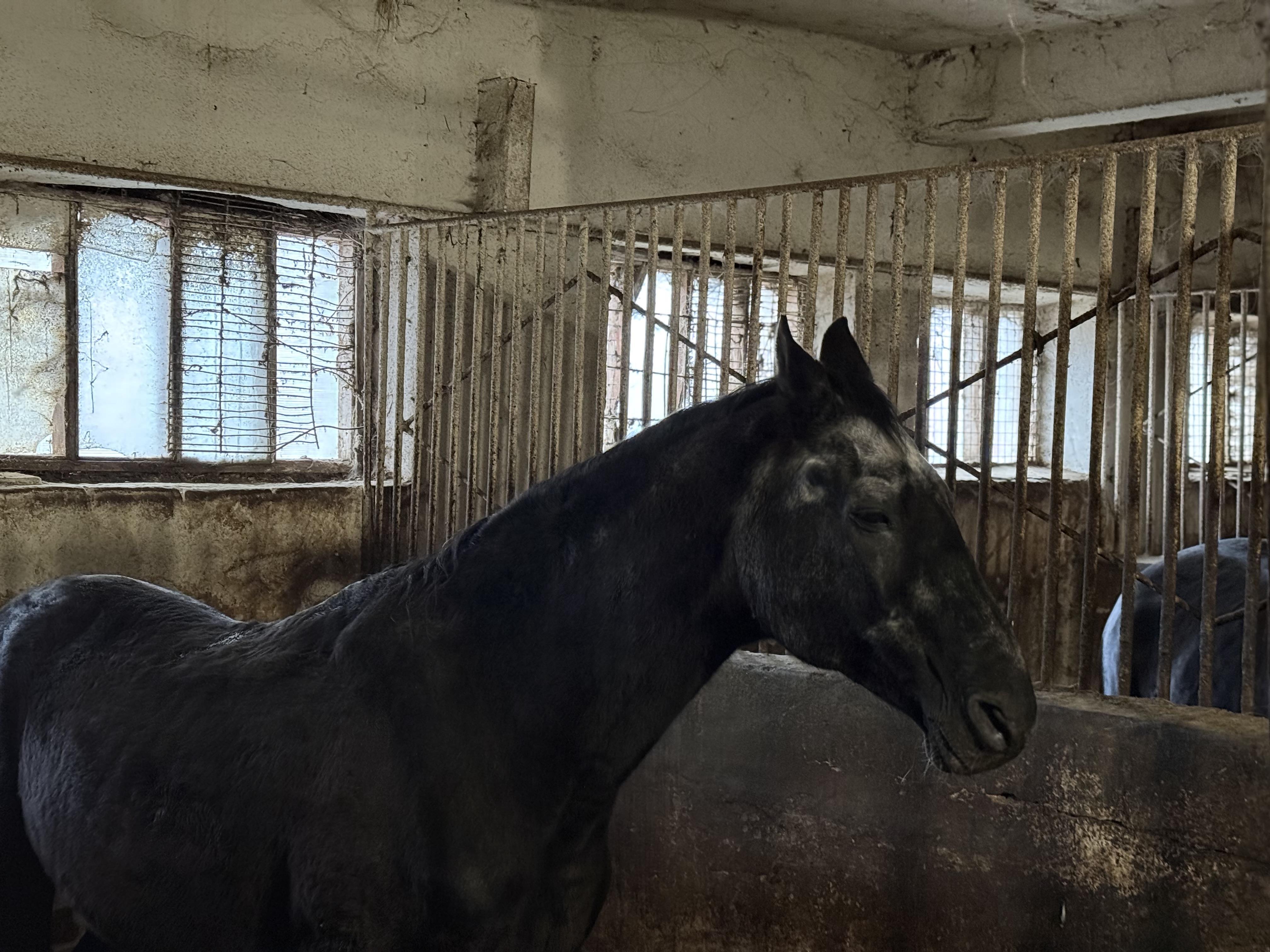
The horse Va-Bank«s brow is covered with a noble gray; he is a legend of the farm.
«We now have his daughters in our broodmare herd, and already granddaughters. This is his son Visborg, — we go to another stall with Yelena. — He is very good with people, won«t hurt or bite, he is a competition participant, a prize-winner and winner, took first places in his sports career, rarely was second or third», — Yelena says lovingly and strokes the horse»s good-natured face.
At this moment, he softly nips her hand with his lips — gently expressing his strong horse feelings.
«He, by the way, competed with all the best European horses. We were very much asked to sell him in his time, he had a very successful sports career. But we still hope he will return to sport. We took him back because he also worked for us as a sire. He is very, very striking», — says Yelena.
Visborg participated in the Eurasian Games in Moscow — in dressage competitions. There, over three days of competition, he was the absolute champion.

The horse is very friendly and allows people to pet him without hesitation.
There are horses that don«t make it into sport but take prestigious places at exhibitions. The Starozhilovsky stable has plenty of those too. «This colt Vоobrazimy (Imaginable), son of Va-Bank, unfortunately didn»t make it into sport. But he is very typical, a standard. This is what the Russian Riding Horse breed should be — a beautiful head, long neck, big eyes, black coat, a slightly Arabian profile. And they are all completely safe for humans. And these are breeding stallions that cover mares. They can be aggressive, but not in the Russian Riding Horse», — explains Yelena.
There was no influx of people wanting to buy a horse because of the Year of the Horse. «And thank God, — says Yelena. — The worst thing is to buy a horse just as some kind of gift. We«ve encountered that, and, as a rule, the buyers then don»t know what to do with these horses. We later help to sell them to someone else. But in most cases, our horses all find one owner, they are rarely taken for resale. Usually a person comes, falls in love, buys, and the horse spends many years with them», — says Yelena.
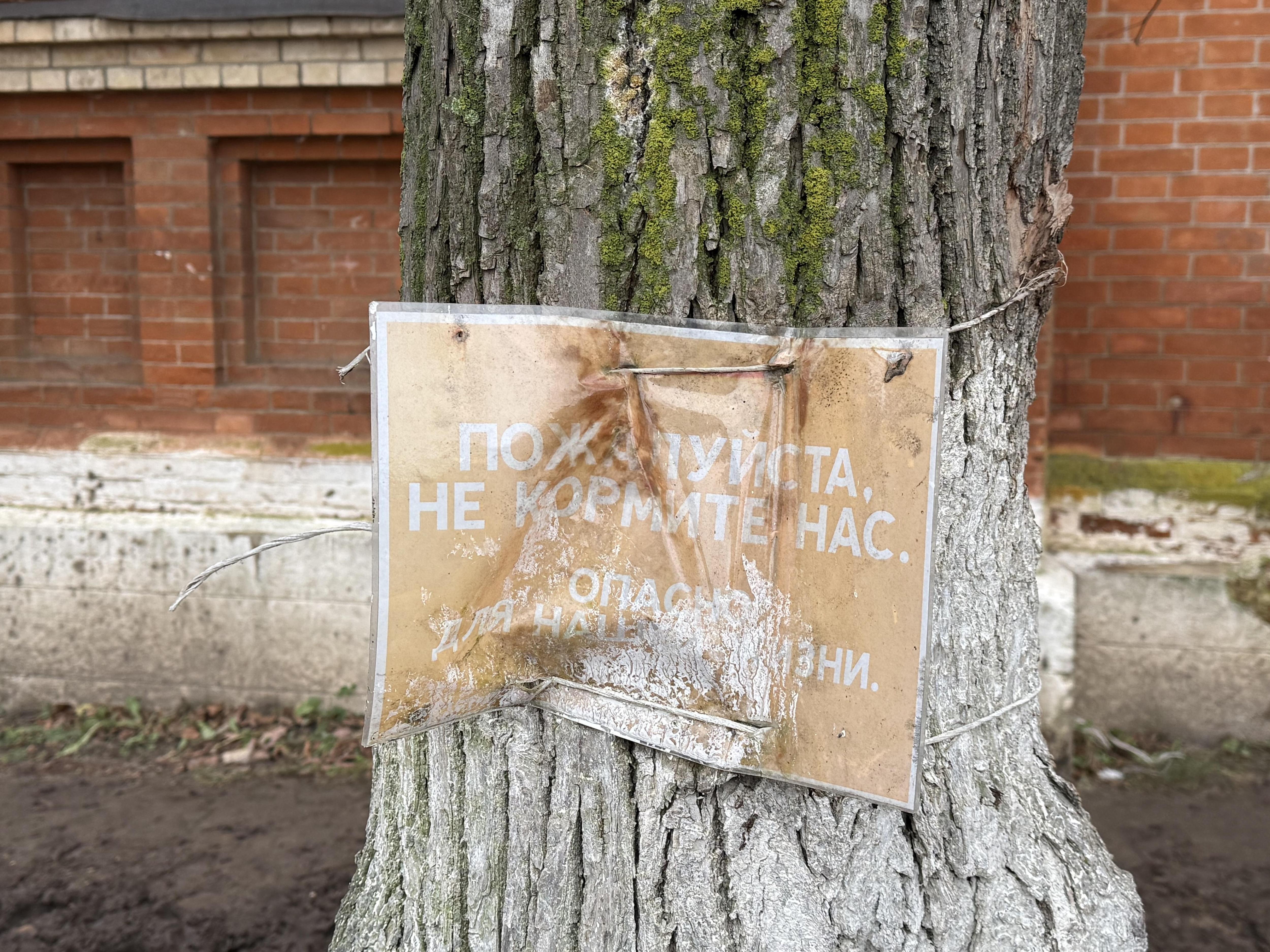
The horses require special feed, and visitors are warned not to harm them with good intentions.
There are often happy stories when people come for a second and third horse. Right now, a fourth horse is being sent to the same owner in Kemerovo. And at the very beginning of the new year, a little foal was born at the Starozhilovsky stud farm.