February Weather Forecast for Yekaterinburg


According to forecasts, February is expected to have many days with snow, and rain is possible by the end of the month.
January in Yekaterinburg was marked by severe frosts down to -30°C (-22°F) and snowfalls. Now, residents« attention is turning to the February forecast.
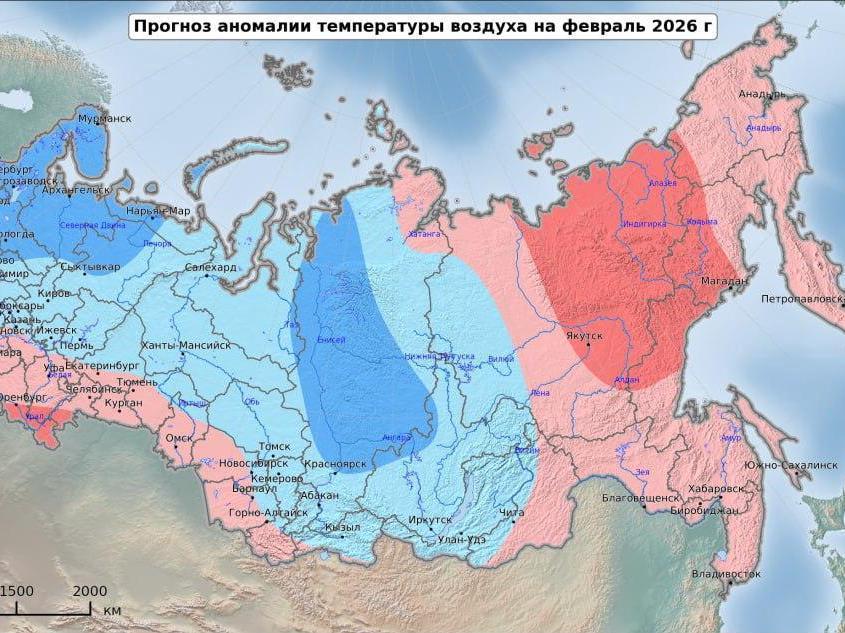
Temperature readings in February are forecast to be at or slightly above the climatic norm.
The Hydrometeorological Center of Russia reports that the average monthly temperature in February will match the norm or exceed it by one degree. The norm for the month is -10.8°C (13°F). Precipitation is expected to be above the long-term average of 19 millimeters.
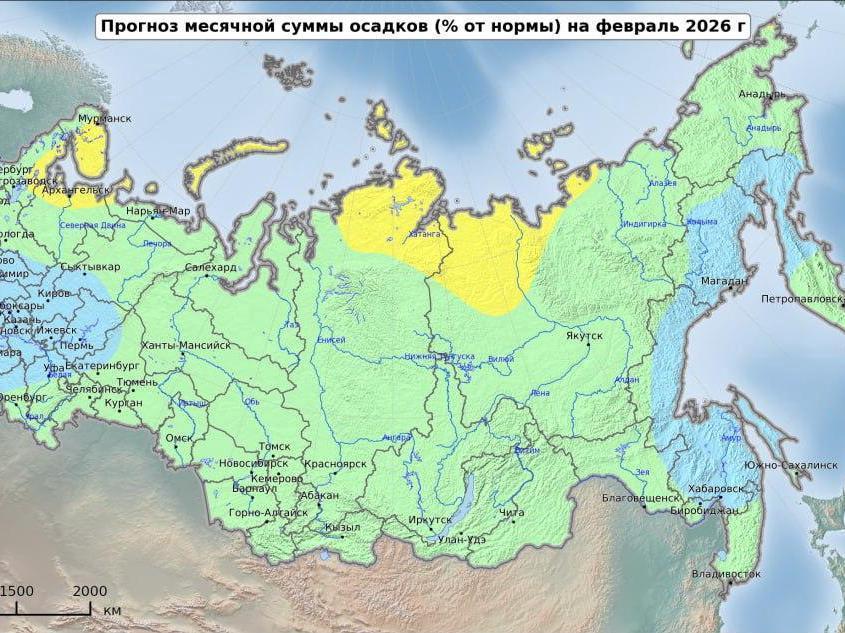
Precipitation levels are predicted to be above long-term average values.
The chief meteorologist of the Urals, Galina Sheporenko, clarifies that moderately frosty weather will set in during the first days of February. Yekaterinburg will experience snowfalls, with nighttime temperatures down to -16°C (3°F) and daytime temperatures around -12°C (10°F).
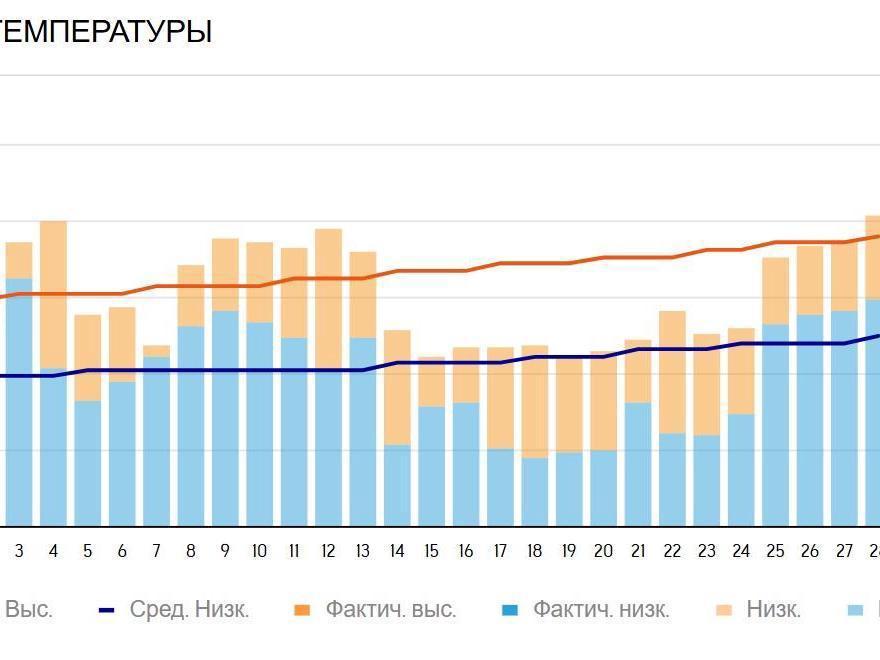
The graph illustrates temperature variations throughout February.
Meteorologists from Yandex.Weather characterize February«s climate in the city as frosty.
On average, the city has 16 cloudy days per month, six with snow, and six clear days,they note.
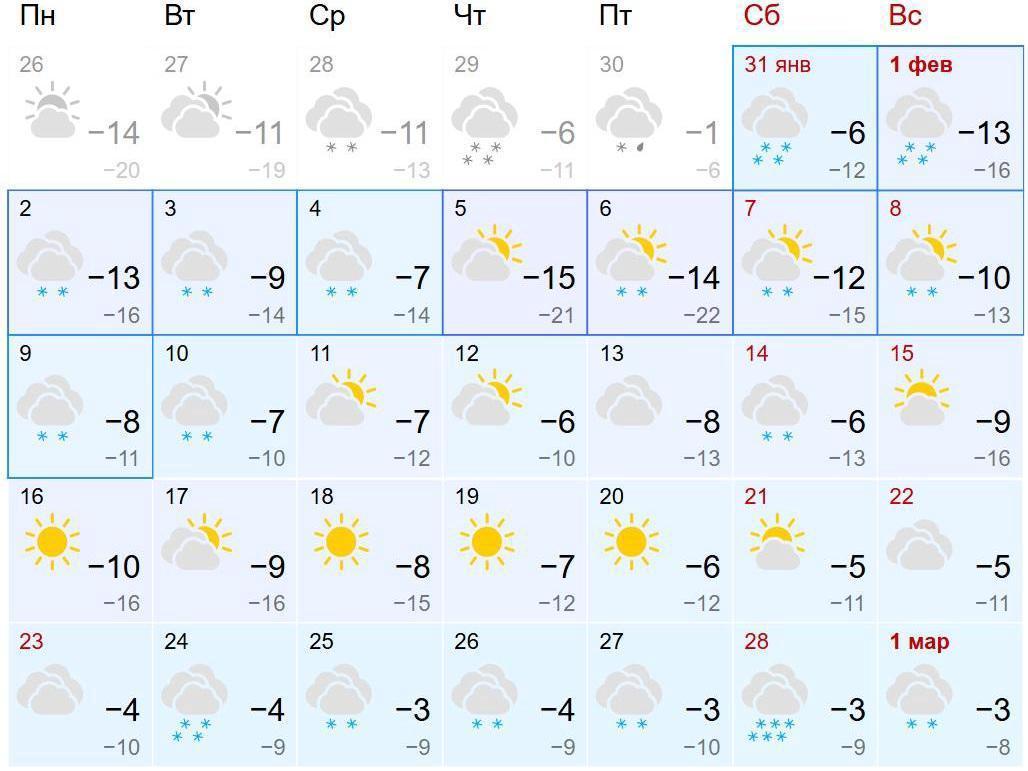
Meteorologists forecast heavy precipitation throughout the month.
According to this service«s forecast, 30-degree frosts (approximately -34°F) are not expected in February. Snow is most likely in the first week. Daytime temperatures will range from -6°C (21°F) to -10°C (14°F), and nighttime temperatures will drop to -15°C (5°F). In the last five-day period of the month, warming to -4°C (25°F) and sunny weather are expected, with the first rain possible on February 26.
Accuweather provides a similar forecast but highlights the first week as particularly cold: on February 6 and 7, temperatures may fall to -28°C (-18°F). Mid-month, nighttime frosts will intensify to -20°C (-4°F), and in the last week of February, snowfalls will return.
The Gismeteo service also predicts abundant precipitation. Snow will fall almost daily in the first decade, and by the end of the month, precipitation will become frequent again.