Novosibirsk visionary's aerial metro plan deemed impossible

Novosibirsk is growing and expanding every year. More and more microdistricts and residential areas are appearing, but their transport accessibility leaves much to be desired. The metro does not reach everywhere, but could there be an alternative to it? NGS observer Ilya Kalinin listened to one Novosibirsk visionary who has been proposing fantastic transport projects to the city for many years and found out from experts and the mayor«s office what is wrong with these proposals.
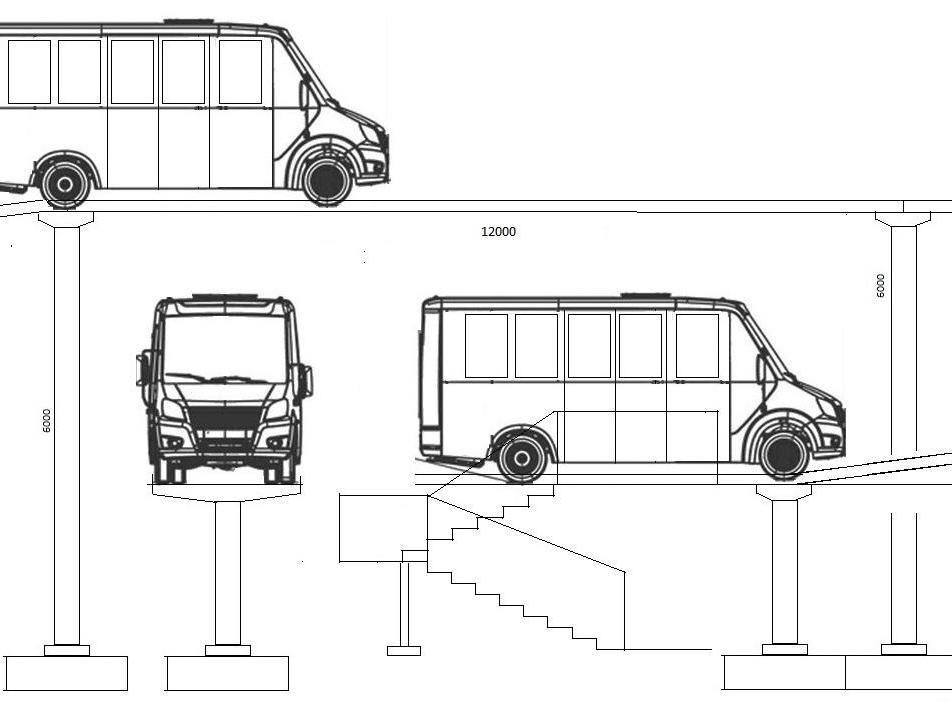
The transport problem in Novosibirsk is perhaps one of the most important. There is not enough money for metro development, and ground transport also does not cover all the requests of citizens. Hence, proposals appear to introduce some unusual and simply fantastic types of public transport into the city«s road system. At the end of 2025, Novosibirsk resident Matvey Filatov proposed to the mayor»s office to build an alternative to the metro in the city: a network of light viaducts on which GAZelles and PAZ buses would run. And they would run without drivers.
Elon Musk or Baron Munchausen?
Matvey Filatov is unemployed. In spring 2024, he put forward his candidacy in the election for mayor of Novosibirsk. He calls himself a visionary.
A visionary is a person who can foresee the future, hidden trends and opportunities in various spheres, and also inspire others to realize their vision. They see the world picture in the long term. Visionaries can include Elon Musk and Steve Jobs.
Filatov claims that some of his ideas in various fields have even been patented, but by other people. Among his «developments,» the visionary names the rotary-vane engine of businessman Mikhail Prokhorov«s Yo-mobile project. Filatov also calls an algorithm underlying smartphone photo enhancement technology his achievement. He says his idea has already been implemented by a company on the market, is used by global brands, and that he even receives royalties for this algorithm. However, Filatov could not confirm any of this with documentation.
«PAZ Buses» Overhead
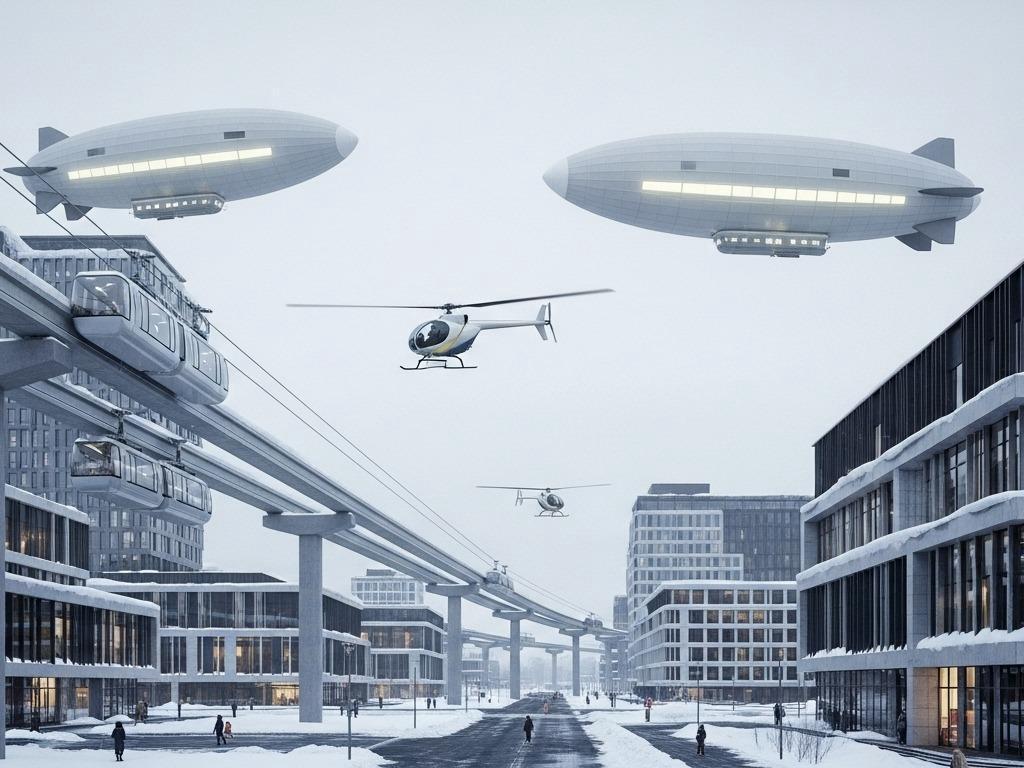
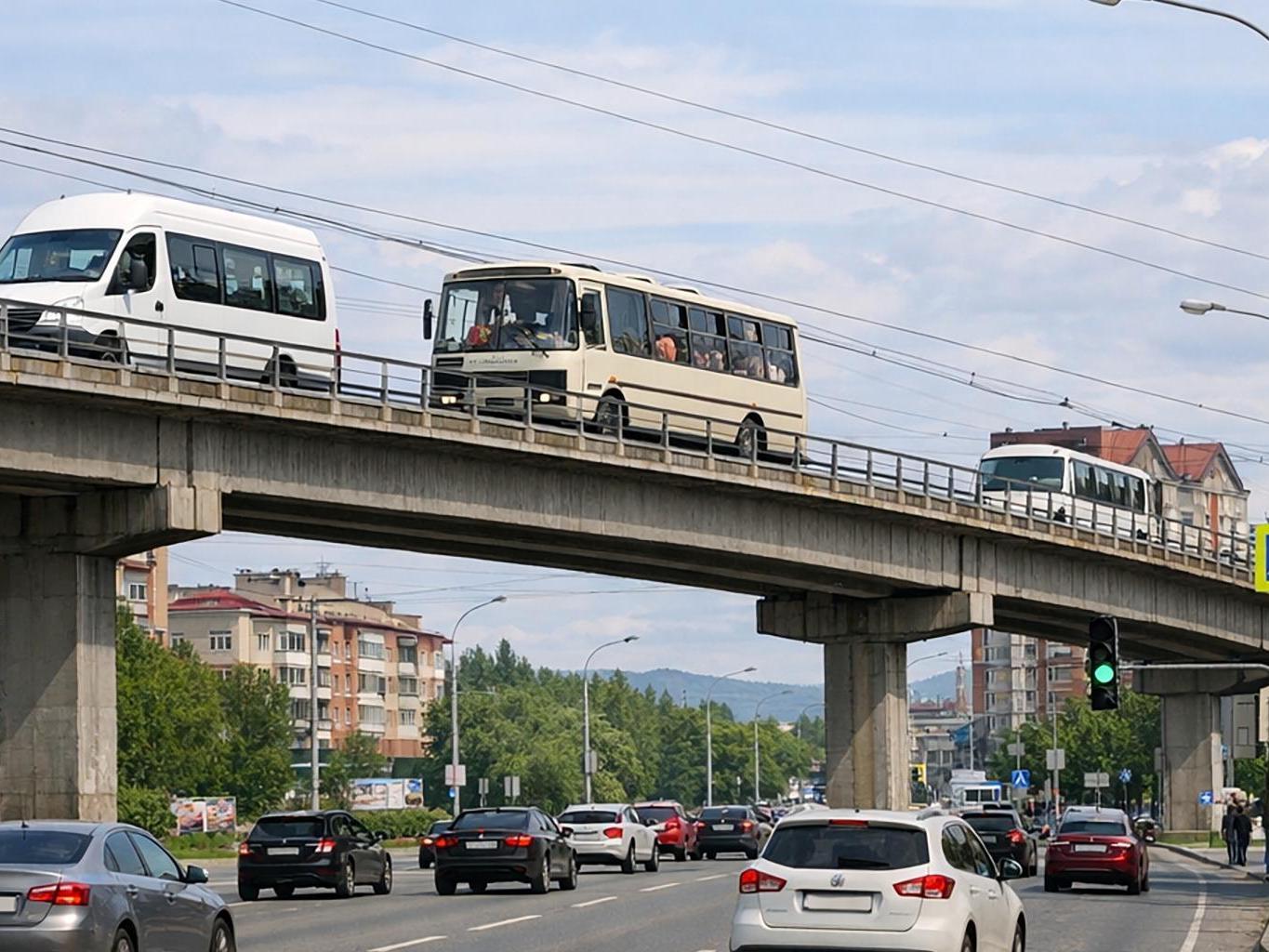
The project of the so-called aerial metro, as Matvey Filatov himself dubbed it, involves building light viaducts throughout the city on which small vehicles would constantly move. Filatov believes such lines could connect remote microdistricts and residential areas with the nearest major transport hubs, like Marx Square or Kalinin Square. The viaducts could be placed above ordinary roads: but their advantage is that only public transport would move on them.
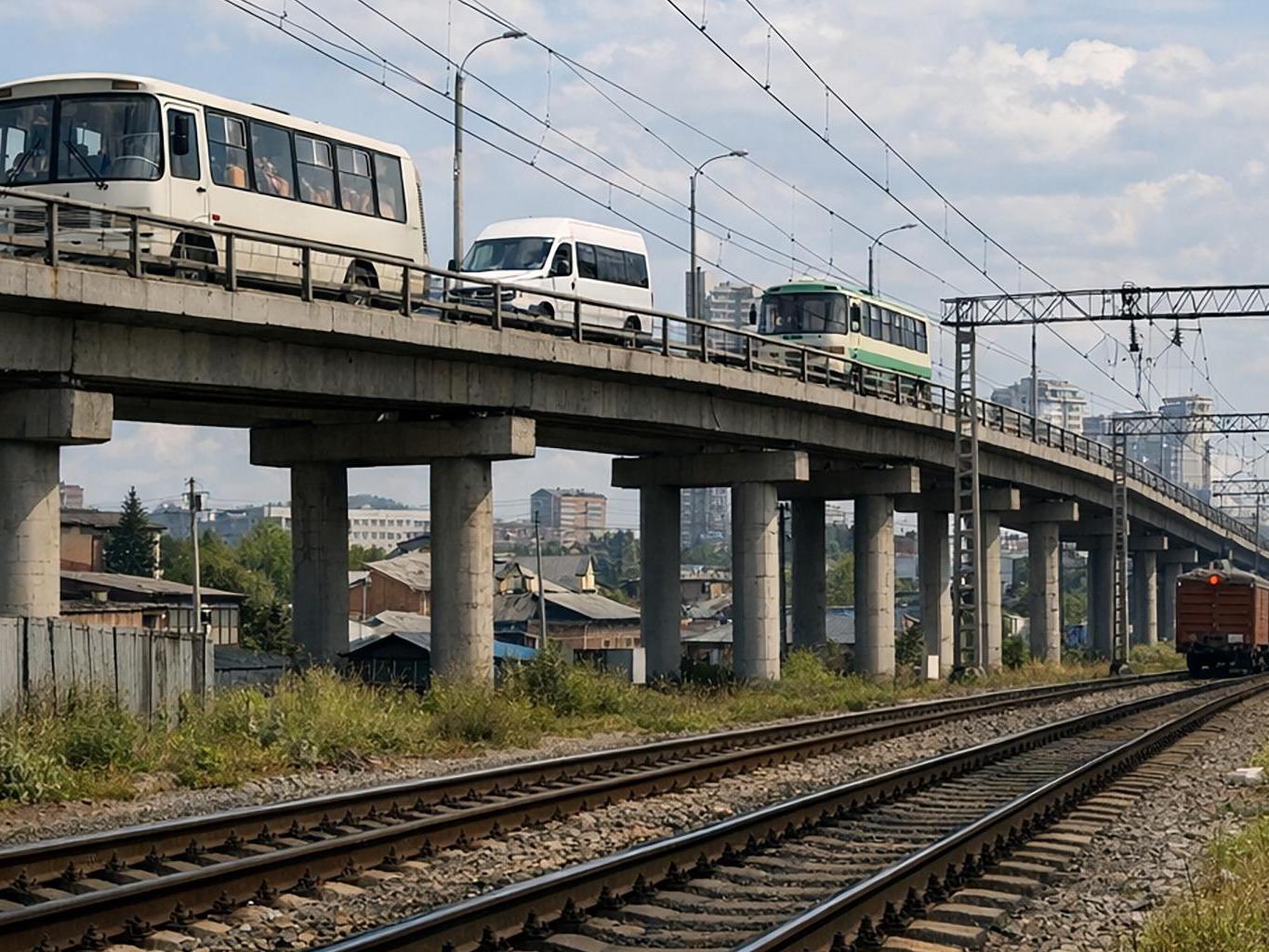
“Moreover, existing railways can be used as the first floor of this aerial metro. That is, the «cars» of the aerial metro can run above the railway and operate in commuter train mode. A commuter train is expensive and costly, while this is a cheaper type of transport,” Filatov said.
The man is sure: all this is cheaper than the metro, new bridges, and trams. First: there is no need to invent and develop transport from scratch. Well-known GAZelles or PAZ buses should be launched on the viaducts: they supposedly pay for themselves quickly, and they should run on gas.
Second: this transport should move on autopilot — for economy. And to prevent them from falling on the heads of citizens by accidentally turning off course, the vehicles will travel along a deep metal track. Naturally, in a chain — one after another, without any intersections, to eliminate collisions. Flights should be frequent and preferably without long breaks, even at night.
“This autopilot only needs to not crash into what is ahead. And brake in time at the platform. But this has long been implemented, for example, the driverless metro in Paris,” Filatov explained.
In December 2025, the entrepreneur voiced this idea at the Novosibirsk mayor«s office, but, he says, they proposed he prepare documents and certify this type of transport.
“The people who demand these documents and certificates, they don«t say where and how to get them. And the institutes that deal with certification, they certify individual vehicles, that is, this »GAZelle« is already certified. I think there is simply no desire among the mayor»s office employees,” Filatov concluded.
«Digging the Ground is Expensive»
Veteran of the engine-building complex, Honored Builder of Russia Gennady Ruzaev criticized this project, noting that it is definitely not better than a metro.
“Regarding viaducts. They built a section near «Moscow-City,» so at minus 20–30 degrees Celsius (-4 to -22°F), everything stops, there is no movement. But the main thing: our city, as it has historically developed, has narrow streets, is cut by ravines, and so on… In my time — in 1984-85 — we also reasoned that digging the ground is expensive, and we should build viaducts and run a metro on them. But we have nowhere to do this,” commented Gennady Ruzaev.
In an open area, the metro builder emphasized, it might still be possible to erect viaducts, but along the city«s narrow streets — definitely not. Moreover, if we talk about metro passenger flow and ground transport, for example, a tram running on rails, the comparison will not be in favor of ground transport. The metro»s capacity per hour, Ruzaev noted, is up to 40,000 passengers, while a tram«s is only 9,000. And it would have to run almost every minute.
Novosibirsk urbanist Alexey Gritsenko also cannot imagine how such an aerial metro project could be implemented under local conditions.
“These supports have to be placed somewhere. And how to bring the viaducts to densely built-up areas like Marx or Kalinin Square? These would be some monstrous structures over city streets… We also need to allocate space for these small, but still some kind of stations,” Gritsenko pondered with doubt.
The only thing, the expert notes, is that the issue of driverless transport is becoming increasingly relevant. In Moscow, the urbanist clarified, a driverless tram operates, and recently a driverless metro train was presented.
“If for buses and trolleybuses moving in the general flow, this is still quite difficult to imagine, then in rail transport — metro, tram, even suburban trains — the share of artificial intelligence can increase,” noted Alexey Gritsenko.
And the main thing here, the expert smiled, is funding. Budget money for this is unlikely to be found; it is not enough even for more understandable transport requests, for example, simply maintaining existing transport.
«A Working Group Has Been Created»
The mayor«s office confirmed that entrepreneur Matvey Filatov has repeatedly approached them with a proposal to implement a system in the city, the principle of which involves building transport viaducts with low-capacity buses running on them.
“The proposed means of transportation does not belong to certified types of transport, which has been repeatedly communicated to M. N. Filatov, and it was also recommended to contact relevant structures for the development of innovative types of transport, such as research and design institutes, or specialized higher educational institutions,” explained the mayor«s office.
The municipality emphasized that the effect from implementation and the construction cost of the stated system claimed by the entrepreneur differ from real indicators identified as a result of the construction and operation of various transport systems, both traditional and alternative, in other countries.
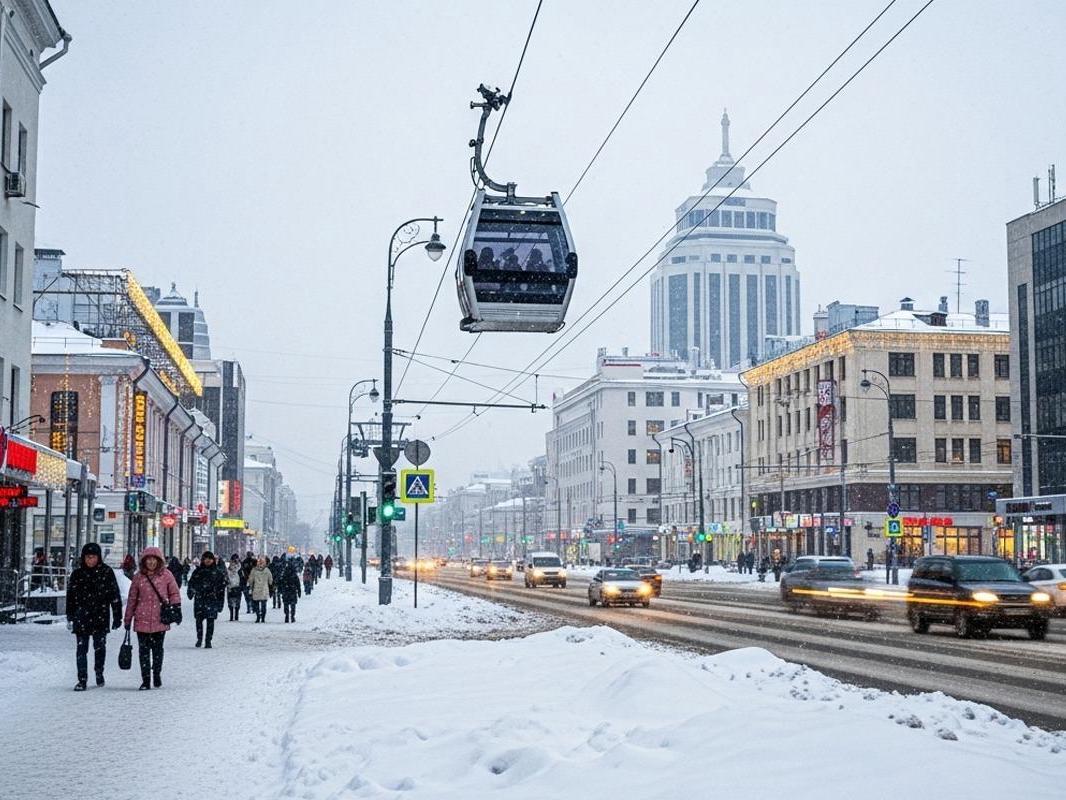
However, the mayor«s office is currently considering a proposal for alternative public transport — a cable car, which came from the Russian company »Urbantekh Kanatnye Dorogi« (UrbanTech Cable Roads). This company is working on the project for a second cable car in Nizhny Novgorod. Since 2012, a cable car built by the French company Poma has been operating here as public transport, carrying passengers to the neighboring city of Bor and back. In Novosibirsk, a passenger cable car is being considered to run from the »European Coast« residential complex to the Sportivnaya metro station.
“To work out this issue, a working group has been created under the First Deputy Mayor of Novosibirsk I. V. Kodalaev. To date, no project materials for the construction of the cable car have been submitted to the transport department,” reported the mayor«s office.
Entrepreneur Filatov states that he voiced the idea of a cable car back in the 1990s. At that time, Novosibirsk was just beginning to be «spot»-built with high-rises, and Filatov decided that if an office high-rise were built in the center of each conditional residential area where local residents would work, then the need for them to move around the city would disappear. And if these business centers were connected by a «cable car,» then it, in a sense, would replace public transport. However, later Filatov realized that his project was too complicated and abandoned the idea of a cable car as public transport.
As an addition to traditional public transport in Novosibirsk, river transport is also being considered.