Novosibirsk moves snow to road centers to preserve parking
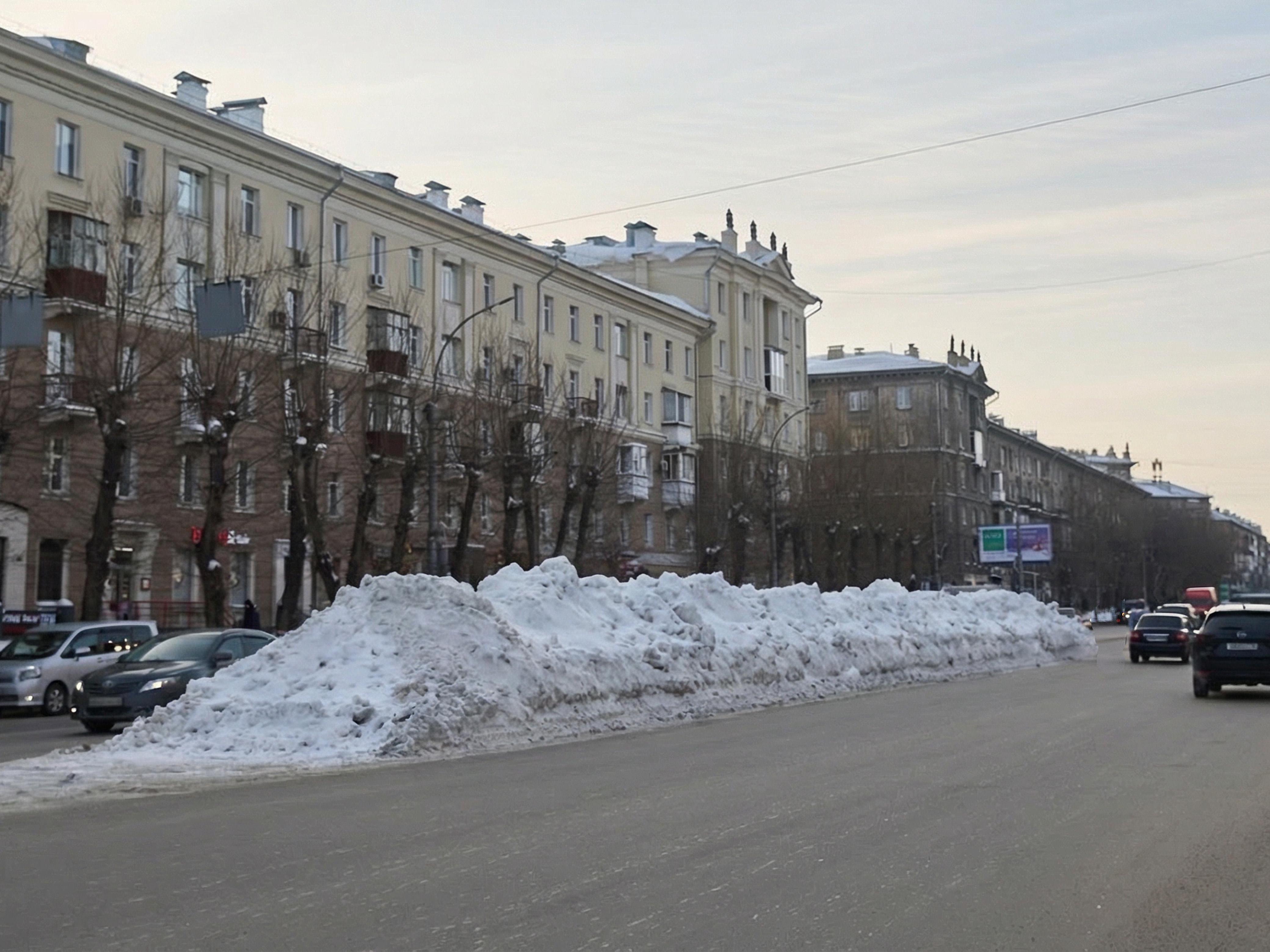

A neural network-generated image illustrates how snow piles might appear in the center of Novosibirsk streets.
On the widest streets of Novosibirsk, snow piles may soon appear in the middle of the roadway. The city hall has decided that storing snow on the road axis will be more effective than along the edges. While such methods were applied chaotically in the past, the practice is now intended to become regular. More than 10 streets are on the list for snow dividers. What this practice might lead to — in the material from NGS.RU.
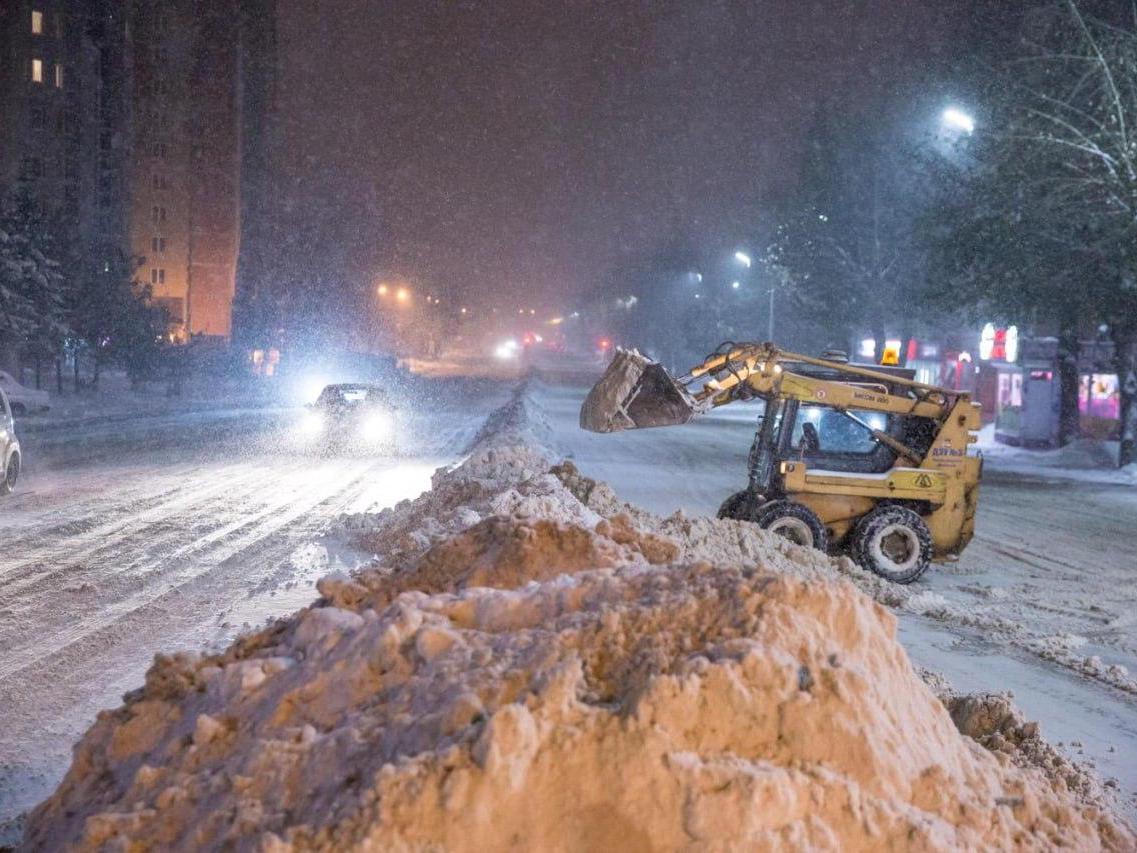
The method was used in past heavy snowfalls, such as on Stanislavskogo Street in Novosibirsk.
We«ll try this method
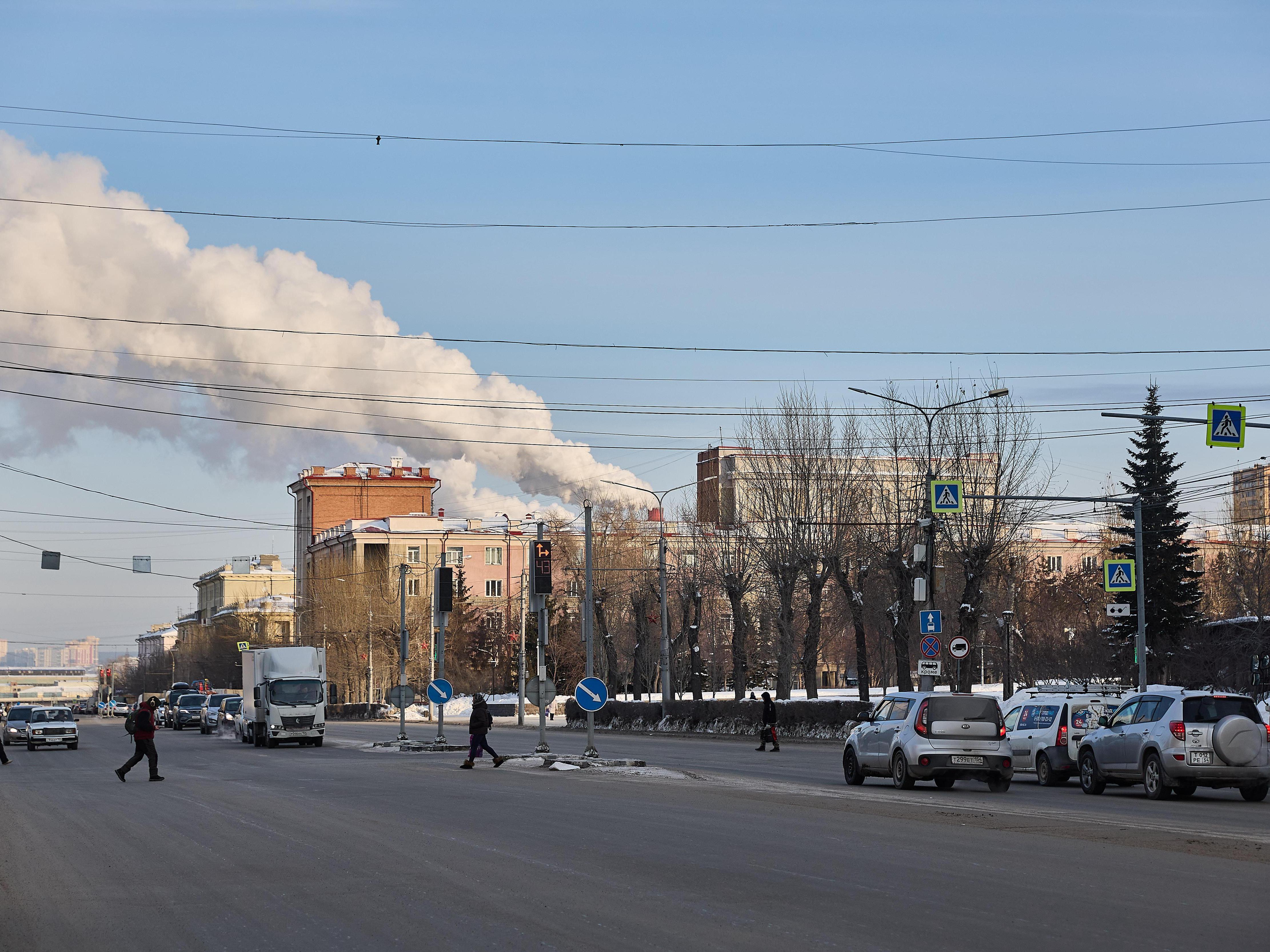
Drivers involved in accidents possibly caused by snow piles should call traffic police to document the scene.
Snow piles on the so-called road axis — that is, in the middle of the roadway — have appeared in Novosibirsk in previous years. They were not very high, chaotic, and usually caused inconvenience at U-turn spots.
This year, Novosibirsk has faced record snowfall: from November 2025 to January 10, 2026, about 140 mm of precipitation fell for the first time since 1900, according to the West Siberian Hydrometeorological Service. It is important to note that for these data, specialists melt snow and look specifically at moisture content; a city resident can only estimate the height of the snow cover by eye. As of January 10, it exceeded not only last winter«s values but also the norm.
On January 20, at a meeting of the transport committee in the regional legislative assembly, Novosibirsk First Deputy Mayor Iosif Kodalaev reported that the city will change the cleaning technologies for a number of streets. Currently, it is not possible to remove snow without narrowing the roadway along the outer lanes and keeping parking spaces free.
“If the street width allows, we will carry out storage, forming a snow pile along the axis of the roadway. This will avoid filling parking pockets, stops, and pedestrian crossings. We«ll try using this method,” Iosif Kodalaev told regional deputies.
He did not encounter criticism of such a proposal, and in the middle of last week, according to an NGS.RU source, a list of streets with snow piles in the middle had already been drawn up.
“Economically justified decision”
The NGS.RU correspondent learned that more than ten streets are on the list with piles along the axis. These include Titova, Stanislavskogo, Koshurnikova, Vladimirovskaya, Nemirovich-Danchenko, and Chelyuskintsev. The editorial office has requested the full list from the Novosibirsk city hall.
Doubts arise that the piles will be removed from the road axis even within a few days. How long they may remain on the streets and may affect safety, the editorial office also asked the city hall and the traffic police.
“They are now forming snow piles in parking pockets and along the right lane, now they will be in the middle. The right lanes will not be as clogged,” suggested Vyacheslav Ashurkov, head of the Novosibirsk regional office of the Russian Car Owners Federation (FAR). “This is an economically justified decision and corresponds to current realities. I think it will increase the speed of street cleaning.”
At the same time, the expert did not rule out that road safety may decrease if the piles end up near pedestrian crossings or block U-turn spots, obstructing drivers« view. He added that with such measures, these nuances need to be monitored particularly carefully.
Fines up to 300,000 rubles
Lawyer Alexander Gushchin explained that a snow pile itself is not prohibited, but must be organized with mandatory compliance with minimum distances from pedestrian crossings and stops.
“Such piles must be visible to drivers so as not to create danger on the road. The organization of piles is regulated by GOST R 50597-2017: piles must not block traffic, obstruct view, block pedestrian crossings (closer than 15 m) and stops (20 m),” outlined the main conditions lawyer Alexander Gushchin.
Traffic police officers should monitor the situation and issue orders for elimination in case of violations.
The lawyer added that if orders are ignored, those responsible may be held liable under Article 12.33 of the Code of Administrative Offenses of the Russian Federation, which penalizes intentional creation of obstacles in traffic with fines. Citizens will pay 5–10 thousand rubles (approximately $55–$110 at current rates), officials 25 thousand rubles (around $275), and legal entities — up to 300,000 rubles (approximately $3,300).
If a driver is in an accident and is sure that a snow pile was one of the causes, traffic police officers should be called to the scene.
“Everything depends on specific circumstances. Of course, if the pile was organized in violation of GOST, the driver can apply to the city hall department or the Road Maintenance Department with a claim for damages. For this, in case of such an accident, the driver needs to call traffic police officers to draw up a report to establish non-compliance of the road surface or foreign objects on the roadway,” explained Alexander Gushchin.
The NGS.RU correspondent also asked road workers to explain what other reasons, besides the abundance of snow, affected city cleaning this year.
In early January, the city hall reported that only in four districts of Novosibirsk is there a shortage of road workers, machine operators, and special equipment drivers, with the count being in single digits of specialists. In other districts, there is no shortage.
In December 2025, at a session of the city council of Novosibirsk, Iosif Kodalaev reported that the city has a total of 800 units of cleaning equipment, of which 535 units are intended for winter work. Over three years, the city purchased 246 new units of equipment, also including a channel flushing machine for maintaining storm sewers and two tow trucks for moving ownerless cars and vehicles that interfere with cleaning.