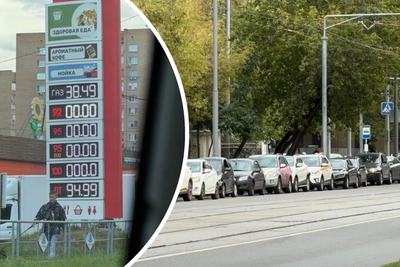
Moscow Electric Buses Stop Moving in Severe Cold
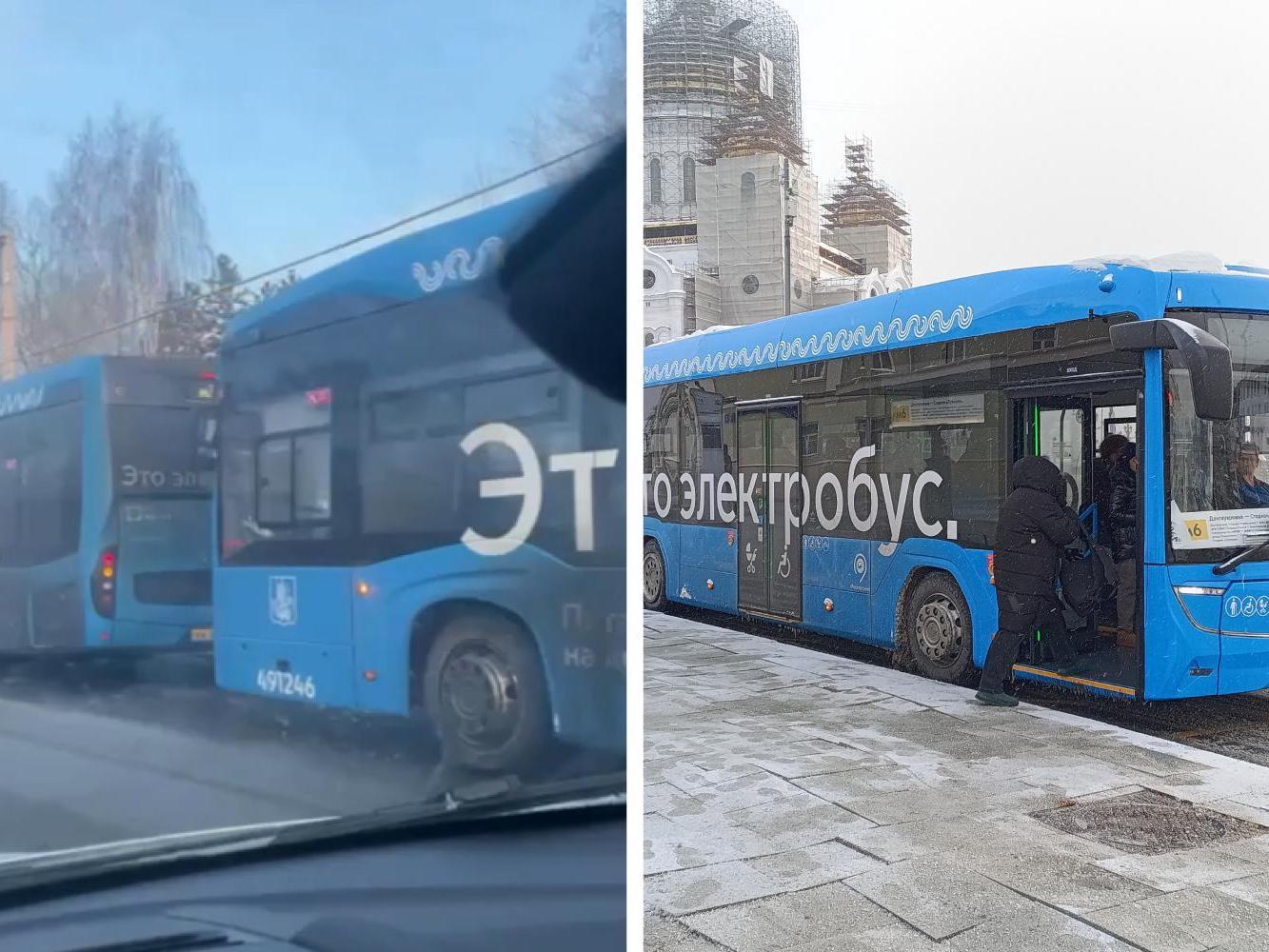

A queue of electric buses waiting for charging in Serebryany Bor highlights cold-weather issues.
On 3 February, in -20°C (-4°F) frost, electric buses without passengers stopped moving in Serebryany Bor (a forest park in northwestern Moscow). They were probably waiting their turn to charge. However, transport channels claim that ultra-fast charging is taking longer or even failing due to the cold. Muscovites are being warned that not all electric vehicles can currently carry passengers. MSK1.RU tried to find out what is happening with the capital«s innovative transport in bad weather.
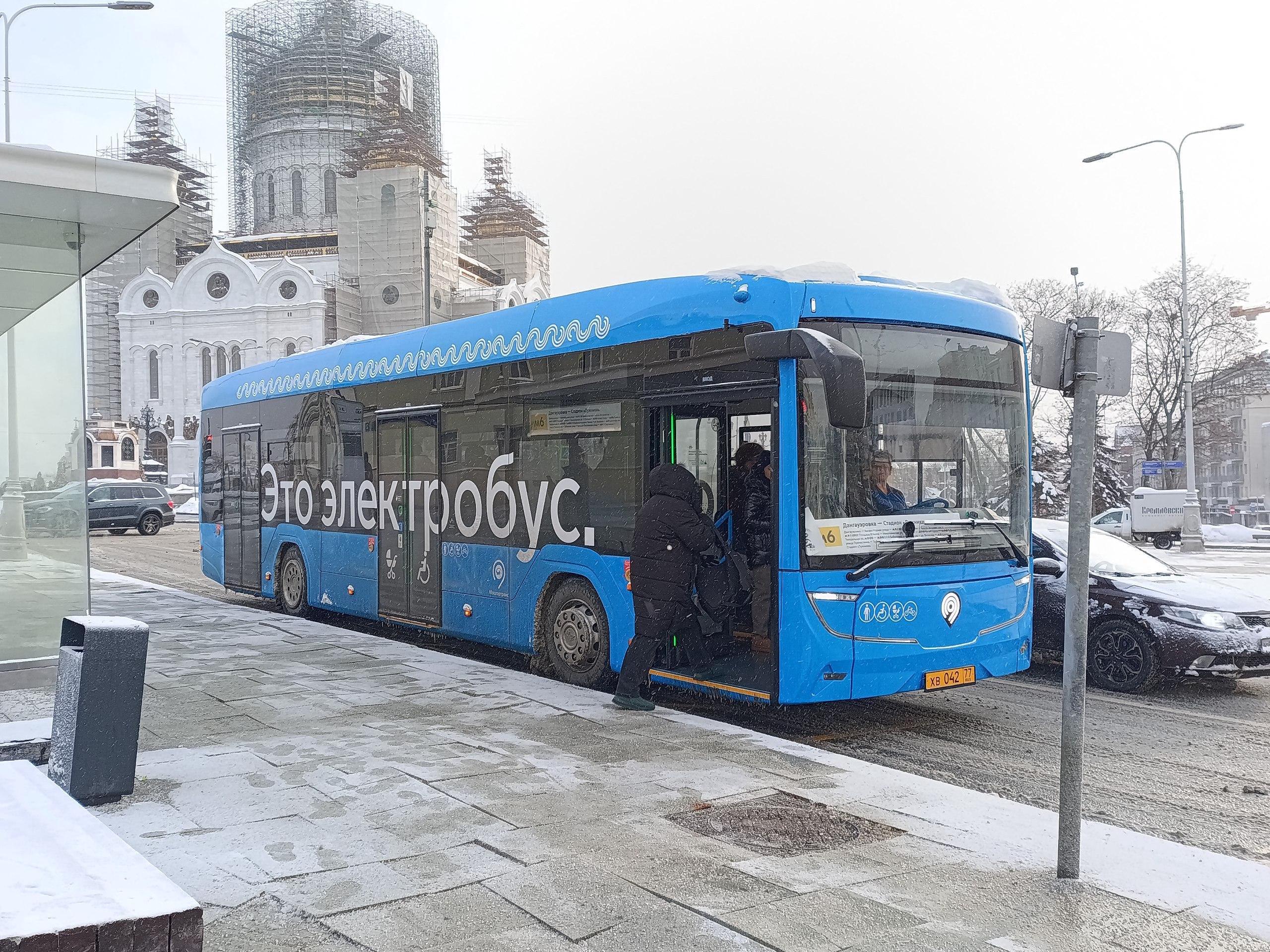
An electric bus without a fleet number is seen at a Moscow depot amid reduced service.
The video was reportedly shot in the Serebryany Bor area in northwestern Moscow. One of the electric buses shows route number M3, which indeed runs from Serebryany Bor to Semyonovskaya metro station. The footage shows at least eight vehicles standing in line without moving.
A video captures at least eight electric buses standing idle in the cold in northwestern Moscow.
The date and circumstances of the filming are not specified. The authors claim this is a queue of electric buses for charging: supposedly, due to the cold, the current has dropped (to 70–140 amperes), and charging time has increased significantly. Because of this, they write, some ultra-fast chargers are not working at certain terminals.
Another monitoring community, «Buses and Everything», published a photo of an electric bus without a fleet number. The authors claim that some vehicles are not being deployed.
«Against the backdrop of a significant underproduction of electric buses at the «Fili» depot, diesel buses have been running on electric bus routes for several days, and the newest KAMAZ-52222 vehicles arriving at the depot are being sent onto the line without even applying fleet numbers,» note the transport community.
Similar problems are reported in other regions. Thus, our colleagues at VORONEZH1.RU were told by the local transport ministry that the innovative vehicles did not go into service at all due to the cold.
The editors of MSK1.RU requested a comment from the Moscow carrier Mosgortrans State Unitary Enterprise (Mosgortrans) and showed them the materials from social media. We received no confirmation or denial. In the press service of Mosgortrans, they responded to MSK1.RU that all drivers of surface urban transport had also undergone training to work in changing weather conditions. All electric buses, Mosgortrans claims, were also prepared in advance to operate in the cold.
«Passenger comfort and safety in any weather conditions is our priority. All Mosgortrans buses and electric buses underwent winter preparation in advance. Specialists tested the climate control systems, checked anti-corrosion protection, and cleaned and replaced filters,» Mosgortrans explains to MSK1.RU.
Also, the capital«s electric buses had their cabin electric heaters tested to ensure it would not be cold, and the traction batteries, the carrier assures, can operate in any weather thanks to a thermostatic system: they were protected with plastic panels and roof covers.
«In addition, maintenance of the charging infrastructure was carried out. Ventilation grilles were cleaned, air filters replaced, the condition of current blocks and the anti-icing system were checked. Ultra-fast charging stations operate at temperatures down to -40°C (-40°F),» Mosgortrans explained to MSK1.RU.
Recently, Moscow received 400 next-generation KAMAZ electric buses. The city also signed a contract for the supply of another 700 such vehicles. All electric buses from both deliveries were the KAMAZ-52222 model with outward-opening doors (like on modern subway trains): MSK1.RU was among the first to show them. Finally, before the New Year, the capital urgently ordered another 100 electric buses.