Electric Car Sales Surge Sixfold in Irkutsk Region
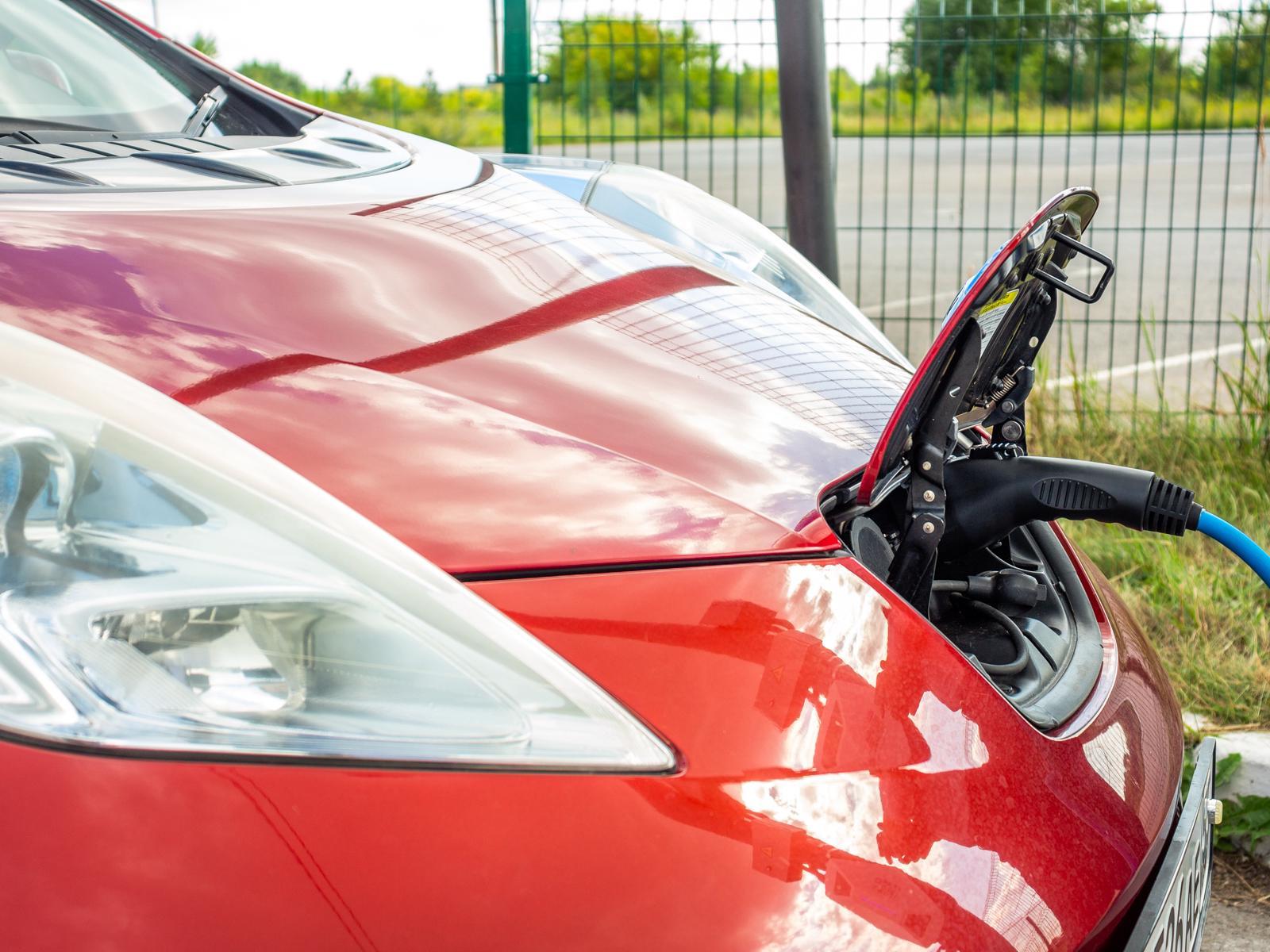

In June of this year, demand for used electric vehicles in the Irkutsk region sharply increased. According to data from the Drom auto portal, sales of such cars more than sextupled in a month — from several dozen to several hundred.
According to the portal«s press service, residents of the region most often bought the Nissan Leaf. This model accounted for 81% of all electric car sales. Most in demand were cars manufactured between 2011 and 2014 costing up to 1 million rubles (about $11,100 at current exchange rates).
Analysts from Drom link the surge in interest in electric cars to recent fuel problems in the region.
«Fuel problems prompted car enthusiasts who wanted to upgrade their car and considered electric cars as one of the options to choose electric cars. However, they still remain a niche product and find their audience. Most drivers think about a purchase for more than a month, and when considering an electric-powered car, the driver calculates many nuances, from charging points to compliance with safety standards in parking lots,» the specialists noted.
Despite the sales growth, electric cars still occupy a small market share. If in May they accounted for 0.3% of all used car sales, then in June this figure rose to 2.3%.
In addition to the Nissan Leaf, the most popular electric cars included the Nissan Sylphy, Zeekr 001, BYD Yuan, and Tesla Model 3. Also in June, residents of the region bought the Jaguar I-Pace, Zeekr X, Kia Niro, Audi Q2 e-tron, Honda X-NV, Avatr 11, and other models.
According to Drom, in the first six months of 2026, sales of used electric cars in the Irkutsk region have already doubled compared to the same period last year.
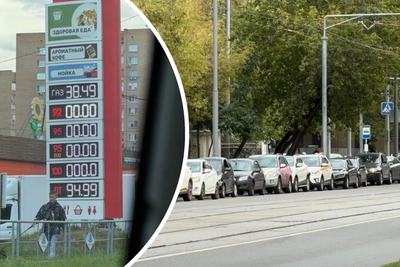
The Irkutsk region faced a fuel shortage in mid-June. Because of this, the head of the region, Igor Kobzev, called for gasoline to be used as economically as possible, and also to drive less personal transport to overcome the fuel crisis faster. The fuel shortage in the Angara region exceeded 80% by the end of the month.
After that, a high alert regime was introduced in the region, queues at Rosneft gas stations began to be regulated, and the sale of gasoline in canisters and other containers was banned. From July 3, private companies began to gradually resume retail gasoline sales. The first were Kraisneft and BRK, joined a few days later by OMNI.
Later, Kobzev determined a list of companies that could refuel out of turn, and allowed residents of remote areas and farmers to pour fuel into canisters.
Over the past month, certain types of fuel in Irkutsk rose in price by more than 20 rubles (less than $1 at current exchange rates).