PPU and Polyurea Reduce Winter Roof Collapse Risk
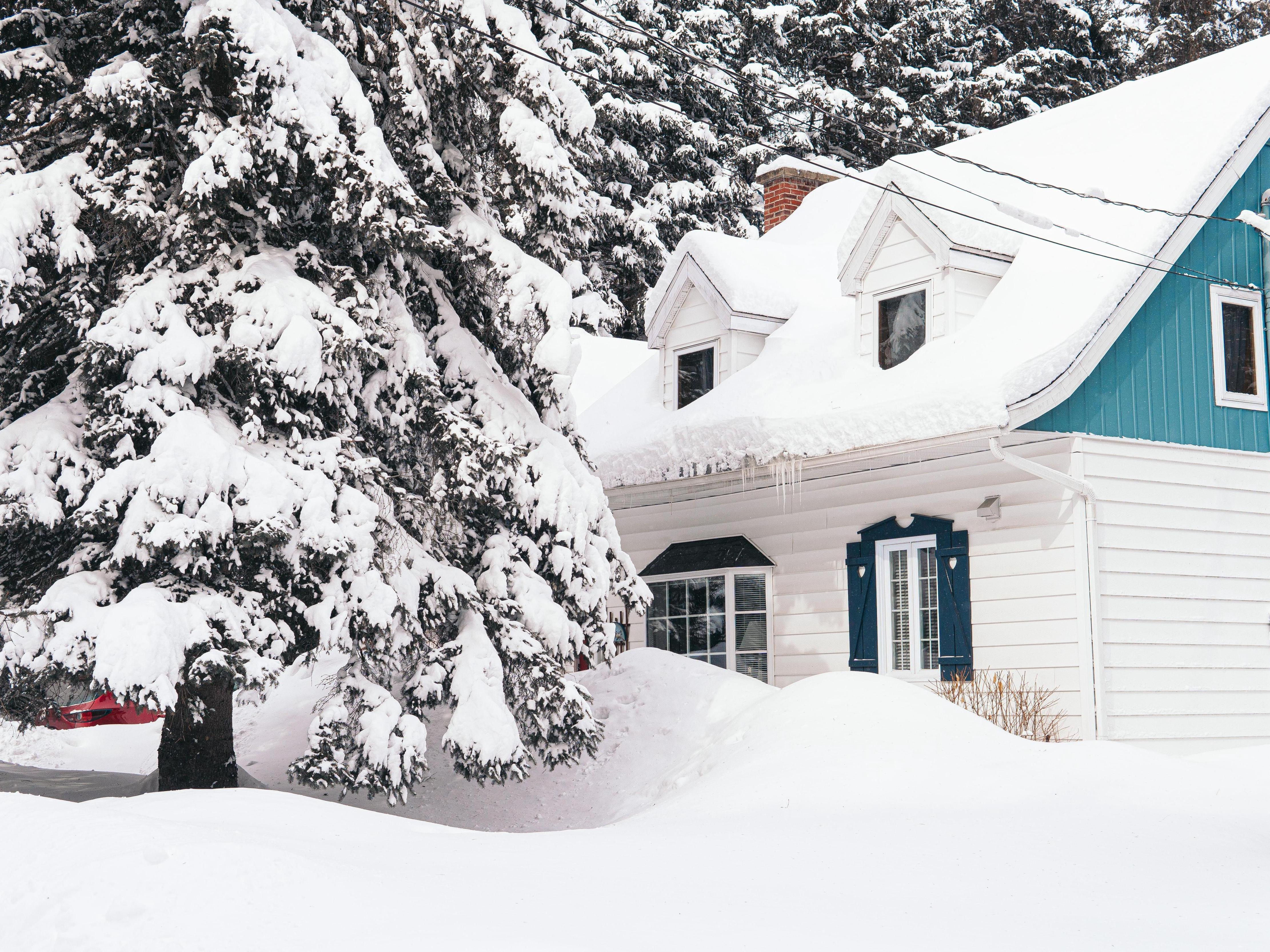

Every winter, news feeds are filled with similar reports: roof collapses, load from precipitation, ice formation, and human error. Formally, snow is blamed, but a deeper look reveals that the issue is almost always not about precipitation, but about heat and moisture within the building.
How does this occur? Warm air rises due to physics. When insulation is inadequate, heat escapes unchecked to the roof, warming it from underneath. This sets off a chain reaction: snow melts, water freezes, ice forms, which can rupture the roofing, cause metal corrosion, or damage other materials. Consequently, the structural integrity declines imperceptibly until failure. Roofs are designed for snow load, but they end up bearing snow, ice, and water all at once.
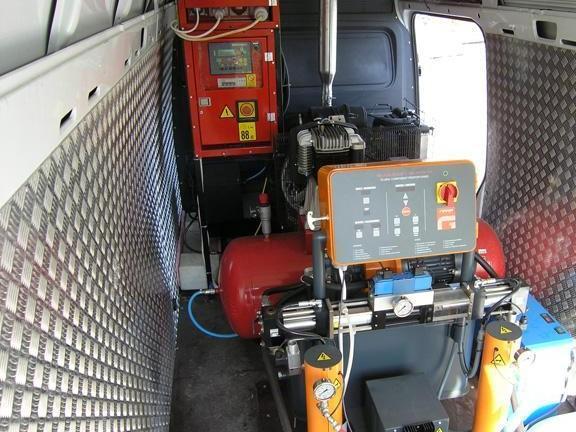
«In many instances, we observe that failure starts not from overloading, but from incorrect roof temperature management,» note experts from the company PPU76.
However, clients often fear insulation, thinking that an extra layer will add weight and exacerbate problems. This concern is valid for slab or fibrous materials, which can absorb moisture, deform, gain weight, and develop hidden flaws over time.
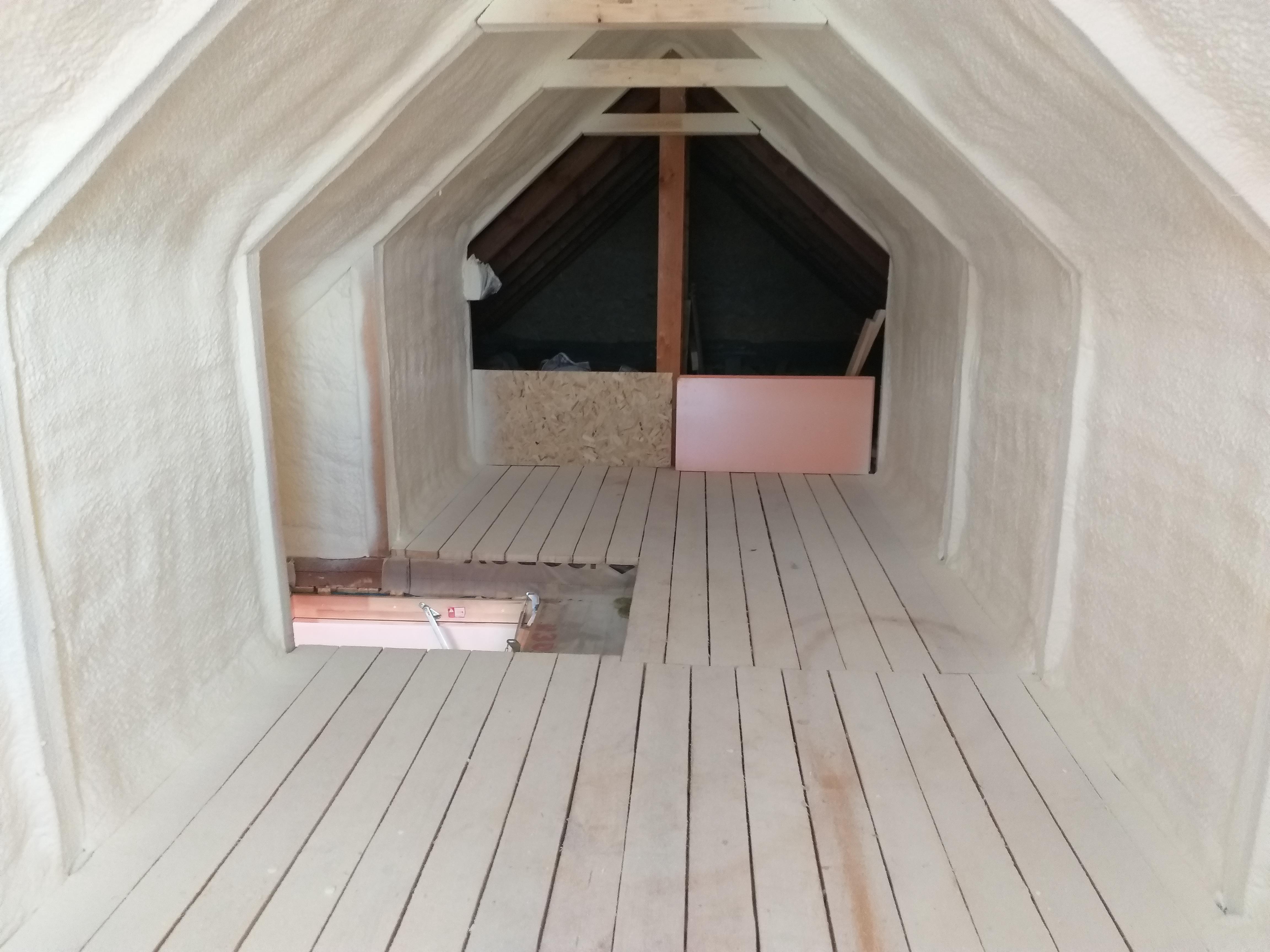
PPU and polyurea function differently. Spray polyurethane foam creates a lightweight, seamless insulation layer that doesn«t slide, settle, or soak up water. It seals thermal bridges and stops heat from reaching the roof.
«PPU»s role is to keep heat inside the structure, not warm the roof,« the company explains. »With correct insulation, the roof stays cold, preventing snow from melting.«
Polyurea addresses waterproofing. It«s a fully sealed, elastic coating that performs reliably at joints and seams, even in sub-zero temperatures, without degradation. Water cannot infiltrate, accumulate, or add weight to the structure.
After application and waterproofing, snow distributes evenly in winter, ice doesn«t form, and the freeze-thaw cycles are eliminated, allowing the structure to function as designed.
«The crucial aspect is that PPU and polyurea don»t add weight to the roof,« summarizes PPU76. »Instead, they remove the causes of winter overloading: heat loss, moisture, and concealed material degradation. To inspect your roof, look for thaw spots and ice—indicators of heat loss. Verify the design: is snow load calculated per SP 20.13330.2016 for your region? If the roof is flat or has been modified, an immediate audit with calculations is necessary.«
In summary, roofs collapse not from snow, but from flawed insulation and waterproofing choices. PPU and polyurea halt these destructive processes.
Consultation with specialists PPU76 by phone: +7 915 996-30-81;
VK.