Perm Residents Surprised by January Heating Bills
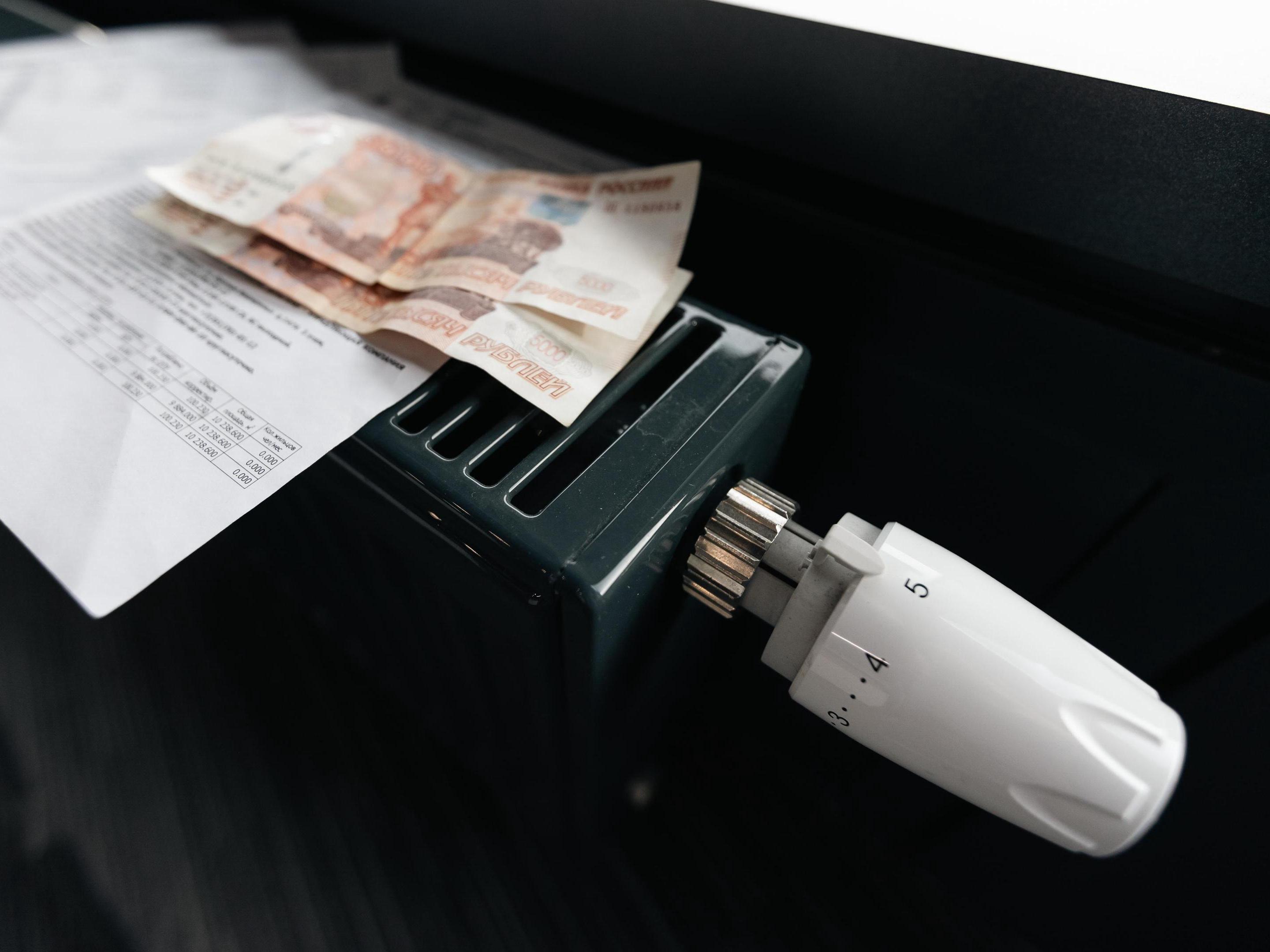

Residents of Perm received their heating bills and were surprised by the higher prices: compared to December, the January heating charges increased by 20–30% or even more. The recent indexation of utility tariffs in the Perm region was on 1 July 2025, and on 1 January 2026, the Russian government set the maximum tariff increase index at 1.7%. We provide specific examples and, together with the Ministry of Tariff Regulation and Energy of Perm Krai and T Plus PJSC, look into where these prices came from.

This week, Perm residents began receiving bills and were surprised by the difference in amounts between December and January. A reader told 59.RU that he received a bill of 10,000 rubles ($111) for heating in a three-room apartment in Nagorny, while a month earlier it was 8,000 rubles ($89). Another resident was surprised that the payment for all housing and communal services (HCS) for December was 4,000 rubles ($44), but for January it became almost 7,000 rubles ($78), with 5,500 rubles ($61) of that just for heating.
«A two-room apartment of 50 square meters — 6,569 rubles ($73),» wrote 59.RU reader Vladimir. «I thought I was the only one in shock, but no.»
«In January, I was billed 7,500 rubles ($83) for heating,» wrote Mikhail to the 59.RU editorial office.
Ksenia, who lives in an apartment of 63.5 square meters, told 59.RU that in January she has to pay 8,727 rubles ($97) for heating.
What T Plus Says
At the Perm branch of T Plus, they also say that the amount on the bills was affected by the severe January frosts: each degree of cold outside increases heat consumption and charges by about 4.5%.
The company adds that the billing January is longer than December, because payments are calculated not for the calendar month, but for the billing period — the period between readings from the building-wide meters.
«The billing December has 30 days (the period from 24 November 2025 to 23 December 2025). The billing January has one more day (from 24 December 2025 to 23 January 2026),» T Plus explained. «The more days the house is heated, the more heat it consumes and the higher the charges.»
In addition, the amounts on the bills may be higher due to poor condition of pipes in the house and design violations. For example, because of additional radiators, heaters on loggias and «heated floors» in apartments. Also affecting the numbers on the bills are «overheating» from management companies and homeowners« associations (HOAs) — the term for raising the normative air temperature in apartments due to the fault of managing organizations.
What the Ministry of Tariff Regulation of Perm Krai Says
We asked the Ministry of Tariff Regulation and Energy of Perm Krai how utility providers calculated the cost of services in January and why in some cases payments increased two to three times. In addition, we asked whether the heating amounts really depend on the power of the radiators, given that January was cold. Also, a 59.RU journalist asked whether there are any calculations for tariff increases in the case of heating.
The ministry told 59.RU that there are several reasons why January heating bills were higher than December«s.
«If a larger volume of consumption was reported for January using the building-wide meter, it does not necessarily mean overconsumption. This happens when data for December is received earlier than the usual deadline for submitting readings,» the ministry explained.
The Ministry of Tariffs confirms that the amounts also increased due to the cold snap in January. To ensure residents did not freeze in their apartments, heat supply was increased, which is why the amounts on the bills for the month are now higher than in December.
Another reason for the increase in the numbers on the bills was the rise in the VAT rate from 20% to 22% as of 1 January. As a result, utility tariffs were indexed by the 1.7% promised by the Russian government. However, the tariffs themselves for all communal services, excluding the VAT rate, did not change.
How to Influence the Amounts on Bills
To avoid surprises on the bills, T Plus advises Perm residents to timely submit readings of the hot water meter in their apartment and call specialists for verification. In addition, windows in stairwells must be intact, and doors must have door closers — a mechanism for smooth door closing. Basements and attics of the house must be insulated.
The Ministry of Tariffs says that residents can contact resource-supplying organizations for a recalculation. To do this, they need to provide the company with information about the billing periods, volumes of heat consumed according to the building-wide meter, as well as the total volume of utility resources used in both residential and non-residential premises of the house.
Earlier we reported that from 1 March the deadline for paying utility bills will change — a law adopted by the State Duma to avoid delays and interest charges.