Trichologist Answers Key Questions on Dandruff, Baldness, and Hair Washing
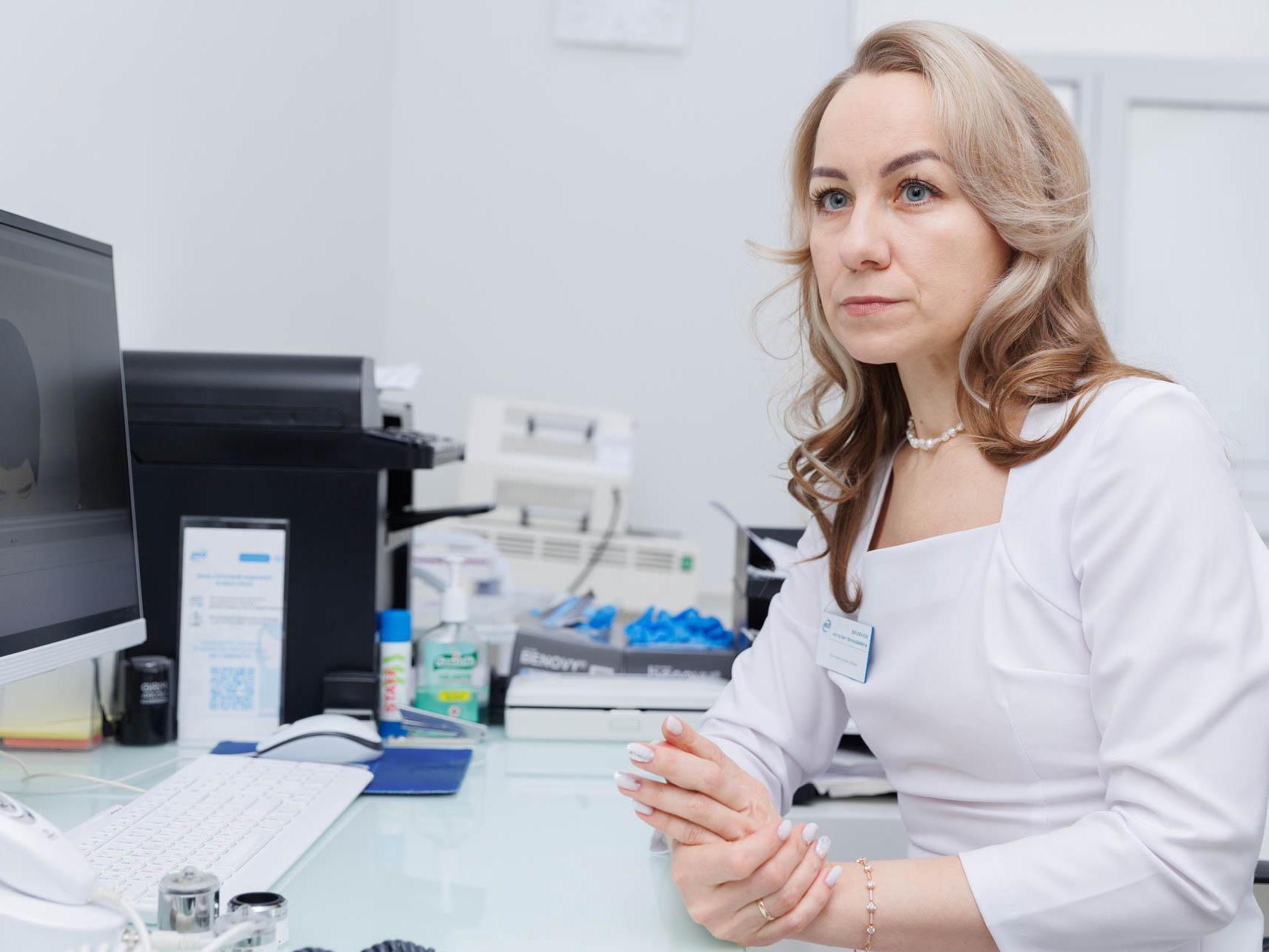

Hair health has become an entire industry. Men want to stop rapid baldness, women want to preserve the silkiness and thickness of their curls. Modern trichology (the medical field concerning the scalp and hair) tries to solve these problems, and often succeeds, though it costs a fortune.
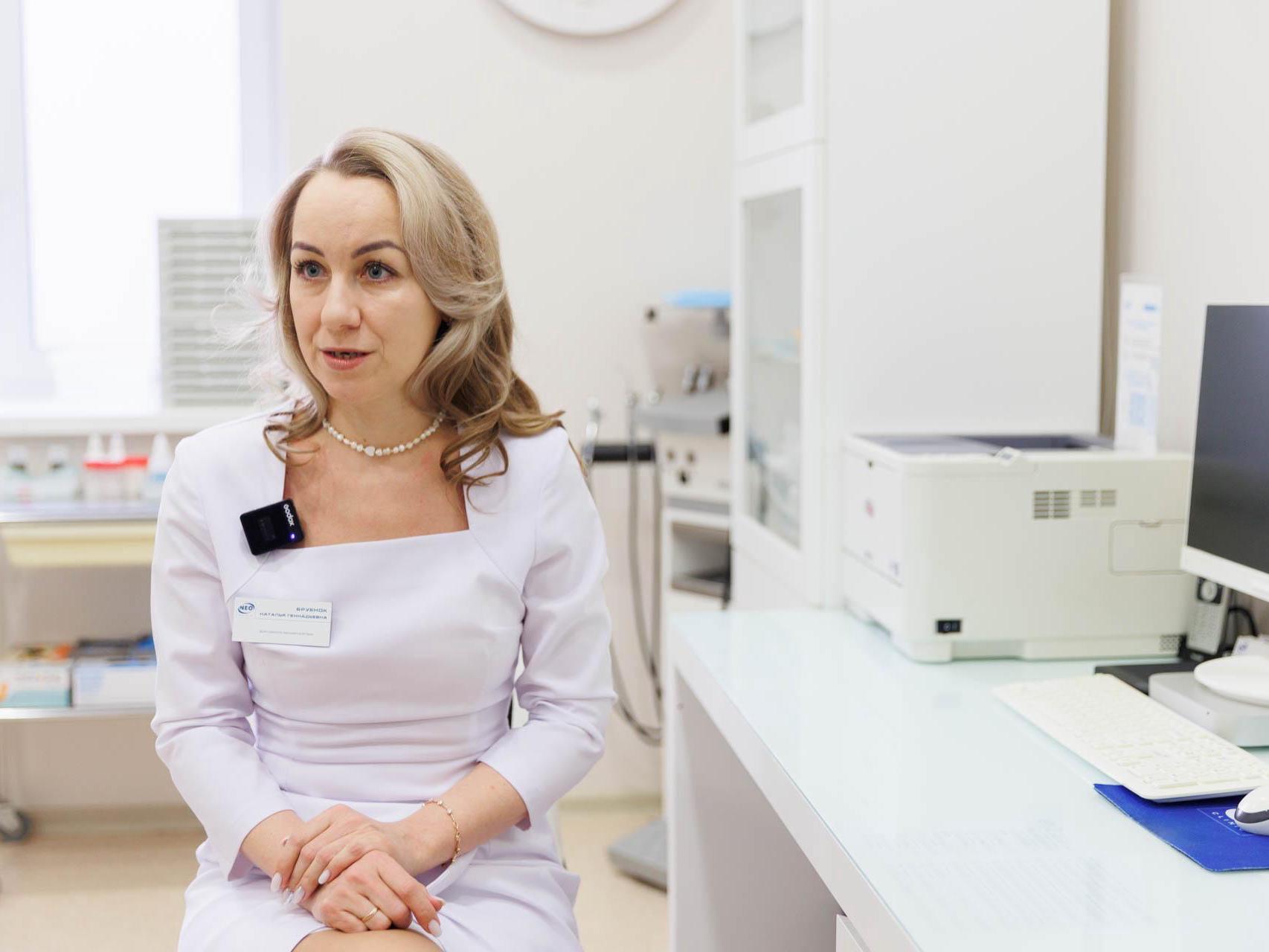
72.RU asked trichologist Natalia Bruenok to answer the main questions on how to maintain hair health to avoid flying to Turkey for a transplant. We figured out where dandruff comes from, why we go bald, how often to wash hair, and why folk medicine shouldn«t be trusted.
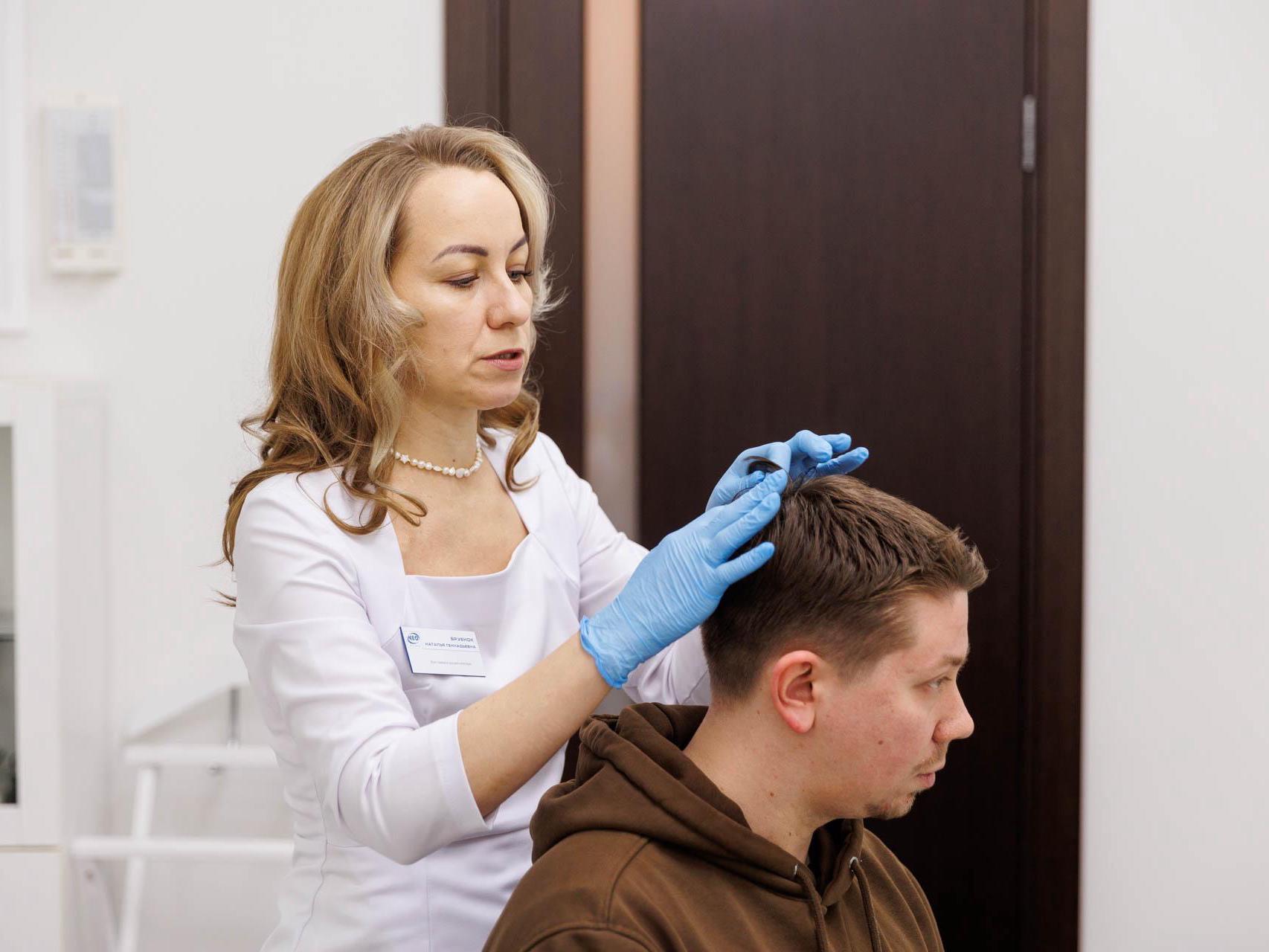
Natalia Bruenok is a trichologist of the highest category and a dermatovenerologist. She has over 20 years of experience, 18 of which were spent working in a hair treatment clinic. She now sees patients at NEO-Clinic.
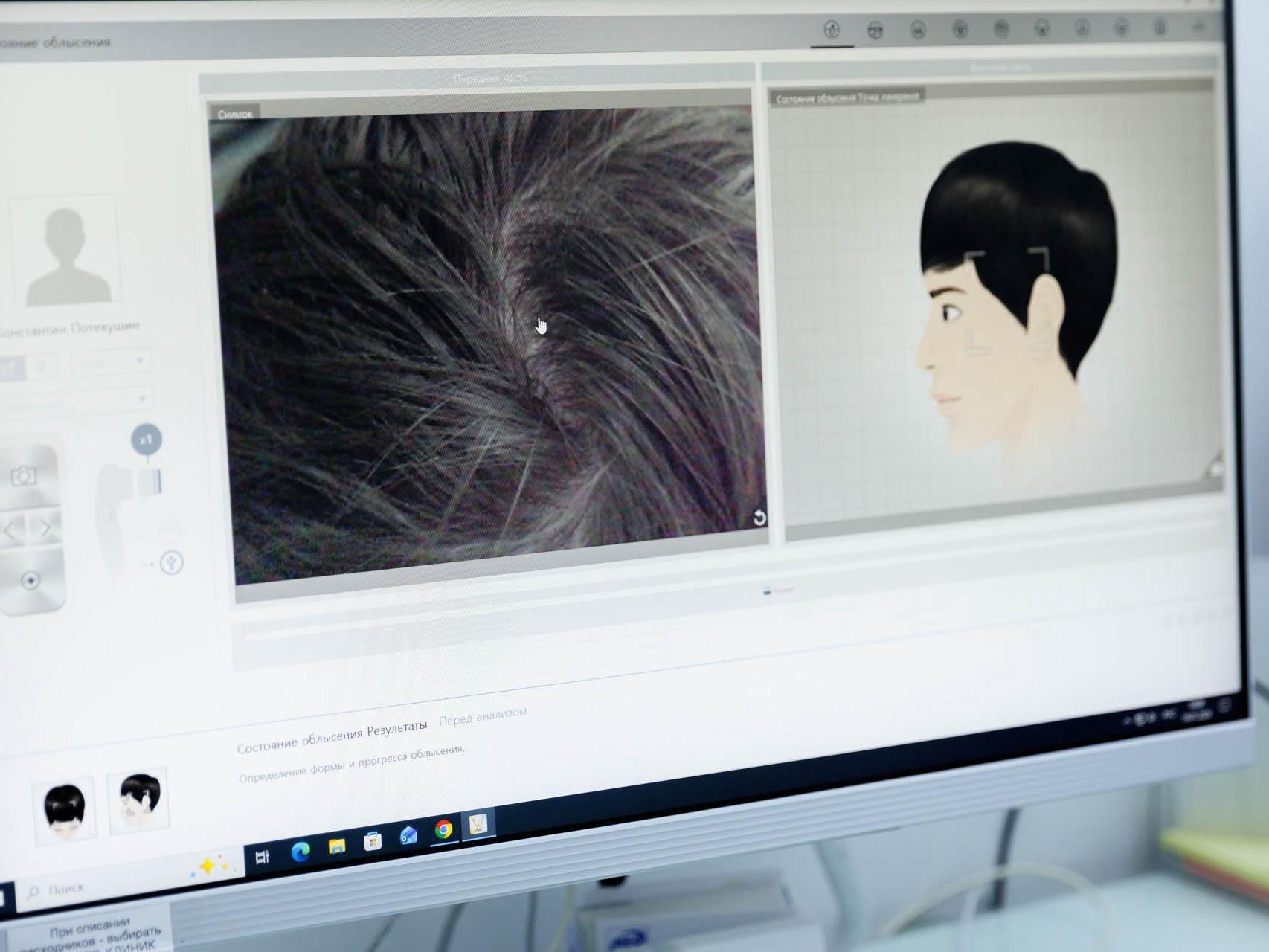
Hair on the pillow — a reason to see a doctor?
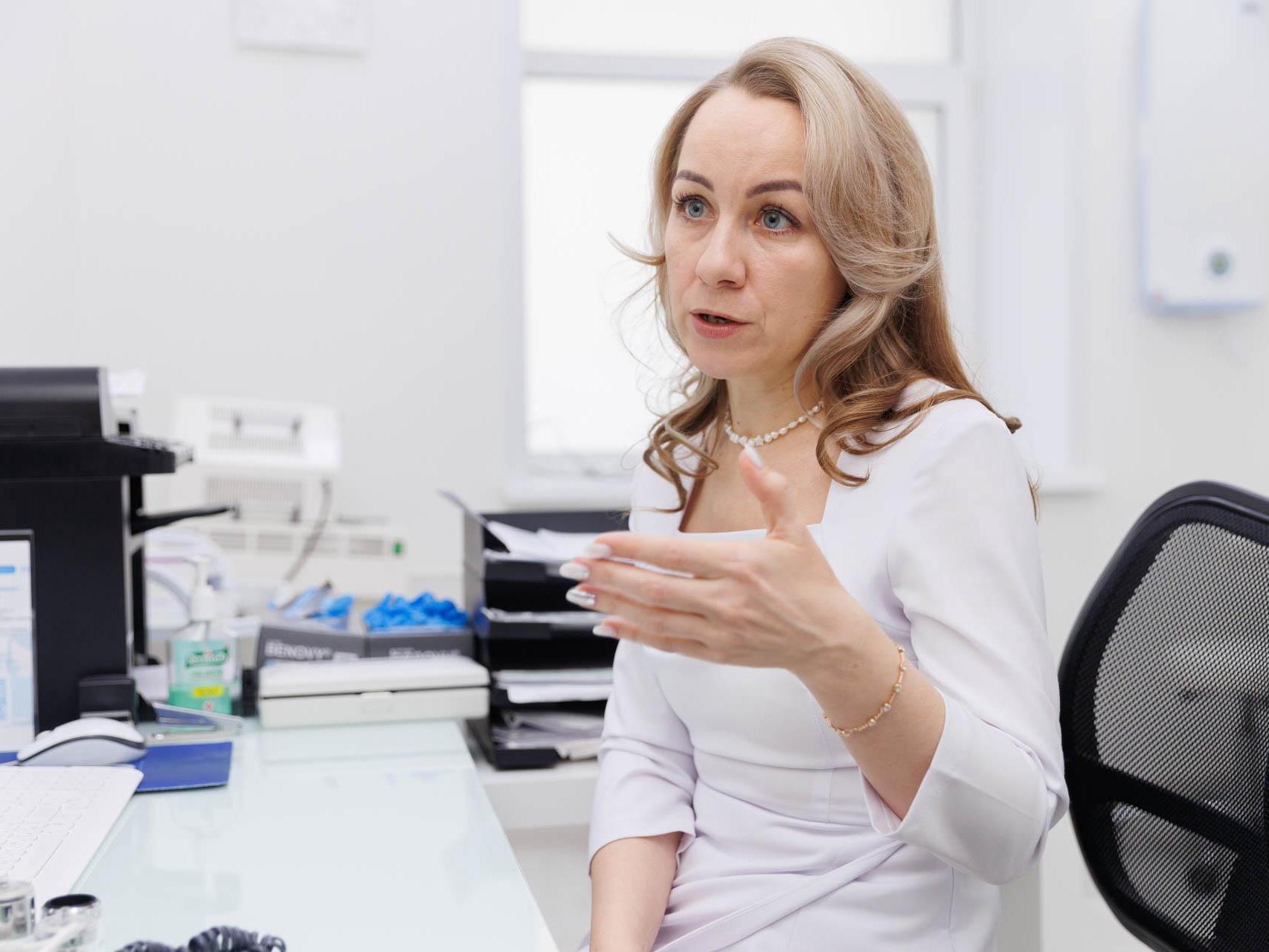
— How do you determine if you need a trichologist«s help?

— If you notice hair loss. Literature describes the norm as 80–100 hairs lost per day. I don«t entirely agree with that, because it»s very individual. For example, if you never paid attention before to hair on the pillow after sleep or during washing, and now there«s more than usual, that»s a reason to be concerned.
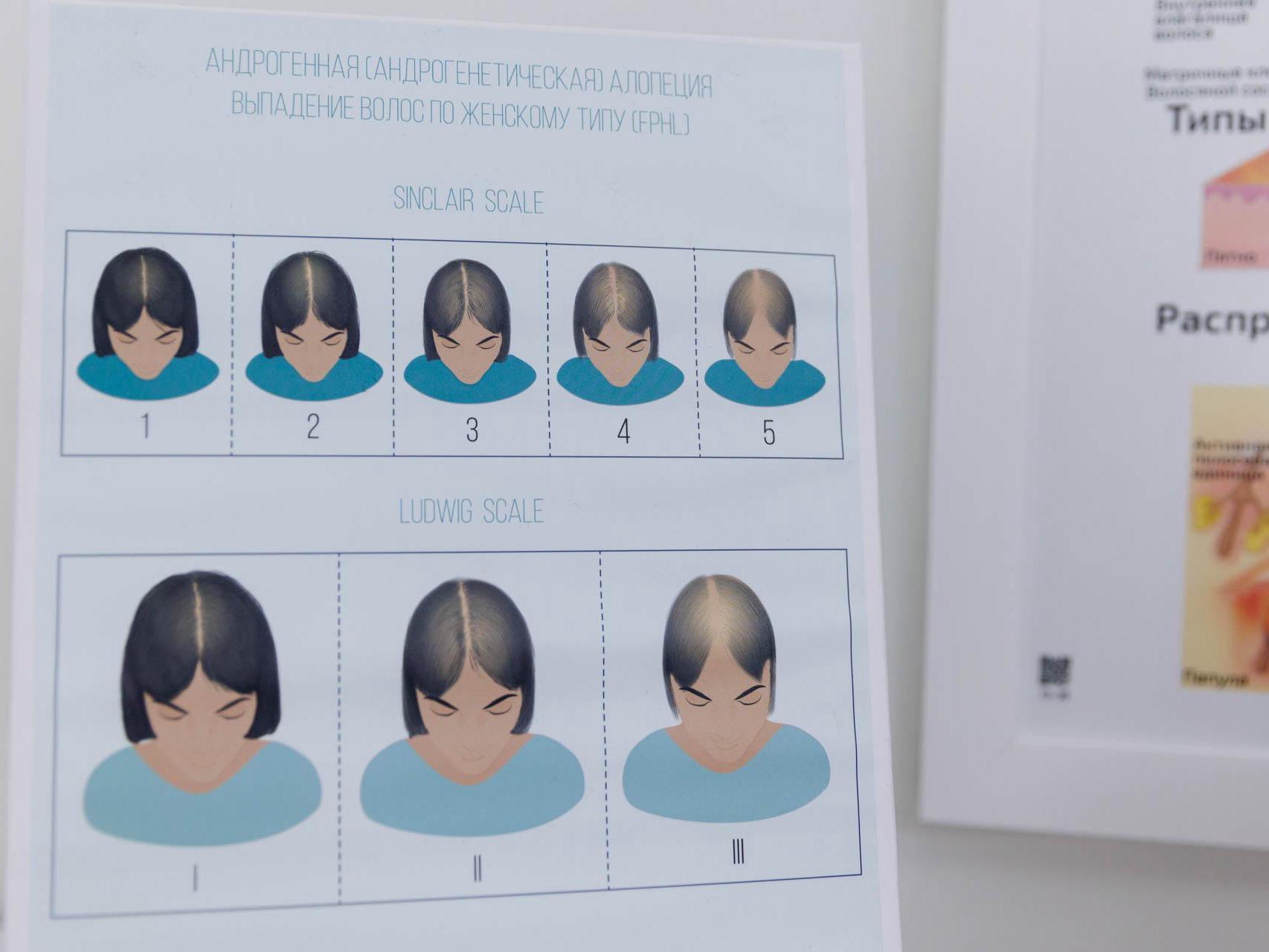
Sometimes it«s the opposite: you might not notice the fallen hairs themselves, but the volume on your head decreases, there»s thinning, sparseness. This is a hidden progression: the patient doesn«t pay attention in time, and the process is already very prolonged.
Most often, people come to me with hair loss, but depending on the season, patients with scalp problems may appear.
— Do more men or women come in?
— Let«s say, 75% are women, the rest are men.
— Can you prepare in some way for a trichologist«s appointment? Maybe get some tests done in advance?
— You can get a complete blood count, an extensive biochemical blood test, vitamin D, ferritin, thyroid hormones, and check for parasitic infections, because they are now often found in patients with focal alopecia.
We need to look at everything. Trichologists, so to speak, read between the lines of test results. For a therapist, for example, protein levels might be within normal range, but a trichologist will note that it«s already at the lower limit. This indicates that some changes are occurring that affect hair condition.
— Do patients often surprise you when they come in? With strange misconceptions, folk methods, and so on?
— It often happens that patients come and discuss with me the opinions of various bloggers, who are often very far from medicine, but for some reason are trusted more. This surprises me a lot.
Of course, also various methods from television, which older women especially like to watch. Sometimes this leads to dire situations. Once, a patient came to me who listened to a well-known promoter of folk medicine and made a salt mask for her hair using his recipe. Moreover, the woman decided to leave it on not for 30 minutes, but to sleep with it all night for better effect. In the morning, she woke up simply without hair.
We couldn«t help her in the end, because not only did her hair fall out, she had burns on her head, and scar tissue had already formed on the skin.
Where dandruff comes from and how to choose the right shampoo
— We often talk about oily and dry hair. What does this mean from a medical perspective?
— In these cases, we talk about hair types: oily, dry, mixed, and normal. When a person«s sebaceous gland is very active, they will have an oily hair type. We recommend that such patients wash their hair every day. There»s no need to be afraid of this: on the contrary, if you don«t do it, the hair condition will worsen. In the end, this can lead to hair loss and even baldness.
If you have a dry hair type, then daily washing is contraindicated, because you will indeed overdry the scalp. And accordingly, the hair too. We recommend that such people wash their hair as it gets dirty, but no less than once a week.
Mixed type is when the hair itself is dry along the length, but oily at the root system. Normal type is hair that is not prone to either oiliness or dryness. Probably, these people are the luckiest, but they are a minority.
— Can water quality affect hair condition?
— Yes, it can. Because reagents for purification, chlorine for disinfection, soda, and so on are used in water. All these components overdry the hair. But it also depends on the city district you live in, on the condition of the pipes the water flows through.
A dermatologist from our clinic shared a case with me. A patient was treated for seborrheic dermatitis. Everything was tried, but nothing helped. And then she simply moved to another district, where the water is better, and the problem went away.
— Many residents of Tyumen suffer from dandruff. Where does it come from?
— The simplest reason is an incorrectly chosen shampoo. If it doesn«t suit you, it will overdry the scalp, and it will flake. This is called dry seborrhea — commonly known as dandruff. But there are deeper reasons that come from within.
Skin, including on the head, is a mirror of your internal organs. If dandruff appears, it may indicate a disruption in the gastrointestinal tract. It«s quite possible that you consume a lot of sugar, and this can provoke flaking on the scalp and various dermatitises.
— How, by the way, do you choose a shampoo?
— First of all, look at the hair type, whether it«s colored or not. Second is, of course, the composition — it should have at least 15 beneficial components. Including sulfates, by the way. Sometimes people come to me and say they only use sulfate-free shampoo. But I»m against such compositions, because sulfates are also needed; they wash hair thoroughly.
If you«re afraid that such a composition will overdry the skin and hair, use shampoos that also have moisturizing components in their composition — oils, vitamins, plant components. And of course, use a good conditioner, hair mask after shampoo.
— Our readers asked if shampoo and conditioner must be from the same brand…
— No, that«s certainly not necessary.
Why you shouldn«t shave babies and whether you can turn gray from fear
— Let«s go through several general questions that trichologists are often asked. You know, sometimes in movies they show: a person experienced something terrible, and their hair instantly turned white. Is it true that you can turn gray from stress?
— There can be many causes of graying. The very first is heredity and genetics. It happens that a person is 16 years old and already completely gray, and nothing can be done about it. There are also ethnicities that are more prone to graying, for example.
The second reason is indeed stress. This can happen to both young and older people, because stress can lead to impaired blood flow in the root system. And the third reason is endocrine disorders. We cannot stop graying, but we can advise on how to slow down this process.
— There«s also a myth that if you shave your head bald, the hair might not grow back. Can that really happen?
— Well, that happens with infants, for example. If they are shaved, the new hair may grow weak or not grow at all. But in adulthood, shaving itself does not damage the hair, because our root system is deep under the skin. So if that happens, it«s only from poor-quality shaving, meaning traumatic alopecia can occur.
— What do trichologists think about hair coloring? Does it damage hair?
— Of course, coloring, like any chemical treatment, will damage hair, even if you use the highest quality dyes. There are no dyes today that wouldn«t harm hair condition.
But, of course, we can choose a higher quality composition that causes minimal harm. Specialists can help with this. If necessary, you can even test your dye with a trichologist or at a hair salon.
— Several questions came from women who complain about hair after pregnancy. Why does its quality suffer?
— When a woman carries a child, a certain hormonal background is created for this. After childbirth, the hormonal background changes sharply, and the woman experiences very strong stress. As a result, this can affect hair, in particular lead to hair loss. It even happens that hair color can change.
Moreover, if a woman is breastfeeding, most of the beneficial elements are given to the child with milk. So, even if all her tests are like a healthy person«s, problems can occur because she might lack micronutrients. In such a case, I recommend consulting a specialist.
— Another common myth concerns men. Supposedly if a man is bald, it means he has high testosterone.
— That«s a myth. The amount of testosterone in this case doesn»t play a role. But the sensitivity of the receptors in the hair is indeed important. A man«s testosterone can be normal, above, or below normal, but the receptors in the hair of one are sensitive, of another not.
We don«t even prescribe testosterone tests, because only in very rare cases does it have an influence.
Baldness and hair transplantation
— Why do we go bald in general?
— There are many reasons. This includes hereditary factors, stress, endocrine disorders, and iron deficiency. Parasitic infections very often can lead to hair loss. Accordingly, as many reasons, so many diagnoses for alopecia (the scientific name for baldness. — Ed.).
— There are many methods to combat baldness: mesotherapy, laser therapy, and so on. Which method is the most effective?
— Look, the coolest, most effective thing in fighting alopecia is to find the cause of hair loss. We can treat the patient endlessly with all methods, good methods, but it«s like, for example, pouring water into a leaky bucket — it won»t fill up until you fix the leak.
So first, find the cause and treat comprehensively. This can include internal medications and combination therapy.
— Can you tell more about therapy methods?
There is, for example, mesotherapy. This is when injections are given into the scalp, providing access to the root system of vitamins, amino acids, drugs to improve blood flow — everything the hair root needs. There is plasma lifting. Specialists take your blood, put it in a centrifuge, and make a preparation from it that is injected into the skin. This procedure affects enhanced blood supply and enrichment with necessary components. Also, we recently got laser therapy.
All these methods in combination will give results, once you deal with the causes of baldness.
— Many people now do transplants. How do you feel about this operation?
— I feel positive about it, but when the patient has already undergone treatment. I always first recommend stabilizing the process, because the transplant itself doesn«t get rid of hair loss.
It happens that hair stops falling out, but the receding hairline at the forehead is already very deep, and hair definitely won«t grow there anymore. We tell the patient that in these areas, hair will have to be restored with a transplant. So, find the problem, get treated, and then have the operation. As for which area of the head needs to be grafted, a doctor can help determine that.