Solar Flares Trigger Magnetic Storm in Rostov Oblast
The predicted magnetic storm will be weak, although solar activity sharply increased in early February.
Apr 27, 2026 0
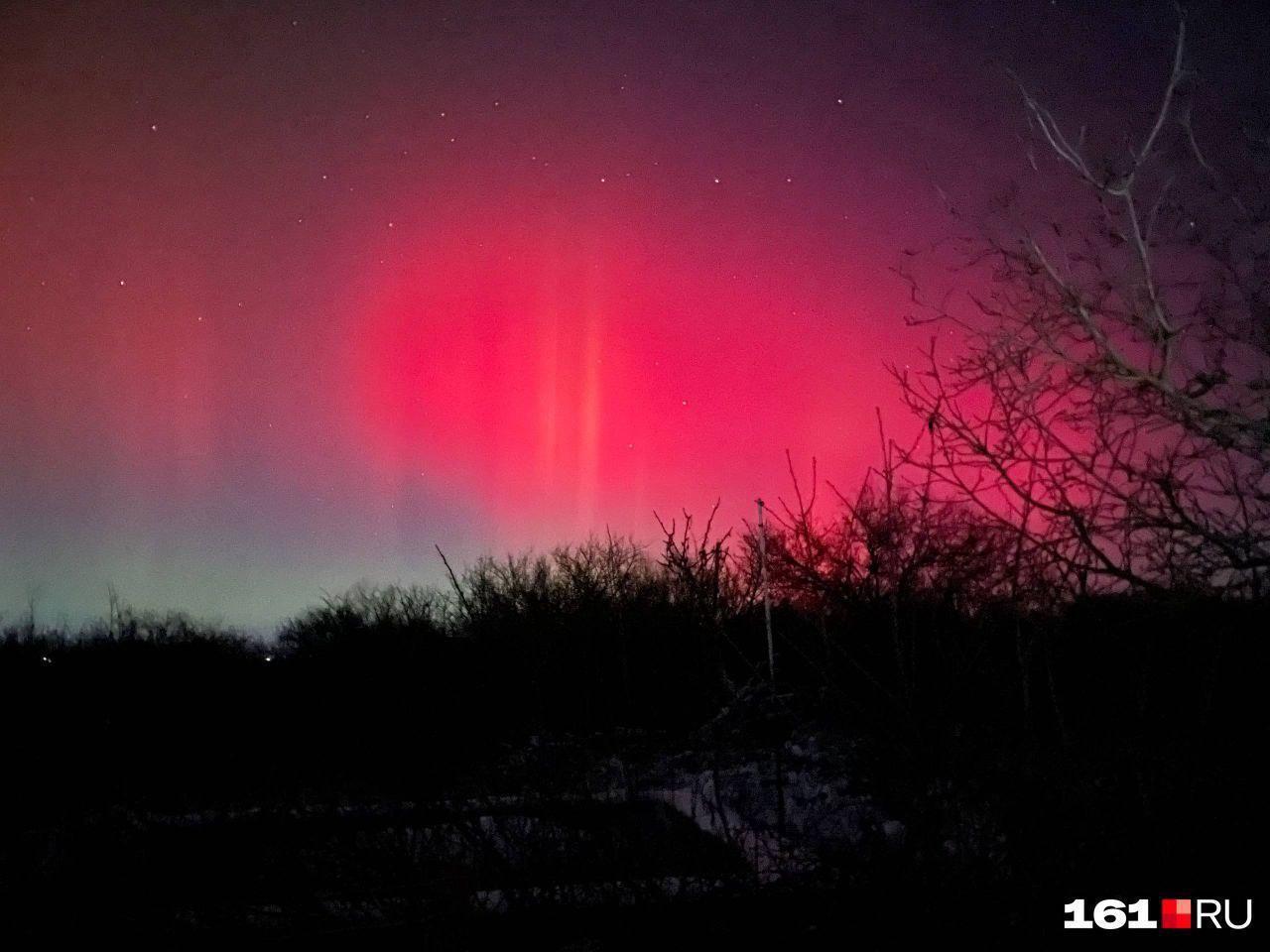

The aurora borealis over Rostov Oblast in January was the result of a powerful solar flare.
Source:
In the first three days of February, five X-class flares and about fifty M-class flares were recorded on the Sun.
Source:
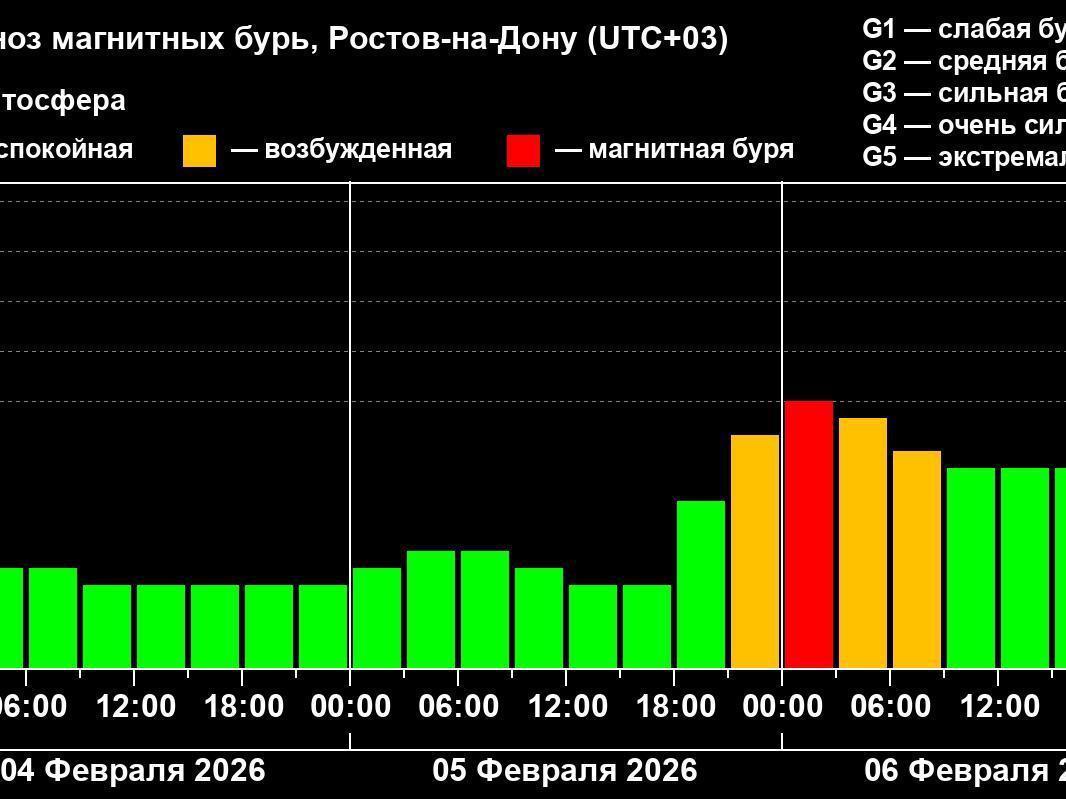
Geomagnetic disturbance is expected on the night of February 6 and will be weak, corresponding to G1 level. It will not last long, but the Earth«s magnetosphere will remain agitated throughout the day.
Scientists explain: «The reason is that the centers of solar activity only yesterday entered the zone of influence on Earth, and the planet is expected to be only grazed by the edges of plasma ejections that left the Sun in the previous period. The bulk of them will pass by the planet.»
A magnetic storm is a disturbance of the planet«s magnetic field that occurs when the magnetosphere collides with the solar wind. On the night of January 20, residents of Rostov Oblast observed a rare aurora borealis for southern Russia, caused by a powerful solar flare.
Read more