Solar Flares Erupt, Magnetic Storm to Cover Rostov Region
A burst of solar activity has produced multiple X-class flares, but the impending magnetic storm expected on February 6 is forecast to be weak, according to scientists.
Apr 27, 2026 0
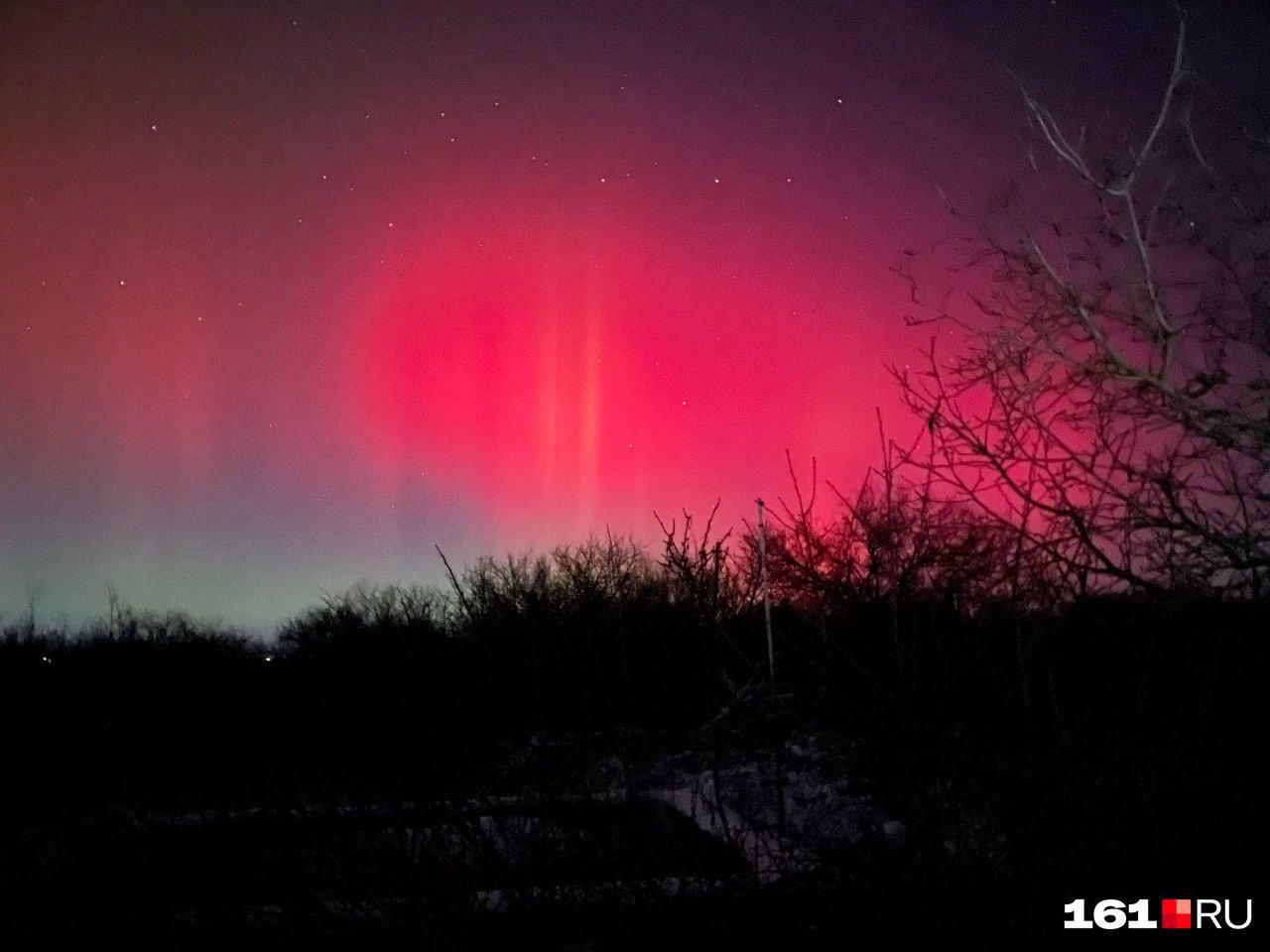

A rare aurora borealis appeared over the Rostov region in January after a powerful solar flare.
Source:
A burst of solar activity began several days ago. In the first three days of February, the Sun produced five X-class flares and about 50 M-class flares, reports the Laboratory of Solar Astronomy of the Space Research Institute (IKI) and the Institute of Solar-Terrestrial Physics (ISZF). However, the upcoming magnetic storm, according to forecasts, will be weak.
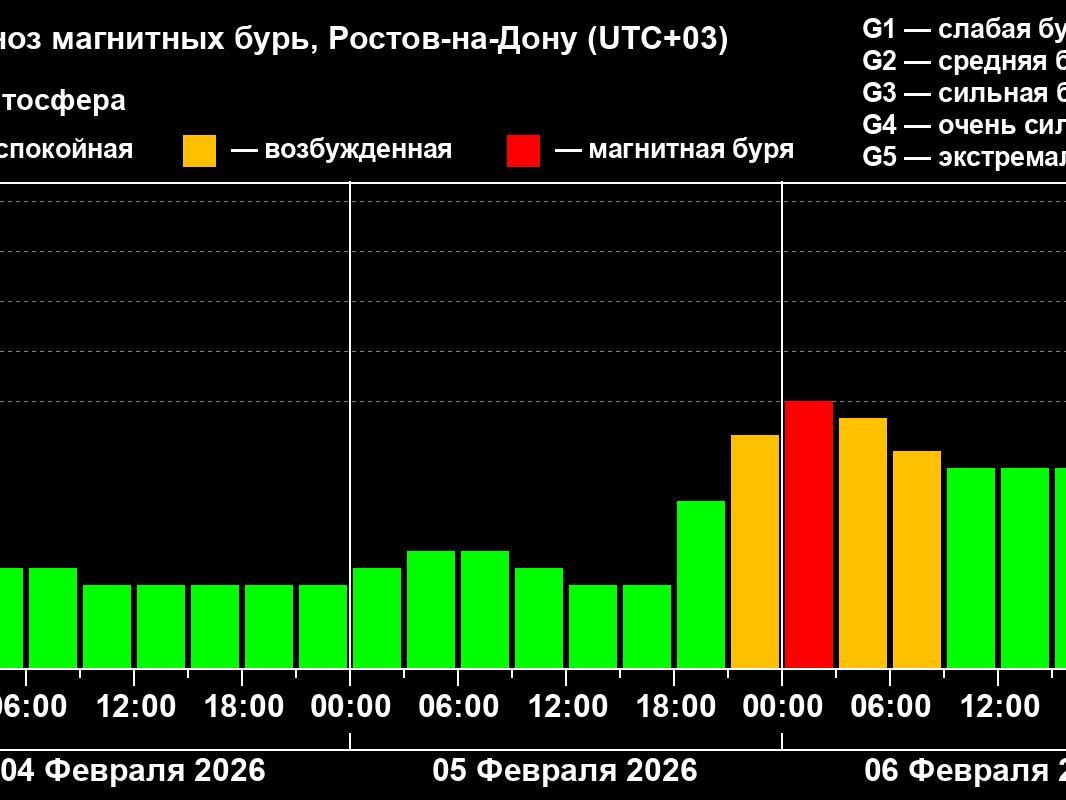
A graph from xras.ru shows the count of recent X-class and M-class solar flares.
Source:
«The reason is that the centers of solar activity only yesterday entered the zone of influence on Earth, and the planet, as expected, will only be touched by the edges of plasma emissions that left the Sun in the previous period. The bulk of them will pass by the planet,» — the scientists report.
The magnetic storm will arrive on the night of February 6 and will be weak — G1 level. It will not last long, but during the day the magnetosphere will become agitated.
A magnetic storm, or geomagnetic storm, is a disturbance of the planet«s magnetic field that occurs when the Earth»s magnetosphere collides with solar winds.
On the night of January 20, residents of the Don region were able to see a very rare phenomenon for southern Russia — the aurora borealis. It occurred due to a strong solar flare. We showed photographs.
Read more