Pneumonia cases rise in Tyumen
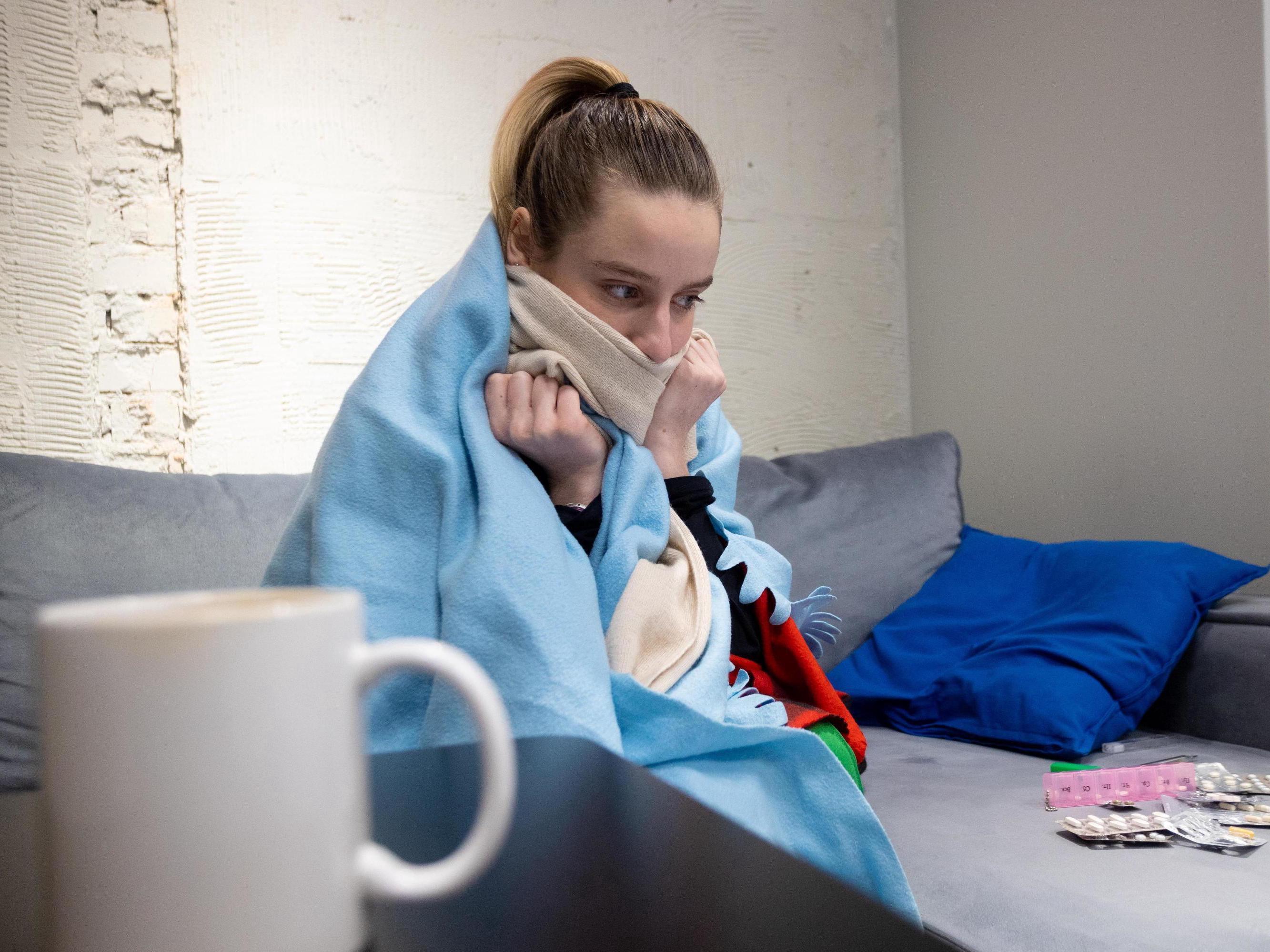

A seasonal increase in cases of community-acquired pneumonia is being observed in Tyumen, with the disease affecting both adults and children. Acute lung inflammation, often of viral origin, poses a serious health hazard.
«In the Tyumen region, at the beginning of 2026, there is a recorded incidence of community-acquired pneumonia, typical for this time of year. The incidence is not of a group nature. The main percentage of cases is in Tyumen,» reported the regional office of Rospotrebnadzor (the Federal Service for Surveillance on Consumer Rights Protection and Human Wellbeing).
Pneumonia is an acute infectious-inflammatory disease of lung tissue. Doctors distinguish several types: community-acquired, hospital-acquired, and aspiration pneumonia.
Symptoms of Pneumonia
- Persistent cough, dry or with phlegm, not weakening over time;
- Shortness of breath, especially during physical exertion;
- Pain and a feeling of heaviness in the chest, worsening with coughing;
- Wheezing breathing;
- Increased sweating and chills;
- Constant feeling of fatigue even without active activity;
- Headache;
- Decreased appetite;
- Rise in body temperature above 38°C (100.4°F).
In some cases, symptoms may be mild. The disease sometimes resembles a common cold, and in elderly patients, it often occurs asymptomatically, manifesting only as general weakness and rapid fatigue.
The main danger of pneumonia lies in the risk of developing severe complications, including respiratory failure, sepsis, septic shock, and damage to the cardiovascular system.
Sepsis is a critical condition that occurs when an infection spreads throughout the body. The inflammatory response leads to systemic failure, disrupting blood circulation and the function of vital organs: lungs, kidneys, heart, and brain.
Actions if Pneumonia is Suspected
Upon the appearance of first symptoms, it is necessary to immediately seek medical help and avoid self-treatment.
High-Risk Groups
- People over 65 years old due to age-related weakening of immunity;
- Patients with chronic diseases;
- Individuals with weakened immune systems;
- Smokers.
Information on fatal outcomes from pneumonia in Tyumen is not specified, as specialists did not provide specific data on this issue.
Preventive Measures
- Minimize contact with sick individuals;
- Get vaccinated against influenza, as pneumonia often becomes its complication;
- Get vaccinated against pneumococcal infection (especially children, the elderly, and people with chronic diseases);
- Maintain a balanced diet and follow a daily routine;
- Take vitamin complexes;
- Regularly ventilate living and working spaces;
- Strictly observe personal hygiene rules, in particular, wash hands after visiting public places and traveling on transport.
The World Health Organization suggests that a new pandemic could be caused by a hypothetical pathogen X, capable of forming from viruses of monkeypox, rubella, avian influenza, and Oropouche fever. However, according to an assessment by an expert from Pirogov University, for Russia, only two of these viruses pose a real threat.
After the New Year holidays in Russia, a 1.5-fold increase in the incidence of acute respiratory viral infections (ARVI) was recorded. According to data from Rospotrebnadzor, in the third week of January, about 15.2 thousand cases of influenza were detected, with strain A (H3N2), known as Hong Kong flu, continuing to dominate. The symptoms of this disease and its possible complications are described by sanitary doctors, and the course of the illness is comparable to COVID-19.