Even a recovered patient dangerous? Doctor explains children's illness in Tyumen school

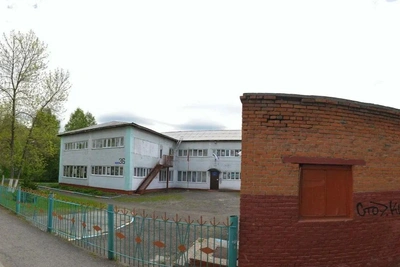
A norovirus outbreak has occurred in the Tyumen region: dozens of children were hospitalized after attending school. The educational institution has temporarily suspended operations, and students are now learning from home. While Rospotrebnadzor (the Federal Service for Surveillance on Consumer Rights Protection and Human Wellbeing) is determining who is at fault for what happened at the Onokhinskaya School, services have begun inspections at other institutions in the region.
We spoke with an epidemiologist to find out how the virus spreads and whether there is a risk of it spreading further in Tyumen.
«Norovirus infection is an intestinal infection caused by an RNA virus of the Caliciviridae family. The main symptoms are vomiting, and to a lesser extent, diarrhea and fever. It is important to note that, unlike rotavirus infection for which there is a vaccine, no vaccine has been developed for norovirus yet,» explains Andrey Pozdnyakov, Candidate of Medical Sciences, infectious disease specialist at INVITRO.
The virus is transmitted through fecal-oral and contact routes. In rare cases, it can be airborne. The disease is so contagious that even the tiniest microscopic amount of viral material is enough for a person to catch it.
«When vomiting occurs, a suspension of the virus remains in the air for some time, and a person can become infected by inhaling it. But in any case, when inhaled, the virus first enters the mucous membrane of the oral cavity, and then, as a result of swallowing, it enters the gastrointestinal tract, where the virus multiplies. It is very characteristic of norovirus infection that a significant part of people in a group or family become ill — it will not be an isolated case; several people are sure to be affected by the virus,» the doctor added.
According to the doctor, norovirus outbreaks often occur in winter. This is because the virus tolerates low temperatures well and reproduces and survives for a long time in water, even enduring freezing.
And even a recovered person can spread the virus further.
«A patient whose symptoms have already subsided still sheds the virus in feces for at least two weeks. Accordingly, if hygiene rules are violated (poor hand washing after using the toilet, shared toilets, shared towels), a contact route of transmission occurs from convalescents — people who have already recovered from the infection but are still shedding the virus. This contact route is very epidemiologically significant, as these patients are a source of infection for other people for a certain time,» comments Andrey Pozdnyakov.
Apparently, it is for this reason that the school where the group infection was recorded has been closed indefinitely. Rospotrebnadzor has already drawn up protocols on the temporary ban of the institution«s activities — the documents have been sent to court.
Morning health screenings are being introduced in all other institutions of the Tyumen region. Teachers, educators, and medical staff will examine children before the start of classes.
We remind you that we previously published an interview with the general director of the catering organizer at the Onokhinskaya School. She immediately rejected the version of child poisoning and explained why low-quality products could not have entered the canteen.