Barnaul Neonatologist Explains Care for Premature Infants and SIDS

Premature babies are little heroes. They start fighting for their health from the first minutes of life under the supervision of neonatologists. For 30 years, Barnaul doctor Yulia Miller has been caring for tiny infants whose birth weight is most often less than one kilogram.
In a conversation with NGS22.RU, she talked about how a child«s health is assessed in the first minutes of life, how to detect even the slightest changes, and what sudden infant death syndrome is.

Catching Warning Signals in the Details
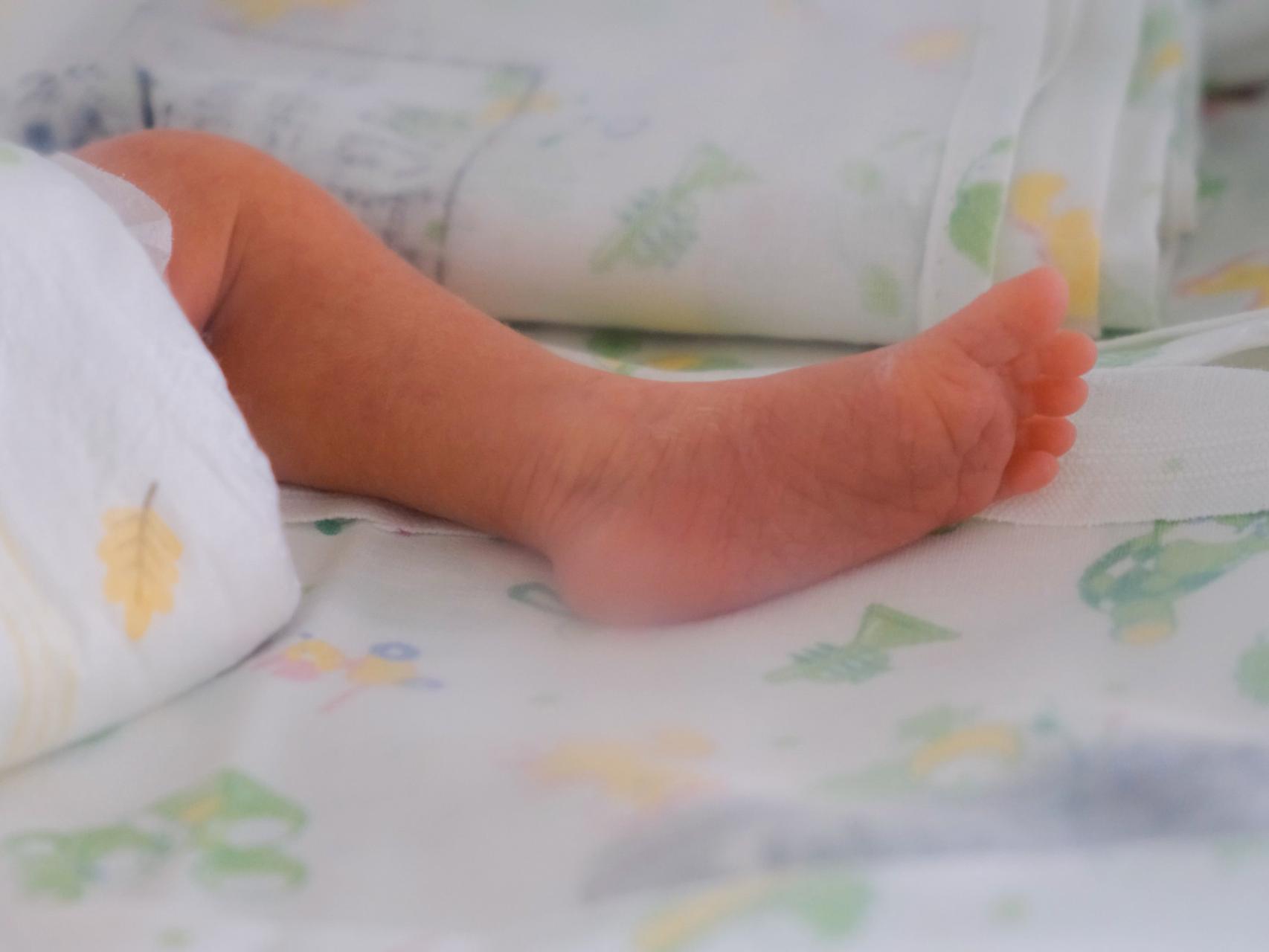
Neonatologists work with children in the very first and most difficult days of their lives—from birth to 28 days. It is during this period that congenital developmental defects, hereditary diseases, or metabolic disorders can manifest. Doctors pay special attention primarily to the condition of the heart and breathing.
«A child cannot say what hurts, so we rely only on indirect signs. A neonatologist must catch warning signals in the details: changes in breathing, heartbeat, skin color, stool, or urination. Interaction with mothers is especially important since they are with the child and can accurately say if there were any changes,» she said.
The first seven days in a child«s life are considered a borderline state. During this period, it is important for the doctor to understand what process is occurring—pathological or physiological. At the same time, professional skills are only a small part of a neonatologist»s work. It is crucial for the specialist to be empathetic both towards the child and their family.
«Parents of sick newborns are under great stress, so the doctor must be able to maintain tact and explain the situation, as well as instruct mothers on how to communicate with the child, care for them, and feed them. Moreover, we ourselves burn out, so we regularly go to supportive therapy with psychologists to relieve tension since we always have to keep a close watch,» she added.
Why Can Premature Births Occur?
The reasons why a child is born prematurely can be related to both the condition of the fetus and the health of the mother herself.
«On the child»s side, it could be congenital developmental defects that formed in utero, or various infectious factors. If the mother, for example, falls ill, she may develop placental insufficiency, which can lead to premature birth. On the mother«s side, even before pregnancy, various somatic diseases such as diabetes or high blood pressure can influence this. Additionally, the average age of first births has changed: if a girl giving birth at 28 was once considered an »old primipara,« now this term is almost out of use, and the average age of first-time mothers has shifted to 32. At this age, women are emotionally ready to have children, but their health is already a bit different,» the doctor explained.
On average in Russia, according to her data, about 10% of children are born prematurely; in the Altai Territory, this figure is approximately 6%. Among other things, thanks to a comprehensive approach in providing care, clear routing of pregnant women and newborns in recent years, infant mortality in the region has significantly decreased. This indicator is 20% lower than in all of Russia.
«Risks, of course, remain. One of them is the so-called sudden infant death syndrome. Its etiology is not fully understood; some talk about an infectious nature, others about heart rhythm disorders. In the Altai Territory, about 3–4 children per year die from sudden infant death syndrome, in their sleep, when obvious causes simply cannot be found. Therefore, when discharging mothers from the hospital, we give instructions on how to avoid this. For example, soft toys, bumpers, or additional blankets are not recommended, nor is the child sleeping in the same bed with parents. In the first months of life, it is better to remove everything from the child in which they could become entangled and suffocate,» she said.
Second Mother
The time for caring for premature babies directly depends on the gestation period, that is, the process of carrying the fetus in the womb.
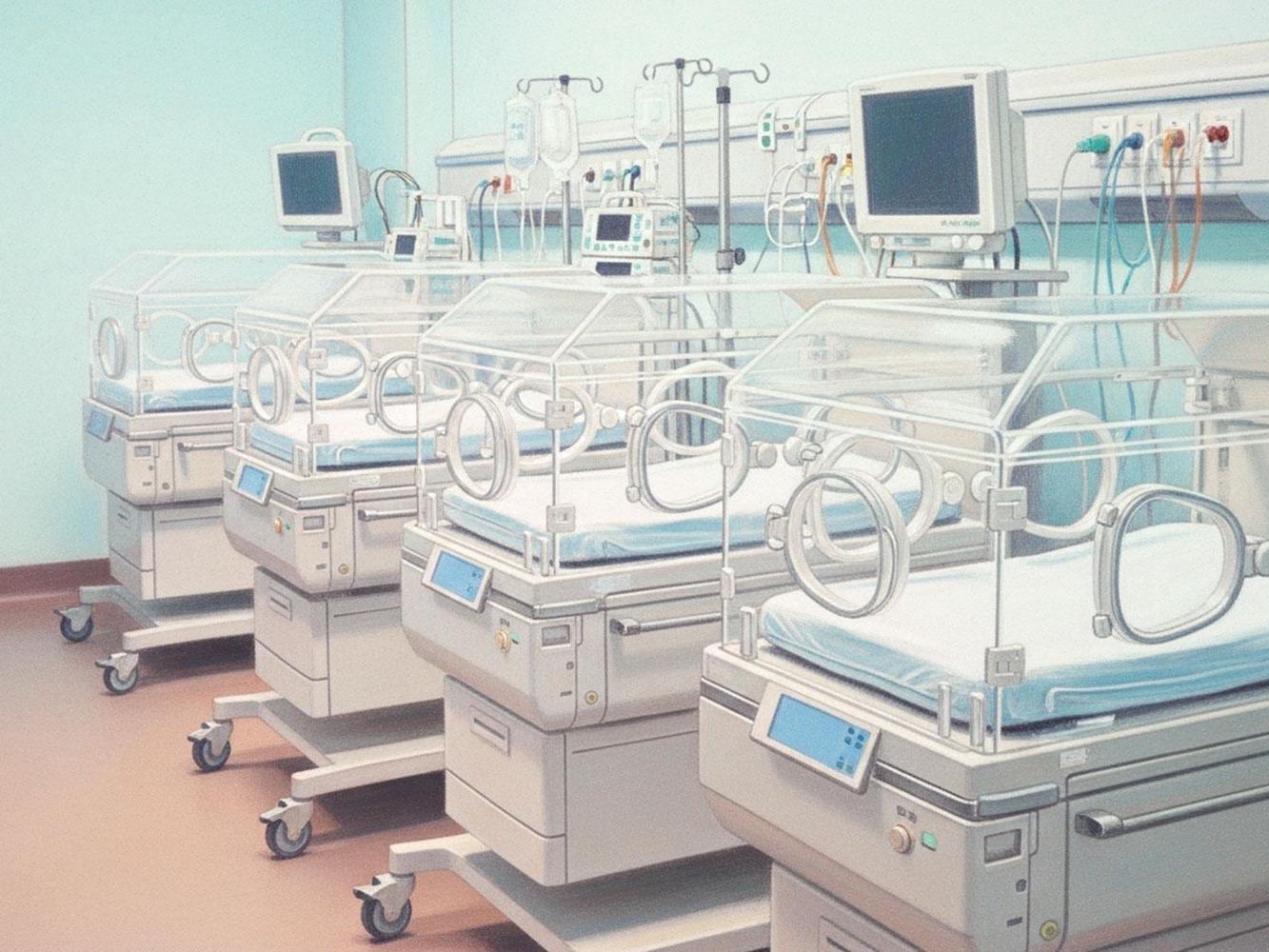
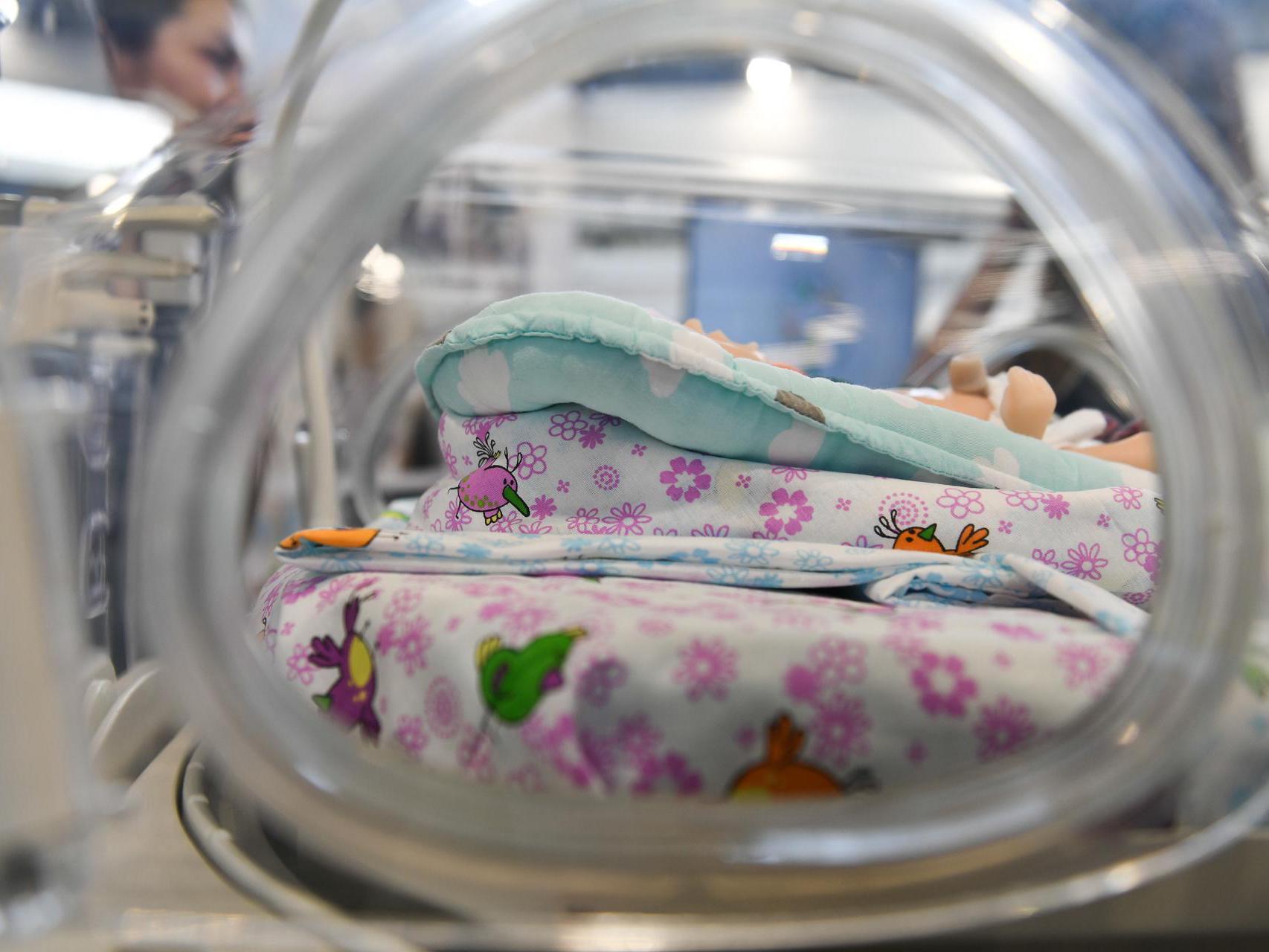
«If a child is born at 30 weeks, they will be in the hospital for about 6–8 weeks; if at 22 weeks, then, of course, longer. The shorter the gestation period and weight, the more time is needed for the baby to be safely outside the medical institution. One of the main criteria for discharge is the mother»s readiness to care for the child without medical equipment, although now we practice parents staying with children in the hospital or intensive care unit, where there is a heated crib, oxygen supply system, and monitoring. For such children, tactile sensations come first, so the mother needs to be nearby, keeping her hand on the child so they feel her warmth, because their senses are reduced,« she explained.
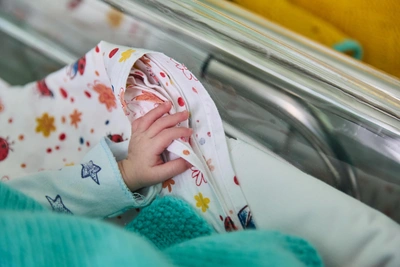
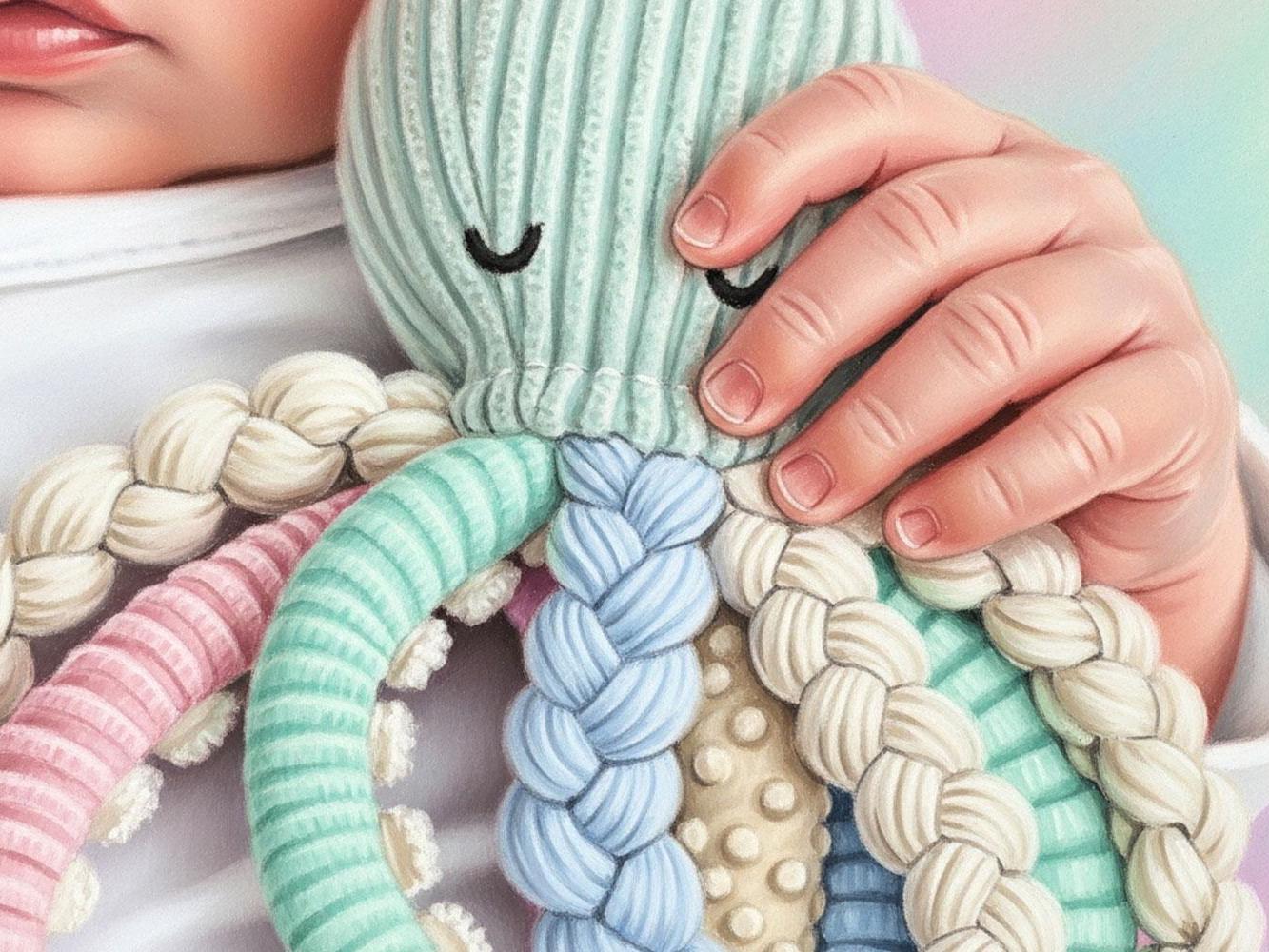
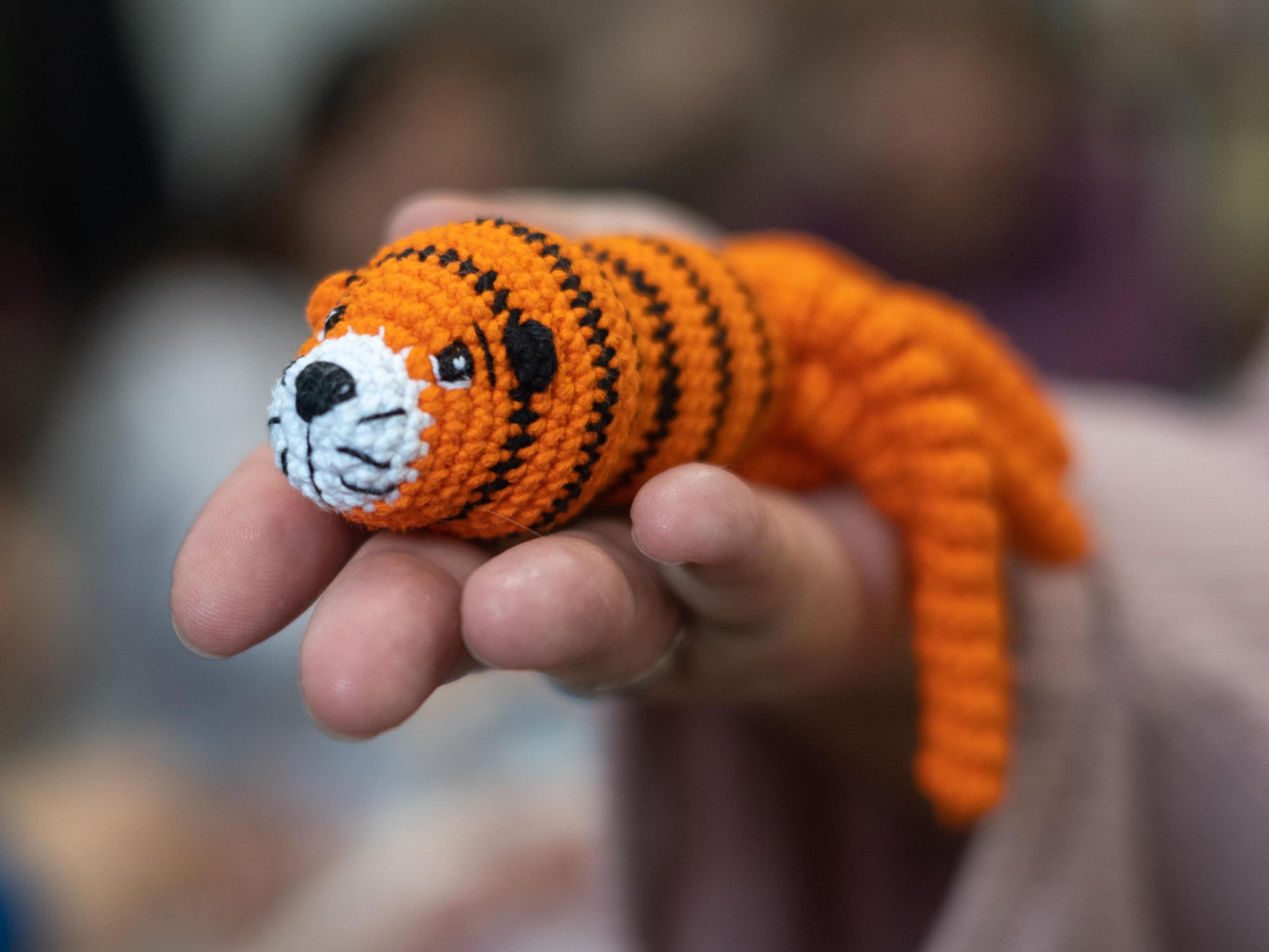
When the child approaches full term, different methods are used in working with them: music therapy, conversations, and popular knitted octopuses, which help with tactile stimulation of infants.
Over the years, Yulia Vladimirovna has had to help children with very low weight—650 grams, which is considered extremely low birth weight. At the same time, even infants with higher weight can have serious problems and need long-term care.
«When you discharge a healthy newborn or a cared-for child, you see the result of the joint team work of doctors and parents. And this especially motivates you to continue working. It is most pleasant when on my birthday I receive not just a card, but a photo of the child I cared for. Some children are already adults, studying in schools or universities, and the parents still remember our work and send photos with gratitude,» she shared.
According to her, there are those who note that the neonatologist helps the child like a second mother.
«We did not give birth to these children, did not carry them, and, of course, did not breastfeed them, but when you invest all your strength and means in caring, hearing such things is very valuable. I have a family where, for example, there were two premature children—now these kids live in other cities, but we continue to call and meet on holidays. And every time it is nice to see how they grow and what they achieve,» Yulia Vladimirovna concluded.