ARVI and Flu Season in Yaroslavl: Rospotrebnadzor Identifies Viruses


A seasonal increase in ARVI incidence is being observed in the Yaroslavl Region. This was reported by the regional office of Rospotrebnadzor (Russia«s Federal Service for Surveillance on Consumer Rights Protection and Human Wellbeing).
«Among the most frequently encountered viruses causing acute respiratory diseases are rhinoviruses, metapneumoviruses, bocaviruses, adenoviruses, parainfluenza viruses, the novel coronavirus infection COVID-19, and influenza,» the agency told the 76.RU portal.
ARVI caused by rhinoviruses manifests as nasal congestion, sneezing, impaired sense of smell and taste, hearing loss, and fever. Often, local symptoms predominate over symptoms of intoxication. Symptoms of the disease caused by metapneumovirus usually include fever, cough, and runny nose. In rare cases, the infection can lead to severe pneumonia and hospitalization.
Bocavirus causes diseases of the upper and lower respiratory tracts, which occur as rhinitis, acute otitis, tonsillitis, pharyngitis, laryngotracheitis, pneumonia, bronchiolitis, and bronchitis. The infection is characterized by mild to moderate course. The most characteristic symptoms are cough, runny nose, fever up to 38–40 °C (100.4–104 °F), difficulty breathing, diarrhea, vomiting, and conjunctivitis.
Adenovirus infection is often accompanied by fever, moderate intoxication, and lesions of the mucous membranes of the respiratory tract, eyes, and gastrointestinal tract. It is more common in children. Parainfluenza is an ARVI characterized by damage to the respiratory tract, primarily the larynx.
Rospotrebnadzor clarified that the epidemic threshold for the overall structure of ARVI and influenza incidence in the total population was not exceeded in January.
«Among influenza viruses, influenza A is circulating to a greater extent, specifically the A(H3N2) strain, and influenza B is also being detected,» Rospotrebnadzor noted.
A(H3N2) is the so-called Hong Kong flu. It is characterized by acute onset, high fever, and pronounced intoxication — headache and eye pain, muscle and joint pains, and bone aches. Influenza is dangerous due to possible complications.
According to the agency, from January 19 to 25, 663 cases of ARVI and influenza per 100,000 population were registered in the Yaroslavl Region. 50% of the sick are children under 17 years old. COVID-19 was detected in 14 patients.
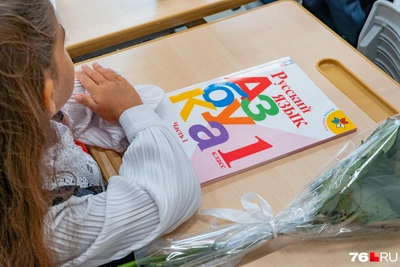
As of January 26, in the region, due to ARVI and influenza, 28 classes in schools were closed, one kindergarten entirely, and 4 groups in other preschool institutions.
«In case of increased incidence registered in educational organizations, managers make a decision to suspend the educational process in accordance with sanitary legislation,» Rospotrebnadzor reported.