Small 'village' in central Chelyabinsk survives amid high-rises
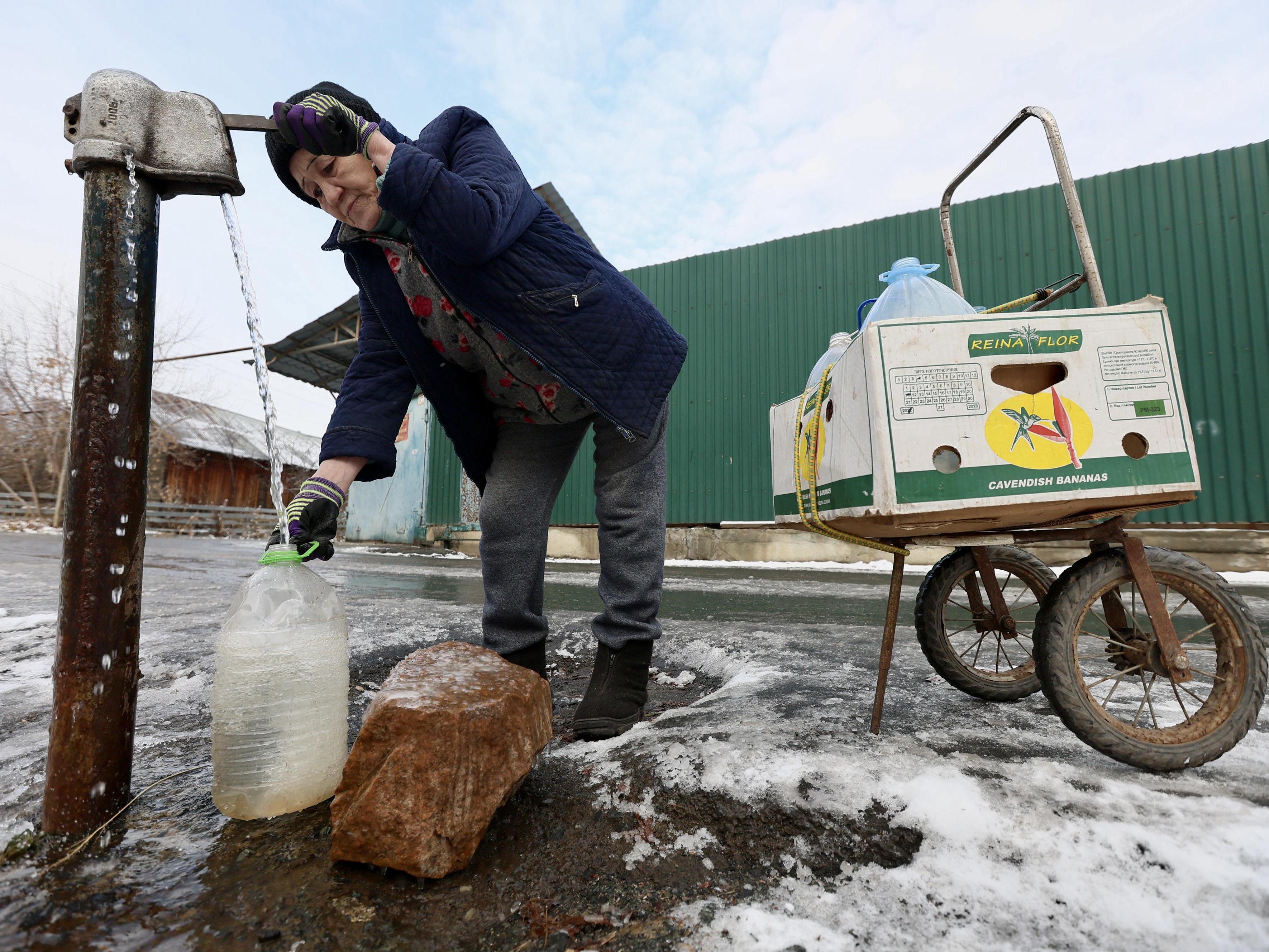

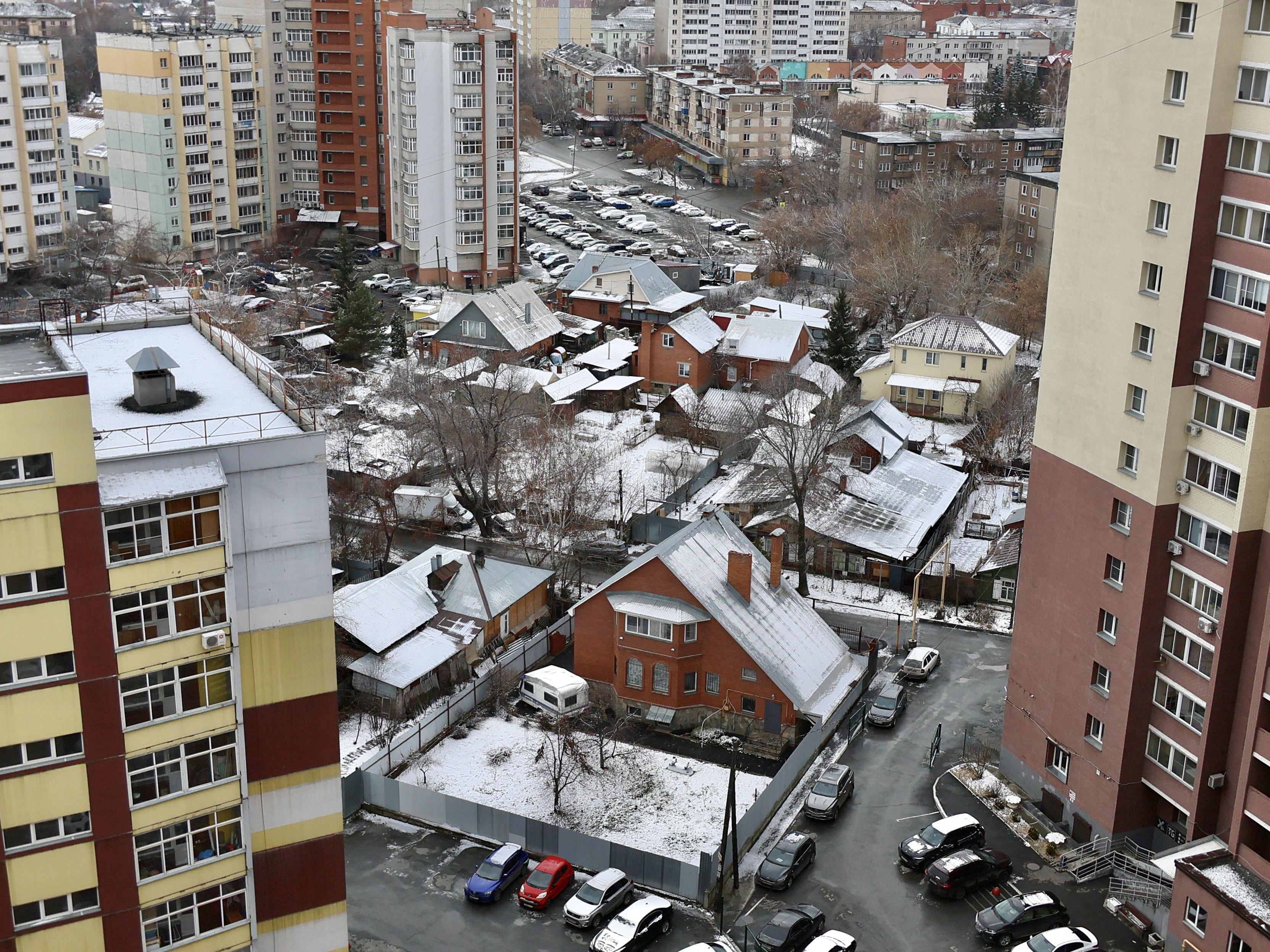
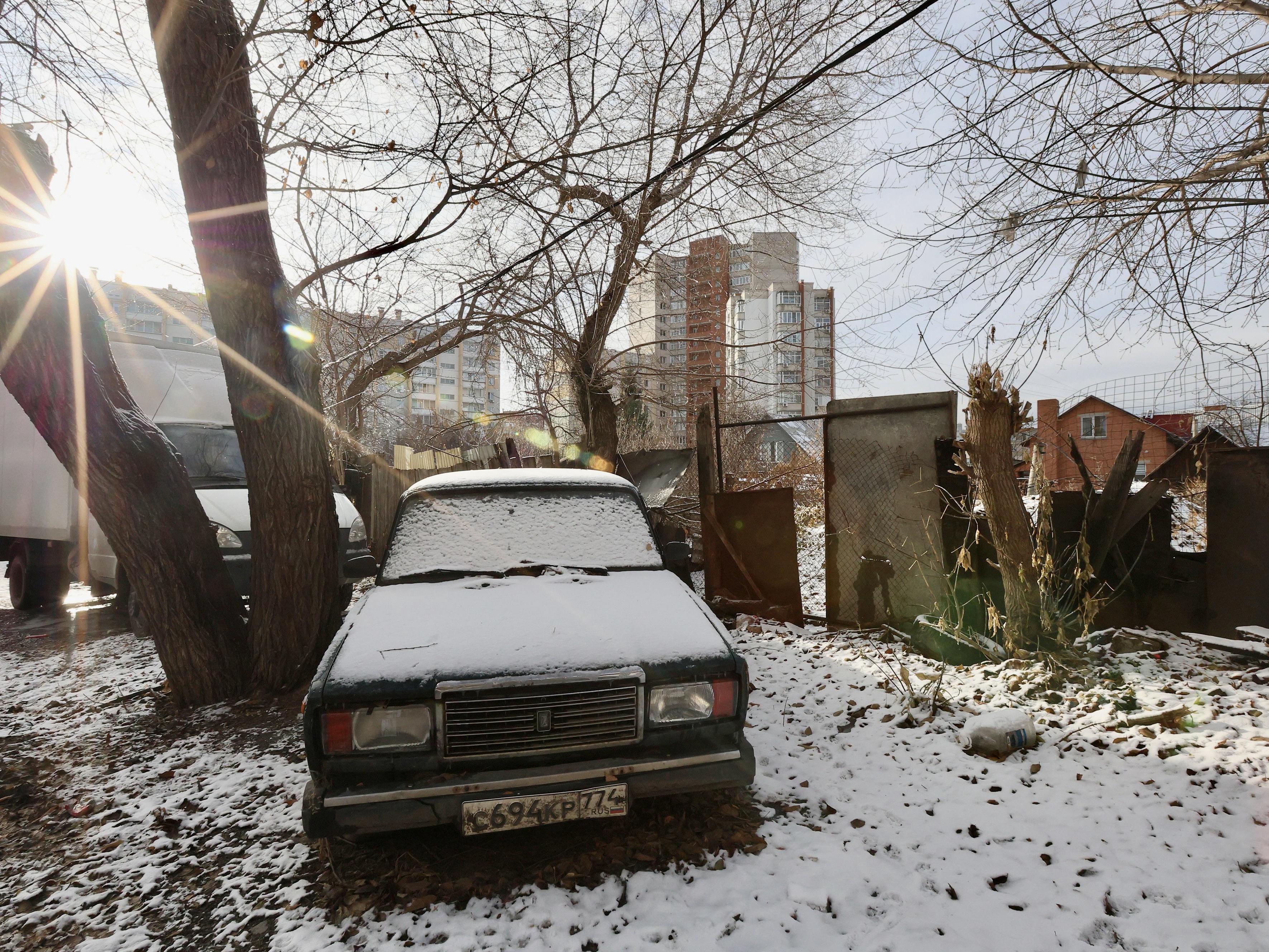
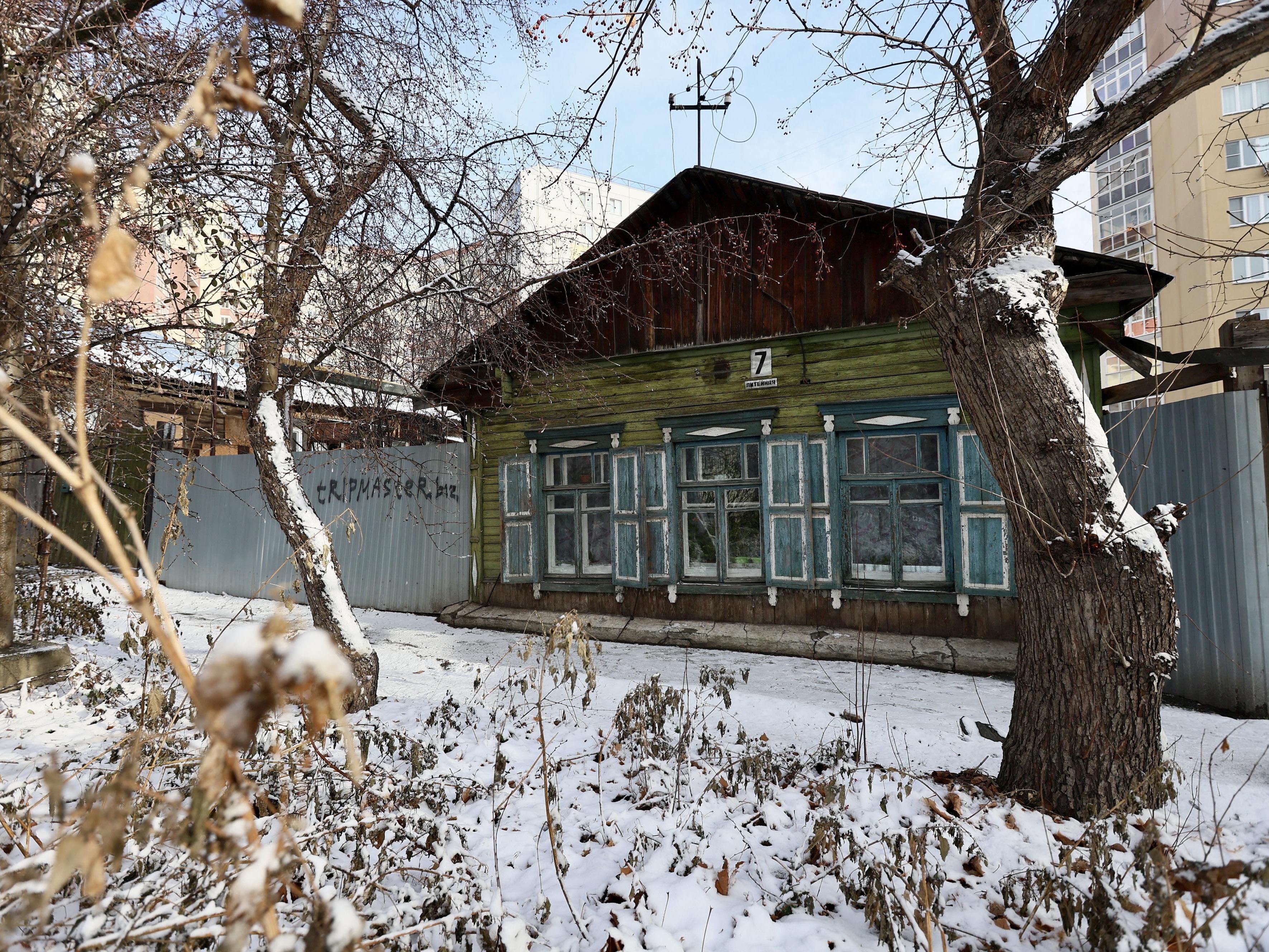
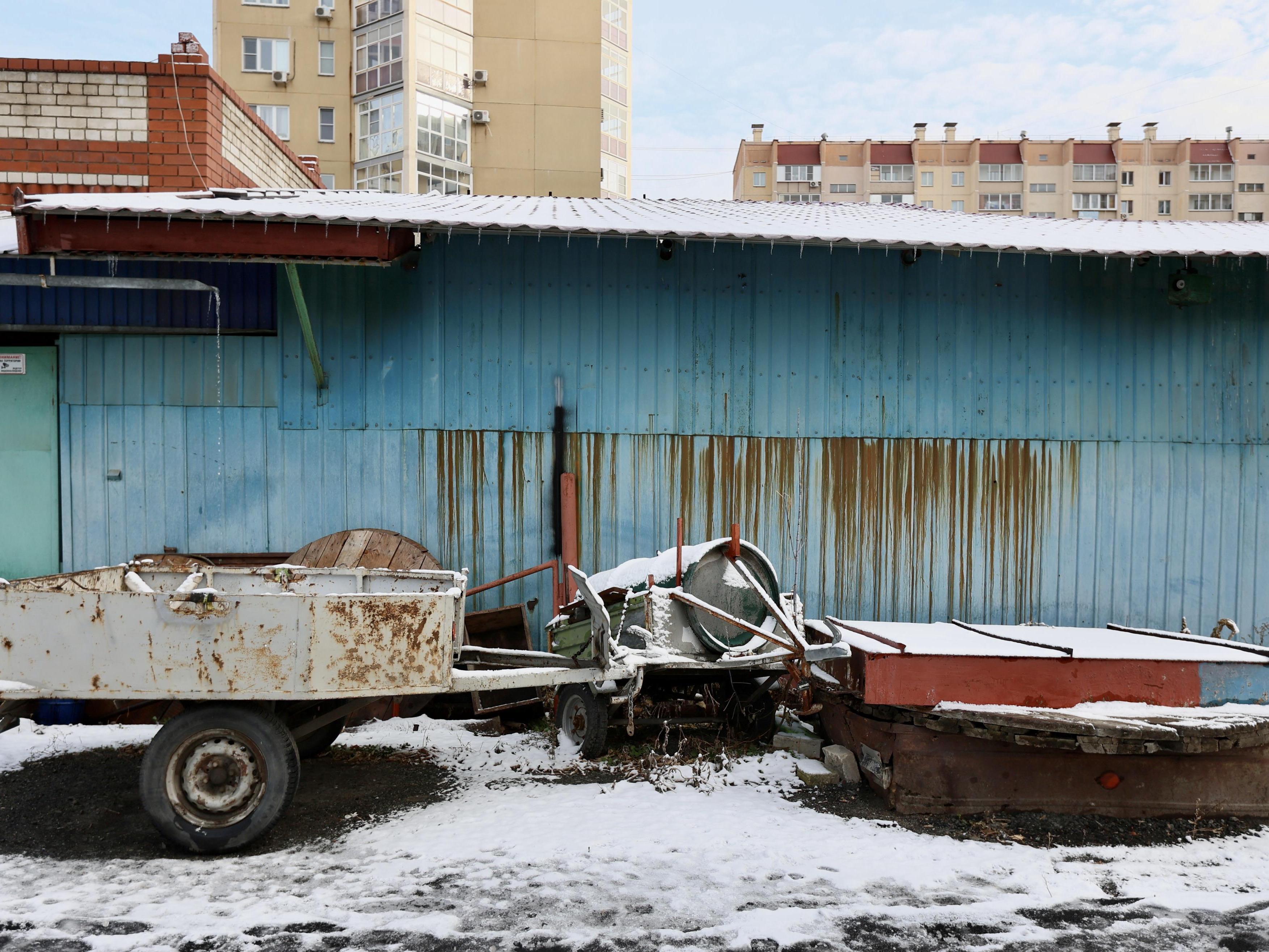
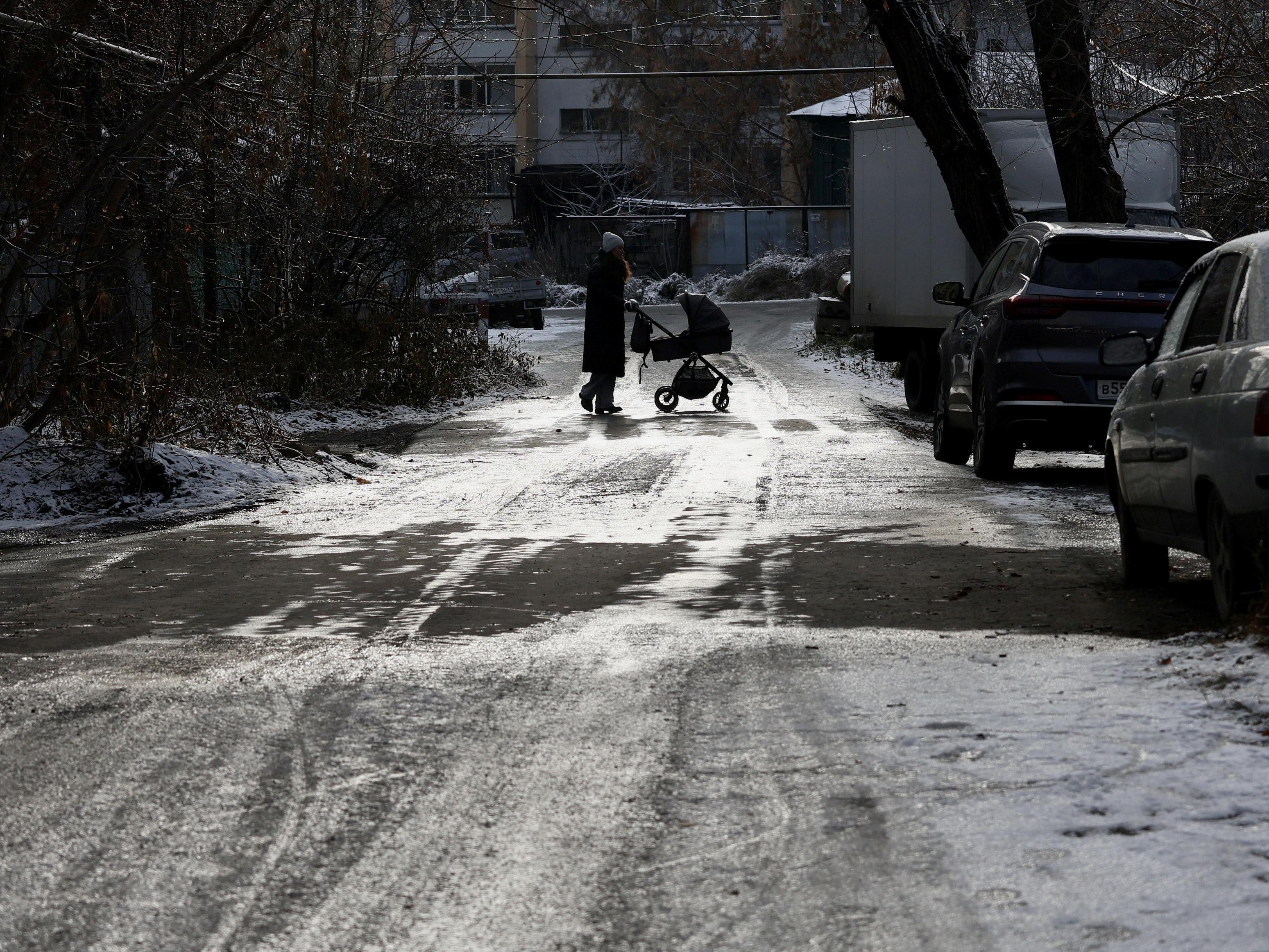
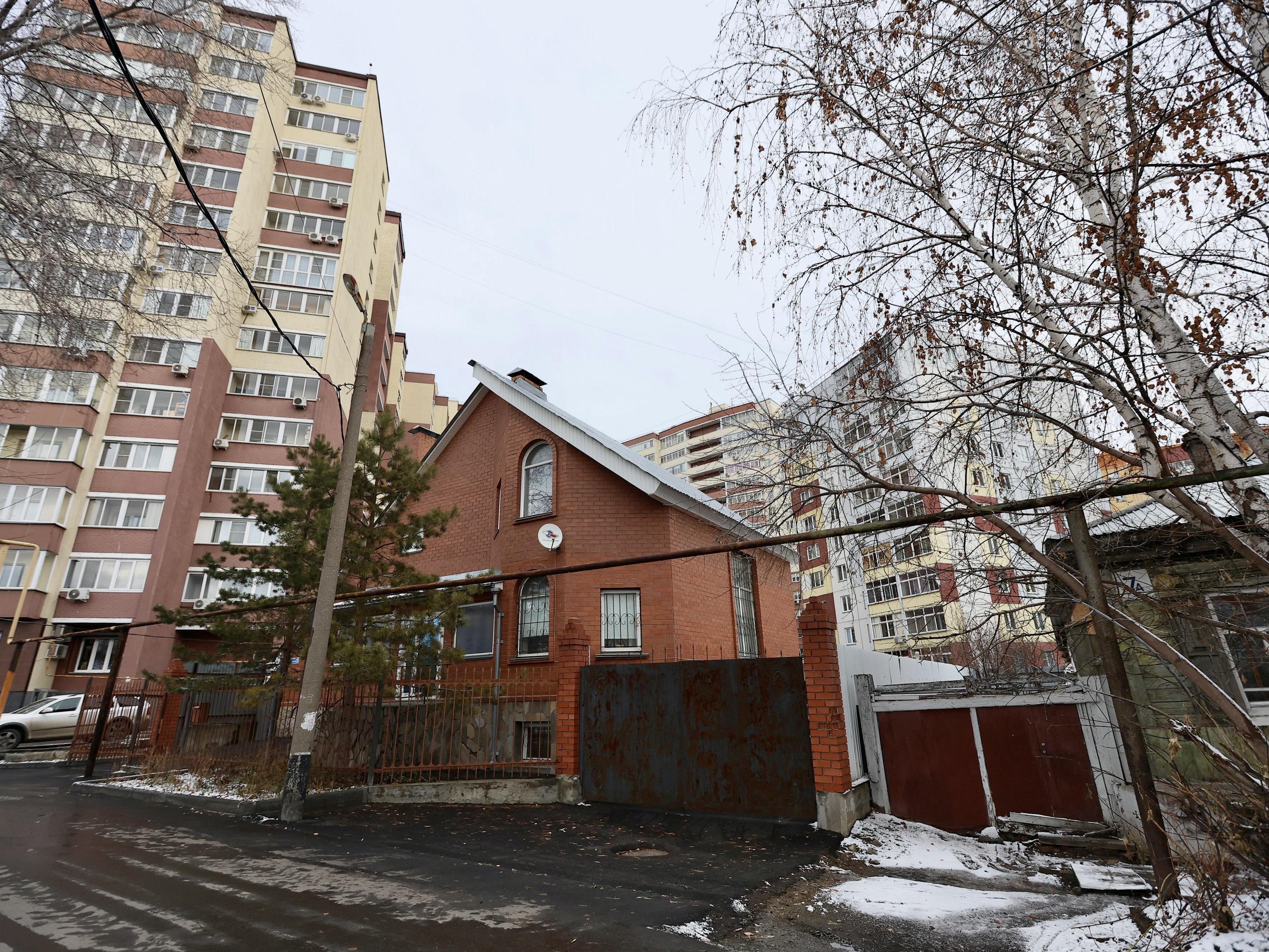
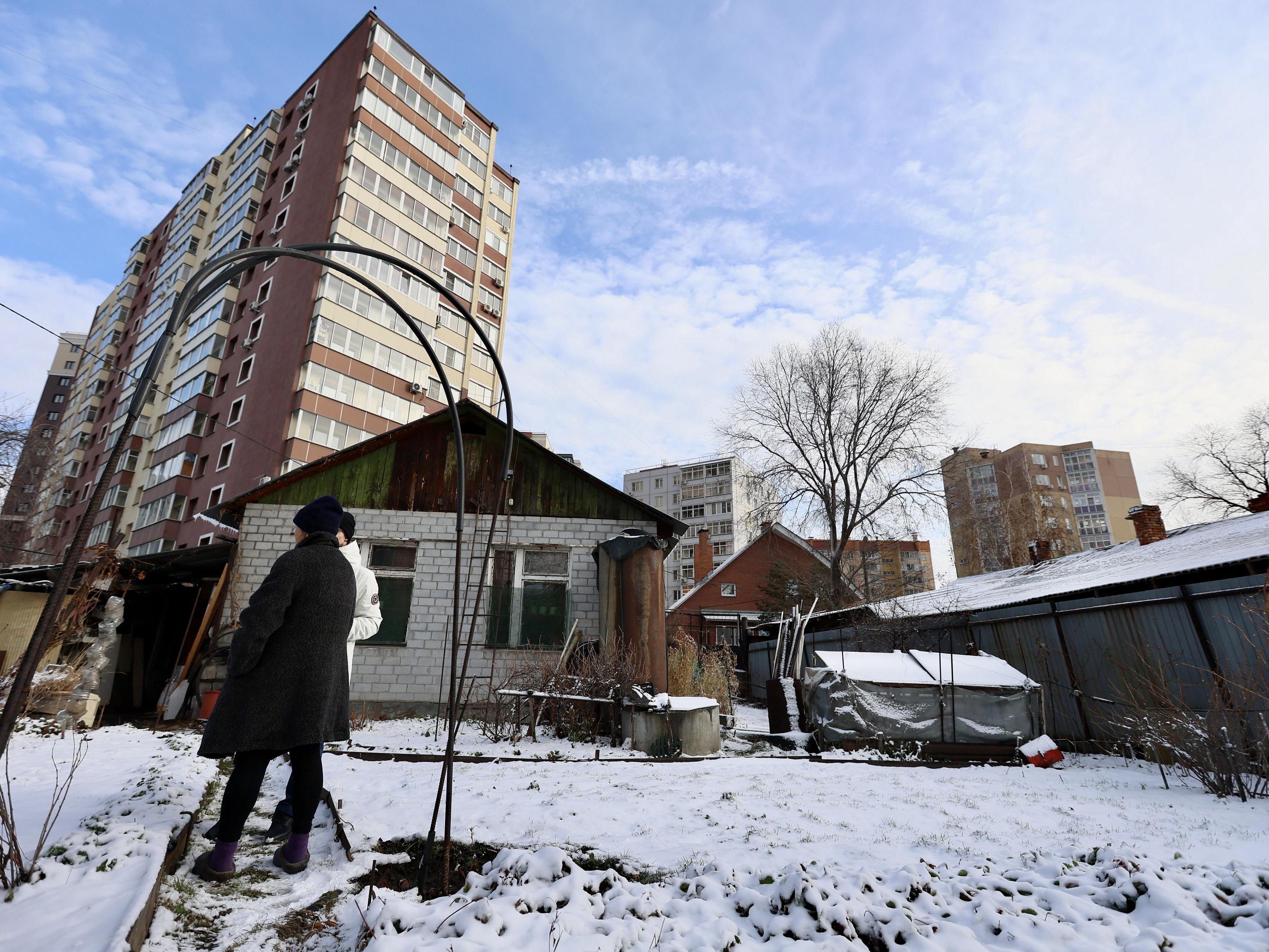
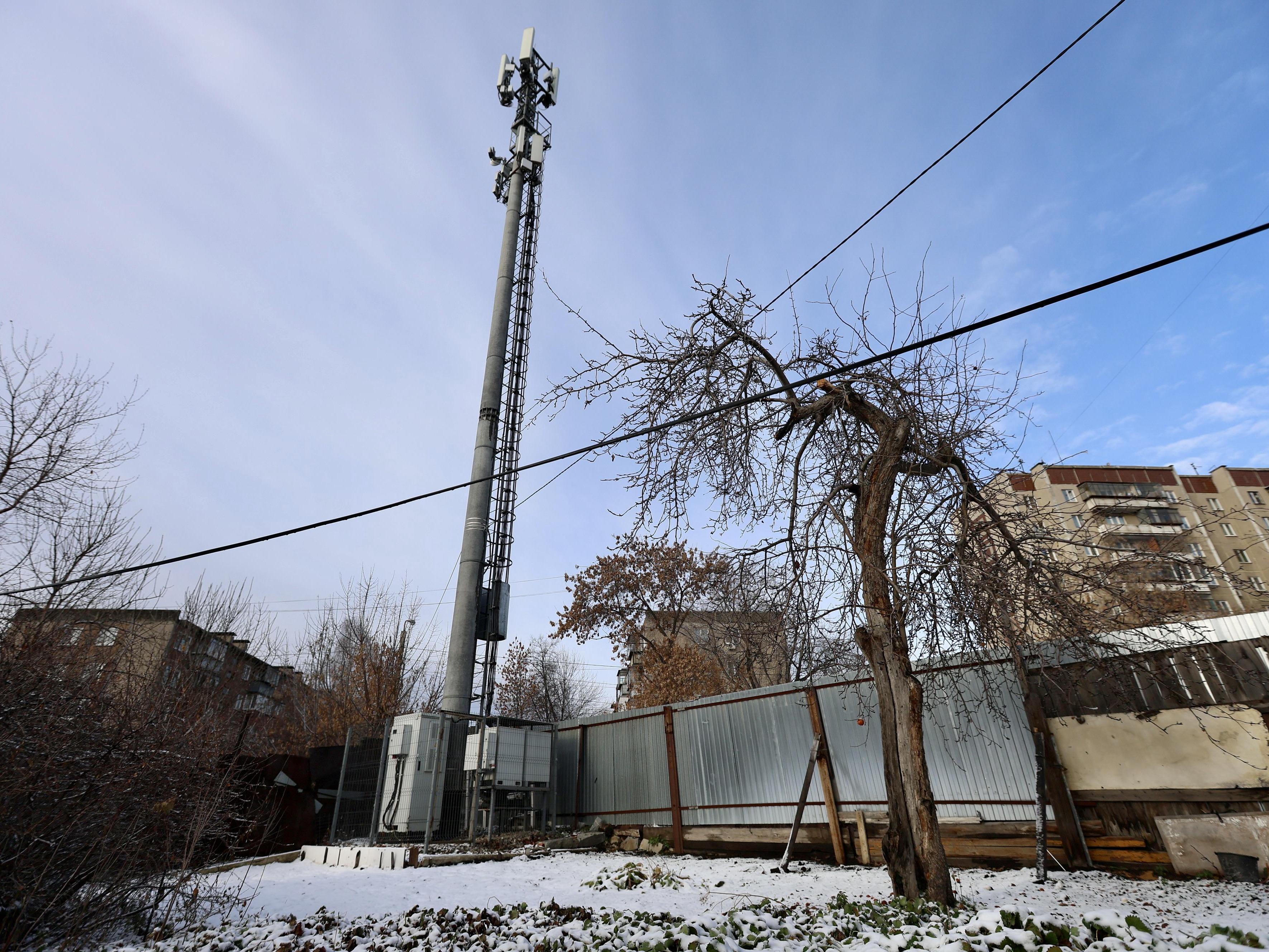
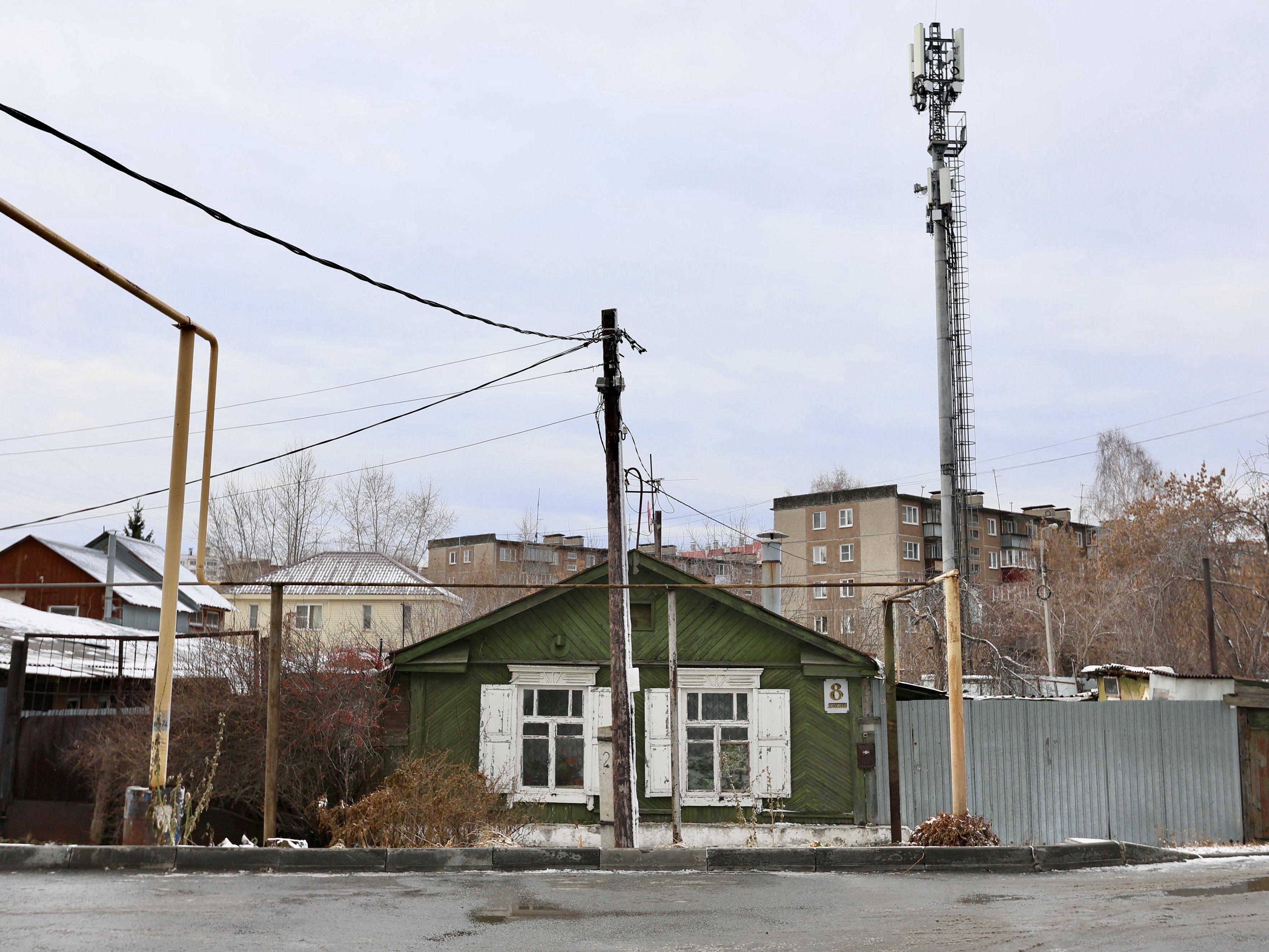
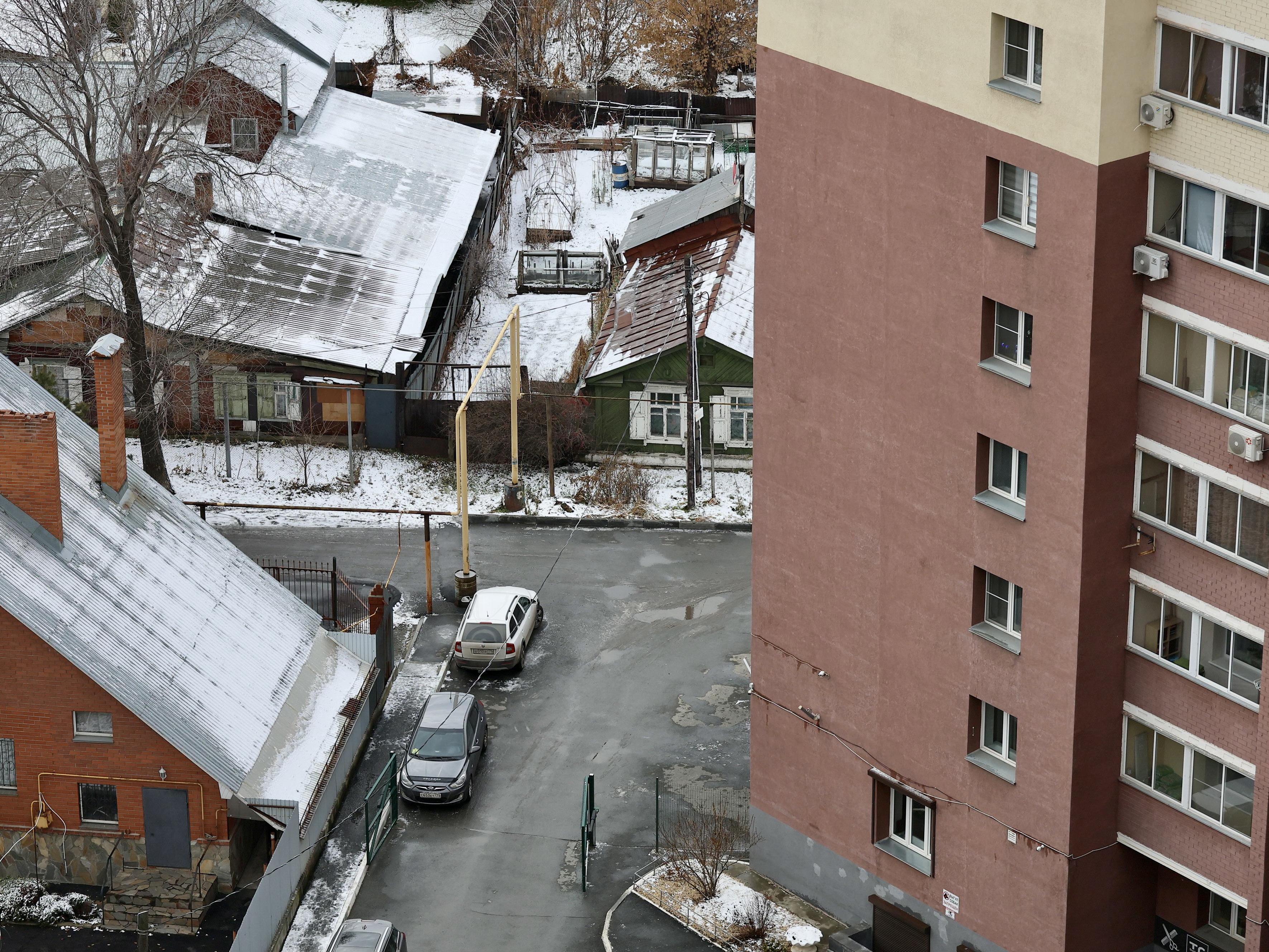
When driving along Shaumyan Street in Chelyabinsk, you inevitably notice the high-rise buildings that have sprung up at the intersection with Ovchinnikov Street. There are restaurants, fitness centers, and apartments costing 185,000 rubles per square meter (approximately $1,850 at current rates) — everything as it should be. The only thing that stands out from the overall picture is the private sector under the windows of the high-rises — small wooden houses seem to have remained from another era. But people still live there, trying to preserve their way of life as it was 40 years ago. About what this place was like in the 1990s and how they have to survive now — in a report by 74.RU.


«A cow fell on her leg — meniscus tear»
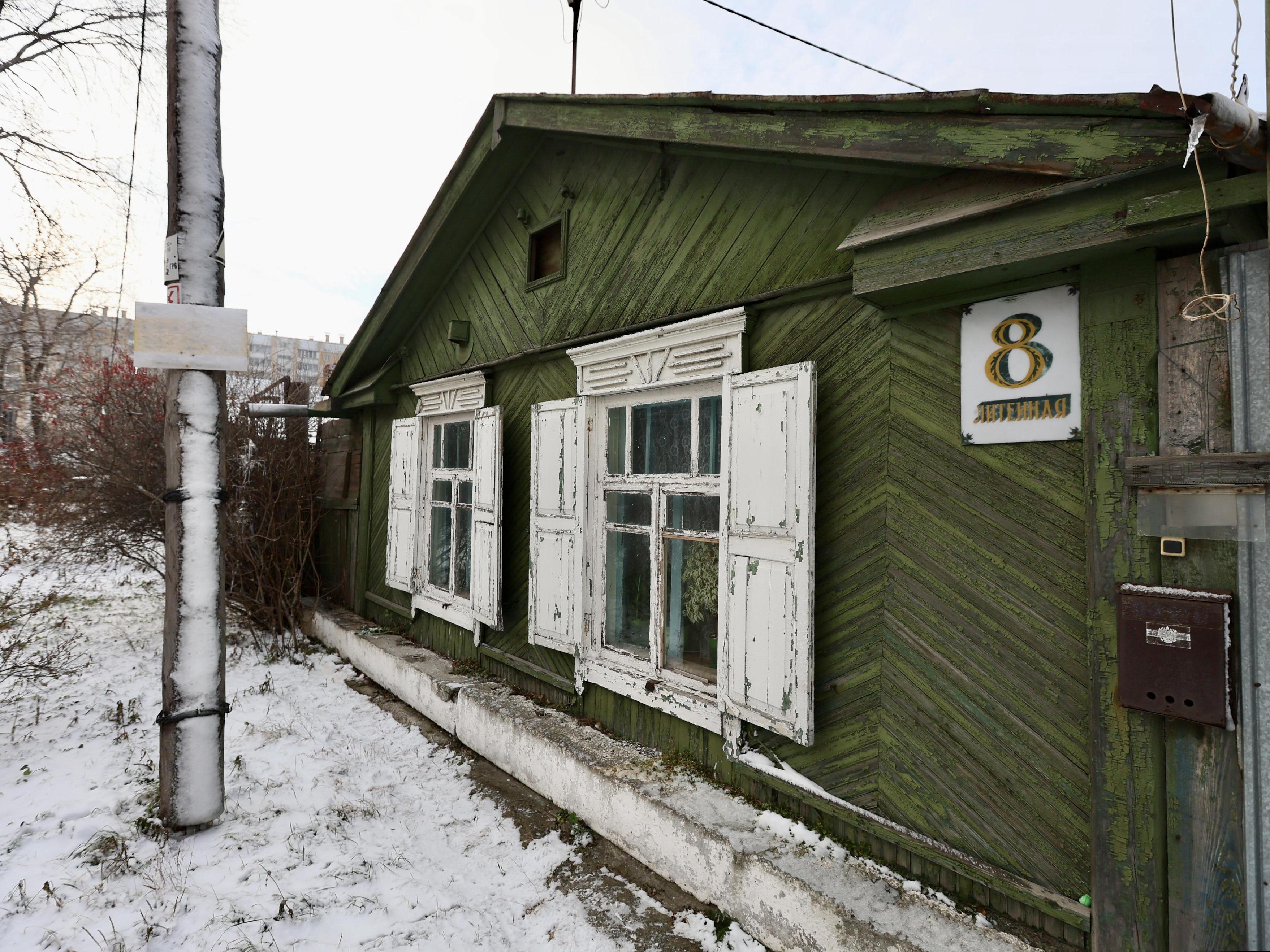
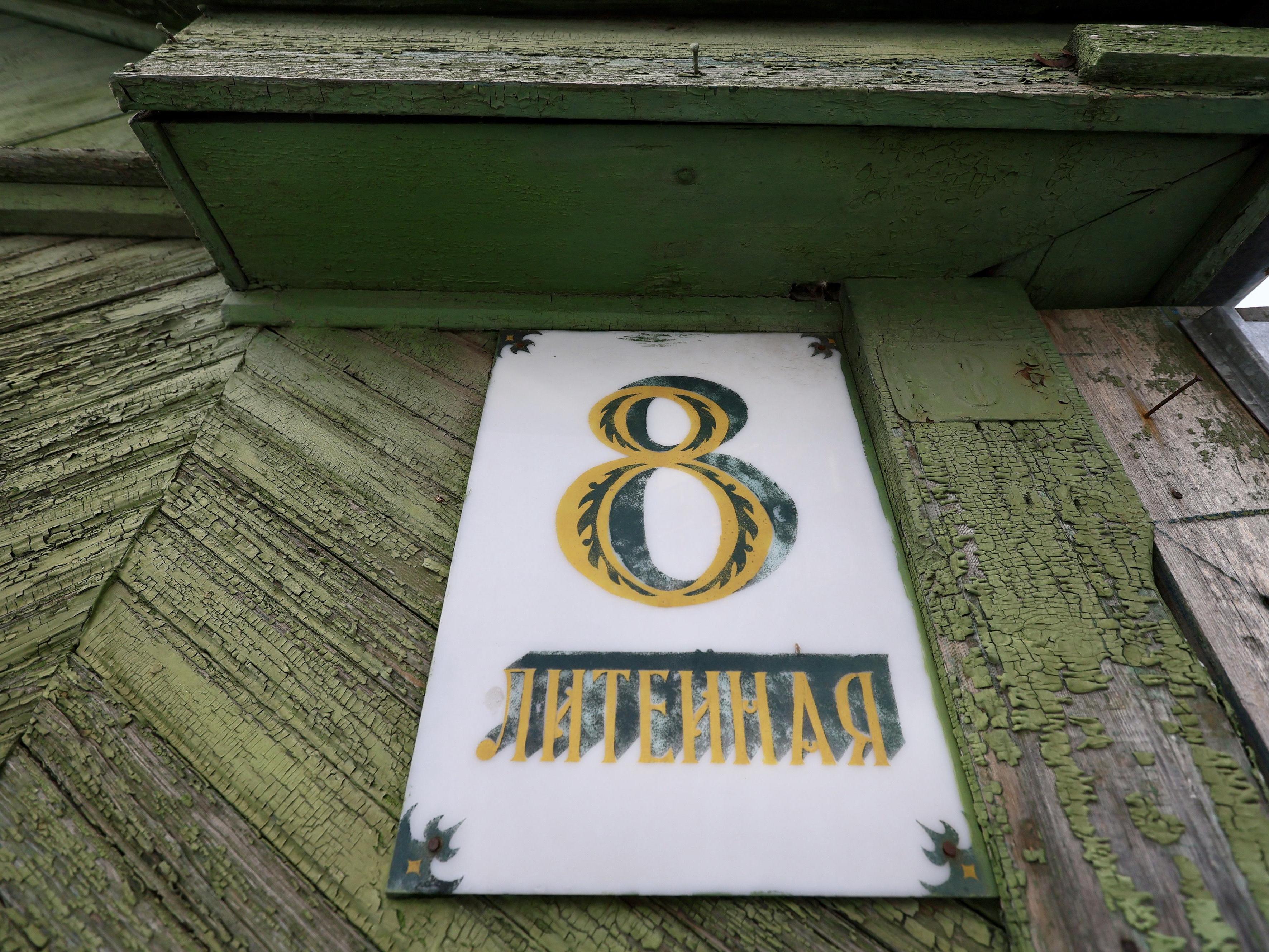
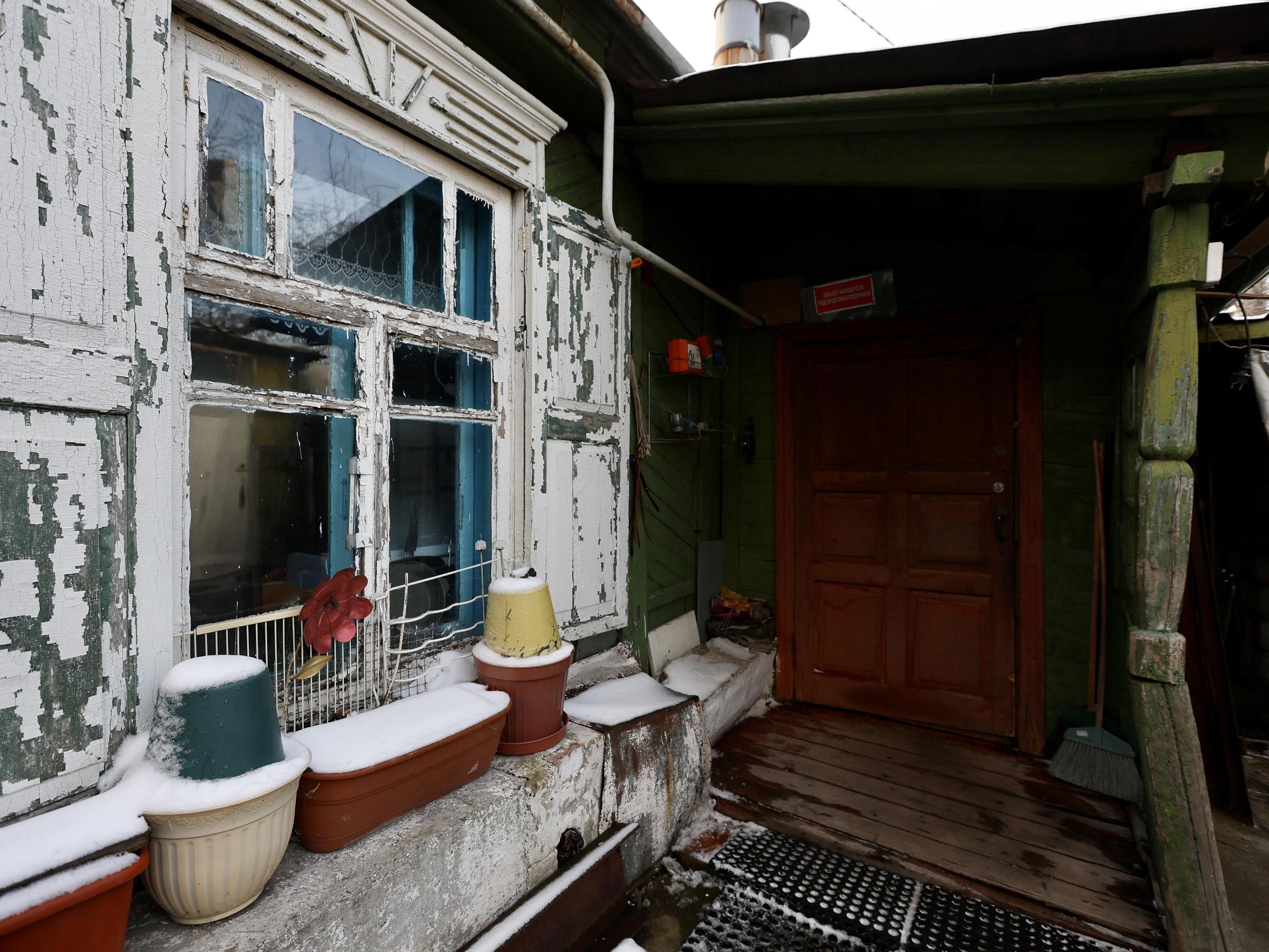
Lyudmila Vladimirovna is 68 years old, 38 of which she has lived in the house at 8 Liteinaya Street. The pensioner’s family is from the village of Polovinnoye in Kurgan Oblast. There she got married and together with her husband worked in an organization that serviced agricultural machinery throughout the district. Lyudmila was a dispatcher, and her husband was a mechanic.
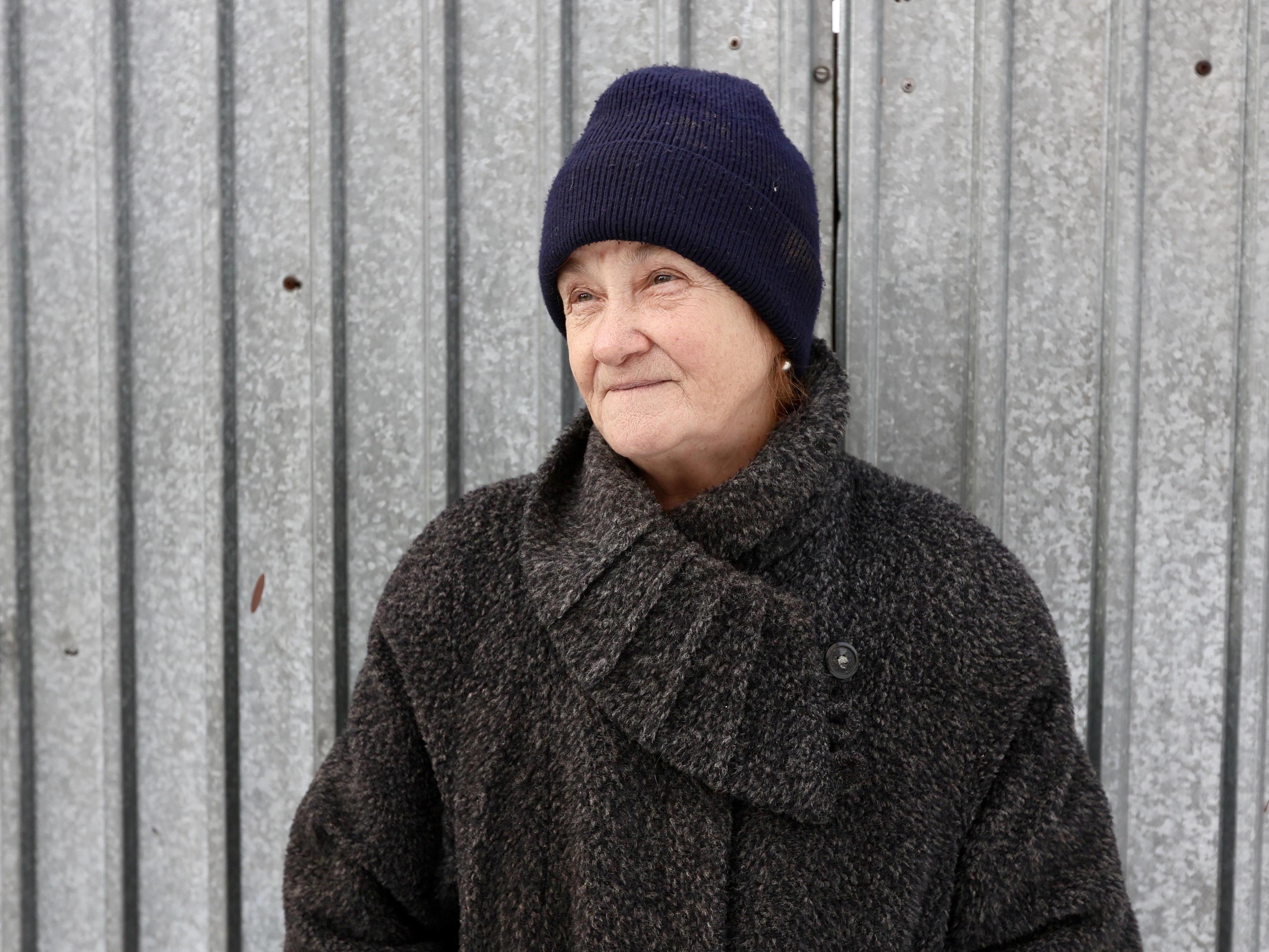
«There were tractors — «Kirovets» and all sorts of others. From any neighboring village, they could bring them for repair or maintenance, back then they strictly monitored that. <…> Normal work, we earned well. Those who went to repair earned 300–400 rubles (approximately $3–4 at current rates). We dispatchers, of course, less… Well, about 150 rubles (approximately $2 at current rates). But the difference in salary with the chief dispatcher was small — he earned about 180 rubles (approximately $2 at current rates). Everyone was equal, we talked about family, invited each other for holidays. Now the boss earns a million, and the subordinate — you understand,» — recalls the pensioner.
But in the second half of the 1980s, problems began in the industry.
«What was harvested on that equipment no longer fit into the bunkers. That is, there was an elevator in the district, it was filled to capacity, and there was still plenty of grain. Couldn«t sell it. So it remained until spring — rotting, rats appeared. So it was wasted for a year, two years — they started planting less. And that means, using less machinery. Layoffs began, people started moving to the city. Then there were fewer animals too. I remember, when I was little, in the village there were such herds of horses, cows — just terrible. And then three to five — that was already good,» — reflects Lyudmila Vladimirovna.
At that time, she and her husband still believed that the difficulties were temporary: layoffs miraculously passed them by, in the village there was already a settled house, plus by that time children were born — a boy and a girl.
«My mother then worked as the chief veterinarian on the state farm. Usually she didn»t take blood from cows, but when there was a lot of work, she had to participate too. They drove the animals in and poked them in the neck. A violent cow was caught, she fell and landed right on mom«s leg — meniscus tear,» — recalls her daughter.
Mom, realizing that she could no longer work, decided to move to Chelyabinsk, where Lyudmila»s brother was studying. They started looking for a house, and a good option from 1935 came up — exactly the one at 8 Liteinaya Street. It then cost 10,000 rubles (approximately $100 at current rates) — about 25 monthly salaries of the chief veterinarian.
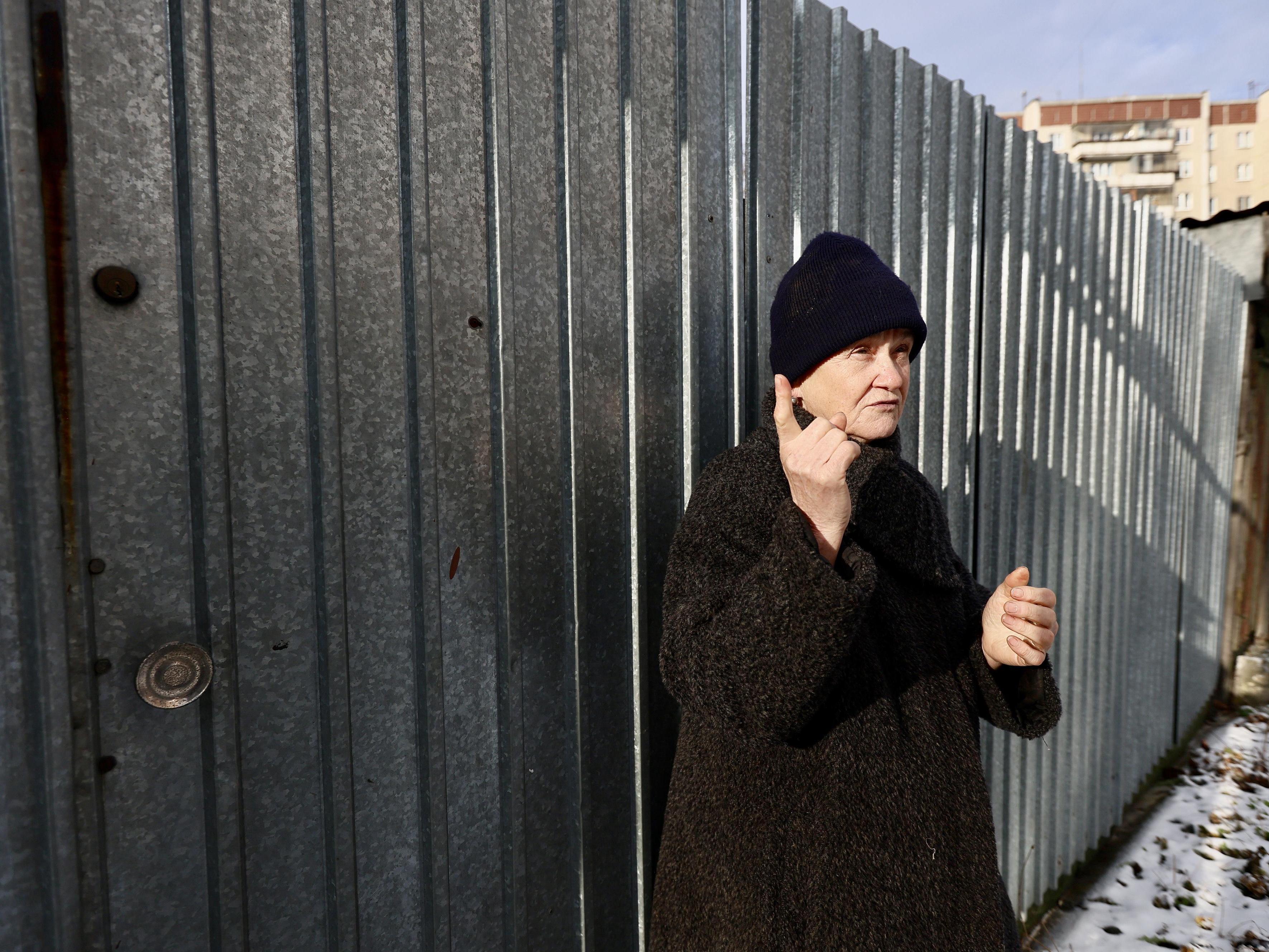
«But mom had only saved five thousand at that time. She started persuading us with my husband — we«ll split the cost in half, but we»ll also split the house. We agreed. These days, young people decide things themselves, but back then, if our parents said it was better this way, then it was better,» — explains the pensioner.
«A girl got hired — her boss immediately invites her to the Emirates»
In Chelyabinsk, Lyudmila Vladimirovna immediately got a job as a cashier in the financial department of the Kolyushchenko Plant.
«I went to the cashier job because I was foolish. <…> I came to apply, and the head of the financial department told me that a woman around 50 had come before me. Said, if she returns, the spot is taken, but if not, it«s mine. And every month, the plant brought a million rubles for salaries, there were many cashiers who distributed this. All in cash — seven bags of money. And all of it had to be unloaded by hand. In short, that woman didn»t return. And I got hired… You can«t imagine how heavy that was. Since then, I hate that money,» — laughs Lyudmila Vladimirovna.
However, it was some kind of stability. But that situation lasted at most another seven years. Then the family started observing a situation painfully familiar from the state farm days. At first, the plant produced about 50–75 vehicles per month — loaders, graders, scrapers. They all dispersed across the country. Gradually, the norm halved, some equipment was discontinued altogether. Lyudmila Vladimirovna attributes this to the arrival of, as she herself says, the new Russians.
«They started cutting departments. Mine, the financial one, was completely removed — they left five people and transferred them to accounting. <…> At the same time, these new Russians started conducting courses for employees — it was just awful for people with Soviet upbringing,» — recalls the pensioner.
As part of these courses, there were tests with questions like: «You are five people, you are on a sinking submarine. There are only four life jackets. Whom do you save: yourself, a mother of many children, a good colleague, a pensioner, or a child?»
«We, of course, immediately started: save the mother, she has to raise children, then save the pensioner, she»s sick, and so on. When the new managers saw our answers, they simply told us we wouldn«t attend the classes anymore. And they noted those who at least hesitated or immediately answered that they would save themselves,» — says Lyudmila Vladimirovna.
This, according to her, greatly affected loyalty from the management. Some workers, especially young ones, quickly understood which way the wind was blowing. But there were also those who stood their ground, started arguing. With them, the conversation was short.
«One such woman was sitting at the table, working, her boss comes over and says: »I«m going to a meeting. When I return, I want your resignation letter on my desk.» We immediately to that colleague: «Don»t write it, maybe they«re just intimidating.» Nothing of the sort — the boss returns, calls her into the office, after which she signs the resignation. <…> And they would have fired me long ago, but who would take the cashier job? There were no takers,» — shares Lyudmila Vladimirovna.
Of course, there were also unofficial relationships.
«Irka got hired, such a pretty girl. And one boss almost immediately invites her to go together to the Emirates, or somewhere. And she has a husband and child, she refuses. The next day, security was told not to let her through the checkpoint. That«s dangerous because if you accumulate three absences, you get fired. Well, it seems she went. Work was hard to find at that time,» — reflects Lyudmila Vladimirovna.
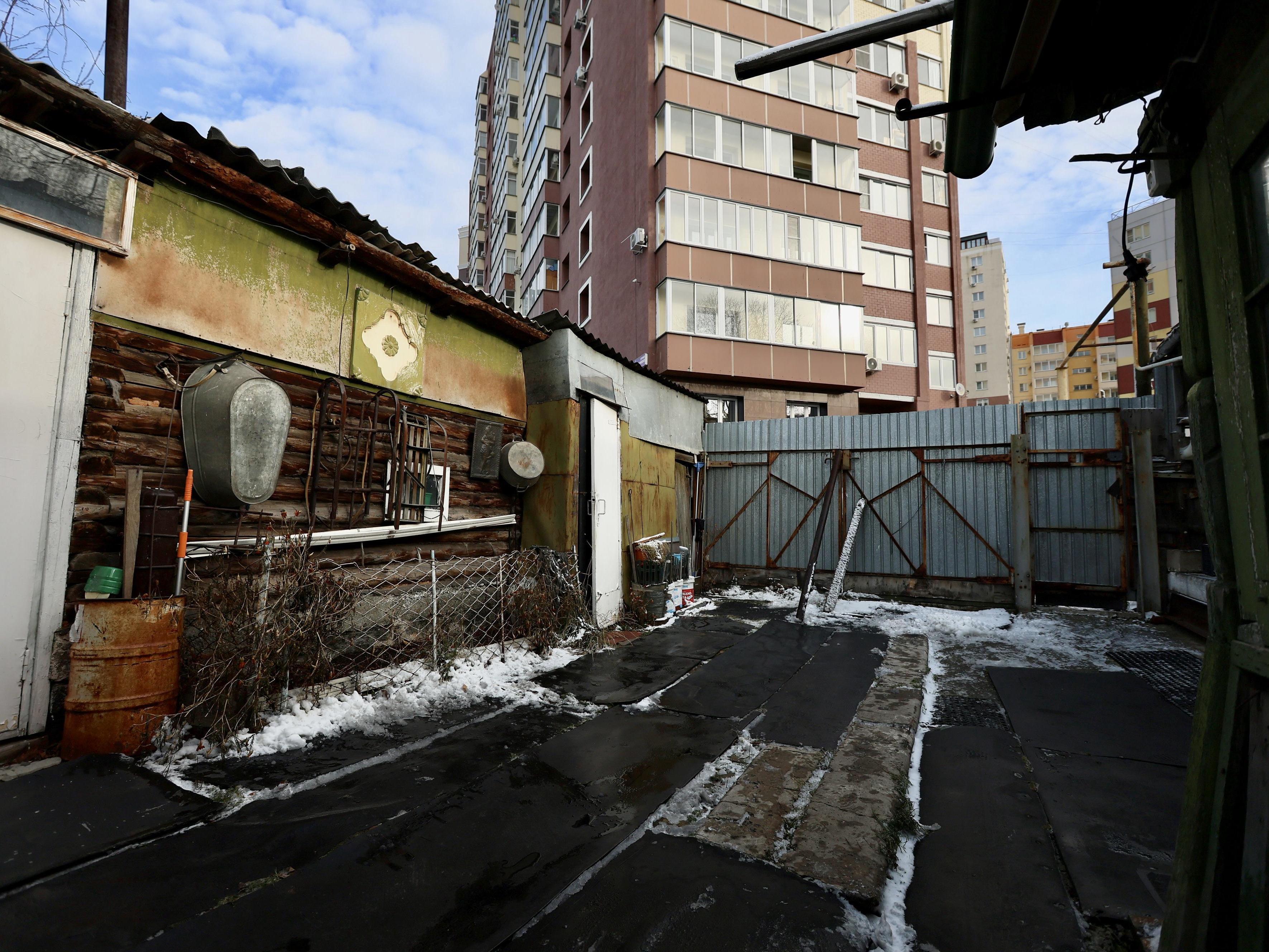
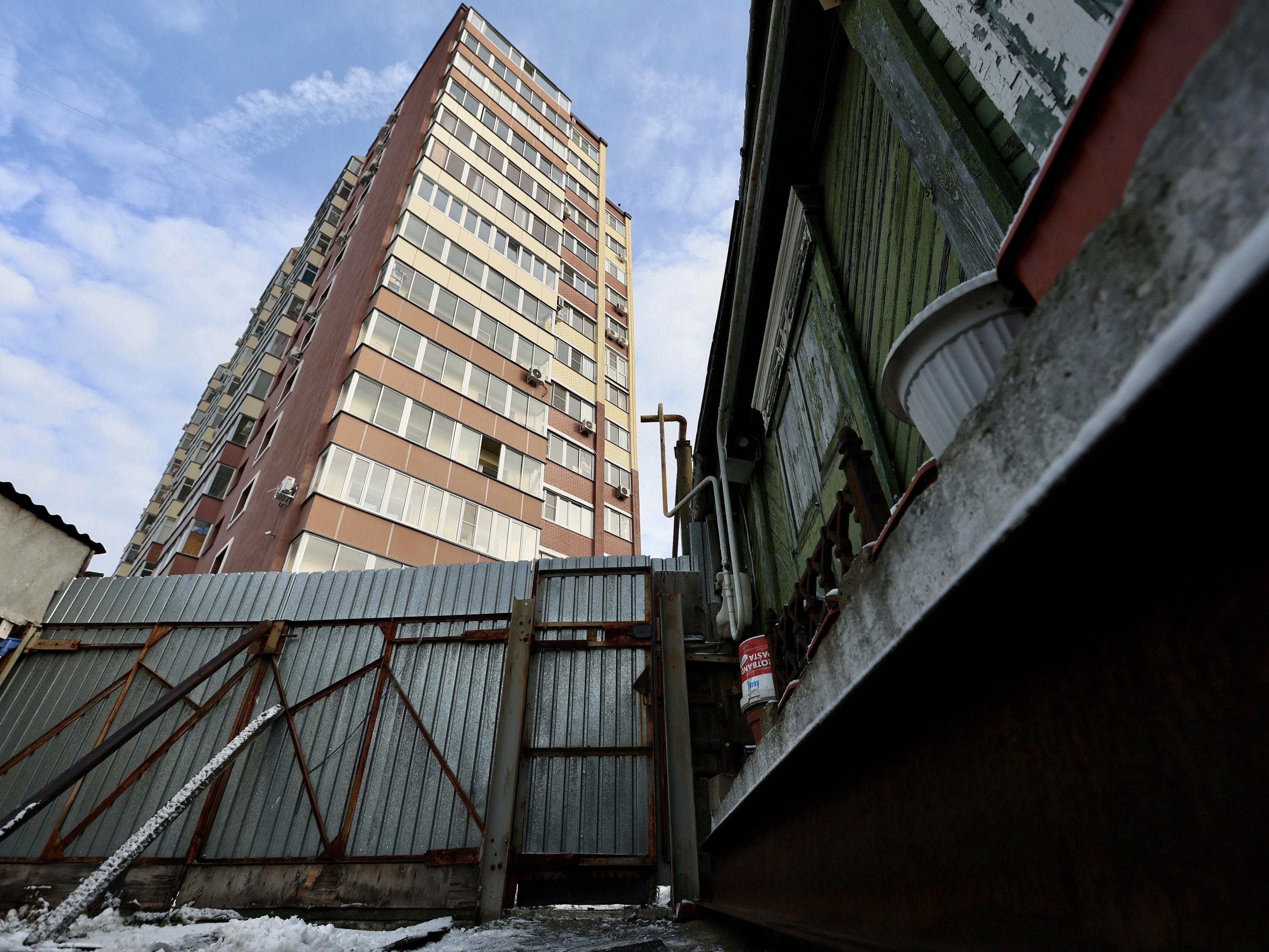
«Now the balconies are at least enclosed. But in summer… You can«t imagine what they don»t throw into our yard. They blow their noses — throw out tissues, smoke — throw out cigarettes. Everything flies into our fence. Their dogs come running and defecate in front of the house, you go out in the morning — try not to step in it. Garbage that ends up in the yard, we clean up, but what«s in front of the house we leave as is. If they like looking at it, then please. <…> About a year and a half ago, a guy fell from one of the balconies — he was lying in front of our house,» — shares the pensioner.
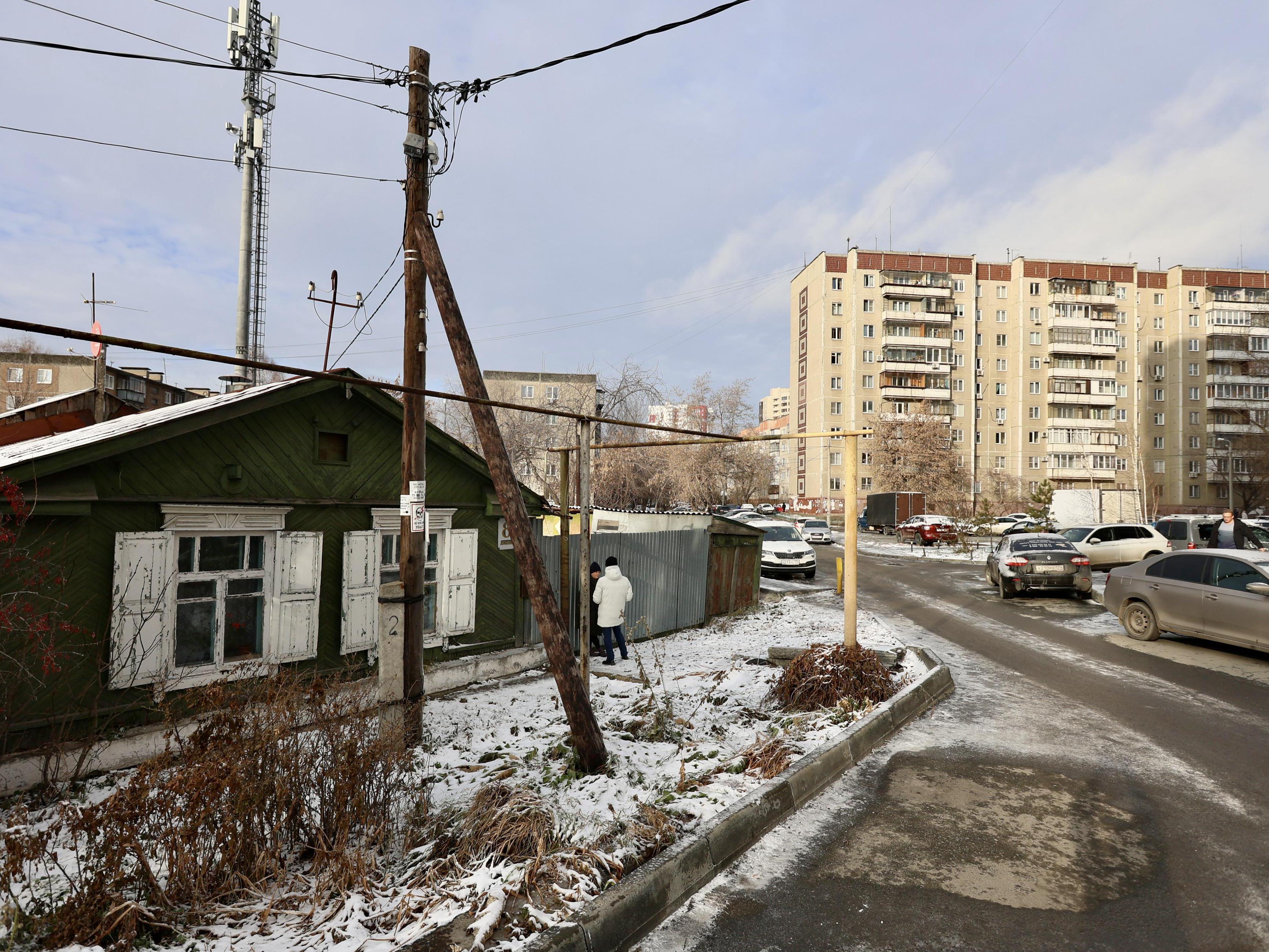

«Our son lives with us. Fed, watered, everything washed»
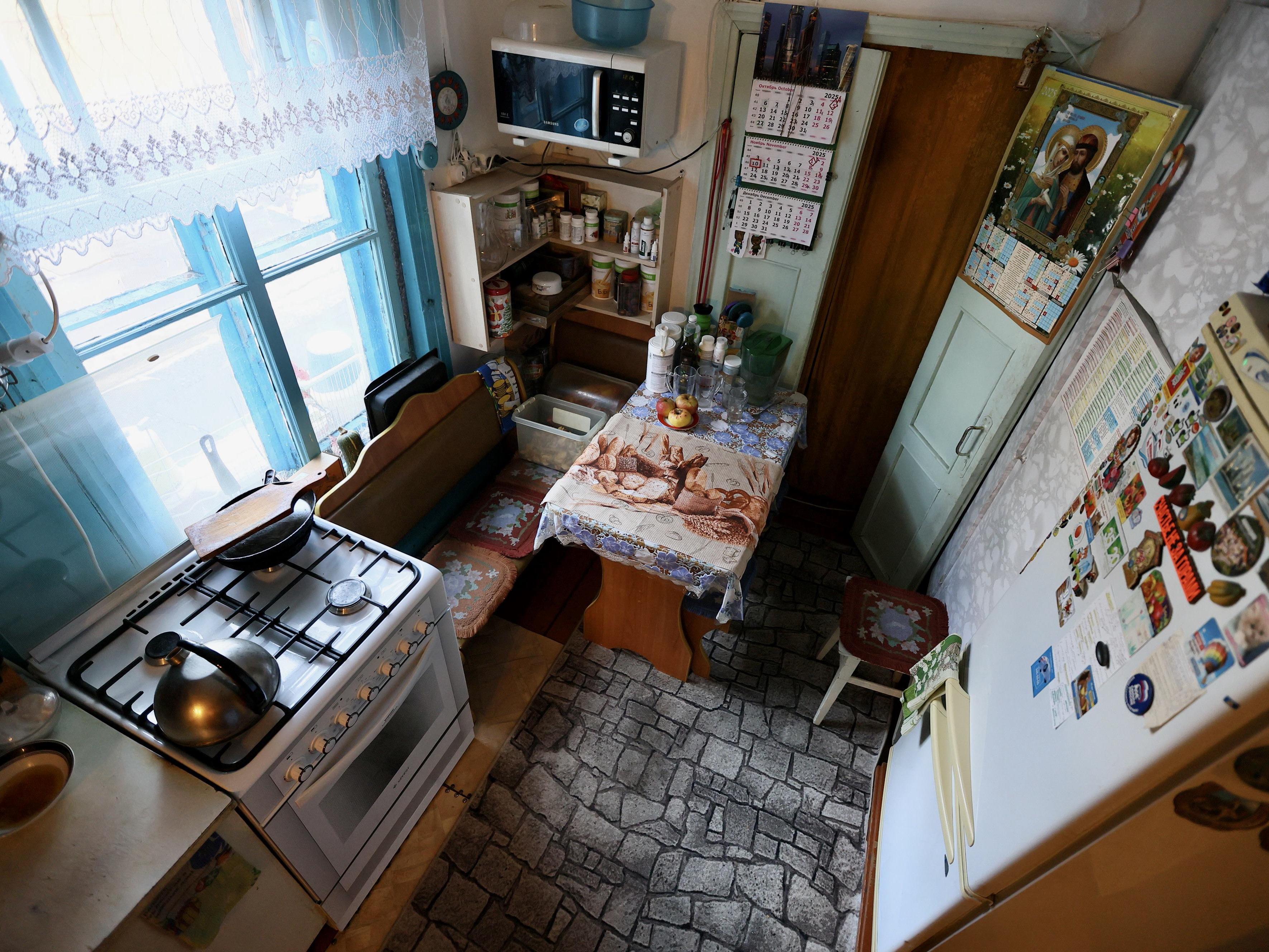
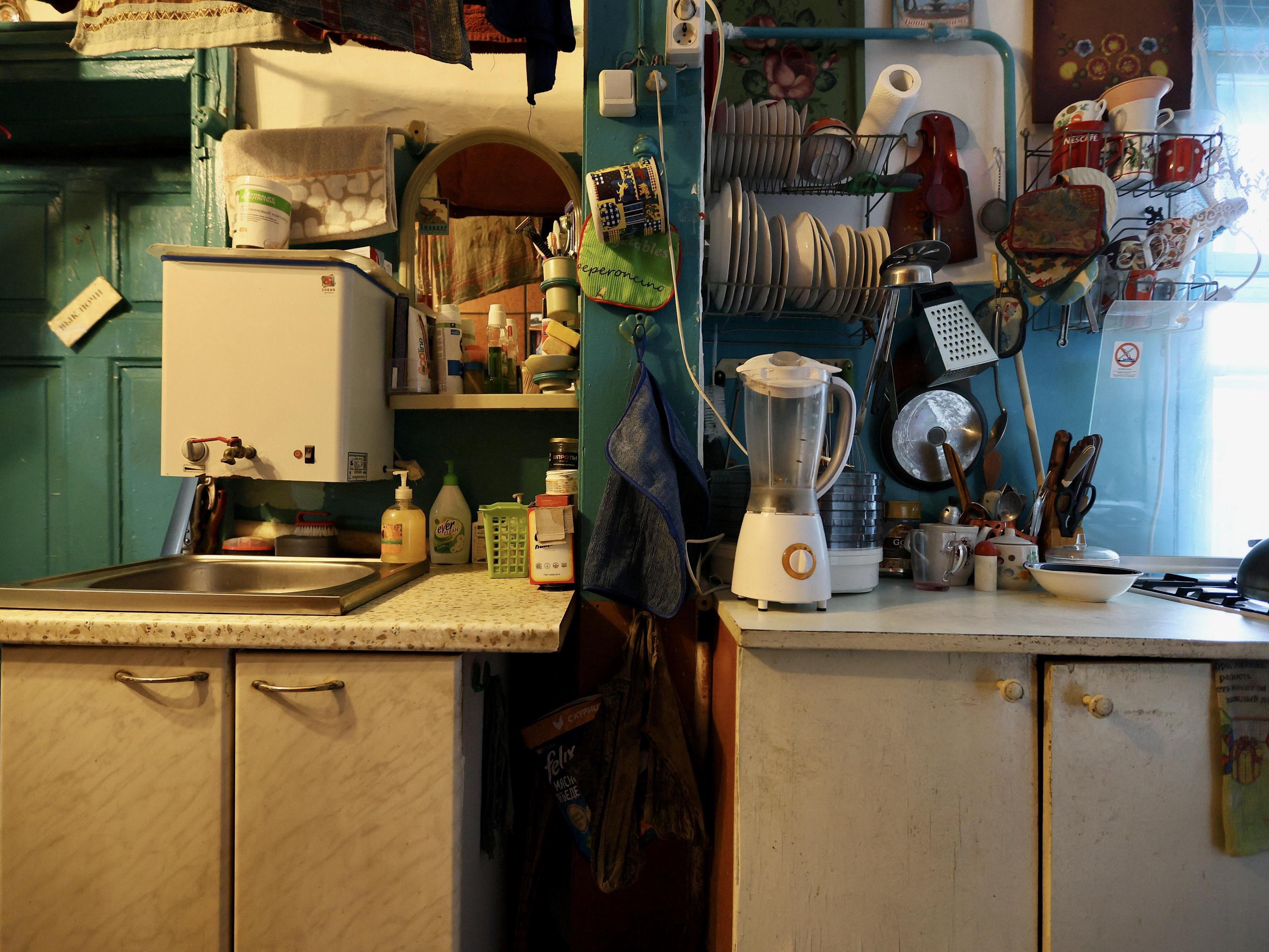
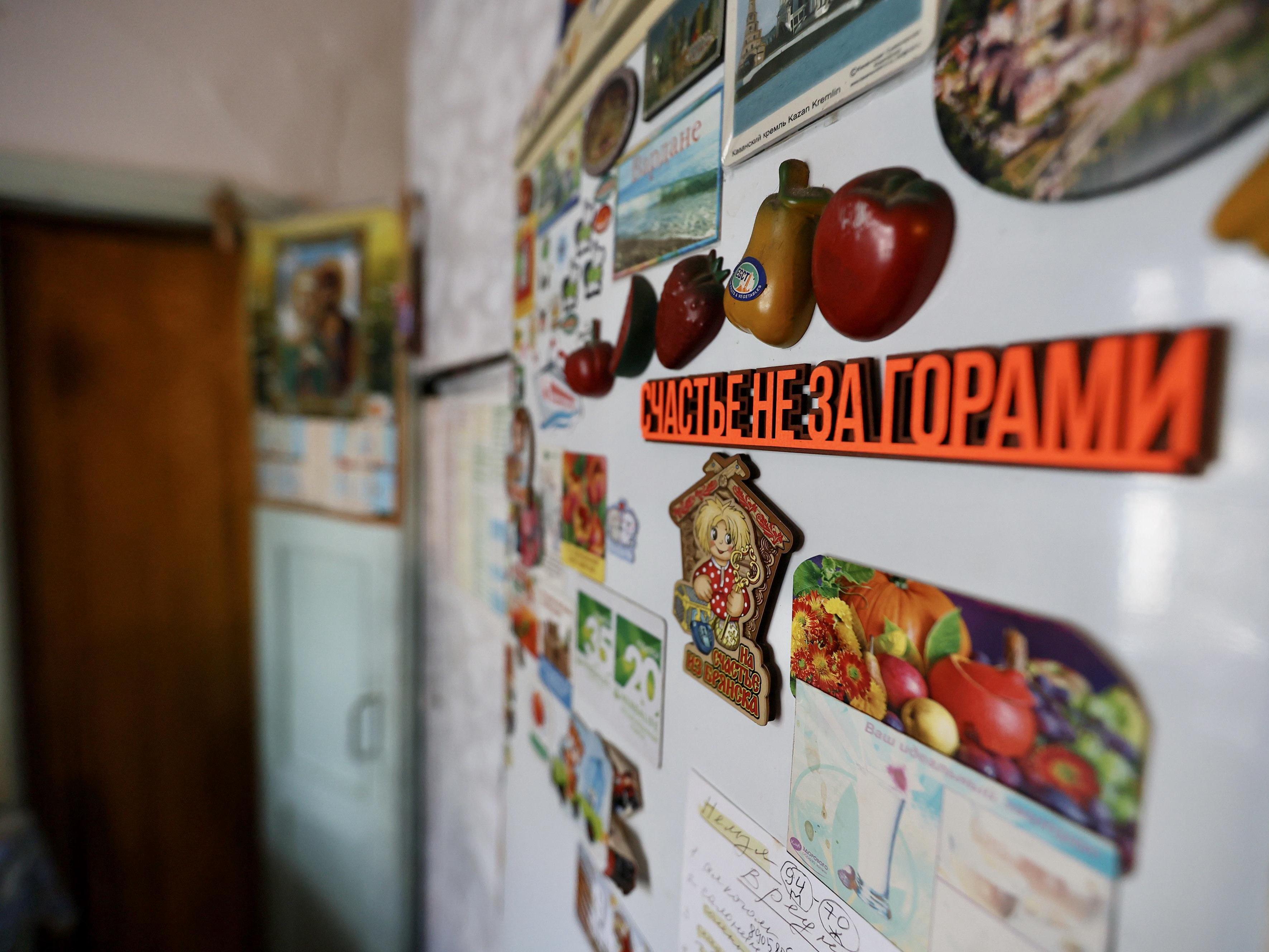
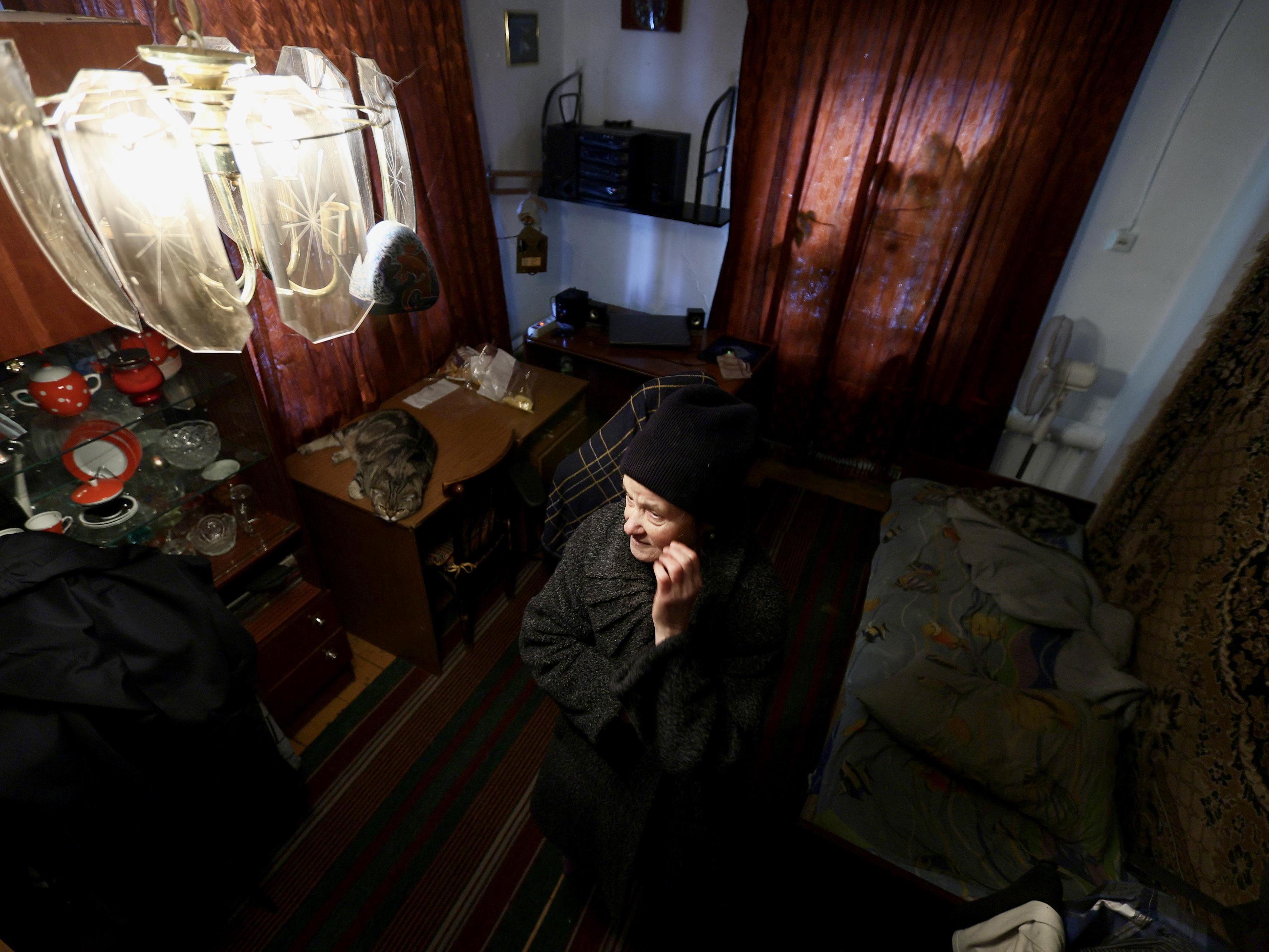
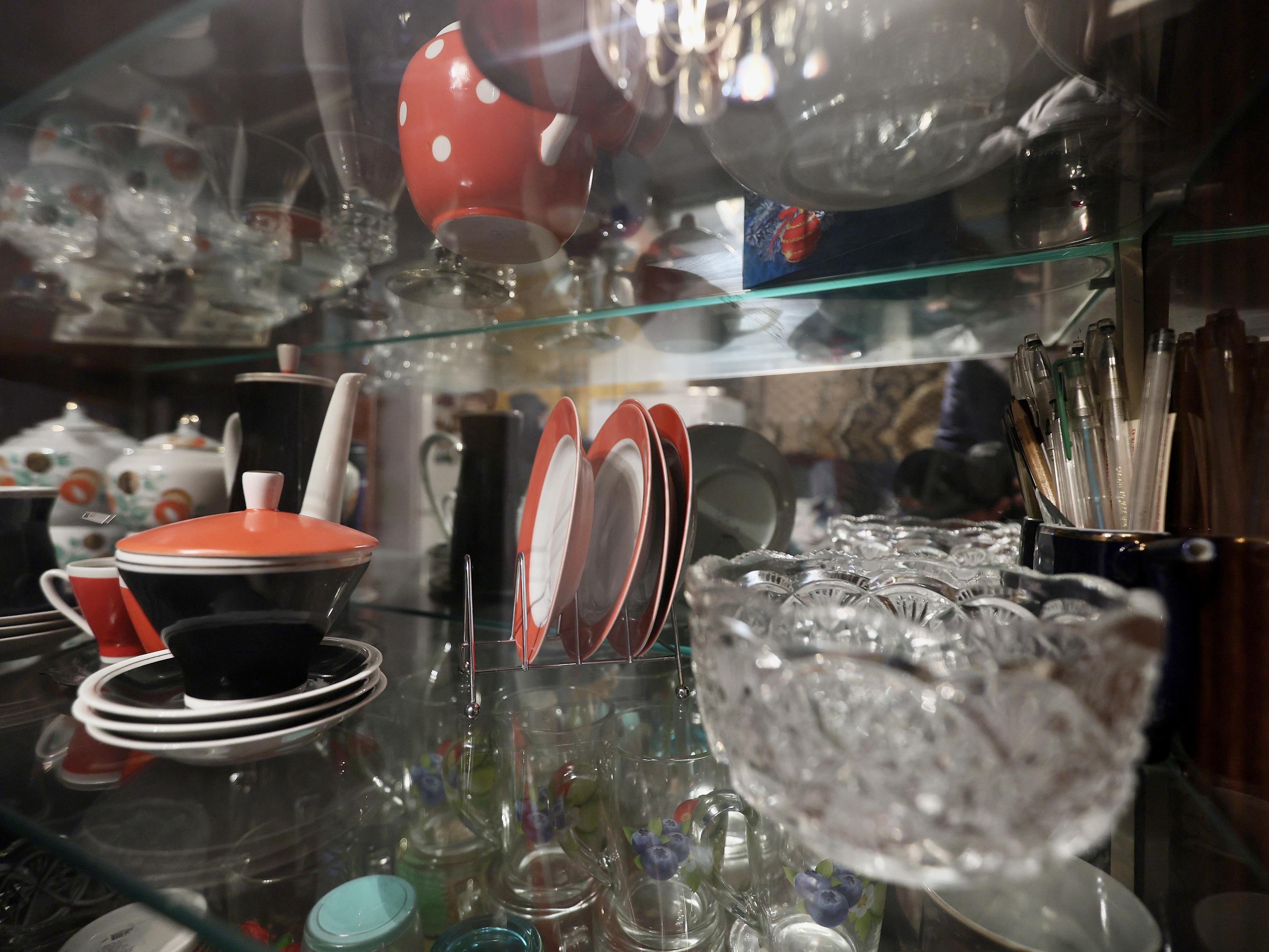
«Our son lives and lives with us. Not married, no girlfriend. And the main thing — he doesn«t need any of that. Here he»s fed, watered, everything washed,» — says Lyudmila Vladimirovna.
But she adds that he does work after all. Lately — together with her husband at the «Experimental Track Machine Plant».
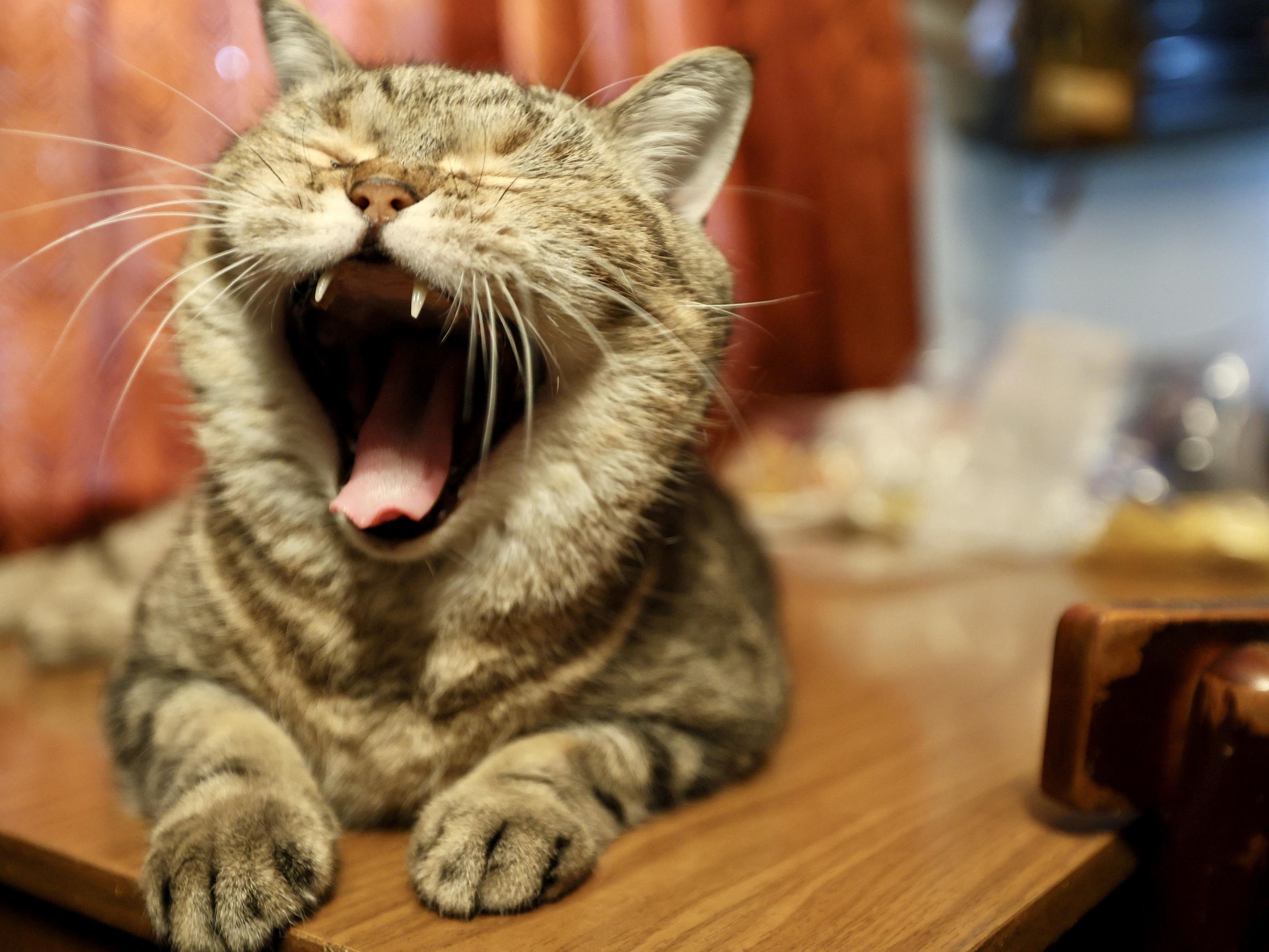
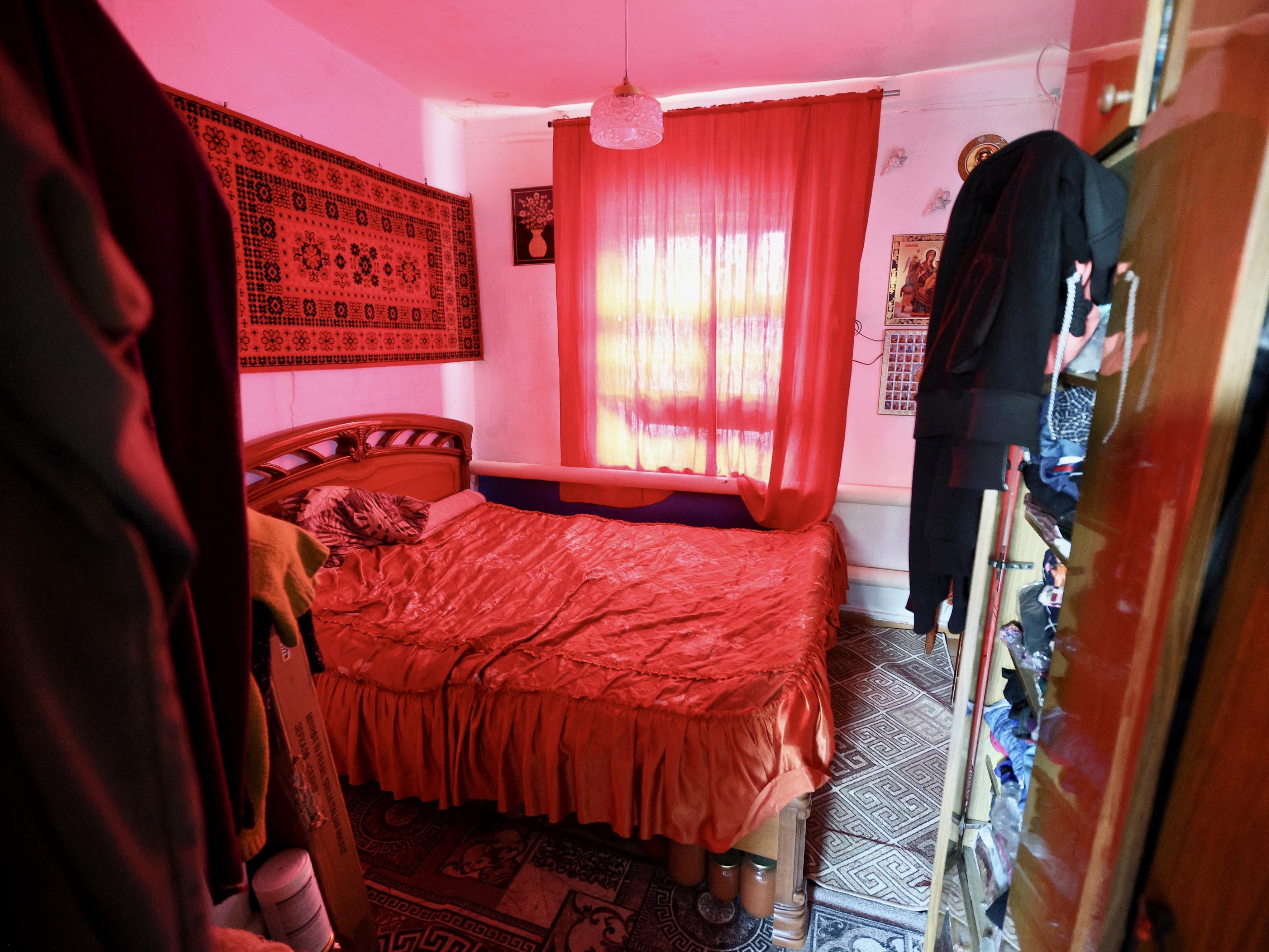
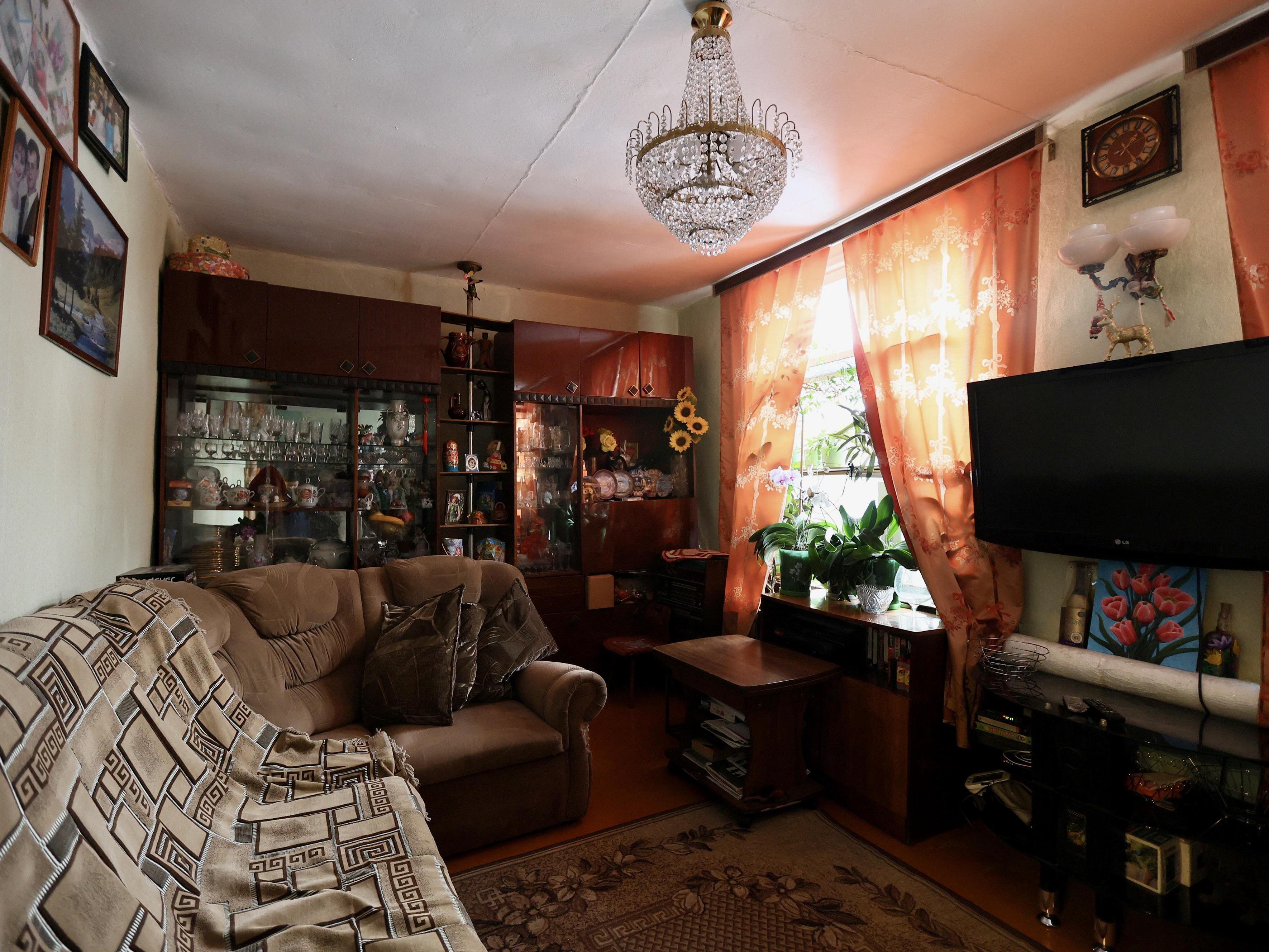
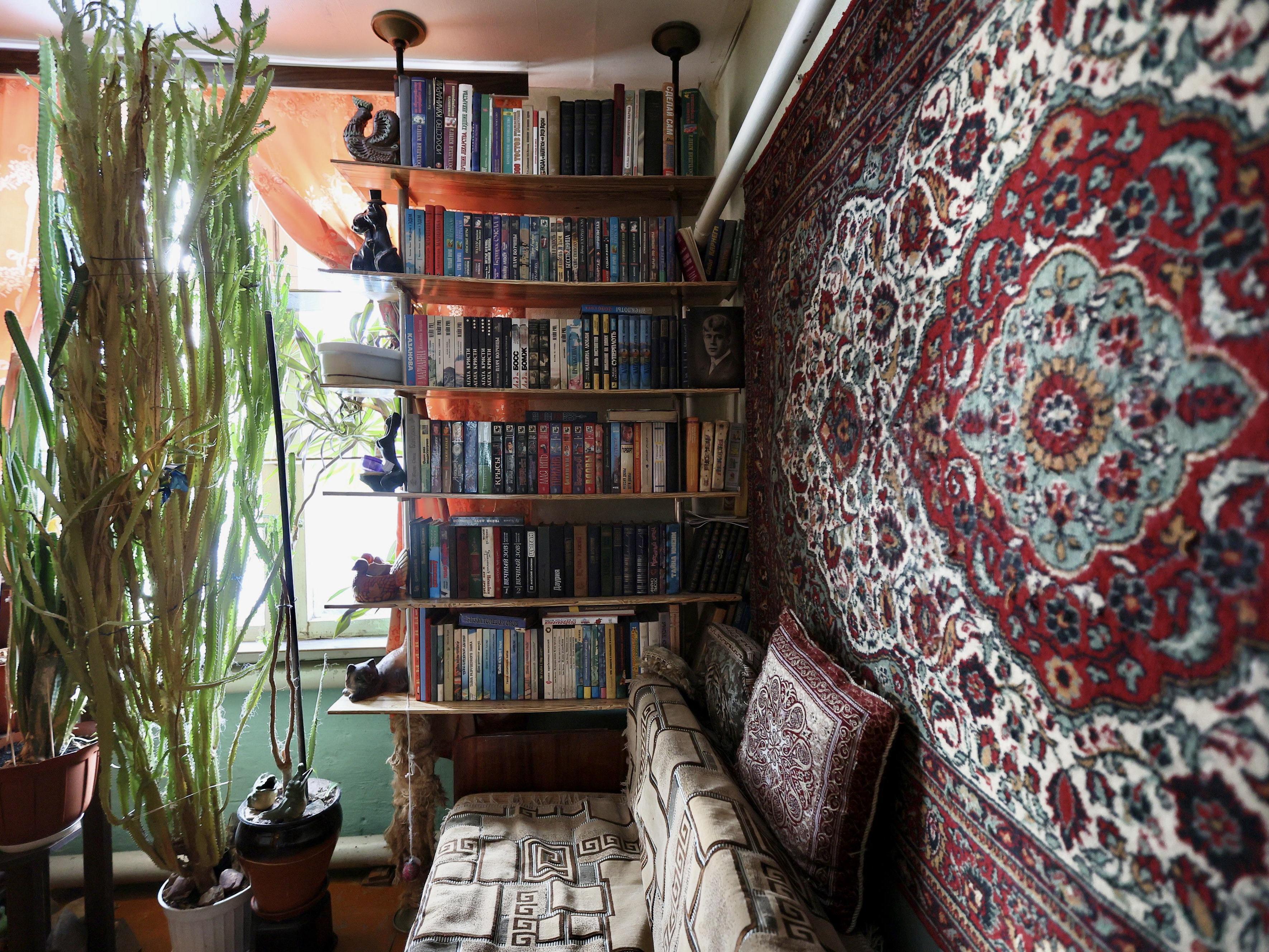
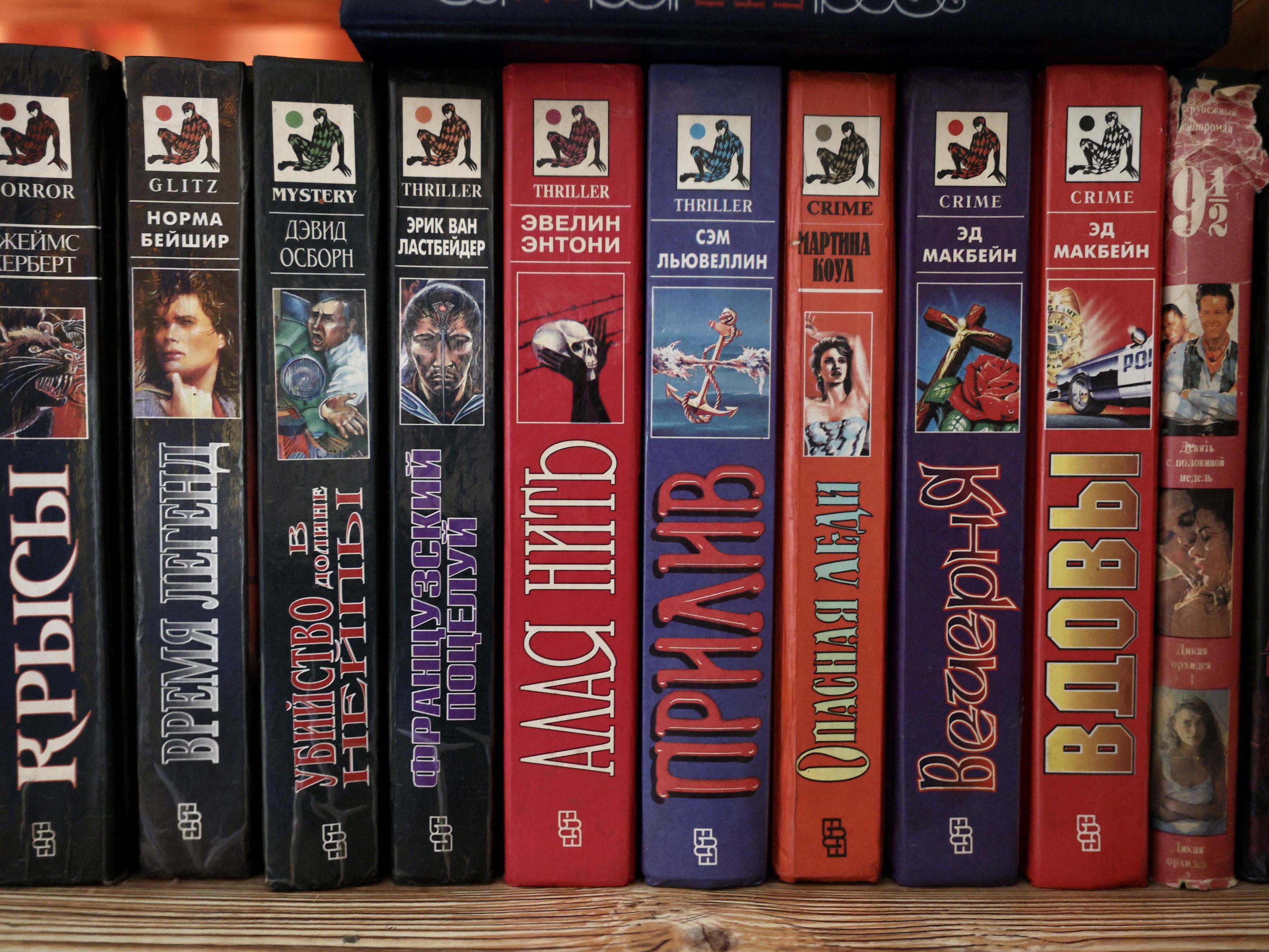
«My husband loves to read. Though, he doesn«t apply any of it — if only he told me something. Eh, no, nothing,» — laughs Lyudmila Vladimirovna.
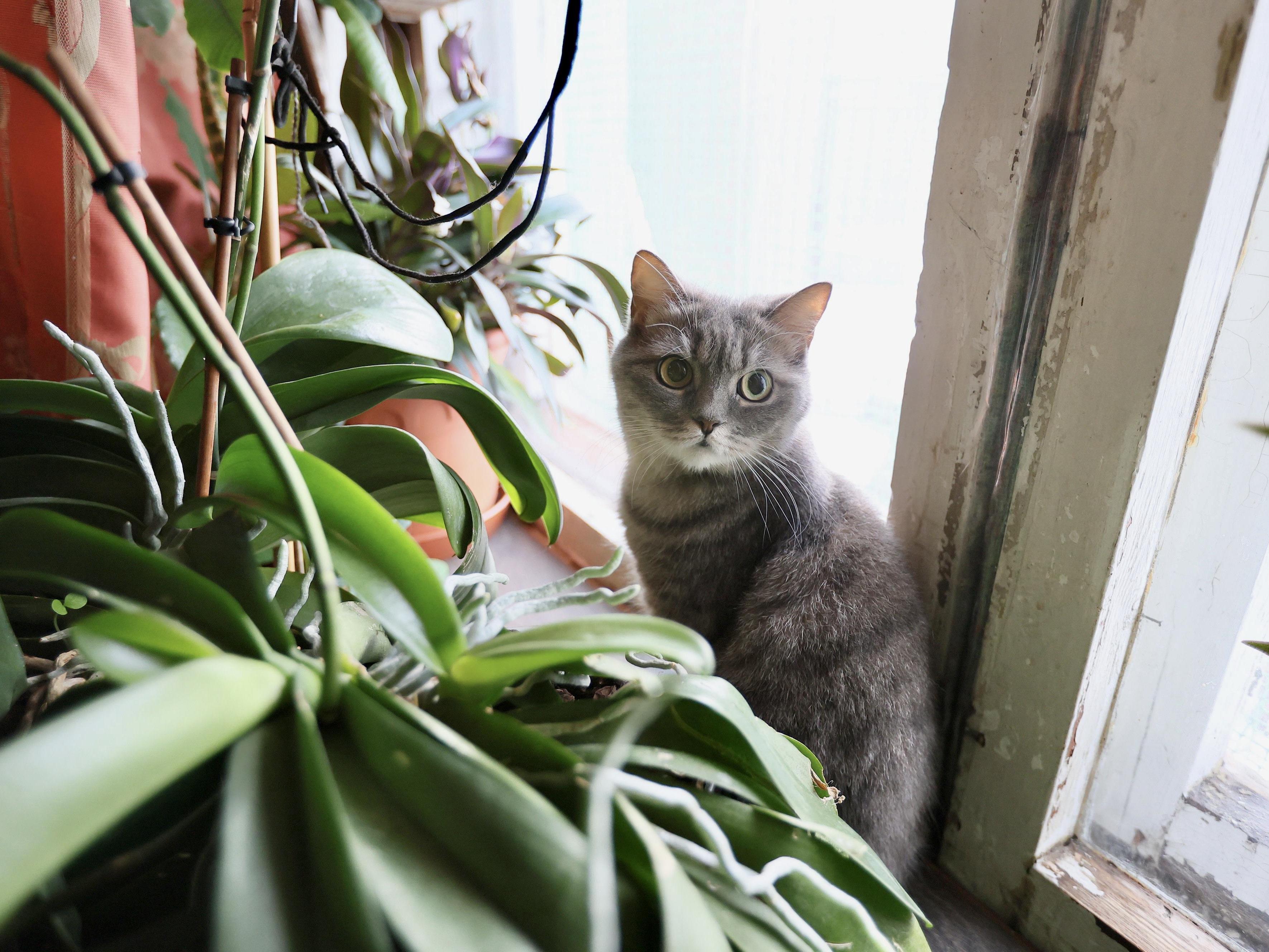
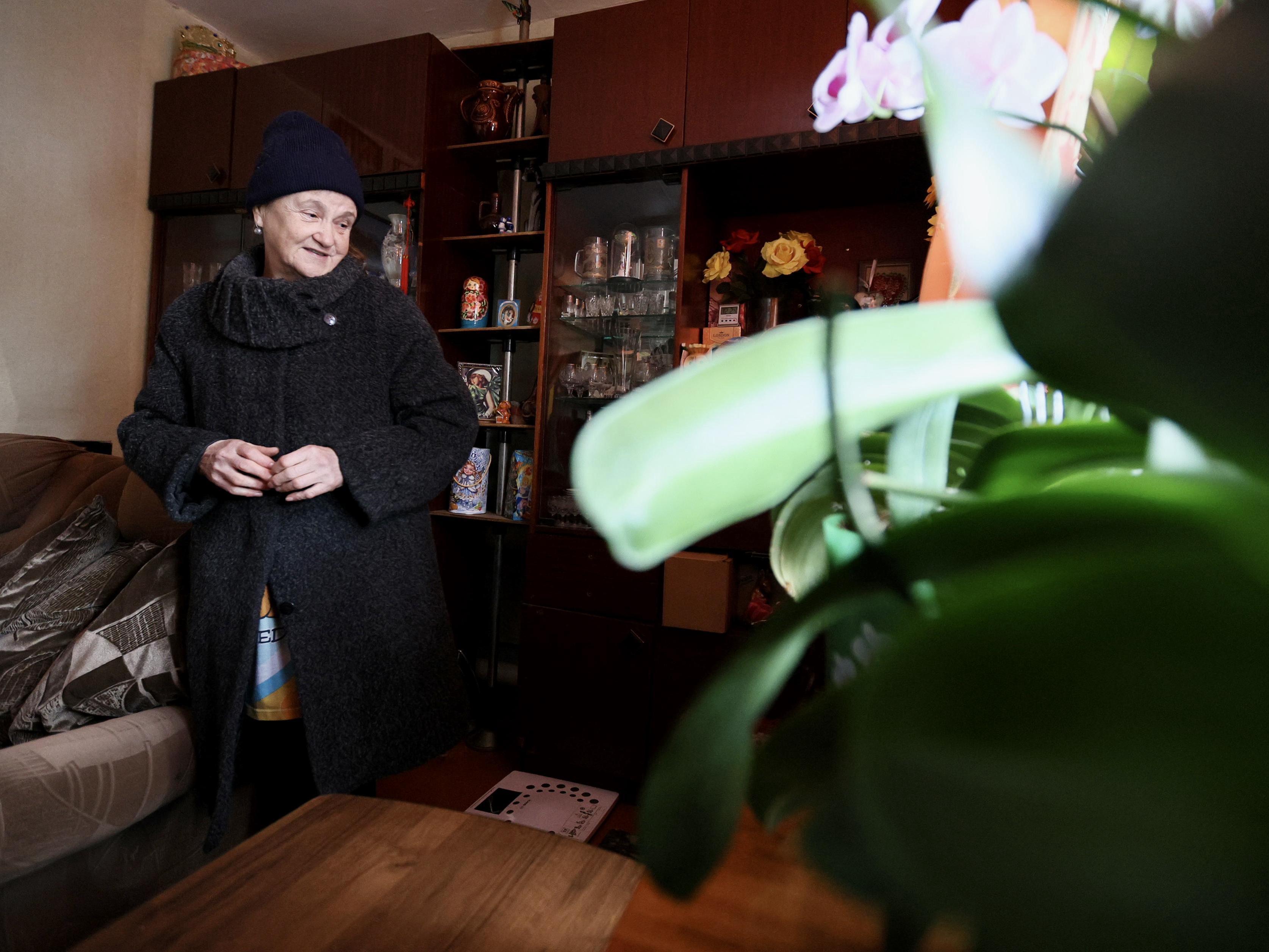
«Recently, «The Magnificent Five» was on, then «The Blind». And my husband, of course, watches all about Ukraine,» — says the hostess.
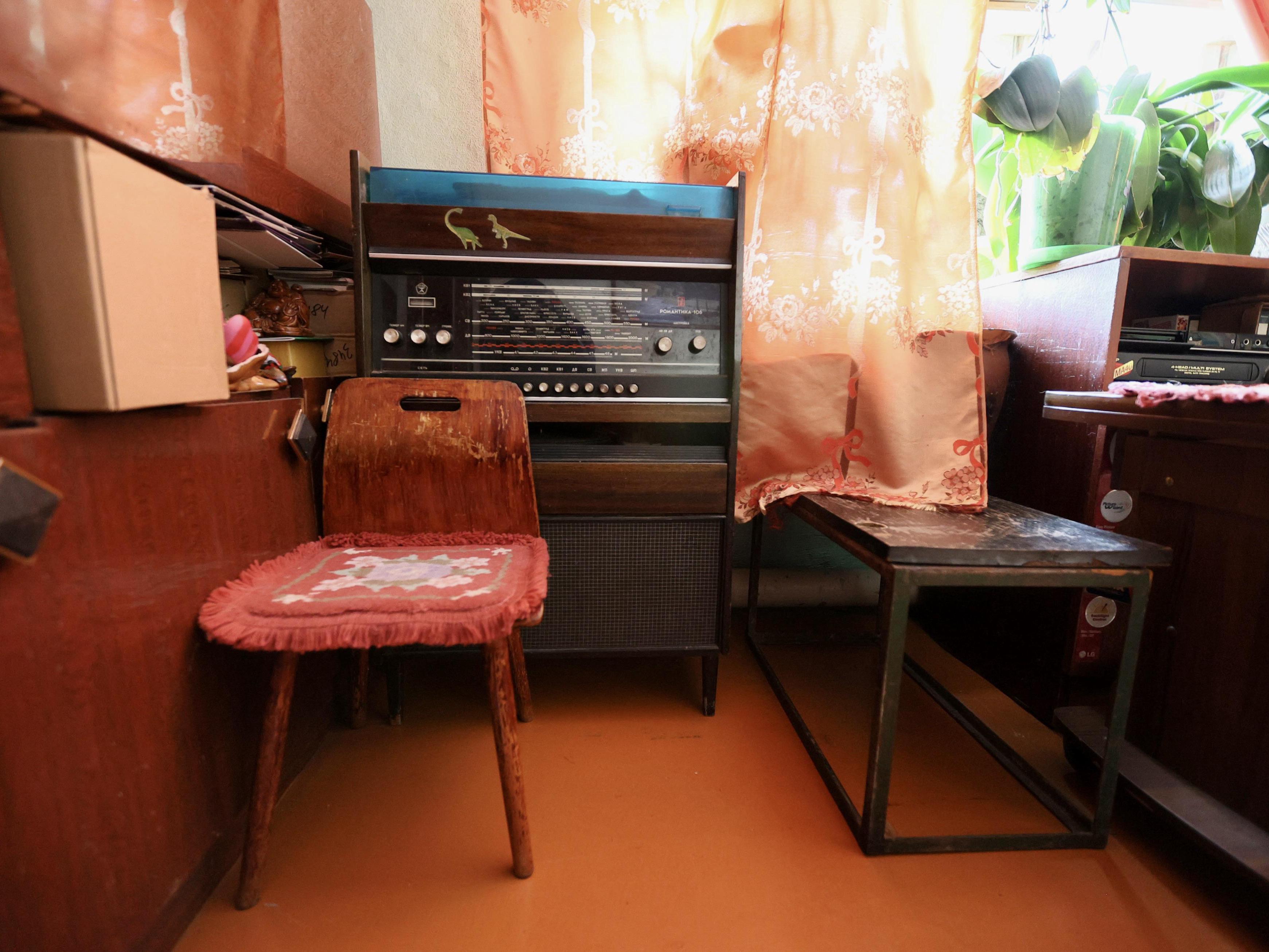
«We had to go to a neighboring village because they didn«t sell such things in ours. When our parents found out, they were so outraged — there»s nothing in the house yet, and we«re buying this nonsense. But we really needed it. Though, we didn»t really listen to it later,» — smiles Lyudmila Vladimirovna.

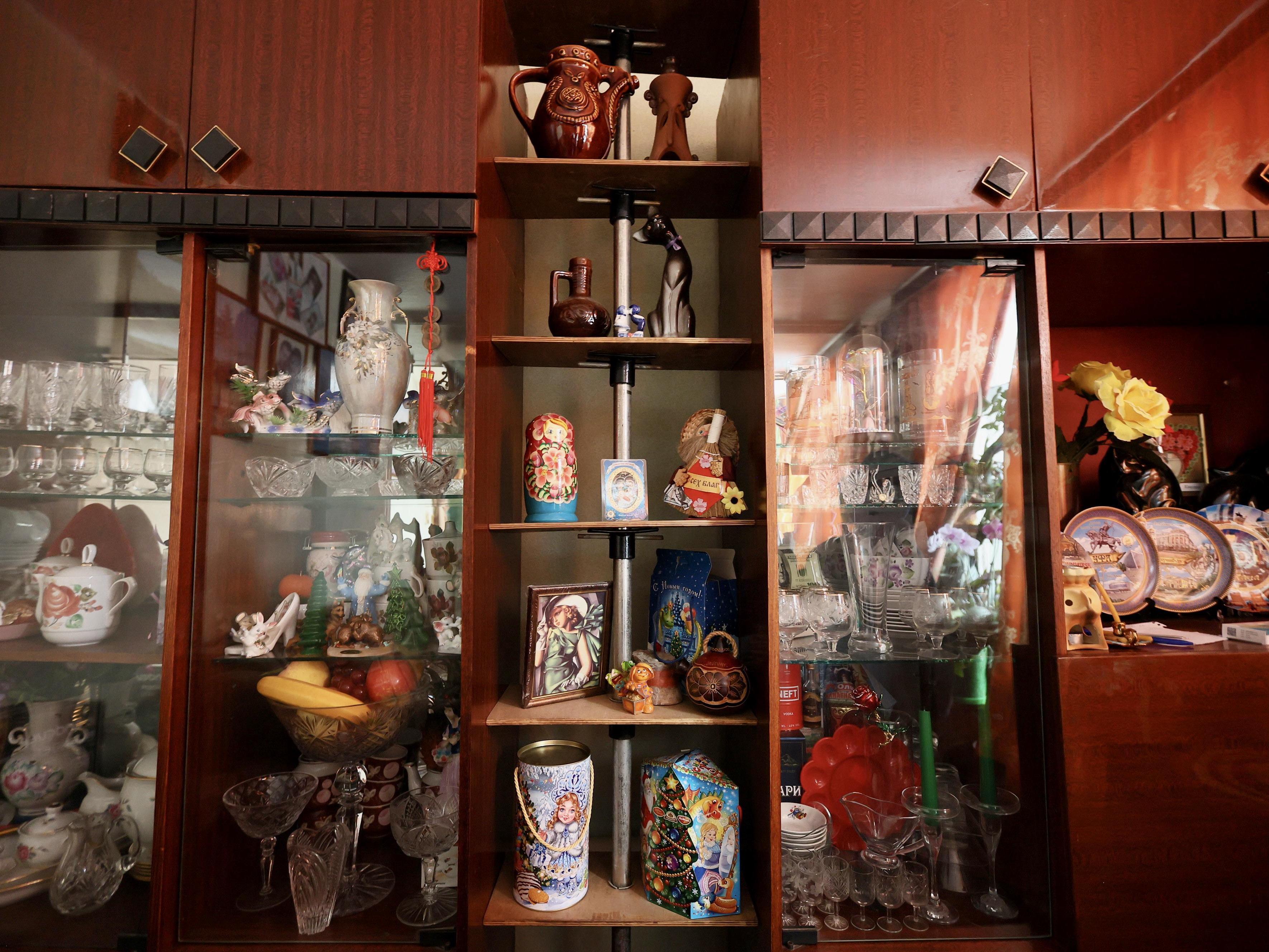
«On the other hand, everyone remembers that these wall units were hard to get, but no matter which pensioner you visit — they all have them. Many have even more interesting ones, long like that,» — reflects the hostess.
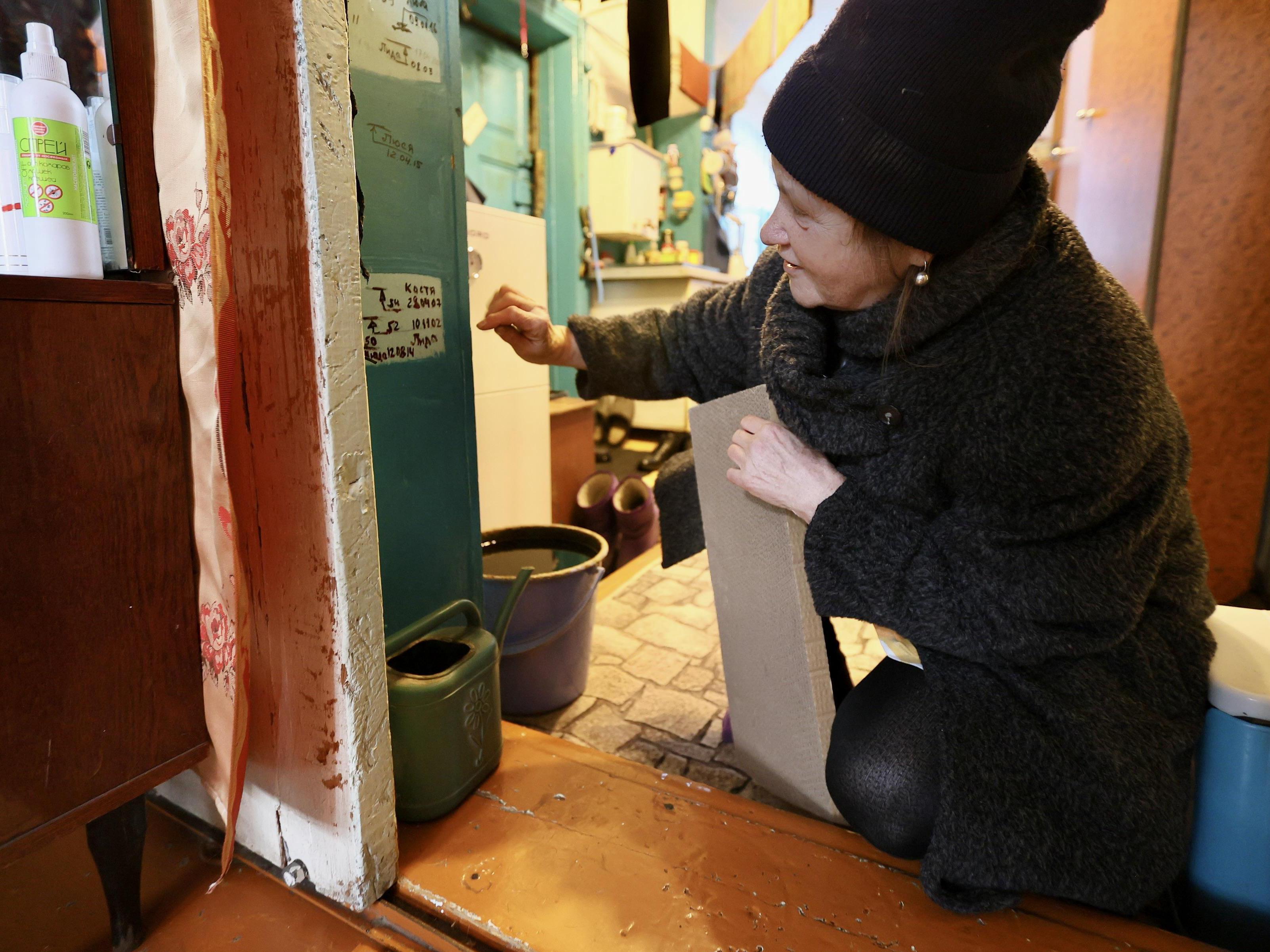
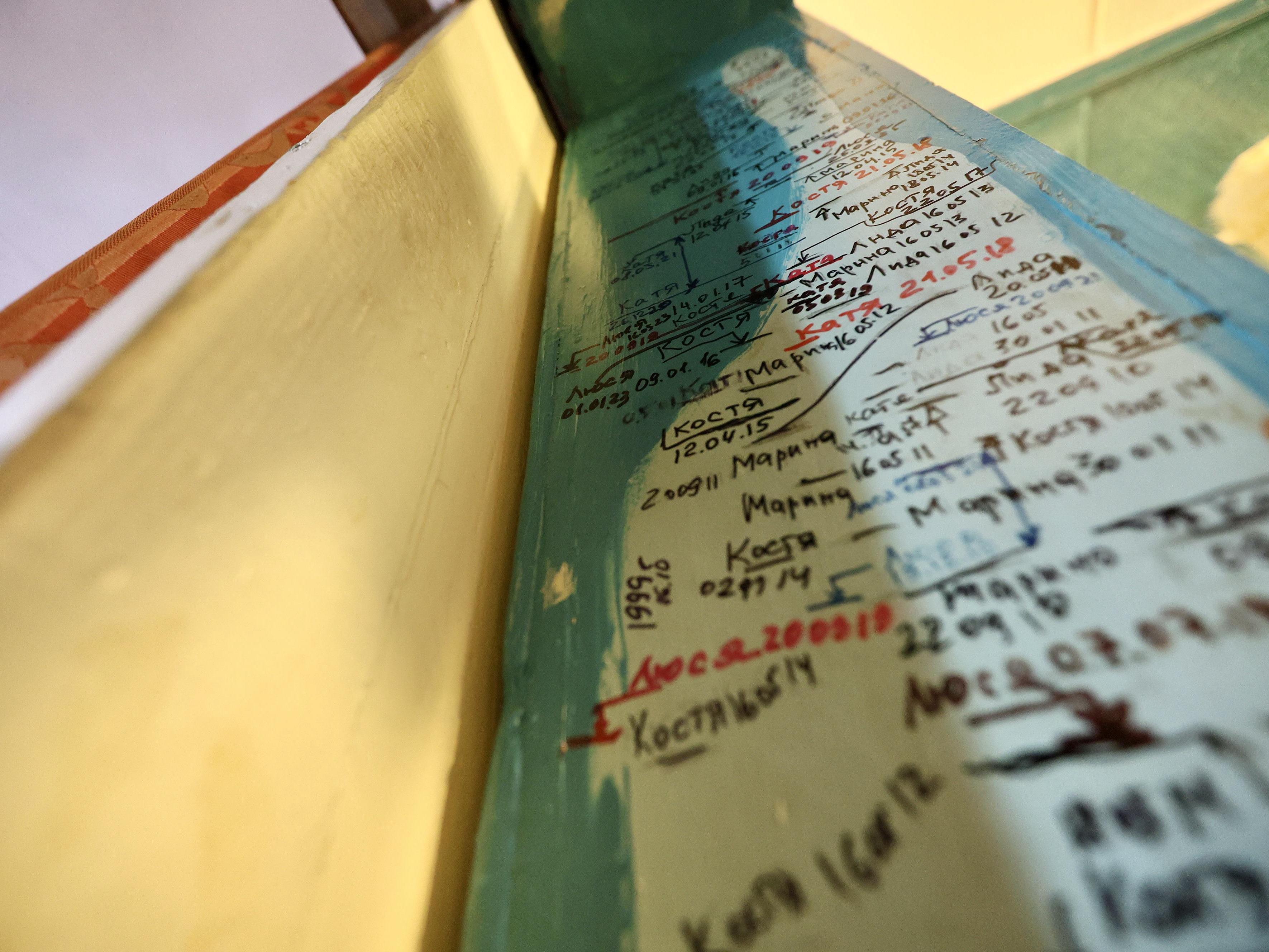
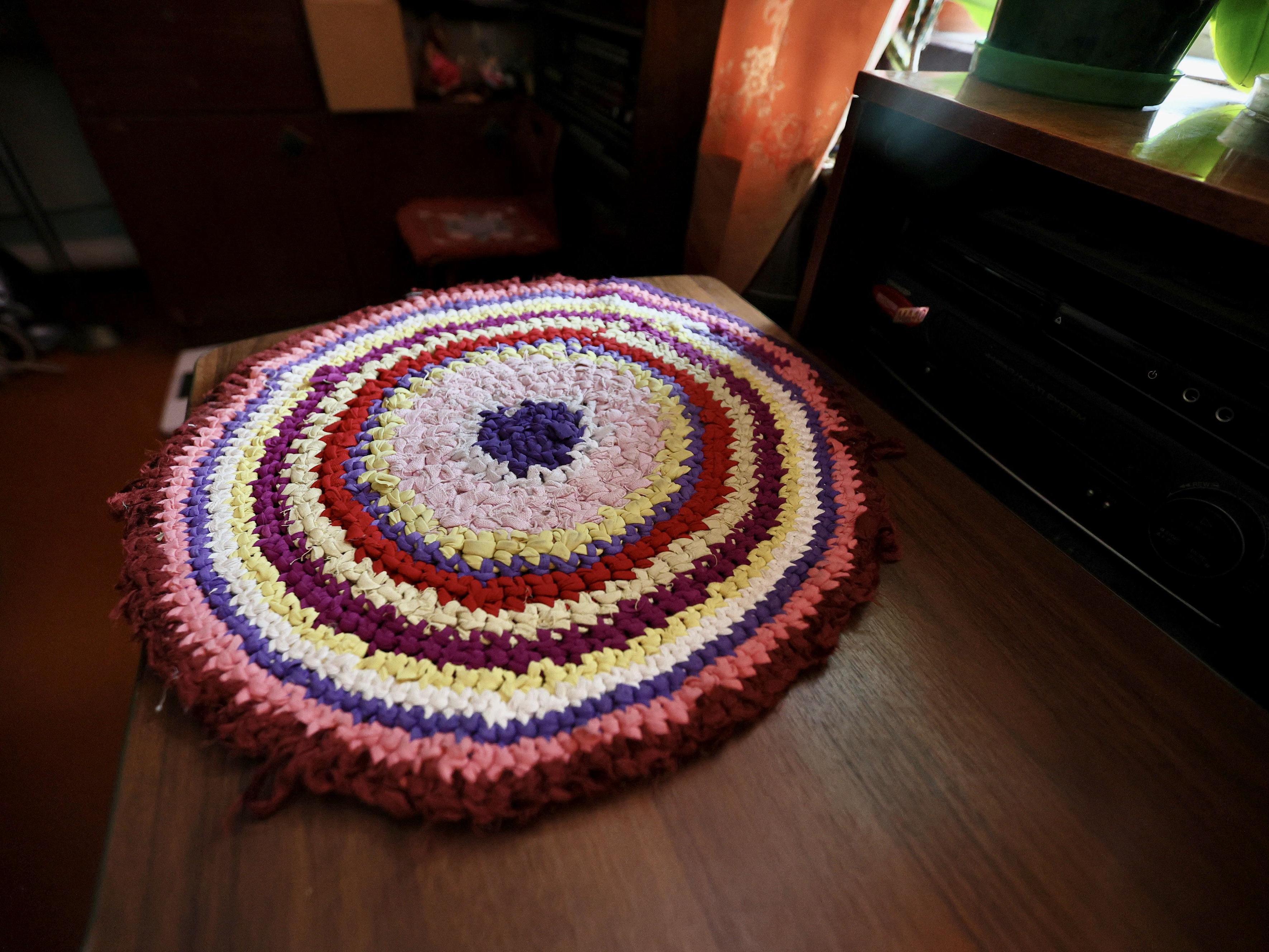
«Sometimes you have to sort through the potatoes, otherwise they rot. Sometimes you pickle cabbage, and it gets eaten — have to pickle again. Well, and I knit, of course, like all pensioners. <…> I don«t even know how I learned. It just happened. You become a grandmother — and suddenly you can knit,» — explains Lyudmila Vladimirovna.
While telling about such small things, she often mentions that she doesn»t complain about life and is generally satisfied with everything. To be honest, by the end of the meeting, we even asked her to complain more, but Lyudmila Vladimirovna — wouldn«t budge. Says she has children and grandchildren. Pension — 24,000 rubles (approximately $240 at current rates), but her husband works, it»s enough to live on.
«He watches the news and starts — oh, what«s happening there, it»s the end for everyone. Usually about Ukraine. Says he«ll go to the special military operation. And I say, who»s waiting for him there? Well, and why watch it then? If a person can«t change reality, then there»s no point in getting upset,» — reflects Lyudmila Vladimirovna.
Read also our report from Novosineglazovo — one of the most remote microdistricts of Chelyabinsk. Even native residents of the city know little about this place.