Krasnoyarsk utility accident leaves over 10 buildings without cold water
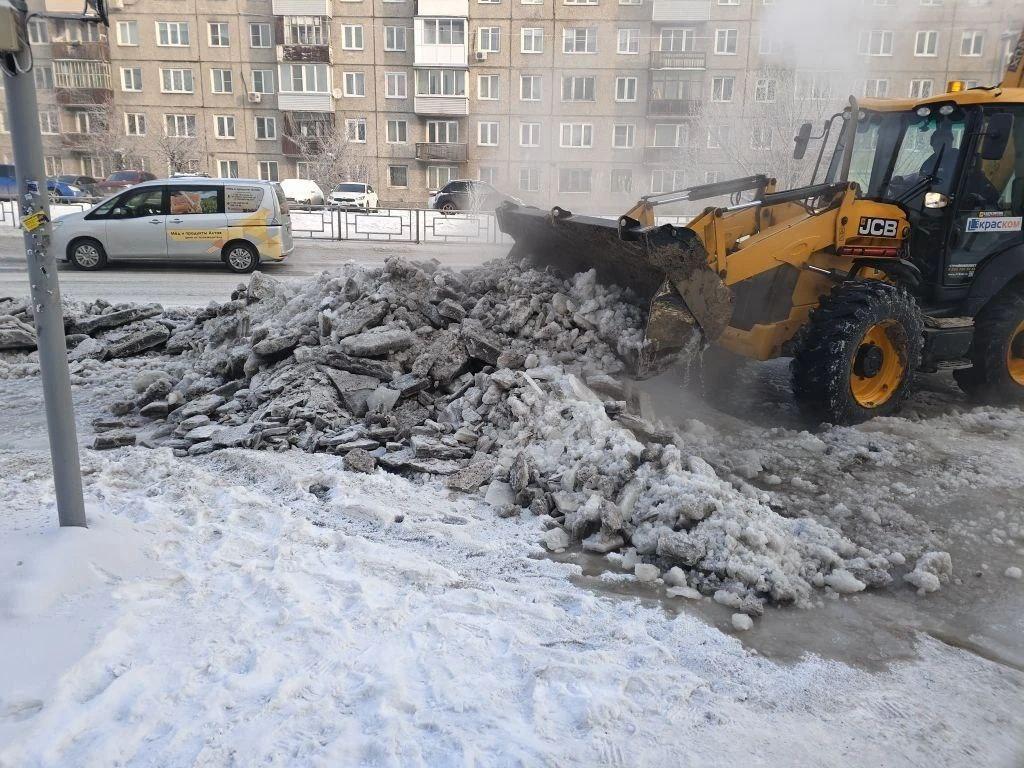

Krascom promised to start repairing the water pipe at 17 Zheleznodorozhnikov Street tomorrow, January 21. Due to the accident, an ice rink has formed on the roadway and pedestrian crossing.
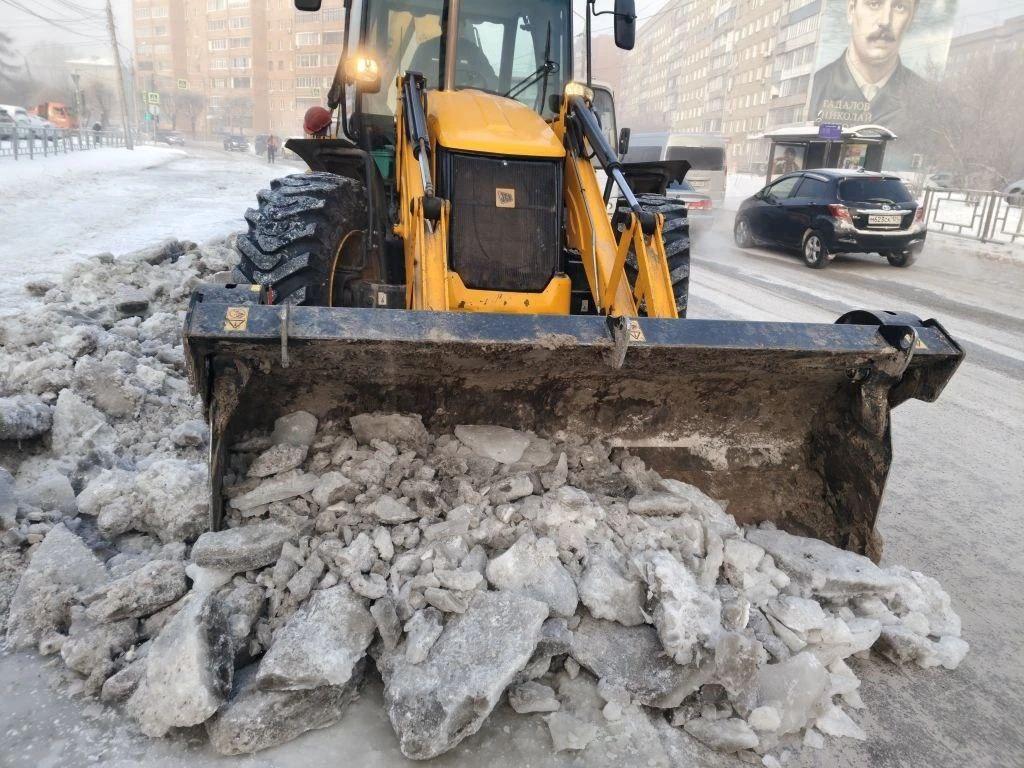
As reported by Krascom, its workers have so far cleared ice from the road on the section between Zheleznodorozhnikov and Krasnoy Gvardii streets. Utility workers advise drivers to be especially careful in this area, maintain distance, and observe speed limits.
«The Epiphany frosts are testing the durability of excavation equipment, whose hydraulics are designed to operate at outside air temperatures down to -25°C (-13°F). For its repair and thawing, additional duty shifts for auto mechanics have been organized,» reports Krascom.
Krascom warns: tomorrow, when they begin repairs directly, cold water supply may be shut off at the following addresses:
Residential buildings:
- Zheleznodorozhnikov Street, 19;
- Maerchaka Street, 14.
Administrative buildings:
- Krasnoy Gvardii Street, 21, 23, 24;
- Zheleznodorozhnikov Street, 17;
- Maerchaka Street, 14, 16, 18, 18a, 18v, 18g.
«Since the frost continues, residents of private houses are recommended to ensure circulation of cold water to prevent their private water pipes from freezing. This recommendation also applies to organizations servicing standalone buildings, especially kindergartens,» say Krascom.
In total, according to utility workers, over the past days of abnormal frosts in Krasnoyarsk, more than 25 sections of water supply networks have frozen. Among them, 15 are private water pipes, four each in the basements of residential buildings and administrative buildings, and two in social institutions.