Krasnodar City Hall Sign Crackdown Strangles Businesses


In Krasnodar, authorities have decided to amend the urban improvement regulations, which cover everything from landscaping and the organization of children«s and sports areas to lighting, fencing, facade appearance, and signs. The draft can be viewed on the administration»s website; the document spans more than 100 pages.
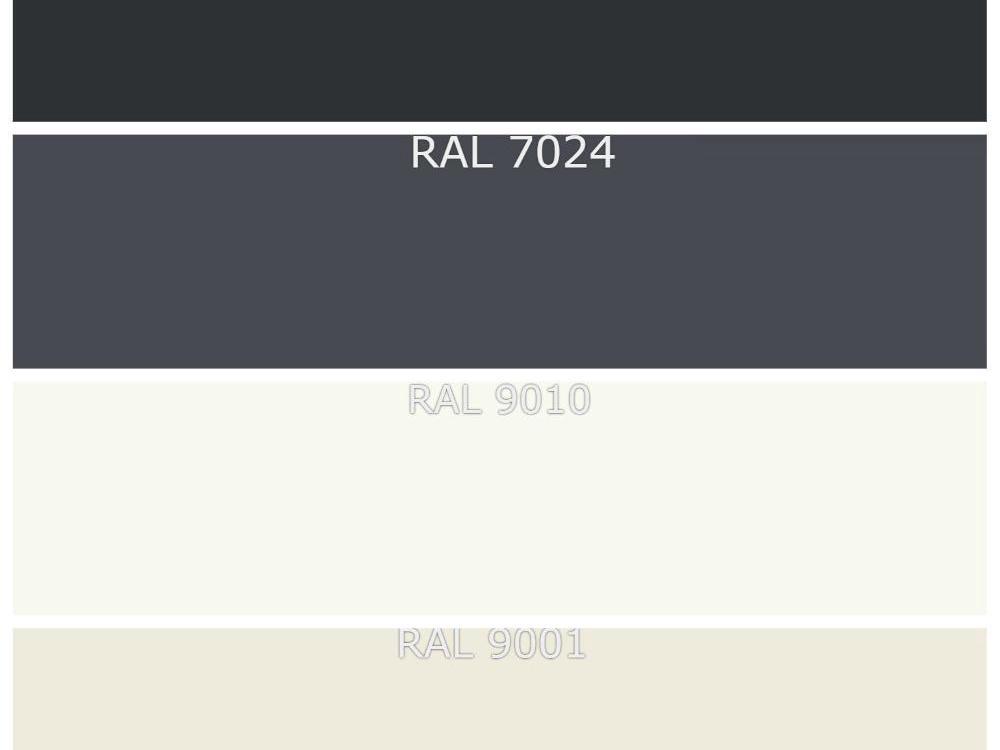
Colors permitted for sign design in the historical center of Krasnodar
Last week, public discussions were held on the new rules, with most of the time dedicated to landscaping issues. Among the proposals from the public were to bring order to tree-felling permits, remove carcinogenic rubber from playgrounds, and provide detailed reporting on compensatory planting. More details can be found in the channel of the public movement “Help the City”.
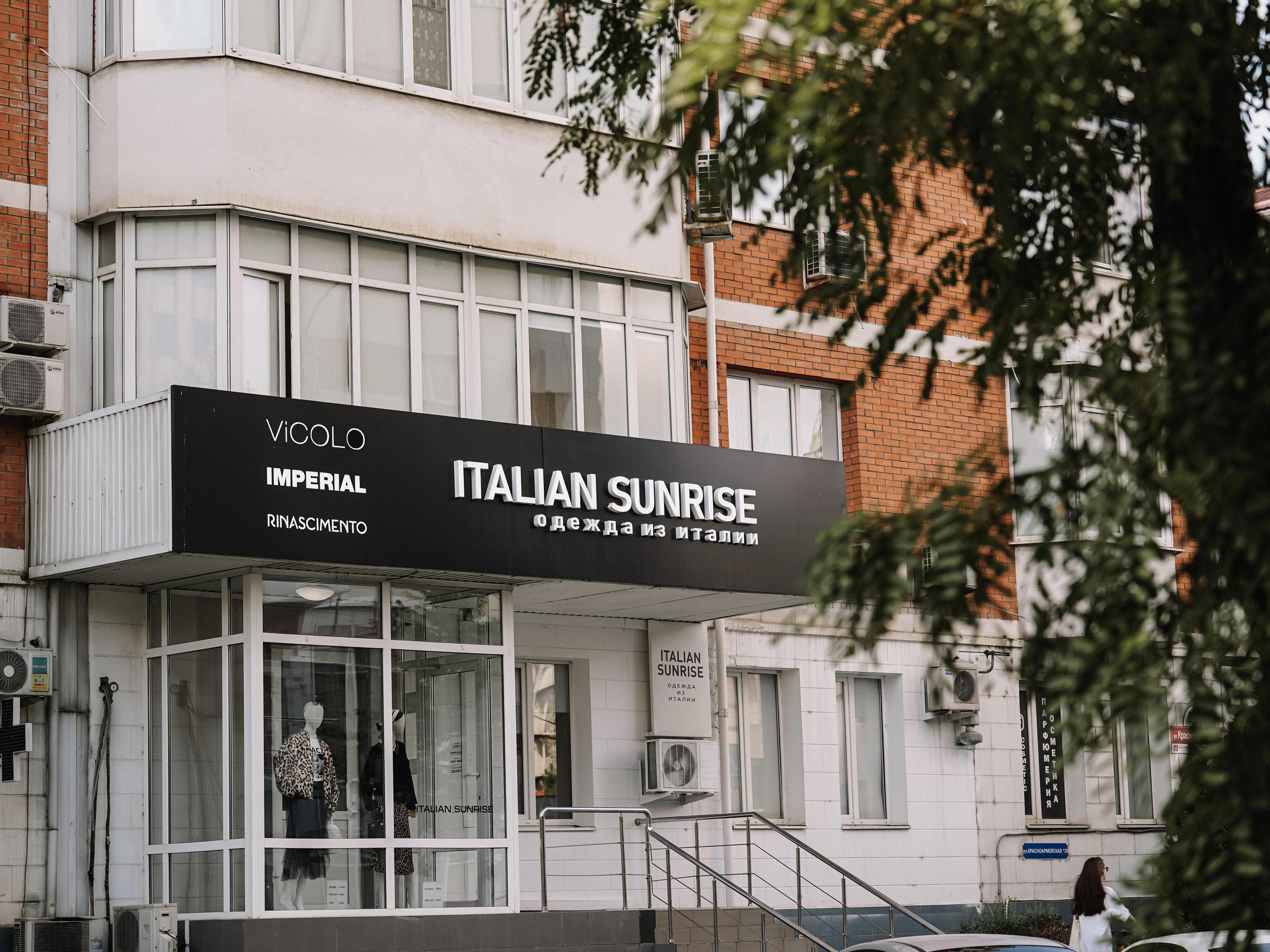
However, the new improvement rules largely affect entrepreneurs. Advertisers participated in the hearings, stating that the innovations introduced by city hall regarding signs have been hindering small business operations for years.
What is happening and why the drive to bring the city to a uniform design more resembles an absurd spectacle — 93.RU investigated.
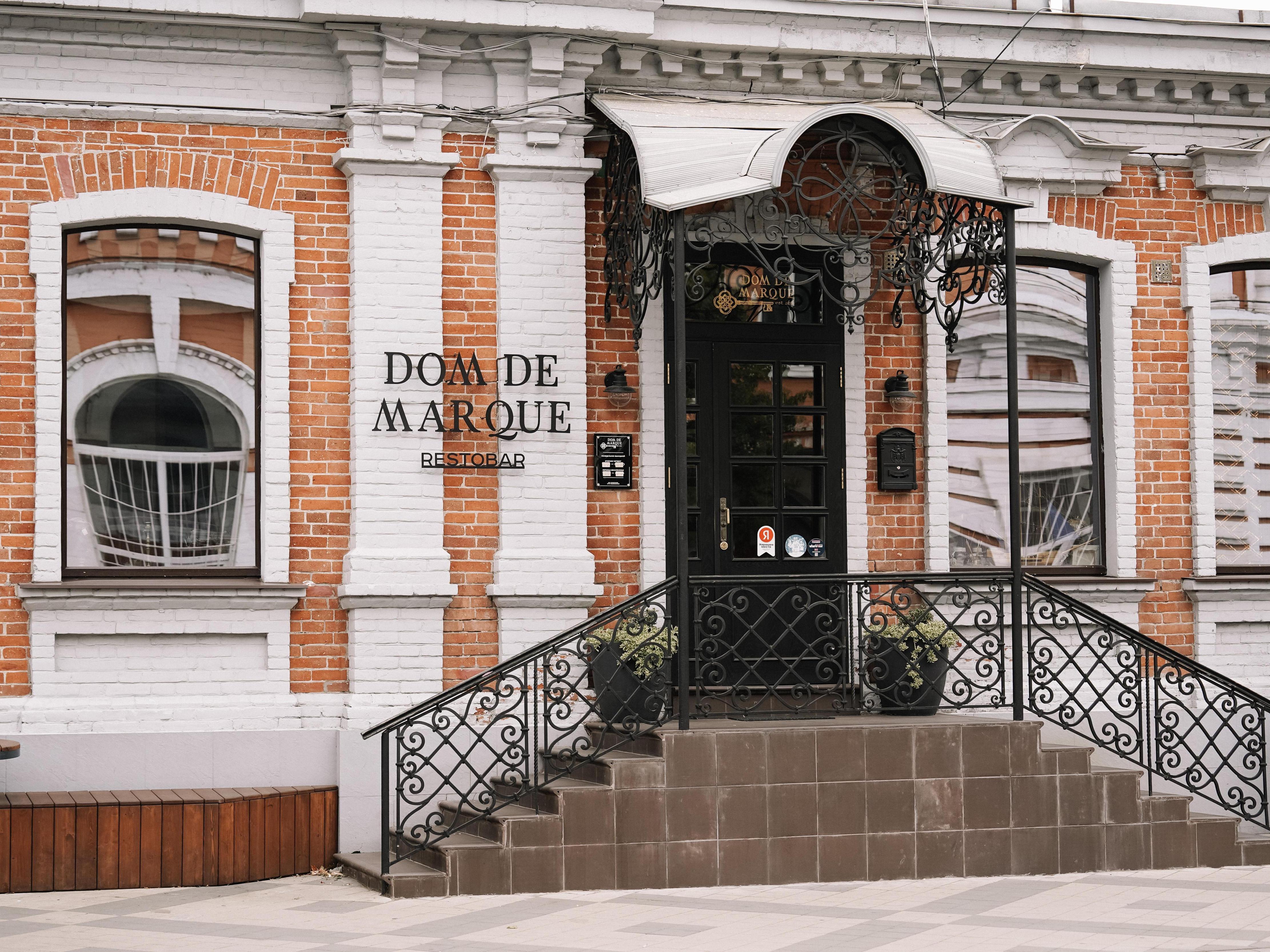
A City Like a Black-and-White Movie
Yulia, head of the company «Geometry of Advertising», has been working in the industry for nearly 20 years and has personally witnessed how the approach to placing advertising and signs has changed — from eliminating banners along streets to introducing specific color schemes. With the arrival of each new chief architect, new rules on colors and design were introduced. Thus, owners whose businesses are on thoroughfare routes have to change signs even if they were previously approved.
“Now we have rules that say: only black background and white letters. As an example, they cite the «Turgenev» residential complex. But if you go there and try to find a mobile phone salon in a huge building, you«ll get tired of doing it. After all, we have a habit that certain stores have their own colors by which we recognize them. Functionally, no one has won. Business has lost, consumers have lost. Aesthetics have won. But when it»s not one building, but the whole city… If you look at photos of even strict St. Petersburg, the entrance groups are decorated with flowers, vines all year round. Here, only a few do it at their own risk,” — Yulia told 93.RU in an interview.
Kristina, head of the advertising and production company «Creation», in a conversation with 93.RU confirms that under the current sign design rules, the capital of Krasnodar Krai is turning into a black-and-white movie.
“Although we can create a Kuban style, something associated with the region. In many Russian cities, there are competitions for interesting fonts, colors, but here everything has gone into strict shades, with which you cannot emphasize yourself and attract visitors. I understand why a number of restrictions are introduced, but it«s possible to do it so that people still have a choice,” — says Kristina.
Connection with the Administration Lost
Previously, the city«s chief architects were willing to discuss important issues with advertisers. For example, under Natalia Mashtalir, such meetings were held once a month. It happened that sign designs had to be approved not once or twice, but in the actions of administration employees, as our interviewee Yulia says, there was logic. After Ilya Chikaev came to the position, the connection between business and city hall disappeared.
Advertisers have repeatedly proposed to city hall representatives to resume meetings, but received a firm “no” in response. Now work is conducted in writing: request — response. Moreover, if a refusal comes to approve a sign project — city hall does not always consider it necessary to explain why.
“We submit a project for sign approval according to current requirements. If we missed something, they write us a refusal. Sometimes in the refusal they state the reason. Sometimes they ask to provide an additional package of documents. And sometimes they simply write: «Does not comply.» And then we have to go back to the architecture department, call, ask for a specialist to come down and give us an explanation. And so almost every day…” — admits Yulia.
Kristina, head of the advertising and production company «Creation», in a conversation with 93.RU adds that it«s not a problem to initially discuss with the client what the authorities» requirements are and find a solution, but there are cases where city hall first says one thing, and then it turns out completely different.
“For example, there is no other place to place a sign on the building except on the canopy, but it is officially prohibited. And employees of the architecture department say that in such a case, the sign can be placed that way, but then you send a project where you specify everything, and you get a refusal. The current rules are written so narrowly that with the slightest complications, no one can give you feedback on what would be correct.”
Yulia gave us an example that happened with her client. First, the sign turned out to be too bright — they together with the owner made white letters on a black background. But then it turned out that the backing was larger than needed, and the administration stated that it had to be removed entirely, even though it hides a shabby facade. But that concerns few people.
Another client of Kristina«s, during room renovations, covered the windows with film saying “opening soon” so that the construction wouldn»t be visible. But city hall issued an order: only 30% of the facade can be covered. In that case, the dirt from the renovation will be visible, but, as we said earlier, that concerns few people.
Another example — under previous improvement rules, the building owner was required to make the facade burgundy, and he obligated the tenants to make signs of the same color. But now city hall requires businesses to remove burgundy backings and make them black.
“The municipal control service comes and issues an order to bring the sign into proper condition. And when business doesn«t really understand what proper condition entails, they say: »Where should we go next?« They are sent to architecture. And in architecture, they answer: »Read the law.« But if you»re not a lawyer, you«ll take a long time to grasp the current rules,” — notes Yulia.
If violations are not eliminated, the sign will be dismantled at the city«s expense, and then the business will be obligated to cover the costs by paying a fine.
“Let«s Kill Krasnodar Business for Good”
“The rules apply throughout the city, but the city is very large, and there are very few administration employees, and of course, first and foremost, as everywhere in the world, order is enforced on nearby central streets. But Stavropolskaya or Krasnykh Partizan streets are considered main exit routes, meaning people enter the city along them, so they also receive increased attention,” — clarifies Kristina, head of RPK «Creation», in a conversation with 93.RU.
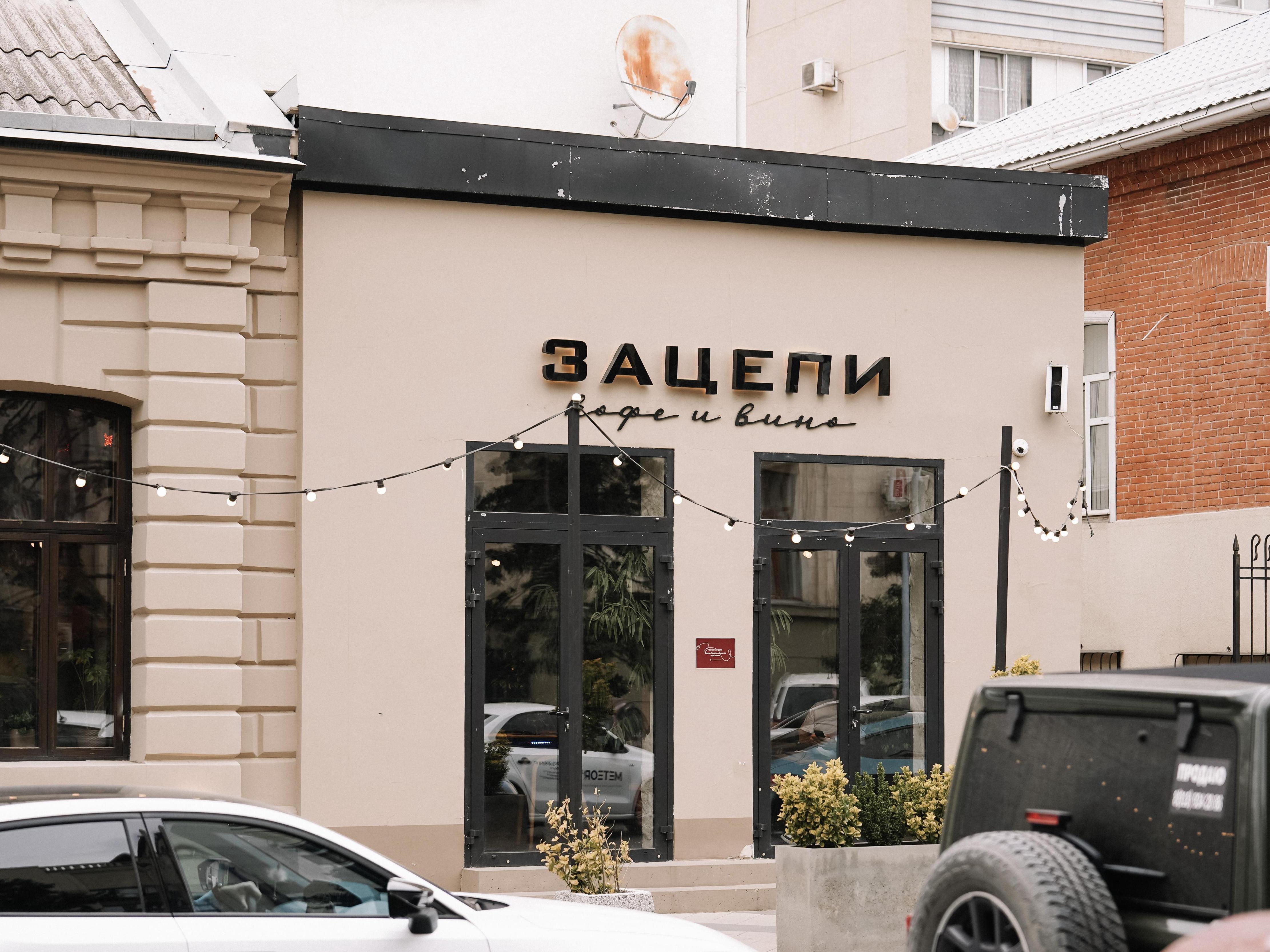
In addition to permitted colors and four fonts, as well as approved sign sizes, establishment owners should consider that in Krasnodar since 2024, English cannot be used, with the exception of a registered trademark. But, as Yulia says, registering a trademark is not so simple. First, it takes about a year. Second, many names are taken. Third, it«s an additional expense, so many companies don»t have one.
“If you want to use transliteration, another problem arises,” — continues Yulia, head of the company «Geometry of Advertising». “Our architecture says: «We cannot approve this sign for you because we don»t have such a word in the dictionaries.« For example, I want my beauty salon to be called »Nagesh,« but such a word is not in the dictionaries, and I can»t register a trademark because someone already did it before me. So it turns out that I cannot hang a sign that meets the administration«s requirements. And so owners lose their name, by which they were known for years. This is called »let«s kill Krasnodar business for good.»”
According to Yulia, on average, developing a sign costs about 100,000 rubles (approximately $1,100 at current rates), but everything depends on the client«s wishes, size, materials, presence of lighting, and so on. Now, when changes to regulations are introduced too frequently, it»s not profitable for owners to spend a lot of money on a structure that will soon have to be changed again.
As the head of the advertising and production company «Creation» says, some business representatives altogether refuse signs when they learn how many pitfalls there are in this matter. Others install structures without approval at their own risk.
“To be honest, if you look at what«s happening in the country, it seems like now is not the best time to force business to constantly change signs. If you look even at our city, small shops and establishments are closing, as well as large organizations, there are many rental announcements for premises, even in the center. And so it»s unclear why the administration has such a position,” — wonders Kristina.
One of the pressing problems — even if a business wants to do everything by the rules, they are not easy to find. Currently, rules for the placement and maintenance of information structures from June 16, 2025, are in effect, but on the city hall«s website, you have to go on a quest to find this document, and only if you know its official name.
“We are ready to talk with the administration, we are ready to attend hearings, but the administration is choking us. I was born and live in Krasnodar, I want it to be clean and beautiful. I want every sign to have its passport. Let it be issued for 5, for 10 years. But business should live peacefully with this sign for these 5 years. And they don«t give such an opportunity,” — concluded Yulia, head of the company »Geometry of Advertising«.