Why you shouldn't drink tomato juice and who should avoid it
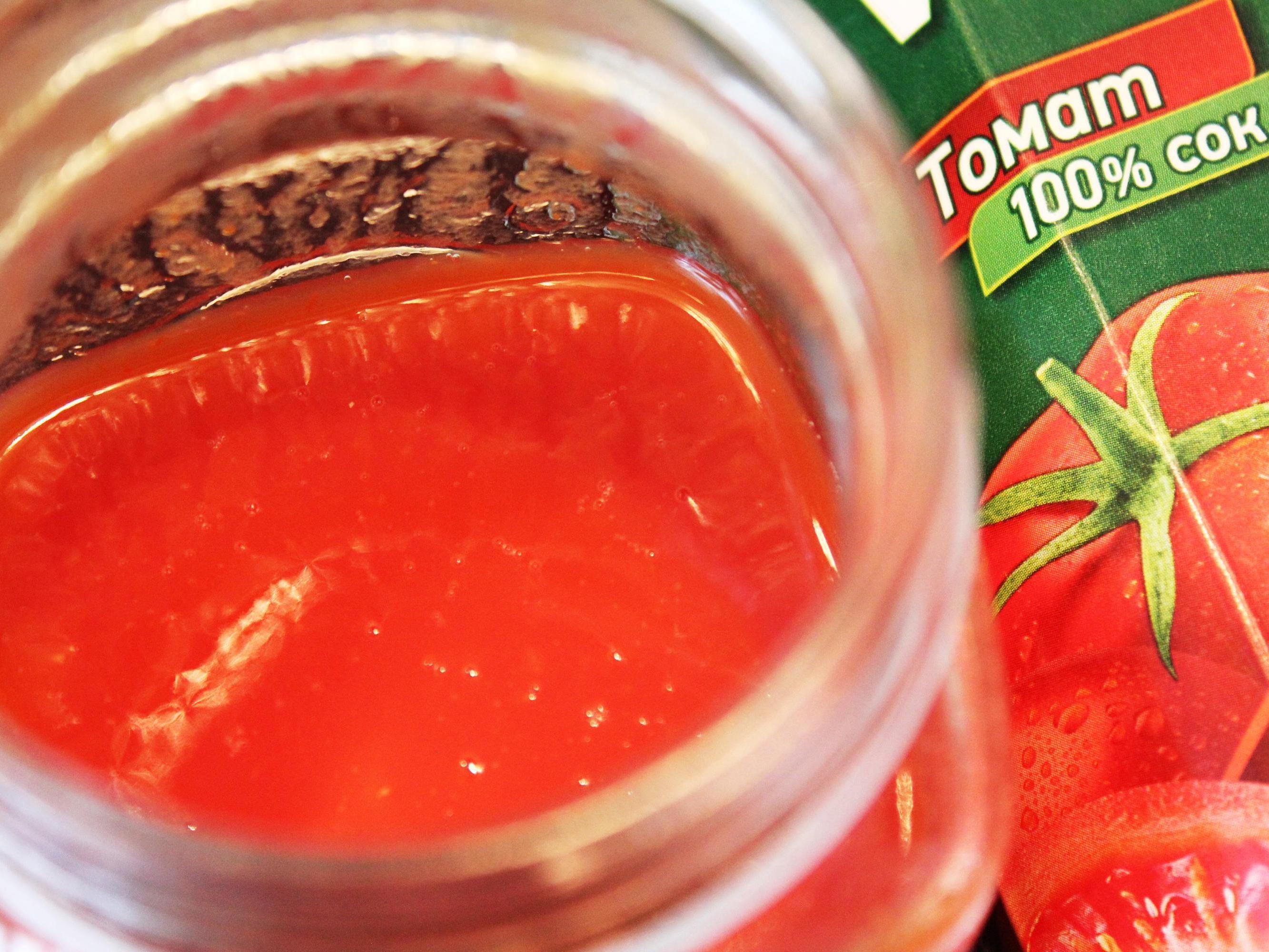

If doctors are categorical in their opinion that fruit juices should not be overindulged in because they contain too much sugar, what about vegetable juices? Take, for example, the king of the supermarket shelves — tomato juice. It seems to have less sugar, and it«s hard to drink too much of it. But what hidden pitfalls does it hold, and who should steer clear? Doctors told us about it.
What are the benefits of tomato juice
Tomato juice largely retains the properties of fresh tomatoes and tomato paste. It is a low-calorie drink — 17 kcal per 100 grams, it helps lower blood sugar levels and is rich in vitamins.
The drink contains B vitamins, beta-carotene, as well as C, PP, and E. It contains compounds of iron, magnesium, copper, manganese, calcium, potassium and other mineral and biologically active components necessary for the body. In terms of magnesium and iron content, tomatoes are among the leaders among food products.
The intense red color of tomatoes is provided by lycopene — a natural pigment with pronounced antioxidant action.
— Lycopene is a powerful antioxidant that reduces the risk of cancer and heart disease, notes dietitian Irina Toropygina. — It is found most in the skin of tomatoes. And the redder the berry, the higher the concentration of lycopene. In addition, tomatoes reduce bad cholesterol, increase the elasticity of artery walls and are effective in preventing cancer.
Irina Toropygina is a dietitian, a specialist in functional integrative nutrition and DNA testing.
Heating tomatoes, including when making juice, reduces the vitamin C content, but other beneficial effects appear.
— Heat treatment does not worsen the beneficial properties of tomatoes, but on the contrary improves them, explains dietitian Oksana Vydrya. — After two minutes of boiling or frying, the amount of beneficial lycopene increases. Thus, the highest amount is in tomato paste (up to 1500 mg/kg).
Oksana Vydrya is a dietitian, a member of the National Society of Dietitians.
Beta-carotene in the juice strengthens mucous membranes and increases the body«s protective capabilities. It is a natural immune stimulant that increases immune potential regardless of the type of antigen, that is, it acts non-specifically.
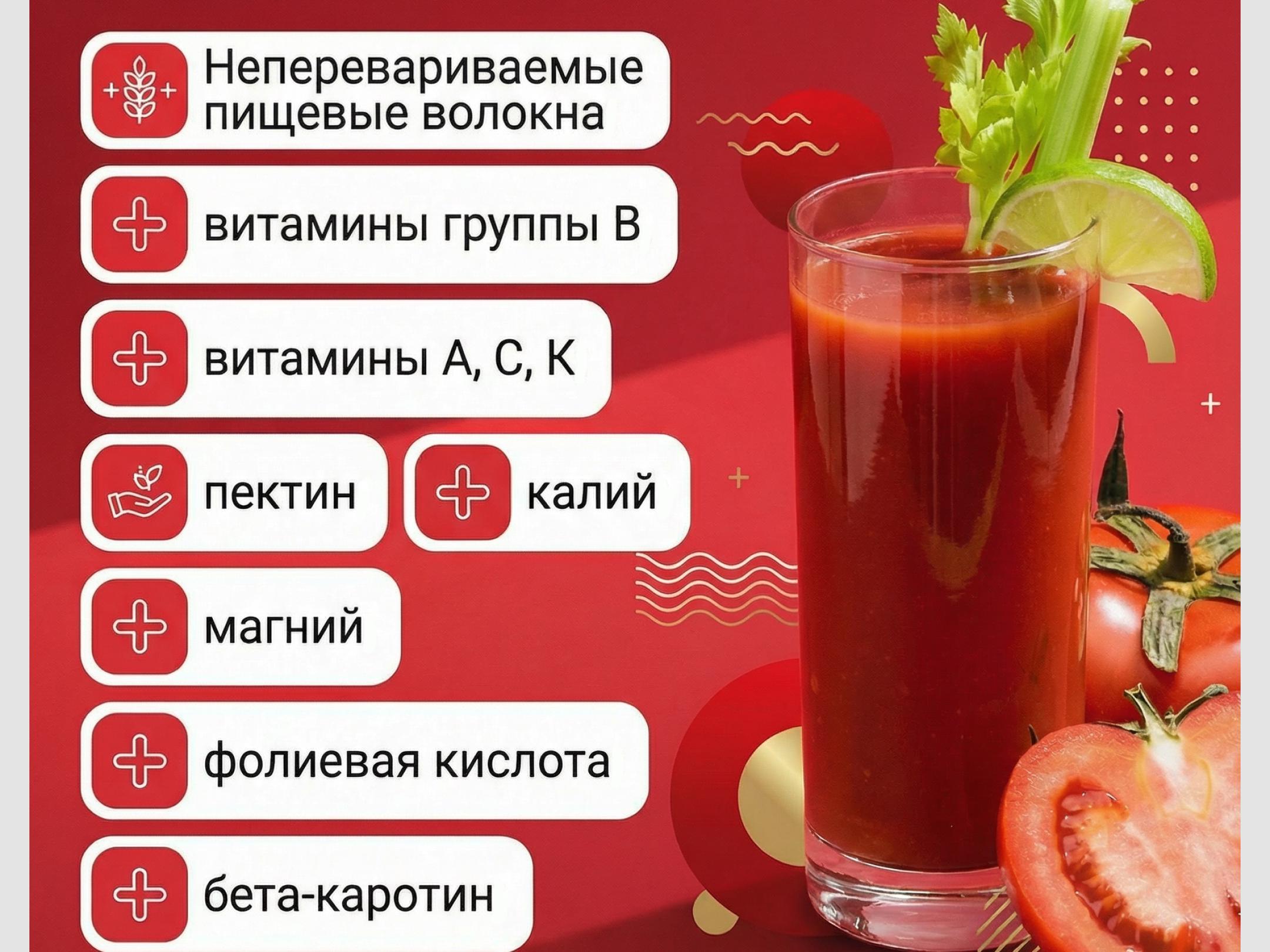
The drink also promotes the production of serotonin — the «happiness hormone», helps reduce tension and the effects of stress, and thanks to potassium supports the cardiovascular system.
Who should not drink tomato juice
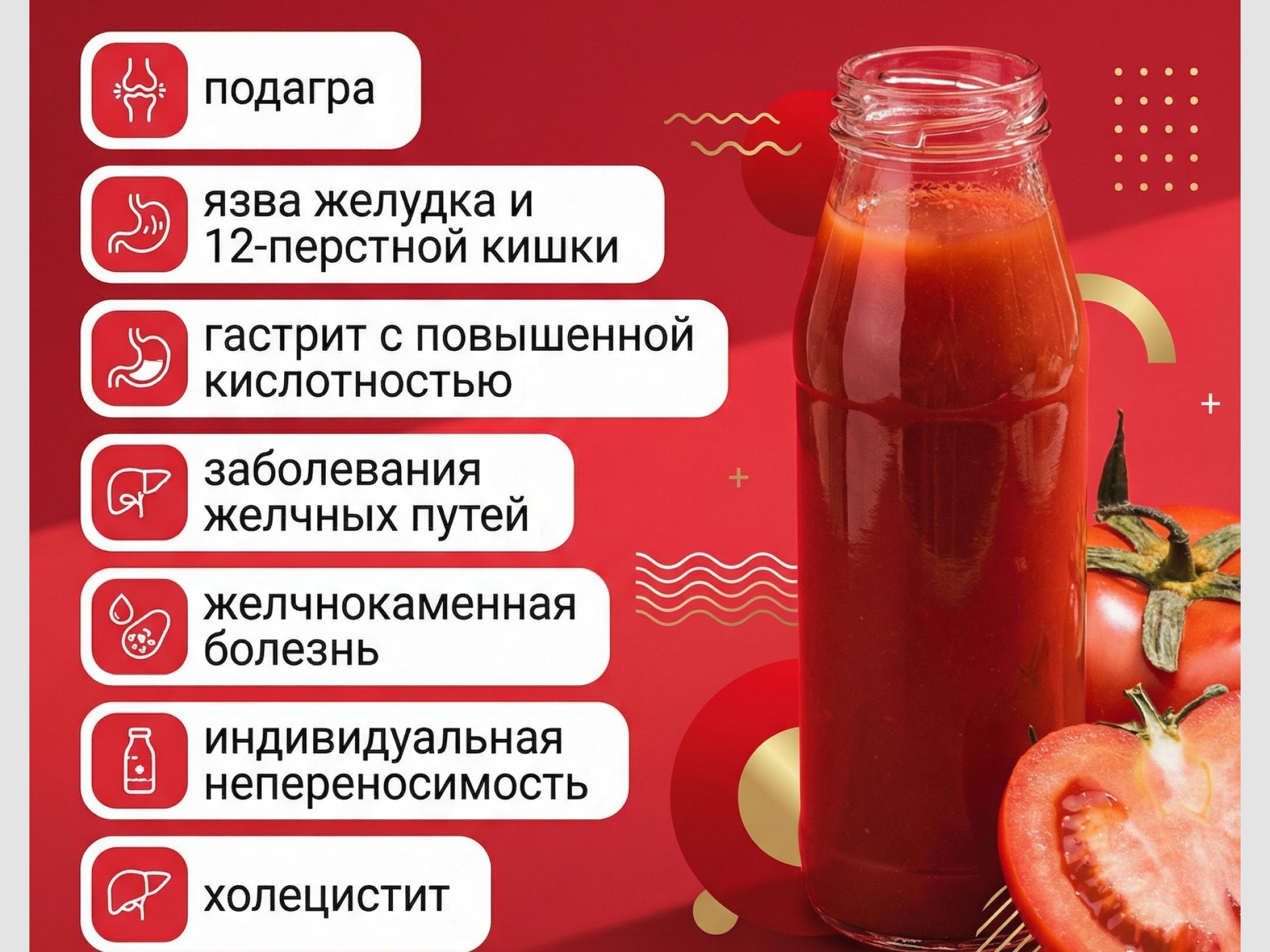
Tomato juice is suitable for almost everyone. Without sugar, it can be drunk by diabetics (its glycemic index is 38) and those who want to lose weight. It is important to observe moderation — no more than two glasses a day; tomato diets are not recommended. Caution is needed for people with gout, ulcers and gastritis.
— In patients with gout, tomatoes can trigger attacks of the disease, warns dietitian Irina Borodina. — With stomach and duodenal ulcers, as well as gastritis with high acidity, tomatoes should be consumed with caution, and during exacerbations they should be excluded from the diet. In addition, since tomatoes have a pronounced choleretic effect, they are contraindicated for patients with biliary tract diseases and cholelithiasis.
Irina Borodina is a dietitian, a candidate of sciences and a first-category therapist.
Breastfeeding mothers are not recommended to drink tomato juice if the baby has diarrhea. To get the maximum benefit, consume it separately from meals — about 30 minutes before. Additional positive effects come from combining it with olives, cheese, herbs, nuts or sweet peppers.