Novosibirsk Doctor on Sesame Seeds' Health Effects
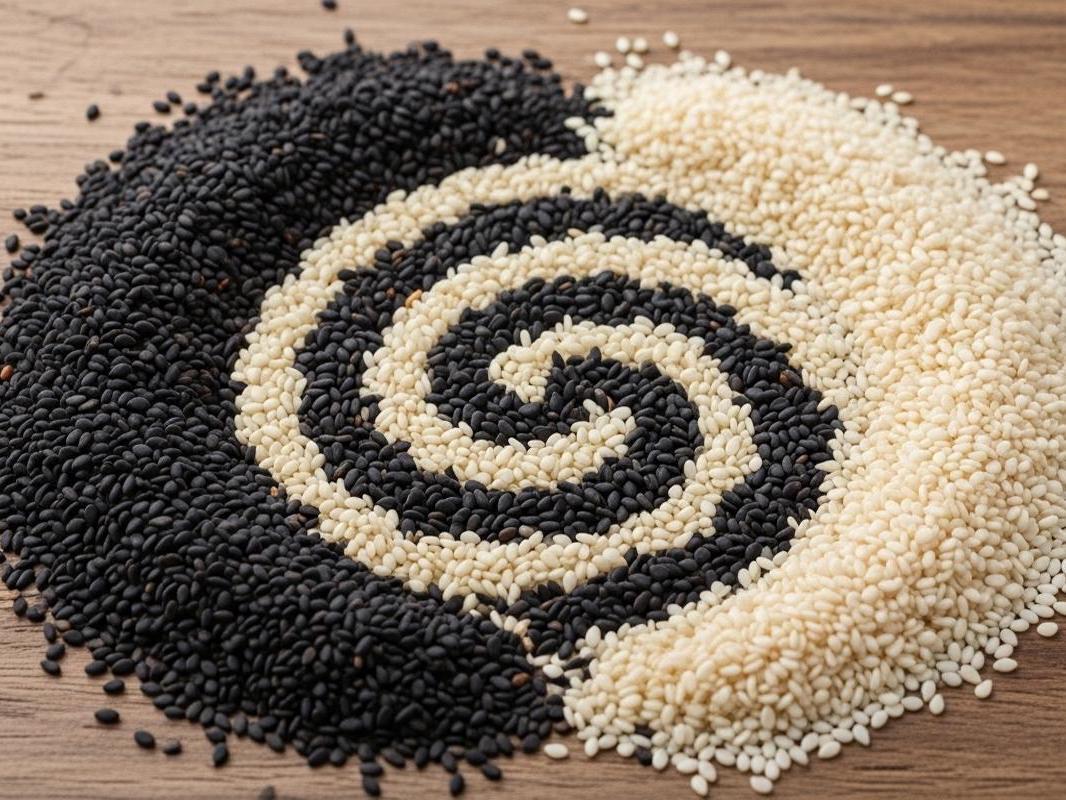

Sesame is renowned for its medicinal properties that improve health and appearance. The daily recommended amount, best food pairings, and who should avoid sesame were discussed by Olesya Stupak, a medical expert and ultrasound doctor at INVITRO, in an interview with NGS.
Benefits of Sesame
According to Olesya Stupak, sesame protects the heart and blood vessels due to its content of healthy fats. The presence of B vitamins and iron in the product helps men cope with increased fatigue and loss of energy.
«High levels of vitamin E and selenium have a positive effect on sperm quality and motility. The product contains plant proteins that aid in tissue recovery after physical exertion,» explains Olesya Stupak.
High concentrations of vitamin E and Omega-3 positively affect the skin, nails, and hair, which is why there are particular enthusiasts of sesame among women.
The doctor adds that the product helps normalize the menstrual cycle due to its content of magnesium and potassium. Its consumption can contribute to reducing pain and cramps. Iron and folic acid help maintain women«s health and prepare for pregnancy.
Difference Between White and Black Sesame
There is indeed a difference between white and black sesame. White sesame, after cleaning, retains important fats and proteins but loses beneficial substances that are abundant in the hull. Black sesame retains the entire natural structure, rich in vitamins, calcium, iron, magnesium, zinc, and manganese. White sesame is easier on the stomach.
Dietary Aspects of Sesame
Sesame contains healthy fats, protein, fiber, and numerous minerals (calcium, magnesium, iron, and zinc). All these components are important for a healthy diet.
«The oils present in sesame seeds help reduce bad cholesterol levels and strengthen blood vessel walls—resulting in a lower risk of heart disease and strokes. And if sesame is regularly in your menu, your immune system is under reliable protection,» says Olesya Stupak.
Despite its «external simplicity,» sesame has high energy value—about 573 kcal per 100 grams of product. It is rich in protein and fiber, so it can satisfy hunger for a long time. This allows for appetite control and prevents overeating.
«Even considering all the merits of sesame, it can only be classified as a dietary product in advance: after all, when consuming it, we become full very quickly. This means that sesame seeds fit well into a balanced diet and can be part of a healthy lifestyle, but no more,» the expert is sure.
Therefore, the doctor advises adding sesame in small portions (no more than one tablespoon per day) to salads, cereals, baked goods, or smoothies. To enhance flavor, sesame oil can be added to soups and fish dishes. This amount is sufficient to provide the body with beneficial substances and not overload the stomach.
Risks of Sesame
Overeating sesame can cause stomach upset, bloating, flatulence, and a feeling of heaviness. Sesame seeds are hard to digest, especially if there are gastrointestinal diseases (gastritis, ulcer, colitis). Pain in the right side may occur due to liver strain.
«People suffering from hemorrhoids may experience exacerbation of the disease after eating sesame, as the seeds can irritate the rectal mucosa. Some people have increased sensitivity to sesame—it manifests as skin rashes, itching, stomach upset, nausea, and even vomiting,» advises Olesya Stupak.
The doctor warns: if you notice such symptoms after consuming sesame, it is better to avoid it and consult a specialist.
Earlier, a Novosibirsk doctor talked about the benefits of pistachios and why they should not be consumed with beer.