New Year tangerine guide for Krasnodar: How to pick and store
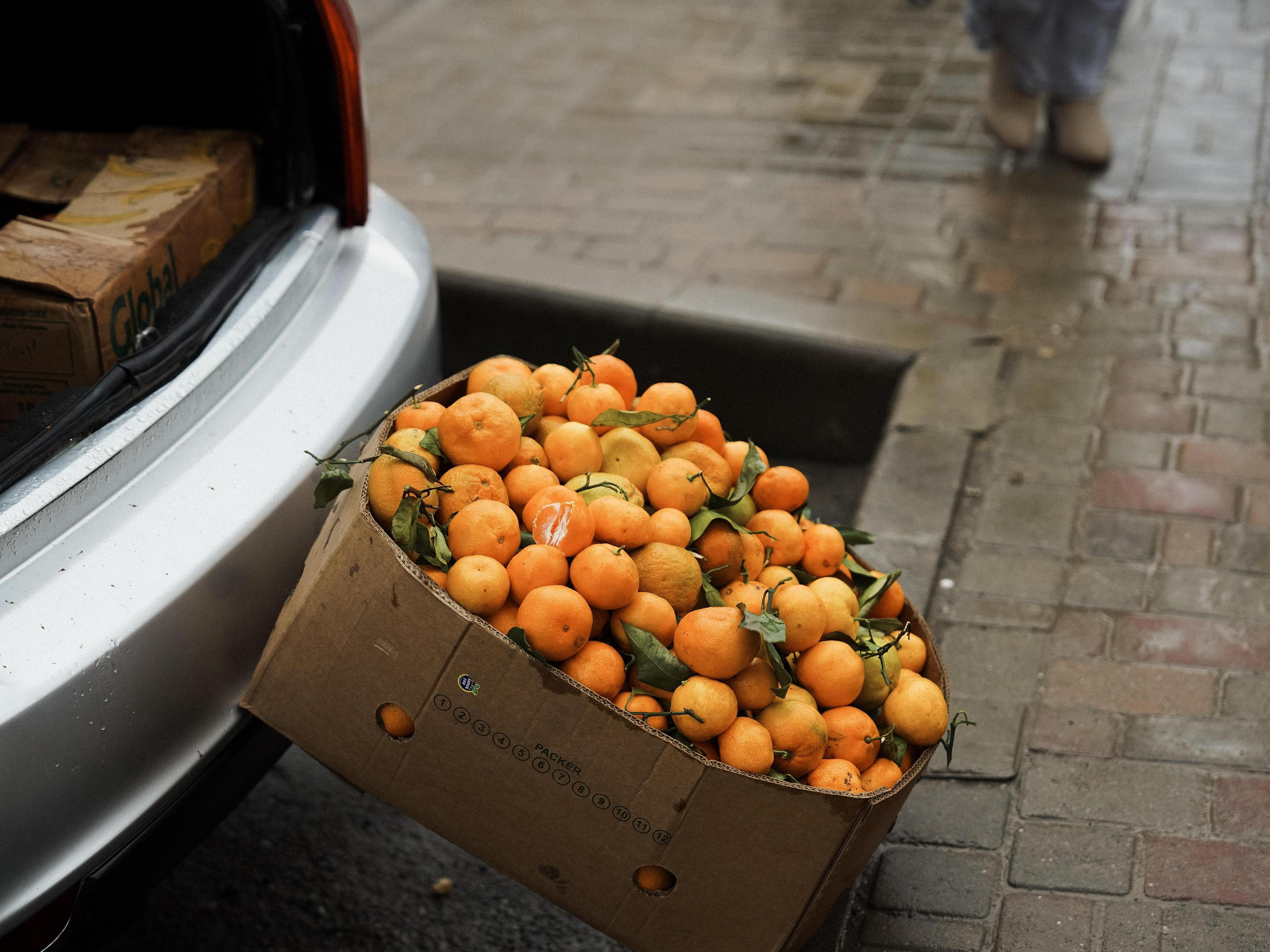

Tangerines are already being sold on the streets
With less than a month until New Year, more and more tangerines are appearing on shelves — an integral part of winter and the holiday. People are already buying the fruit: some for the taste, others for the atmosphere and scent.
The portal 93.RU has compiled a detailed guide to help you choose the sweetest and juiciest tangerines for New Year and keep them fresh.
Pay attention to the variety (the most important!)
The variety determines the taste. By New Year, the following are typically ripe:
Clementine: A hybrid of tangerine and king orange. The sweetest, with bright orange peel, often seedless. Thin peel tightly adheres to the segments. An ideal choice;
Moroccan (or Spanish) tangerines: Loose porous peel, easy to peel, have a characteristic «dent» at the top. Very juicy and sweet, usually seedless;
Abkhazian/Georgian tangerines: Light orange, with a sweet-sour taste (often tart), may have seeds. Thin peel but harder to peel. A more natural, «nostalgic» taste;
Turkish: Often light orange, with smooth peel. Taste can vary greatly — from sour to sweet. Here, careful checking by other criteria is important.
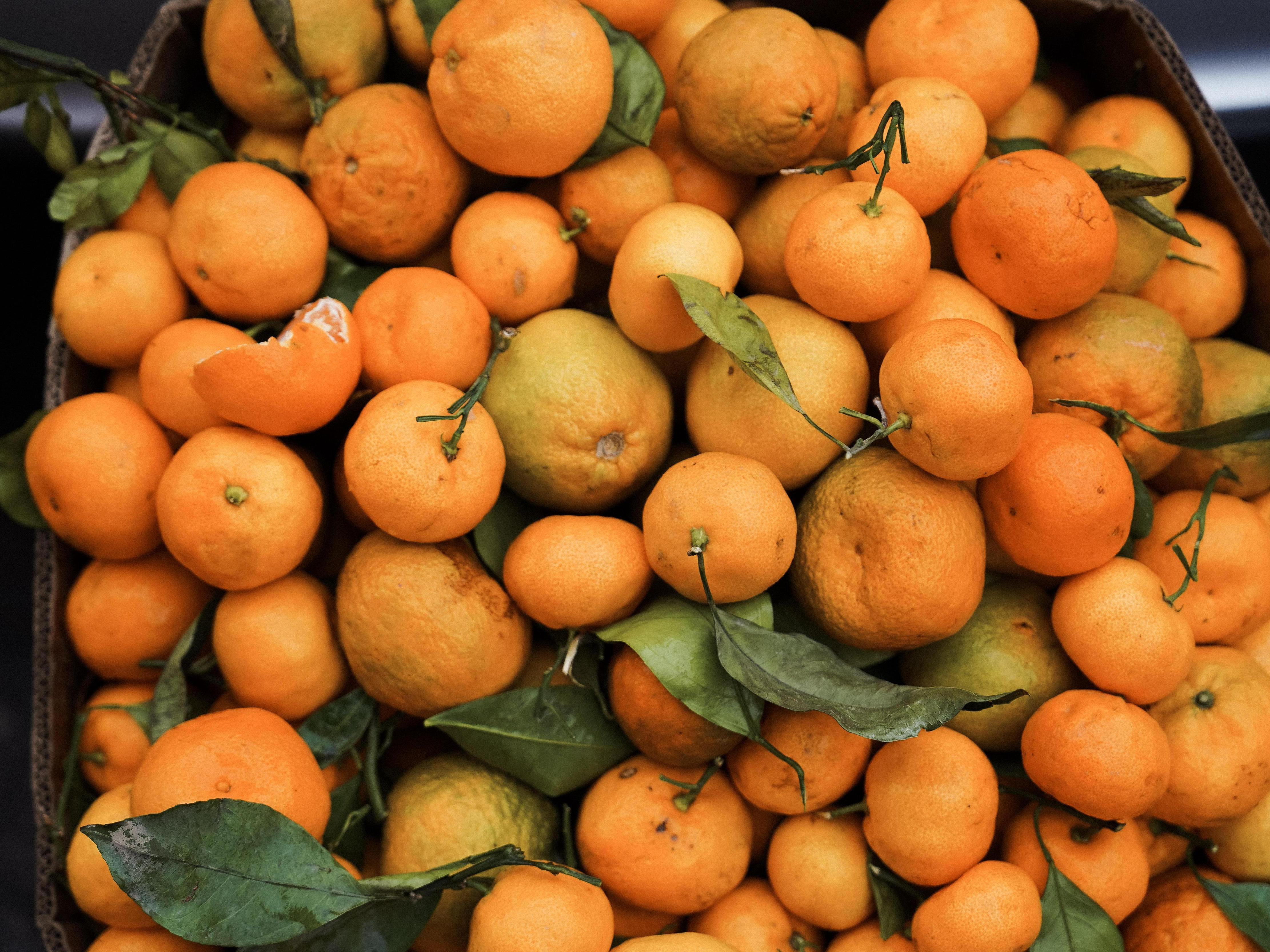
In Krasnodar, many tangerines from Abkhazia are sold
Examine the peel
The color should be bright, saturated orange or even with a reddish tint. Pale yellow or greenish ones will likely be sour.
The peel should be lumpy, grainy, and easily separate from the pulp (except for Abkhazian ones). Smooth and shiny peel is often found on thick-skinned and less juicy fruits. When pressed, a light aromatic oil may spray from the pores — a good sign.
Thin peel is a sign of juiciness. But too loose and thick a «coat» (as in some varieties) means the fruit lacked sun.
Check the weight and firmness. To do this, take a tangerine in your hand. The heavier it is for its size, the juicier it is. The fruit should be firm, but not hard as a ball and not soft. Softness is a sign of the beginning of rot.
Assess the aroma
Sweet, ripe tangerines smell strongly and pleasantly even through the peel. If there is no aroma at all — the taste will likely be bland.
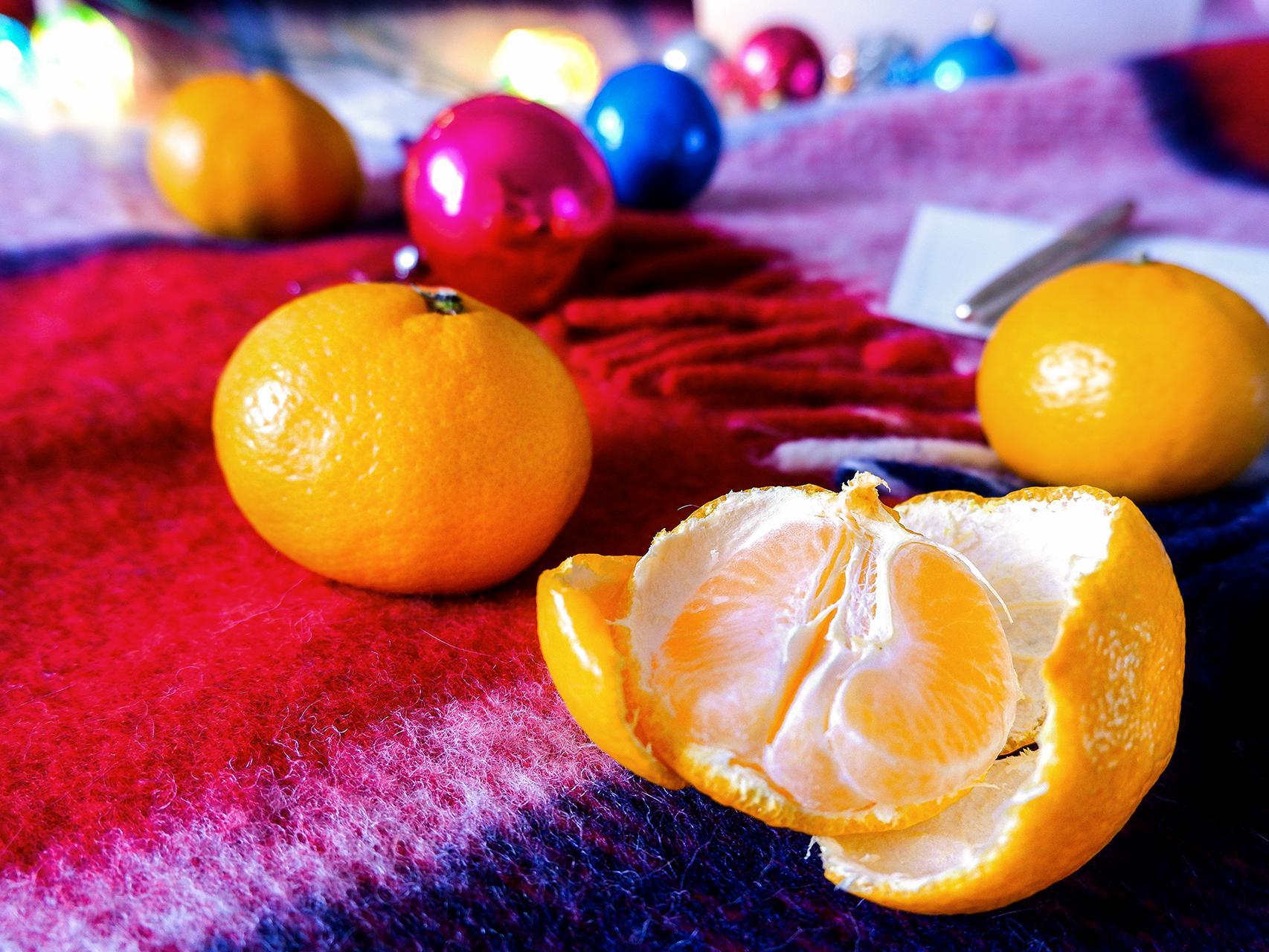
It«s better to choose tangerines with thinner peel
Inspect the stem area
The place where the flower was (the side opposite the stem) should be even and flat, not convex like an orange. Many sweet varieties (for example, Moroccan) have a small dent here.
A green stem is not always an indicator of freshness. It is often preserved artificially. It«s better to rely on other signs.
What not to choose:
With very dry, wrinkled peel;
With spots, dents, traces of mold (even small ones!);
Too large, light, and with thick peel — often dry.
How to properly store tangerines so they don«t spoil
Preliminary sorting
Sort through the purchased tangerines immediately. Remove all fruits with the slightest signs of damage or softness — they need to be eaten first. One spoiled tangerine can «infect» the neighboring ones.
Ideal conditions
It«s best to store at a temperature from +4°C to +8°C (39°F to 46°F). This is the temperature of the vegetable/fruit compartment in the refrigerator or a cool balcony/storage room.
Maintain high humidity, about 80-90%. In dry air (near a radiator), tangerines quickly dry out and wrinkle. Don«t forget about air circulation. Storing in a bag leads to condensation and rapid spoilage. Use mesh bags, perforated bags, paper bags, or open containers. You can wrap each fruit in a paper napkin.
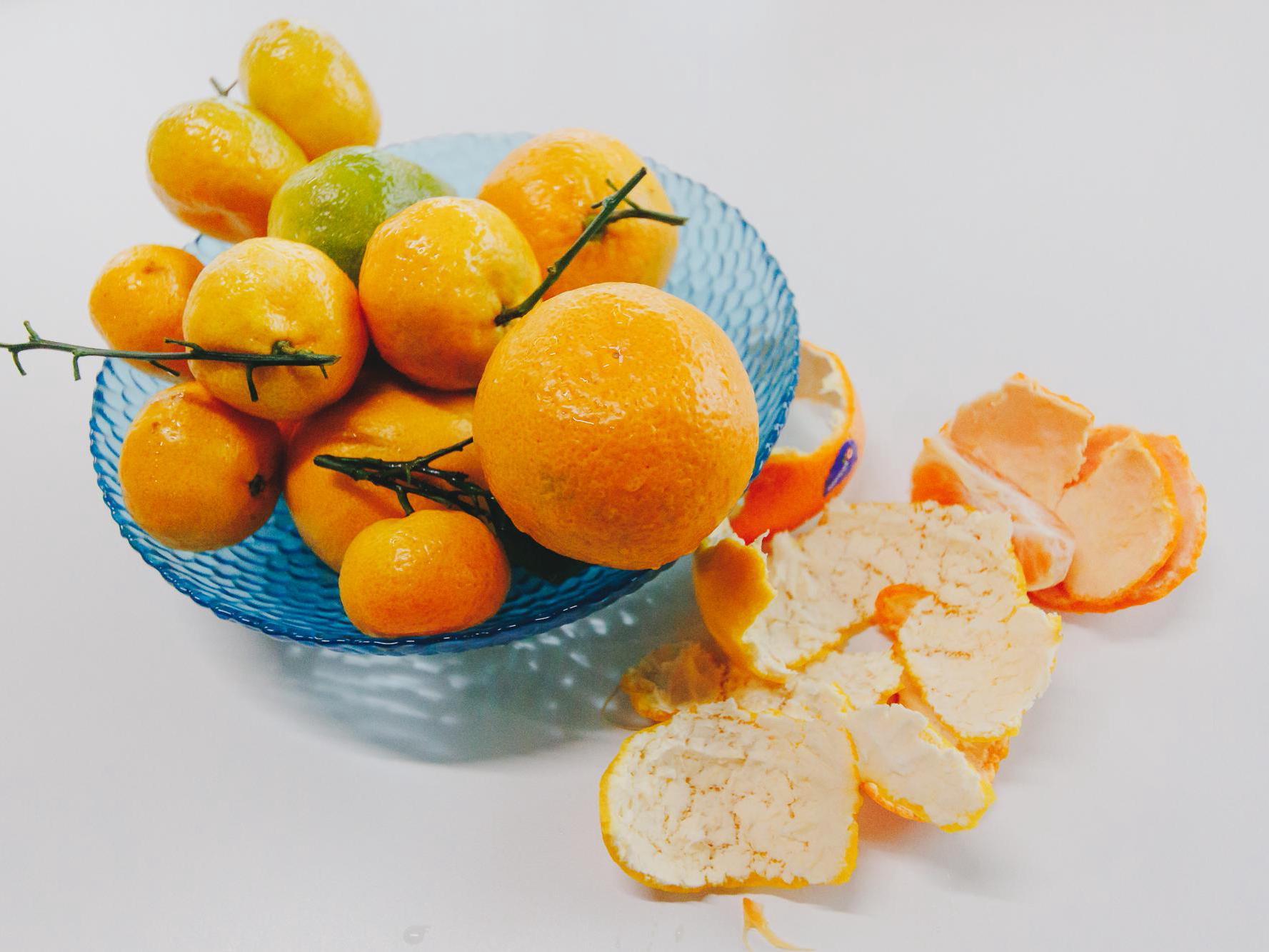
It«s better to remove rotten tangerines from the common pile immediately
Where to store?
In the refrigerator: best in the special vegetable/fruit drawer, separate from other products. Another option is on the balcony/loggia, if the temperature does not drop below +2°C (36°F) and does not rise above +8°C (46°F). You can cover the tangerines with fabric to protect from light. In frost — be sure to bring them into the house.
In the apartment, store them in the coolest place (by the window, in the hallway), but no more than 5-7 days. Keep away from radiators and sunlight.
What not to do?
Do not store in a plastic bag without air access. Do not wash tangerines before storage — this removes the natural protective layer. Wash immediately before eating.
It«s better not to stack them in a large pile, because the fruits press on each other, and also not to store near heat sources.