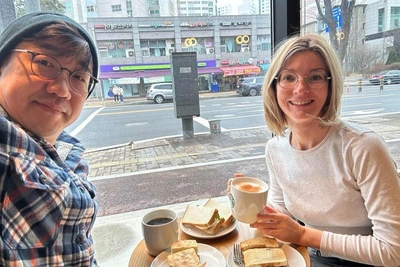
Chelyabinsk woman on genealogy: Pay 3 million or spend 7 years
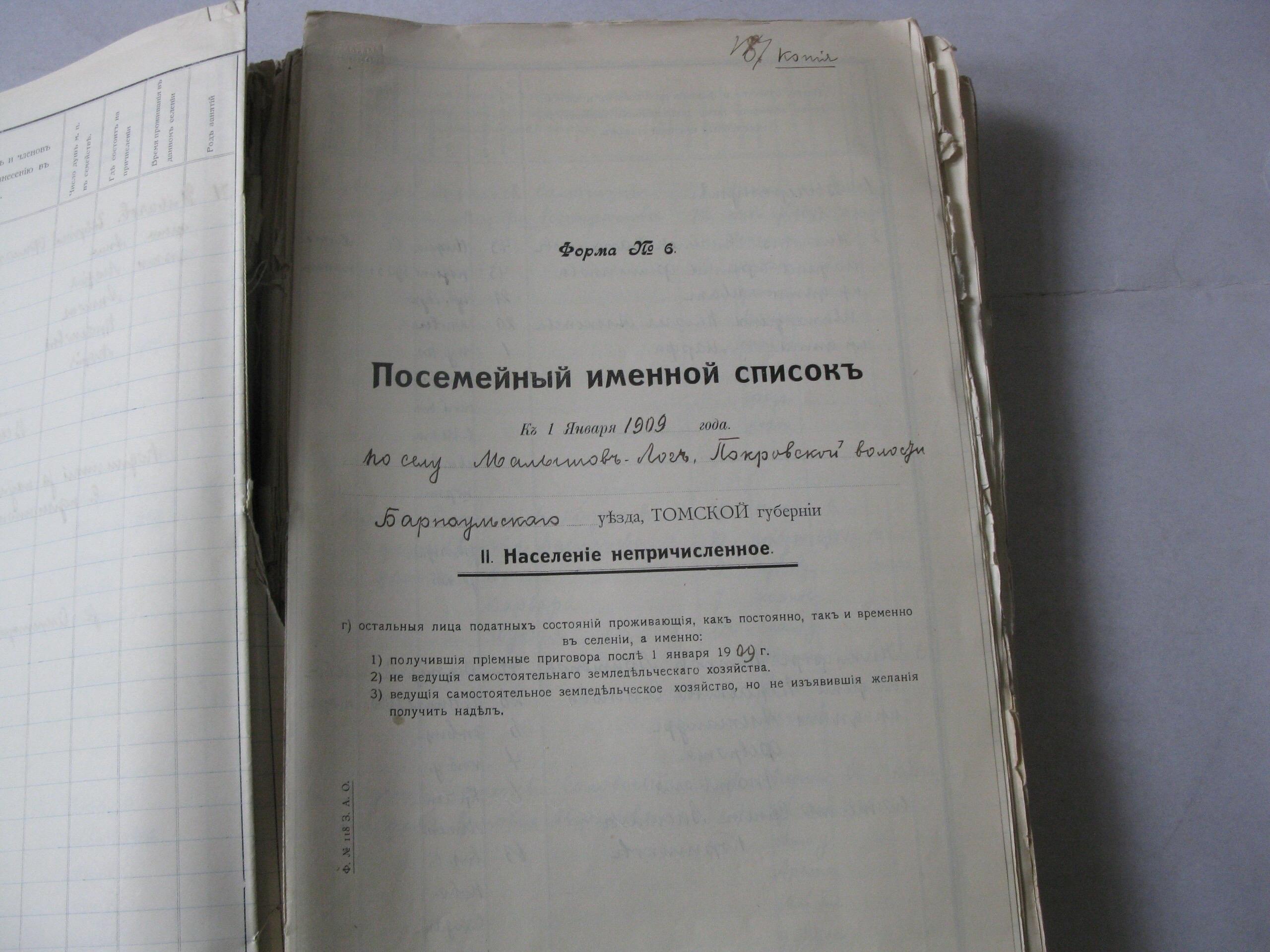

— What was the starting point for your big research?
— I first got the idea at 16 – my maternal grandfather inspired me. But of course, back then there were other priorities, and I seriously started the search over 10 years later. I slightly regret not starting at 16, because at that time my grandfather was willing to cover all expenses, and I must say, sending requests to archives or traveling to another region to visit them in person – that«s not a cheap pleasure.
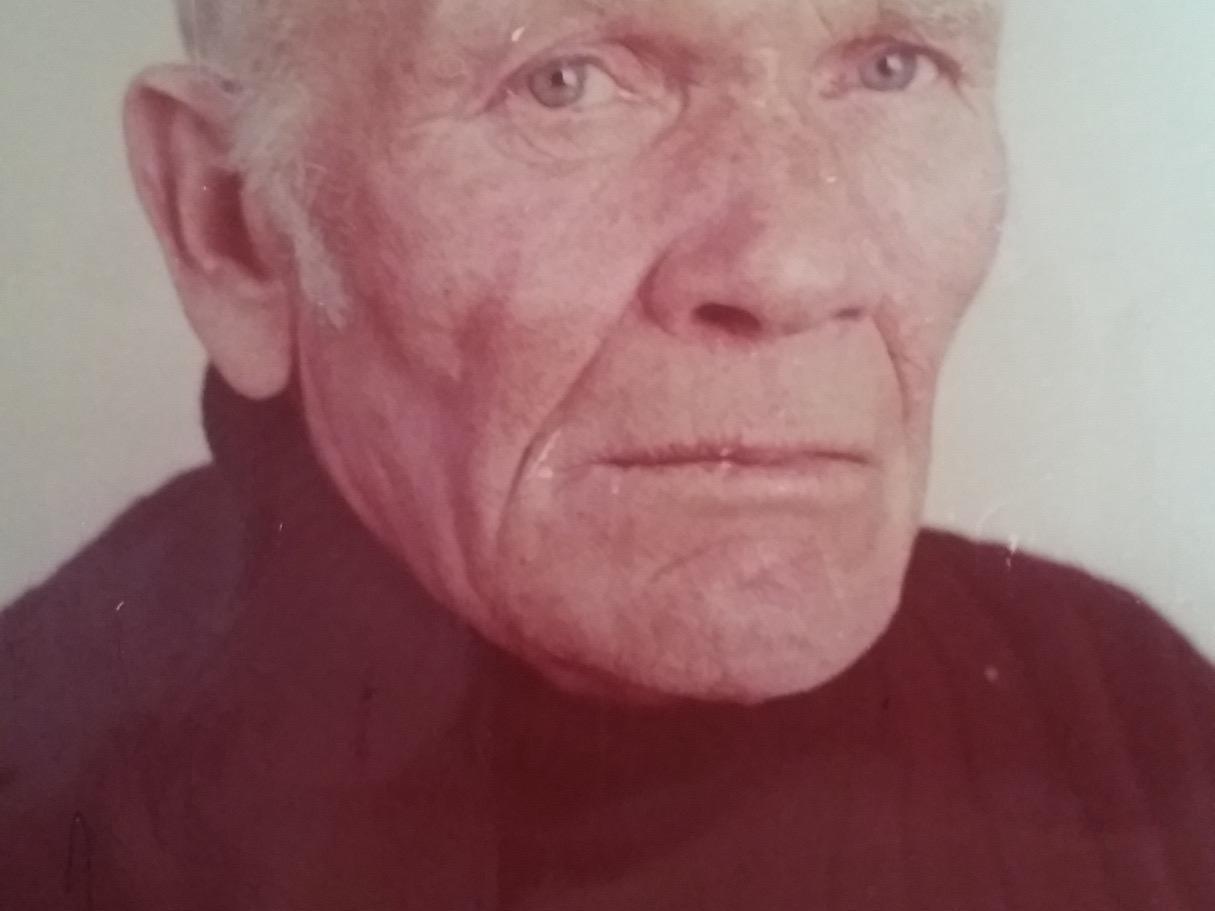
— How difficult is it to obtain the necessary information?
— Everything is possible if you know what you«re looking for. Of course, if you mindlessly send requests to archives, ask for metric books without specifics – success is unlikely.
— Then what first steps should people take who also want to learn more about their roots?
— It»s important to talk to older relatives, grandparents, review all documents. The birth certificate is the foundation of everything, because it has the full names of parents and the place where the person was born. A death certificate can also be useful, as it sometimes indicates the place of birth. This data allows us to send a request to the local ZAGS (civil registry office) and find the first threads of a tangled web. And another important tip – make scans of all documents in advance, they will be needed to confirm kinship. They don«t give out data to just anyone.
— Are there any difficulties that every person who starts family searches will face?
— There is one stereotype because of which many decide to delve into this. People somehow believe that surely in their lineage there are nobles, merchants, other aristocracy. But in reality, 80% of the population were peasants. And in general, you need to be prepared that some information might be revealed that is hard to accept. And working with archives requires a lot of perseverance, infusion of money, and sometimes the need to go to the archive in person. Many records and documents are still not digitized, and the institution has no way to provide them to you online.
— Did you have to travel to archives?
— Yes, once my father and I went to an archive in Altai. We were lucky, the documents were prepared very quickly, we submitted a request one day, and the next we were already studying them.
— What exactly led you to Altai?
— I found out that my grandfather«s family moved from Nizhny Novgorod Province to Altai in 1903. Can you imagine what that is? Even now it»s not so easy to travel across the country, and how difficult it was in those times – to gather the family and set off into the unknown for a better life. And, by the way, I was even lucky to find out why exactly they moved. There is a genealogical forum VGD, where you can find rare documents, communicate with people who are also into it, arrange cooperation with professional genealogists. Sometimes they publish various historical summaries. That«s how I found out that at the very beginning of the 20th century in Nizhny Novgorod Province there was a drought, fires – consequently, crop failure. And apparently, that»s what prompted my ancestors to move.
Irina recommends carefully studying the websites of archives, because each institution has its own working procedure and request processing times. For example, in the archive of Chelyabinsk Region, you need to make an appointment to visit the reading room to work with documents.
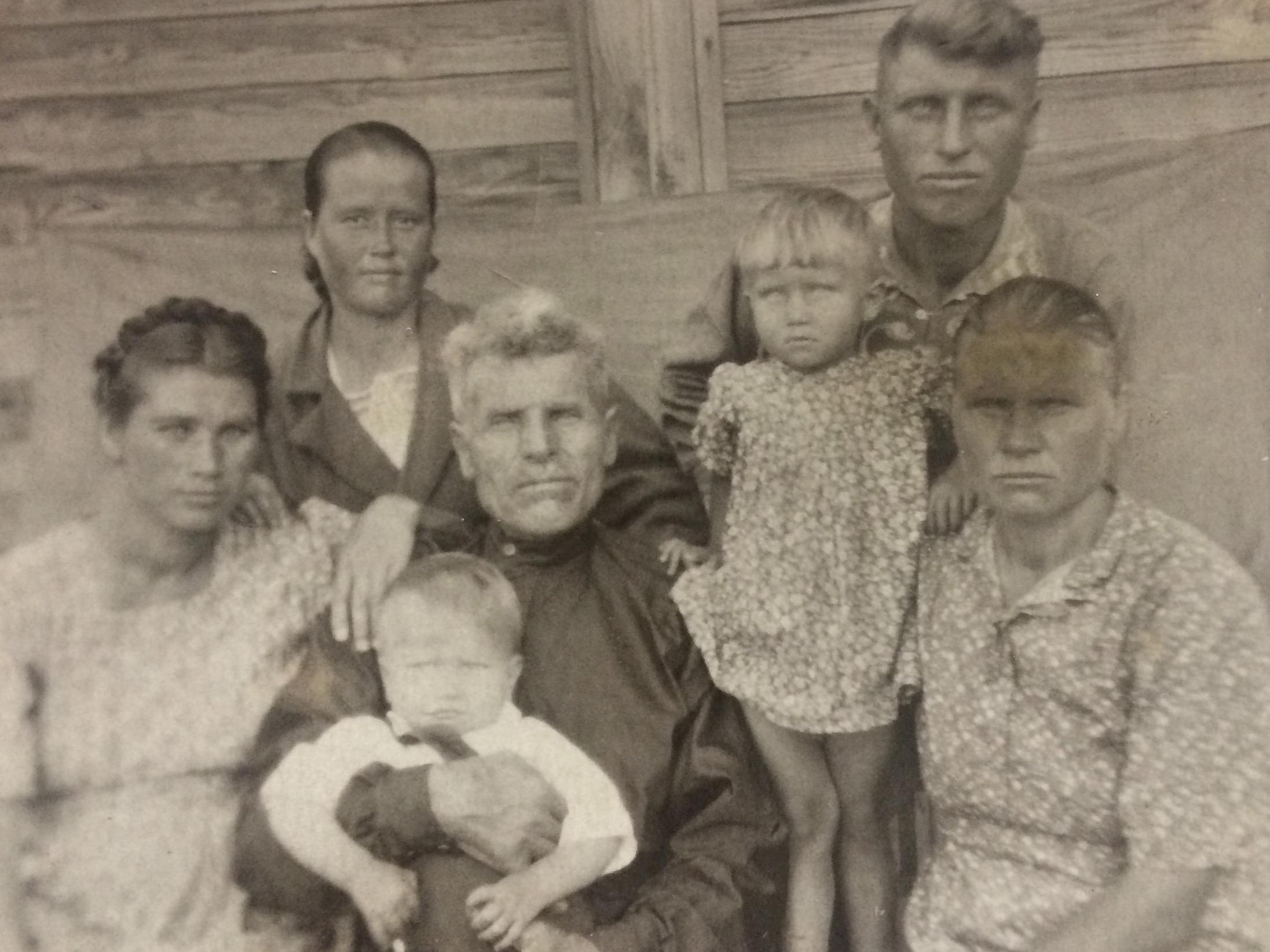
— So, next you plan to visit Nizhny Novgorod to learn more about your grandfather«s family?
— That is in the plans, yes. I have studied my mother»s branch the most – we«ve reached the 8th generation. Further on, difficulties begin, because that»s already the 18th century, and surnames were not so common, only first name and patronymic, approximate year of birth.
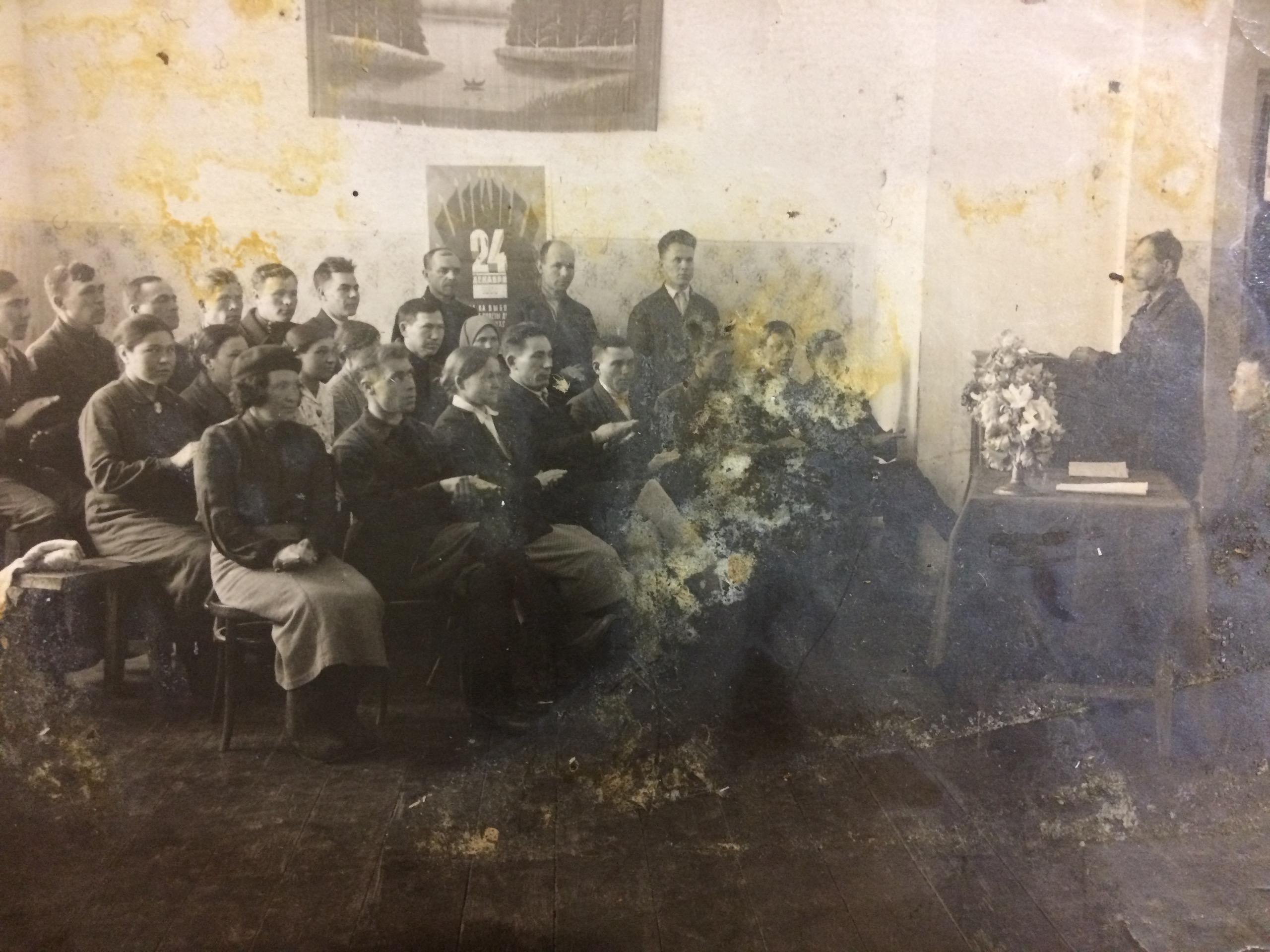
— How much more advantageous is it to entrust the compilation of a genealogical tree to professionals? I«ve seen that something like that costs 200,000–300,000 rubles (about $2,000–$3,000 at current rates).
— Something like that can cost even 3,000,000 rubles (about $30,000 at current rates). One acquaintance approached me, she was quoted a »turnkey« price. But here»s my position: when you do the searches yourself, you take responsibility for the accuracy of the information on yourself. And when they send you a ready-made tree – it«s not certain that some error didn»t occur or that they didn«t make up your relatives for you.
— How important do you think it is to know your family history? And will it be easier for our great-grandchildren, since now thanks to modern technology much more information is preserved.
— I think it»s very great and important. So much so that I«m sure – everyone should be engaged in compiling a genealogical tree. Knowledge of one»s roots is a big part of our culture. In the past, peasants couldn«t get married if they didn»t prove that for 7 generations they had no kinship ties, meaning they preserved the history of their family. And we should do the same. For me, it«s valuable that I can help my nephews with a school assignment, tell them something about great-great-great… And I»m sure that in the future they will continue what I started.