Omsk adaptive school report on children with disabilities
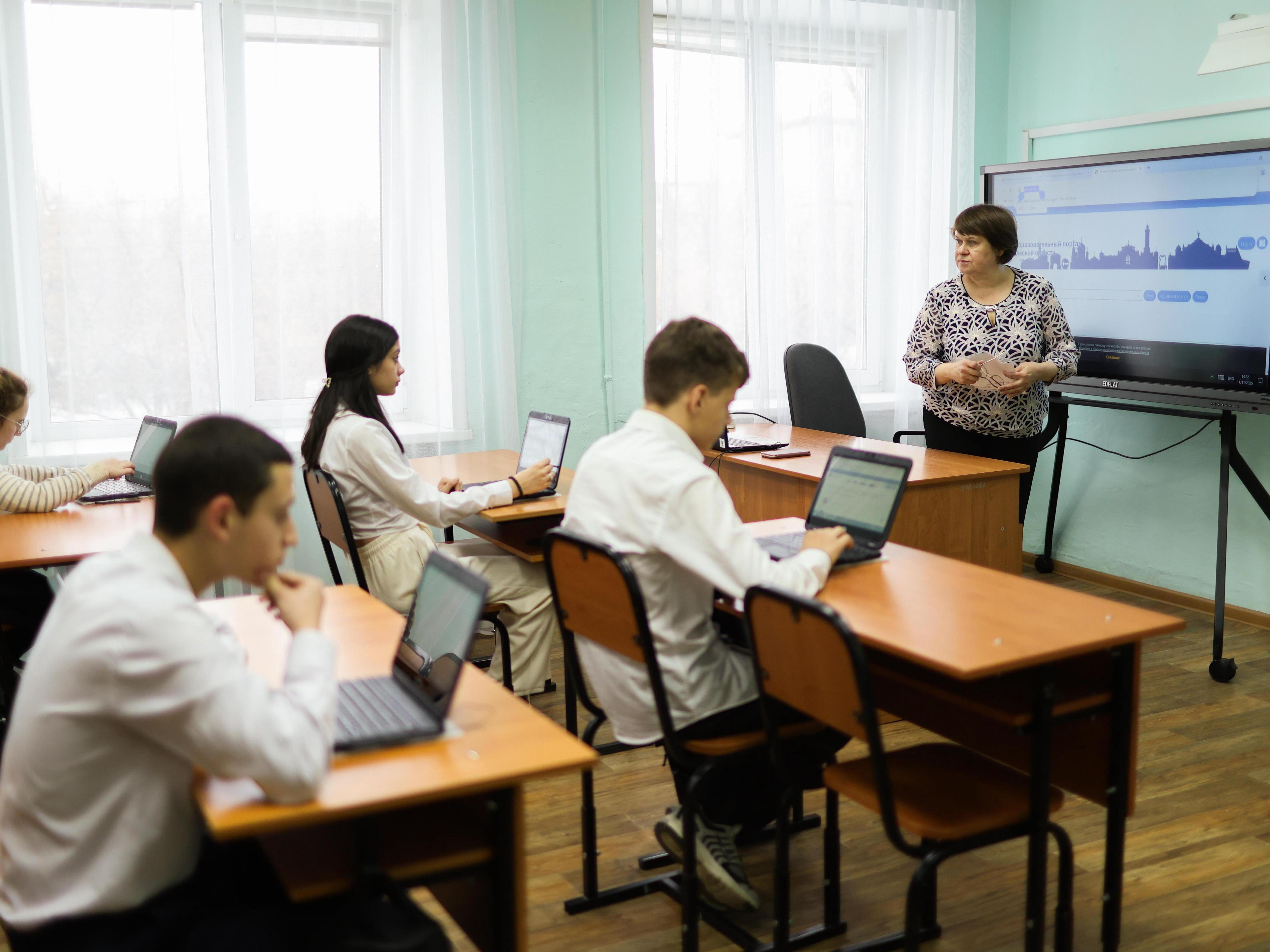

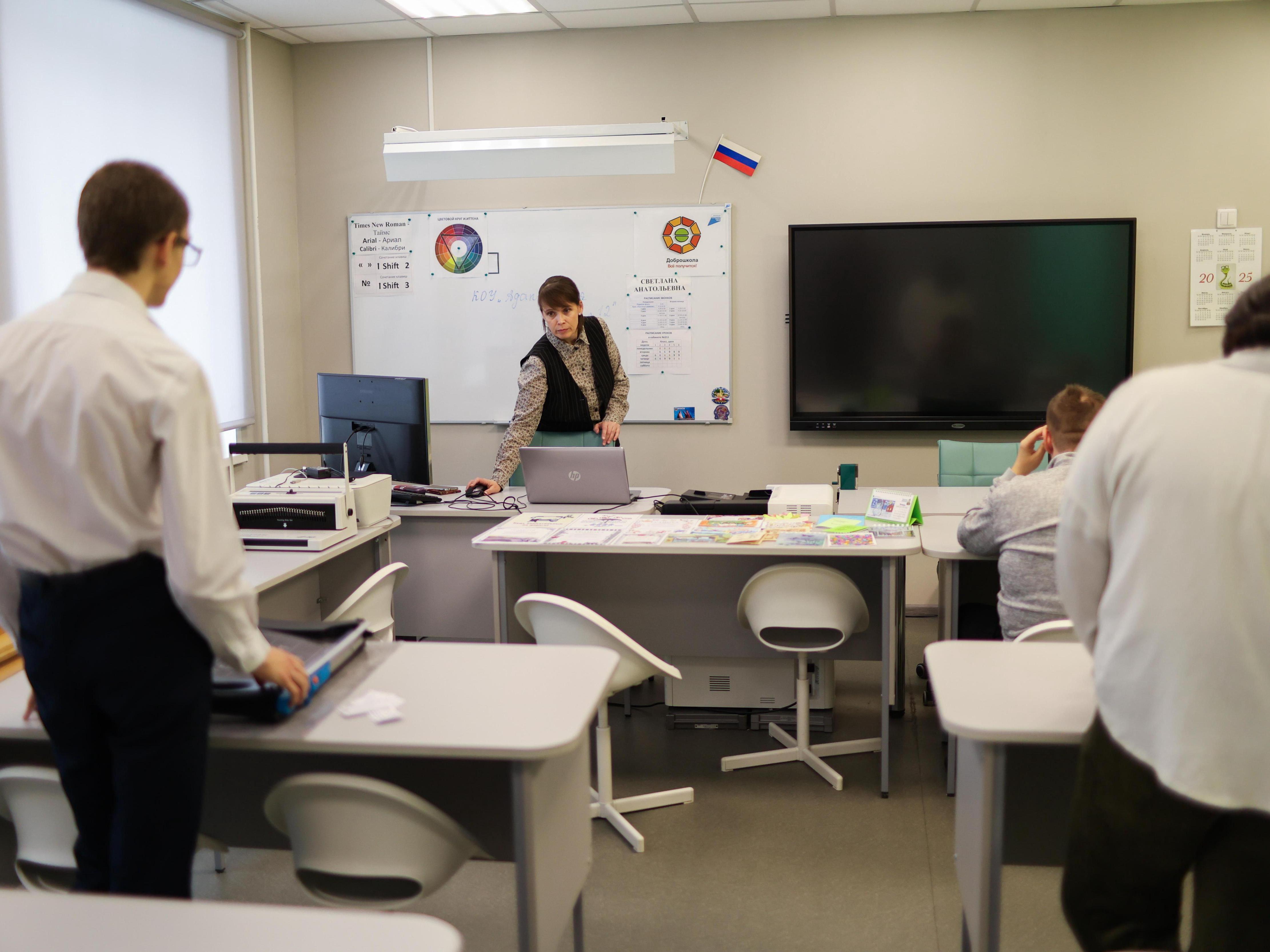
A school classroom. The board has the topic written: «Modeling Space. Supermarket». Teacher Olga Borisovna explains how to find the right product in a store.
— «Which department did you model?» — she asks the children.
— «Household chemicals,» — they answer in chorus.
— «Can I buy apples from you? Could you have them?»
— «No!»
— «And why? I want to buy apples, I came to a supermarket. Which department should I go to?»
— «The fruit section!»
This is how a social and everyday orientation lesson goes at Omsk adaptive school No. 12, where children with developmental disabilities are enrolled. Students are not required to achieve academic success. It is much more important to prepare them for independent life: teaching them to buy groceries, count money, cook food, and take care of themselves.
About what future awaits graduates of the adaptive school and why inclusive education is not always a good solution, read in the material by Yekaterina Shrayner.
More children with severe disabilities
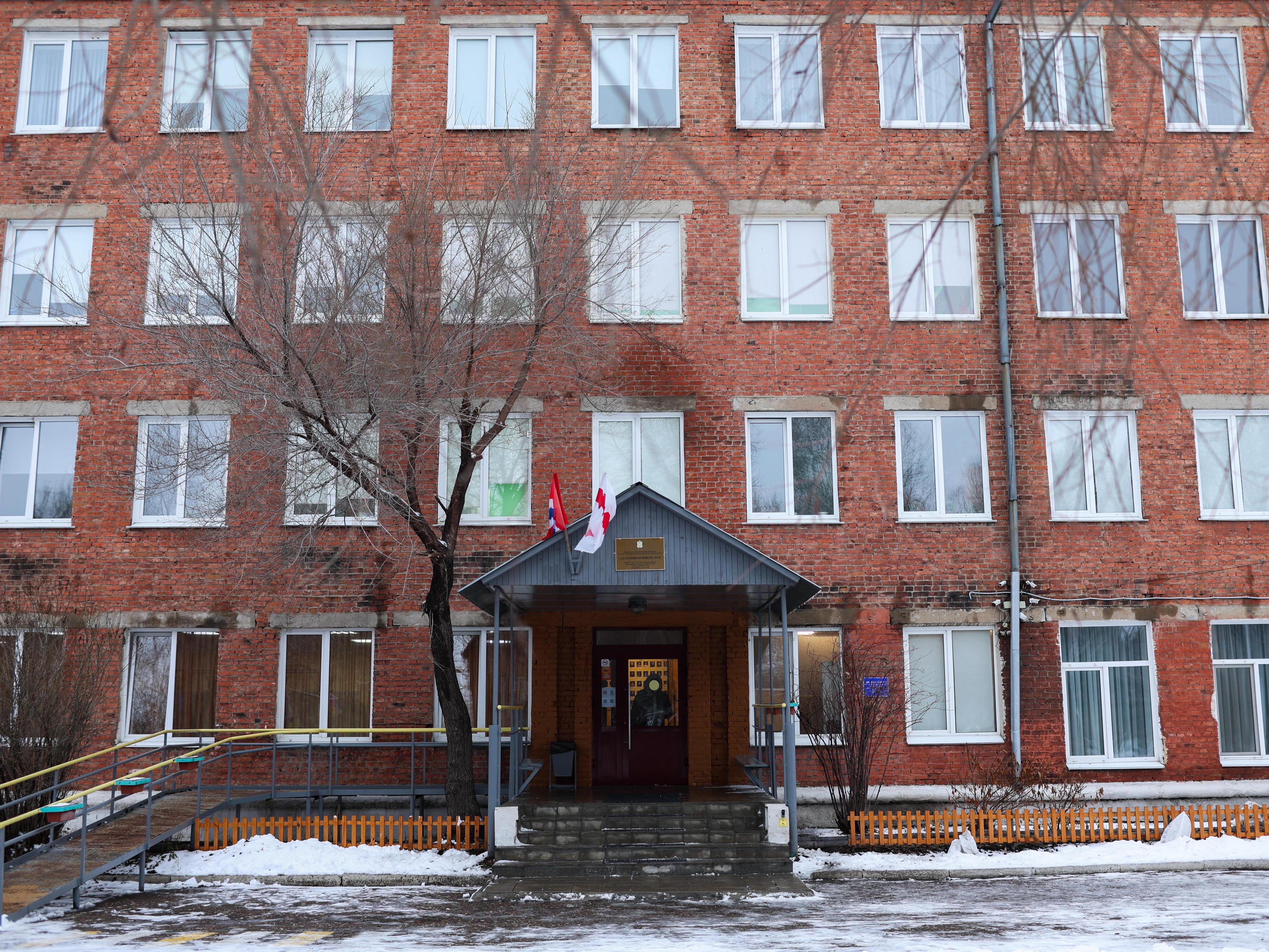
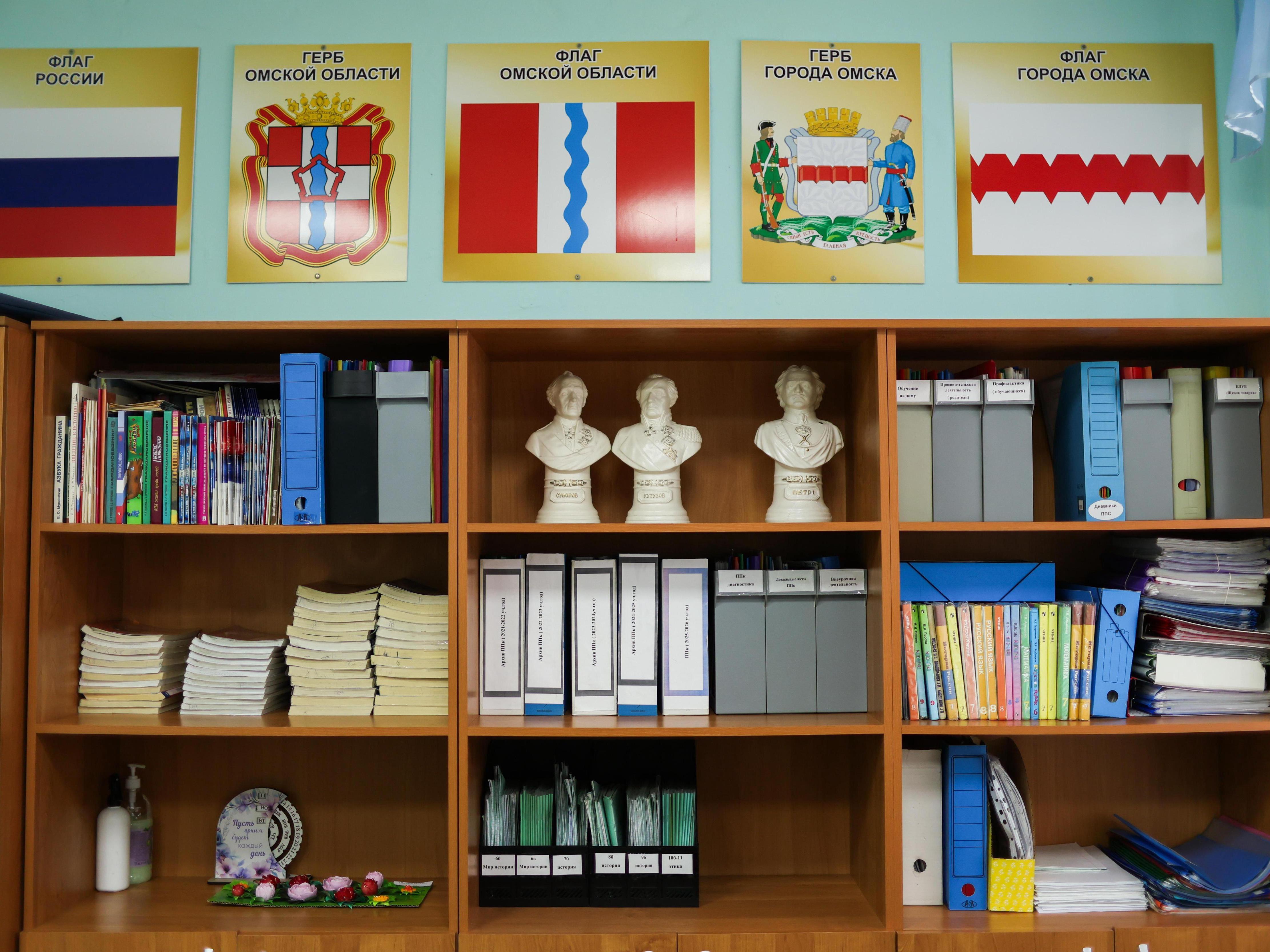
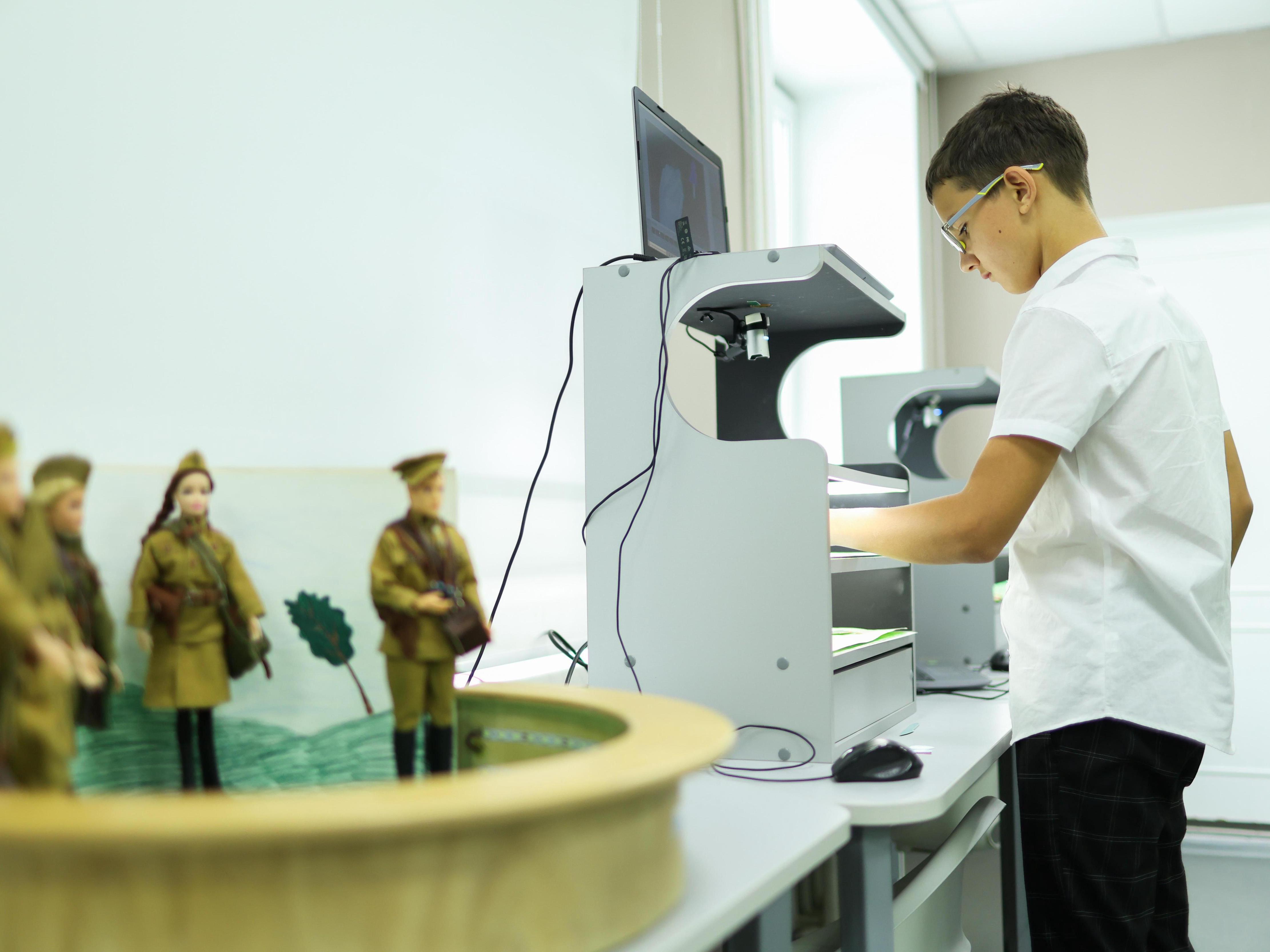
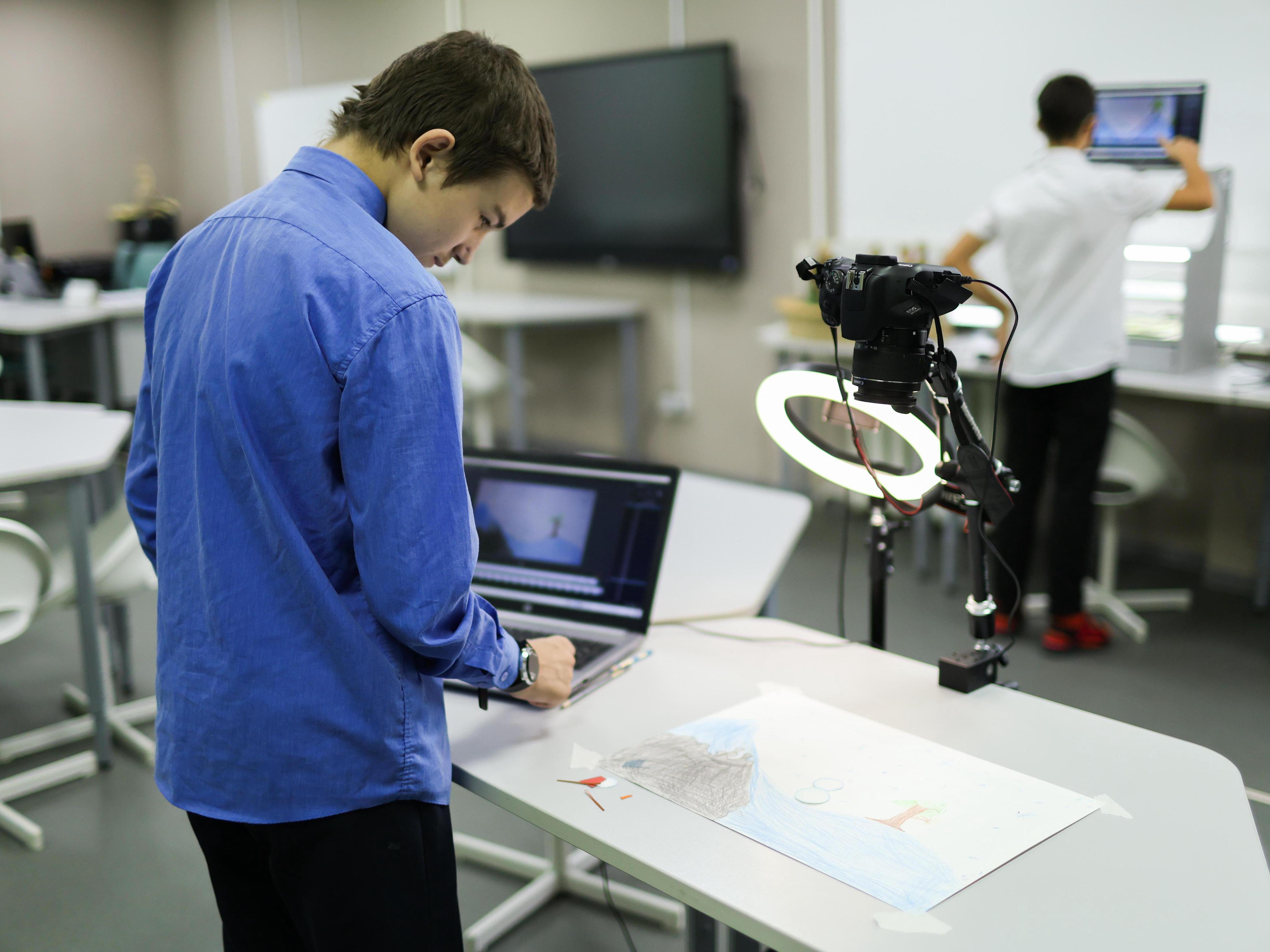
Every classroom in the school is a small universe. Somewhere a sewing workshop is organized, somewhere — an animation studio. The equipment available here could be envied by the heads of the best educational institutions in the city.
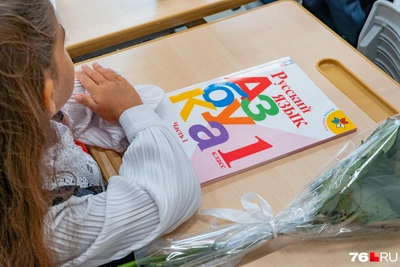
In the adaptive school, studies usually last longer than in a regular one: 12 or 13 years. But some graduate after 9th grade. The program is specially prepared for children with disabilities. The emphasis is on labor skills, with which students can find work in the future. Standard subjects are simplified. Russian language, for example, is taught at the elementary school level. Students do not take standard exams. After graduation, they receive not a diploma, but a certificate of education.
«To get into our school, one must pass the psychological-medical-pedagogical commission and obtain a conclusion. When a child comes to us, a council convenes. There, abilities are determined and a class is chosen,» — explains the institution«s director Tatyana Patrusheva.
Approximately half of the school«s pupils are children with a mild degree of intellectual disability. The remaining 50% have more severe diagnoses. They study according to individual programs, some study at home. The number of schoolchildren with serious impairments in recent years, according to Tatyana, is growing. If earlier quite healthy students with pedagogical neglect came to her, now — only those whose learning difficulties are related to physiology.
«Unfortunately, this is the reality of our life. For children of the second option (with a severe degree of intellectual disability. — Ed.) there are not enough places in adaptive schools. This is a trend of recent years. Severe children — more and more often. There are many reasons: genetics, society. Intellectual disability — physiological changes. It is a diagnosis. Earlier there were pedagogically neglected students from disadvantaged families. Now we have no such accidental children.»
About inclusive education
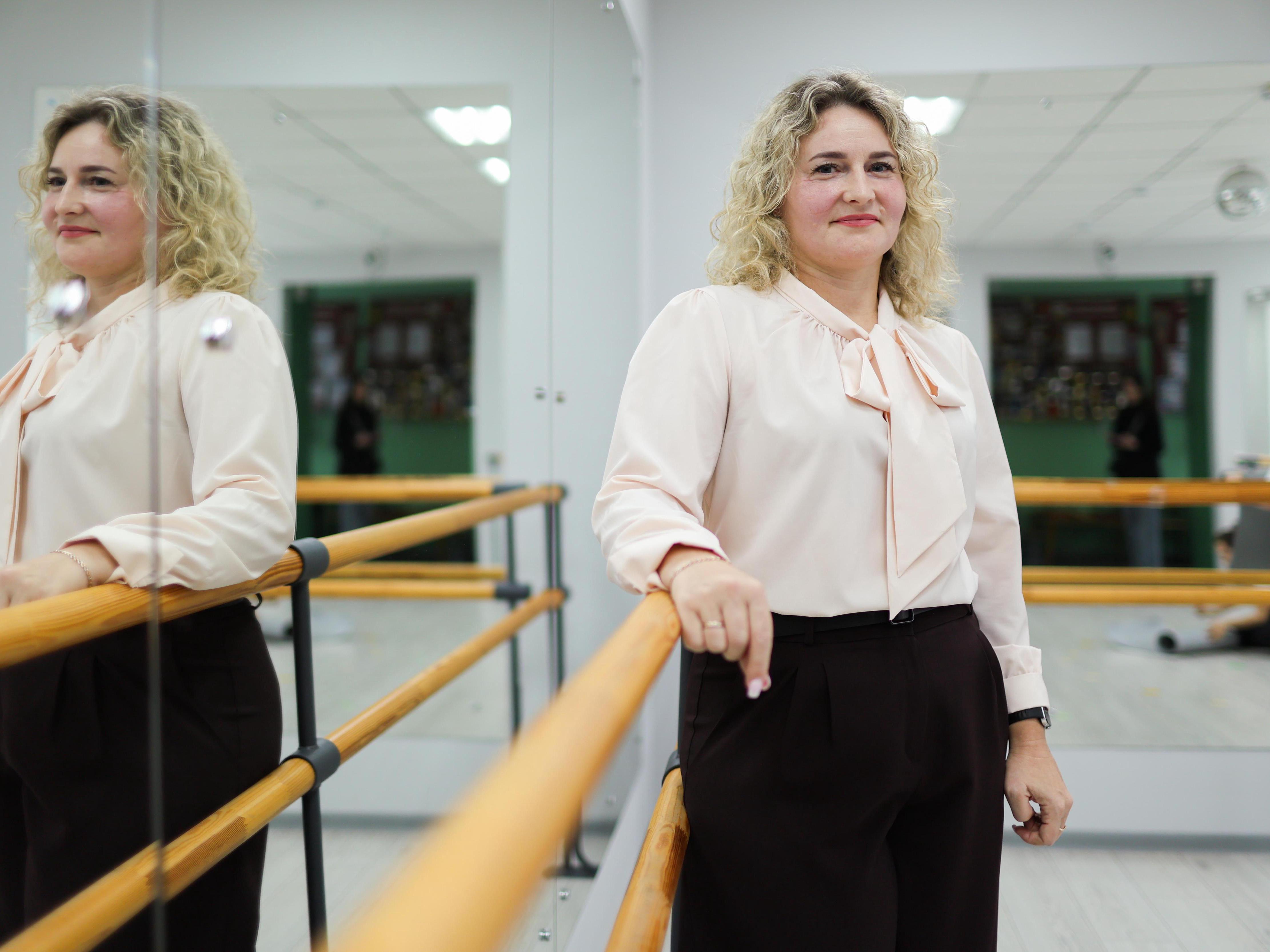
Tatyana has worked in the adaptive school for 28 years. First, she came as a librarian, then moved to a caregiver role, and after some time became a teacher. The nuances of teaching special children are well known to her.
Many parents do not want to send their children to an adaptive school. The main fears are related to the fact that after graduation, the child will have a «stigma» and will not find a job. But, in the director«s opinion, a regular school is an alien environment for a special student. It is much harder for them to communicate with peers there.
«Children are not tolerant. A child with intellectual disability is not always accepted. In a mass school, there is no environment for such children. Here they are all equal, express themselves, are not shy or afraid. Favorable conditions for such children are precisely in adaptive schools. Inclusion was created, it seems to me, because there are not enough places in special institutions.»
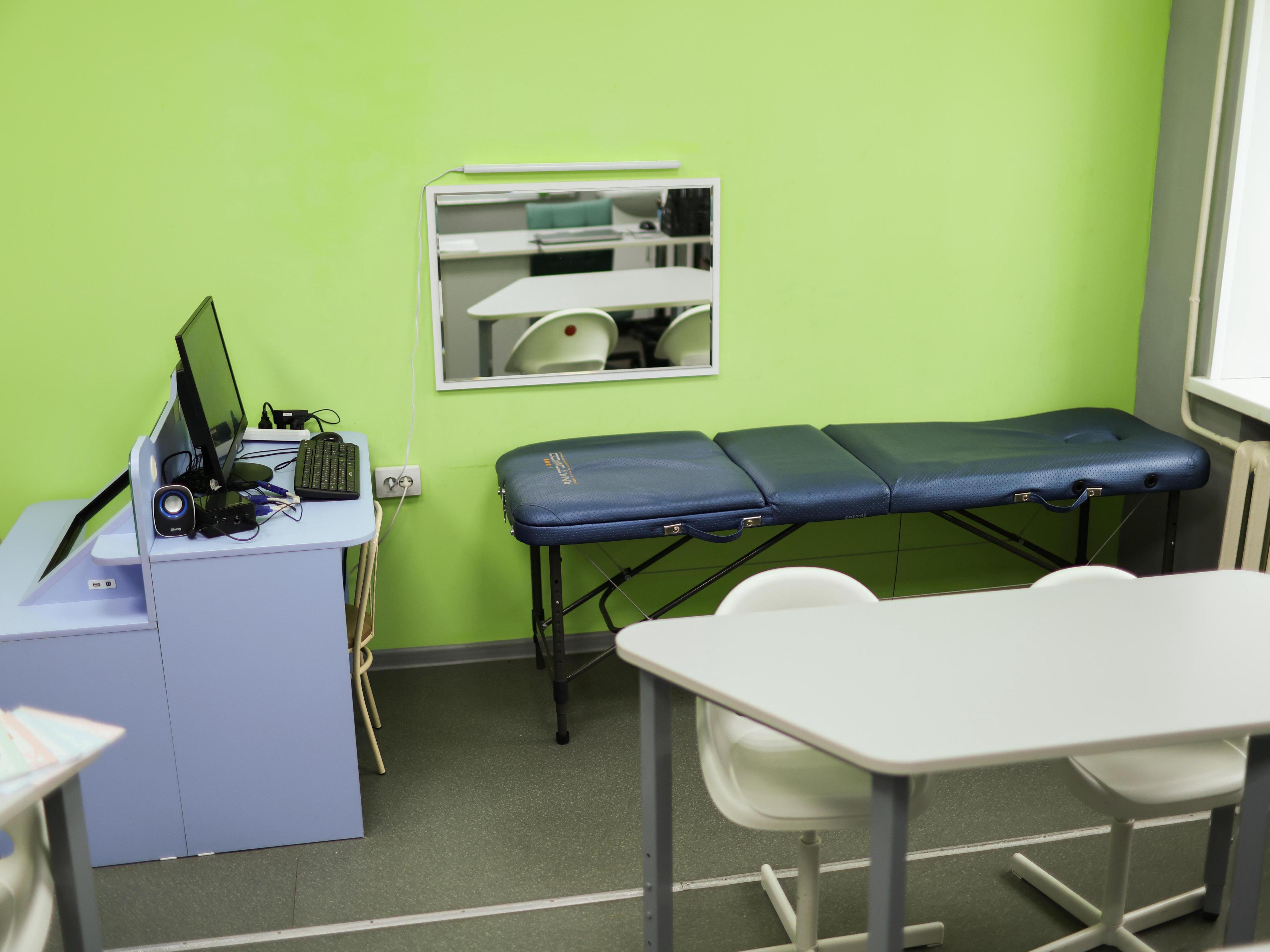
The school actively contacts parents. Here, an early assistance center for children up to three years old operates. Correction at this stage plays a big role in the child«s further development. Also, a parent committee and a city association of parents of children from adaptive schools are organized. Anyone in need can come for advice and consultation. It is free. Tatyana is sure that those raising special children should not be afraid of specialists.
«When getting a job, no one sees any «stigma» on the child. If you want to raise a personality in the child who can show and reveal themselves, then, of course, an adaptive school is needed. This is my opinion.»
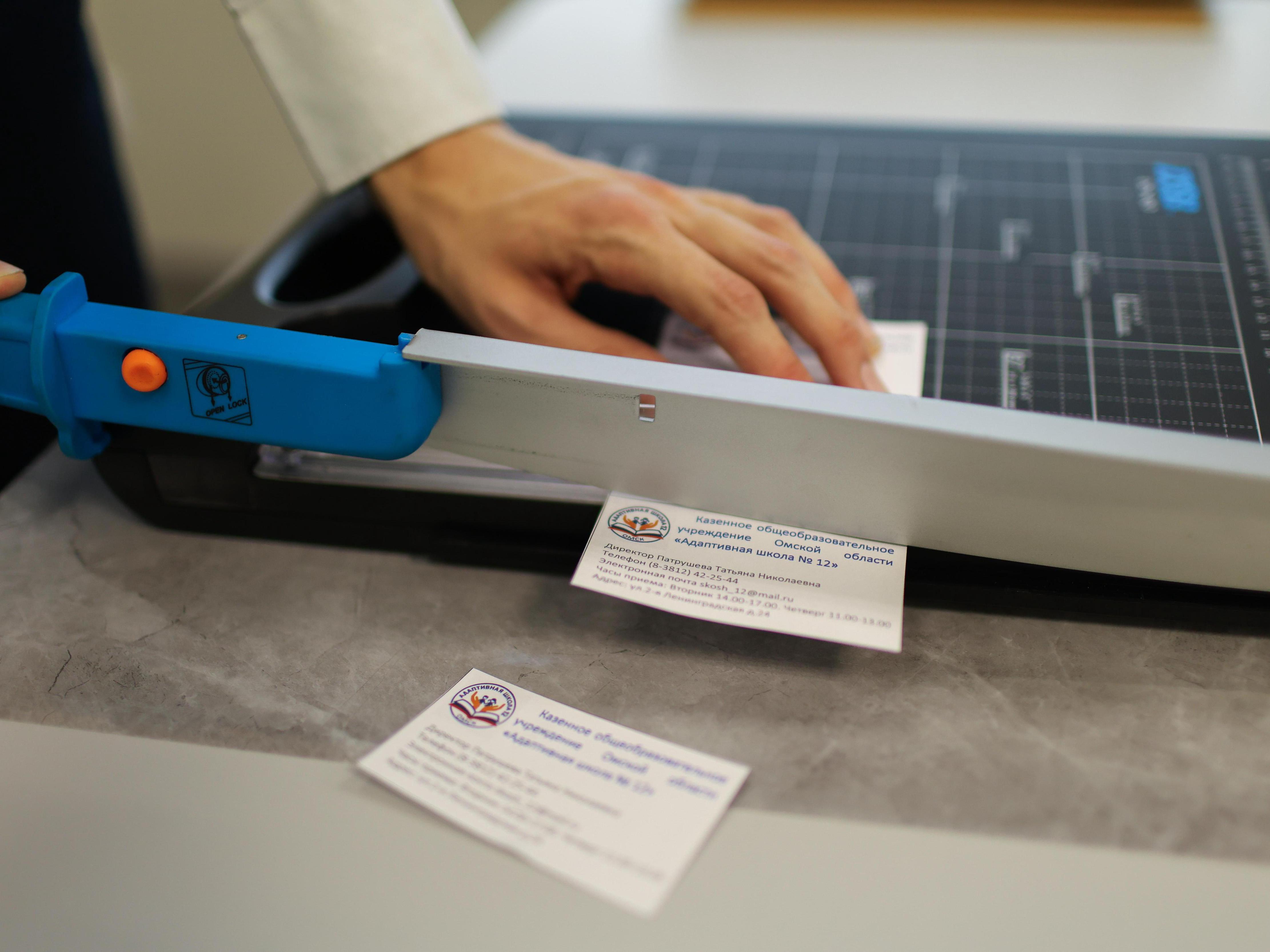
In the adaptive school, students are prepared for real life. An important task for teachers is to help children become independent. That is why they conduct many classes that are not found in a regular institution. Schoolchildren are taught cooking, sewing and souvenir craft, printing, carpentry, and other disciplines. And they are also told how to cope with everyday tasks without outside help. Attention is paid even to such seemingly simple actions as cleaning.
About the teachers
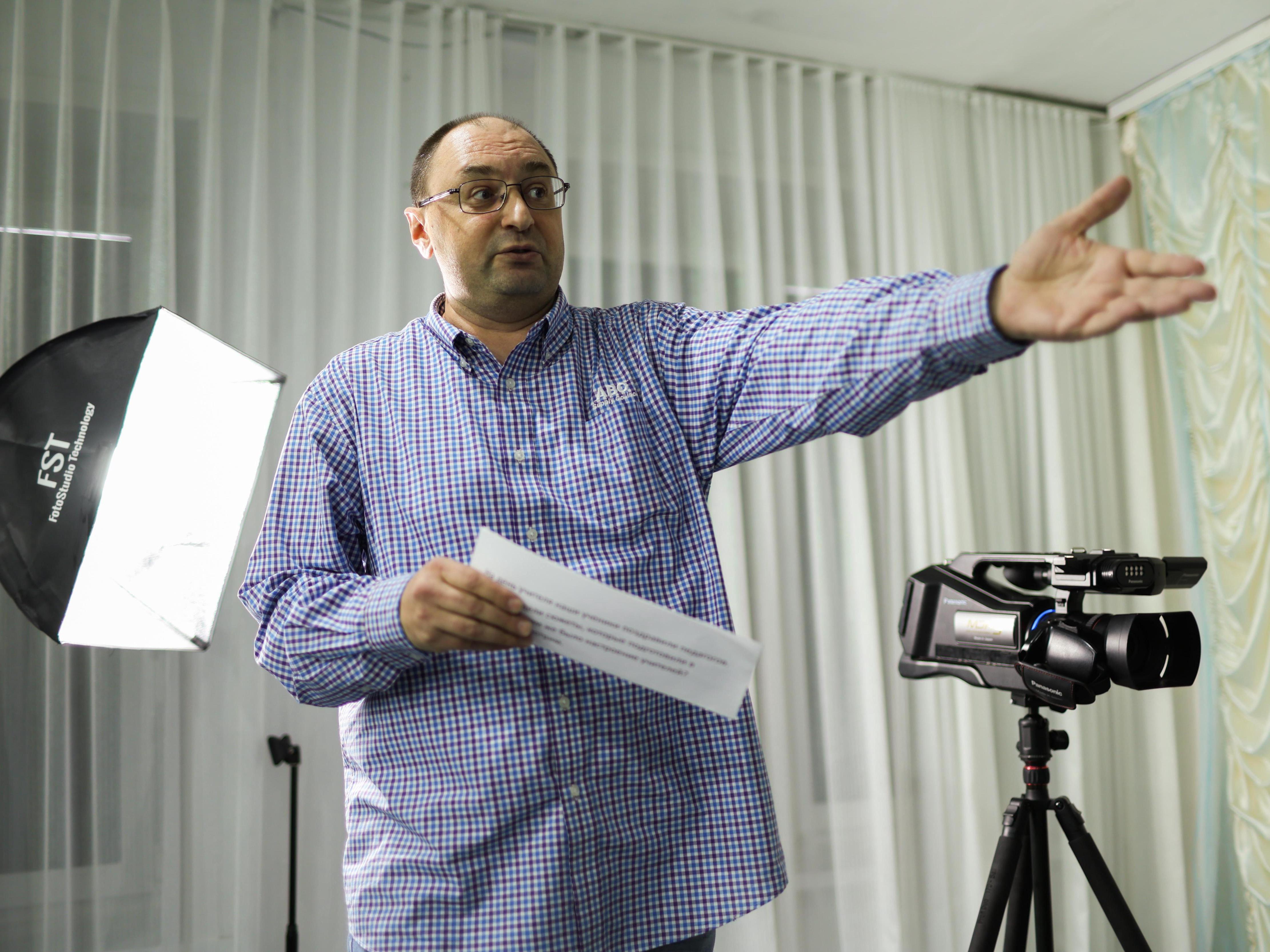
We enter the spacious assembly hall of the school, where a kind of news studio is organized. Camera, host, prompter, and editor — everything as it should be. In a minute, filming begins. The process is led by teacher and one of the school«s psychologists Nikolai Ponomarev.
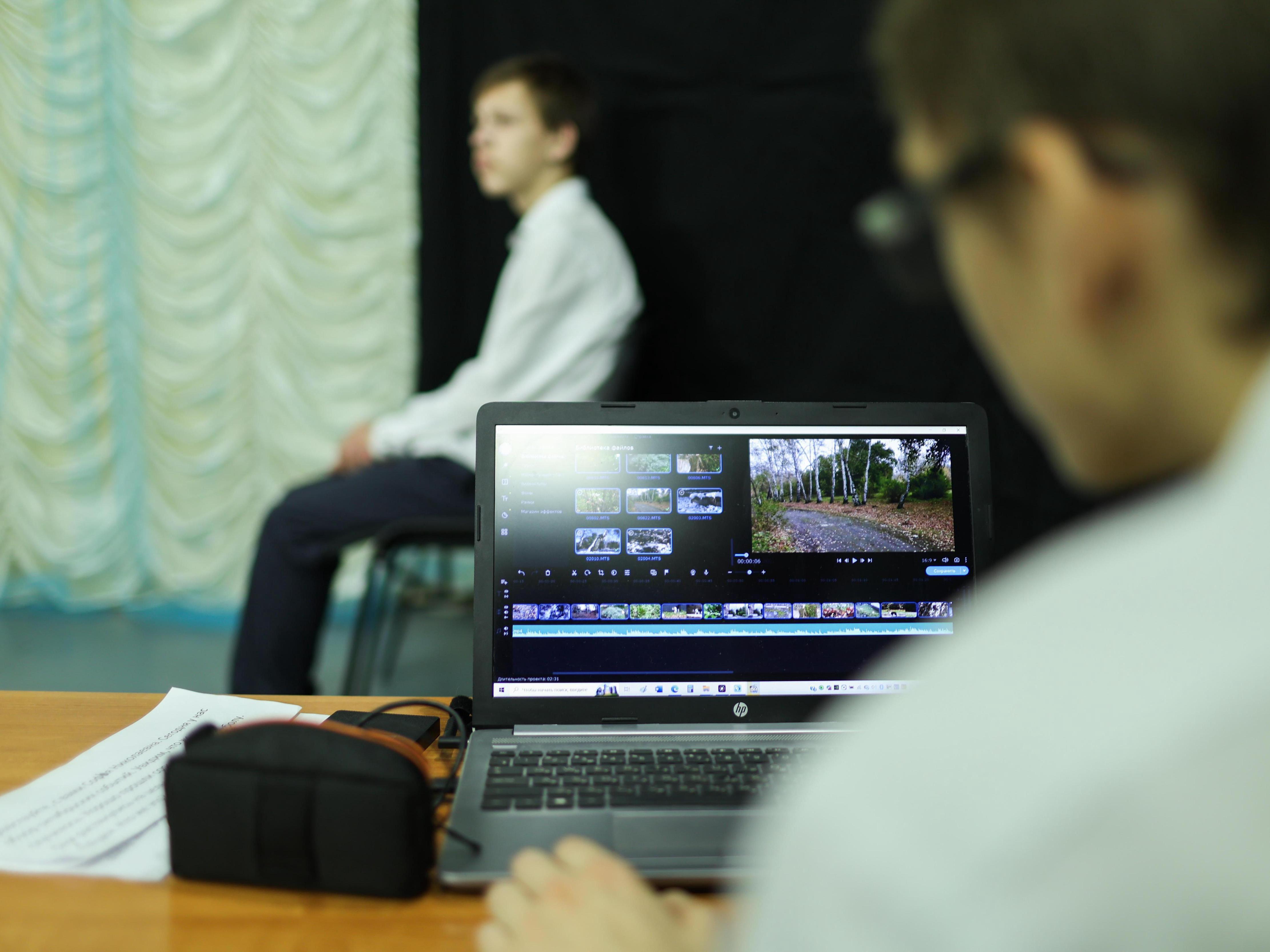
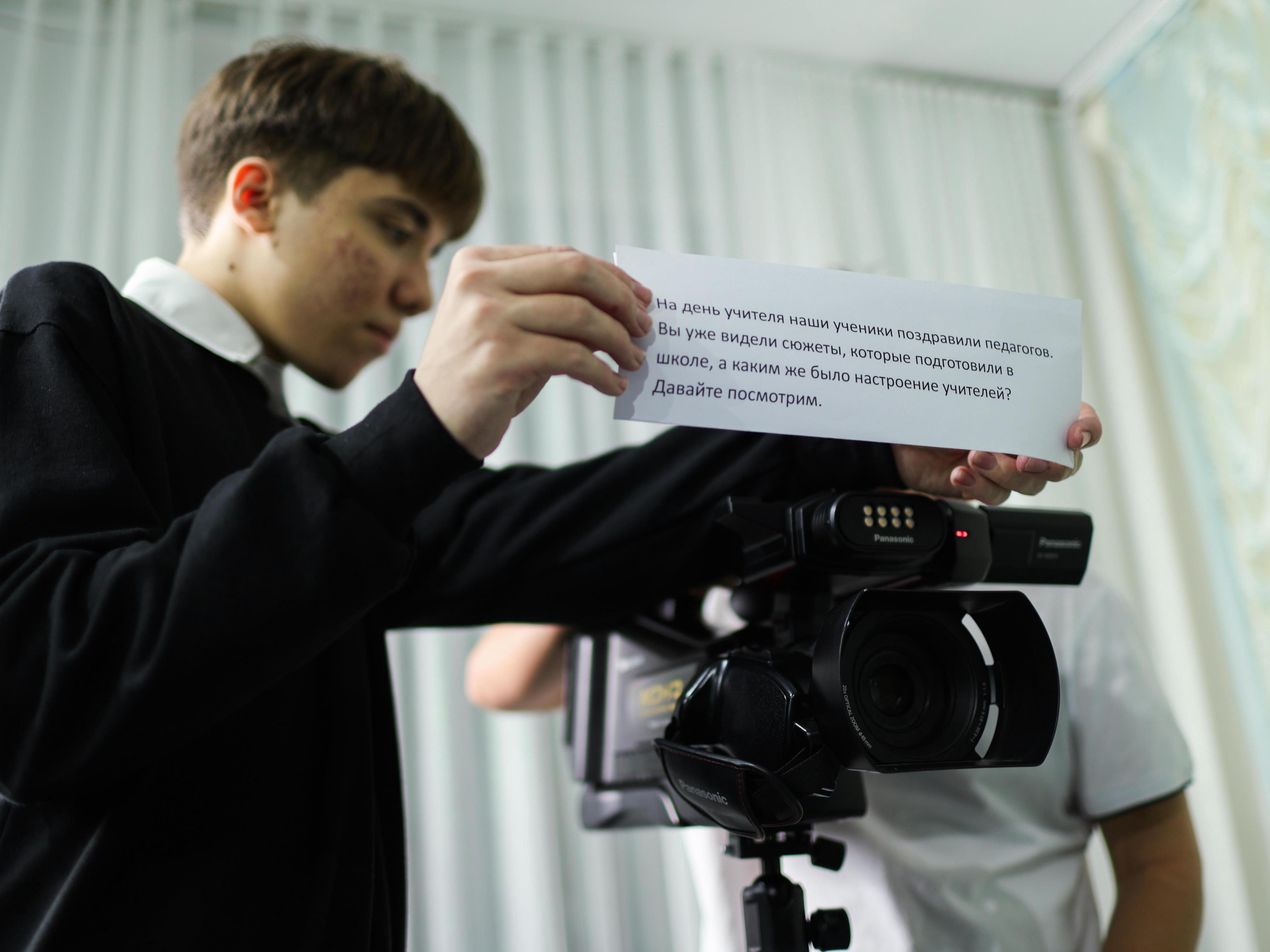
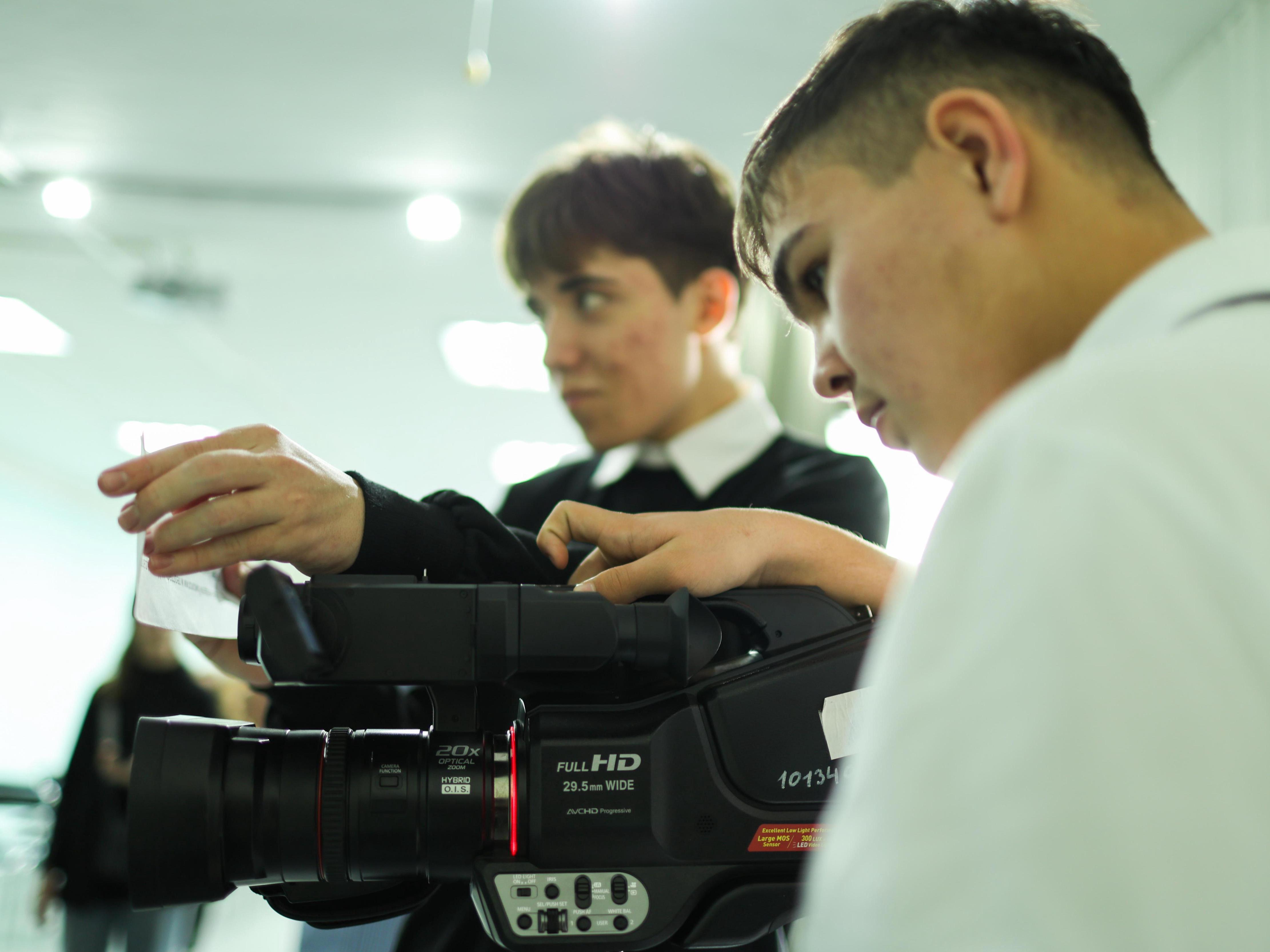
The recording starts, one of the students begins the news broadcast, another — changes the sheets with text. Video clips of this format are posted on the school«s social networks once a month. The hosts are tried to be changed each time.
«We post the news on social networks so that parents see what is happening at the school. This is important for the children too. It increases their self-esteem, teaches them to speak. It is important that after graduation they can somehow express themselves, understand something. Moreover, there is a technical orientation: working with the camera, understanding angles, ability to shoot. Each time I only teach the operators, they graduate from me. Now, starting from 5th–6th grade, work is done so they can shoot,» — tells the teacher.
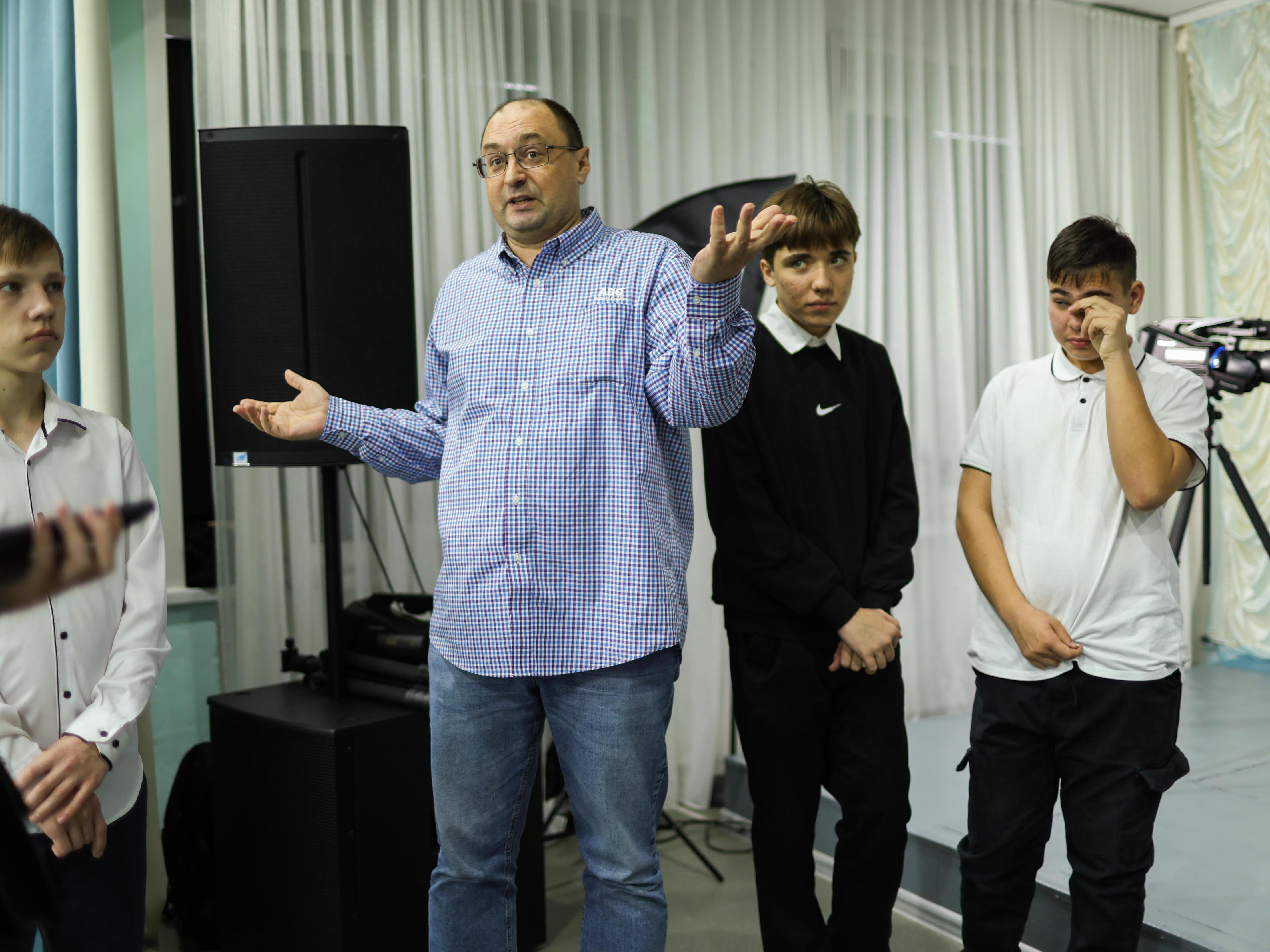
There are no random teachers in the adaptive school. Some of them initially received education as a defectologist teacher, while others underwent retraining. Nikolai worked in a pedagogical college, was involved in raising foster children. When they grew up, he decided to try himself in a new role. He says that he quickly settled in the adaptive school.
«In January, it will be 9 years since I«ve been working here. When I got hired, I had two foster children grown up, one remained. I had to move forward. I asked a friend if there was a place in this school. He said there was. It seemed like a life challenge to me. And I rushed here. Somehow I settled in here.»
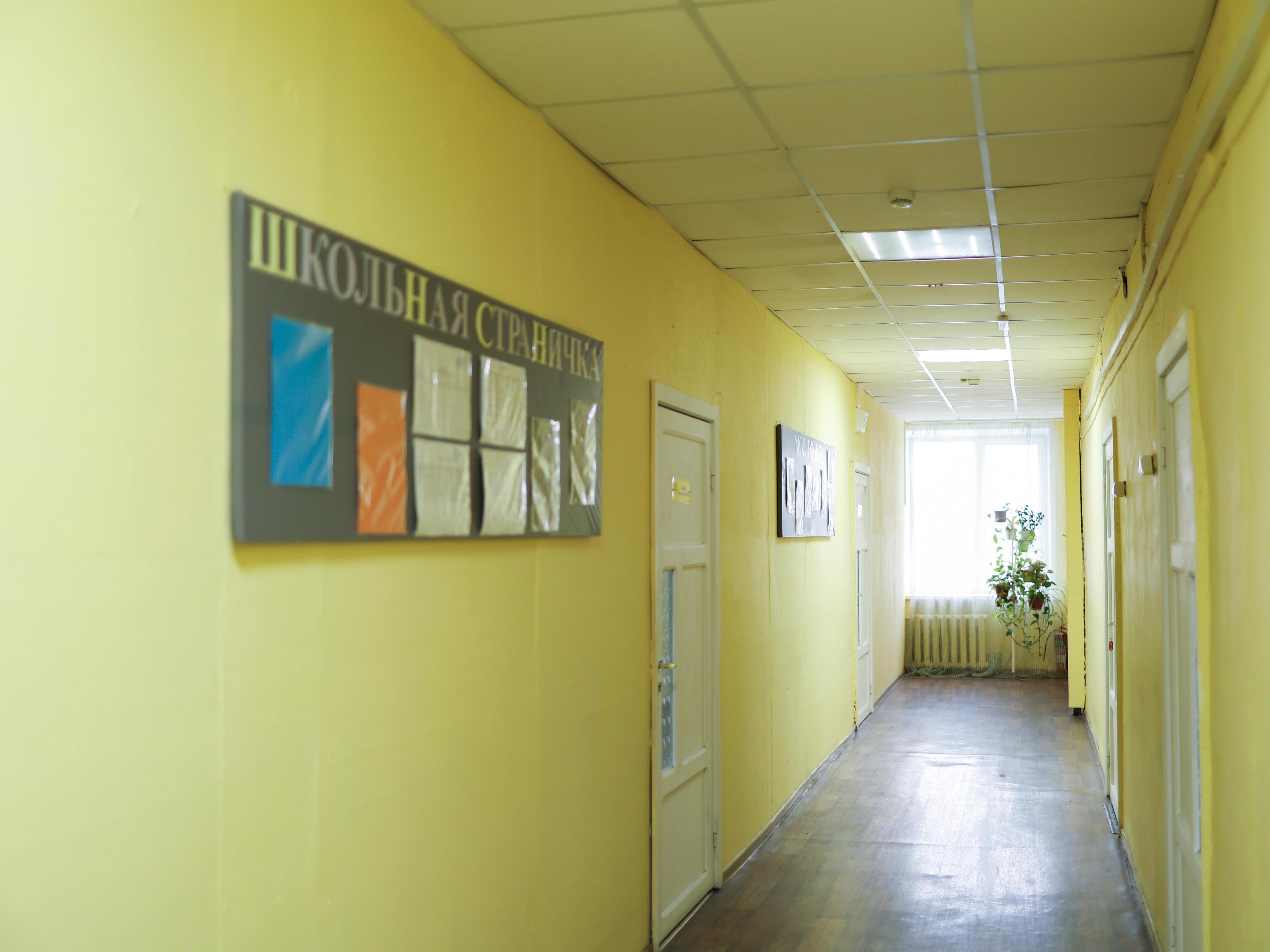
The salary of defectologist teachers is 20% higher than that of teachers in regular schools. But they don«t come here for the bonus. As Nikolai says, children quickly become attached to mentors, trust unconditionally. It is impossible not to respond in kind.
About life after school
The choice of professions for graduates of the adaptive school is large, but limited to working specialties: cook, plasterer-painter, carpenter, seamstress, maid, and so on. They mainly enroll in the multidisciplinary technical school on Molodogvardeyskaya, the technical school of construction and forestry in Neftyaniki, or the college of professional technologies on Dianova. Children with disabilities cope with studies no worse, and sometimes even better, than regular students. This is due to the fact that labor skills are given to them back in school.
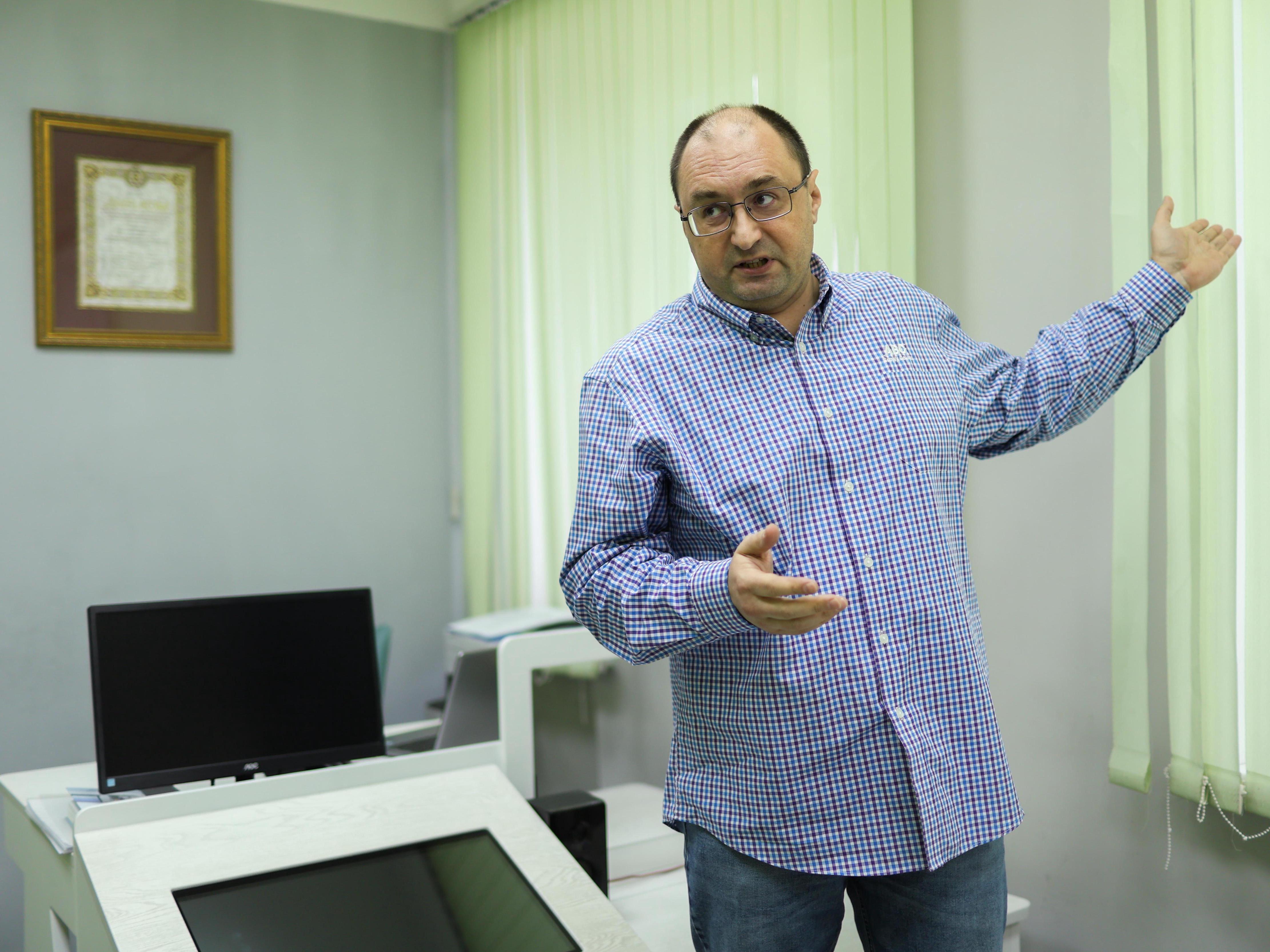
Sometimes parents do not see the point in sending a graduate of an adaptive institution to a college or technical school. In such cases, teachers try to persuade them: a document on education can greatly help the child in future life.
«Starting from the end of 8th grade, I«m constantly on parents» ears, because many do not see value in education. It is important to us that the child does not immediately go wash cars at a car wash, but also gets some education. No one knows how life will turn, it«s not so simple. Somewhere later it might help him. More prospects in life. Without education, he will just scrub cars all his life. While he has strength, he scrubs. And then who knows what will happen,» — says Nikolai Ponomarev.
Last year, about 50% of the school«s graduates entered colleges. This, according to the teacher, is considered a bad result.
«Before that, about 70% of ours entered. That year, we just couldn»t get through to some parents that education is valuable. Our children have no competition of diplomas. The earlier you bring the documents, the more chances to enroll. You came thirteenth, you won«t be taken for that specialty, because twelve people — that»s the maximum. All, enrollment closed.»
«We are proud of our students»
Teachers do not forget about their charges even when they finish school. For those who, for some reason, did not enroll anywhere and did not find a job, special classes are organized in two areas: «Souvenir Workshop» and «Social and Everyday Orientation».
«Our children love to come very much. They somehow become attached. Sometimes we even have to say: «Guys, we have no time, let»s disperse.« Recently a teacher told: he is walking through »Mega« and hears a student»s voice. He works on a lift, arranging goods. Boasted about his salary. He has a family, two children. We see that the child is ready for life, studied worthily,» — shares Tatyana Patrusheva.
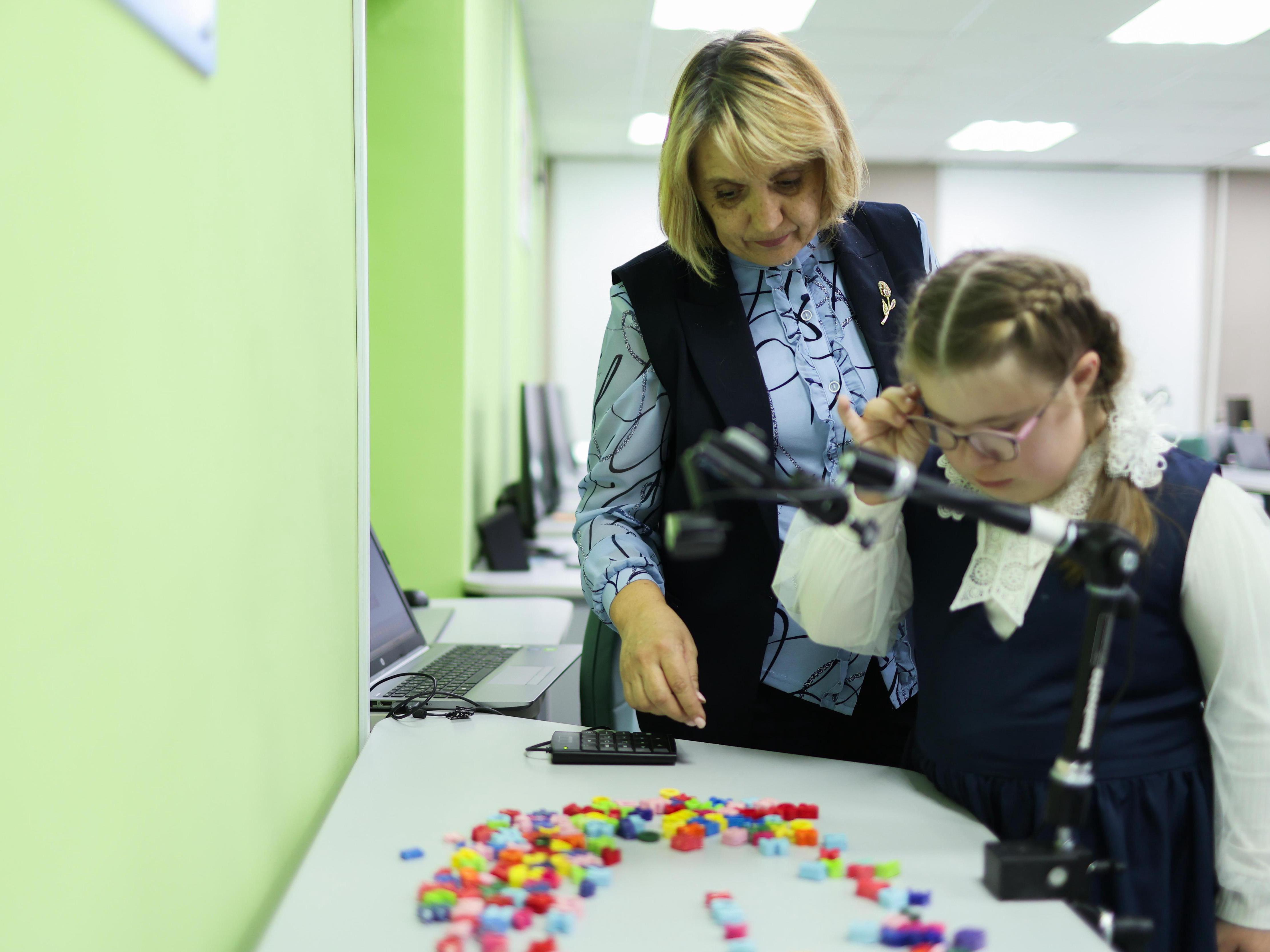
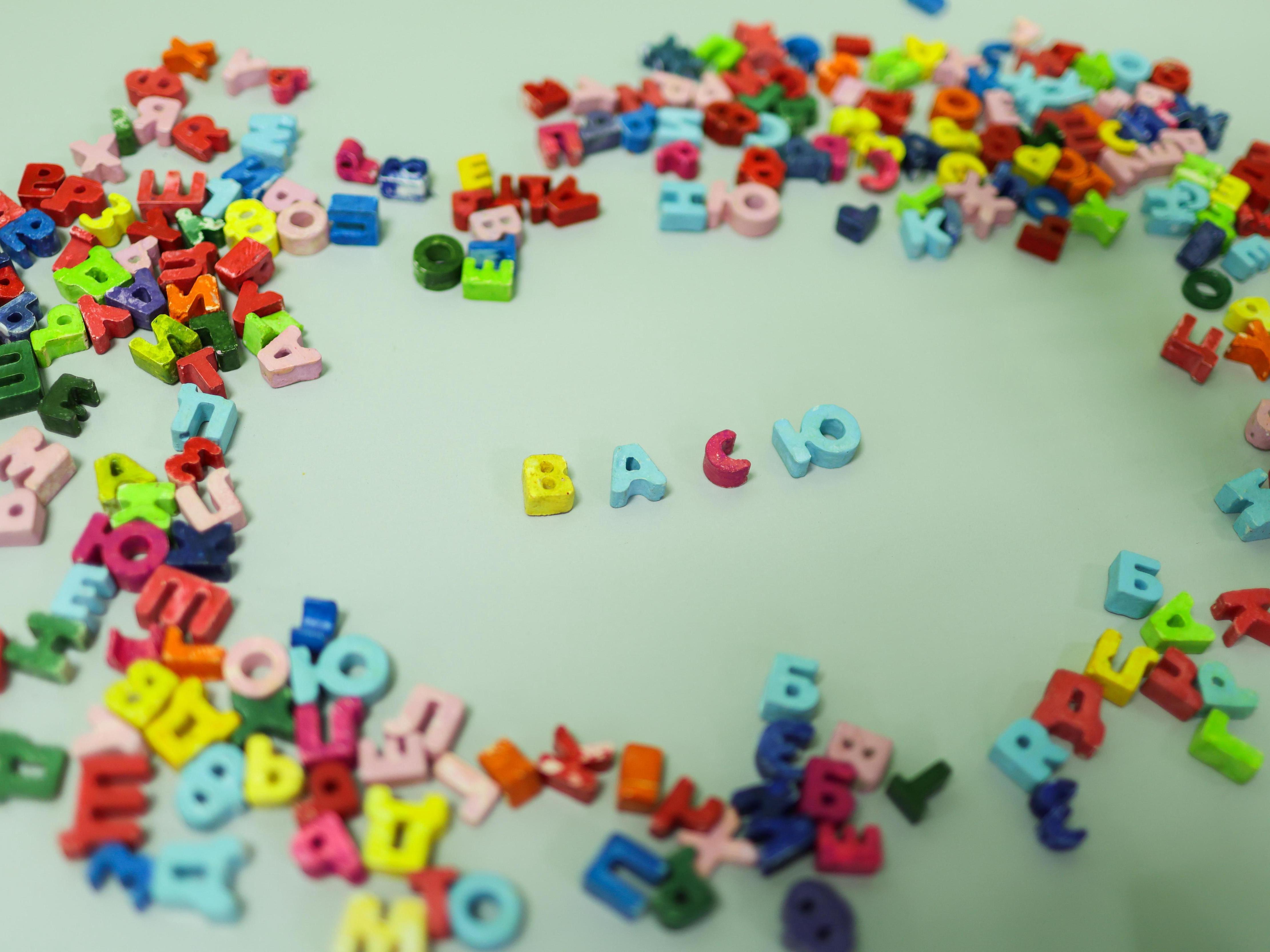
The school is proud of its graduates. It often happens that severe, neglected children blossom during classes. Therefore, teachers never lose faith in the best.
«Often, when a child comes, it seems that they will achieve little in life due to their characteristics. But they blossom, engage a lot in creative activities, additional education, start singing, performing. Our children participate in competitions, take prize places. We are proud of our students.»