Inflation in 2025 Falls to Lowest Level Since 2020
According to information released by the Central Bank«s press service on January 21, consumer price growth in 2025 slowed to the minimum level in the past five years. The figure of 5.6% is the lowest since 2020, when inflation was 4.9%.
Last year, the most noticeable price decrease was observed in the non-food goods category, where on average they fell by 3%. In particular, the following became cheaper:
- television and radio goods (-8.5%);
- communication devices (-7.1%);
- personal computers (-5.4%);
- electrical goods and household appliances (-5%);
- tools and equipment (-3.2%);
- footwear (-1.2%);
- passenger cars (-0.8%).
At the same time, an increase in services by 9.3% and food goods by 5.2% is noted. In the food segment, the cost of eggs (-20%) and sugar (-6.4%) significantly decreased. Compared to the high price level in December 2024, vegetables and fruits (-8.8%) and butter (-3%) also became cheaper.
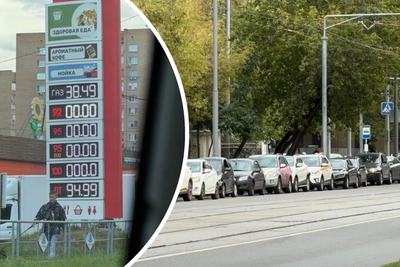
In December 2025, excluding seasonal factors, prices increased by 2.6%. A low for this month increase in prices for eggs, vegetables and fruits was recorded, and the cost of gasoline and sugar continued to decline.
The Bank of Russia will maintain the tightness of monetary conditions necessary to return inflation to 4%,
is emphasized in the regulator«s message.
Against the backdrop of this data, it is noted that in December 2025, Russians« spending on goods and services reached 8.4 trillion rubles (approximately $84 billion at current rates), increasing by 10.8% year-on-year. According to experts, this growth is related to the spending of annual bonuses, the desire to make purchases before the VAT increase, as well as active purchases on marketplaces ahead of the tightening of regulation of their activities.
In January 2026, consumer prices continued to rise, increasing by 1.72% in the first weeks. Preliminary data indicate that inflationary processes are developing faster than analysts expected.