AI Names Top 5 Most Criminal Microdistricts in Krasnodar
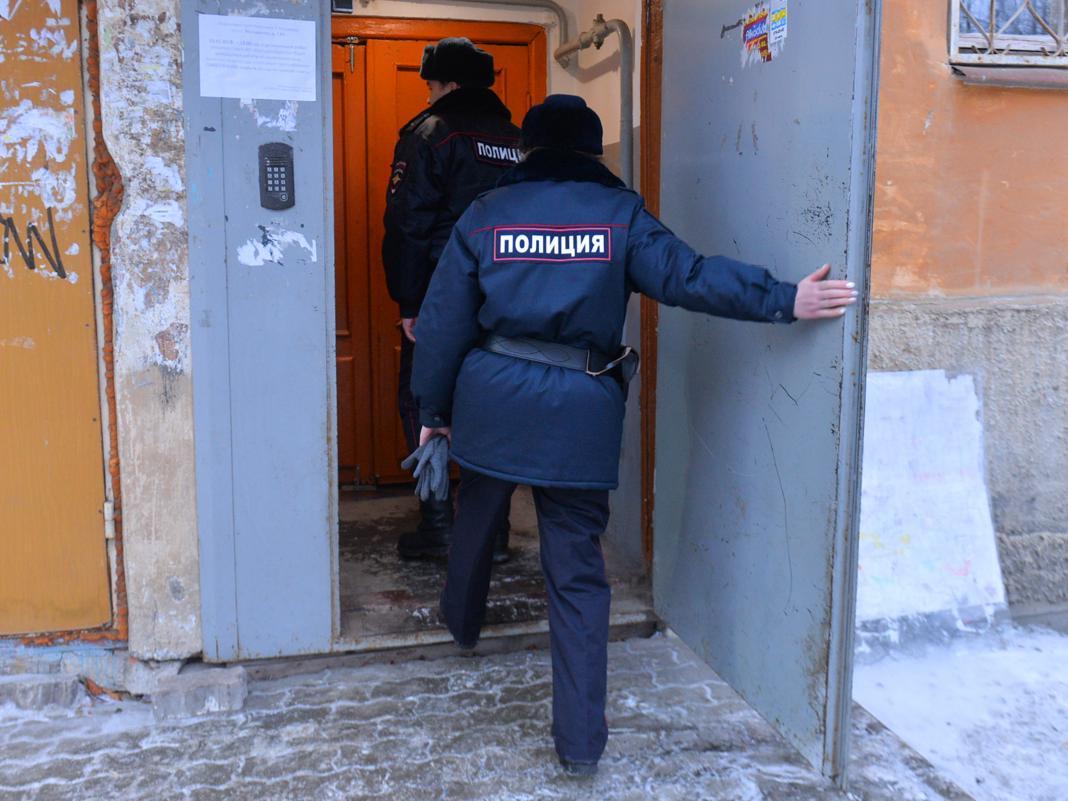

In 2025, the crime map of Krasnodar has changed significantly. The number of crimes has decreased, but they have become more expensive, complex, and sophisticated. This conclusion was reached by the Google Gemini neural network after analyzing official law enforcement reports, state statistics, and regional media publications from last year. The portal 93.RU shares the results.
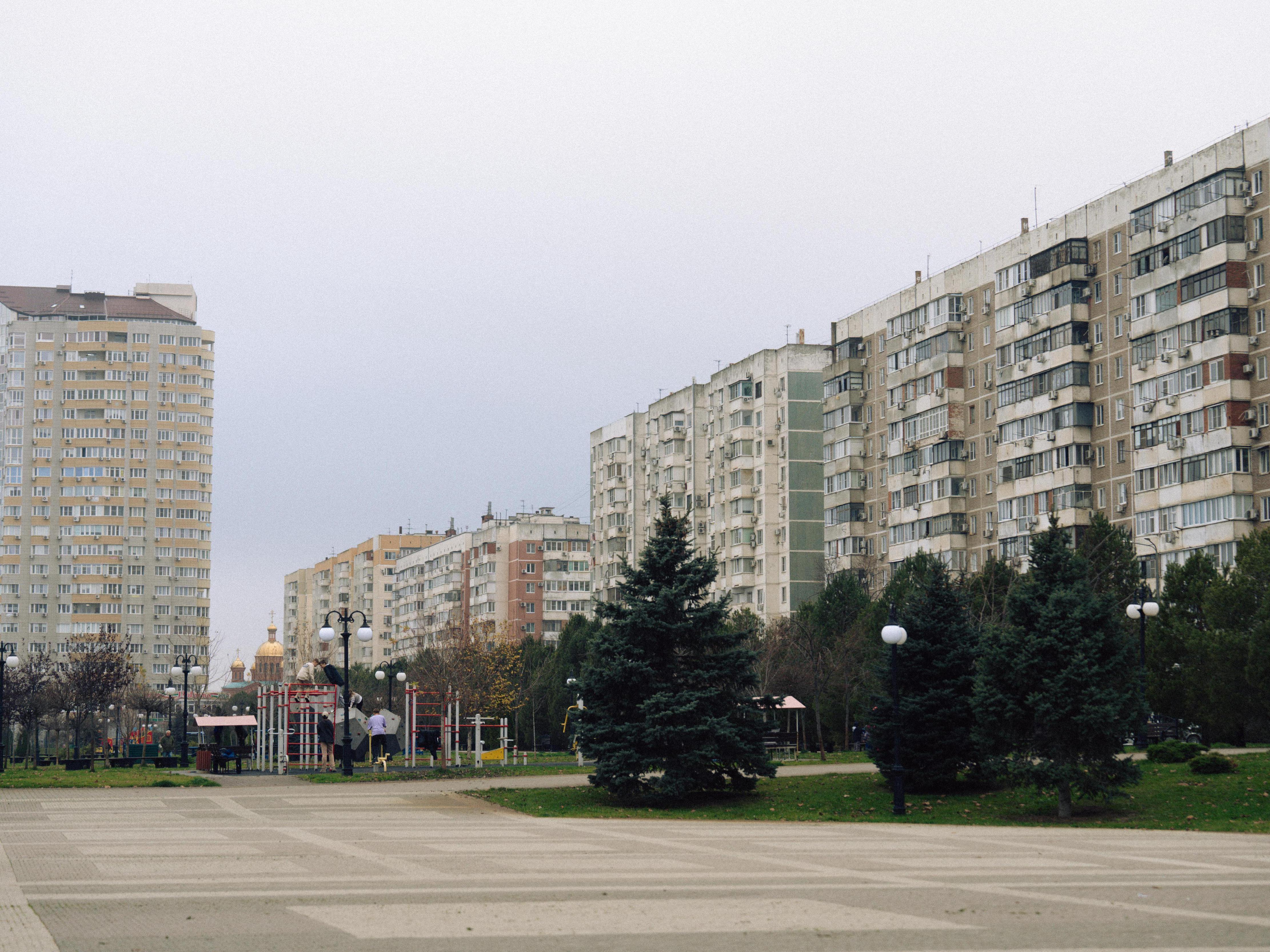
The study showed that danger in the city is distributed unevenly and is directly related to the density of development, economic activity of districts, and the pace of urbanization. Some microdistricts lead in crime news due to mass gatherings of people, others due to infrastructure failures and the anonymity of new residential areas.
Why Gemini? Models of this neural network show higher results in tests of factual knowledge. It conducts a multi-step search through highly local sources, rather than limiting itself to general articles from search results. Thanks to integration with maps, it analyzes infrastructure, which allows it to assess the risks of districts not only by numbers but also by their layout.
Important clarification: the data below are the results of so-called deep research conducted by artificial intelligence. The editorial staff has no relation to them and did not change them. For comparison, similar queries were made to Grok and Chat GPT, but Gemini provided a more detailed answer.
The Most Criminal Microdistricts of Krasnodar
The neural network formed the rating of dangerous microdistricts based on the frequency of mentions of territories in crime reports and confirmed media messages. And here is an important nuance: a high position in the anti-rating does not always mean a troubled area—it is often a consequence of the activity and publicity of the district.
Tsentralny Microdistrict (TsMR)
The center of Krasnodar in 2025 again became the leader in crime news. The reason is not poverty, but the concentration of money and people. Banks, shopping centers, restaurants, nightclubs, and tourist flows make TsMR attractive for pickpockets, robbers, and fraudsters.
Theft in public places, incidents near nightlife establishments, and economic crimes were most often recorded here. Large crowds give criminals the main things—anonymity and a chance to quickly disappear.
Yubileyny Microdistrict (YuMR)
Yubileyny is a typical densely built-up «dormitory district,» and precisely its density became its problem. The microdistrict is located on a limited territory, which intensifies domestic conflicts and street crime.
In 2025, thefts from cars and offenses in the residential sector were most often reported here. A shortage of parking spaces and overcrowding of residents often become a trigger for conflicts that turn into criminal cases.
Festivalny Microdistrict (FMR)
Festivalny unexpectedly ended up in the top three—it is one of the city«s most prestigious districts. But it is precisely the prosperity of its residents that makes it a target for professional criminals.
The main incidents here are apartment thefts, theft of expensive property, and theft of premium-class cars. The danger in FMR is not of a street nature but a «selective» one: organized groups are at work, not random offenders.
Pashkovsky Microdistrict and «Nemetskaya Derevnya» (German Village)
These territories were combined into one category due to their role in the city«s transport structure. Pashkovsky Microdistrict often appears in reports due to transit crimes—the proximity of the airport and exits from the city plays its role.
«Nemetskaya Derevnya,» despite having security, became a site of property crimes and public order violations in 2025. The reason is the influx of visitors to recreation zones and public spaces.
New Microdistricts in the Northern Part of the City
Initially, the neural network named the Severny settlement. However, it is obvious that all northern microdistricts were meant. Here, the problem is not with people, but with infrastructure. Active construction is outpacing the development of lighting, roads, and police presence.
In 2025, theft of construction materials and attacks in poorly lit zones were often recorded in Severny. New residents have not yet had time to form a stable community, and anonymity plays into the hands of criminals.
Police Data
A separate conclusion of the study is the discrepancy between the media picture and official statistics. Judging by the news, TsMR and YuMR lead. But according to police data, the most dangerous district of Krasnodar in 2025 was Kalininsky Rural Okrug. It includes northern suburbs, including the former settlement of Kalinino, and the settlements of Krasnodarsky, Industrialny, Rossiysky, Muzykalny, and others.
This area is characterized by chaotic development, high density of residential complexes, a large amount of rental housing, and migratory influx. This creates a burden on local police officers and complicates prevention. It is here that the largest number of crimes in absolute figures are recorded—mostly domestic and «quiet» ones, which do not always make headlines.
How Fraud Erases District Boundaries
The study emphasizes that in 2025, geography protects less and less from crime. Telephone and digital fraudsters operate without being tied to the victim«s place of residence.
From January to October 2025, 16.2 thousand criminal cases of fraud were initiated in Krasnodar Krai. This is 18.3% less than in the same period in 2024. However, the total damage, on the contrary, increased—to 14.6 billion rubles (approximately $162.2 million at current rates). Telephone fraud also slightly decreased in the number of victims but remains a serious threat—over ten months, residents of the region lost more than 5.5 billion rubles (approximately $61.1 million).
At the same time, there are correlations. Elderly residents are more often deceived under the pretext of social payments and meter replacements—such cases were recorded in YuMR and Pashkovsky. Residents of FMR and TsMR more often became victims of investment and crypto schemes.
The total damage from fraud—14.6 billion rubles (approximately $162.2 million)—affects not only specific people but also the urban environment: purchasing power falls, distrust grows, and petty crime intensifies.
Urban Environment as a Risk Factor
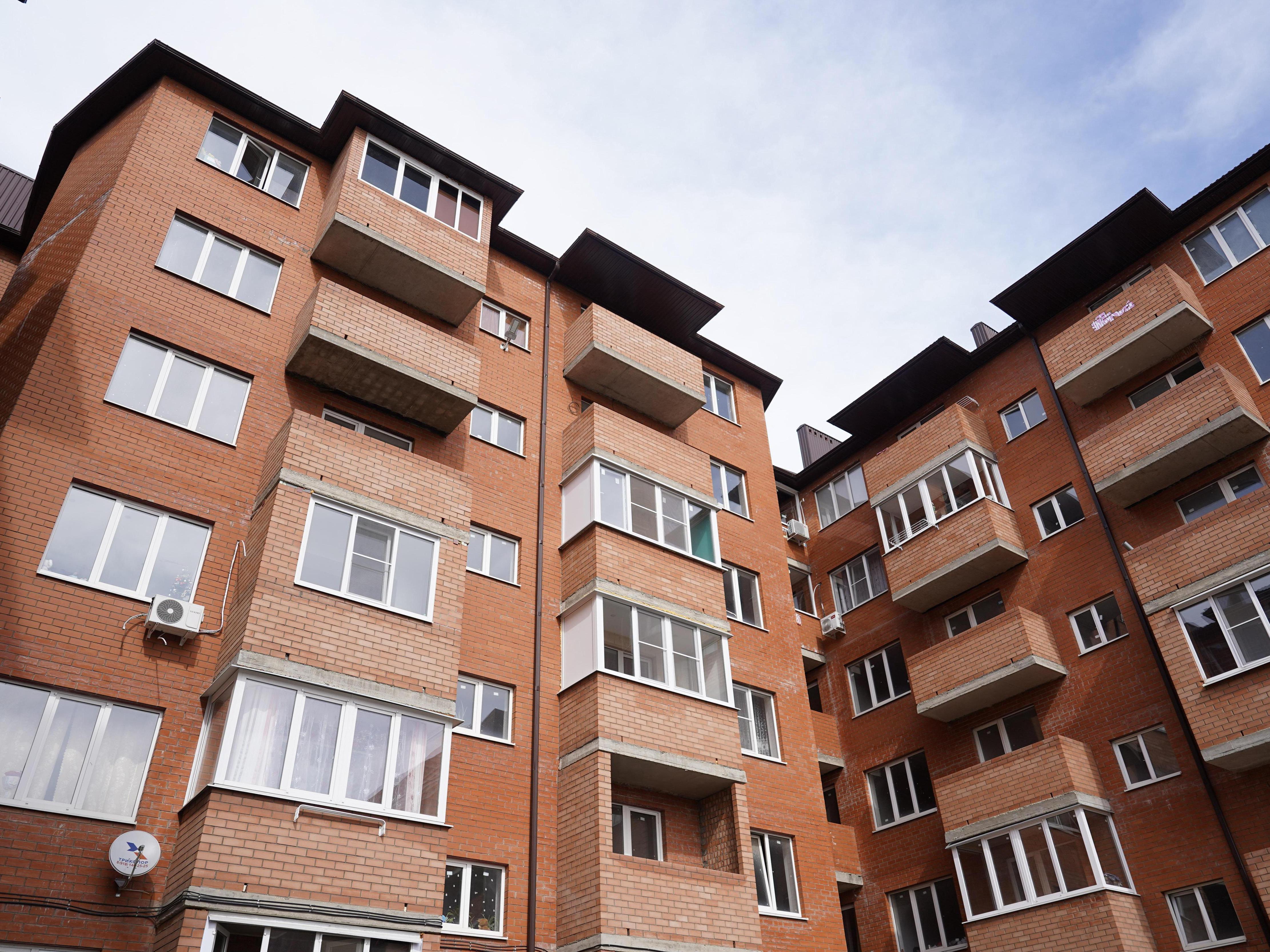
A separate block of the study is dedicated to urbanism. New districts of the Eastern Bypass and Severny showed that dense development without «lively» streets does not increase safety but, on the contrary, enhances anonymity.
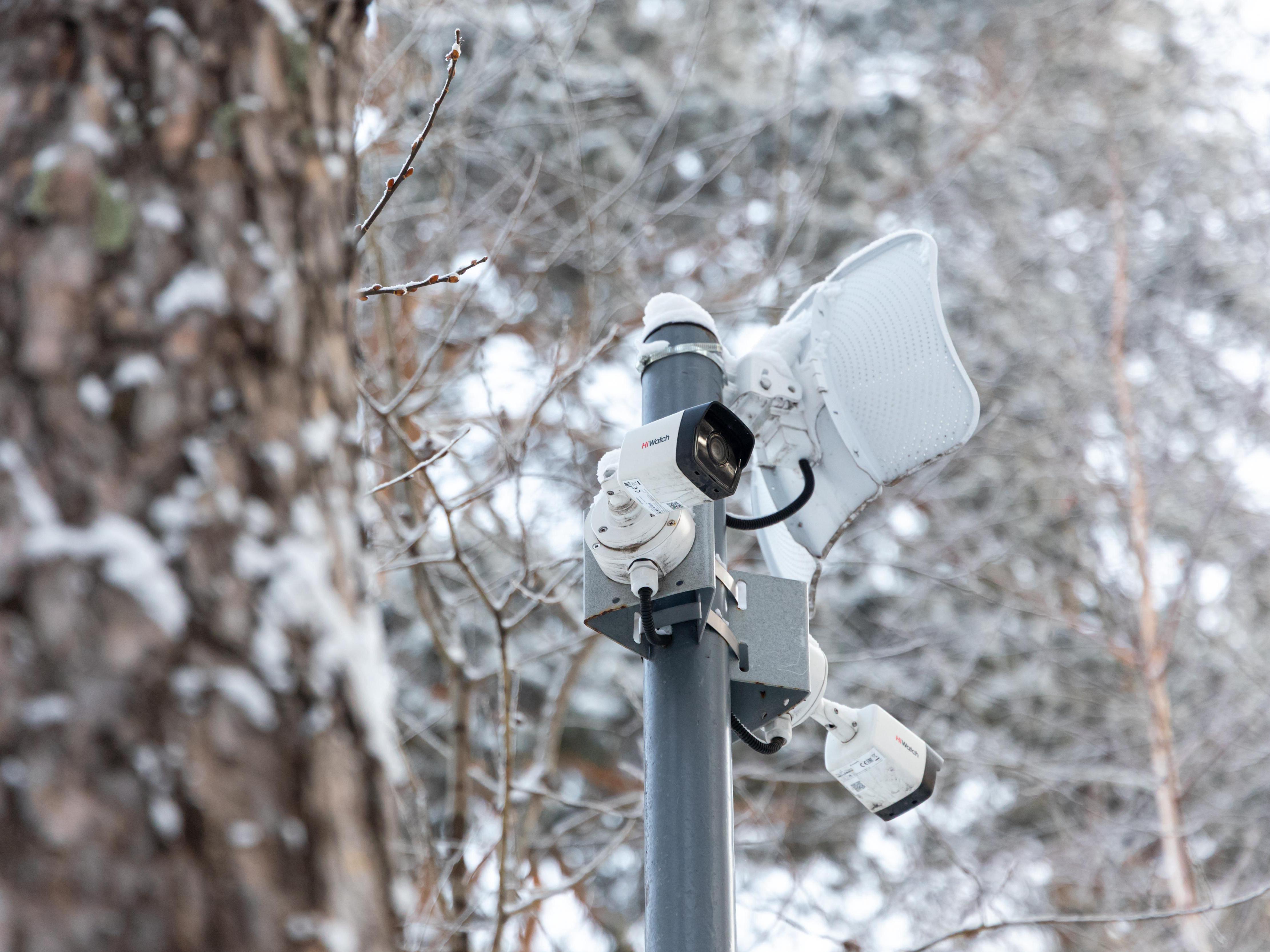
The absence of shops on the ground floors, large empty spaces between houses, and weak lighting create zones where crimes are committed without witnesses. Even video surveillance in enclosed courtyards, as the experience of 2025 showed, often simply displaces the problem beyond the residential complex—to bus stops and walkways.
What«s Next
According to the results of the study, Krasnodar is facing two challenges at once: street crime in dense and transit districts, and high-tech fraud that is not tied to a location.
The anti-rating of microdistricts shows that danger in the city is multifaceted. In the center—crowds and money, in new districts—infrastructure gaps and anonymity. And the growth in damage with a decrease in the number of crimes speaks to the professionalization of crime.
Experts agree on one thing: the level of safety in Krasnodar will depend on how synchronously the city develops construction, lighting, public spaces, and digital prevention. Without this, new microdistricts risk repeating the path of already problematic territories—regardless of their status and appearance.