Discounts Up to 500,000 Rubles: Most Generous Car Brands in February 2026
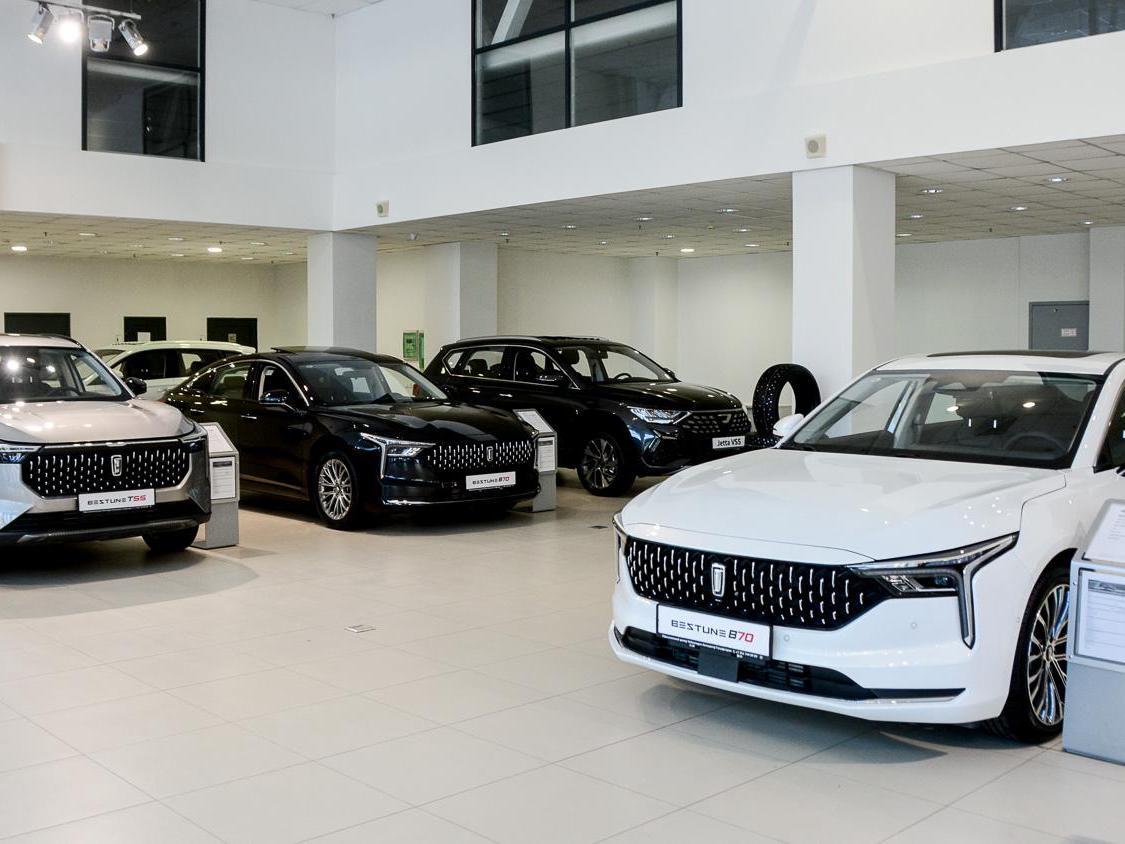

In January, demand for cars weakened, and manufacturers are willingly offering discounts, which in some cases reach 20%, especially on cars from last year and earlier. At the same time, the cost of new cars is increasing, reflecting a general trend due to the rise in the recycling fee and VAT. We«ll tell you which brands are offering the biggest discounts.
A Tough Start to the Year
The result of the first month was weak but not catastrophic: around 80,000 cars were sold, which is 10% worse than a year ago but comparable to January 2024. For comparison, in January 2019, Russians bought almost 100,000 cars, and in the frenzied 2012 — 154,000.
Major Players, Minor Discounts
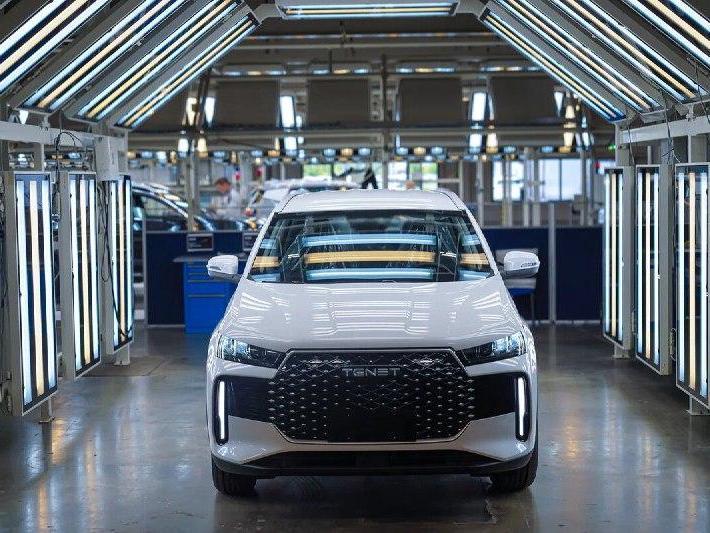
Dealers are selling off stocks of 2025 cars, and in some cases, leftovers from 2024. For example, last year«s Tenet T4 (Chery Tiggo 4) can be bought for a price starting from 2.039 million rubles (approx. $27,200 at current rates), which is 60,000 rubles (2.9%) cheaper than fresh cars. Meanwhile, for the Tenet T7, the price is the same, but for 2025 cars, there is a larger discount when buying with a trade-in (150,000–200,000 rubles versus 100,000 rubles for 2026 cars).
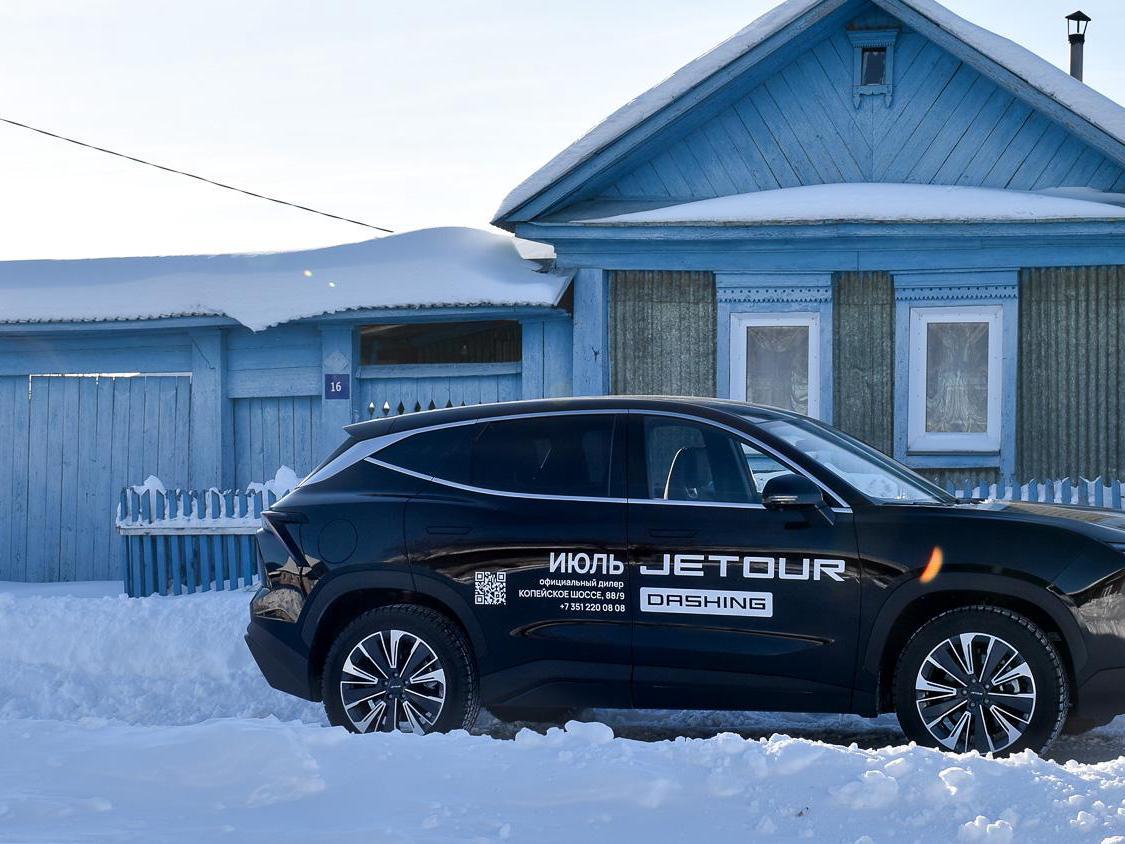
Leading brands are generally reluctant to offer deep discounts. For instance, the maximum specific discount on Haval is 3.8% (100,000 rubles) for the H3 crossover. For Changan, the limit is 2.7% on the 2024 CS75 (also 100,000 rubles). Similar discounts are offered by Jetour for some versions of the Dashing and X70: in their case, it«s about 4% of the price.
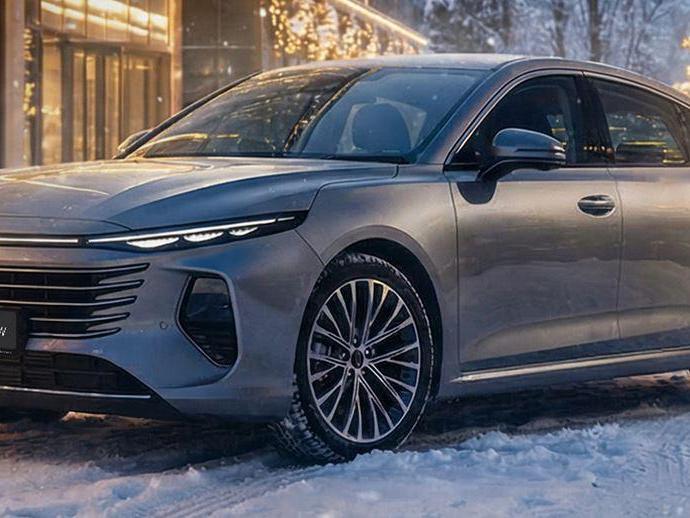
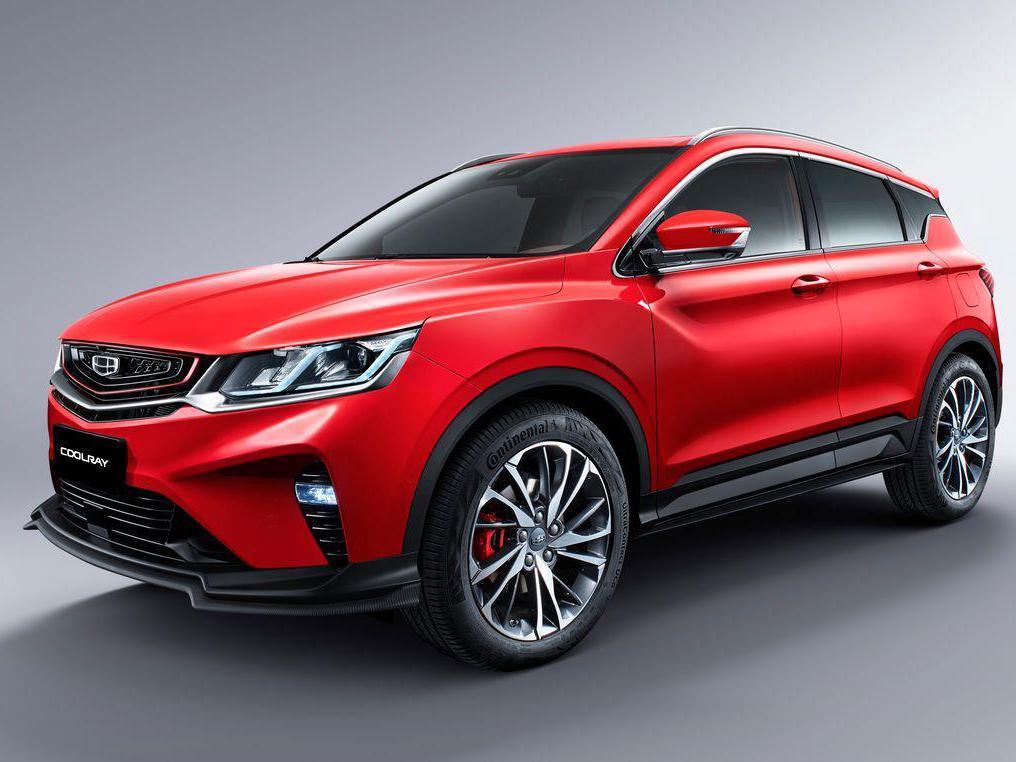
Among popular brands, Belgee has relatively good discounts: the price on the X50 crossover (Geely Coolray) is reduced by 150,000 rubles from 2.480 million, i.e., 6%. And top trim levels of the Geely Preface can be bought with a discount of 245,000 rubles (6.9%).
Generosity of the Underdogs
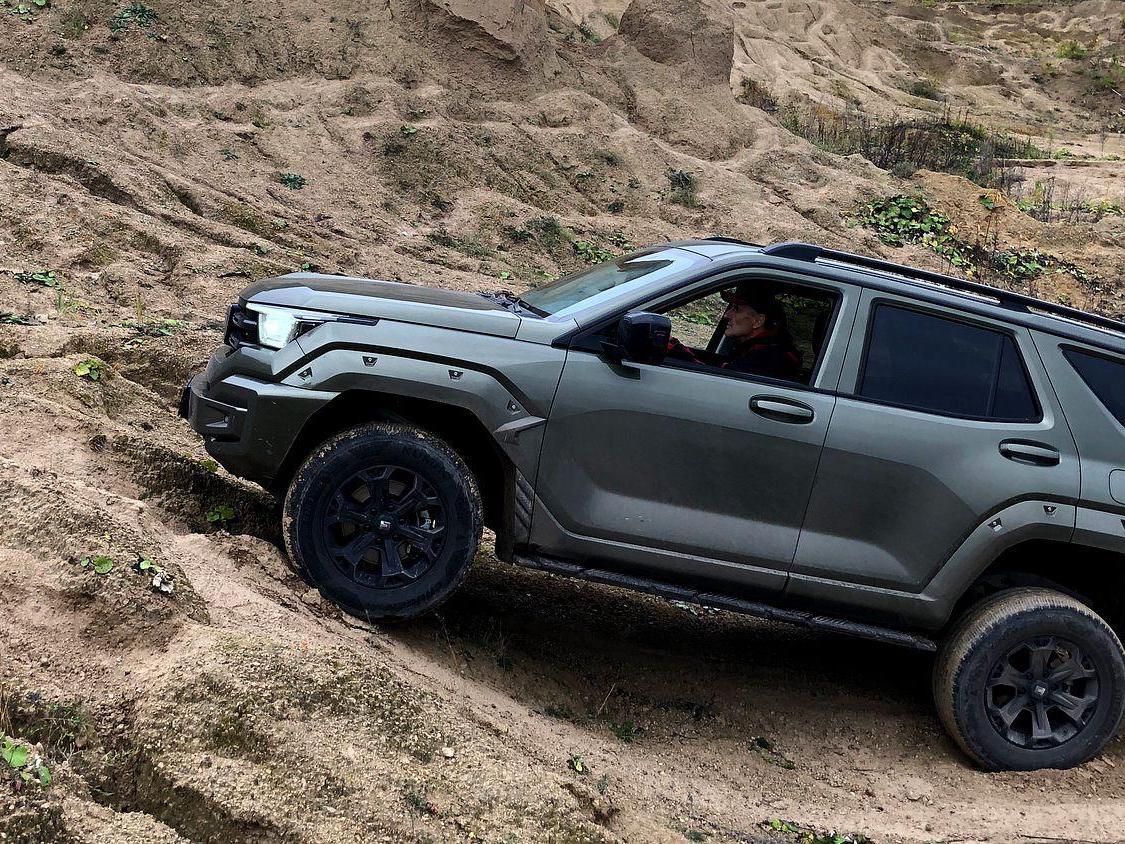
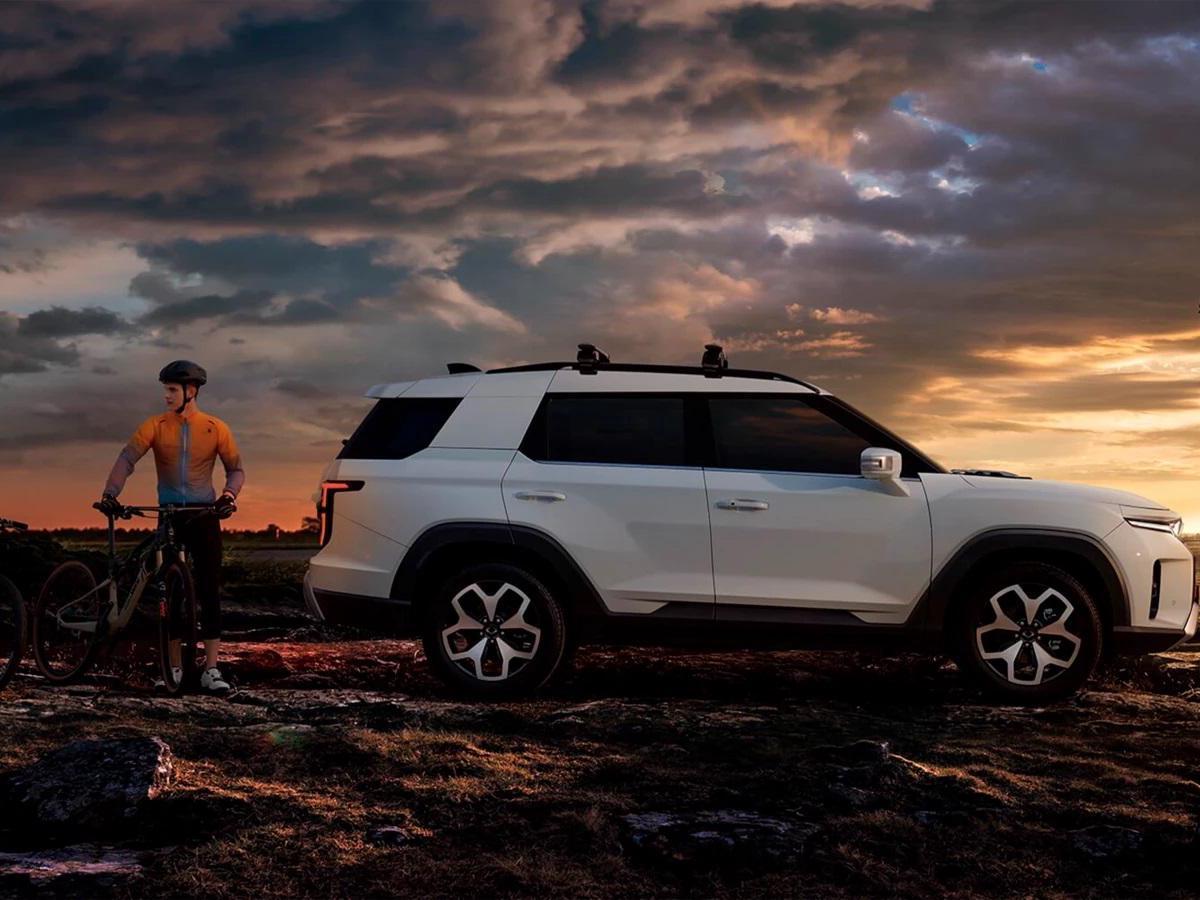
Second-tier brands are more accommodating. The South Korean brand KGM (formerly SsangYong) set inflated prices for cars at its debut in 2025, so sales are sluggish: in the first full year of sales, only 3,000 cars were sold, which is less than little-known brands like Livan, Soueast, or SWM. Currently, discounts on KGM reach 500,000 rubles (approx. $6,700 at current rates), and in terms of specific size, the 2024 KGM Torres crossover leads — with a price of 4.2 million rubles, the saving is 450,000 rubles, or 10.7%.
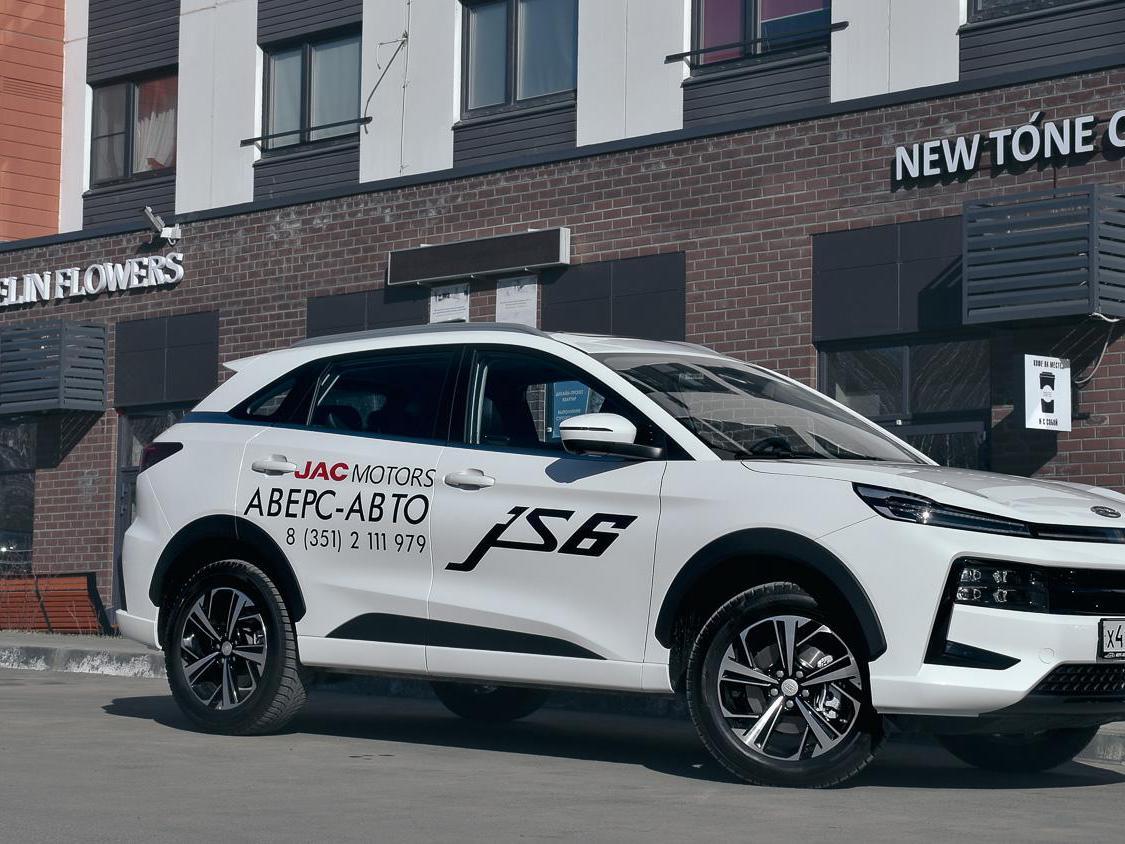
JAC is a major donor to the Russian auto industry (Moskvich, Sollers), but its JS6 crossover is not in demand, so the discount on 2024 cars is 400,000 rubles (14%). Thus, the 4.6-meter-long crossover costs less than 2.5 million rubles, however, the drive is only front-wheel drive. Even more interesting are the prices on the 2023 JS6: with a 16% discount, they start from 2.049 million rubles, and this is without additional discounts for trade-in and credit.
The most impressive discounts are on Bestune B70 cars — this is a 4.8-meter liftback, similar in size to the Toyota Camry. The price of 1.5-liter versions starts from 2.844 million rubles, and the discount reaches half a million rubles (17.6%). The cost of two-liter B70s is 3.453 million rubles, and it has been cut by 700,000 rubles (19.8%). This concerns restyled cars, sales of which started a year ago. The Bestune brand belongs to one of China«s largest auto concerns, FAW, which also represents the Jetta brand in Russia.
Recycling Fee Shock
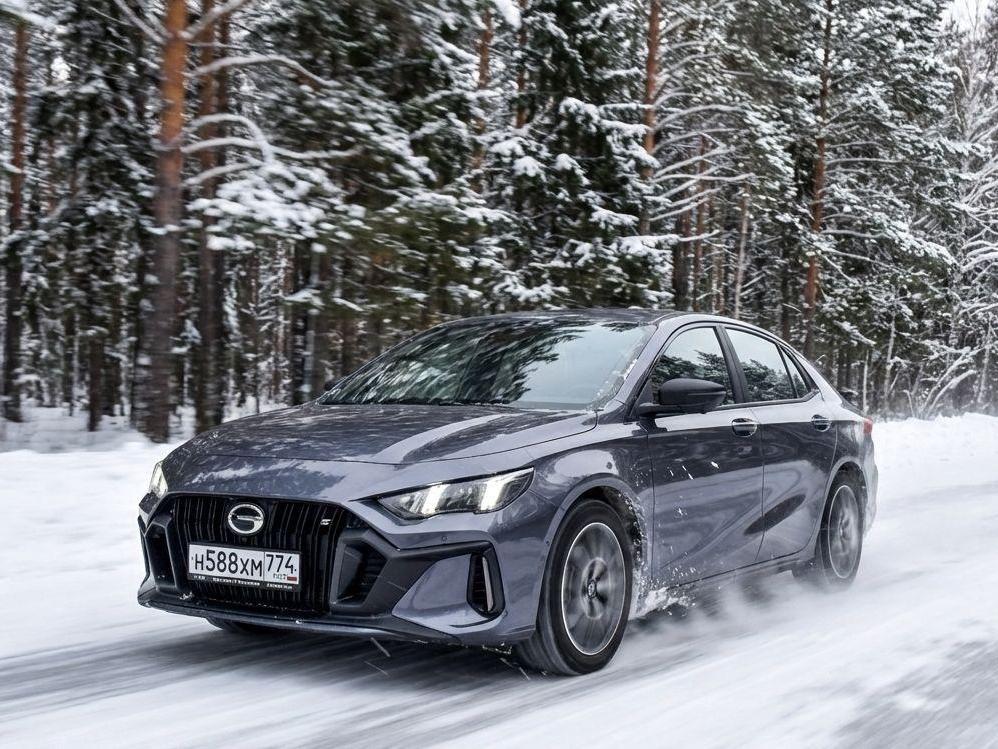
Despite good discounts on individual models, the general trend in the market is the opposite. In January, almost all brands increased car prices, including AVTOVAZ, and the average price hike was 2%. But there are exceptions, for example, according to the agency Autostat, BAIC BJ40 SUVs became more expensive by 12.4%, and some versions of the GAC Empow sedan by 10.7%.
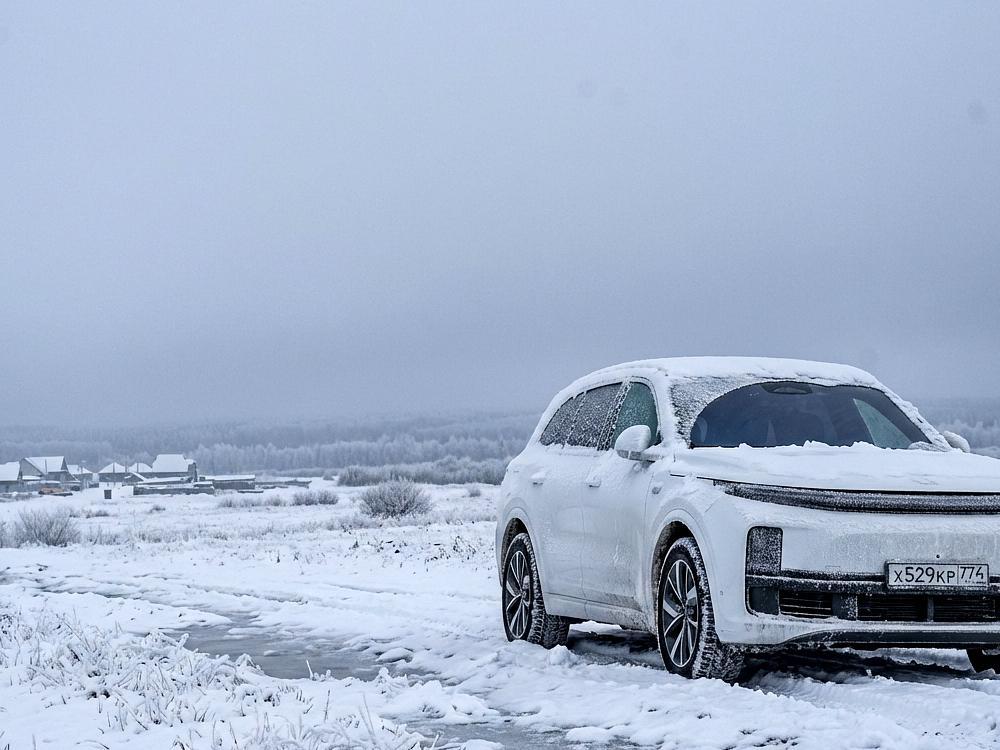
The price increase for Lixiang continues, which started at the end of last year: then hybrid crossovers suddenly added over 1 million rubles. In January — two more price adjustments. In total, the L7 crossover has become more expensive by more than 3 million rubles and now costs from 10.59 million rubles in the Ultra trim. In December, the cost of such a version was 8.4 million rubles, and in May last year — 7.3 million rubles.
One of the reasons for the price increase is the sharply increased recycling fee. Interestingly, despite regular increases in fee rates, budget revenues from the fee are twice below plan. Kazakhstan is considering introducing a high recycling fee for cars from Russia — this is a retaliatory measure against protective tariffs for Kazakh-assembled cars in Russia.