Car cost 2M, tax 6.3M: retroactive recycling bills


Thousands of car owners who imported vehicles through Eurasian Economic Union countries unexpectedly owe the state hundreds of thousands of rubles. When buying the cars, people paid the recycling fee, but after some time they began to receive additional charges. Our colleagues at MSK1.RU found out where they came from, why the customs authority is making claims, and what to do for those who received such a notice.
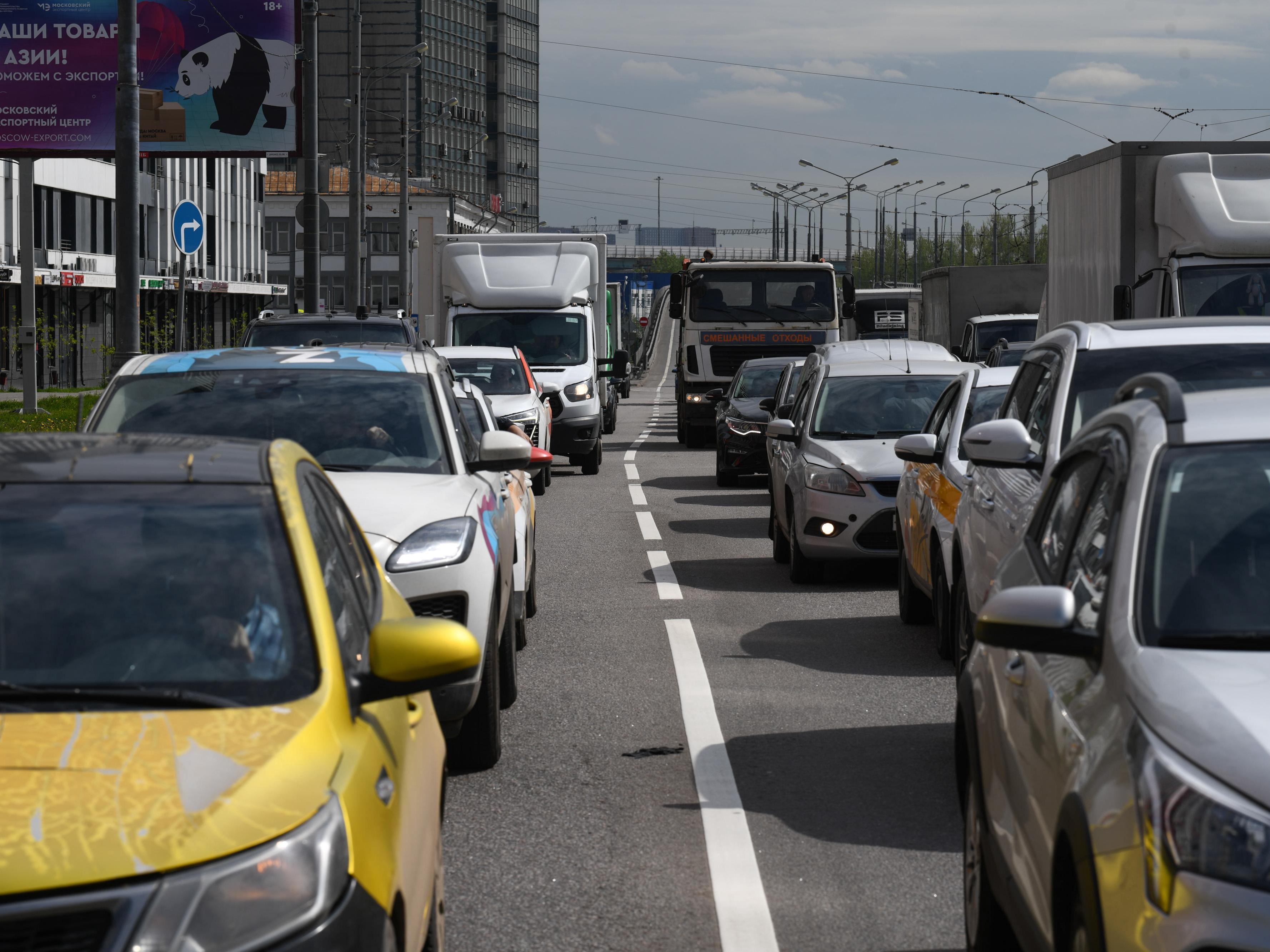
The Eurasian Economic Union (EAEU) is an international organization whose member states create a common economic space with free trade in goods. In 2026, it includes five countries: Armenia, Belarus, Kazakhstan, Kyrgyzstan, and Russia.

«Plus penalties nearly a million»
In 2026, the uproar over the recycling fee among car owners continues, and now people are facing massive additional charges. Readers of MSK1.RU and social media users tell similar stories: after buying a car abroad, they paid the reduced recycling fee, registered the vehicle, and used it without issue. But months later, they received demands to pay hundreds of thousands, sometimes millions of rubles more.
«We bought a car from Armenia, 2010 model year. Customs officers confirmed three times that everything was fine and issued documents. I sold that car, bought a UAZ, and a month later a letter arrived. I owe 1,273,000 rubles ($14,100 at current rates) and penalties nearly a million. Now I have neither the car nor the money, only a huge debt I can»t afford to pay,« complains Aleksandra Aleksandrovna.
«A car from 2010 worth 2 million rubles and a recycling fee on it — 6,300,000 rubles ($70,000 at current rates),» adds Vera.
«My father has had his »Pradik« [Land Cruiser Prado] sitting unused for three years because of the recycling fee. First they said 1.25 million, then more than 2 million, but he didn»t buy the car — he moved with it from Kazakhstan and changed his citizenship. So it turns out there«s no basis to pay the fee,» fumes Darya.
Car owners don«t understand why they owe the state after completing all customs clearance procedures.
«I received a letter with an additional recycling fee charge for a car manufactured in Kazakhstan, in the amount of 1.1 million rubles. I»m trying to sue the Federal Customs Service (FTS). The result is unclear so far,« says Alex.
«We bought a car in May 2024, paid the full commercial recycling fee as required. Two years later, additional charges from the FTS arrived — pay another million and an exorbitant penalty. They started applying the formula in 2026 and sent a bill retroactively,» complains Eduard Asadullin.
«I bought a car in 2024, paid 1,235,200 rubles in recycling fee. The customs order has the inspector»s surname and personal seal. I received an electronic PTS, registered it. A month ago, an additional charge of nearly 4.5 million rubles with a penalty arrived,« says Ruslan in bewilderment.
«Courts side with customs»
It is possible to import foreign cars into Russia, but a recycling fee must be paid. People who buy cars for personal use paid it at a reduced rate: 3,400 rubles for cars up to 3 years old and 5,200 rubles for cars older than 3 years with an engine displacement up to 3 liters and power up to 160 hp. However, the imported car cannot be sold or transferred by power of attorney within one year.
The final amount of the recycling fee is determined by special coefficients that depend on the car«s characteristics: engine power, age, vehicle category, and purpose of import. As a result, for some cars the payment remains small, while for others it can reach hundreds of thousands or even millions of rubles.
Experts believe that the mass additional charges to owners of cars from Belarus, Kazakhstan, Armenia, and Kyrgyzstan are due to customs applying new rules to old transactions. Until August 2023, there was no ban on reselling cars imported under the reduced recycling fee for personal use.
«Now, if a car was sold within 12 months of import, customs considers this a sign of commercial use and demands an additional fee at the new rate. And that rate is many times higher than the reduced one: the base rate for passenger cars is 20,000 rubles, and with the coefficient for a car with engine displacement from 1 to 2 liters and power of 160–190 hp, the total amount reaches 900,000 rubles,» explains auto expert Ivan Trandin to MSK1.RU.
The difference between the recycling fee paid at import and the amount now demanded often exceeds the car«s value itself. That is why people complain about disproportionate additional charges. Moreover, according to owners, »letters of happiness« from customs arrive even to those who sold the car long ago.
«I received a demand to pay an additional 1.1 million rubles in recycling fee two years after already paying over 600,000 rubles at the time. The car is from Kazakhstan, worth 2.5 million rubles. The courts don»t even look into it; they side with customs,« fumes Airat.
If the FTS demand is not met within 20 days of receipt, penalties begin to accrue. Many people find out about the additional charge too late, when the debt has already grown significantly.
«A less obvious category of victims is not those who imported the car themselves, but those who later bought it,» adds Ivan Trandin. «If the seller at the time did not pay the full recycling fee, the demand may come to the new owner, especially if the original importer has left Russia. A person can receive a »letter of happiness« for a transaction in which they were initially not involved as an importer, but simply bought the car on the secondary market.»
By law, 20 calendar days are allowed for responding to a notice of additional recycling fee payment, and 15 working days for a notice of unpaid customs payments (duty, excise tax, VAT, and penalties on them) from the date of receiving the document.
«There are real chances to cancel the additional charge»
If customs concludes that the car was actually imported for resale or that registration requirements were violated, the owner may be charged the recycling fee at commercial rates. It is around such cases that most disputes now arise.
«The key legal argument is the principle of good faith: if the owner did not know and could not have known about violations during the initial registration, they cannot be considered obligated to pay the additional charges,» believes economist Akhmed Yusupov. «Part of the letters in 2026 is not due to new inspections but to the completion of previously initiated court proceedings on already identified violations.»
If customs has already sent a demand for additional recycling fee payment, there is no need to panic. Experts advise first to carefully study the documents and check how justified the claims are.
Don«t pay immediately and don»t ignore the letter, because paying without checking the grounds essentially means agreeing with the debt, and inaction within 20 days gives customs the right to go to court.
Check whether the statute of limitations has expired, since customs has exactly three years from the date of filing the declaration to verify the correctness of the fee payment.
Gather documents confirming personal use of the car: the insurance policy (OSAGO), history of registration in your name, and absence of sale within 12 months.
«If at the time of import the ban on resale was not yet in effect, that is a strong argument that courts take into account,» emphasizes Ivan Trandin. «With such a package of documents, it is worth contacting a lawyer specializing in customs disputes: judicial practice in these cases has already been developed, and bona fide buyers have real chances to cancel the additional charge if customs has no other evidence of commercial import besides the mere fact of sale within a year.»
We have sent a request to the Federal Customs Service and asked them to comment on the situation. We will publish the response as soon as we receive the department«s clarifications.
Meanwhile, for those who are only planning to import a car from the EAEU, the main lesson from this story is simple: experts recommend keeping the car in ownership for longer than 12 months and not registering several cars in a row in a short period, as this is now the main trigger for customs inspections.
Earlier, we reported that Russians are massively switching to used cars from China: why this is happening and what the recycling fee has to do with it. At the same time, car prices in Russia have tripled over 12 years — we asked experts what will happen next. We also tried to find alternatives to the Lada budget car on the secondary market — the results were very interesting.