Volunteers Open Animal Hospital in Academgorodok After Clinic's High Bill
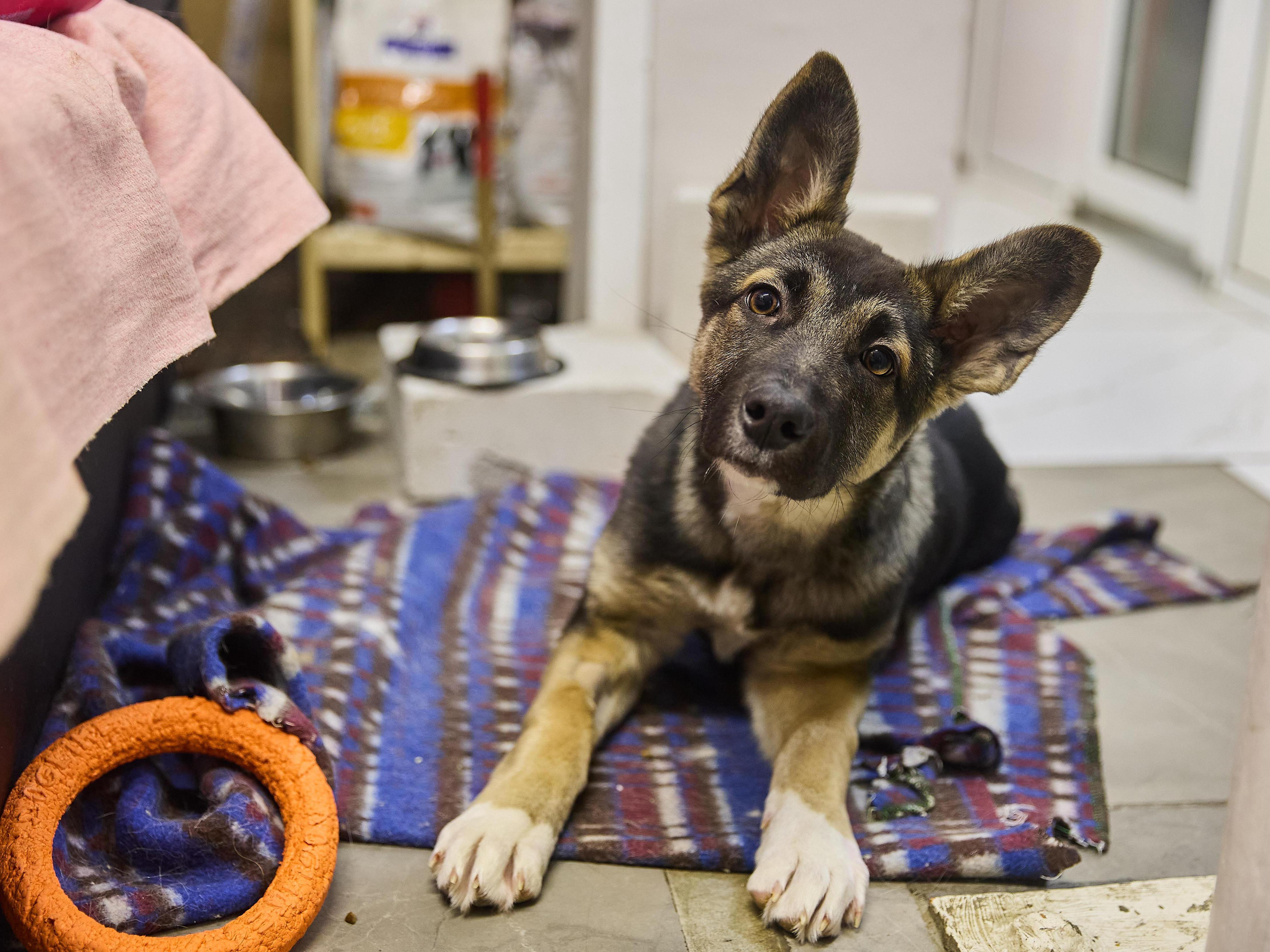

The hospital for homeless animals recently moved to Novosibirsk«s Academgorodok.
The animal rehabilitation base, which became famous across the country for rescuing a dog without an upper jaw named Guinplen, recently celebrated its 12th anniversary. And this happened in a new location. In 2025, the hospital for homeless animals moved to Novosibirsk«s Academgorodok. What else has changed in the project, which for many years has been sterilizing homeless cats and dogs for free not only in Novosibirsk but also in other cities in the country, read in the NGS material.
Hospital for Homeless Animals
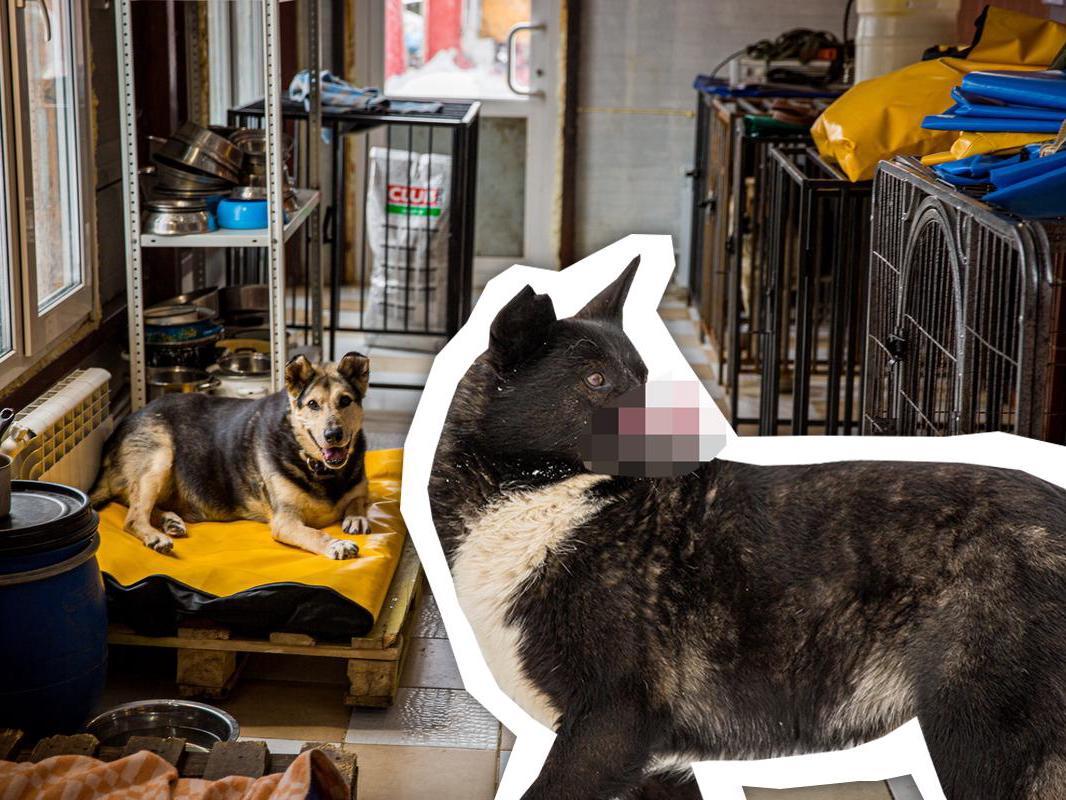
The mascot of the Rehabilitation Base is Guinplen — a dog without an upper jaw.
The project, like Gunya, is already over 12 years old. About how volunteers saved a dog with a hole instead of a face, NGS wrote in 2014. Guinplen is a victim of human cruelty. The main version of what happened to him is a trap, because the lower jaw was not damaged at all. It«s scary to imagine the pain the dog experienced during the traumatic amputation of the upper jaw along with the nose.
Before him, only one case of survival with a similar injury was known: in 2011, in the Filipino town of Zamboanga, a dog named Kabang also lost its nose, but this did not prevent him from continuing a full life. And for Gunya, everything turned out well: he is still alive today, although he never found a permanent home. However, the money collected by the organization thanks to the resonance was enough to buy land in Koltsovo for the construction of a full-fledged Rehabilitation Base for the same special animals as him.
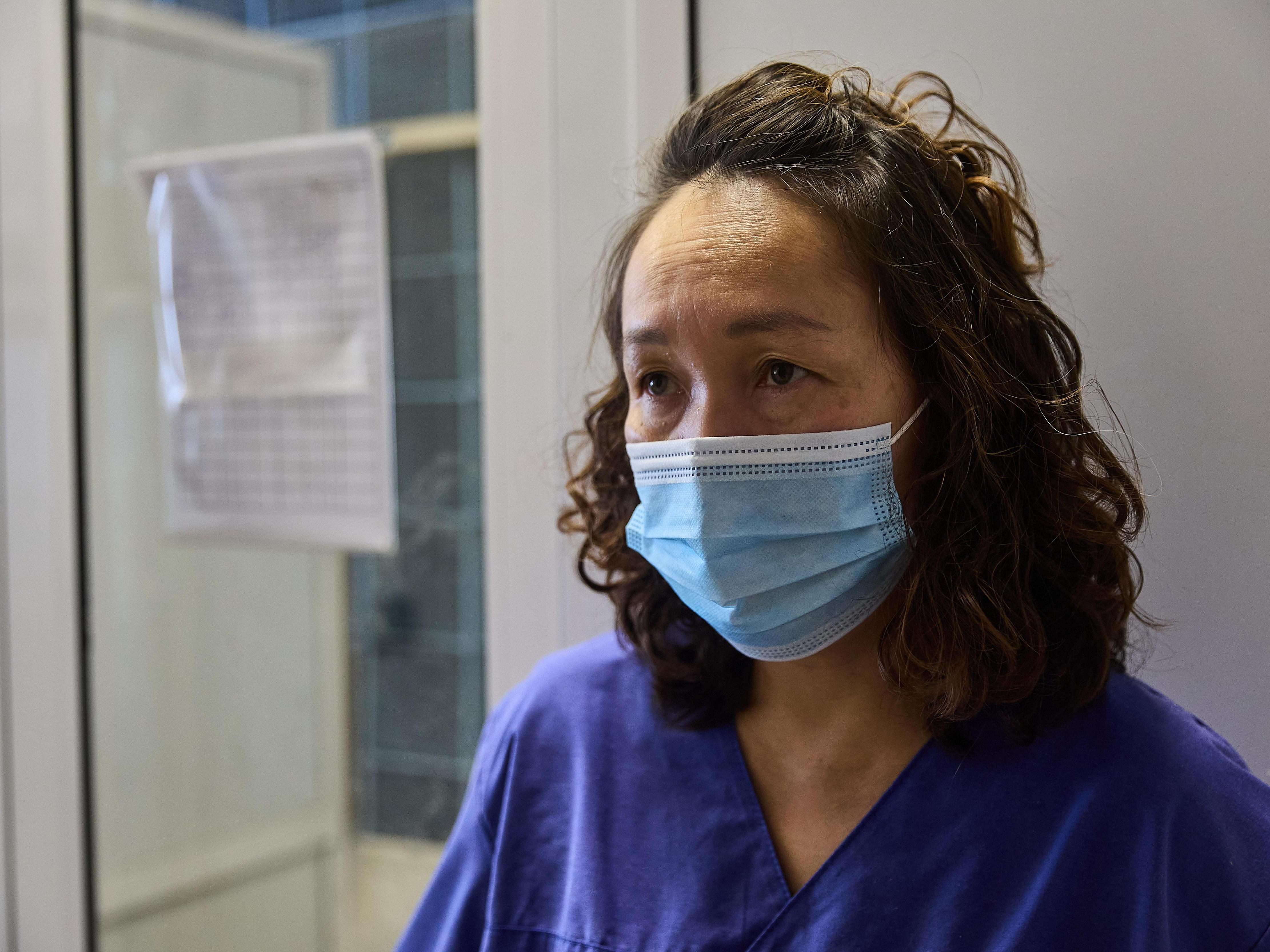
Anastasia Batueva has headed the project from the very beginning.
The base specialized mainly in helping dogs with severe injuries and psychological trauma. At the same time, activists began to weekly conduct operations for population control — sterilization and castration of dogs and cats. First, they paid for procedures for wards of zoo volunteers at clinics, and then they assembled a team of surgeons, prepared an operating room, and began operating on their own. This was also completely free for dog curators: expenses were covered by donations.
In 2020, activists of the Rehabilitation Base won a presidential grant for 1,400,000 rubles (approx. $14,000 at current rates). This allowed them to buy equipment for disinfection, an autoclave, and consumables for animal sterilization.
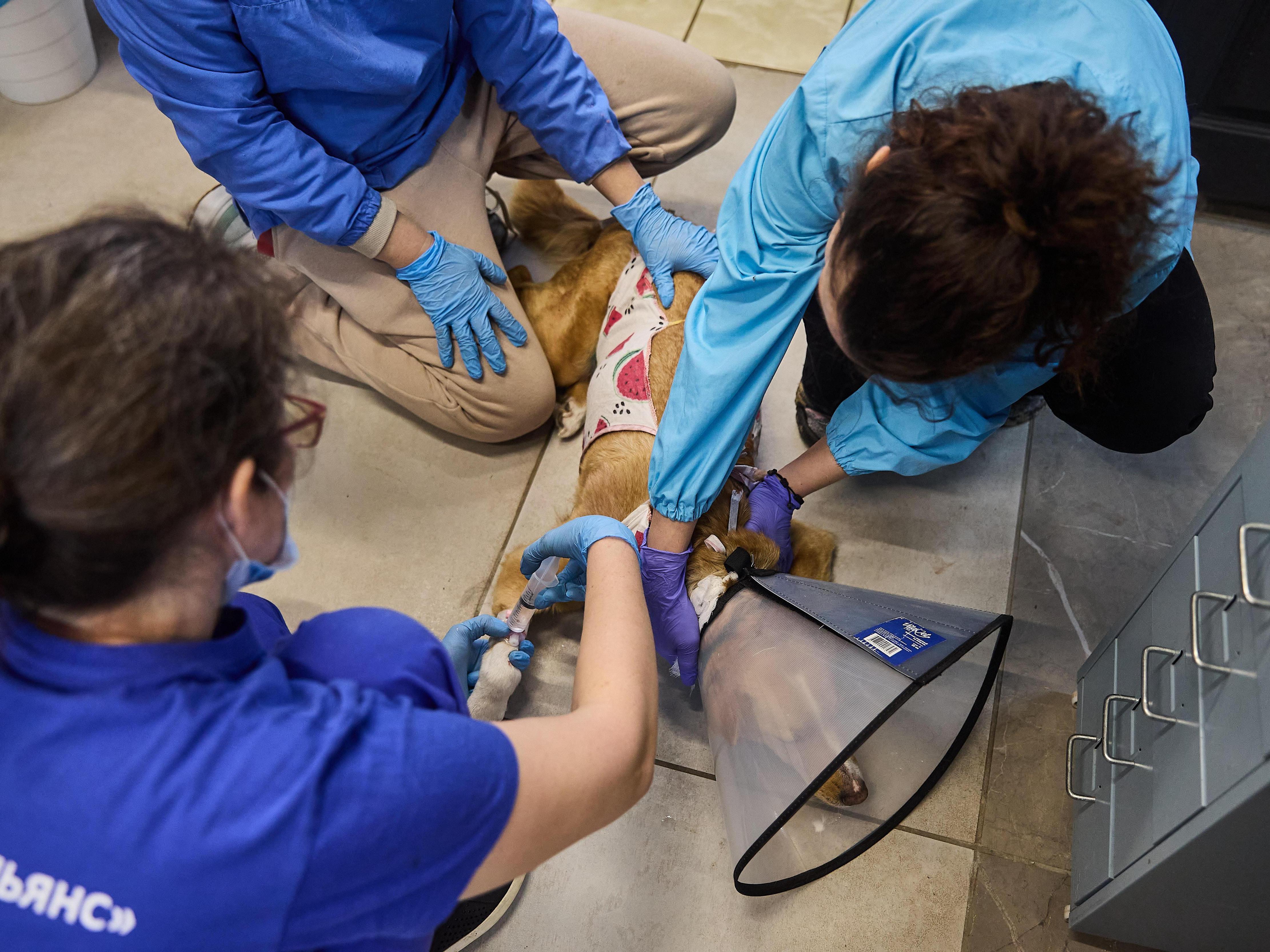
Operation days are held monthly.
The hospital is constantly developing: new equipment and new approaches appear. For instance, some time ago, doctors switched from braided suture material to surgical thread. It is more expensive, but more hygienic. Biochemical and hematological blood analyzers have appeared. Moreover, recently the project was able to afford to purchase instruments for bone surgery.
Veterinarians Without Borders
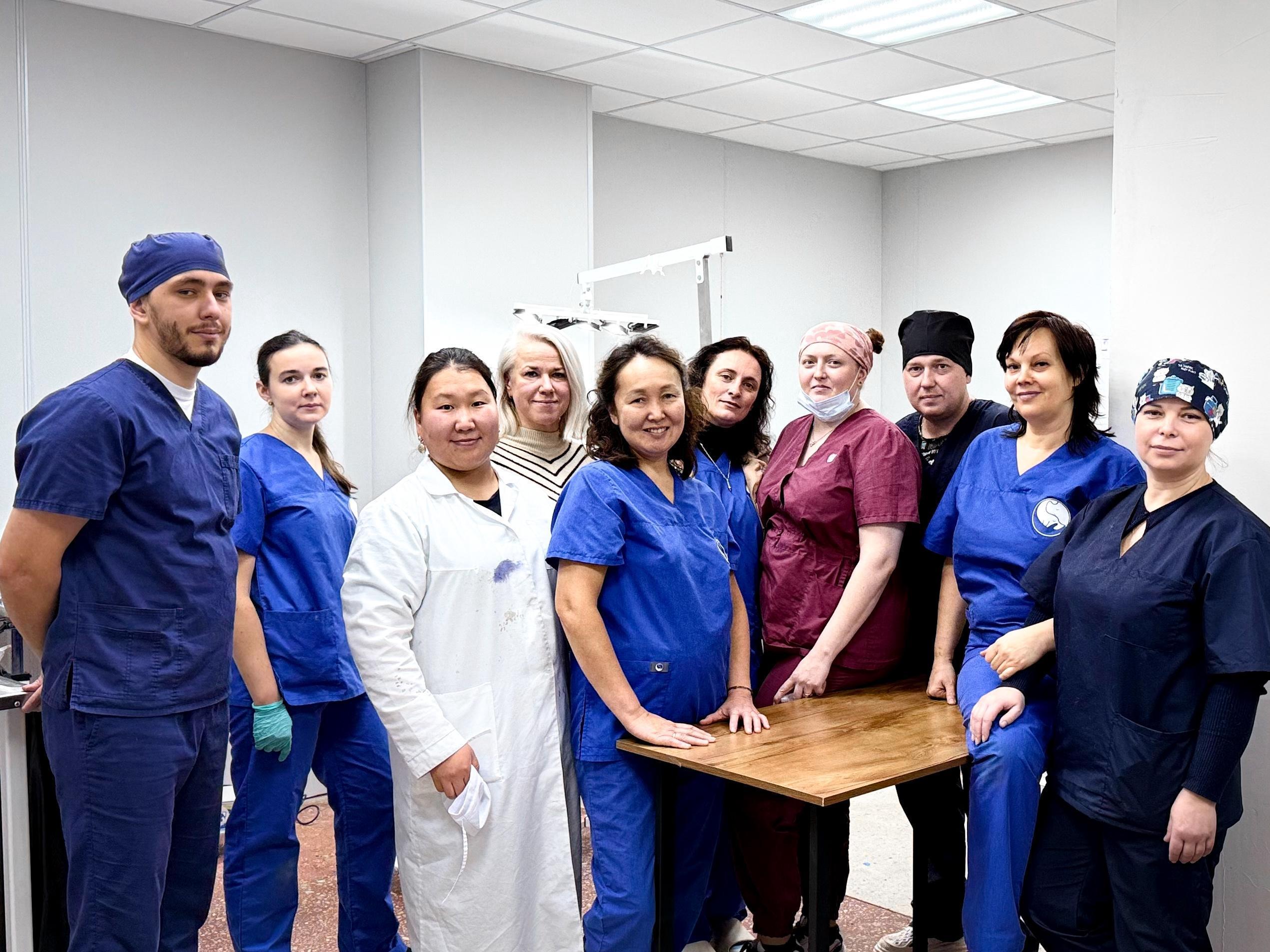
This year, operation days were held in Ulyanovsk.
In 2022, the Rehabilitation Base launched a new project — «Veterinary Alliance. Regions.» Its goal was to provide free qualified veterinary care to homeless animals in regions of the country where it is not available and where there is a high need. Mainly, this is, of course, sterilizations.
«Everywhere we look for local surgeons who will get fired up with the idea and will continue to operate in their region. It doesn»t matter: for money or not for money. For example, after us, mass operations were taken up in Kamchatka. Additionally, an affiliated project emerged that holds operation days in Vladikavkaz. We help them with advice, medications, consumables. They, as part of our team, also travel to other regions. Because a surgeon«s hand needs to be trained in any case. This is about speed, skill, and experience,» says Anastasia Batueva, head of the NROO «Animal Rehabilitation Base».
Over four years, volunteers have managed to visit Chechnya, Kamchatka, Altai Krai, North Ossetia, Yakutia, Kaliningrad, the LNR, and Dagestan… The geography is constantly expanding.
«We»ve reached the figure of four trips per year. We had a year when we managed to do six, but, to be honest, it was very hard,« admits the project head.
Usually, a week is allocated for a trip, with three days devoted only to operations (they perform up to a hundred per day), and the rest of the time for logistics. Previously, they also took one safety postoperative day, but now there is no need for that.
Since its founding, volunteers have performed 14,900 animal population control operations.
«Our postoperative problems have generally disappeared. Sometimes, they write that there»s a bump near the suture — but that«s a normal element. You just reassure the person. Of course, there is suture material rejection sometimes, but it»s less than 1% out of 100. And we already have our own doctors in the regions to whom we can refer such animals,« says Anastasia Batueva.
All participants of the project are volunteers who have jobs, families, but four times a year they take vacations, drop everything, and go where they are needed.
«In vain, colleagues accuse us of taking money out of the region. We don»t take money out. A sponsor«s representative approaches us and says: »Will you go this year? If you go, write an estimate.« So these funds are targeted. They won»t be spent on anything here, in the region. And there, they are spent for good, so that regions start working on their own in the same way,« emphasizes Anastasia Batueva.
The project head notes that none of the volunteers want homeless animals to live on the streets. Everyone wants these endless sufferings of cats, dogs, and people too — bitten or just scared — to finally end. But mass euthanasia won«t solve the problem. Because as long as pets breed uncontrollably among owners, as long as there is no registration and responsibility for abandonment, unwanted puppies and kittens, as well as sick and old dogs and cats, will endlessly end up on the streets. And without help from the state, activists believe, they will never stop this process.
«As it seems to me, it»s enough for the state to pass a law on mandatory sterilization of non-pedigree cats and dogs, along with making population control operations free: that is, you either sterilize, or if you have an unsterilized cat or dog, you pay a tax. Then, I think, we will completely clear all our streets and basements of homeless animals,« believes Anastasia Batueva.
A New Milestone
Over the last three years, the Rehabilitation Base began receiving orders and demands from the administration of the working settlement of Koltsovo to cease activities on the territory of the SNT within the administrative boundaries of Koltsovo. In the summer of 2025, the activists managed to find a site for the hospital for homeless animals in Academgorodok. Thus began a new milestone in the project«s history.
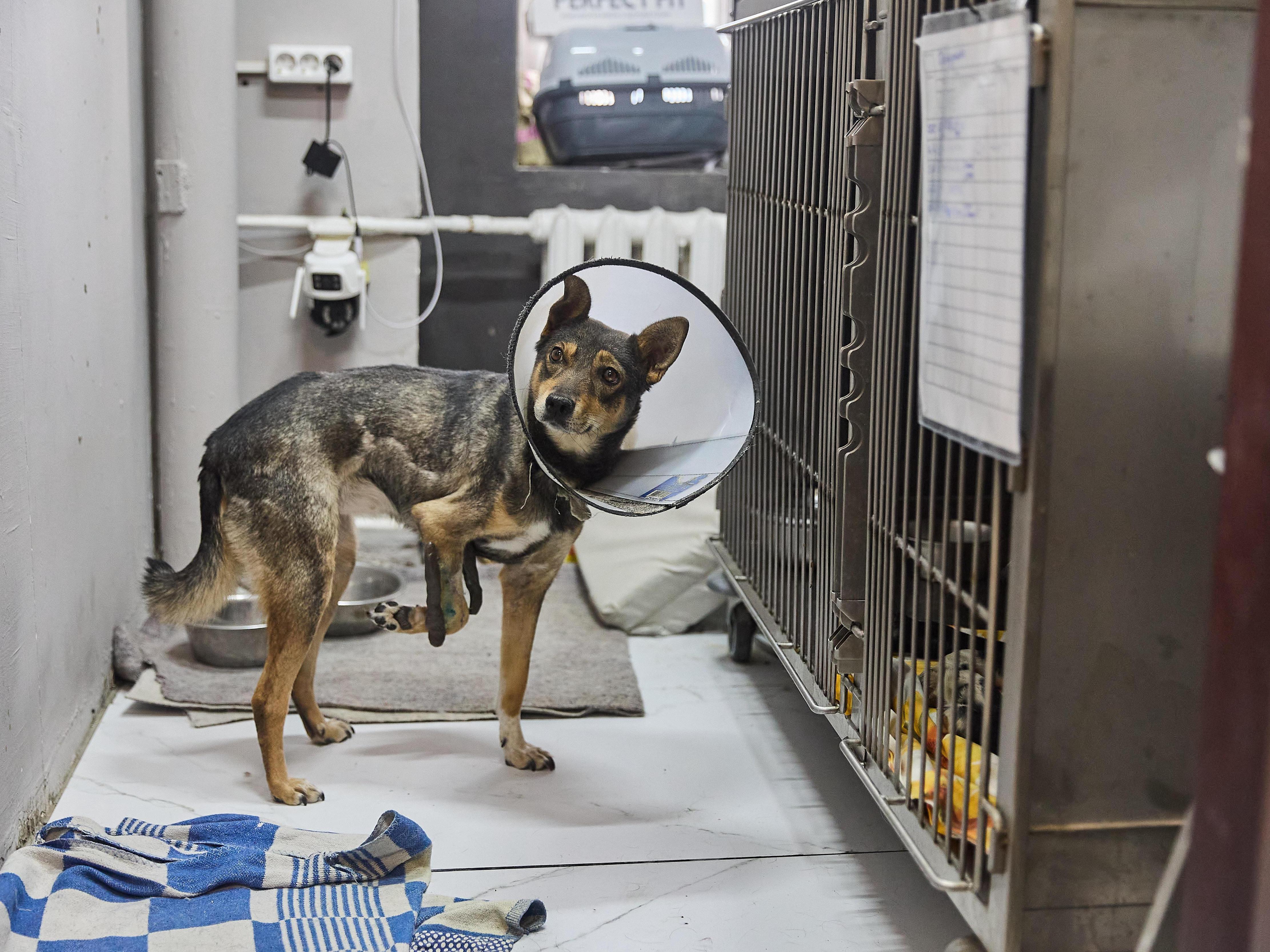
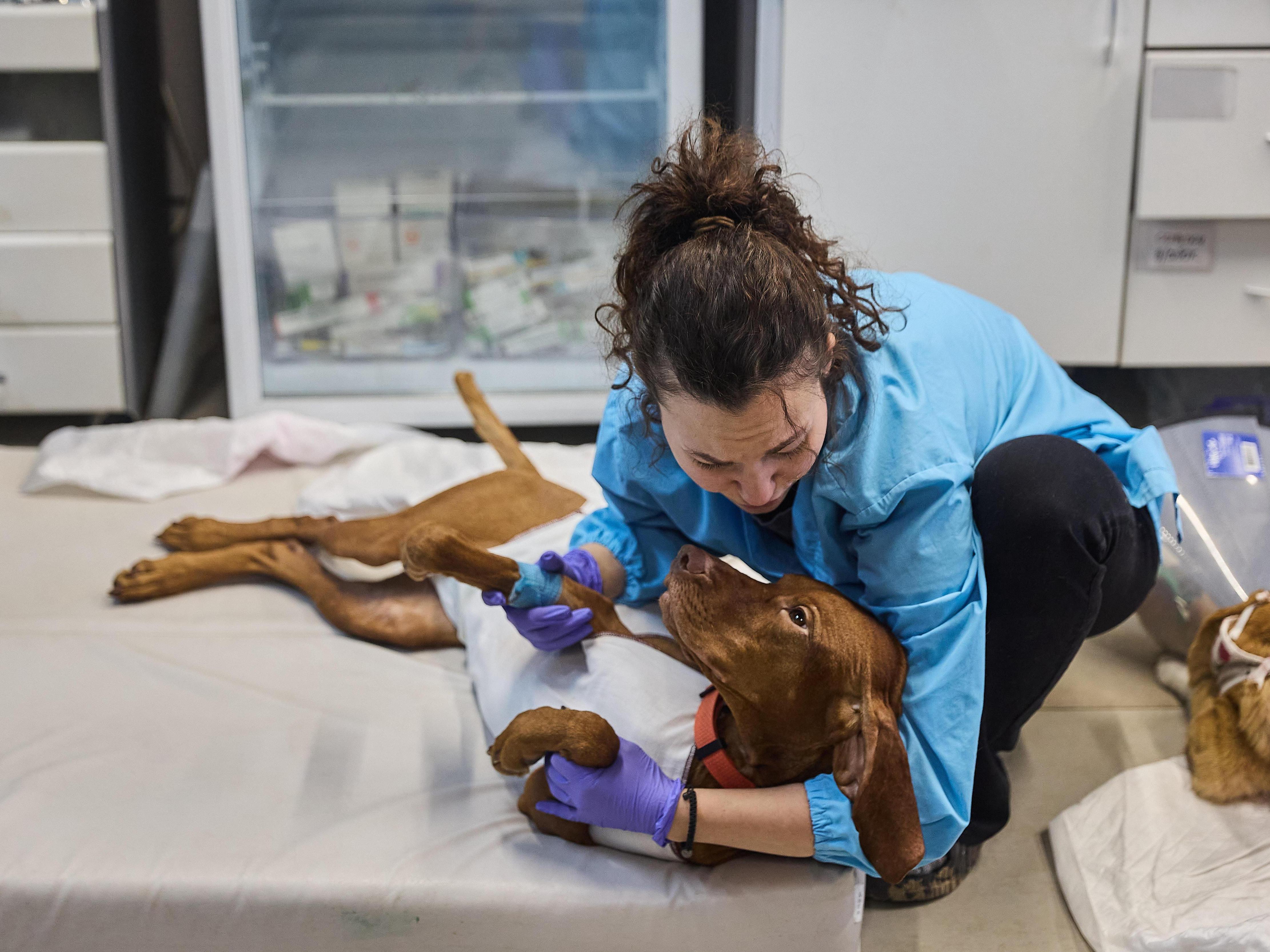
The new premises are designed to house up to 10 dogs in the hospital.
The main innovation — a postoperative hospital has opened at the hospital, it is mandatory for homeless and industrial zone animals. Its cost: for cats — 500 rubles per day (approx. $5 at current rates), for dogs — 700 rubles per day (approx. $7 at current rates) (food, care, and walking are included in this amount). In most clinics, 24 hours of keeping costs several thousand rubles.
«Because after surgery, a dog cannot be kept in a shelter with 200-300 dogs. The patient needs rest, needs to sleep a lot, come to their senses, needs a quiet regime. This is important, and it shouldn»t be devalued. We had cases where animals died under curators due to improper postoperative care. We обязательно investigated each case and concluded that such a hospital is simply necessary,« says Anastasia Batueva.
Operations are still free for homeless animals and discounted for pets.
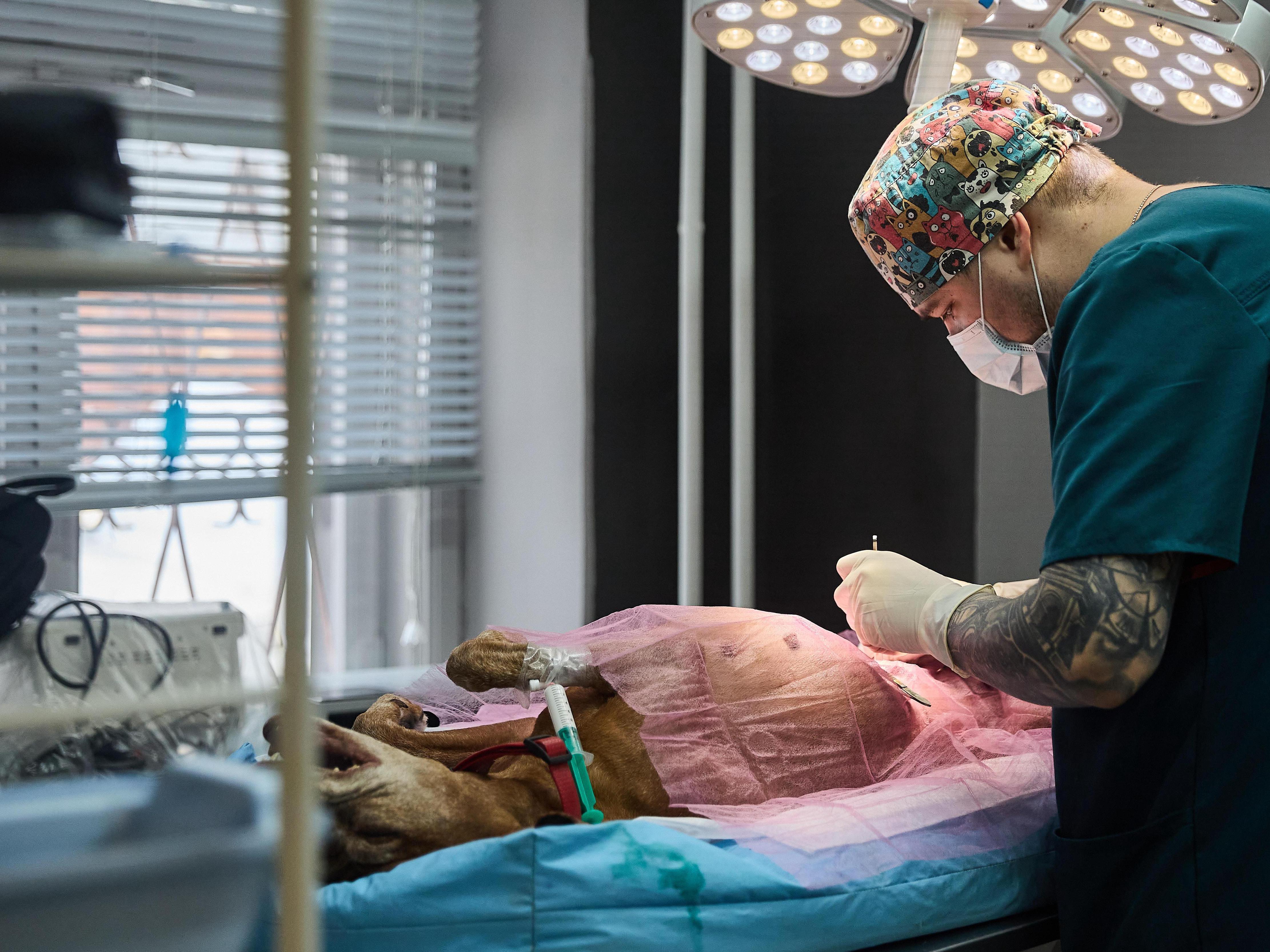
Professional surgeons work at the hospital.
Moreover, the hospital has started to increase the share of complex operations. If before, these were mainly sterilizations and, for example, accompanying hernia removals, now it«s soft tissue surgery, and osteosynthesis, and removal of all kinds of tumors. For instance, there are many appeals with mammary gland tumors. Also, dentistry has developed at the hospital — teeth cleaning and removal.
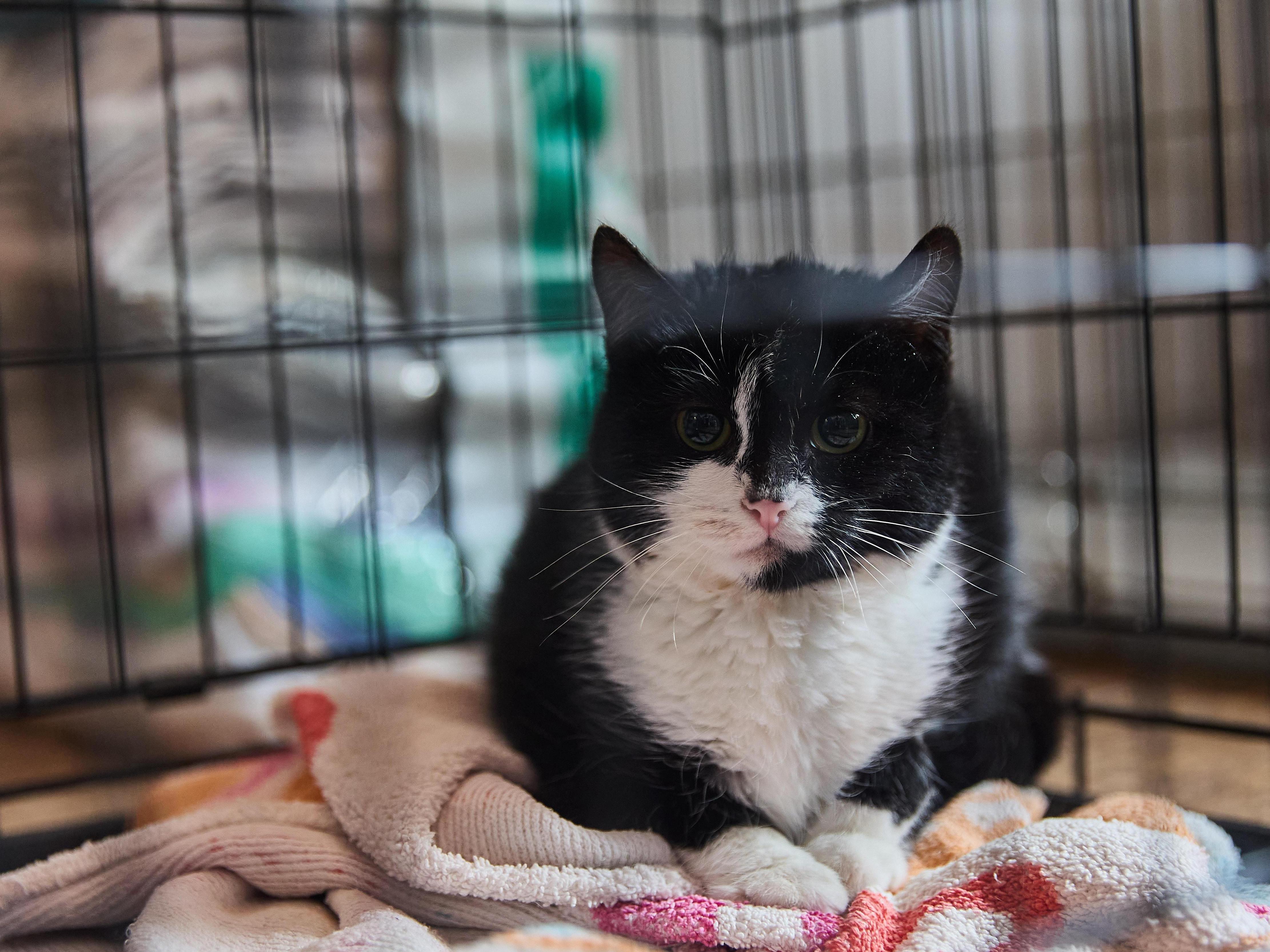
This cat underwent osteosynthesis of the elbow joint.
Another direction — free qualified assistance for low-income categories of citizens, specifically for pensioners (upon presentation of an ID).
«As soon as we moved here, we realized our long-time dream — to help pensioners. For example, if a grandma lives only on her pension, I doubt she can afford an operation for her cat costing tens of thousands. For instance, recently a grandmother came to us, her cat swallowed a needle, and the clinic gave a huge bill. And we did it for free,» continues Anastasia Batueva.
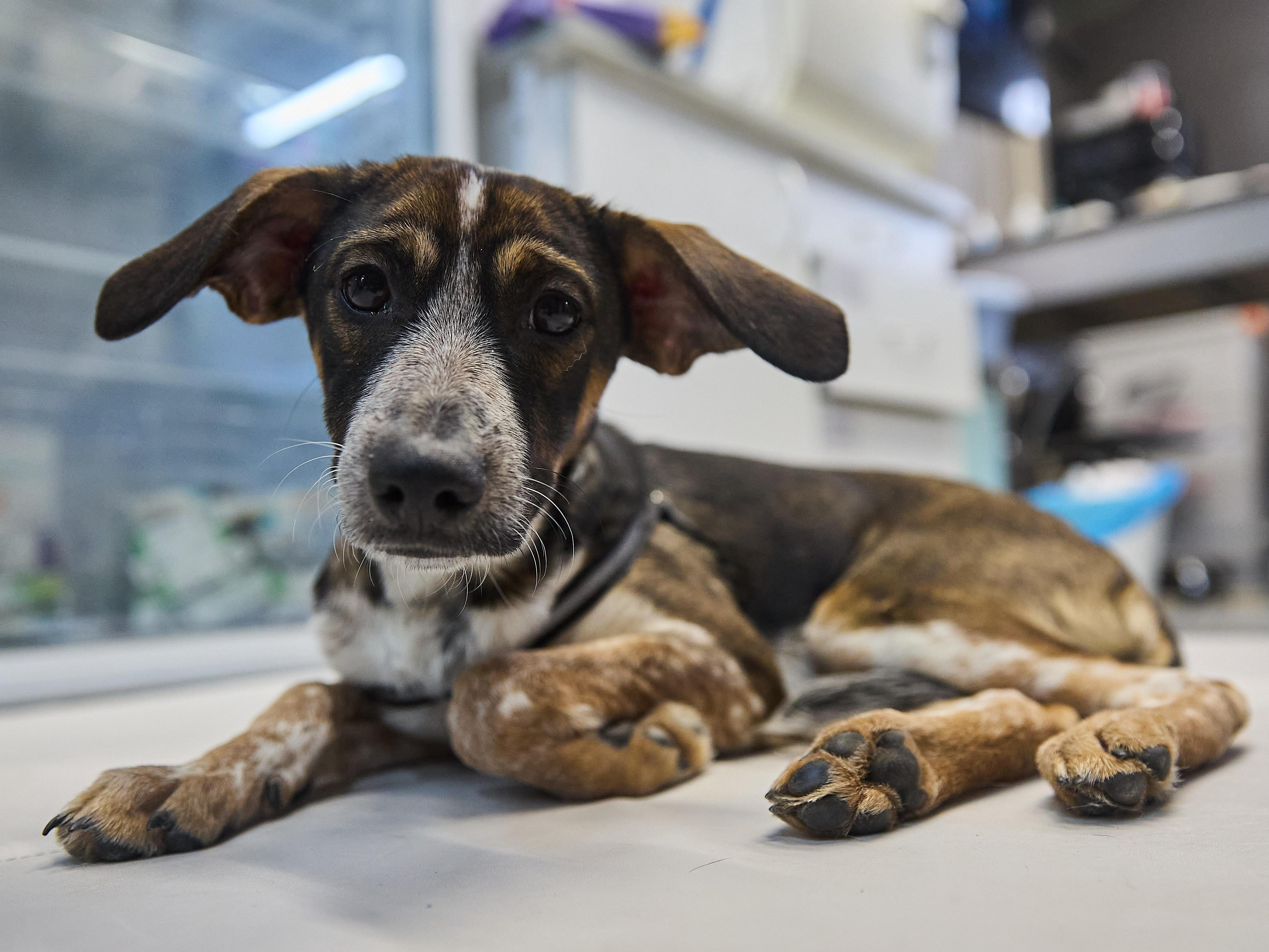
This patient named Kashtanka was hit by a car — she recently stood on her paws.
And also, the new building — is still not a shelter. All animals that currently live there will return under the care of their curators after recovery. And what about Guinplen? In the near future, the project needs to find a new plot of land for keeping those 20 dogs that have settled with them over these 12 years for various reasons, including Gunya.
On 19 November, NGS reported that in Novosibirsk a draft law was discussed that could allow the construction of temporary dog holding points instead of shelters and to euthanize aggressive animals.