Two Amur Tigers Captured in Primorye's Andreyevka Within a Day
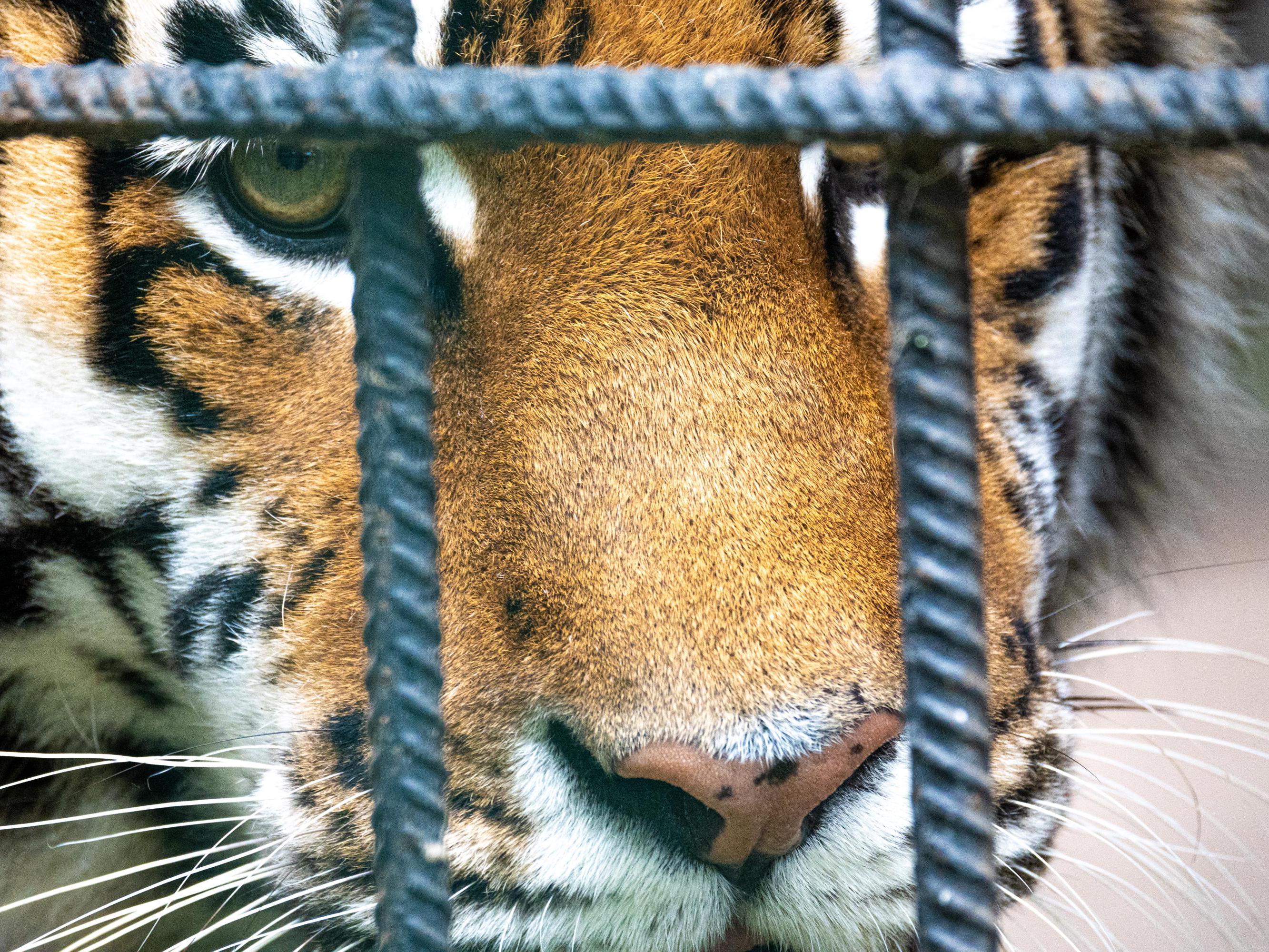

Two Amur tigers were captured on the most tourist-friendly territory of Primorye region — in the area of Andreyevka village in Khasansky district. They have become the fourth and fifth big cats caught in the region in 2026.
The press service of the Amur Tiger Center reported that on January 19, inspectors of Primorye region«s hunting supervision, with the assistance of employees from the Land of the Leopard National Park, caught a three-year-old female. Her weight was about 130–140 kilograms (approximately 287–309 pounds), and the tigress was apprehended on the territory of the »Gamovsky« cluster site.
A day later, on January 20, on the same territory, they caught the «brother» of the tigress captured the day before — a male over five years old.
The Amur Tiger Center noted that both tigers were captured for preventive purposes to further relocate the striped predators to another territory. On the night of January 21, satellite collars were placed on the animals, after which their release into the wild is planned.
Overall, since the beginning of 2026, specialists in Primorye region have removed five Amur tigers and two tiger cubs from the wild. Most of the animals were captured after conflicts with humans — some of the striped cats have already returned to the taiga after rehabilitation.
The first conflict tiger of this year was captured on January 4 in the village of Verkhny Pereval in Pozharsky district. As specialists clarified, the operation lasted almost a month, from December, and was complicated by the fact that local residents did not always follow recommendations to keep dogs indoors.
The predator was delivered to the Tiger Rehabilitation Center in the village of Alekseyevka, where an examination showed that the male was completely healthy. On January 7, he was released into a remote section of the taiga, equipped with a satellite collar for further monitoring.
On January 8, in the vicinity of the settlement of Klyuchevoy in Nadezhdinsky district, another large male was captured, who had previously repeatedly disturbed residents and on January 6 killed a horse. The animal was also delivered to the Tiger Rehabilitation Center in the village of Alekseyevka for a veterinary examination.
At the time of publication, the second conflict Amur tiger removed from the wild this year had already returned to freedom in a remote section of taiga inaccessible to people.
On the same day, in Terneysky district, near the road from Terney to Amgu, Primorye residents accidentally discovered four orphaned tiger cubs. They were hiding in a pit dangerously close to the highway, and there was no trace of an adult female around.
Specialists from the Amur Tiger Center took necessary measures for the urgent rescue of the cubs, but unfortunately, out of four, only two survived. Two other tiger cubs from the same group died before the specialists arrived.
The kittens were handed over to veterinarians at the rehabilitation center in Alekseyevka, who found that the rescued tiger cubs are two-month-old females weighing about five kilograms (approximately 11 pounds). They were weakened and dehydrated, and their condition was assessed as extremely serious. Now they are much better, the babies are in a warm quarantine enclosure where they will stay at least until spring.
«Both tiger cubs are active, have a good appetite, and are gradually gaining weight,» the specialists reported following the examination.
The third conflict tiger was captured on January 16 in the settlement of Zerkalny in Kavalerovsky district. It was a young male under two years of age. The predator systematically entered populated areas and hunted local residents« dogs. A decision on its further fate has not yet been made; they are awaiting a verdict from Rosprirodnadzor (the Federal Service for Supervision of Natural Resources).
Earlier we wrote that residents of the Zarya garden partnership in Primorye are ready to abandon their dachas due to a tiger roaming there. The press service of the Amur Tiger Center reported that, following an appeal from a resident of Bolshoy Kamen, an inspection was conducted.
Employees of the center reported that tiger tracks were indeed found on the border of the garden partnership, and permission for its removal has been obtained. Monitoring is underway, and if the animal appears again near the SNT, it will be captured.