St. Petersburg artist breeds fairy-tale horses in Yaroslavl village

According to the Eastern calendar, 2026 will be the Year of the Red Fire Horse. It will replace the Green Wooden Snake. The horse is considered one of the most active animals in the calendar, bringing luck to the stubborn and determined.
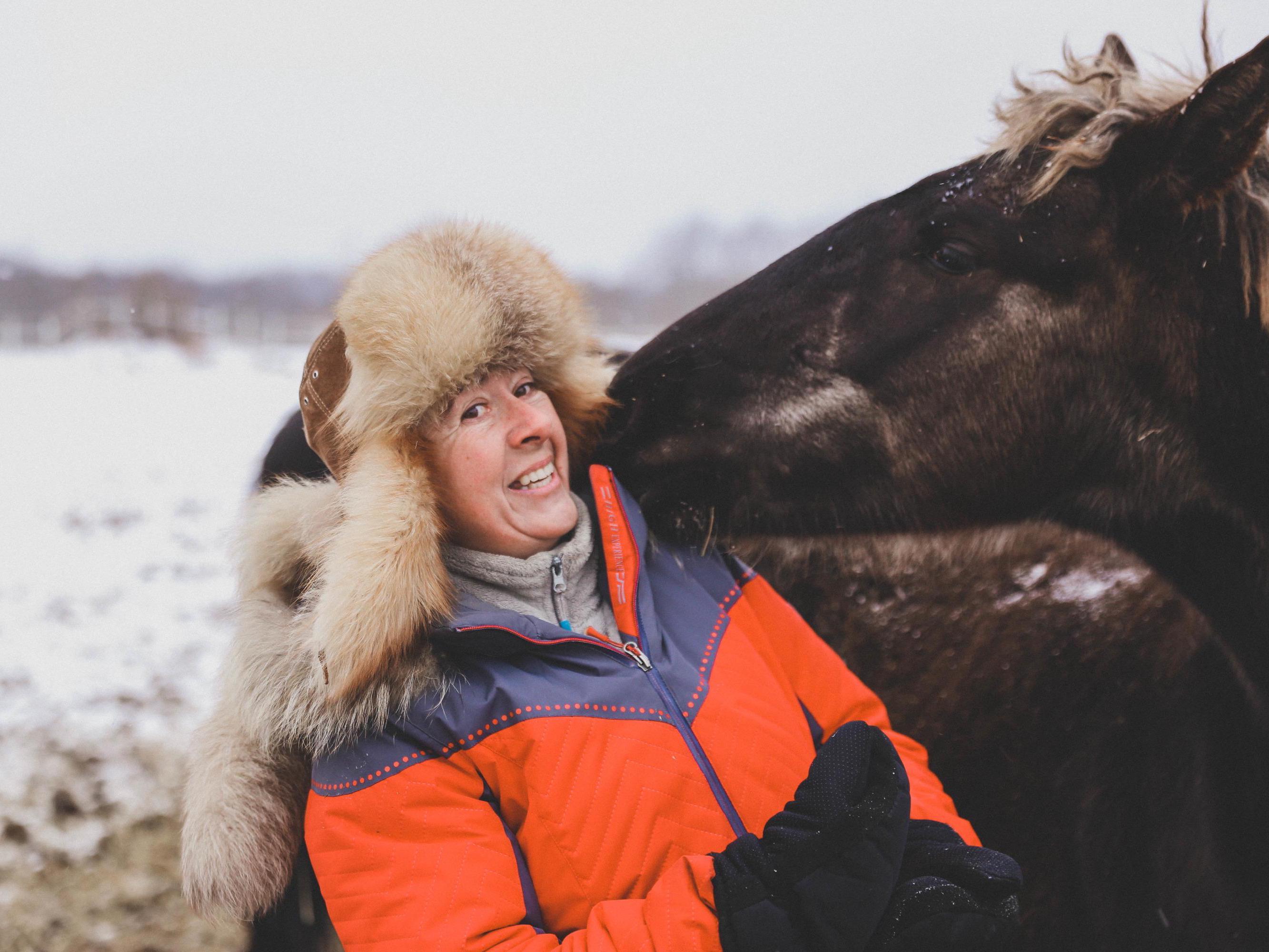
In the Yaroslavl region, there is a family that has tamed the new symbol of the year. Diana and Alexander have set up a real ranch in the village of Ivashkovo in the Uglich district. We visited them three years ago. We recall the story of the family that tends a herd of thirty unique, fairy-tale horses.
In 2026, Chinese New Year will begin on February 17 and last until February 7, 2027. Its start is based on the second new moon after the winter solstice, and the celebration itself spans 15 days.
The Idea to Create a Fairy-Tale Horse
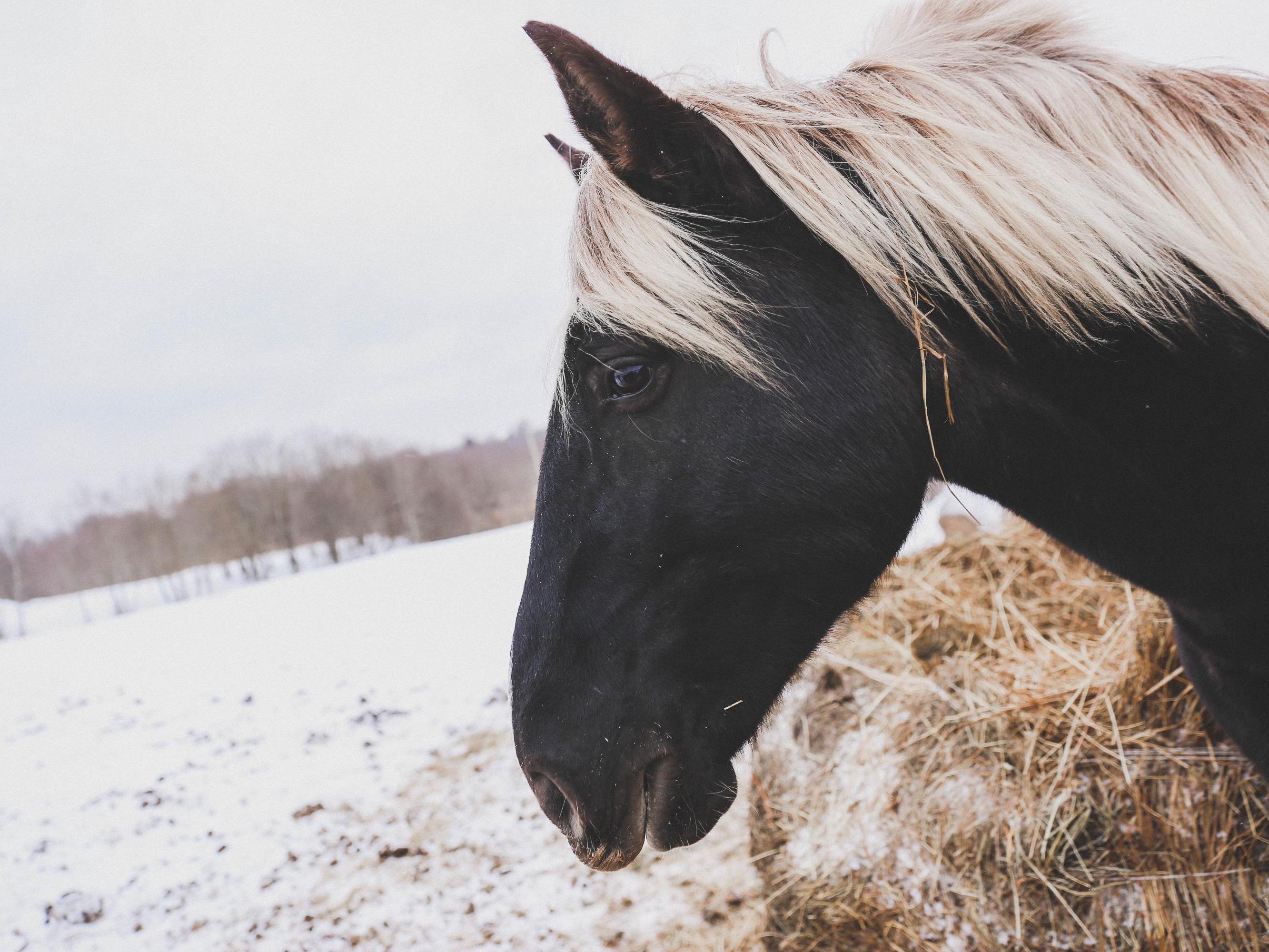
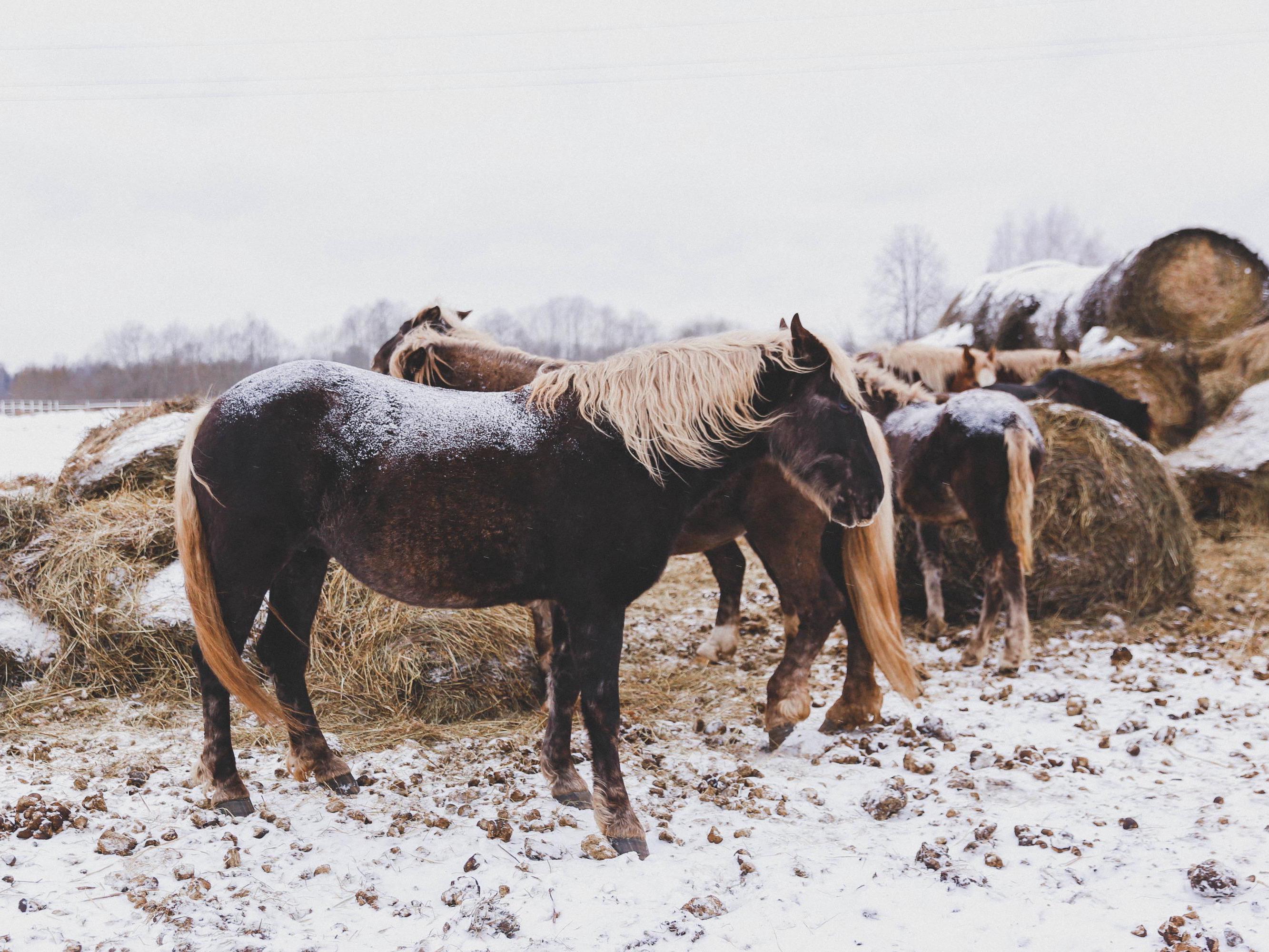
The couple of entrepreneurs launched the «Russian Silver» project in the Yaroslavl backcountry— together they are breeding unique horses of silver-black and black colors. Simply put, black with silver manes and tails. Like those written about in the fairy tale «The Little Humpbacked Horse.»
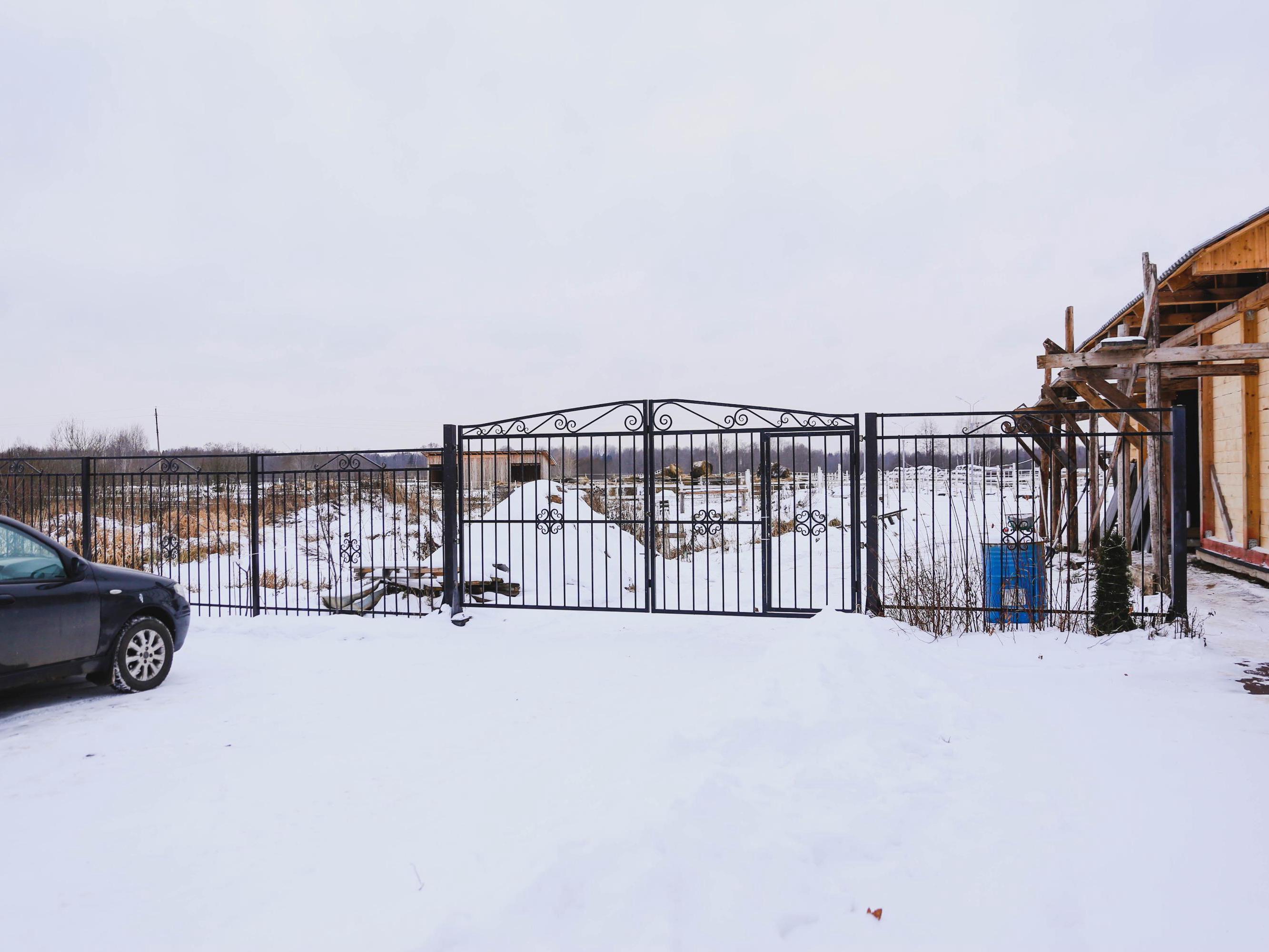
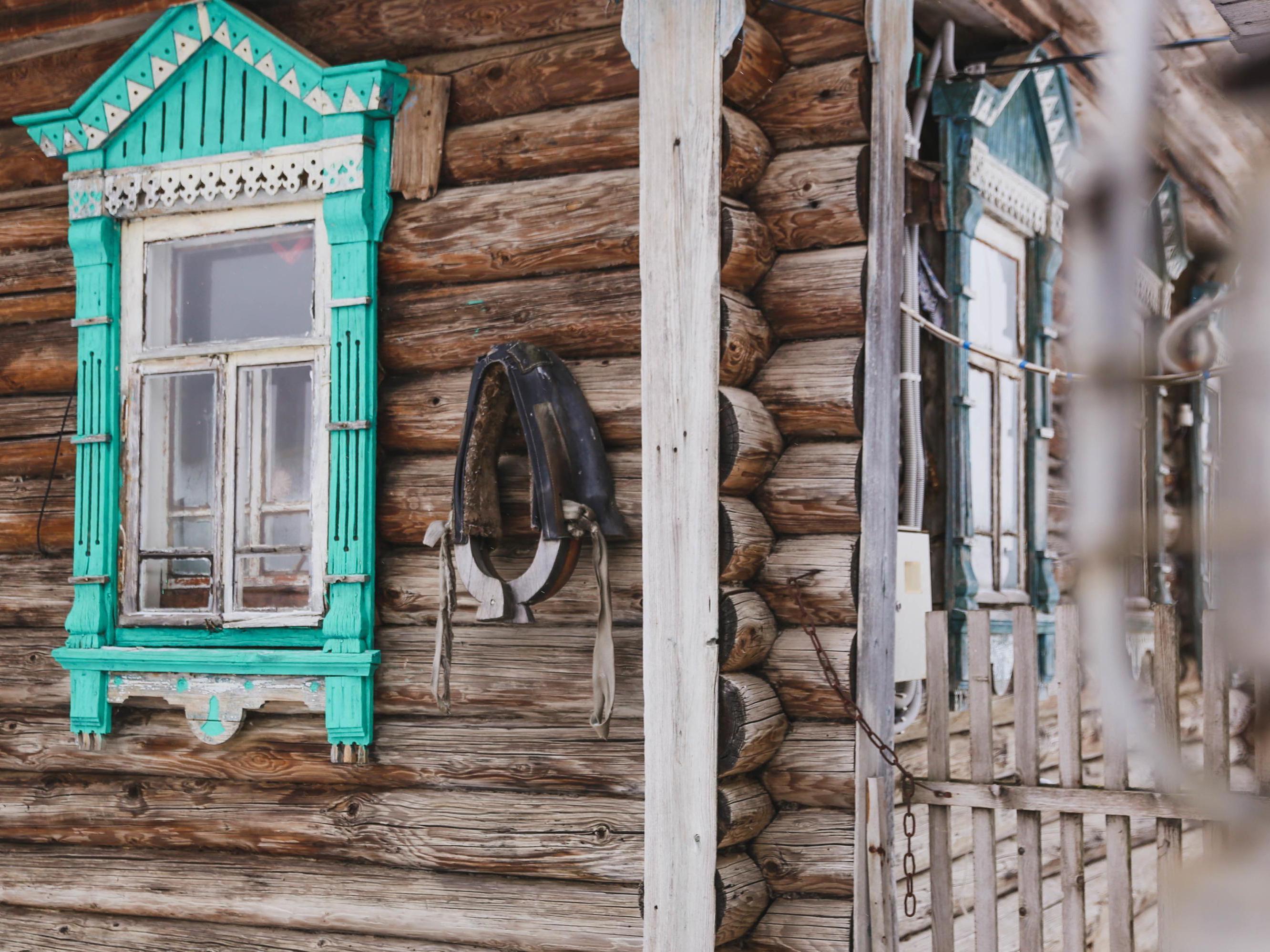
Alexander and Diana moved from St. Petersburg to the Uglich district after the 1998 default— in the 2000s. Initially, the couple planned to develop tourism in the Yaroslavl region.
Diana is a professional artist, and in her work, she often turned to Slavic mythology. They continued this work after the move, wanting to show where superstitions and traditions have their roots. In 2015, Diana opened a creative workshop in Uglich called «Museum of Myths and Superstitions of the Russian People.»
«We bought the house to expand our tourism idea. We wanted to show in the village where these superstitions grew from,» began the ranch owner. «We decided to show the estate as lived-in, that is, with animals. In the past, the horse was a main component of peasant life, so we bought our first horse.»
Later, Diana learned that some horse breeders were breeding rare black horses with white manes. Pictures of these beautiful horses stuck in her mind.
«Since we work with folklore, I remembered the fairy tale about The Little Humpbacked Horse and these rare horses that pleased the tsar as a curiosity. And they stuck with me,» she continued.
Thus, the estate owner became enthusiastic about the idea of breeding fairy-tale horses. Diana started communicating with a geneticist who confirmed— it was worth a try. The horse breeder began collecting contacts of those who had already tried to breed this color but failed. At the same time, the number of horses at the estate multiplied.
«We brought in individual horses that came to us in different ways. Some we bought, some we traded, some were gifted, and on this basis, we started our work,» recalls Diana.
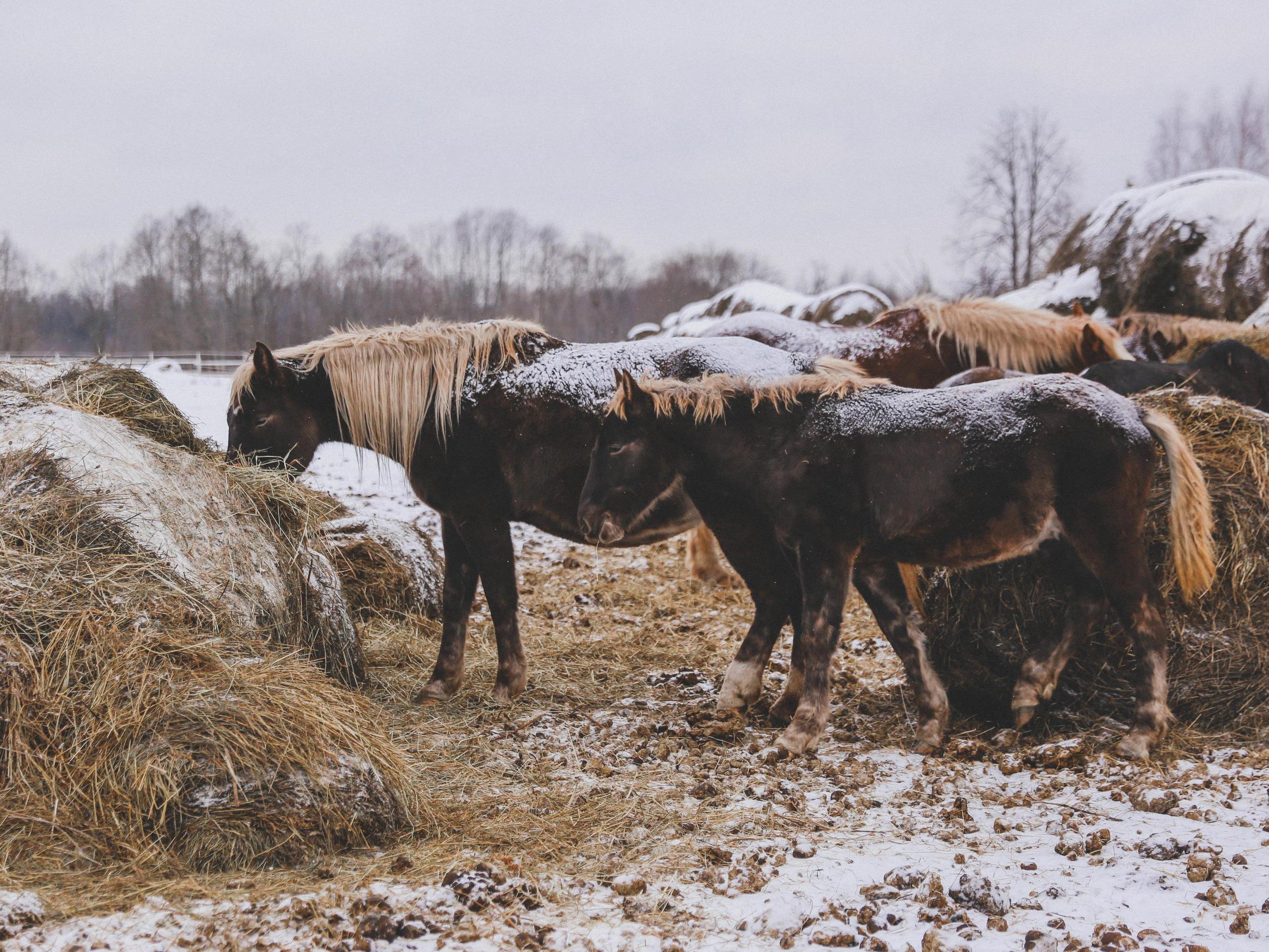
It was decided to breed horses with the «silver gene» using Friesian horses. According to Diana, they are also called «gingerbread» horses.
«It»s a short little horse with a rich neck that goes upward. Beautiful, elegant, with a mane, little nose, little eyes. That«s the Russian type. This Russian type is perfectly represented now in European breeds: the Friesian horse, shaggy, with a high neck carriage, a beautiful gait when it lifts its legs high. But black. And we thought, why not try to combine the silver gene and the Friesian breed? And get such a fairy-tale, but now Russian horse,» explained Diana.
Friesian horses are a breed with a black color, bred in Friesland, a province in the north of the Netherlands, which is known by the figurative name «black gold» of Holland. It is considered one of the oldest in Europe. Friesians were obtained by crossbreeding with Eastern and Spanish horses. According to Diana, such a color
The couple spent years searching for perfect pairs, selecting from generations of young stock.
«We are engaged in so-called absorptive crossbreeding. That is, we create a base of local mares with strong immune systems, resistant to natural conditions, good-natured. By introducing the silver gene to them, we start adding Russian blood from generation to generation,» explained the horse breeder.
As Diana explained, due to the silver gene, the mane of a black horse should become light.
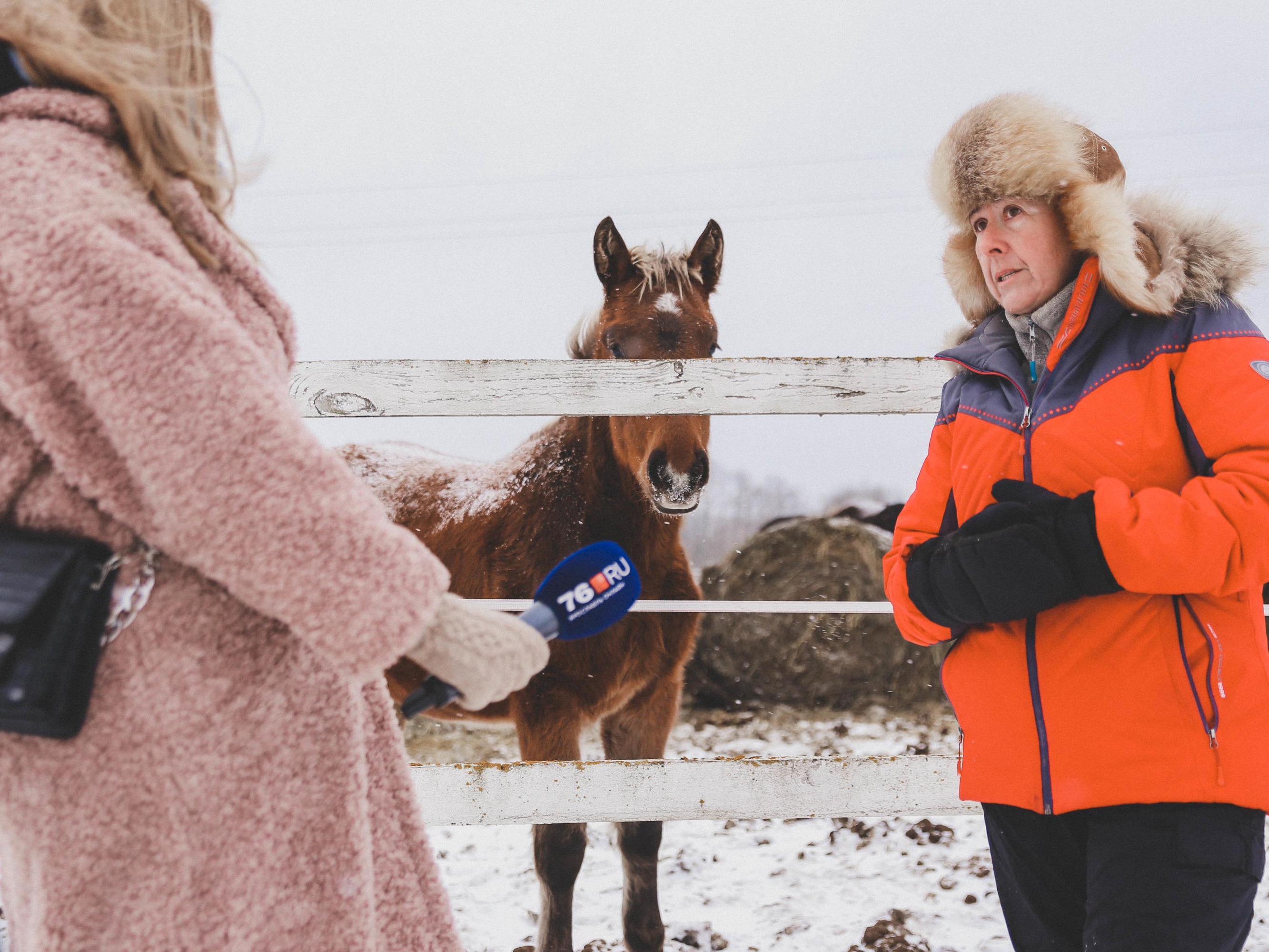
«It»s Business«
Diana says: work on the «Russian Silver» project began in 2012. That«s when the couple bought the first horse with the necessary silver gene. However, the first foals were born only by 2020. This event was called the project»s birthday.
«These foals roam in a separate paddock (a fenced area for horse exercise. — Ed.). In the future, we will use a Friesian stallion on mares with Friesian bloodlines,» explained Diana the genetic nuances.
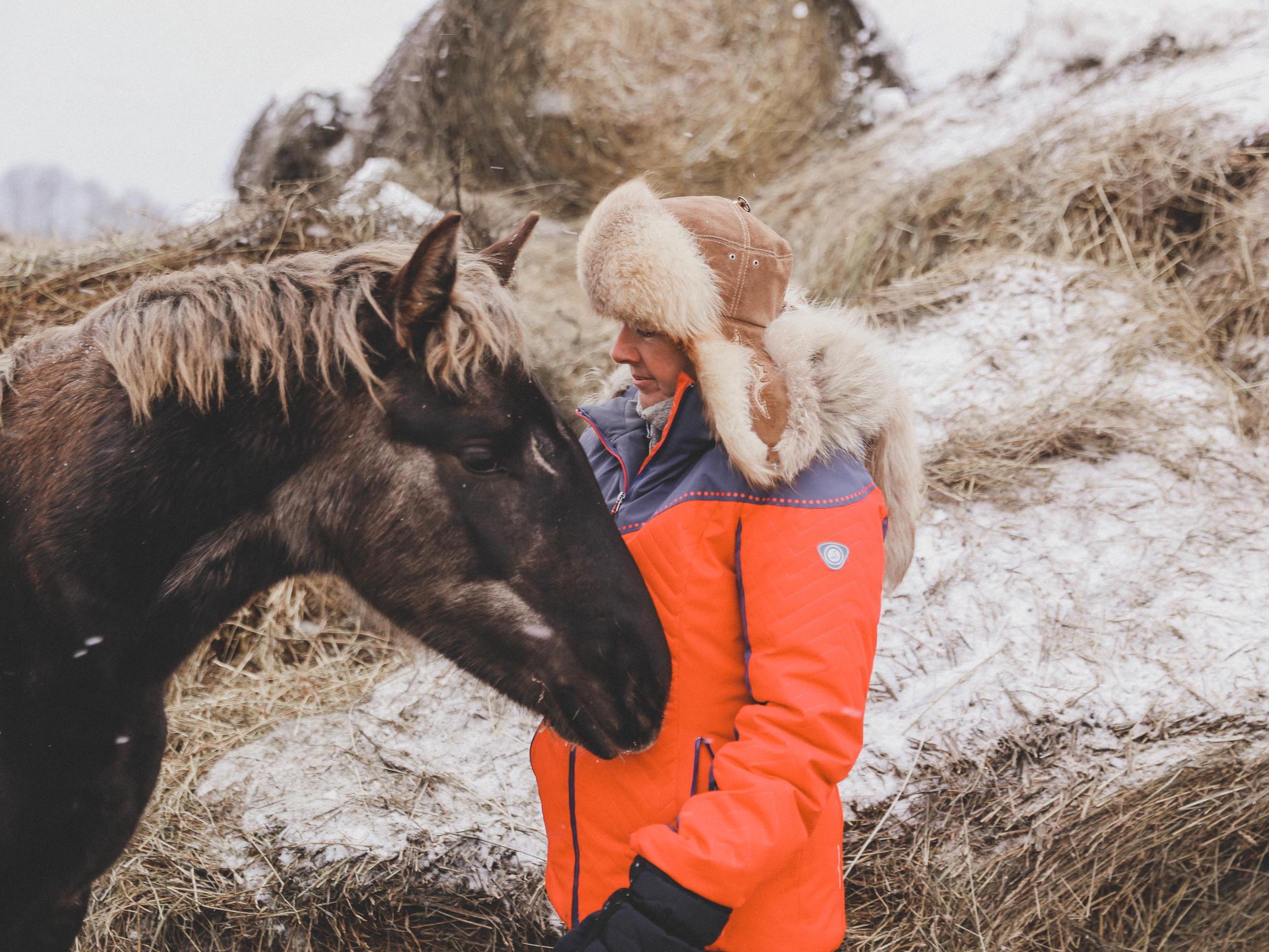
The goal of the project is quite prosaic— Diana dreams of making horse breeding profitable. She believes there is nothing shameful in breeding and selling horses, although many consider selling horses unacceptable. The ranch owner is sure: smart trading will only benefit horse breeding.
«Business, and nothing personal. In the equestrian world, and in principle, I often encounter such opinions: »How can you sell anything? How can you think about money?« But I don»t understand that. Everything we do should be monetized: with money or some other return. Emotions are also monetization,« admitted Diana.
The family approaches work from the principle: any job should be enjoyable.
«And to enjoy the process, we must be fed, clothed, warmed. There are many components. Why people don»t understand this, I don«t know. <…> We must create a product that will be in demand on the market. Accordingly, we must talk about it, promote it, and make it high-quality so that people understand what they are buying. Then our work will be profitable. Then we won»t have to close stud farms, won«t have to send the herd for meat, and then everything will be good,» reasons Diana.
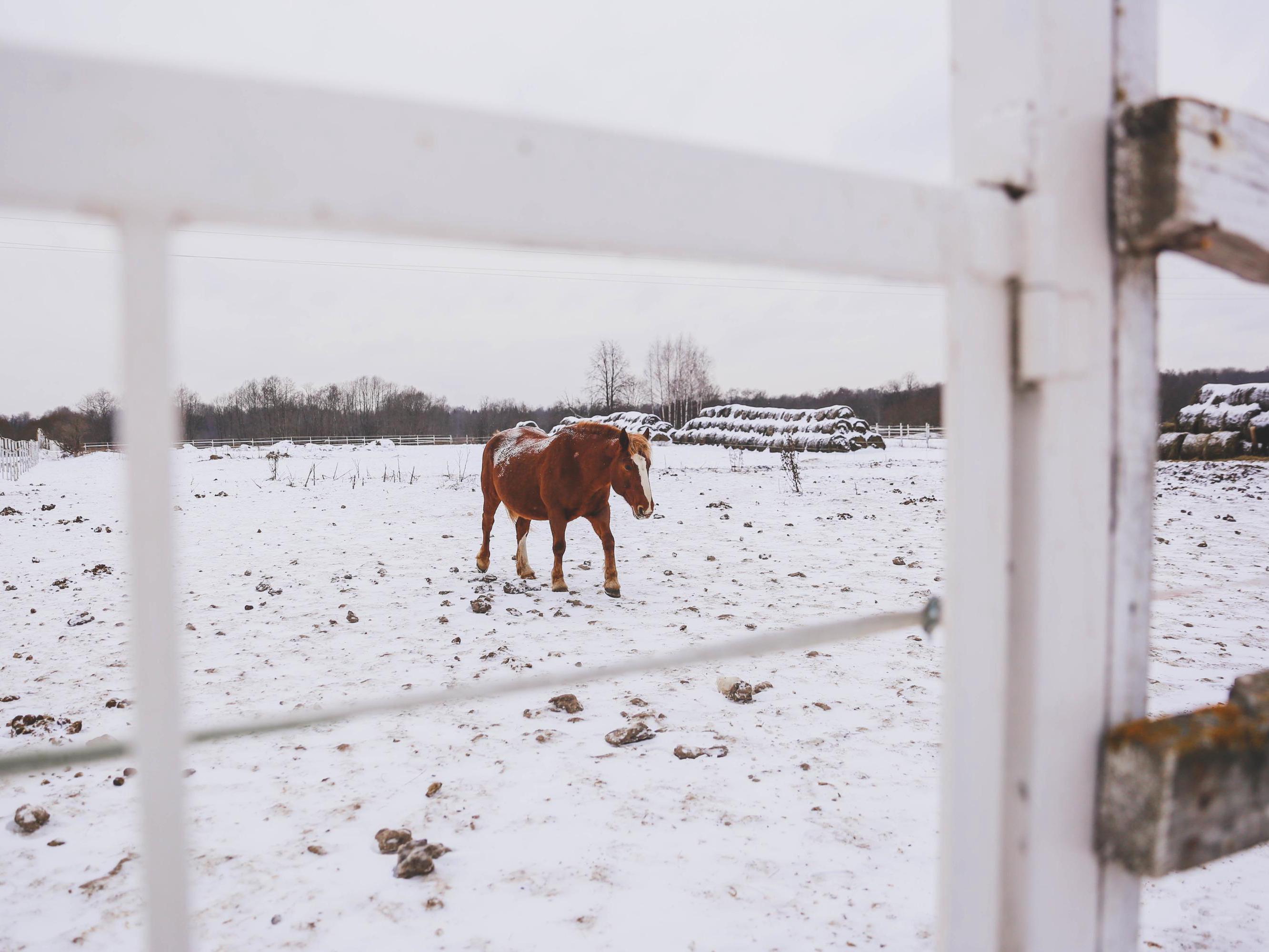
«I Don»t Know How Many Horses I Have«
About thirty horses live on the ranch. Among them are those already sold but not yet taken by new owners. In horse breeding, foals up to three years old are advised to be kept with peers.
«Every year we reduce, sell something. It»s natural because we need to update the breeding stock. Actually, we also need something to eat. And every year new foals are born, and we need to keep the best ones. Sometimes when asked how many horses I have, I don«t know, I need to count. Someone left, someone arrived, someone was born, someone became private. That is, it»s no longer our horse,« explained Diana.
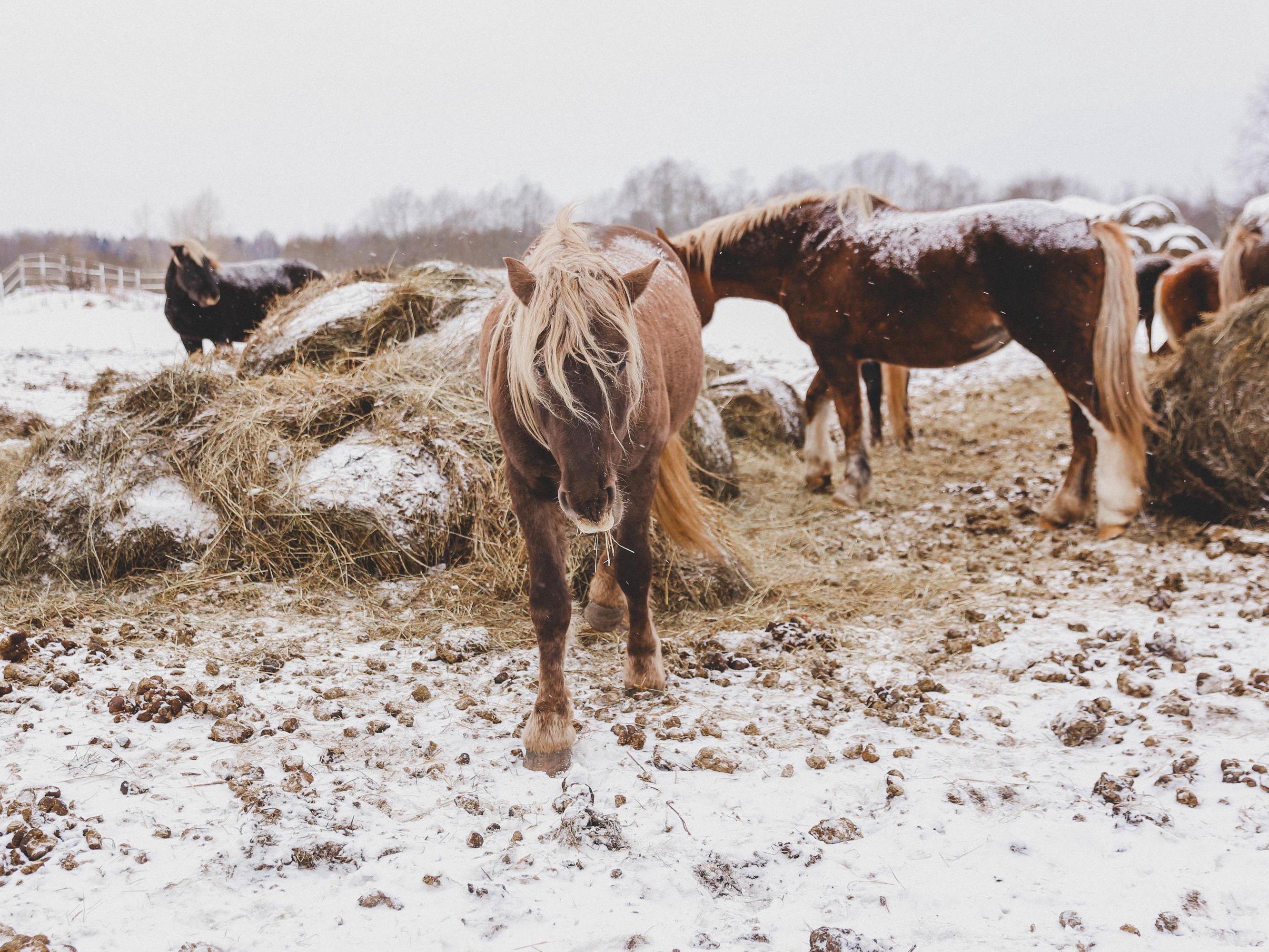
According to the estate owner, horses are bought by wealthy people. Those who can afford expensive care for the animal, which is increasingly treated as a pet.
«Today, the horse is becoming a pet. An animal with which a person spends time, gets emotions, recharges, and gives it care and love. And now this sphere is developing. And with it, the industry of producing horse tack, rider equipment. Saddles, feed, supplements, veterinary care, stables. This is a lot of money, which, in general, production receives by serving this sector. In our country, this is also starting to develop now,» added the horse breeder.
«It»s an Expensive Pleasure«
It«s impossible to say exactly how much a horse costs. The amount depends on the breed, color, and purposes for which it is bought.
«Horses, like cars, cost differently. You can buy a car for 50 thousand or 50 million. And you can drive both. The question: »What do you need this car for?« Certain technical tasks. Horses also have certain technical tasks,» reasons Diana.
Some get a horse for a pittance, while others have to pay a hefty sum for a steed.
«You can receive a horse as a gift, but you will invest in it, like in a car. Repair, treat, feed, maintain, but enjoy, as they say, freebies that are not free at all. Or you can buy a pedigree horse. For example, a champion. And it will bring crazy money. It wins, its sperm is sold for big money. It stands at the stud, and you are happy. It feeds you, your family, and your future generations,» told Diana.
However, even horses bred as hobby horses are not cheap. On average, their price ranges from 250,000 to 400,000 rubles (approximately $2,750 to $4,400).
«It will be an adult horse that you can mount and ride. You will love it, kiss its nose. In theory, it won»t kill you and will bring joy. Sports horses are higher categories. For racing, for example, certain breeds are bred,« explained the ranch owner.
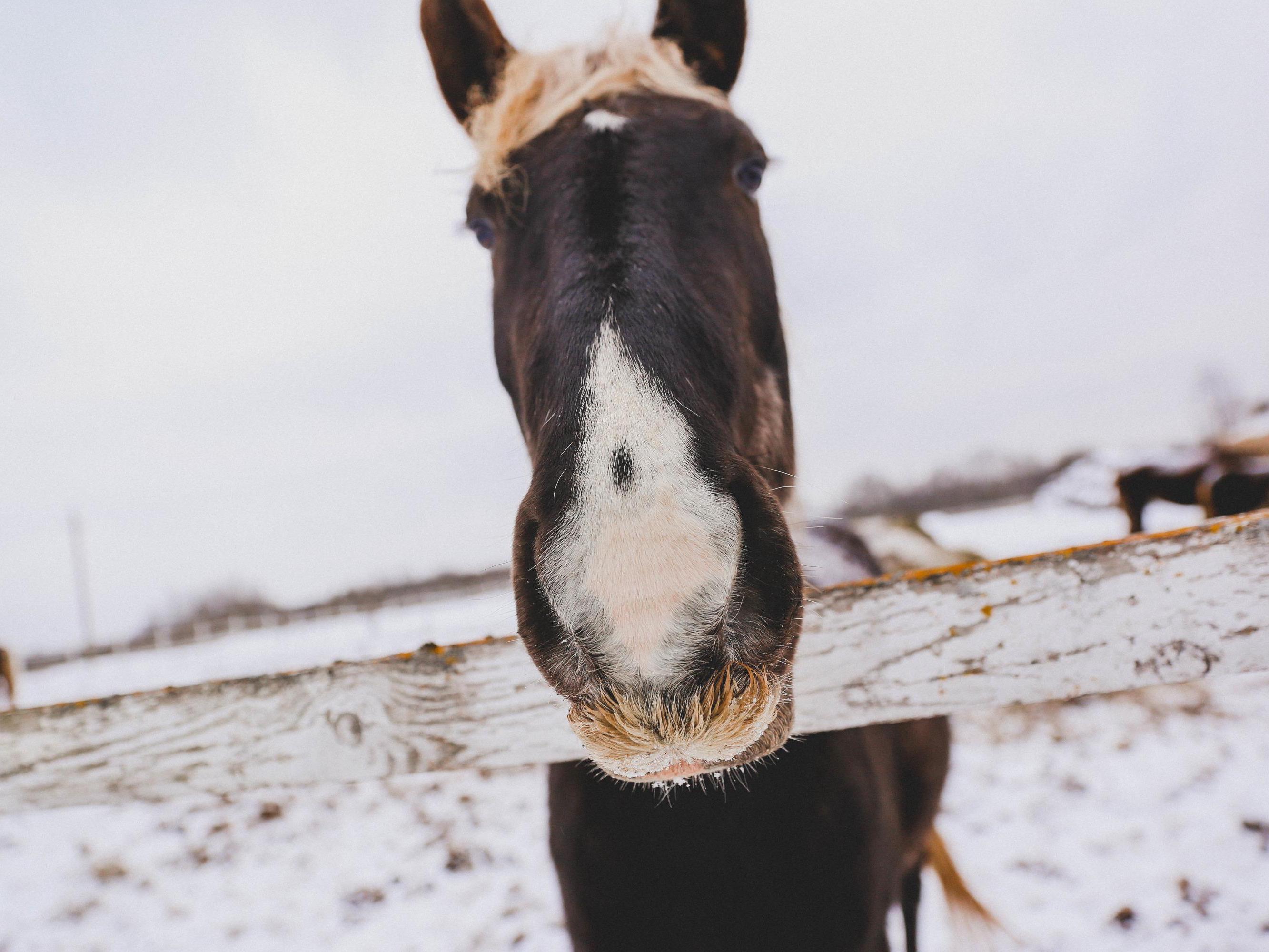
And horses «for amateurs» have certain qualities. They should be interested in spending time with a person, so one of the main tasks for Diana is to breed only good-natured animals.
«Horses of all breeds can be used for hobbies, but there are certain qualities. It shouldn»t run away, it should get interested in spending time with a person, learn something. Some versatility is important, you can jump over poles, harness it to a cart, ride in the forest,« reasons the entrepreneur.
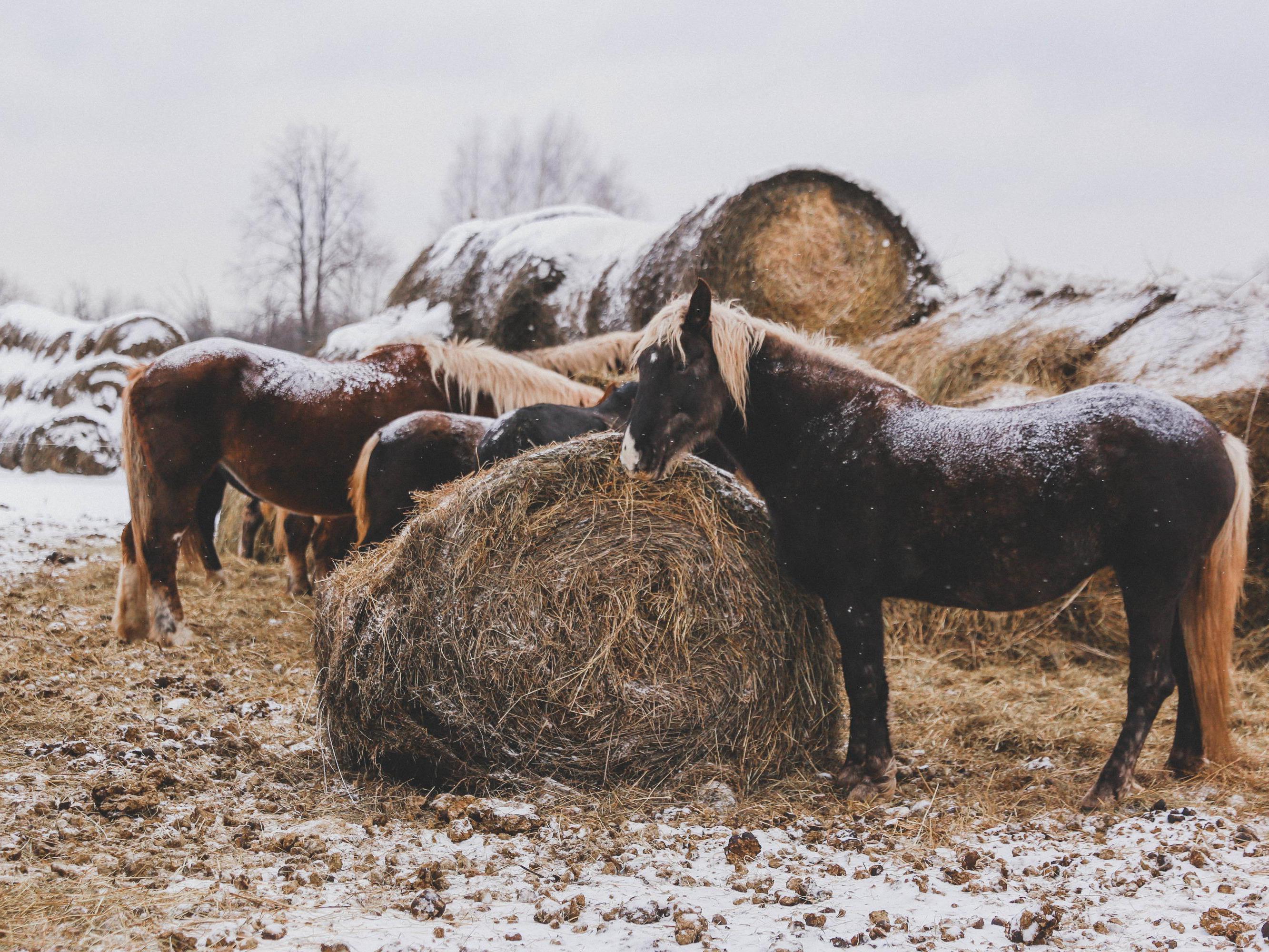
At the Uglich ranch, horses live in stalls. These are special partitioned-off rooms in the stable intended for keeping animals without tethers. Every morning, horses are taken out for a walk. In summer, Alexander and Diana have to get up at 5 a.m., in winter— at 6:45 a.m. The animals spend most of their time outdoors. They are driven into the stables only late in the evening, at 10:30 p.m.
How Much Does Horse Maintenance Cost
Diana spends about a million rubles a year on feed and horse maintenance. She assures that those who want to buy an expensive animal need to be prepared for large expenses.
«Everything is very relative. For some, keeping a horse is expensive because they don»t have enough money to support themselves. Naturally, that«s not their option. A horse is an expensive pleasure. If we»re talking about Moscow, keeping a horse within the MKAD costs from 50,000 rubles a month. That«s just the stall. Outside the MKAD, this amount drops by half. I spend about a million a year on mine. This sum includes feed: hay, oats, carrots, apples, salt,» listed Diana.
At the estate, there is use even for those not yet sold. Besides breeding and selling horses, Diana gives horseback riding lessons. The ranch owner preferred not to disclose the price of one lesson.
«Maintaining the farm is helped by working horses that teach my students to ride. Teaching people harmonious horseback riding is one of our directions.
Training happens in the form of workshops. People come for several days for classes. However, not everyone can get into personal master classes.
«I don»t take everyone. I«ll explain why: I don»t like people on my territory who don«t understand why they came. I live here and understand that people should come to me as guests, understanding who I am and why they are here. I have groups on VKontakte, a YouTube channel. People we communicate with have usually watched our videos, they come with specific questions. I decide if I can answer these questions. Then we agree, and they come to me,» she explained.
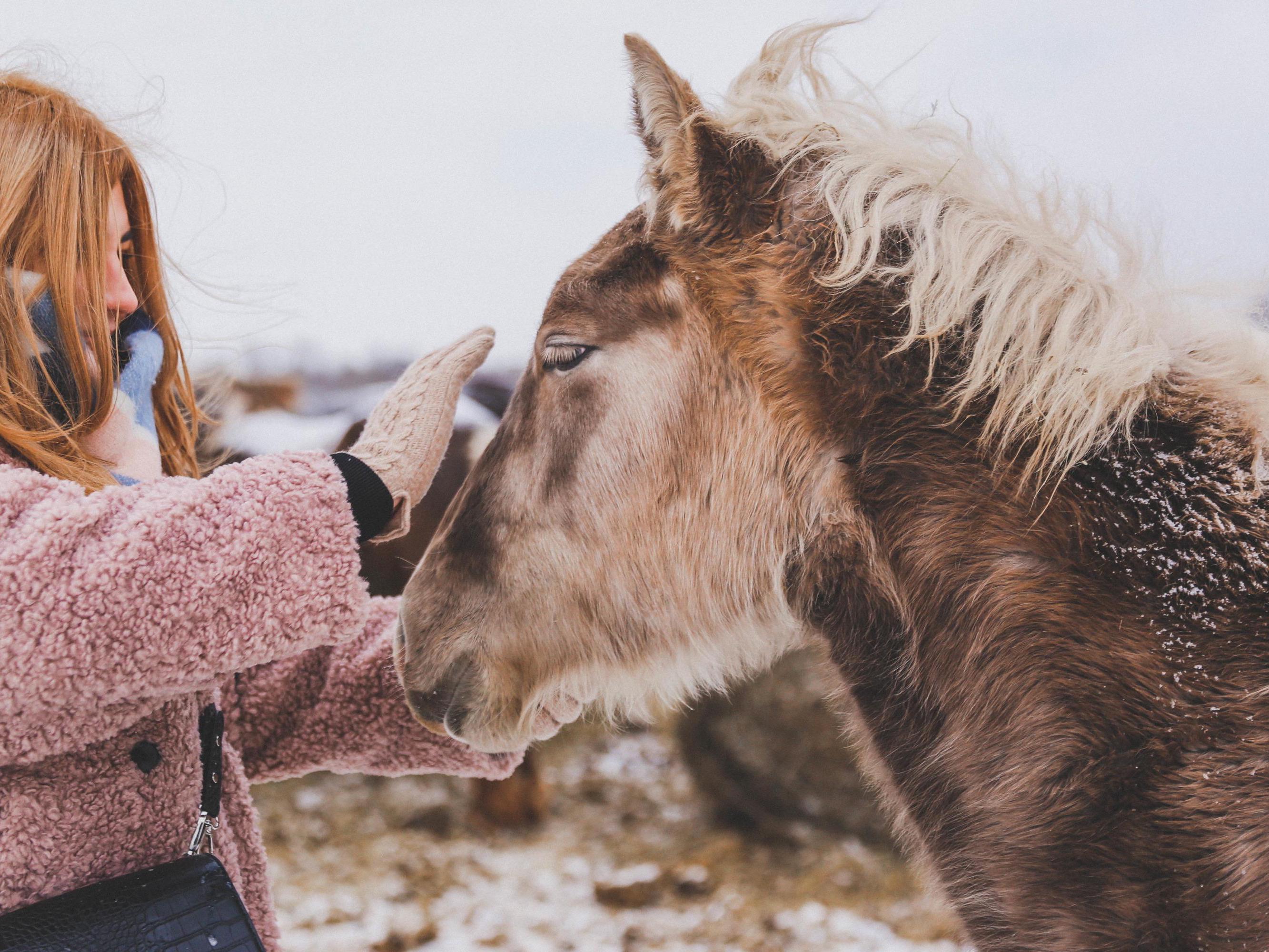
Besides this, a few years ago, the couple tried to create a horse park at the estate. The idea was to release stallions and mares with foals onto a certain territory where horses would live in nature. Visitors were offered a sort of safari where they could approach the horses, visually and tactilely interact with the animals. But there weren«t many takers.
«Horses create their own ecosystem, tailor it to themselves: they eat the grass. Some lawns look like golf courses. There are paths, they have little fir trees, and other things. It turns out a quite beautiful place. And we offered such a safari. You can communicate with the horses, scratch their noses. You can»t feed them because it«s dangerous. There you can learn about horse life, about psychology. Such a tour takes at least an hour. But this offer turned out to be not in demand,» shared Diana.
«This is a section of hippotherapy— healing through interaction with the animal on the natural vibrations of one»s state. You can «heal» from the process of admiring the horse, or by communicating. That is, by touching, feeling the energy. But society hasn«t approached this yet,» reasons the owner.
Hippotherapy is a method of achieving a psychological therapeutic effect in the process of specially organized by a specialist, that is, a psychologist or psychotherapist, communication with a horse.
«There Can Be No Favorites»
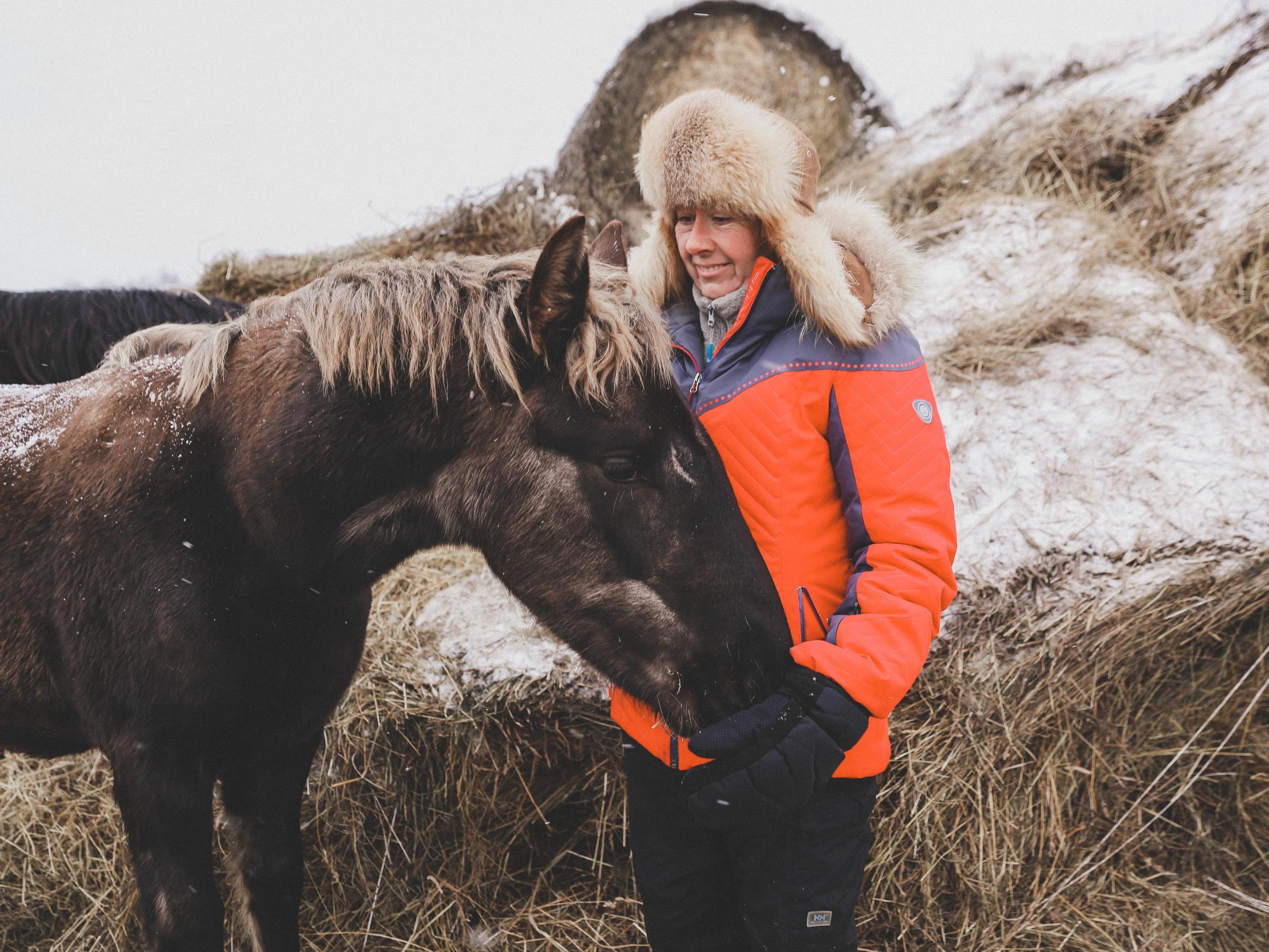
Diana knows the character and habits of each of her horses. But she doesn«t acknowledge favorites. She considers it unprofessional. In the series of constantly changing horses, it»s simply impossible to get attached to any one.
«I have no favorites and there can»t be. It«s like in kindergarten, if the teacher loves one and doesn»t love another. That«s unprofessional. No, for me all horses are equal. Those horses that I think shouldn»t be bred, I just sell. All horses participating in the project please me equally. There are horses that have been with me for a long time, become partners in riding, work. That«s different. You have a husband, and you have work colleagues. It»s the same story,« reasons Diana.
How Horses Are Given Names
Each horse, as the horse breeder explained, has its own character. The foal demonstrates it after birth.
«We try to pick names so as to mitigate some moments, and we try to make our horses good-natured. We have Lavanda, Vyazma. Shustry, Tayna, Istoriya, Istina, Shaman, Yakhont. We name horses by rules: if a filly is born, we name her with the first letter of the mother»s name and обязательно, so that in the middle is the first letter of the father«s name, to understand which mare family this filly belongs to and from which stallion she is. The name should be euphonious and Russian,» she explained.
«We Didn»t Want to Live As We Lived«
The territory where the estate inhabitants are kept is impressive. The couple bought several neighboring plots to set up the ranch. Mares with foals and adult stallions roam in different paddocks to avoid squabbles. Males are more willing to share territory with peers than females. The latter value personal space and protect foals.
A lot of money had to be spent on hectares of land. However, Diana couldn«t name the exact amount. The plots were bought gradually.
«Do you think I»ll count? We didn«t buy all this at once. We bought bit by bit. First one house for certain tasks for tourism, then another because it suited better. If any of the neighbors sold something, we, if possible, bought it. I can»t count how much we spent, it«s unrealistic. Prices changed over 20 years. Some horse we bought for 18 thousand 15 years ago, and some for 750 thousand. Like a breeding foal. Still small, but already costs that much. A lot was spent,» admitted the estate owner.
The idea to breed horses, in fact, came to the couple gradually. Diana has a business in St. Petersburg behind her, related to services and trade. After that, she took up tourism, and when moving to the Uglich district— livestock, since cows came with the house sale.
«Changing our lifestyle, we thought about what we would do in the new place. With horses, it just happened: cows didn»t work out. When we bought the house, cows came with the house. It turned out, that«s not my animal. Pigs, goats, cows— we had them all. Horses somehow came in,» she shrugged.
«No Time to Get Grants»
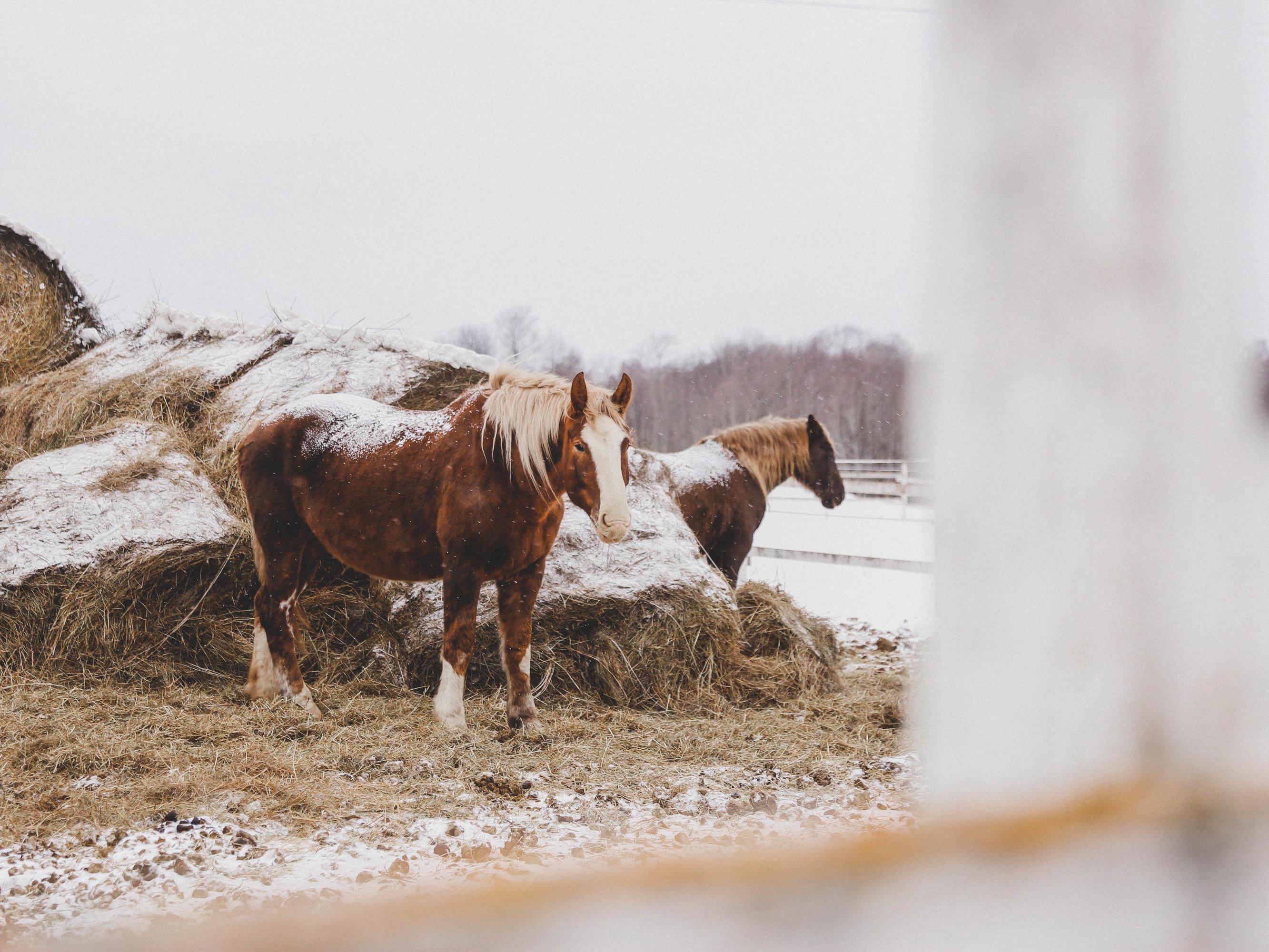
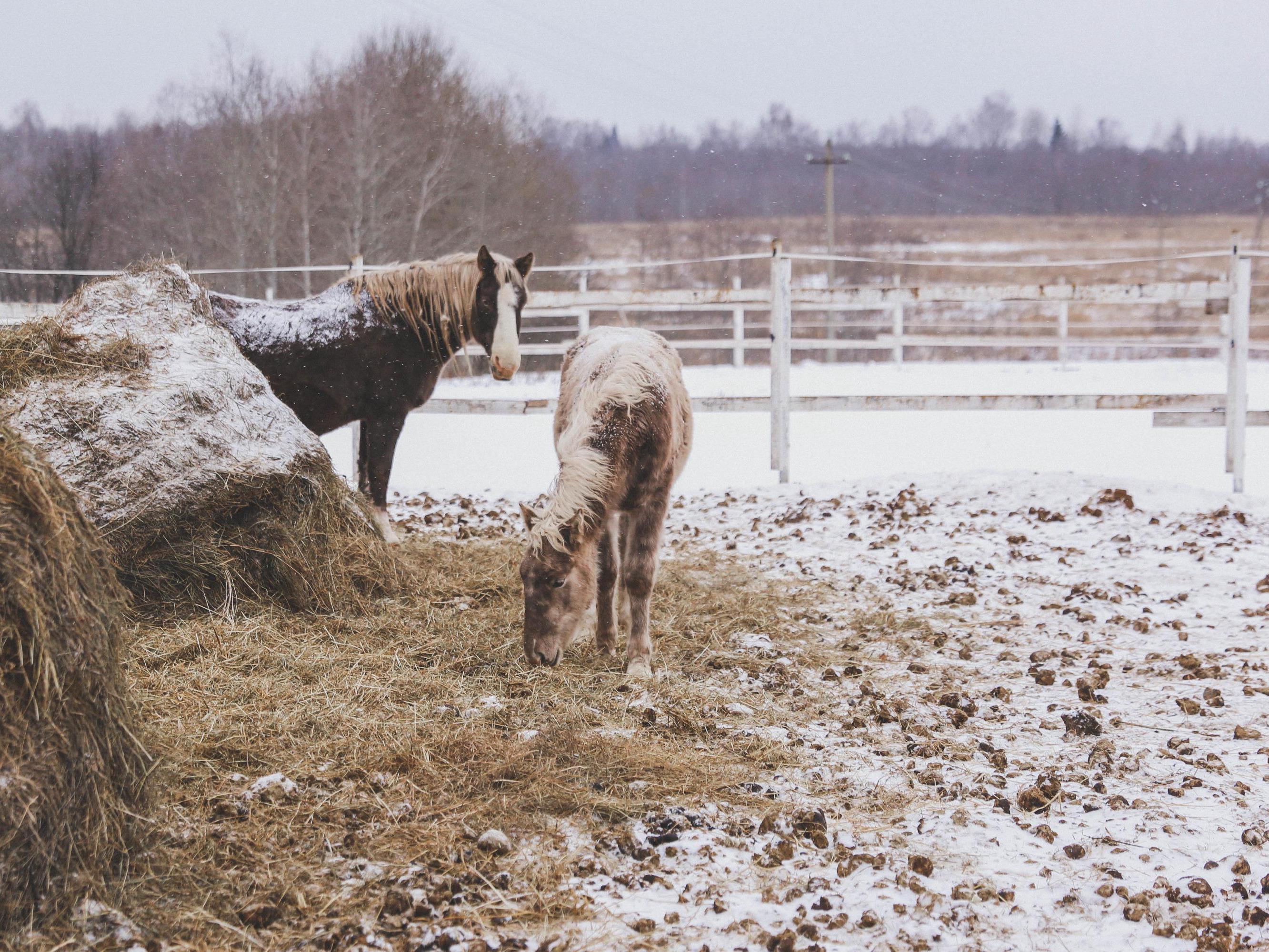
All financial investments were made from the couple«s savings. The family doesn»t want to receive grants from the state— they say it«s not profitable. For that, they would have to hire people and report on all finances— a waste of time.
«My husband constantly says: »Let«s apply for some grant.» I say: «No, no time.» At a tourism meeting many years ago, my acquaintance told how he was offered: «Here, grants are being given, take one.» Then it was 300 thousand. He looked, laughed, and said: «Listen, I»d earn that faster«,» shared Diana.
In her opinion, working with grants takes too much time.
«First, you need to invest 30% of the grant amount. Second, you need to gather a bunch of papers, register, pay taxes, hire some workers. You need to provide places for them. But I don»t need these people. I don«t want to spend time redoing what they did. Then commissions will come, check if you spent the money correctly. I don»t need that,« reasons Diana.
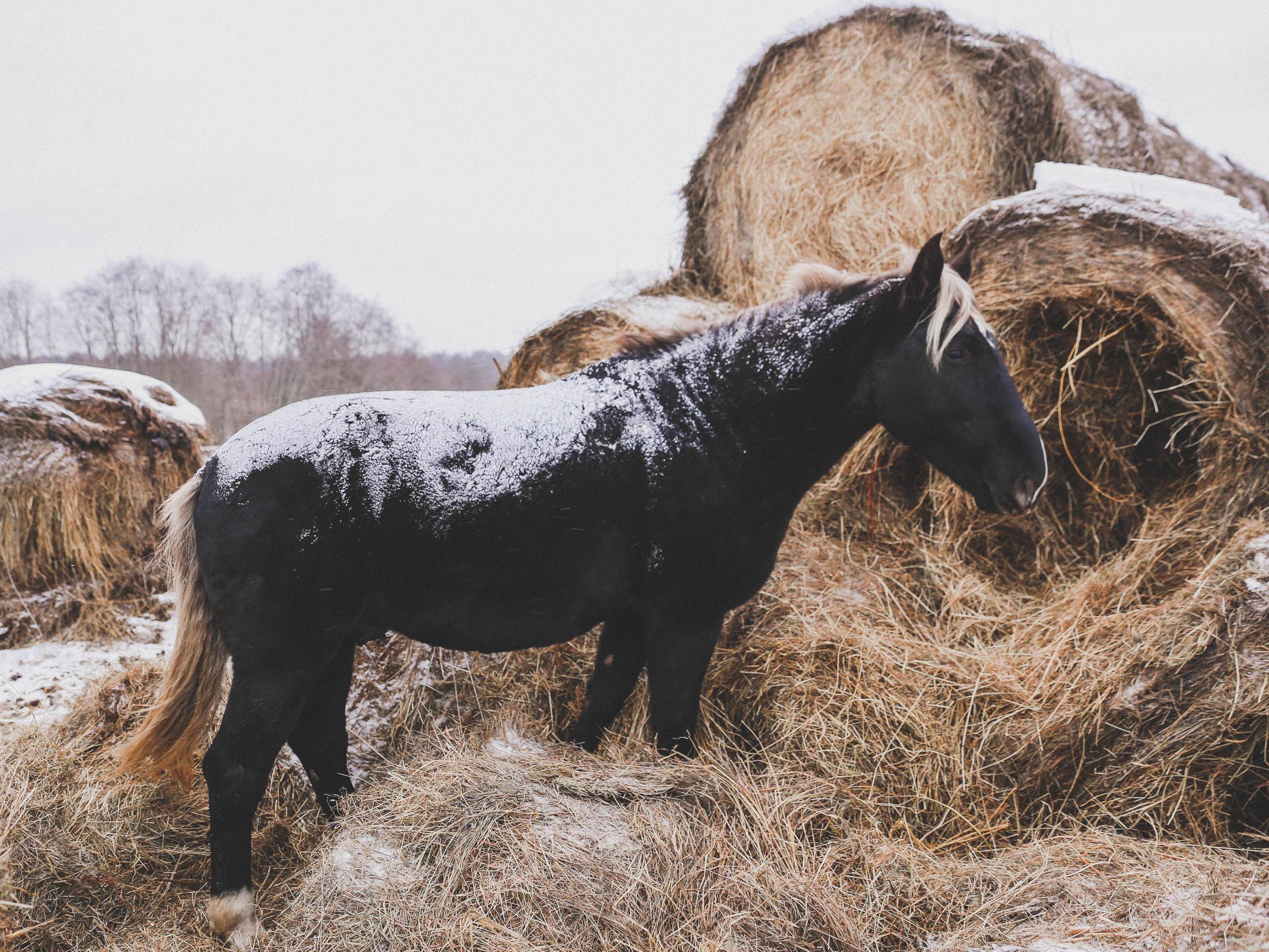
Diana says she is unlikely to be able to complete the «Russian Silver» project. Perfect selection will require more than one decade.
«I won»t have time. Work on the project is not one lifetime. If I do something in my life, I«ll be glad. But I think that when I finish, the project will end. We have a problem with successors and continuity. I don»t know if my son will want to continue this. He«s already an adult, he decides how to live. He»s still finding himself,« she added.
Diana perceives the hard work at the estate as a hobby. She believes there«s no point in dedicating life to work you don»t love.
«As a friend from Mozhaisk said, if you don»t want to work a day in your life, make your hobby your work. We like it. Very many people do in life what they don«t want. And they do it all their lives. When life ends, people realize they didn»t do anything they wanted. So why not start doing what you want right away? We won«t have a second chance,» she said.
«Don»t you miss the big city?« we ask.
«I»m there sometimes! I come for three days, spend money, and leave. What to do there? Once it made us think. You know, such a flow of cars, the MKAD. And suddenly you move a bit aside, look at this flow from the side and understand. You work, quickly run home, have dinner, and sleep. And tomorrow a new day begins. We decided that we don«t want to live like that,» looking at a horse that approached the fence, Diana smiled.