Mother Beats Stage Four Cancer While Nursing Her Baby
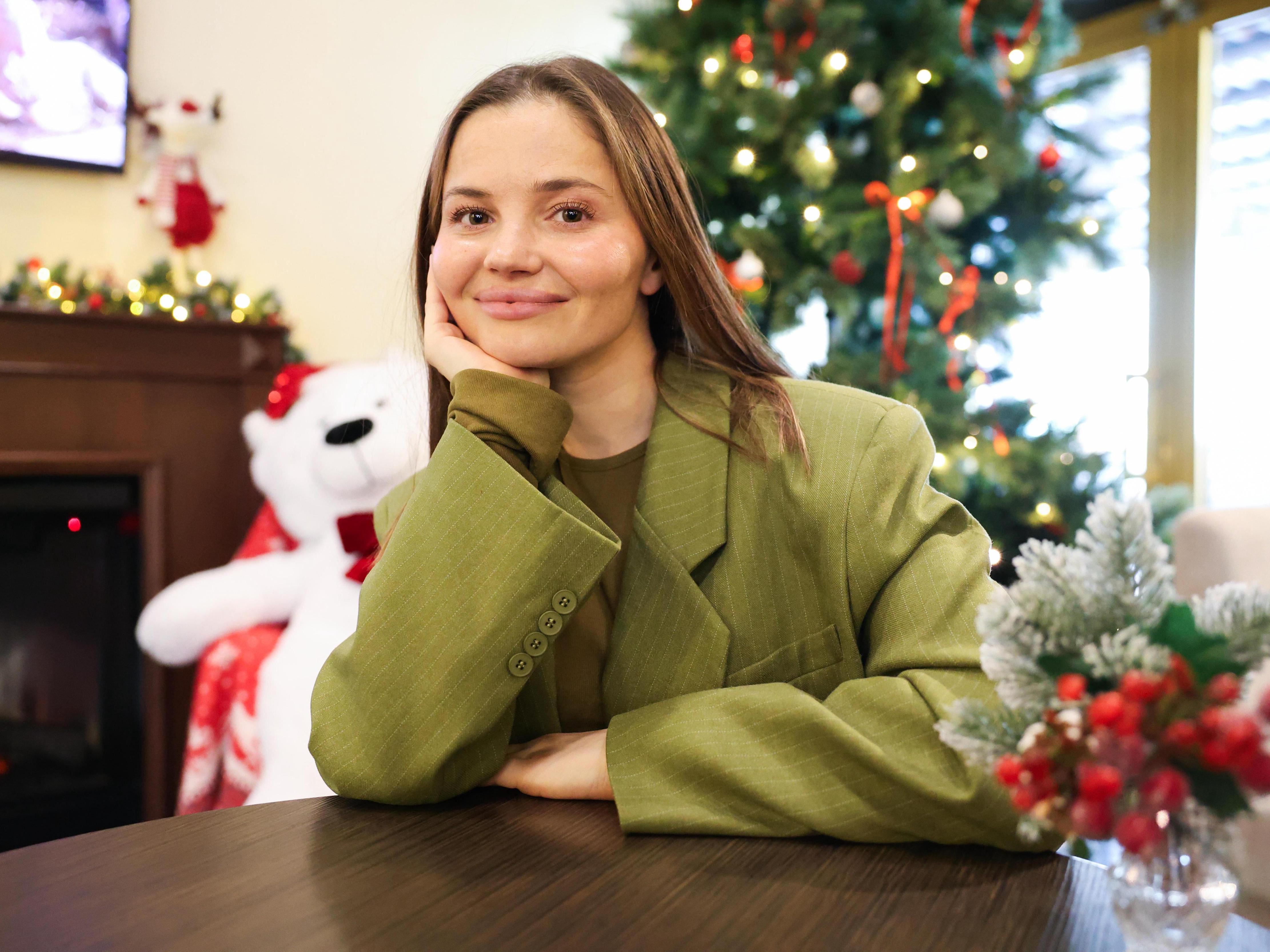

“Don«t be shy to ask for help. Be strong, believe in the best; if you feel you can»t cope mentally, ask for help. A person needs a person, I am convinced of that.”
These words begin the conversation with 31-year-old Tatyana Krishlauks — a young mother, former elementary school teacher, now a blogger and simply a person who went through hell called “stage four Hodgkin«s lymphoma.” Her story of struggle began not with the fear of dying, but with the fear of being misunderstood.
About how the price of victory included burned veins, night terrors, and a metal joint where her own bone used to be — in the material by Anastasia Vlasova.
The Warning Sign
It all started with a minor thing that a friend noticed: “I wasn«t sick, I didn»t have a cold, but my lymph node was swollen. To calm myself and my friend down, I took a blood test. After getting the results, it became clear that something was wrong with my body. The ESR level — an indicator of inflammatory processes — was twice the upper limit for me.”
Then began the ordeal. The young mother with an infant visited gynecologists, endocrinologists, and pulmonologists. They all threw up their hands and said everything was fine. Despite the doctors« assurances that she was healthy, the symptoms only increased. Her lymph nodes grew larger, and unbearable itching and rashes appeared.
“I was scratching, my whole body was covered in spots. At the hospital, they suggested that we might have gotten earth fleas in the house.”
To the physical symptoms — itching, rashes, shortness of breath — panic attacks were added.
“That was the first time I encountered a panic attack, and the anxiety grew very quickly. At the hospital, they suggested I see a psychotherapist. By the way, I think a psychotherapist wouldn«t have hurt. A specialist might have helped me calm down.”
The diagnosis of “stage four Hodgkin«s lymphoma” was a shock. But, strangely enough, what frightened her was not so much the disease as the feeling of guilt that emerged.
“I thought about how to tell my husband: he has an anniversary coming up, and what gift would I give him? For me, it was a catastrophe. I didn«t want to be pitied. I had a feeling of guilt.”
“I«m scared, I want to live, I have someone to live for”

In the cancer patient«s mind, the diagnosis instantly turned into potential gossip, into something for neighbors and acquaintances in small Novovarshavka to whisper about. She, who had always been strong and independent, was terrified of becoming an object of pity. The most tormenting thoughts revolved around her loved ones.
“I was afraid to tell my family. I wasn«t worried about my own salvation, but about how the illness would affect those around me. Instead of mobilizing all my strength to fight, I spent precious energy hiding the truth.”
The situation changed when people online started raising money for her “funeral”: “At that moment, I realized I had to tell. I wanted to scream: ‘Please don«t bury me, I»m scared, I want to live, I have someone to live for.’”
In the end, she told the whole truth so that people wouldn«t speculate. The former teacher admits that after that it became much easier to focus on treatment and on herself: “When I told, it became easier, truly, easier to fight.”
The treatment was hell. Six courses of high-dose chemotherapy that burned veins and broke bones. But the hardest part wasn«t the procedures. The hardest part — was being weak.
“April gave me you”
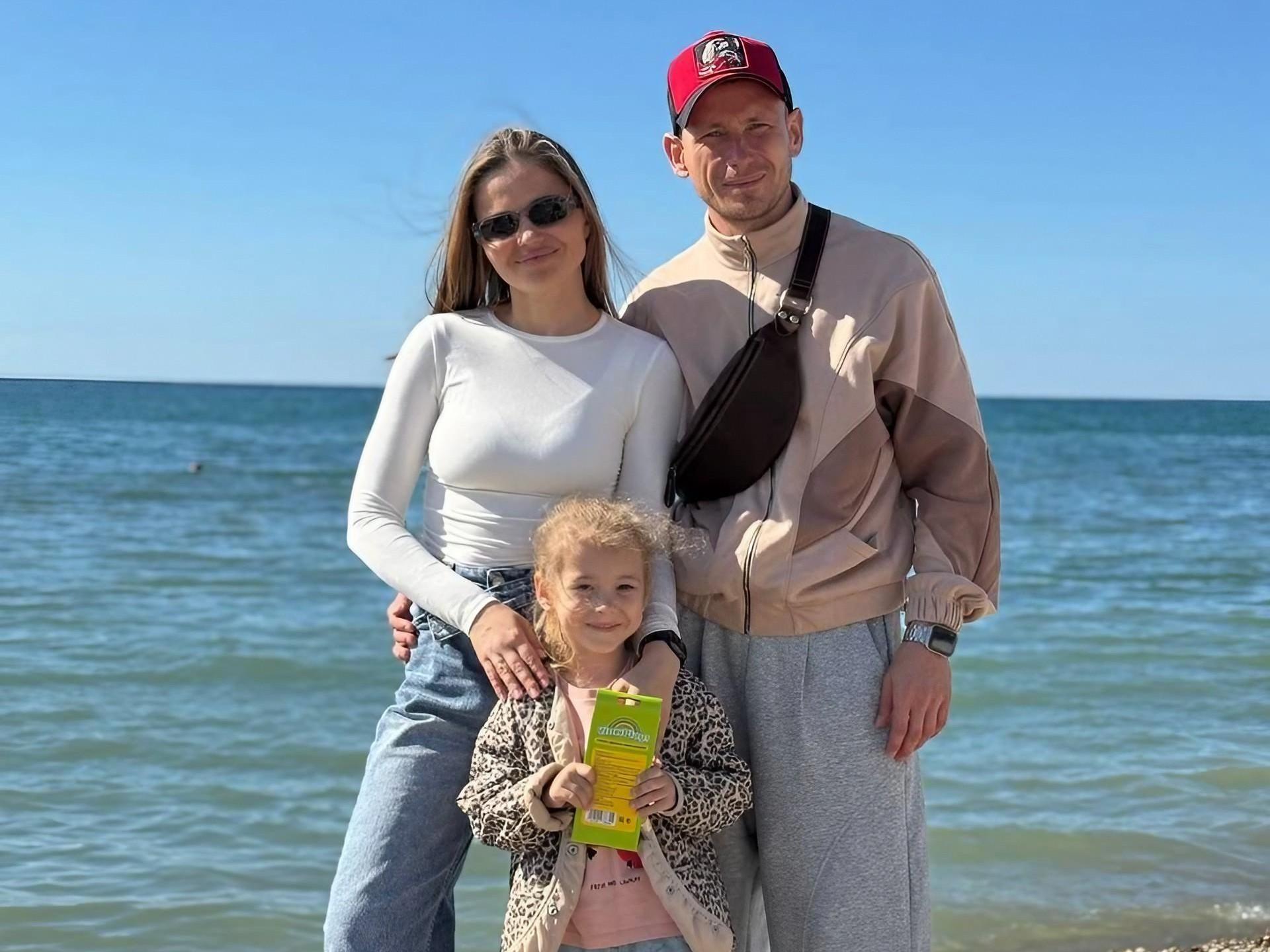
She carried through all the treatment with the support of her family. In the scariest days, her husband Stanislav, her “strong and great love,” became a rock. Speaking about how he without hesitation took parental leave to care for their one-year-old daughter Kira, Tatyana can«t hold back tears.
“No one abandoned me. My husband, I am very grateful to him, he took on the most important thing — our little girl. I always had confidence in him.”
The couple met through a mutual group of friends when she was just 15 years old.
“I don«t remember it, but when we met, he told the guys in the group ‘she»s going to be a really cool chick.’” At that time, he was married, and their communication remained just friendly for a long time.
Everything changed when Stanislav got divorced and, after serving in the army, returned to Novovarshavka. They started communicating more closely, but still as friends.
“In April 2012, when I turned 18, I decided to confess to him. The attraction turned out to be mutual, and since then we«ve been together. Every time I tell him that ‘April gave me you.’”
Thirteen years have passed since that April spring. During this time, the family has experienced many shocks, but, talking about her husband, the blogger can«t hold back tears: “He is my such strong and great love.”
The Side Effects of Victory
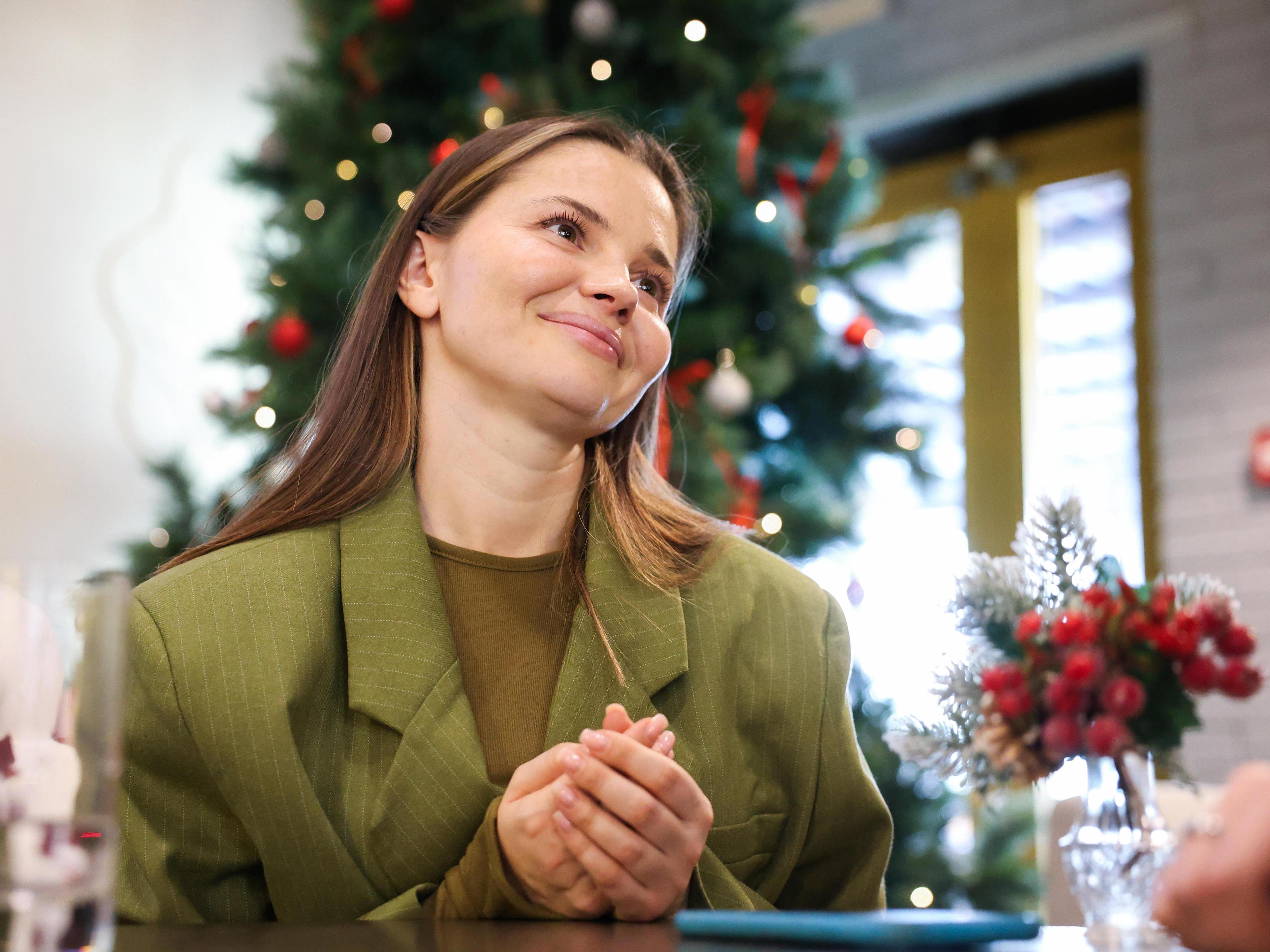
After the tough decision, remission came, but with it came the side effects of victory over the disease. Chemotherapy didn«t just hit cancer cells: “They warned me that sometimes there»s ‘harm for the sake of good.’ After treatment, healthy parts of the body suffer too.”
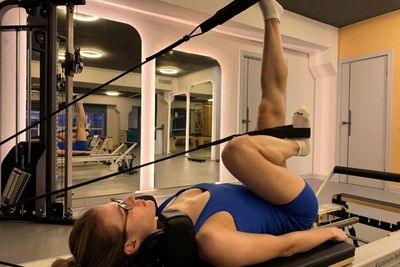
The heaviest consequence was the destruction of her joints. An active mother who loved to run now tries to walk a lot, as running is contraindicated. She works with a rehabilitation trainer who “gently works” with her body, but the former ease of movement is gone.
“Unfortunately, my bones and joints were affected; I«ve already had one hip joint replaced, but I need to replace the second one. Most likely, I»ll also have to replace my right shoulder.”
The cancer survivor learned to live with anxiety while waiting for the annual PET-CT — a scan that examines the entire body.
“The main thing is that the lymph nodes I still have don«t light up. My cancer doesn»t light up,” she says, and in her eyes, one can read both hope and habitual tension. Now her motto is: “Everyone is alive and healthy, and we«ll cope with the rest.”
“We don«t know what tomorrow will bring”
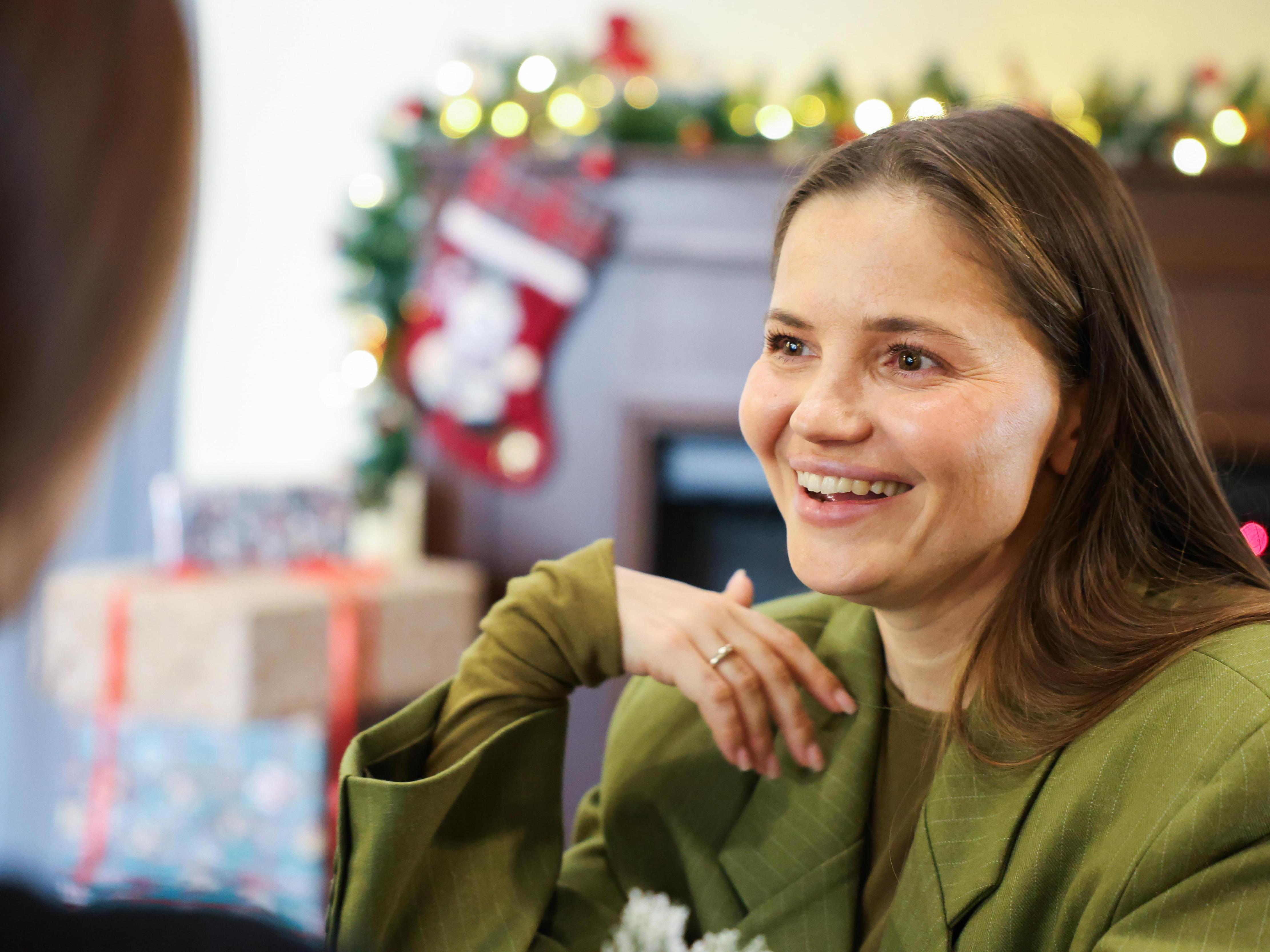
Today Tatyana is in remission. She decided not to return to school: too many worries, now she runs a blog and does eyelash extensions. Every week she goes to Omsk for training with her rehabilitation specialist and meets with friends. The blogger learned not just to live, but to fill life with happiness.
“Of course, my attitude towards life changed for the better, especially towards myself. I try to love myself a little more. I«m no longer afraid to ask for help and I tell everyone not to be shy about it. A person needs a person, I am convinced of that.”
Relationships with some friends, who went through the illness with her, only became stronger. For example, she meets with one of them every year in Sochi.
“I live in Novovarshavka, she lives in Maykop, so we chose Sochi as our meeting place. Of course, my illness influenced our decision to see each other at least once a year. Because we don«t know what will happen to us tomorrow.”
It was the illness that became the litmus test for human relationships.
“During treatment, I realized that it«s easier to support someone in difficult moments than to rejoice when everything is going well for you. Paradoxically, after recovery, I sometimes face judgment and misunderstanding that weren»t there when I was fighting for my life.”
During the darkest days, the Krishlauks family started a tradition — picnics on the banks of the Irtysh River: “In summer, winter, autumn we try to go to the Irtysh and have breakfast all together.”
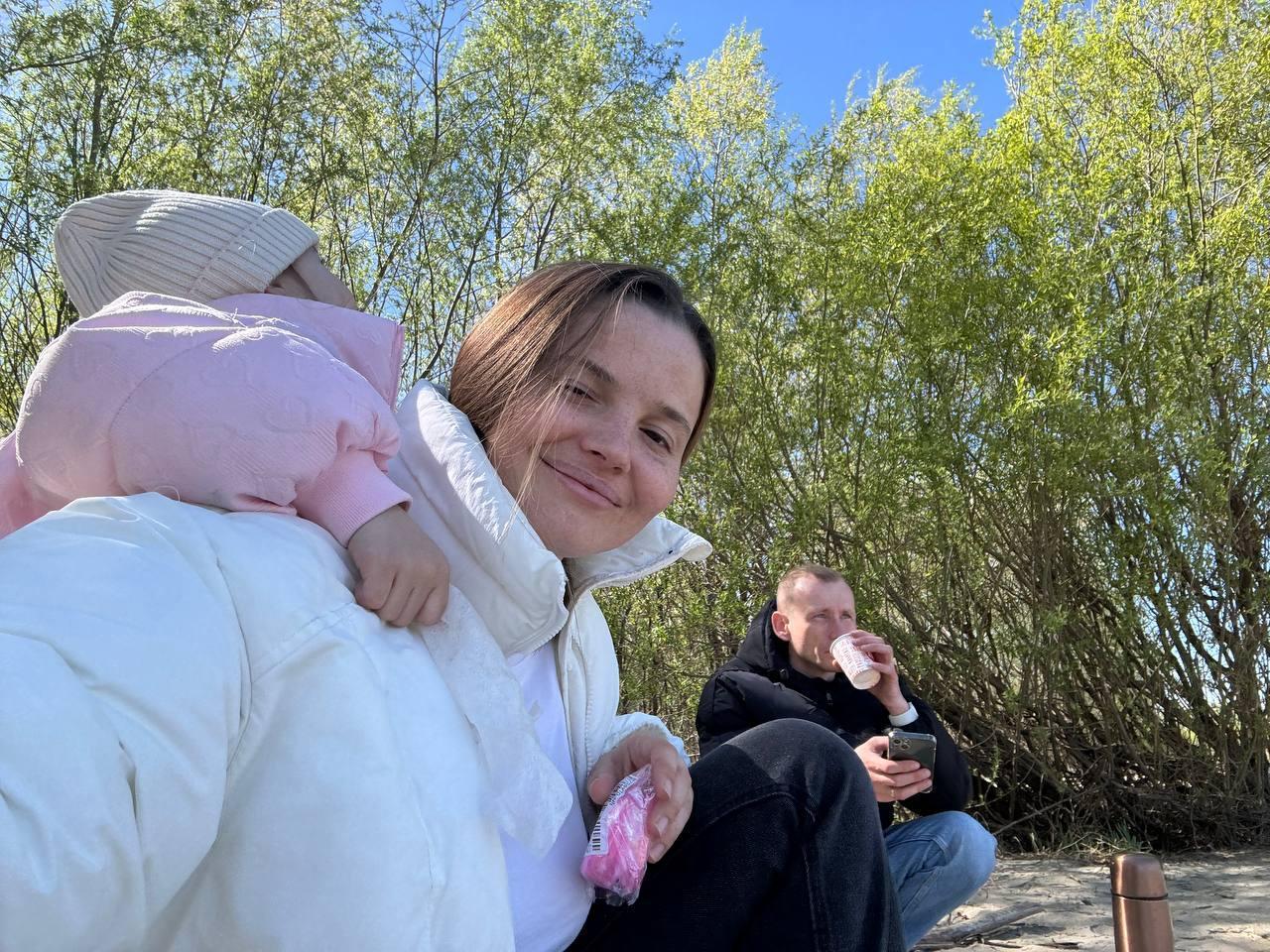
After six months of anxiety, misunderstanding, and attempts to get a correct diagnosis, followed by another six months of harsh treatment, she managed to preserve her love for life. She learned to value simple rituals: family picnics on the Irtysh, Mondays in Omsk for training, meetings with friends. The main conclusion, earned through pain and hope, sounds like advice for each of us.
“For all people, regardless of whether you are ill or not, fill your life with happiness. If you can make Monday a wonderful day for yourself — do it. On weekends, meet with friends, with loved ones, with family. Call your parents, call your friends. Definitely, because we don«t know what tomorrow will bring.”
In 2021, Tatyana detailed the course of her illness, all the difficulties, experiences, and anxieties that accompanied her throughout the year.