The Story of Furious Nikos, Greek Communist Buried in Tyumen
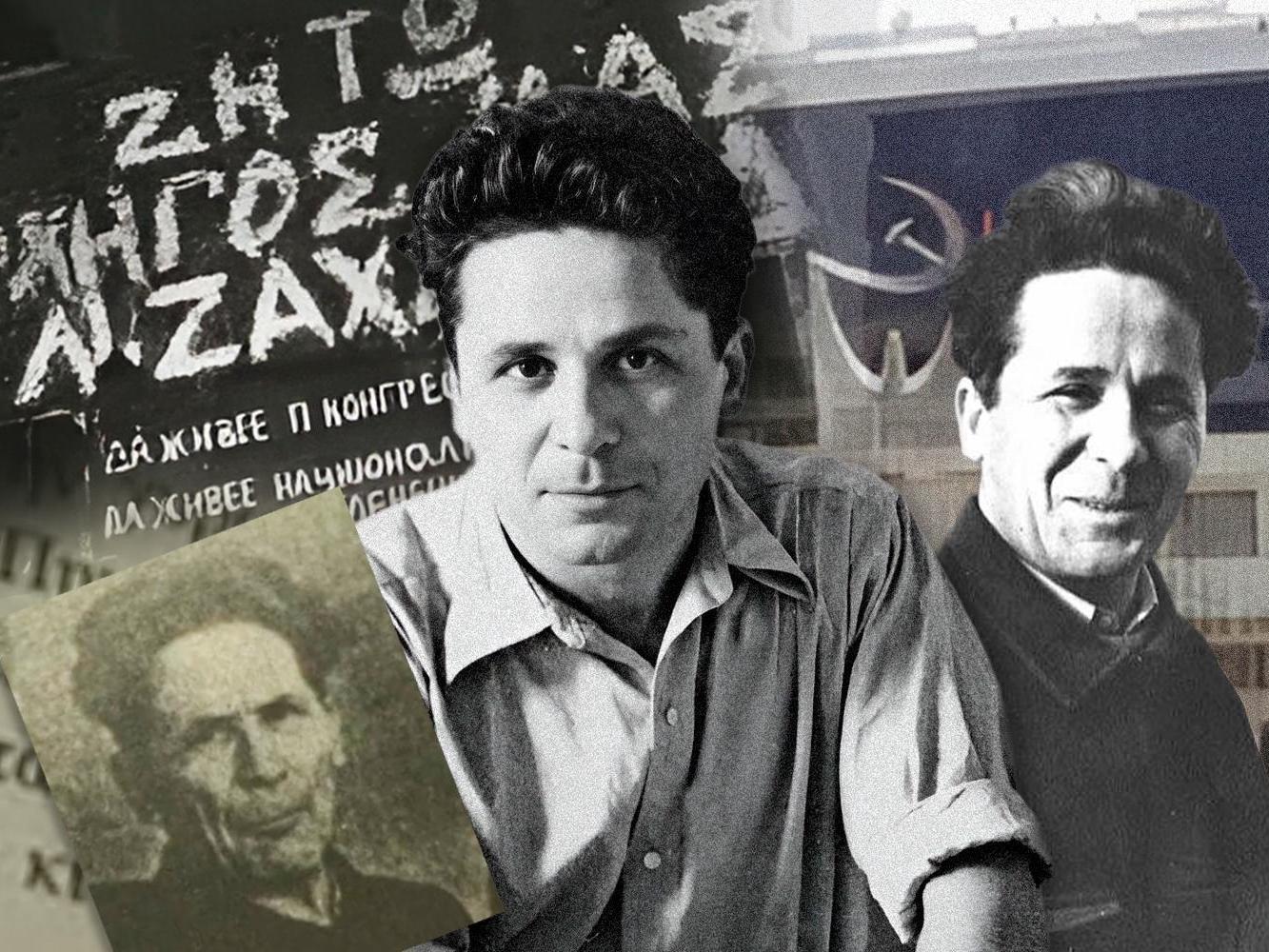

In 1973, an inconspicuous grave appeared at the Chervishevskoe Cemetery in Tyumen. Here was buried, it seems, an ordinary head of the Surgut forestry — Nikolai Nikolaev. But that was only at first glance — in the ground lay the body of a man who in life could argue with Stalin himself, survived a German concentration camp, and participated in the Greek Civil War. We tell the story of Nikos Zachariadis, who earned the nickname Furious Nikos.
Rich, Poor, Communist
Little is known about Zachariadis«s childhood. He was born in Edirne, a city that was part of the Ottoman Empire in 1903. His family was not poor, as his father worked for a large French company that sold Turkish tobacco in Europe.
At the beginning of the last century, the Old World was shaken by numerous conflicts. Nikos did not participate in World War I, being too young. But he did serve in the army during the Greco-Turkish War of 1919–1922. However, historians doubt that Zachariadis saw combat.
After the war, the Zachariadis family moved to Greece. There they faced poverty. Unsurprisingly, life forced the future party leader to work in unenviable positions — as a loader and laborer. It was there that he became imbued with communist ideas.
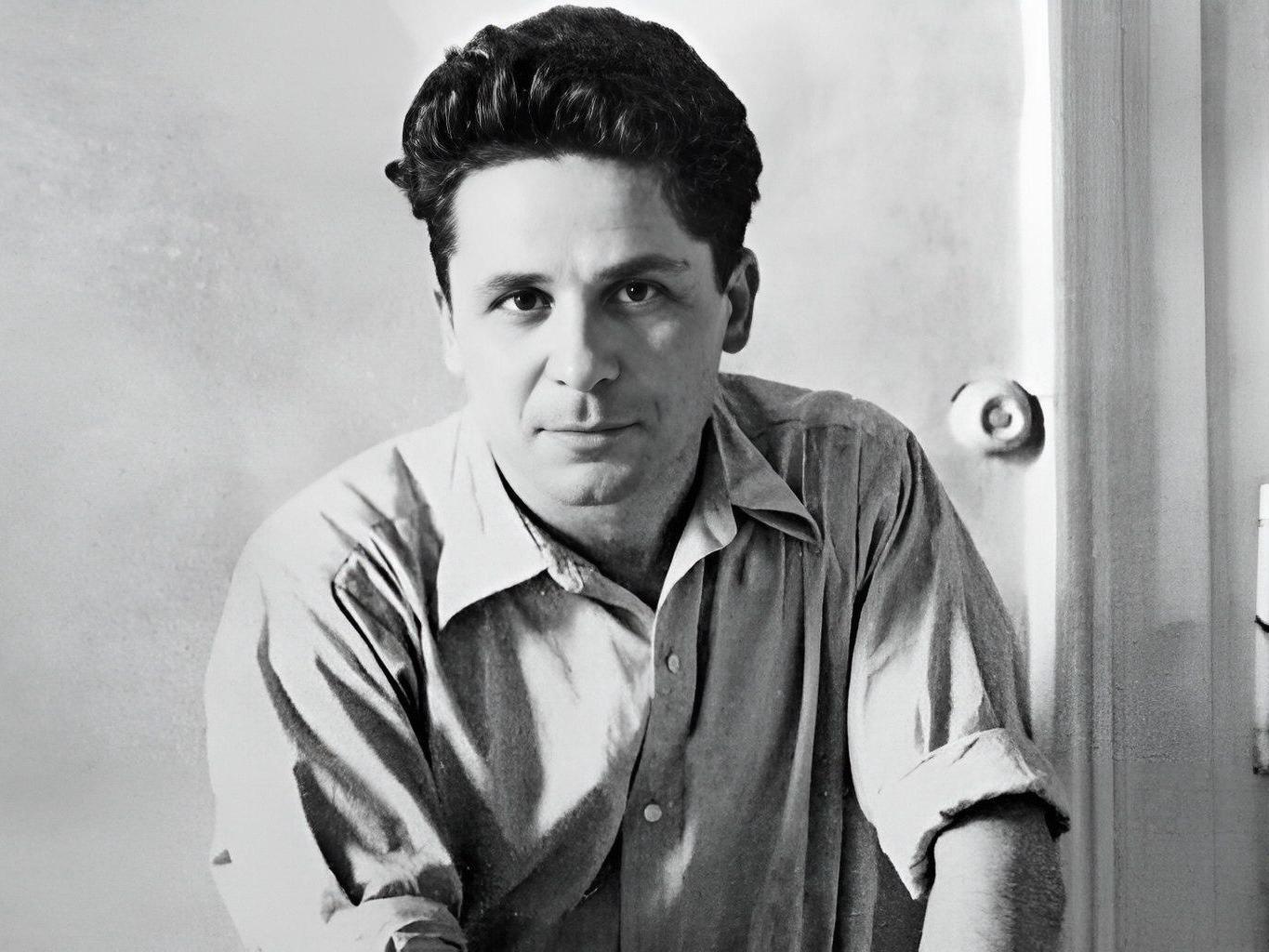
The promising young man with views aligned with Soviet power was decided to be sent to Moscow. Zachariadis returned to Greece as a vibrant organizer of Komsomol activity. Then followed arrest and escape to Moscow. He stayed there until 1931.
And he was appointed head of the party in Greece. His predecessor in this post was shot at the infamous «Kommunarka» facility.
In his responsible position, Zachariadis proved himself as an excellent organizer and orator. He was given the nickname Furious Nikos. During his leadership of the party, the politician gained popular support, and party membership increased manifold. A faction representing communist interests even appeared in the parliament of the peninsular state. This continued until 1936, when dictator Ioannis Metaxas came to power. Hundreds of people were sent to prison, including Zachariadis.
The Dungeons of Dachau, Conversation with Stalin
The sentence for Zachariadis was quite severe. According to the «Great Russian Encyclopedia,» he was sentenced to 4.5 years in prison and two years of exile on the remote island of Agios Efstratios. There is no information on how the secretary of the Greek Communist Party arranged his life there.
Only in 1940, when fascist Italy began showing aggression against Greece, did Zachariadis«s letter become popular, in which he called on his supporters and ordinary Greeks to rise to defend the Homeland. Almost a year later, fascist Germany entered the war, and the peninsula was captured in just over two weeks.
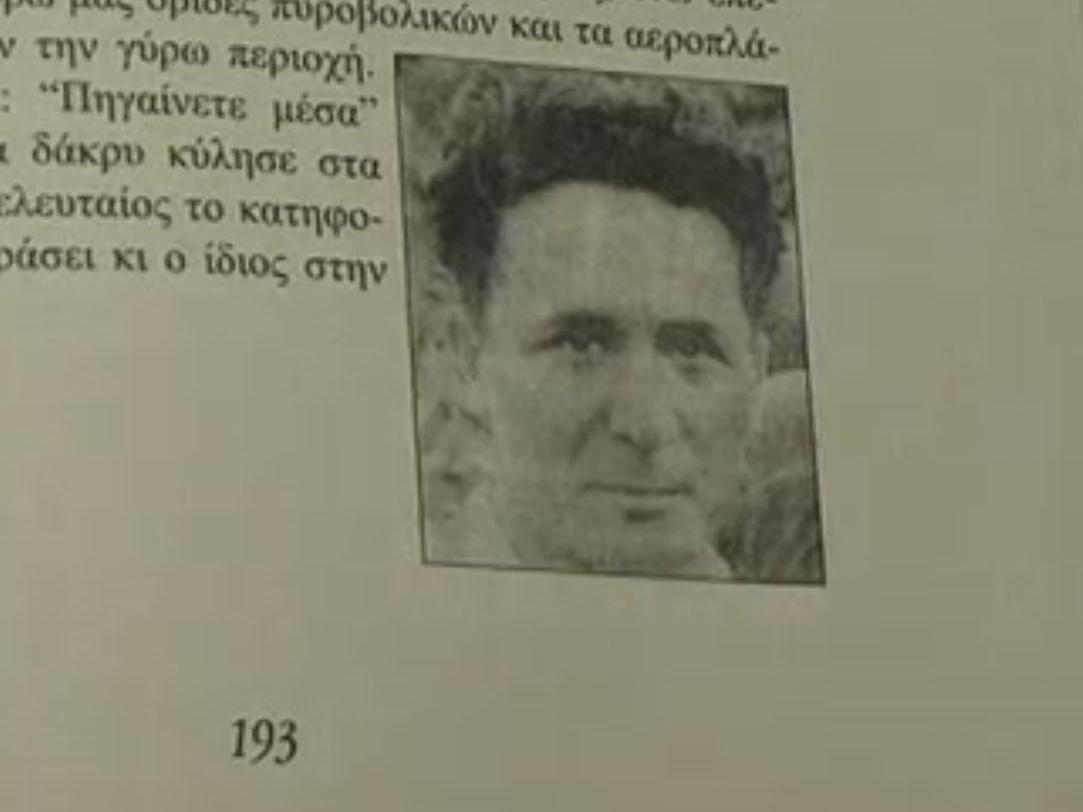
Zachariadis ended up in the dungeons of the Dachau concentration camp. He endured all the trials that befell prisoners then. On 29 May 1945, the politician arrived in Athens. His first speech attracted 200,000 people — a huge number for small Greece. Nikos himself hoped for honest elections to take the helm of the country. But life had other plans, as major powers had practically divided all spheres of influence.
Almost a year later, a civil war began in Greece. The north of the country, where Slavs mainly lived, supported Zachariadis. In the south were authorities controlled by Britain, which wanted to establish control over Greece. It should be understood that supplies to the northern parts from the USSR went through Yugoslavia, ruled by Broz Tito. Joseph Stalin quarreled with him, and support essentially ceased. Yugoslavia simply closed its borders.
Historians believe that later a dialogue occurred between Zachariadis and Stalin, which is attributed to the Greek as a brave act. The meeting took place in Ritsa.
— «What are the reasons for the defeat, Comrade Zachariadis?» — asked Stalin.
— «There are three reasons,» — answered the Greek and, handing Stalin a note, listed them.
According to Zachariadis, they were in Tito«s betrayal, the Greeks» own mistakes, and insufficient support from the USSR.
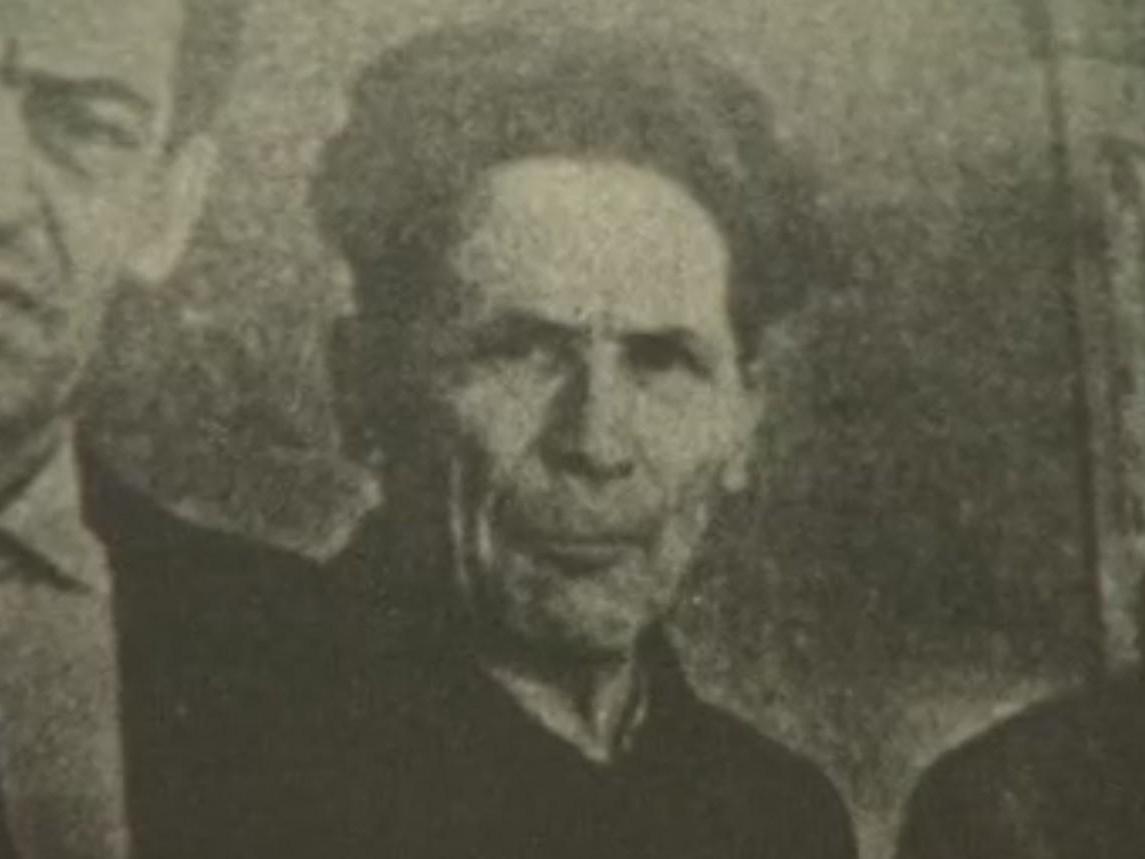
— «Correct, Comrade Zachariadis!» — agreed Stalin.
— «If so, then sign my paper!» — decisively asked the General Secretary.
In other words, Zachariadis asked Stalin to sign a document stating that the USSR, including its General Secretary, had not sufficiently helped the Greek communists.
Forester with the Goal of Returning to Greece
The civil war was lost. Zachariadis remained in the USSR as an «honored guest» who might be useful in the future. His privileged position ended with Stalin«s death and the denunciation of his »cult of personality.« The Greek was an avid »Stalinist« and even named his sons Joseph and Kirov.
Zachariadis was sent into «honorable» exile. First — as director of a forestry, then as chief forester in Borovichi, located in Nizhny Novgorod Oblast. His name and documents were changed. Thus he became Nikolai Nikolaev, an ordinary citizen of the Soviet Union. In 1962, he received a similar position in Surgut. Life there was not easy. As Zachariadis«s son recalled, his father was kept under constant surveillance by KGB officers.
— «The house was illuminated by a spotlight at night, and a guard post was built nearby where two policemen were constantly on duty. They then reported from »Post No. 1«: »At 12:05, the object went to take out the trash bin.« Such were the »state secrets,«» — recalled Joseph Zachariadis.
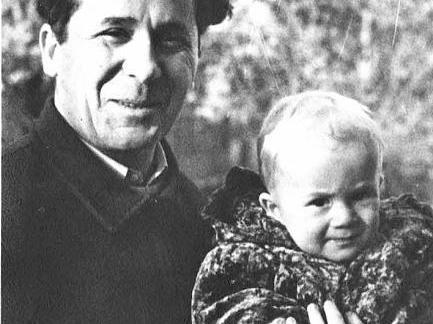
Zachariadis«s wife, Rula Koukoulou, was not allowed to join him in Surgut. But this is only one version expressed by historians. According to another, told by the Greek»s son, Nikos himself did not allow her to come. Allegedly for «political betrayal.» Joseph was almost an orphan. His mother was in prison in Greece, his father was exiled to Siberia. And even he was under special attention from the special services.
— «Father never used me for secret transmissions. He did it only once, so cleverly that when I was searched at Vnukovo Airport — stripped naked, all children»s toys broken — they found nothing. They approached and said: «You resemble a wanted criminal, come with us!» But father, who had sat in Dachau, knew how to deceive the seekers. He skillfully sewed papers into his underwear and tricked them,« — recalled Joseph Zachariadis.
During his time in the Soviet Union, Zachariadis did not abandon attempts to return to his historical homeland. Historians point to this fact: in 1962, the Greek came to Moscow and asked to be released to the peninsula. He was reminded that a death sentence awaited him there. Despite this, Zachariadis«s request grew louder.
A special meeting had to be convened. At it, Khrushchev proposed letting Zachariadis go free. The «gray cardinal» of Soviet ideology, Mikhail Suslov, allegedly said the following phrase: «If you let such a one go, he»ll start some uprising there, and we«ll have to deal with it later.» As a result, the request was denied.
In 1973, Zachariadis wrote an ultimatum letter to the leaders of the CPSU and Greek communists stating that if he was not released to Athens, he would commit suicide. No response came, and the famous politician«s date of death became 1 August. Although it was reported that it might have been a heart attack, and the Western press wrote about the activities of the »vicious KGB.«
Seventeen years later, the newspaper «Surgutskaya Tribuna» recalled Zachariadis«s death. And indicated that it was indeed suicide.
— «Two months before his death, Nikos Zachariadis wrote to party comrades that he did not exclude the possibility of ending his life. He was disillusioned with reality and saw no point in fighting for the ideas he professed,» — follows from the newspaper article.
Zachariadis was buried at the Chervishevskoe Cemetery in Tyumen. After some time, he was reburied in Greece, in Athens. In 2014, a memorial plaque was hung on the house in Surgut where the politician lived.
Earlier we told the story of the glorified Tyumen resident — Pavel Fitin, head of Soviet intelligence during the Great Patriotic War. Read the amazing story of how an ordinary person became the chief intelligence officer of a huge country.