Injured Veteran Trains Immediately After Getting Prosthesis
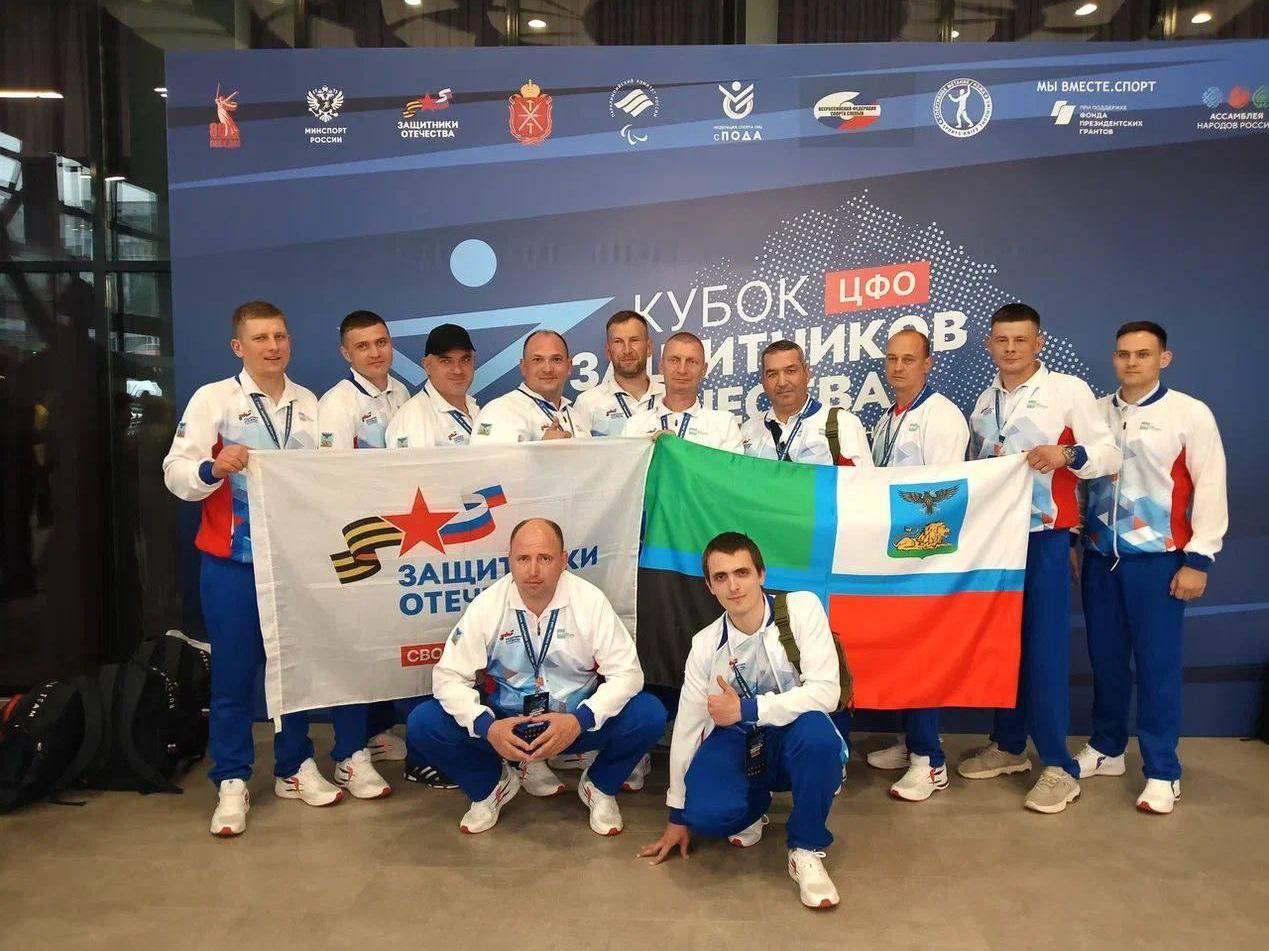

Together with the team, Alexander, positioned far right, has repeatedly earned the title of Russian champion in competitions.
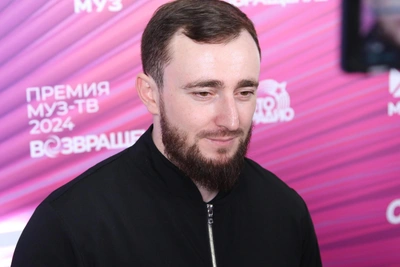
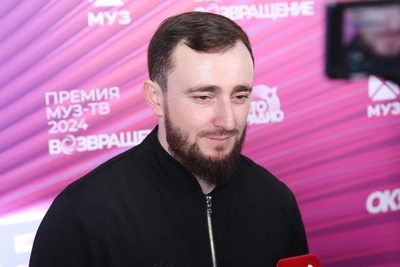
Alexander Bogdanets served in the Special Military Operation for just over a month and returned to Voronezh after a severe injury. Today, he works and actively engages in sports, despite using a prosthesis. In an interview, he spoke about his service on the front line, adaptation, and future plans.
— How did you end up in the Special Military Operation? How long did you serve and in what role?
— I studied at the Communications Academy in St. Petersburg, after graduation I was assigned to Voronezh, where I stayed for 4–5 months. Then, as a contract soldier, I was sent to the Special Military Operation. I served as the personal radio operator of the commander for a month and a week, then I was injured.
— How did it happen?
— I stepped on an anti-personnel mine. We were conducting reconnaissance of the area with the entire crew, and I was unlucky. Now I have a prosthesis.
— Have you already been rehabilitated? Or are you still undergoing treatment?
— I finished treatment a long time ago, 2.5 years ago. I continue to serve in the military commissariat of Voronezh Oblast. At the same time, I engage in various sports activities.
— Tell us more about them.
— My main hobbies are kiboatletics and sitting volleyball, secondary ones are tennis, snowboarding, and athletics. With the team, I actively participate in competitions; we have already become two-time Russian champions in kiboatletics and in September won the Moscow Open Championship. In sitting volleyball, we are also doing well: we took sixth place at the recent Russian Championship. Last year we were only in twelfth position, this time we moved forward. And among veterans at the «Defenders of the Fatherland Cup» in Tula, we took first place, so next year we will perform at the final in «Sirius».
— What does sport mean to you?
— It is also a kind of rehabilitation and adaptation. Increased loads strengthen the body and give self-confidence. As the saying goes, it’s not just about a beautiful body.
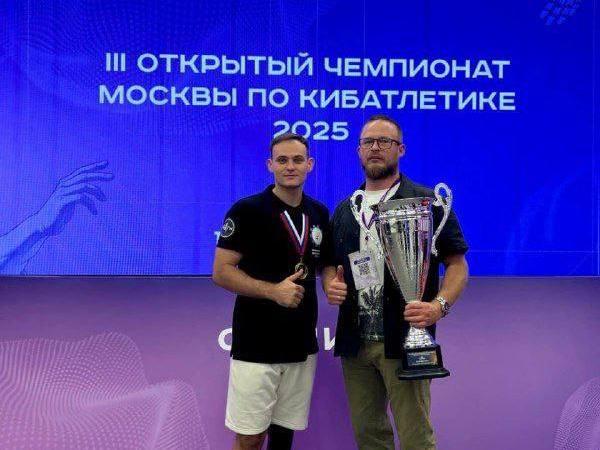
Alexander, seen on the left, integrates sports into his life as a key component of his adaptation and daily activities.
— How difficult was it for you to adapt to civilian life after the Special Military Operation?
— After the injury, there was apathy at first. I didn’t understand what awaited me next. But then I was sent to Belgorod, they told me about prosthetics, and that immediately gave me clarity. I realized that there’s no need to worry, everything will work out. The path from injury to discharge took about four months. And immediately after getting the prosthesis, I started an active life. That’s how I set myself up.
— What was the most pleasant thing for you upon returning home?
— The very fact that I was home, that I saw my family and loved ones. And that I survived, of course. In general, there were many pleasant moments. My family supported me, combat comrades, classmates came. Support plays a significant role in rehabilitation.
— Are you making any plans for the future now?
— I enrolled in a postgraduate program in «State Administration and Sectoral Policies», I will continue to study, serve, and engage in sports. In the future, I plan to work in the new specialty. Many paths open up, you can’t be everywhere at once, but while it’s available, you have to try.
— What important thoughts did you take away from the Special Military Operation that help you in civilian life?
— I realized that there’s no need to be afraid of anything. You need to think positively and take care of your loved ones.