Hvorostovsky's Early Years and Teachers' Memories
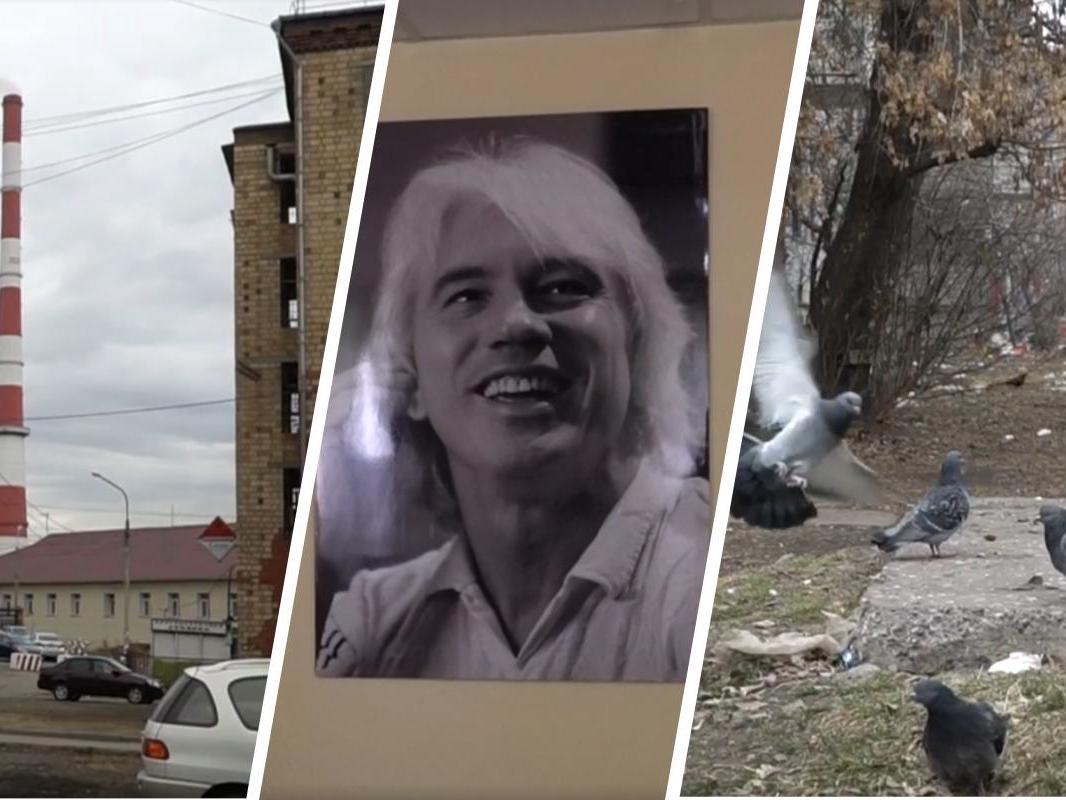

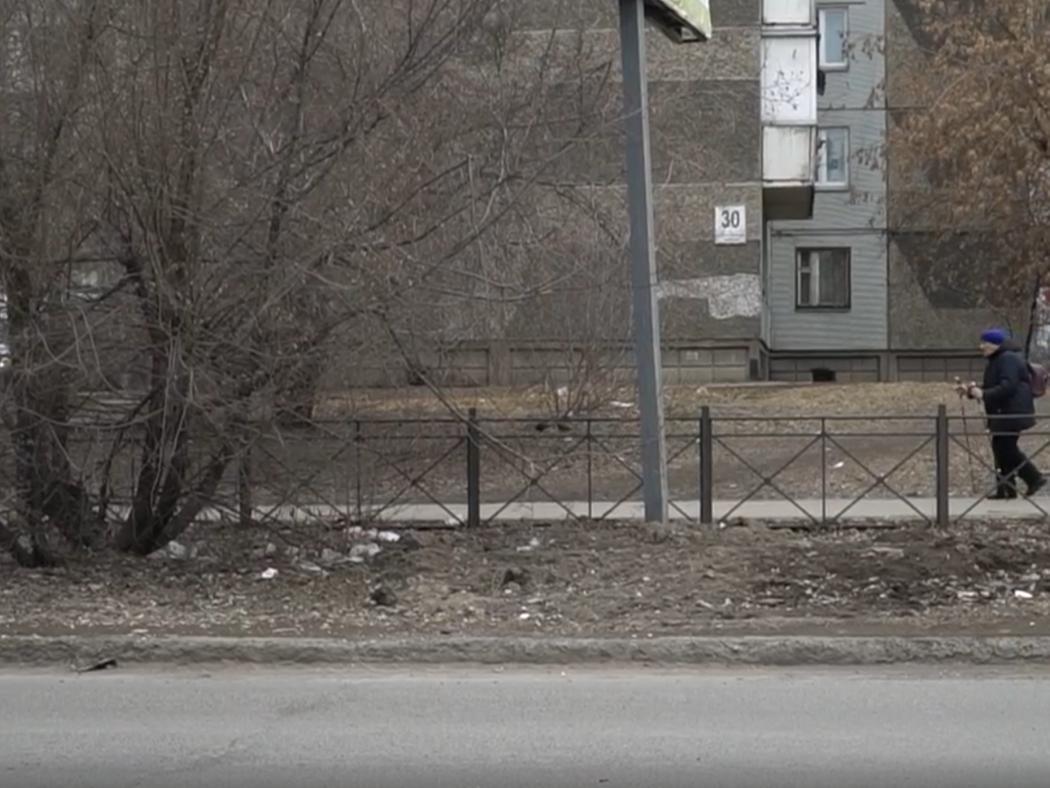
Few people know that Dmitri Hvorostovsky, whose name is famous worldwide, was born and grew up on the very outskirts of Krasnoyarsk – on the right-bank street of 26 Baku Commissars. Nowadays, not everyone would want to live here – it«s a district of old, neglected houses, markets, and industrial zones. We walked through it and also spoke with the singer»s teachers to learn what it was like here before. Today, 16 October, the opera singer would have turned 63.
No One Has Lifted a Finger in a Long Time…
In Krasnoyarsk, there are many places named after our fellow countryman Dmitri Hvorostovsky. These include the airport, which has won many competitions among the country«s air harbors, the opera and ballet theater located in the very center of the city near the Communal Bridge, the institute of arts… but few know that the world-famous singer was born and grew up on 26 Baku Commissars Street.
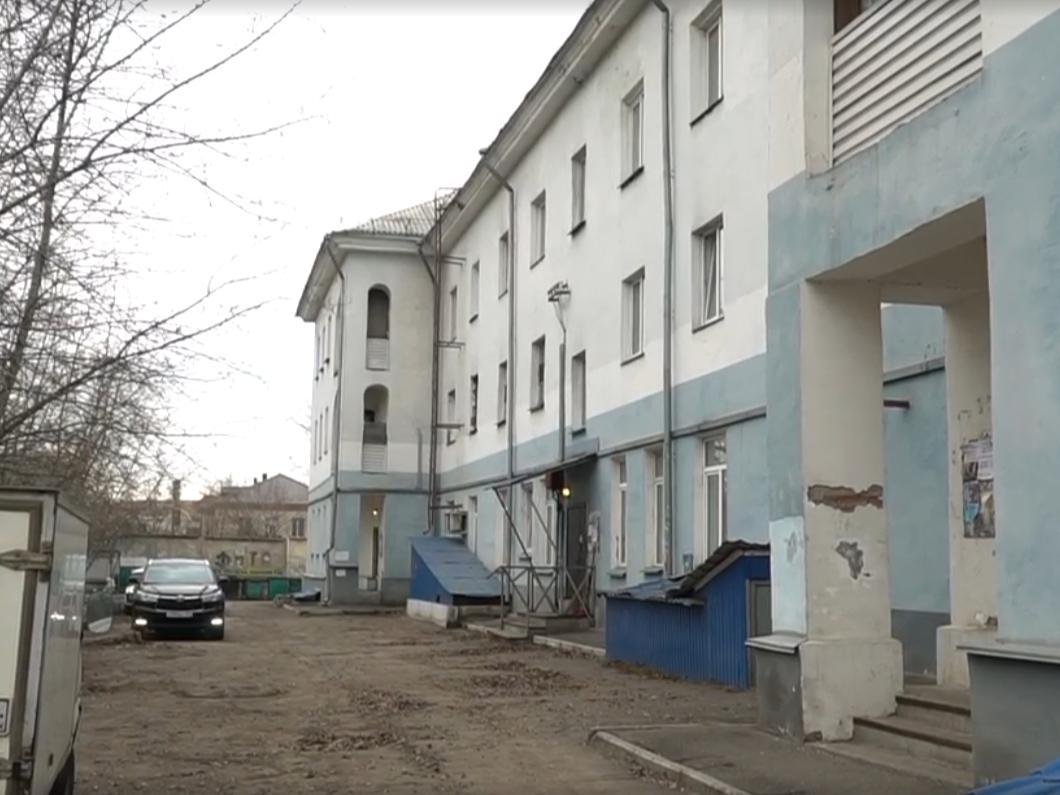
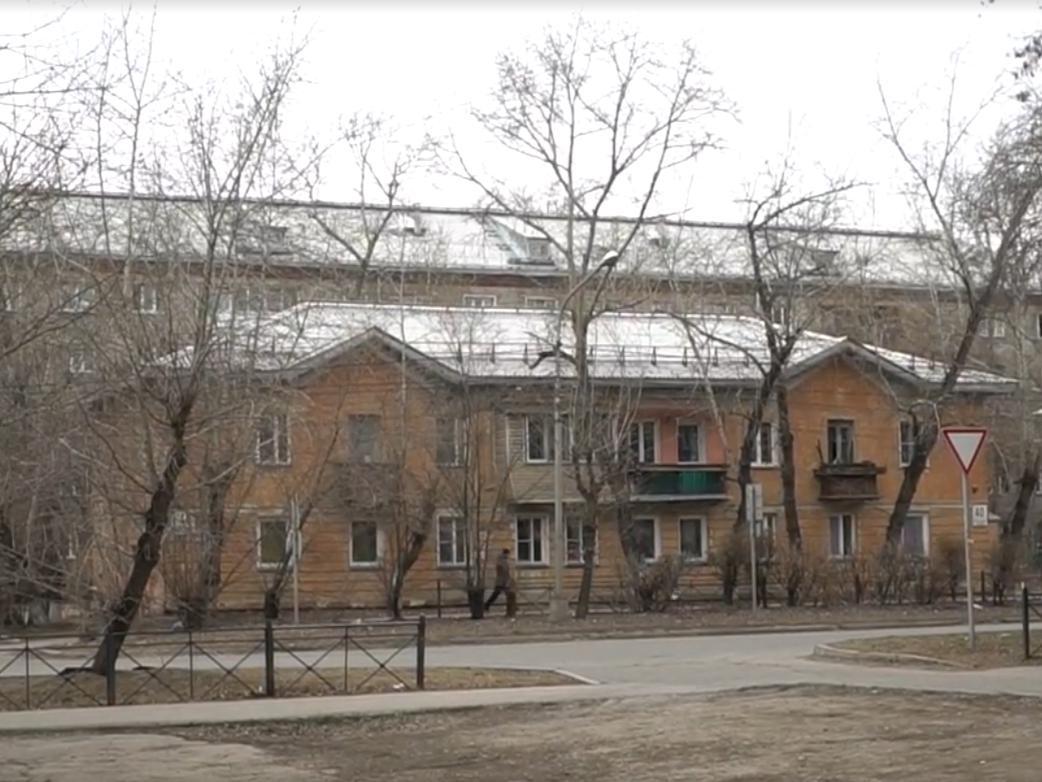
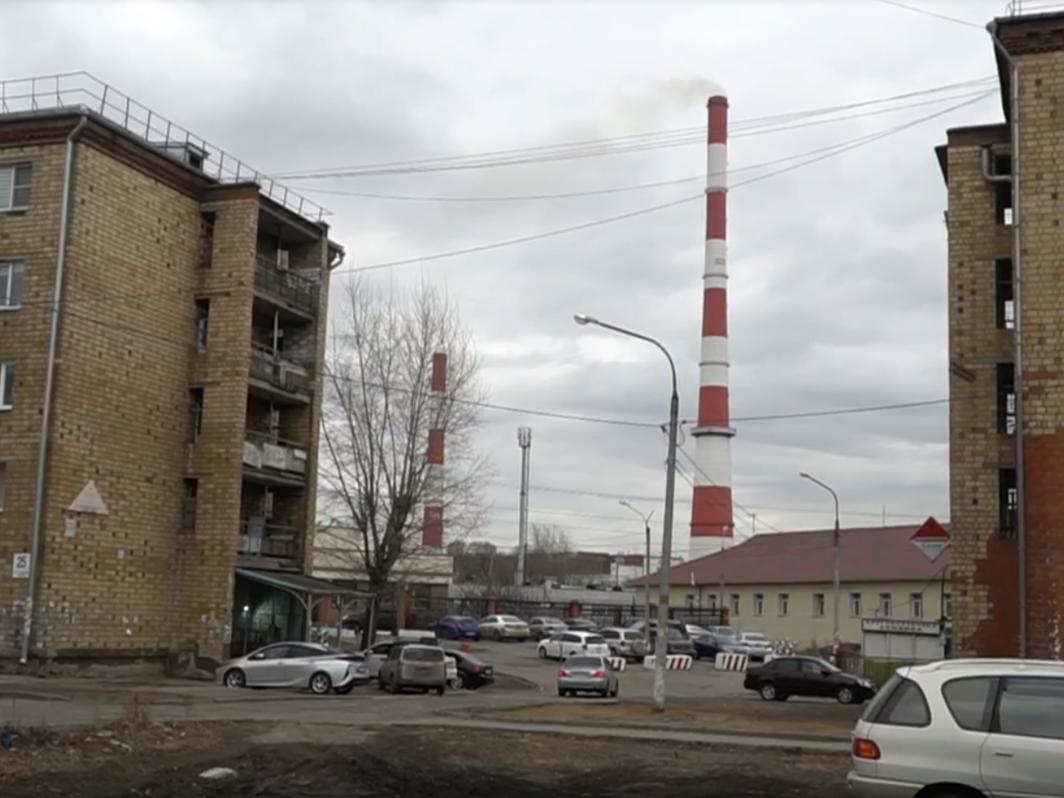
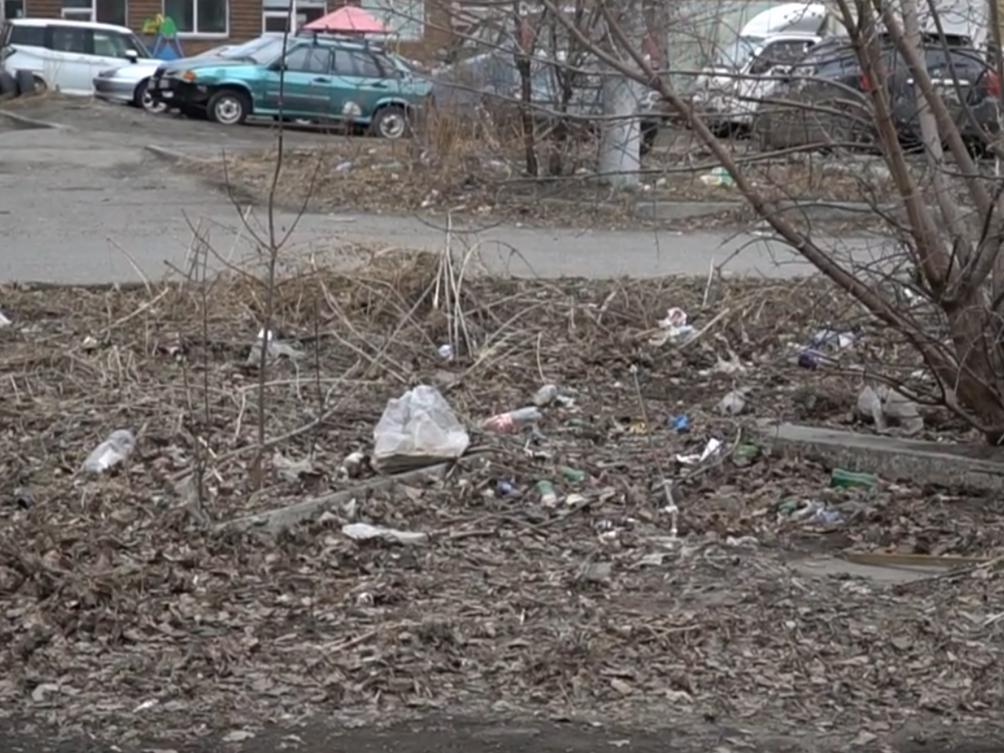
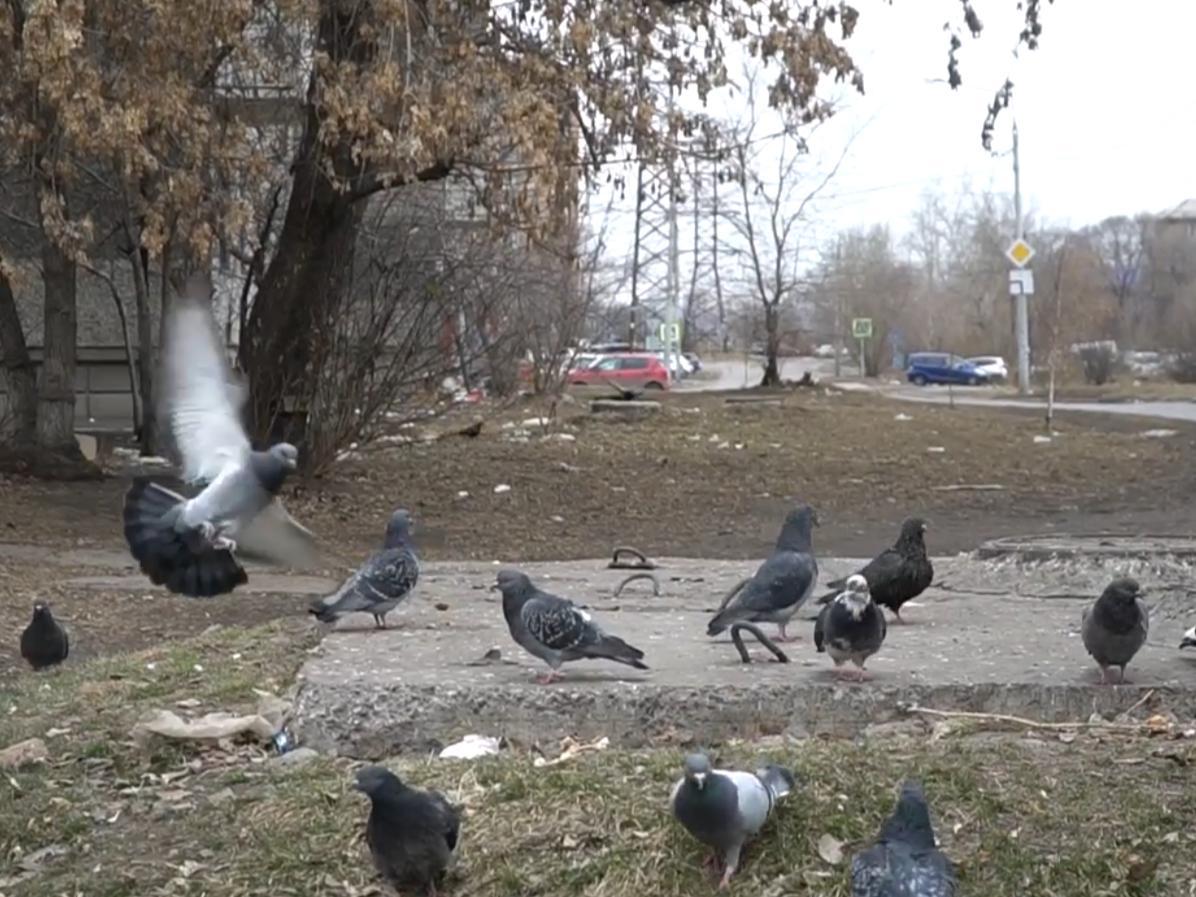
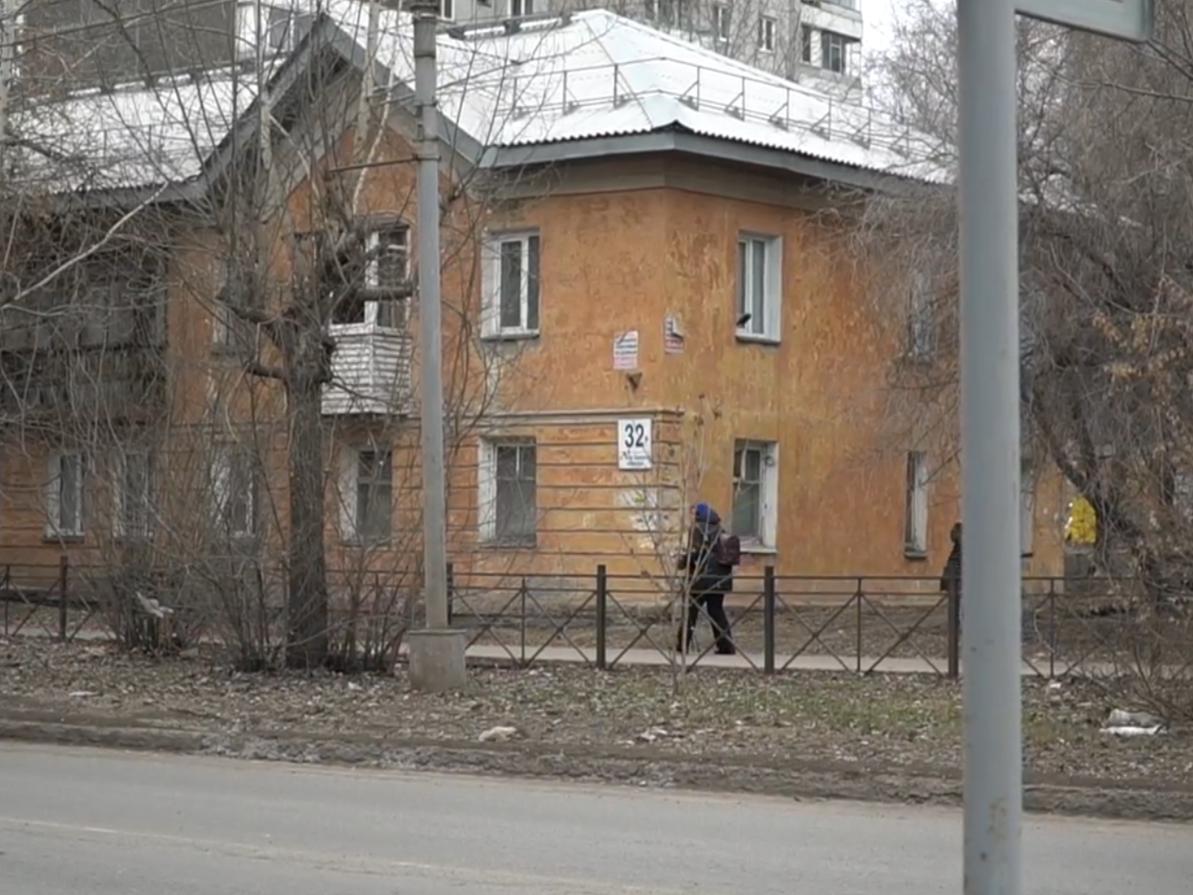
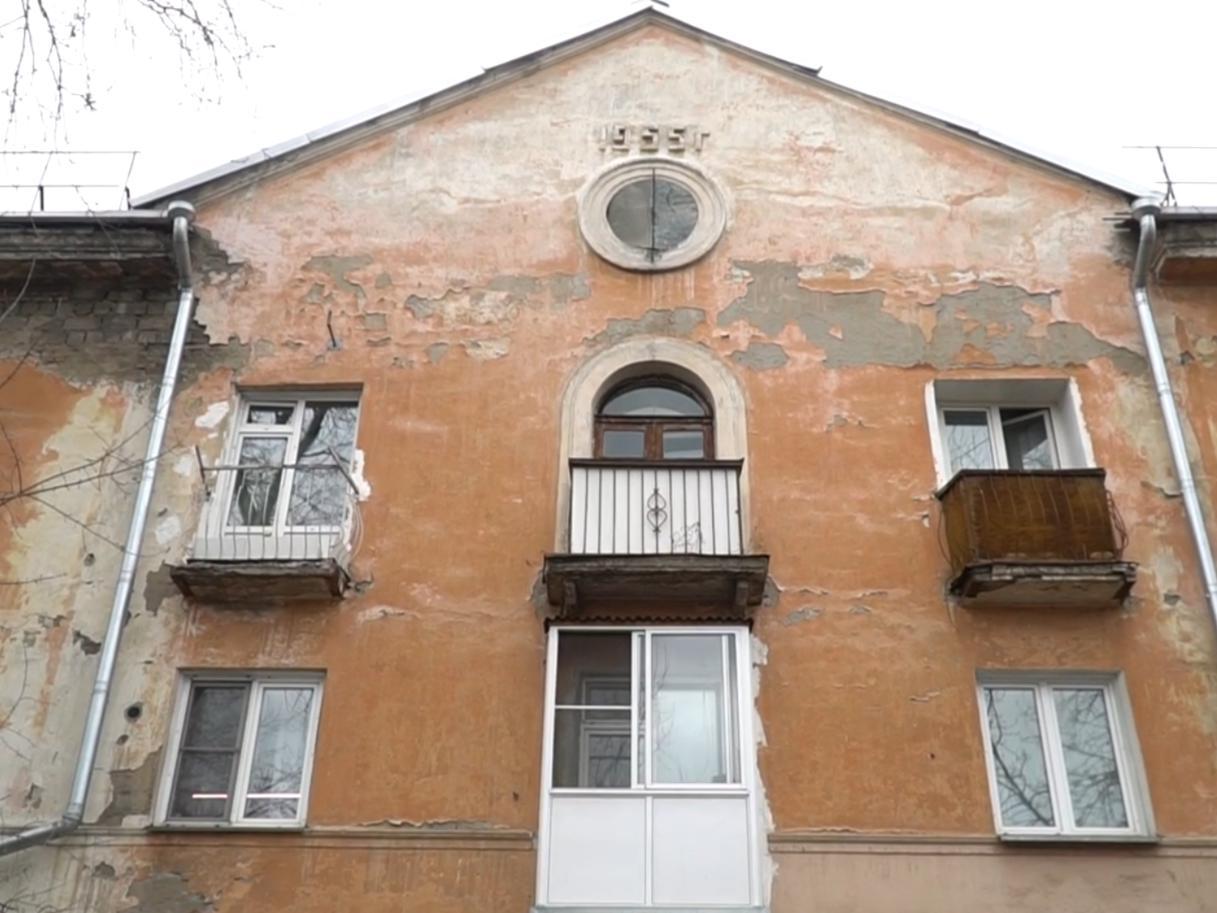
It«s hard to imagine now that the childhood and early school years of the talented opera singer passed here, among dilapidated two-story houses built by Japanese prisoners of war, awkward stalls, and garbage. Although the singer»s fame reaches these places, improvements have not kept pace.
– Do you know which famous Krasnoyarsk residents lived on this street?
– Dmitri Hvorostovsky!
– That«s right! Many beautiful objects are named after him, but on his street, everything seems abandoned. As a resident, would you like the district to look a bit better?
– Of course, we want something to be improved here! Do you see what kind of district we live in? Any resident will tell you they want to live in good conditions. The place needs to be beautified; we need more greenery. No one has lifted a finger here for a very long time, unfortunately.
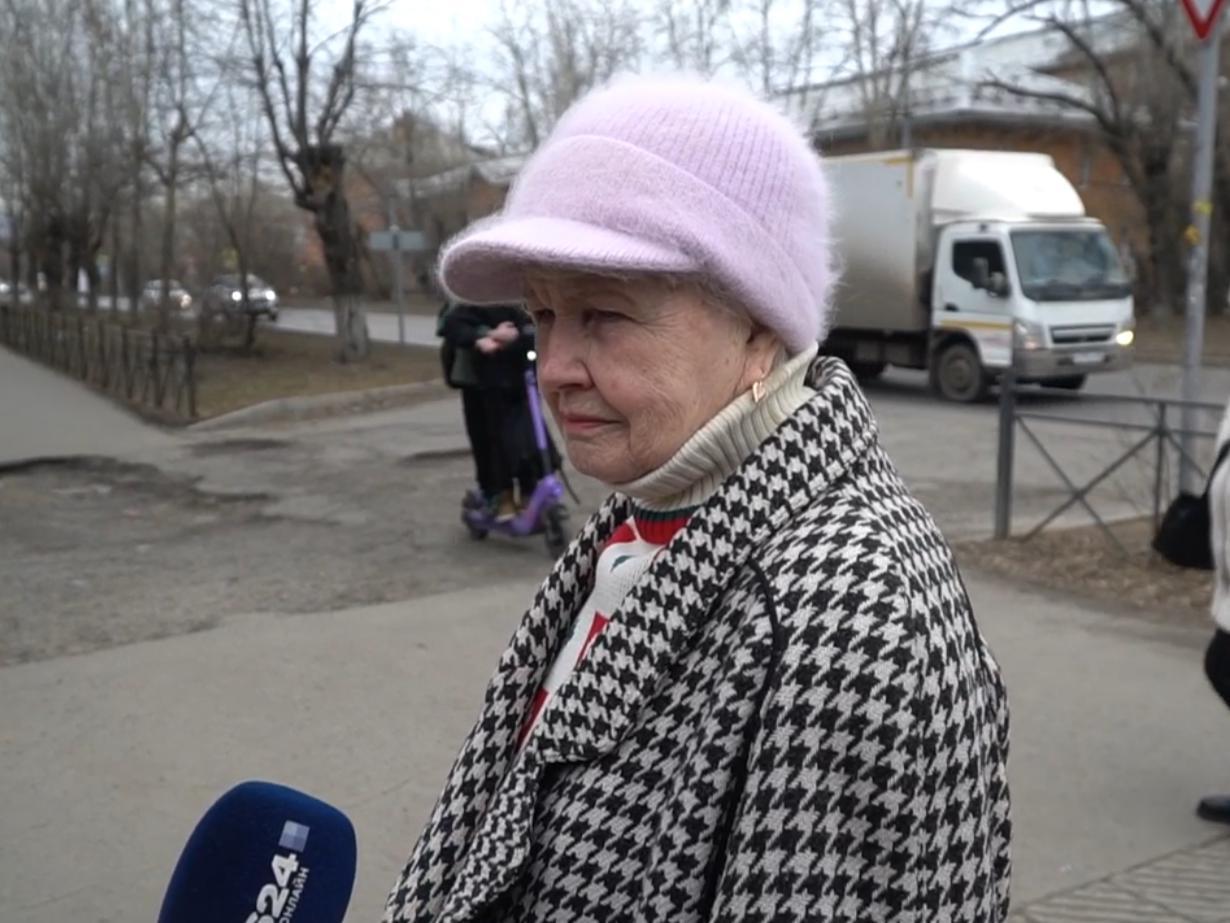
– Do you know which famous Krasnoyarsk resident lived on this street?
– No.
– The opera singer Dmitri Hvorostovsky…
– Then they should put up a monument to him here!
– Many major objects are named in his honor, but nothing on his native street. But as a resident, can you name other drawbacks?
– We have few schools. Only one school. Children go to study three stops away from here. There are enough kindergartens, though – seven kindergartens here, but only one school.
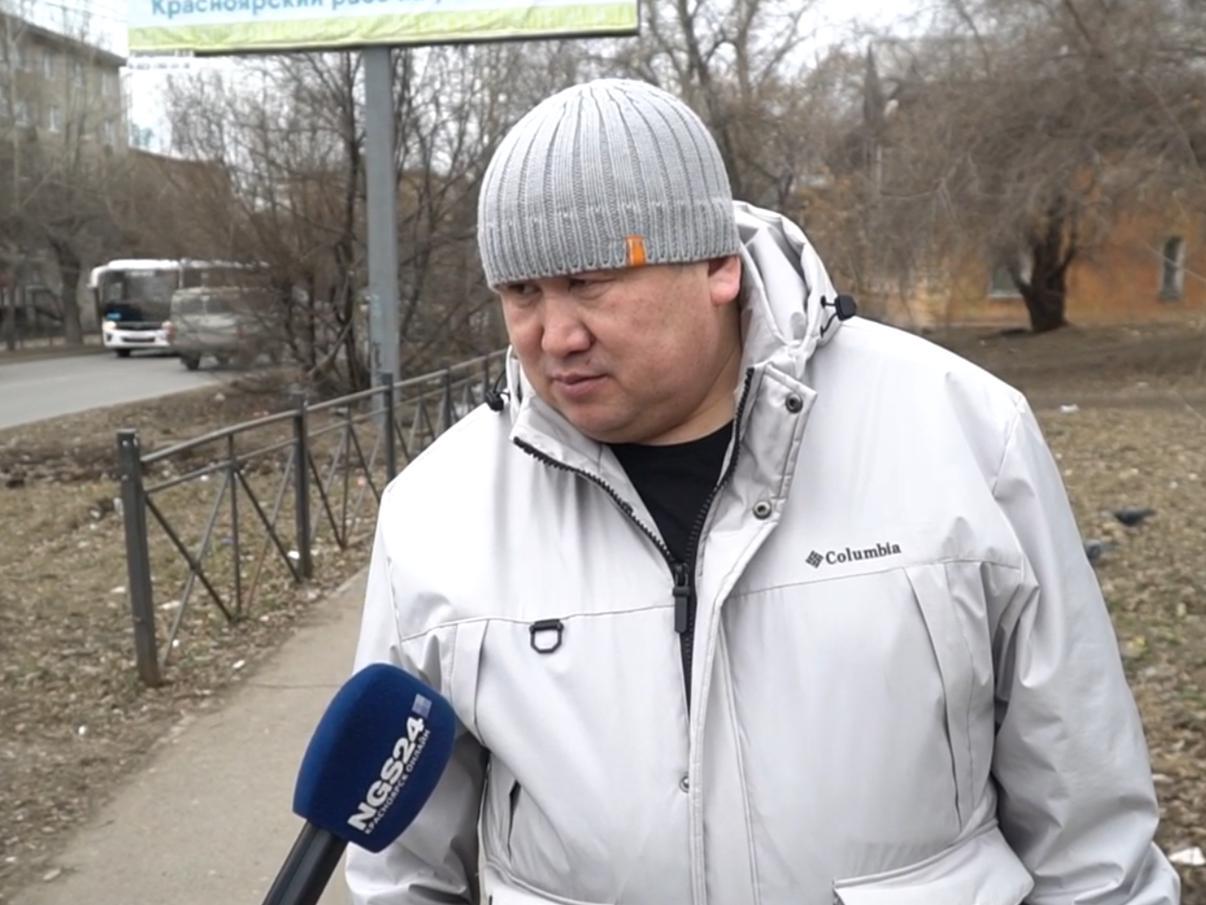
– Do you know which famous city residents lived on this street?
– No.
– Dmitri Hvorostovsky…
– No, he studied, he studied here, in our music school.
– And lived…
– Lived? I didn«t know!
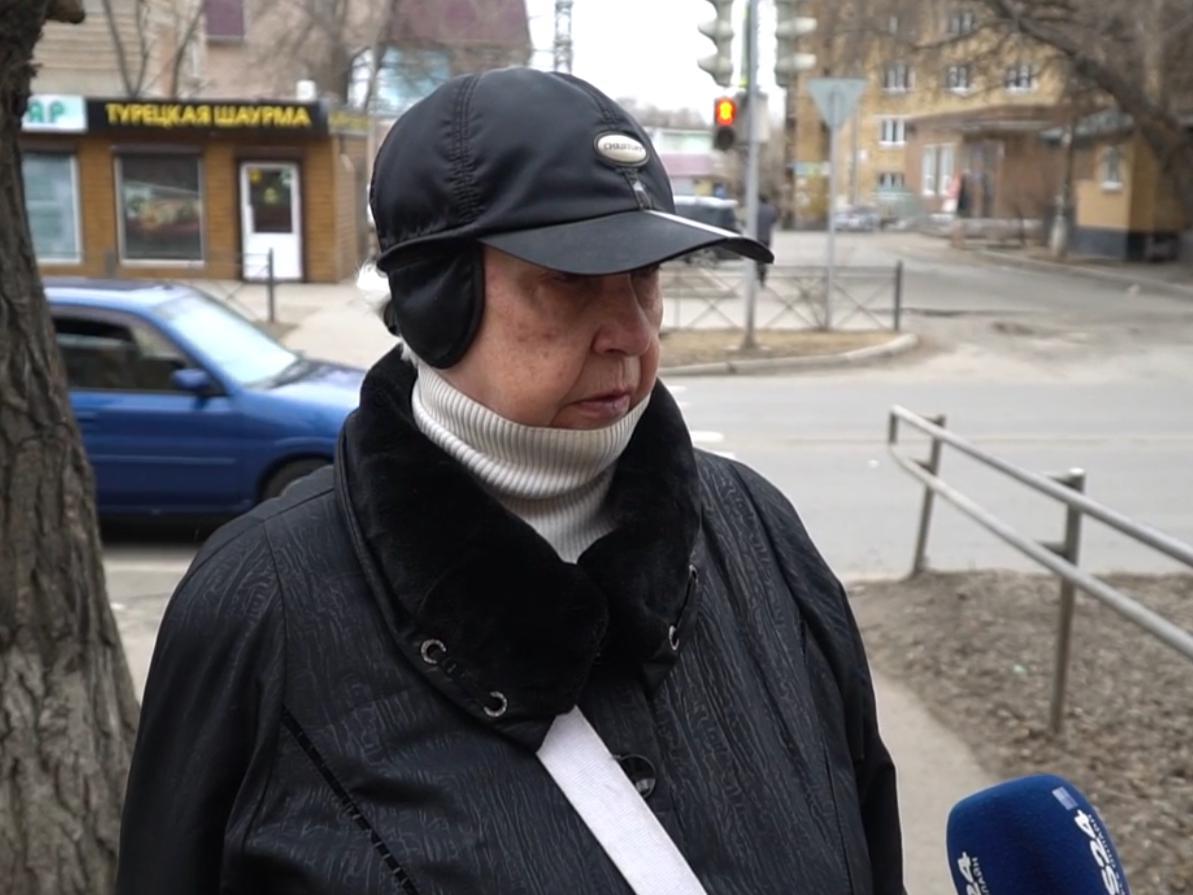
– And, unfortunately, the famous singer«s district is completely unimproved… Do you think it needs to be beautified? After all, a lot of people live here on the outskirts.
– I«m all for it with both hands. Where to start? First, we need to demolish all these houses that were built by Japanese prisoners of war in 1947–49, and we still live in them.
– Why exactly demolish? Can«t they be repaired in any way?
– They need to be demolished. There«s nothing to restore there, and major repairs were done, well, maybe in two or three houses. So first, we need to demolish everything, and then do something. But there are no takers; big investments are needed.
An Island of Art
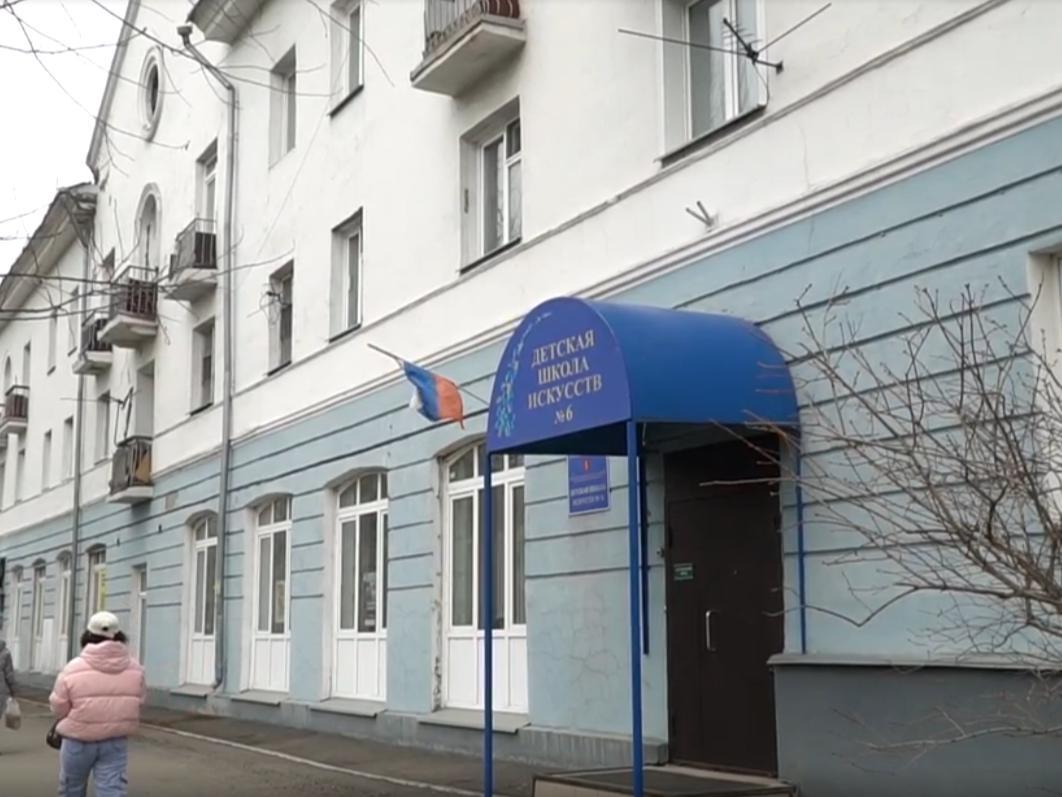
From this street chaos, we took refuge in the arts school where little Hvorostovsky studied. The institution can be called an island of culture on Baku Commissars Street – music sounds from all the classrooms, the walls are decorated with children«s drawings, and caring teachers guard it all. The school is located right in the same building where the singer»s family lived. The boy only had to go down to the first floor to find himself surrounded by attentive teachers.
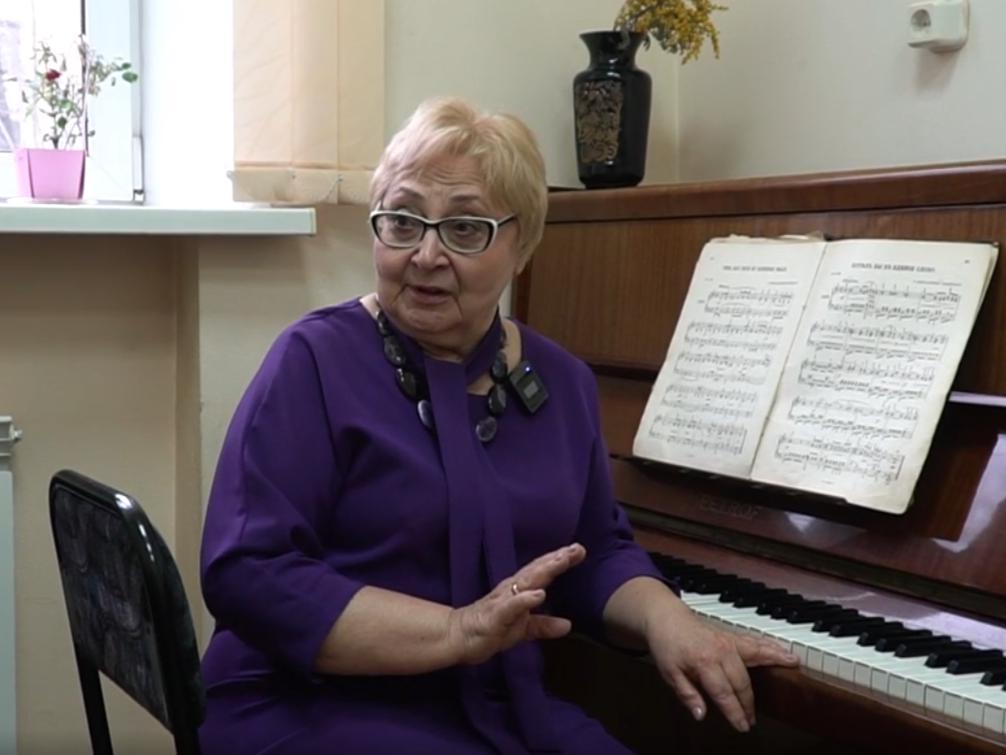
Elena Vyalova, an employee of the institution, worked as the deputy principal in those years. She managed to encounter the very young singer and even then saw in him a special predisposition for art.
– I don«t remember how he was admitted because there were very big competitions. But I remember him very well. Because Lyudmila Sergeyevna, the director, at some point asked me to attend his lesson. Back then, visiting lessons was the prerogative and duty of deputy principals. So I went and watched. A fair-haired boy, thin, skinny, he was seven years old. In the lesson, he behaved normally. Sometimes children get nervous and hide behind the instrument, but he behaved like an organized, responsible boy. The lesson went quite normally, but the most interesting part was later, when he played in the exam. First-grade students take exams at the end of the year. And, despite being a boy – boys for some reason reveal their talent not at this age but later – he stood out because he played musically. As we say, he had phrasing. That is, he took breaths not in the middle of a phrase but at appropriate moments in terms of meaning. And that made his performance stand out, – recalls Elena Vyalova.
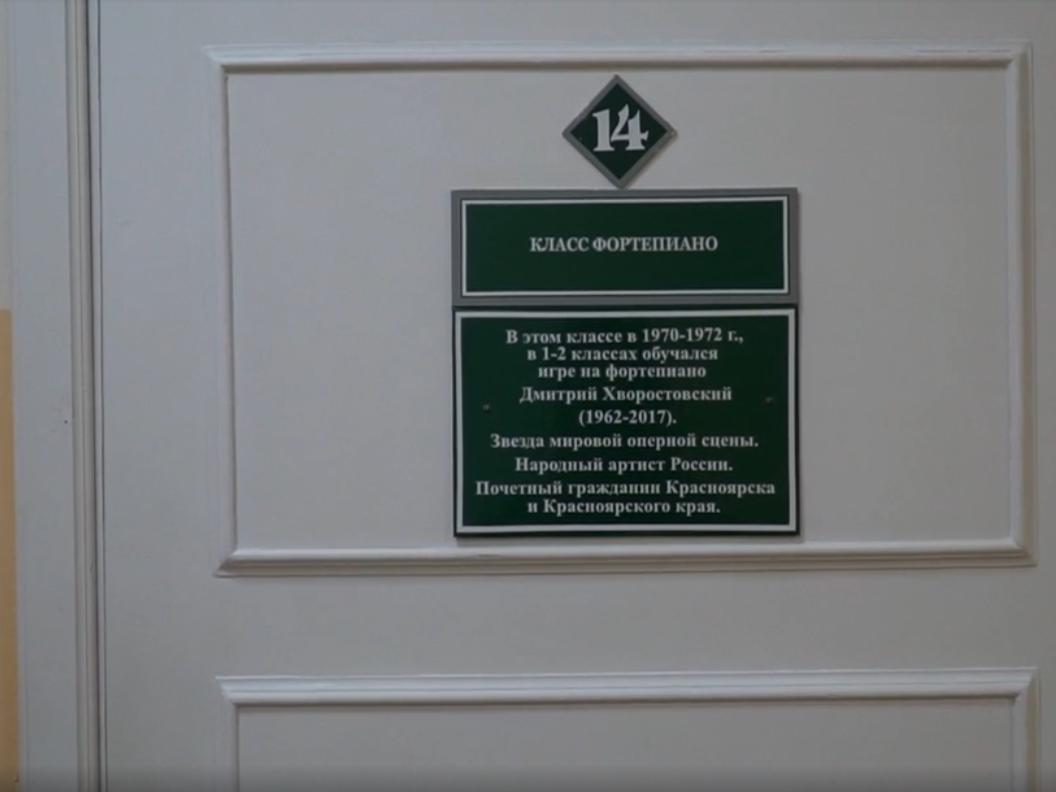
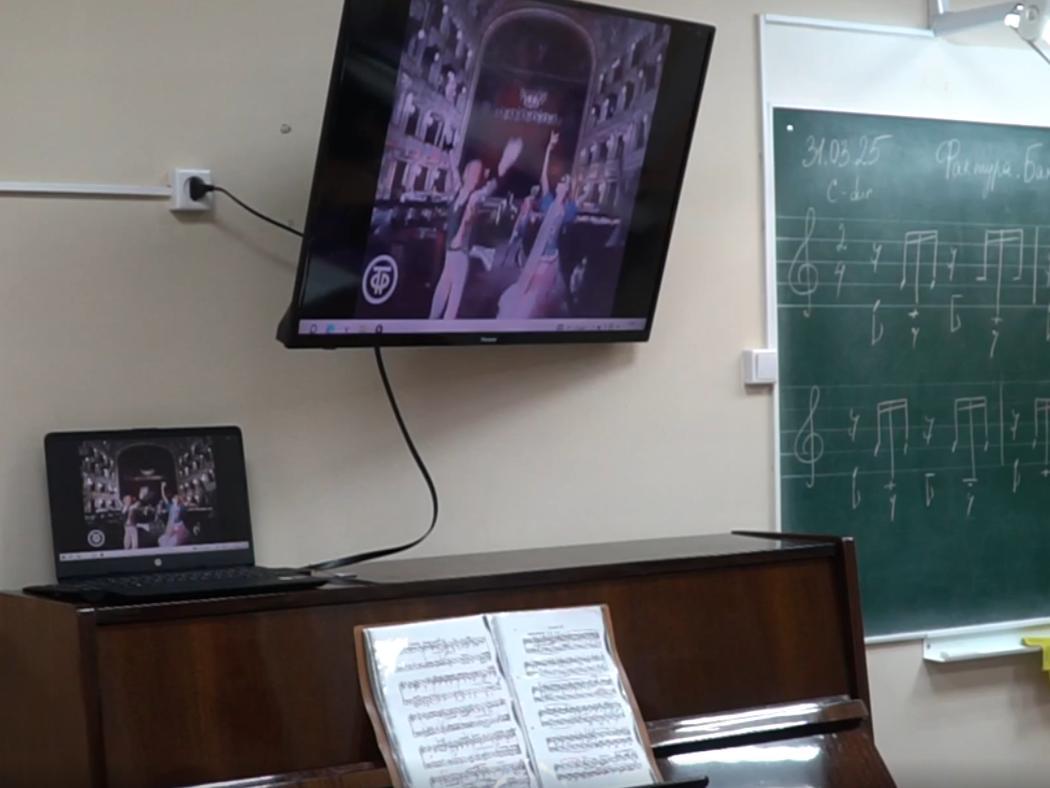
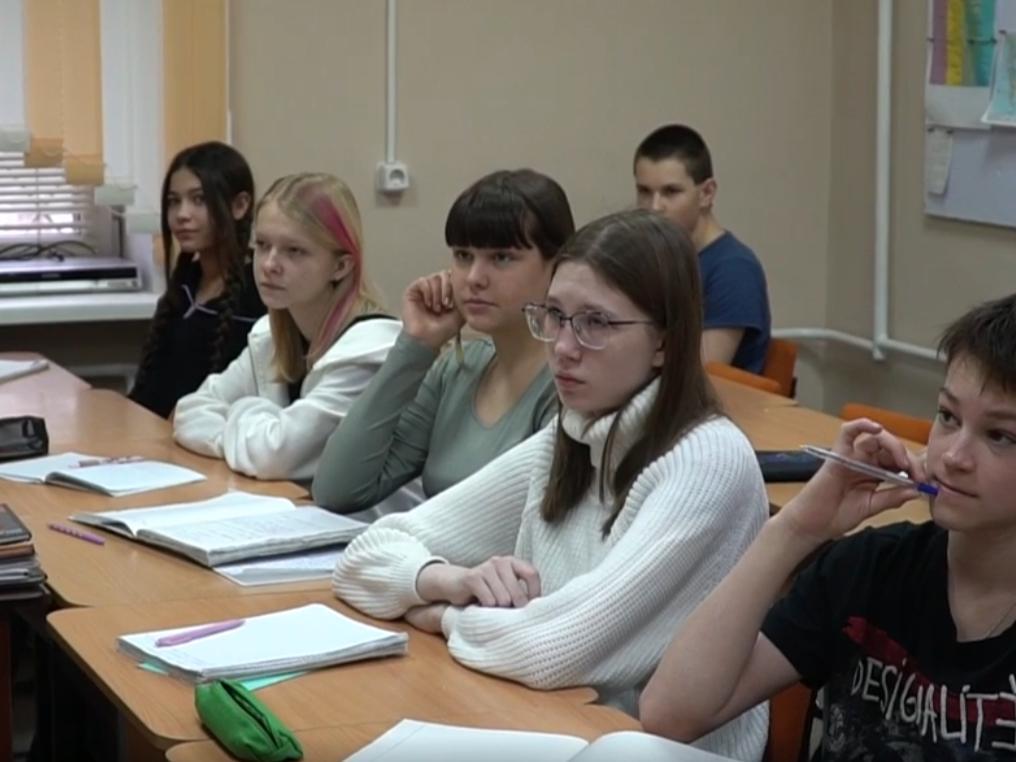
Now, the employee laments, deputy principals rarely attend lessons. The workload of these specialists has changed greatly over the years; there«s a lot of paperwork and computer work. But they observe children during final assessments. Also, the woman says, the school»s life has changed. Now it«s the only cultural institution in the area. If before, children from nearby houses came to study here, brought by their working parents, now locals show no interest in it. All students are from other parts of the city. By the way, we dropped in on their lesson to talk about their famous predecessor. And right away, the teacher asked the class:
– In which class did Dmitri Alexandrovich study?
– Piano.
– And for how long?
– A couple of years… He was gifted, so probably he moved somewhere else…
– No, it«s related to moving!
Music Sounded from Everywhere on the Streets
And the Hvorostovsky family moved not far away, to the Michurina Street area. It, of course, looks less off-putting than Baku Commissars, but it«s still hard to imagine that a world-famous talent was nurtured here.
Tatyana Balabanova, a teacher of theoretical disciplines at Children«s Art School No. 4, where Dmitri studied until the seventh grade and which now bears his name, told us that in the singer»s school years, it was completely different here. And it seems it was the best place to fall in love with music.
– At that time, it was natural! Music sounded from everywhere: both records and loudspeakers – our microdistrict is near the Sibtyazhmash plant, so music played in the morning and in the evening when workers returned home. And he had this ear for music, which, by the way, children don«t have now… We try to instill a love for music in them using the »Pushkin Card,« for all children, not just those who study at music school, – says Tatyana Balabanova.
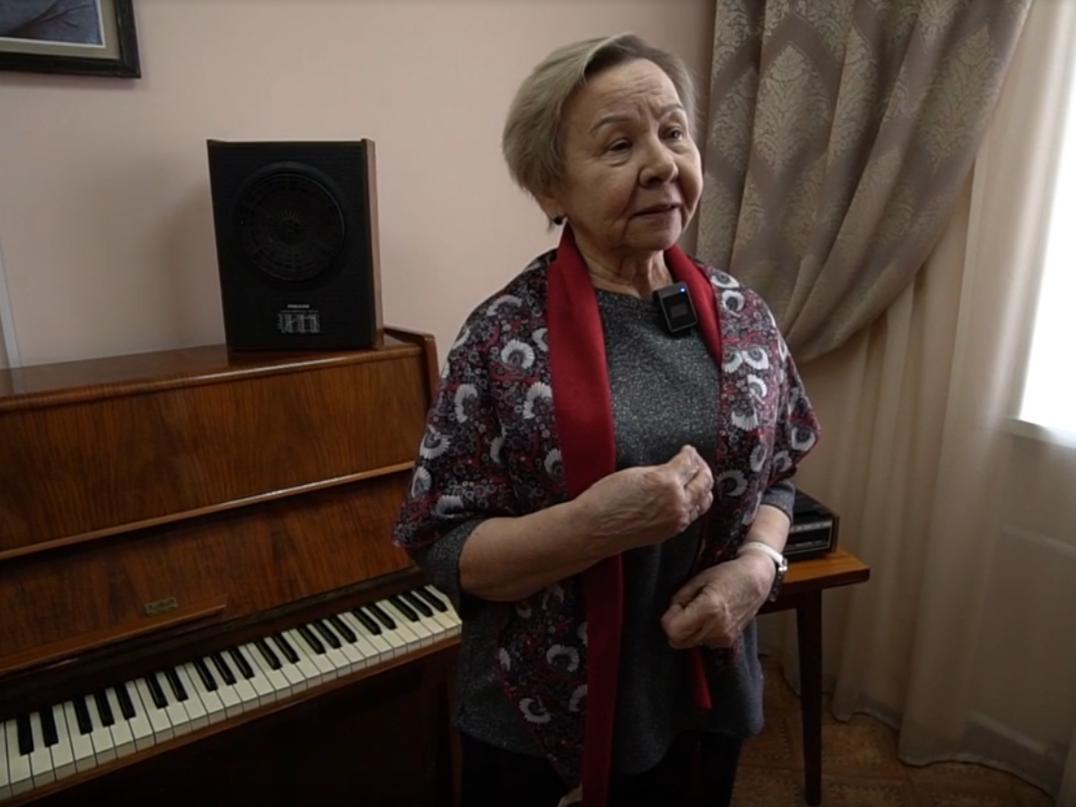
She administered Dmitri«s solfeggio exam in his graduating class. Students had to prepare for tasks in the tickets. Dmitri studied in a class with only girls. The group was strong, but the singer studied averagely.
– He was an ordinary boy! He studied and did everything that an ordinary child does. But he was, in fact, unusual. First, he had a good ear for music. At home, there was a large collection of records, and they listened to them, of course, constantly. Both opera music, operetta, and jazz, which had just started appearing on records. His grandmother sang wonderful folk songs to him. Well, as for the exam, he took a ticket, smiled, you know, like children do when they think it«s good compared to other tickets, although the material in all tickets is basically the same. But each has its own key, its own exercise that needs to be sung from memory. And he got a two-part exercise. That means one voice has to be played, and the other sung. That»s what he smiled at, – recalls Tatyana Balabanova.
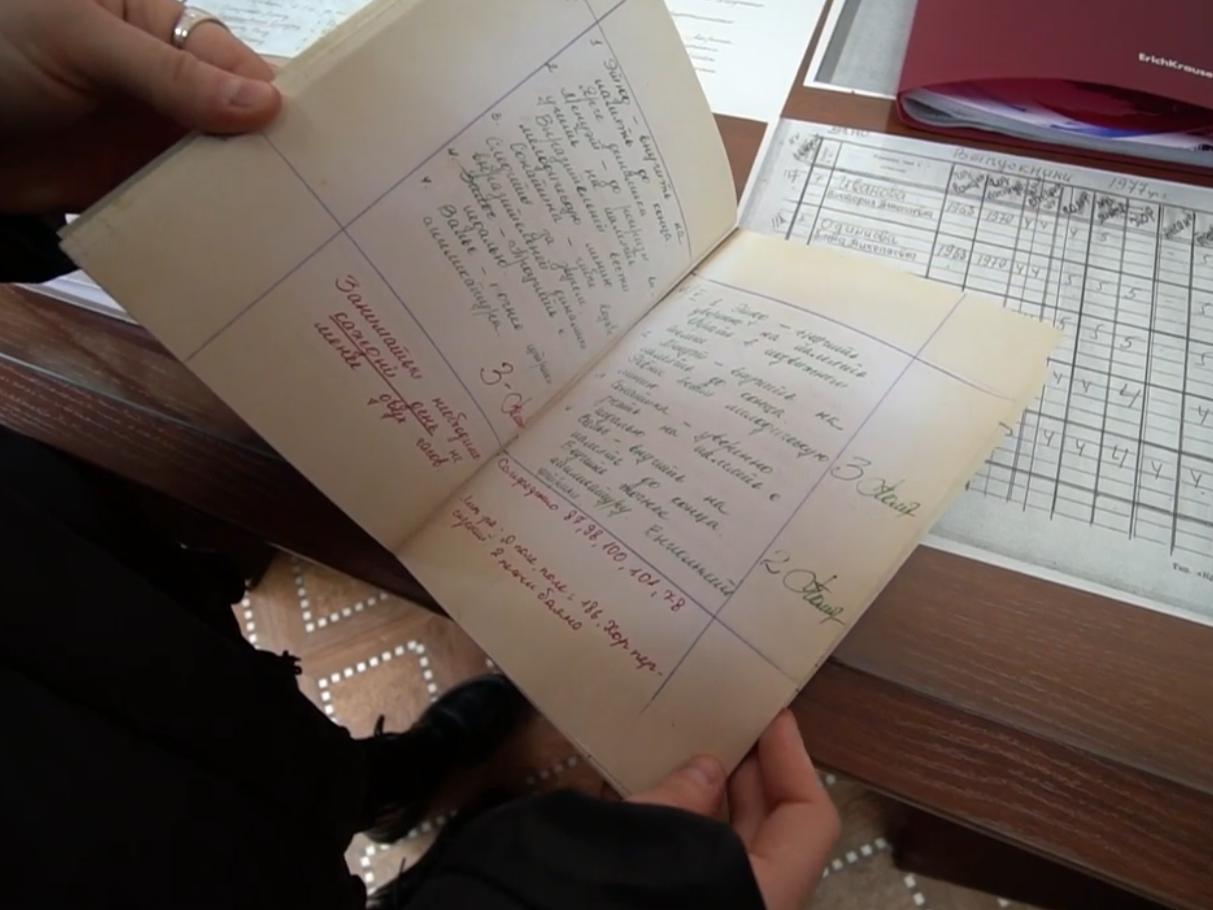
– He passed the exam well, he took it cheerfully. He knew how to conduct himself in society, but at the same time, he was free. He had a good command of the Russian language. His speech was beautiful; he thought things over when he said something. When he wrote that wish for us, he thought it over too. He«s a deep person, – added the teacher.
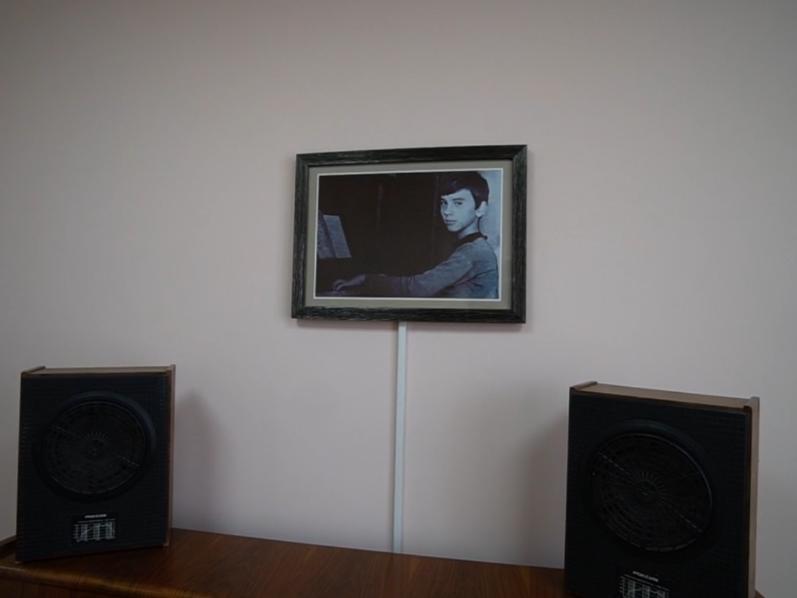
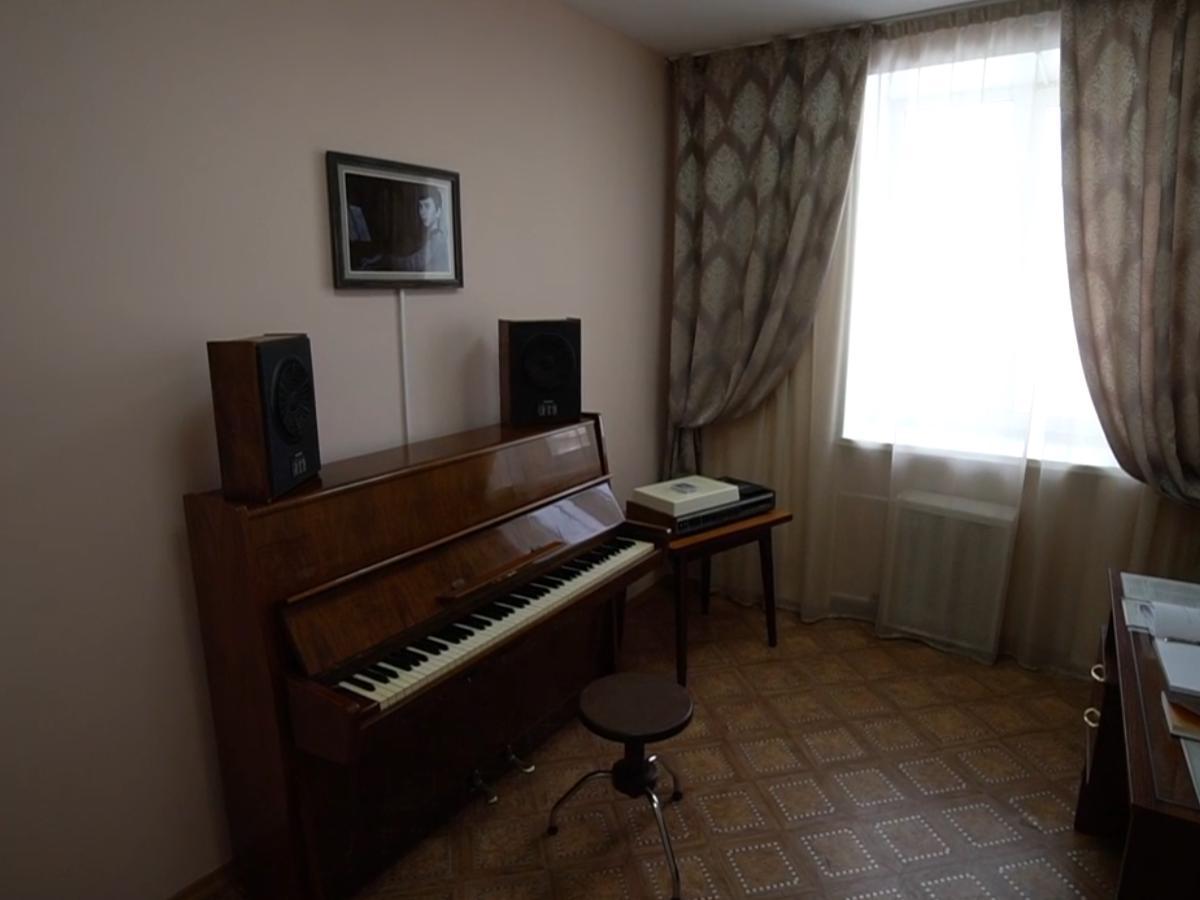
Tatyana Balabanova says that they tried to provide all students with the maximum in both knowledge and instilling a love for art. But in Hvorostovsky«s case, his close ones did the same.
– His father… actually, it was his father«s dream for Dmitri to become a singer. Since he himself is a musician by calling, by nature. He was an engineer by education, but by nature, he»s a musician. He played the instrument magnificently and sang wonderfully, and he still sings. And of course, they cultivated all this in the child, – says Tatyana Balabanova, teacher of theoretical disciplines at Children«s Art School No. 4 named after Dmitri Alexandrovich Hvorostovsky.
And What Now?
It«s hard to say whether a world-famous talent could grow up on Baku Commissars Street now. Here are a few photos from the district where Dmitri Hvorostovsky grew up.