Historic Rostov Gymnasium No. 36 to undergo billion-ruble reconstruction
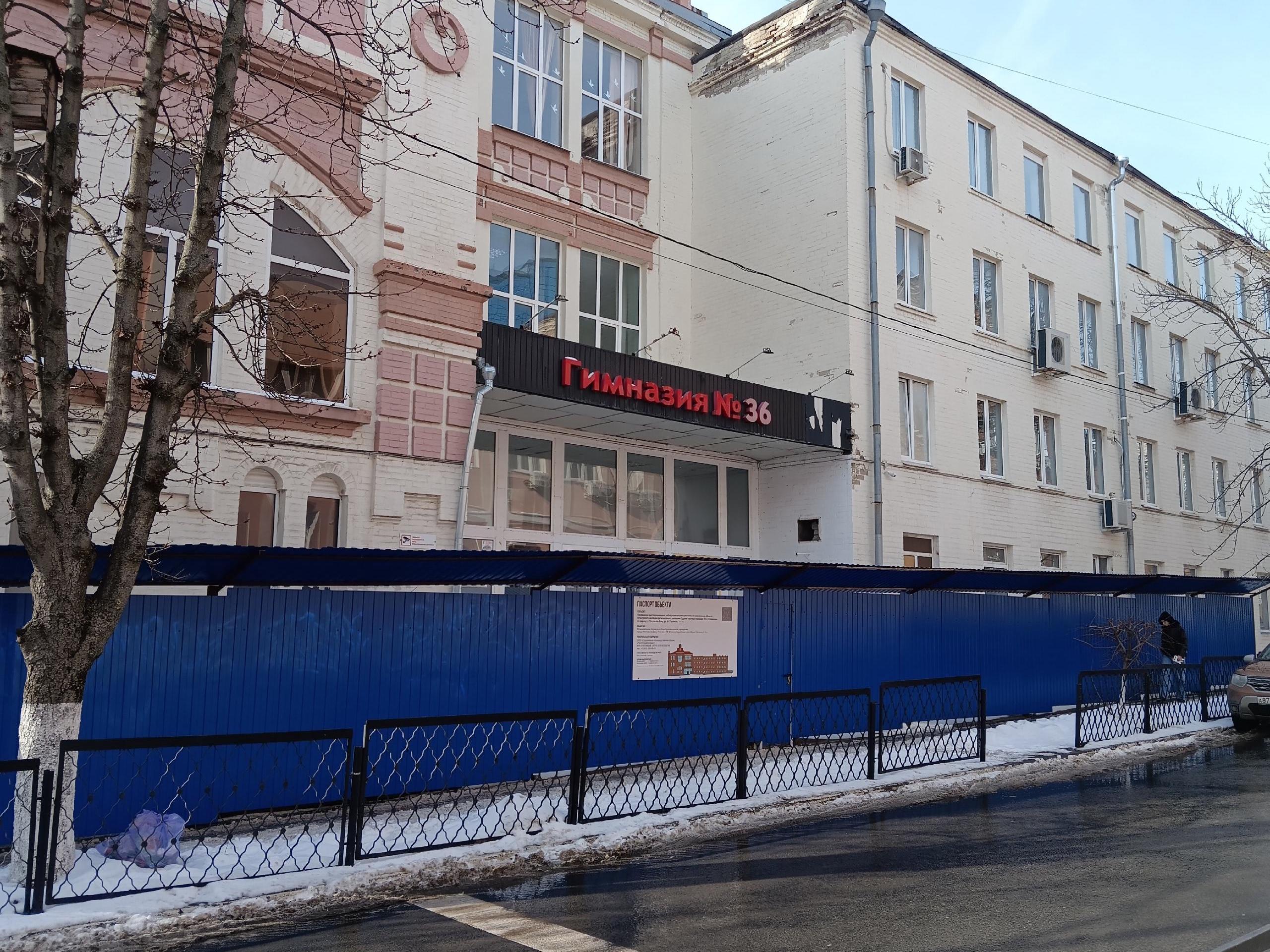

In Rostov-on-Don, work has begun on the large-scale reconstruction of Gymnasium No. 36 at 115/33 Maxim Gorky Street. The building is a cultural heritage site, and its restoration to its historical appearance has generally received approval from activists. However, plans to install a huge globe on the gymnasium«s roof have raised questions.
The contract for the work was signed in autumn 2025. Its cost is 863.9 million rubles (approximately $8.64 million at current rates). The work must be completed by the second quarter of 2027. Within this timeframe, utilities in the building must be replaced, interior spaces repaired, the facade restored, and so on.
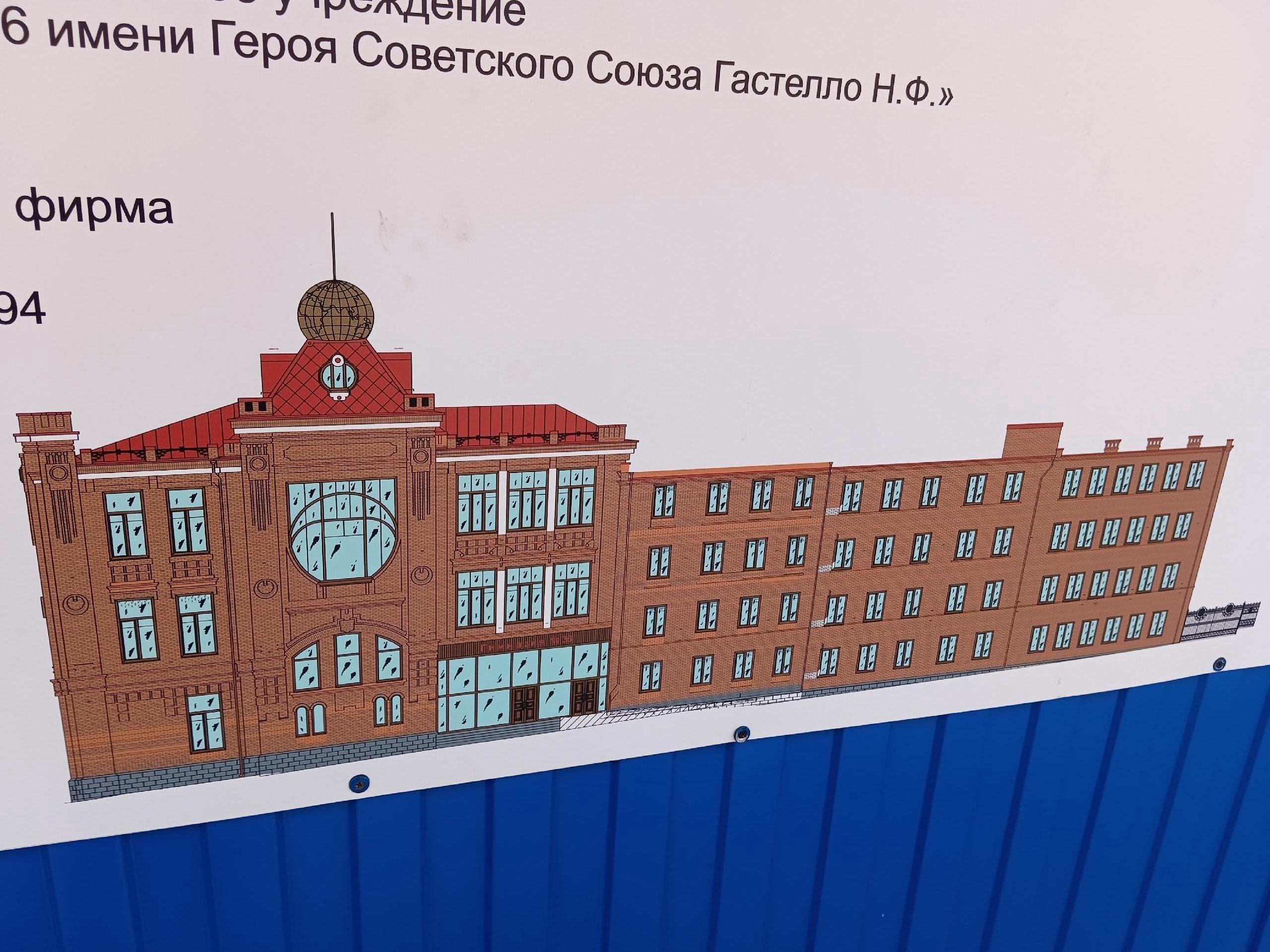
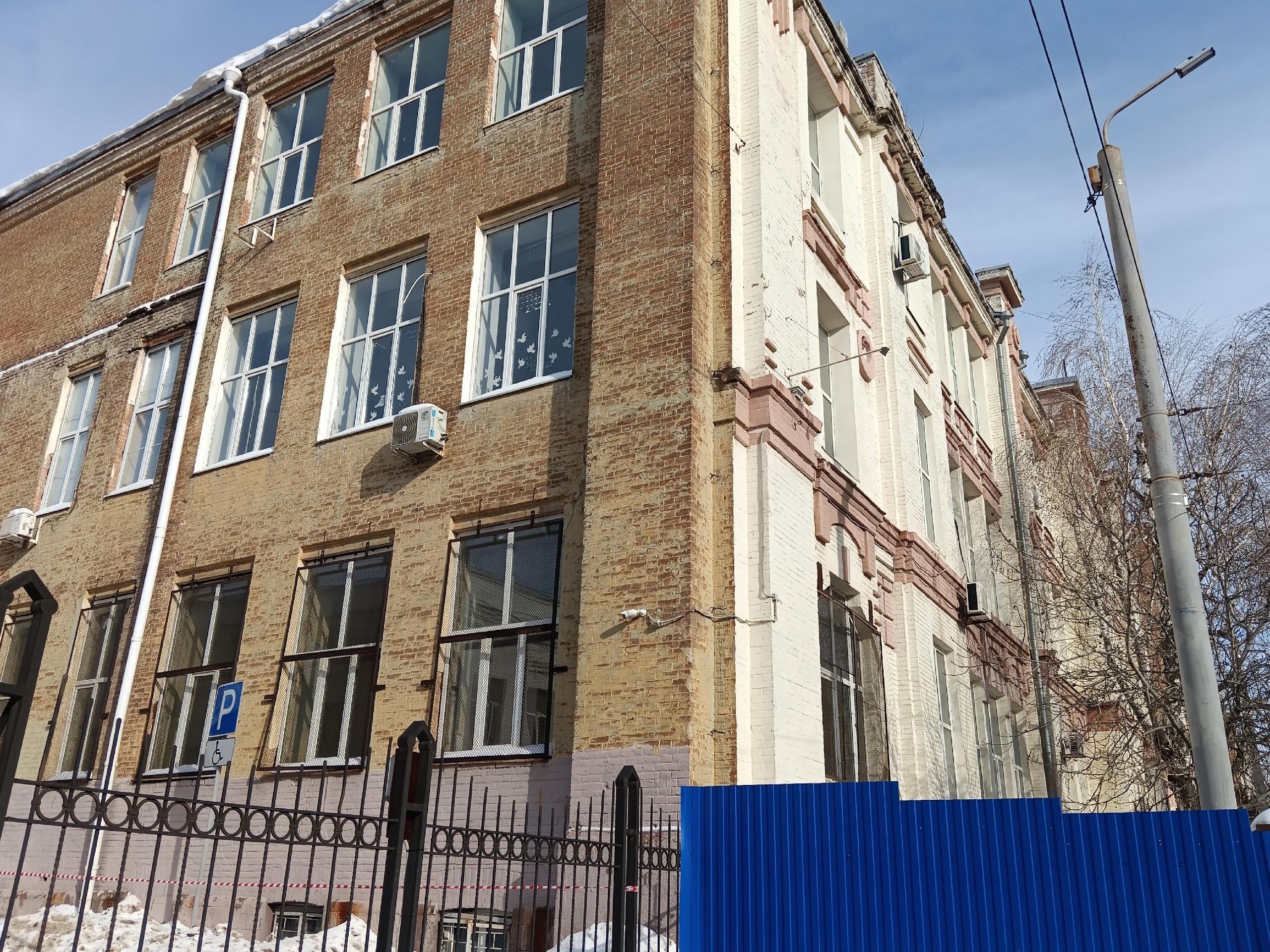
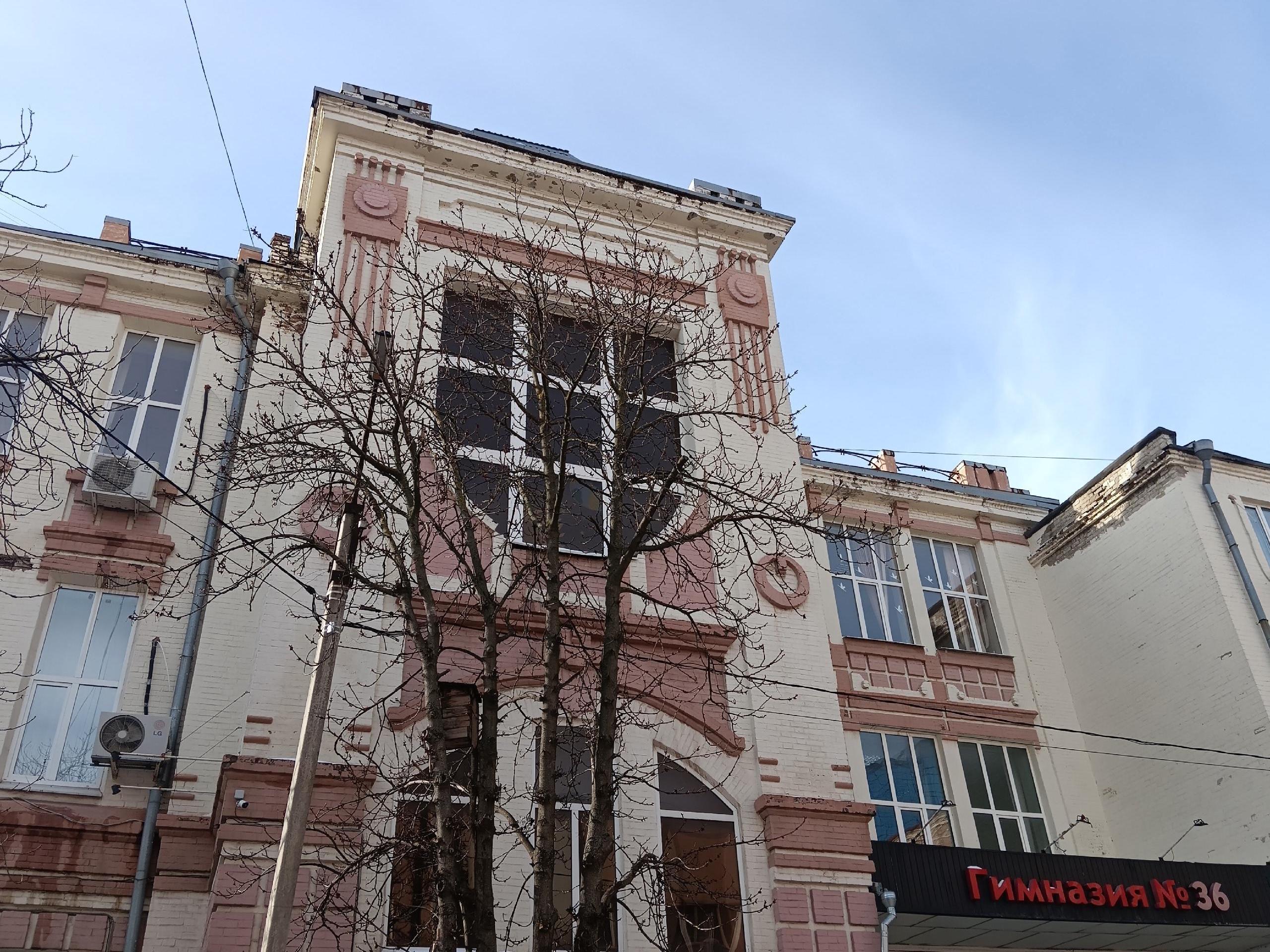
One of the main upcoming changes is the alteration of the building«s color. Currently, it is white with pink elements. Originally, the building had exposed brickwork; it was painted during the Soviet era. After reconstruction, the historical appearance will return, meaning the building will become brick-red.
However, activists from «My Facade» point out that, according to the project, two educational buildings attached along Soborny Lane during Soviet times will also become red, even though they are made of white silicate brick.
«Why is the late Soviet addition on the right mimicking the color of the historical building? By doing so, it merges with it and visually extends its volume. On the contrary, with a competent approach, original buildings are usually visually separated from later ones, thereby showing different periods of their construction,» the activists note.
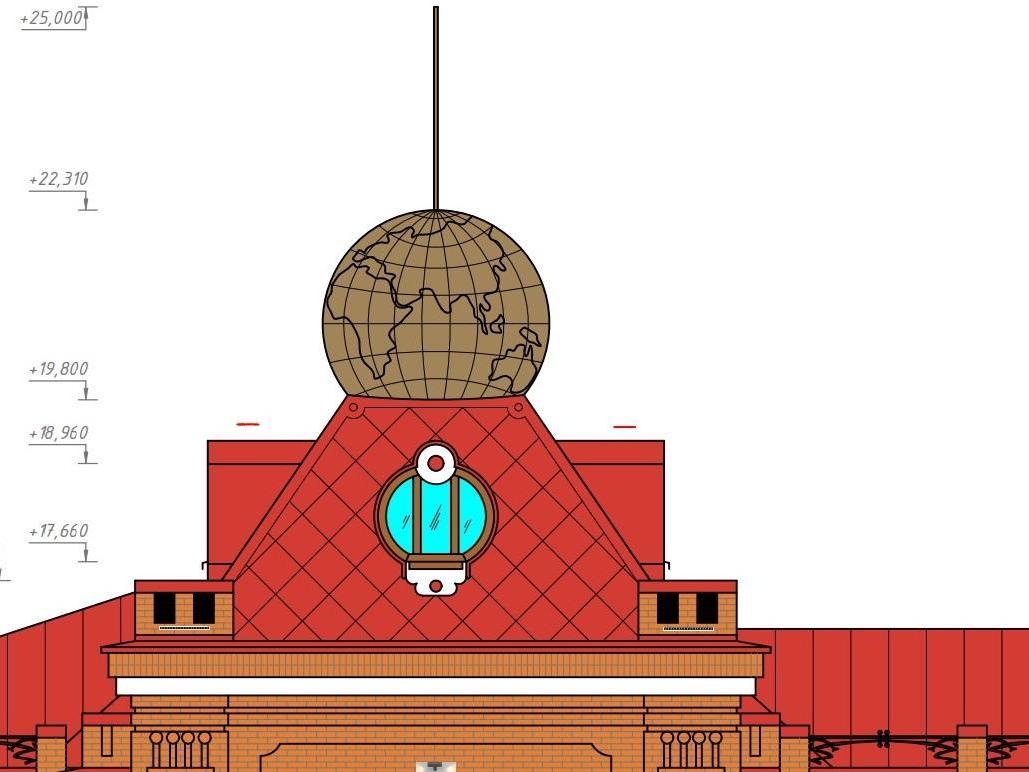
The main question arose regarding the roof, or more precisely, the tent roof of the historical building. Here, as a result of the reconstruction, a huge figure in the form of a globe with a spire emerging from it will appear. Currently, there is nothing like this on the building«s roof.
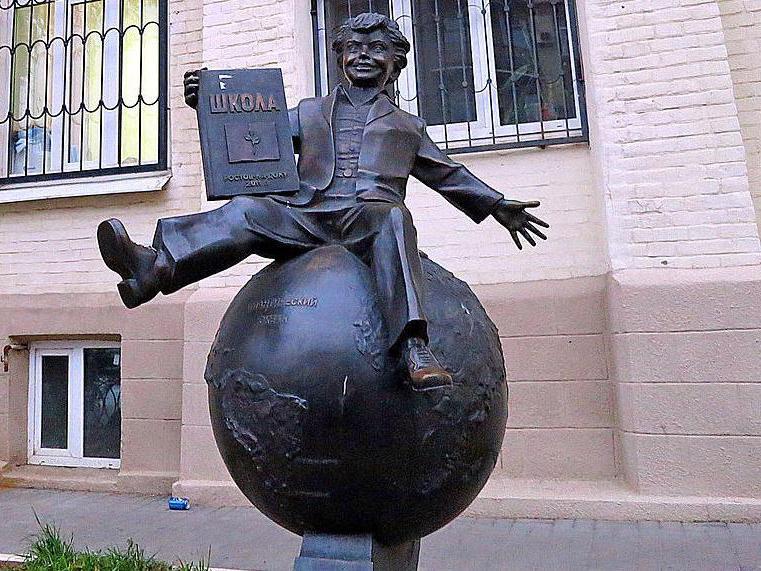
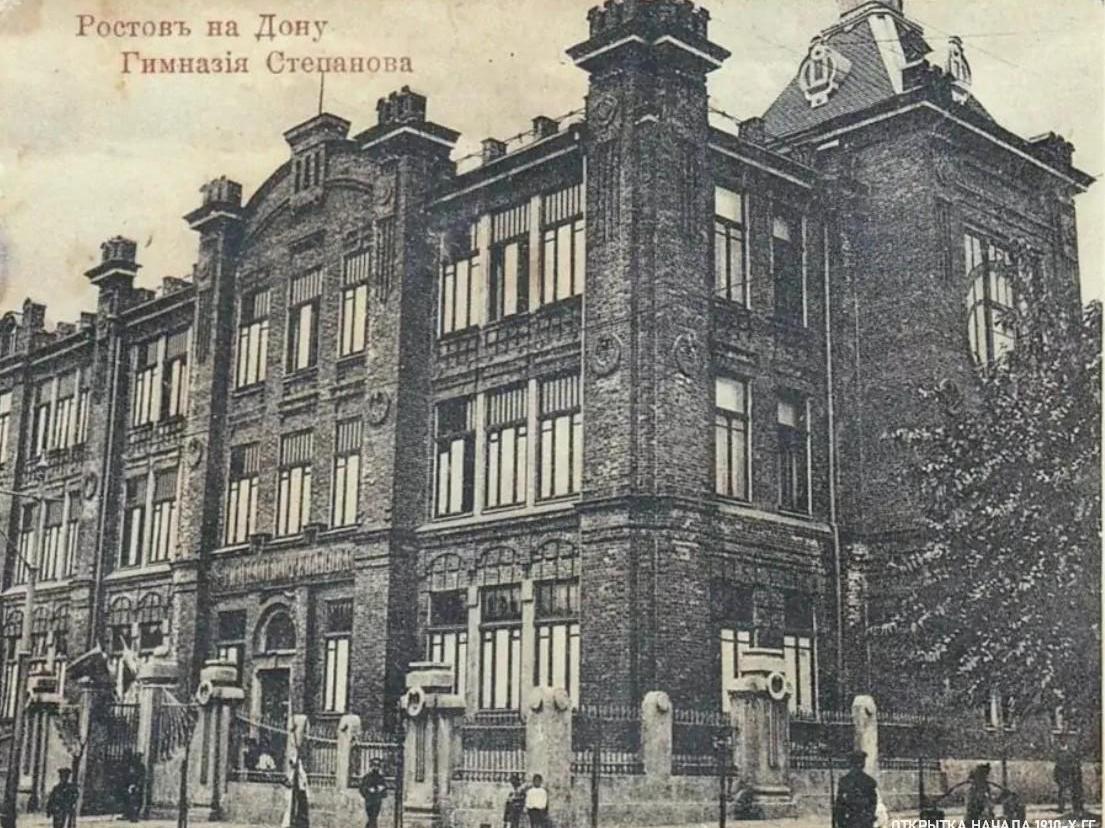
«Some kind of globe has appeared on the tent roof. In known early photos, there indeed is a spherical structure, probably a decorative element. But why was it decided that this is specifically the Earth? Could it be that the previously installed student on a globe in front of the building»s facade seemed insufficient to someone?« wonders the »My Facade« community.
In the heritage obligation attached to the tender documentation, this architectural solution is not explained. But it is indicated that the original appearance of the building of the former N.P. Stepanov Gymnasium «was distorted by damage received during the Civil War and the Great Patriotic War.»
«During operation, the following were lost: the canopy of the main entrance porch, the spire of the tent roof of the eastern risalit, and a number of window openings were bricked up,» the document states.
Who will reconstruct?
Additionally, the contract for the reconstruction of Gymnasium No. 36 was awarded to the Aksay company «Roststroikontrakt» LLC (SPF RSK). The company was registered in 2007. It was founded by Valery Potashov. According to SPARK data, from 2010 to 2014, the legal entity belonged to Sergey Valeryevich Potashov. He also owned the «New York» restaurant on 40th Line in Rostov, where the current beneficiary of SPF RSK, Sergey Filimonov, works as general director. Currently, the establishment is owned by Anna Potashova.
According to SPARK, Sergey Potashov owns 70% of the «KEKS» franchise. Under this brand, a network of bakeries operates in Rostov Oblast. Potashov also owns LLC «Customer Service GC RSK», which is registered at the same address as «SPF RSK».
«Roststroikontrakt» is a major construction contractor. The company«s revenue in 2024 was 4.9 billion rubles (approximately $49 million at current rates), net profit was 23.7 million rubles (approximately $237,000). The annual volume of state contracts received by the company from the authorities of Rostov Oblast ranged from 2.6 to 6.5 billion rubles in 2021–2024. The company built utility networks and social facilities on behalf of the authorities.
A record for the volume of state contracts was set in 2025 — 18.2 billion rubles (approximately $182 million). The largest orders are the reconstruction of water supply networks in Millerovsky, Kasharsky, Chertkovsky, and Matveevo-Kurgansky districts in Rostov Oblast.
Moreover, «SPF RSK» in 2025 received contracts for the reconstruction of two other well-known Rostov educational institutions: Rostov College of Arts (1.1 billion rubles, approximately $11 million) and Gymnasium No. 14 (1.03 billion rubles, approximately $10.3 million), which, like Gymnasium No. 36, occupies a historical building.
History of the mansion
The building of the former N.P. Stepanov Men«s Gymnasium (now Municipal Educational Institution Gymnasium No. 36) is located at the corner of Maxim Gorky Street (former Sennaya Street) and Soborny Lane. It is one of the city»s oldest educational institutions. Over the years, students here included Alexander Mints, creator of radio broadcasting stations, Hero of Socialist Labor, laureate of the Lenin and State Prizes, academician; writer and playwright Yaroslav Galan; famous Soviet sculptor Yevgeny Vuchetich; and other prominent figures in science and art.
The gymnasium was opened in 1906 by Nikolai Pavlovich Stepanov, the first director. He was an active state councilor, cavalier of the Orders of St. Stanislaus 3rd and 2nd class, St. Anne 3rd and 2nd class, St. Vladimir 3rd class.
In 1906, the Ministry of Public Education permitted teacher of Russian language and literature at the Rostov-on-Don Men«s Gymnasium, Nikolai Stepanov, to open a four-class progymnasium in the city. The progymnasium was located at the corner of Bolshoy Prospekt and Moskovskaya Street.
In 1907, N.P. Stepanov«s progymnasium was transformed into a full classical gymnasium. In 1911, the gymnasium had »6 main and 3 preparatory classes. Tuition: in the lower preparatory — 100 rubles, in the middle — 120 rubles, in all other classes — 150 rubles per year.«
In 1915, for the gymnasium, according to the design of Rostov architect P.Ya. Lyubimov, a new three-story building for 500 students with its own swimming pool was built at the corner of Sennaya Street and Soborny Lane. In total, the gymnasium had 14 classes, and the mandatory education period was 3 years.
With the arrival of Soviet power in the Don region, the functional purpose of the building did not change: it housed one of the city«s secondary schools. During the Great Patriotic War, the building was partially destroyed. During post-war reconstruction, the structure was restored with minor changes and alterations.