Ukrainian Teacher Creates Fairy-Tale Kokoshniks in Yekaterinburg

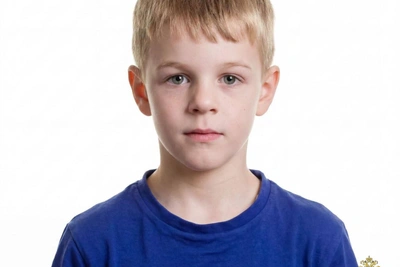
We are talking with Tatyana in the kitchen of her rented apartment. In the adjacent large room, her son lies in the dark. There is no light. His mother hasn«t connected the chandelier because she can»t afford to pay an electrician yet — there are more important expenses. Misha is 16 years old. He is non-ambulatory.
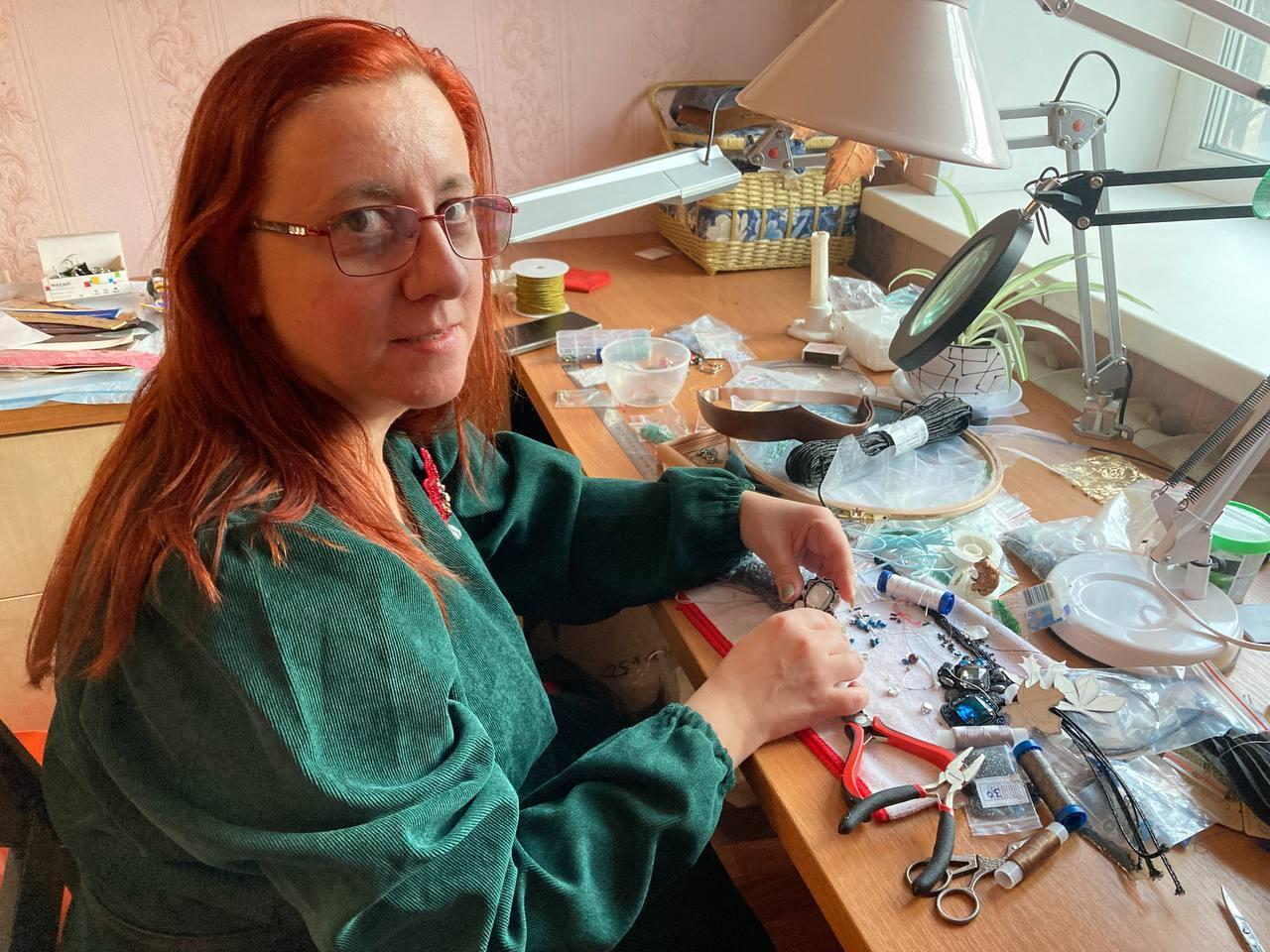
Two years ago, Tatyana Sadovnichaya uprooted herself and left with her son for the distant Urals from her hometown, where she had her own apartment. They are refugees from Ukraine. Here, Misha«s mother is building a new life and continuing her craft: she makes kokoshniks and jewelry to order using ancient Russian techniques.
Extremely Low Weight
Tatyana is from a small city in southern Ukraine. By profession, she is an elementary school teacher. She worked as a teacher-organizer at a school, then her position was cut, and she became a secretary at a company. She left that job for maternity leave, from which she never returned to her previous work, instead caring for her son.
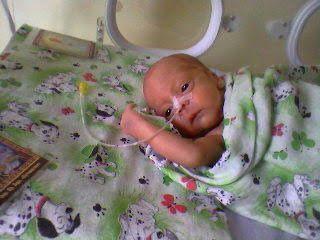
Misha was born at seven months, with an extremely low weight — 1 kilogram 200 grams (approximately 2.6 lb). He survived but became severely disabled — a consequence of premature birth and underdevelopment. While staying home with her son, Tatyana started creating custom jewelry. She recalls:
— Misha was 2.5 years old then. We needed money for treatment and rehabilitation. At that time, I had no computer or internet at home. I went to the library reading room, where there was internet access. My son was in a rehabilitation kindergarten during that time, and I watched master classes. Then I found the book ‘Soutache Embroidery.’
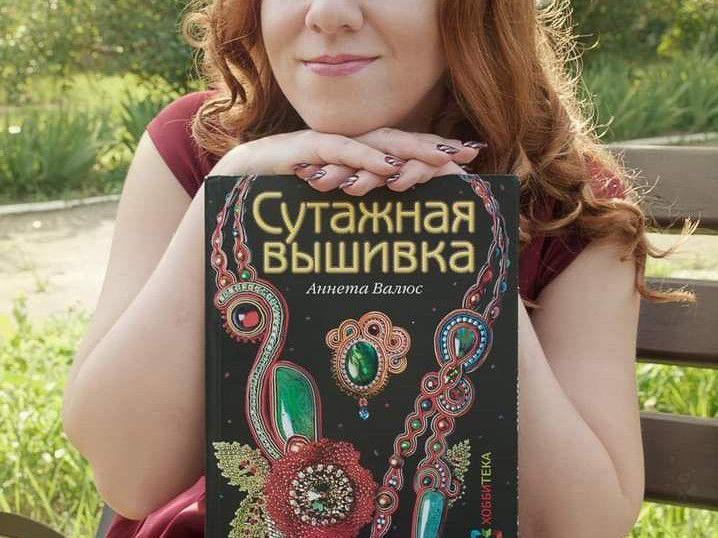
Soutache technique is an ancient method of creating jewelry: a combination of braiding and embroidery. It originated in the early 18th century in France. Soutache is a cord or woven strip used to decorate clothing. It is also used for making jewelry.
In the first years after Misha«s birth, Tatyana»s husband helped her.
— I started with costume jewelry. My husband taught me how to properly hold crafting tools. He worked as an electrician. The tools for assembling costume jewelry are the same as those used by electricians: pliers, round-nose pliers, wire cutters — all are considered men«s tools. For crafting, miniature versions are used.
At first, people in my city didn«t accept me: they said, »Some grandmother«s jewelry.» Indeed, soutache is an ancient technique. The first order was from Khabarovsk: a pendant — a necklace and a ring. I was so worried I wouldn«t manage. I remember explaining to the client: I»m afraid I might not meet the deadline, I have a child… But the girl was very understanding: «Okay, I»ll wait.« We»re still friends.
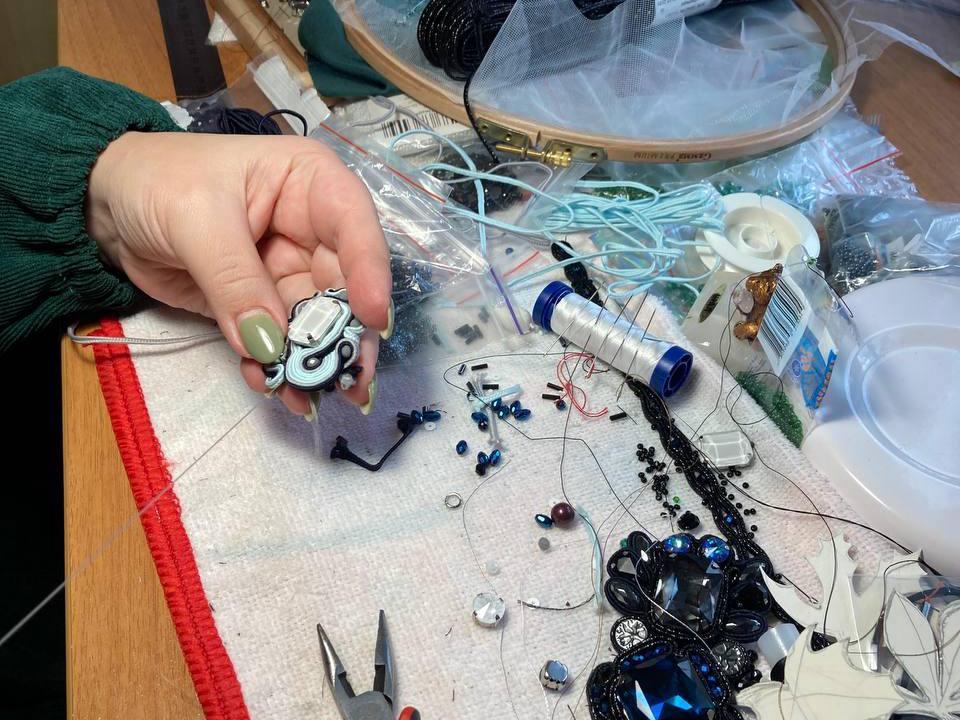
And after that, there was a breakthrough: orders started coming in, booked a year ahead. I worked on everything at night, and during the day, I took my child to rehabilitation. People saw how well it complements a modern look, and buyers and appreciators emerged.
My jewelry lives all over the world. The first orders were from Russia, then Europe, America. I achieved my goals, was able to pay for Misha«s rehabilitation. He got his own speech therapist, his own masseur, his rehabilitation specialist. And very importantly — his own private doctor, thanks to whom we figured out our constant obstructive bronchitis. We were already known in hospitals, we were such frequent visitors. The private doctor gradually fixed that situation over a couple of months. It turned out that the cause of the bronchitis was not viral, not bacterial, but allergic.
Tatyana separated from her husband after 11 years of marriage, when their son was 9 years old. According to her, the father no longer participated in their son«s life.
— That«s just how it turned out. There wasn»t much support from relatives. On one hand, it«s sad, on the other — I»ve always been used to relying on my own strength, and now, far from home, I«m managing, though with difficulty.
For my mother, it was hard to accept that her grandson was so seriously ill. It was easier for me to hire a nanny than to ask for help. I was already earning well, sewing day and night. I was noticed even in my hometown. Not a star, but people recognized me on the streets. I participated in various projects, international competitions, managed social media, sold…
And then, in 2019, a difficult period began. I disappeared for a year. I got measles, it was very unexpected (measles in an adult!). I needed to go to the hospital, but I refused: there was no one to leave Misha with. My mother was afraid to stay with him. I dragged it out until the last moment, until I was in serious condition.
When I was taken to intensive care, my mother had to stay with Misha; she learned to feed him, put on diapers. Then Misha also got measles, and my mother had to be hospitalized with him. After discharge, we were back in the hospital with our son, illness after illness — his body was weakened.
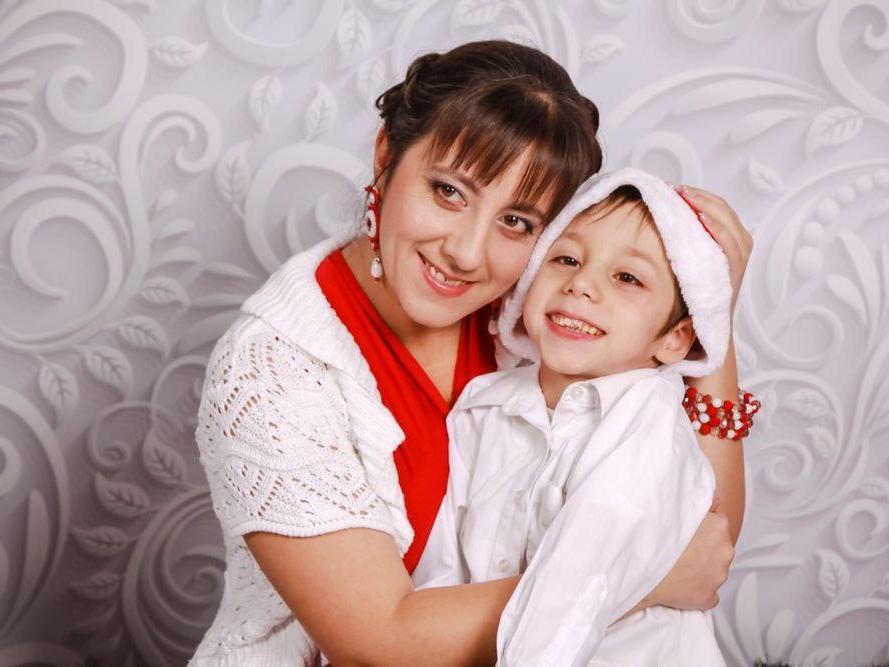
But this difficult period became a new push for me: I wanted to pull through. And I managed. Even at the beginning of summer, after the illnesses, we had nothing to eat; we spent all our savings over the year. In summer and spring, I looked for free projects, exhibitions where I could show myself — everyone had forgotten me.
And on September 1 of that year, there was the debut defile of my art studio at a photo exhibition — and invitations to projects started coming in, orders began. I had my own team for shows: a choreographer, scriptwriter, host. We developed well, already as a separate direction of theater with models, defiles.
That«s when I found a new favorite direction — kokoshniks. In my city, it didn»t get a response; there was more interest in wreath-style jewelry. I took Misha with me to all exhibitions and shows. Thanks to the classes, we achieved a lot. He started eating on his own, developed conscious speech, even if with separate words, but relevant to the dialogue. Generally, he became engaged with the world. This is a breakthrough for us. I myself worked with a psychologist, I myself learned to work with Misha.
‘I Didn«t Know Where I Was Going’
Two years ago, Tatyana decided to move to Russia. She learned that her friends were leaving for the Urals, to Yekaterinburg to relatives, and decided to go with them. How they traveled — that«s a separate difficult story. Five days on all kinds of transport through different countries.
— I didn«t know where I was going. I needed to escape with my son to a peaceful life. Some people don»t understand why leave home, is it really that bad? It must be nice to live in ignorance… It was hard there, I was afraid of everything that flies, I wouldn«t wish that experience on anyone. So I went into the unknown.
My friend from Khabarovsk helped me, that very first client. We never met, but we talked on the phone, corresponded. She found volunteers here from the ‘Mercy’ fund, they met me.
For two weeks, Tatyana and Misha lived in a crisis apartment, then they were placed in the ‘Malachite’ social center. There, people in difficult situations live. The mother and son had their own room.
— I brought a small chest with materials here. During the day, I went through authorities, processed documents. During that time, other residents looked after Misha for a few hours. I remember, a girl with autism helped; she could cover him with a blanket, be nearby. Because of all these events, classes and rehabilitation were interrupted, there was a regression — Misha forgot how to eat on his own again, and I couldn«t leave him for long, so document processing dragged on.
And at night, I sewed — on the communal kitchen at a large table, I cut out kokoshniks. Sometimes, we gathered for tea with other residents, and I brought my tools with me. I always sewed, whenever possible.
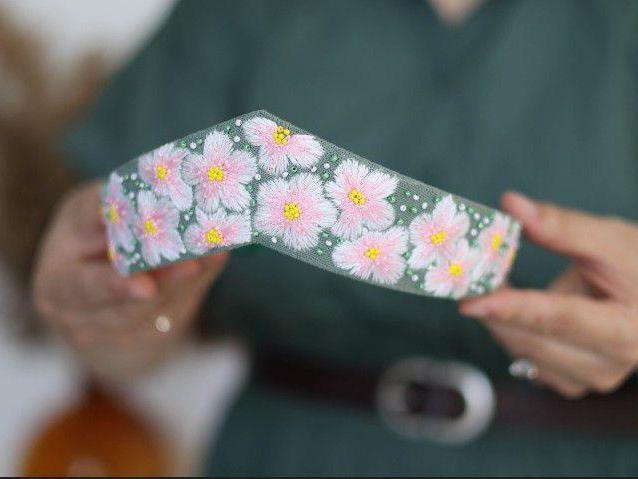
Now I do this to survive, and it«s also an outlet, a beloved activity. Professional photo equipment remained at home. Here, I shoot my works with a phone (to post orders). I once learned product photography, that saved me; even in such conditions, you find options.
I bought a couple of sheets of designer cardboard and the simplest decor. A photo frame, a notebook, a saucer — even these elements can be played with and used for photos. I shot some on clothing, if there was plain fabric. I also attended open lectures on the history of Russian costume, with a focus on Ural motifs, to delve deeper into this topic. There were master classes: technique for creating crowns, ‘sazhenie po beli’.
‘Sazhenie po beli’ is an ancient technique of three-dimensional embroidery. It was used to create festive maiden headdresses — crowns. ‘Bel’ is a thin string that is sewn along a pre-drawn pattern. Beads, pearls, or substitutes are ‘planted’ on the bel.
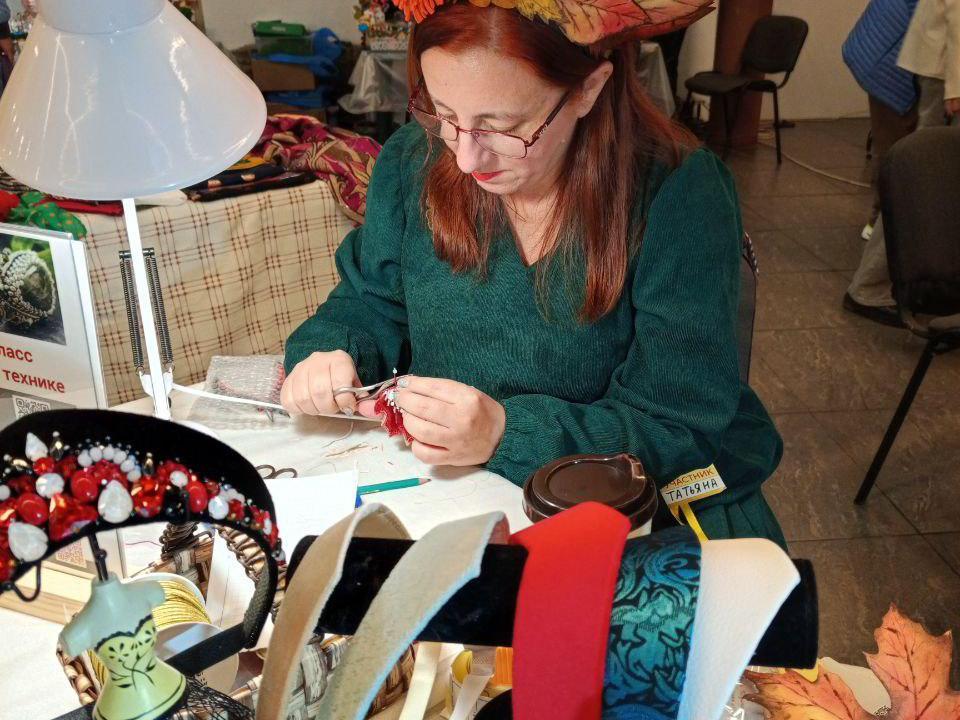
I discovered the technical nuances and basics of how a kokoshnik is created precisely there. I interpreted some things for myself, for my embroidery. This was my dream — to create kokoshniks. I sewed them for several months, there was no response, but in May, excitement began, orders started.
Plum Queen
A few months ago, Tatyana and her son received Russian citizenship. While the pension is being processed, orders for jewelry support them.
Recently, they moved from the social center to rented housing. Tatyana explains: good people, her acquaintances, helped find and rent this two-room apartment. A single mother with a seriously ill child, her hard work, desire to create, to make beautiful things despite all troubles and horrors — all this couldn«t help but touch them.
A familiar businesswoman gave Misha a new wheelchair. The ‘Mercy’ fund later helped Tatyana buy a lamp for shooting her works. Friends gave her a special magnifying glass. And when moving into the apartment, they helped gather a ‘dowry’ — what«s needed for the household: pots, dishes, blankets. The craftswoman participates in exhibitions, fairs — everywhere she»s accepted. Not all organizers agree for her to be with her child; they refuse, without even looking at her works. But there«s no one to leave her son with.
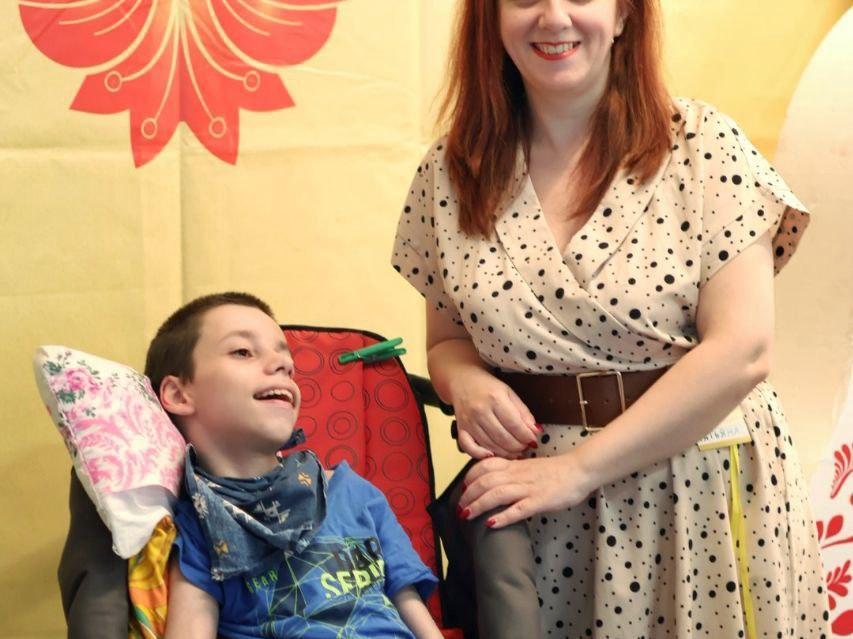
— Here in Yekaterinburg, there are many good people. I remember how they helped, and it gives me goosebumps. I«m very grateful. I remember, the first time I came to an exhibition. I was scared, how would I be received — I»m with Misha, no one to leave him with.
Misha loves fairs, loves when guests come. Right now, we«re talking, and he»s lying quietly — but actually, he«s listening, he»s interested. For him, these are impressions. At the exhibitions where I participated, they accommodated us, welcomed us warmly.
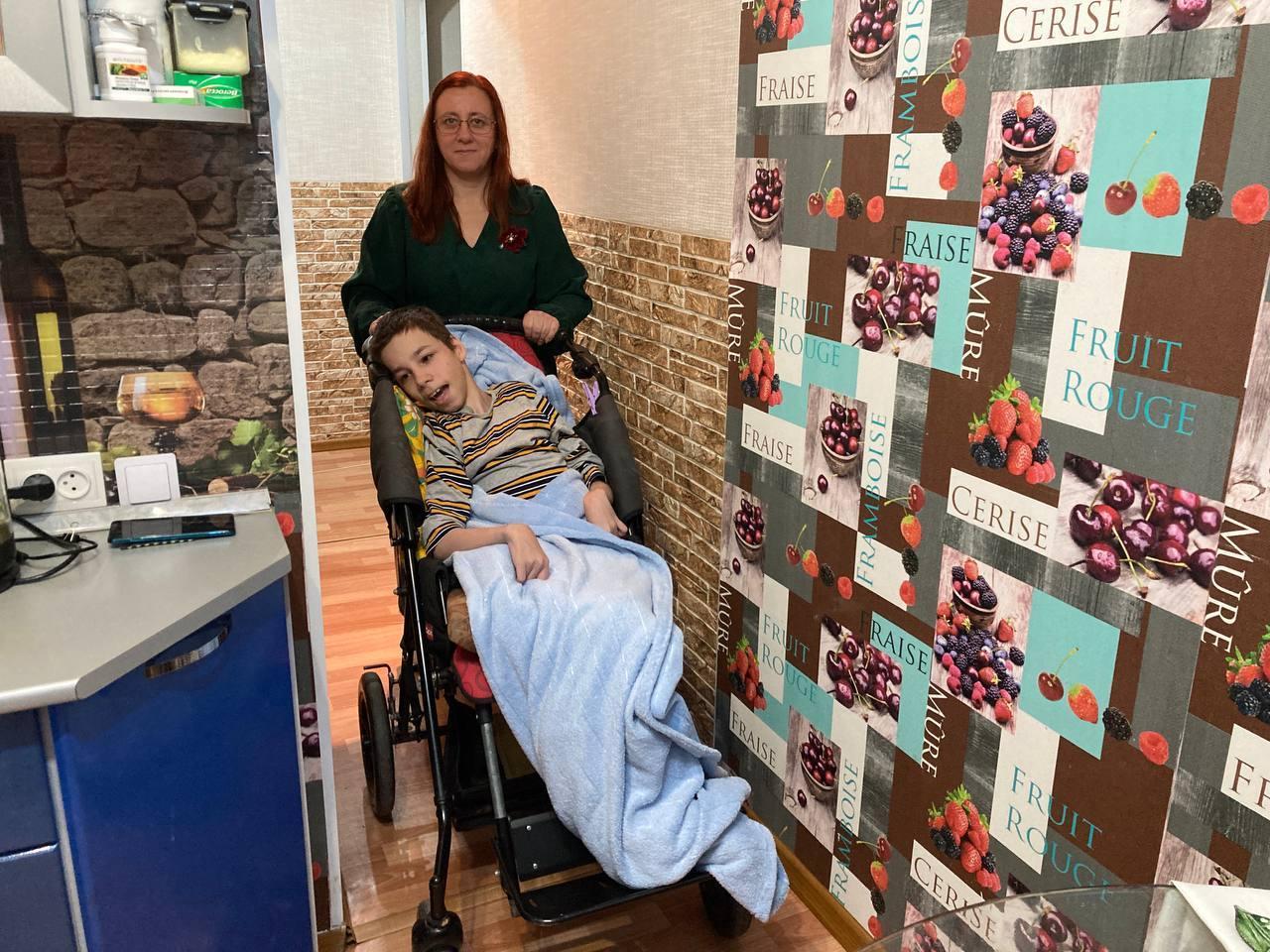
Misha quietly listens to us, lying on the sofa in the large room. It«s dark there; the chandelier hasn»t been connected yet. Tatyana seats him in the wheelchair. Misha weighs 20 kilograms (approximately 44 lb) — very little for a sixteen-year-old teenager. For his mother, who has to lift him — it«s a lot. Every trip outside is difficult…
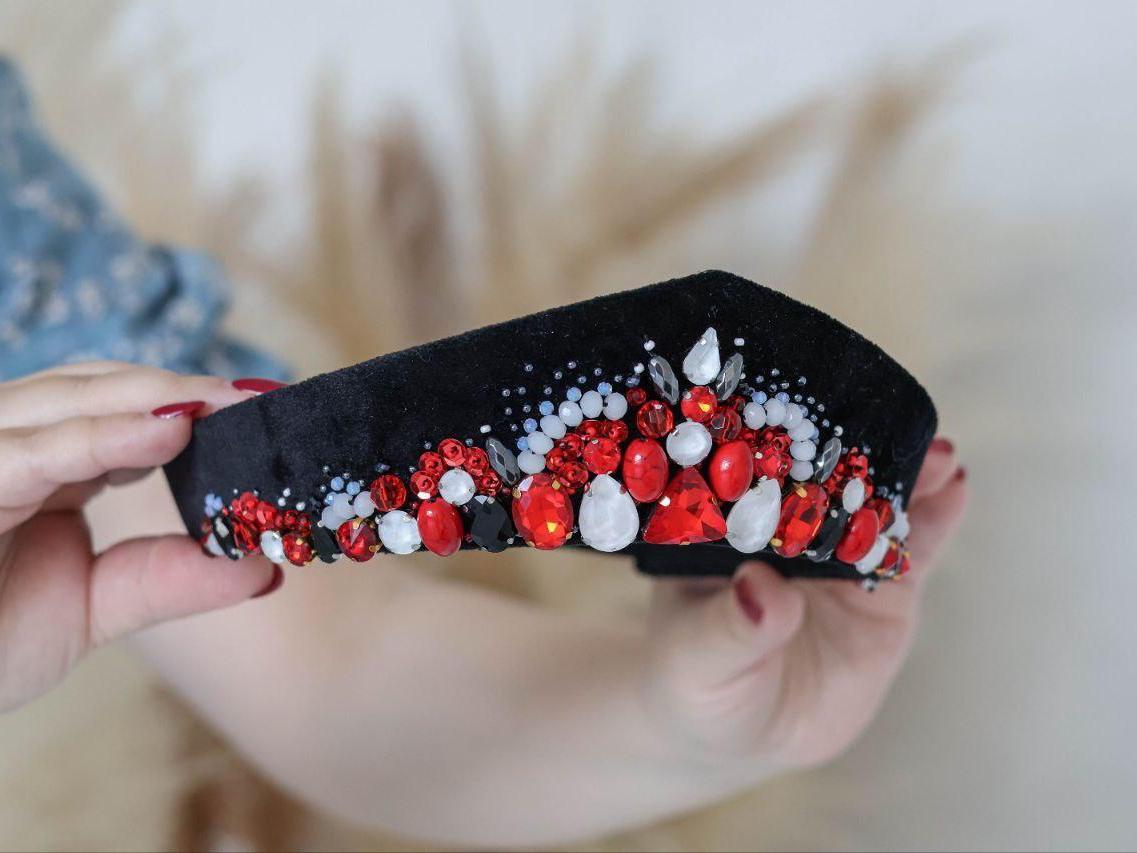
Tatyana wheels the boy to the kitchen: time to feed him. On the kitchen table, there«s a scatter of jewelry for photos. A black velvet kokoshnik on a mannequin head, with embroidery — Czech glass, beads, pearls. A green-brown necklace called ‘The Tale of Dryads’: patterned greenery of variscite semi-precious stone, pendants of volcanic lava and beads, Swarovski pearls, skillful imitation pearls. Dryads — patronesses of the forest from ancient Greek mythology.
Another necklace on the table — ‘Plum Queen’: Swarovski crystals and pearls, beads, pearls, natural leather. It«s not for sale because it»s very dear to Tatyana. It was originally created for a charity project — these were costumes for special, inclusive children who do ballroom dancing.
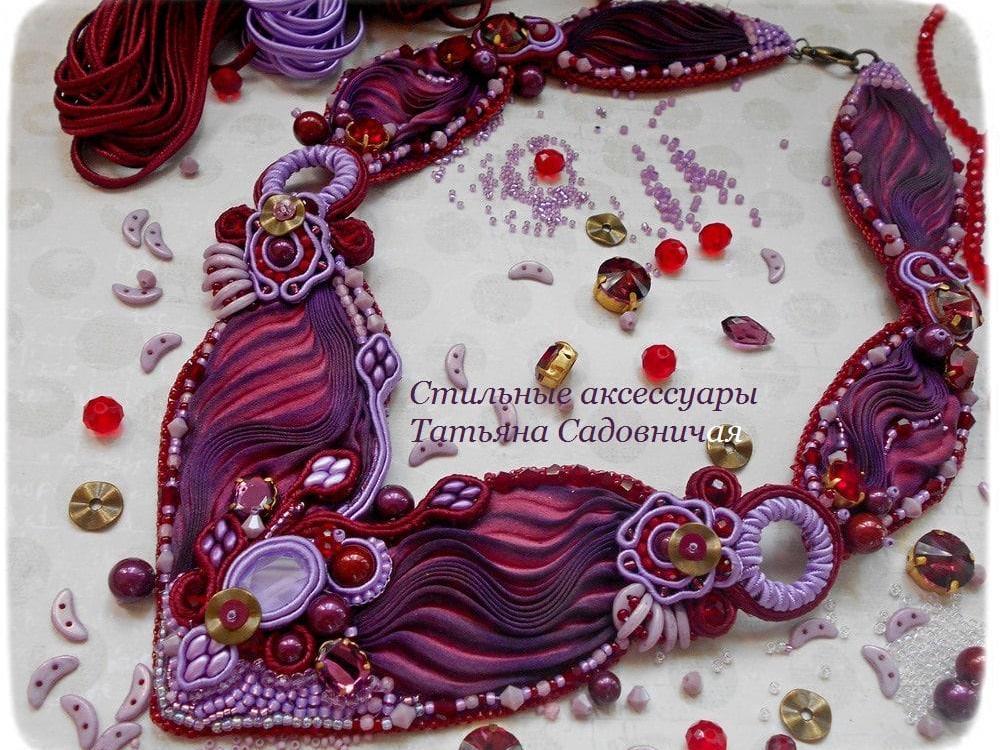
— I sewed it for a month, when I was in the hospital with my child. That was the year with measles and intensive care. I sewed the necklace on the windowsill, after lights out. It was created not thanks to something, but in spite of everything. For me, it was like a beacon: to get out of a heavy psychological state, return to the world, to life.
Afterward, I always wore it for the bow at my art studio«s shows. It»s my business card as a master: it«s noticed, recognized, it stands out. And it»s also my talisman, reminding me that you can pull through the most difficult situations.
You can view the craftswoman«s works on her page on social media. And Tatyana, together with Misha, is currently participating in the ‘Remesloff’ fair. It runs from November 30 to December 2 at the address: Gorkogo 4a. Come, our heroine will be conducting a master class ‘Basics of Soutache Technique’ there.
Also read the story of how a Yekaterinburg woman created a chocolate factory to help her son with cerebral palsy.