Isaac Asimov: 10 Cynical Quotes on Human Nature
The science fiction writer and scientist who formulated the famous Three Laws of Robotics viewed human nature with skepticism and wit — many of his observations sound strikingly contemporary.
Feb 3, 2026 0

Source:
Isaac Asimov, renowned not only for his science fiction sagas but also as a popularizer of science, often addressed the topic of human nature. His aphorisms, sometimes cynical, sometimes ironic, remain relevant today, as discussions about artificial intelligence, ethics, and social structure have become part of everyday life.
He noted that people adore feeling superior. According to him, we tend to boast that our culture is older and superior, that all good things in others are borrowed from us, and all bad things are distorted copies or foreign inventions. This idea of collective vanity is easily recognizable in modern cultural and nationalist disputes.
Asimov was a staunch advocate for freedom of thought. «Everyone is free to believe what they want,» he said. «I am only against forcing everyone to believe one thing.» In the age of information bubbles and harsh polarization of opinions, this principle sounds like a reminder of the basic value of intellectual freedom.
The writer called science a religion that has one key advantage: it works. For him, the scientific method, based on evidence and verification, was the most reliable path to understanding the world, in contrast to blind faith.
He was suspicious of systems where the fate of many is decided by a narrow group. In his view, such a model, which claims to be eternal, inevitably begins to value moderation and safety above all else, which becomes synonymous with mediocrity and kills the aspiration for the stars. This warning echoes criticisms of modern technocratic elites and bureaucracy.
In one of his most famous reflections, Asimov suggested that the ideal politician could be a robot programmed according to the Three Laws. Such a leader would be unable to harm people, free from corruption, stupidity, and prejudice. Realizing that his immortal nature might unsettle the public, he would voluntarily resign. This fantasy today reads as an allegory for debates about ethical artificial intelligence and its role in governance.
With his characteristic black humor, Asimov noted: «Thank God, people aren»t killed just because we don«t like them, or even because we can»t stand them.« The bitter irony of this phrase only emphasizes how thin the line sometimes is in human relationships.
The writer, being the son of Jewish emigrants, was interested in language. He pointed out that the word «man» is merely a translation of the Hebrew «Adam,» which originally was not a proper name but became one over time. This small linguistic observation reminds us of humanity«s common roots.
On the constancy of human nature, Asimov stated simply: «Essentially, we never change, we just get a little older and more wrinkled over time. But that»s trivial.« Behind this joke lies the idea that people»s basic motives and passions remain the same, no matter what era they live in.
He also saw the dark side of noble impulses: «Nothing satisfies a person»s self-love like the so-called contribution to the common welfare. This can justify any actions.« Today, this thought resonates in discussions about hypocrisy in philanthropy or politics done »in the name of good.«
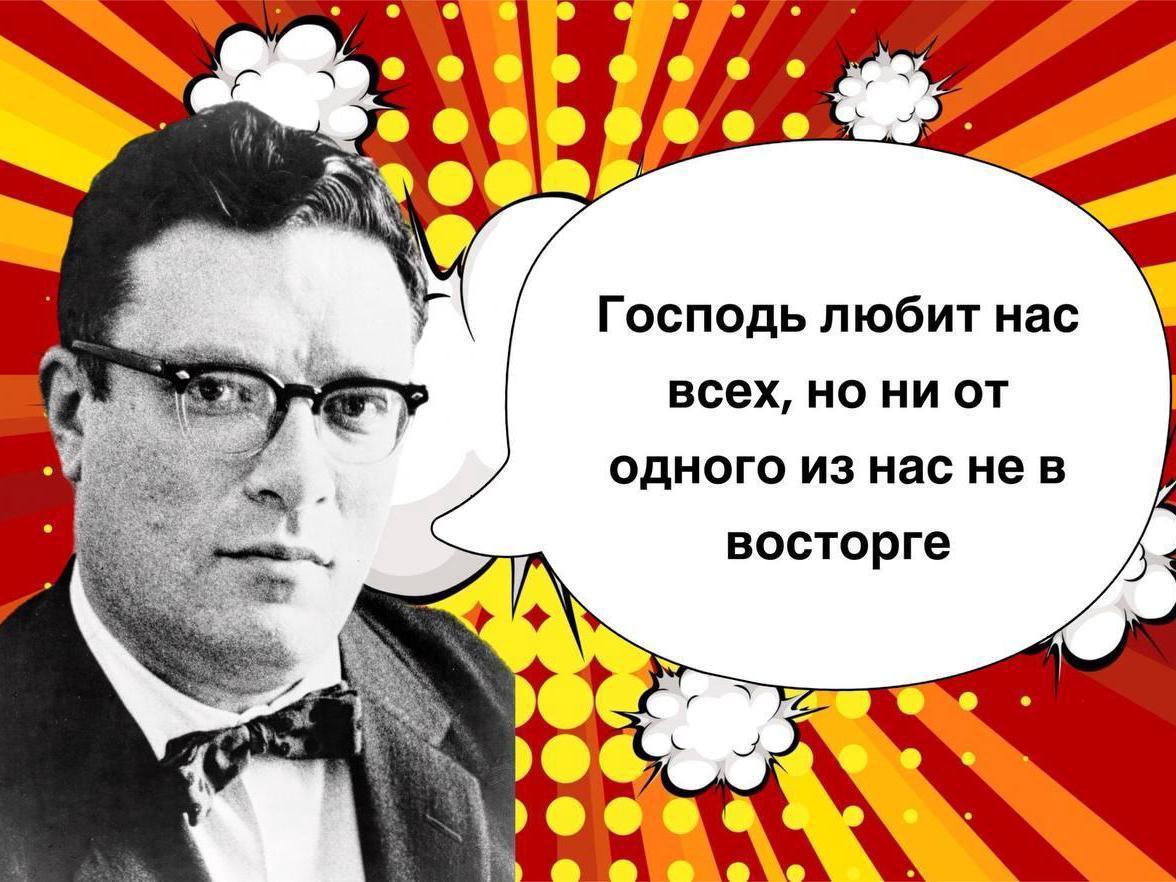
Concluding this selection is Asimov«s peculiar theological joke: »The Lord loves us all, but is not thrilled with any of us.« This phrase combines both skepticism and a kind of indulgence toward human imperfections.
These statements, scattered throughout his books, lectures, and interviews, paint a portrait of a thinker who, while believing in progress and reason, never idealized his main object of study — humanity. His cynicism, devoid of malice, is more like a diagnosis made with love and hope that it will be read and pondered.
Read more