Vasilyeva Comments on the Situation at PNT
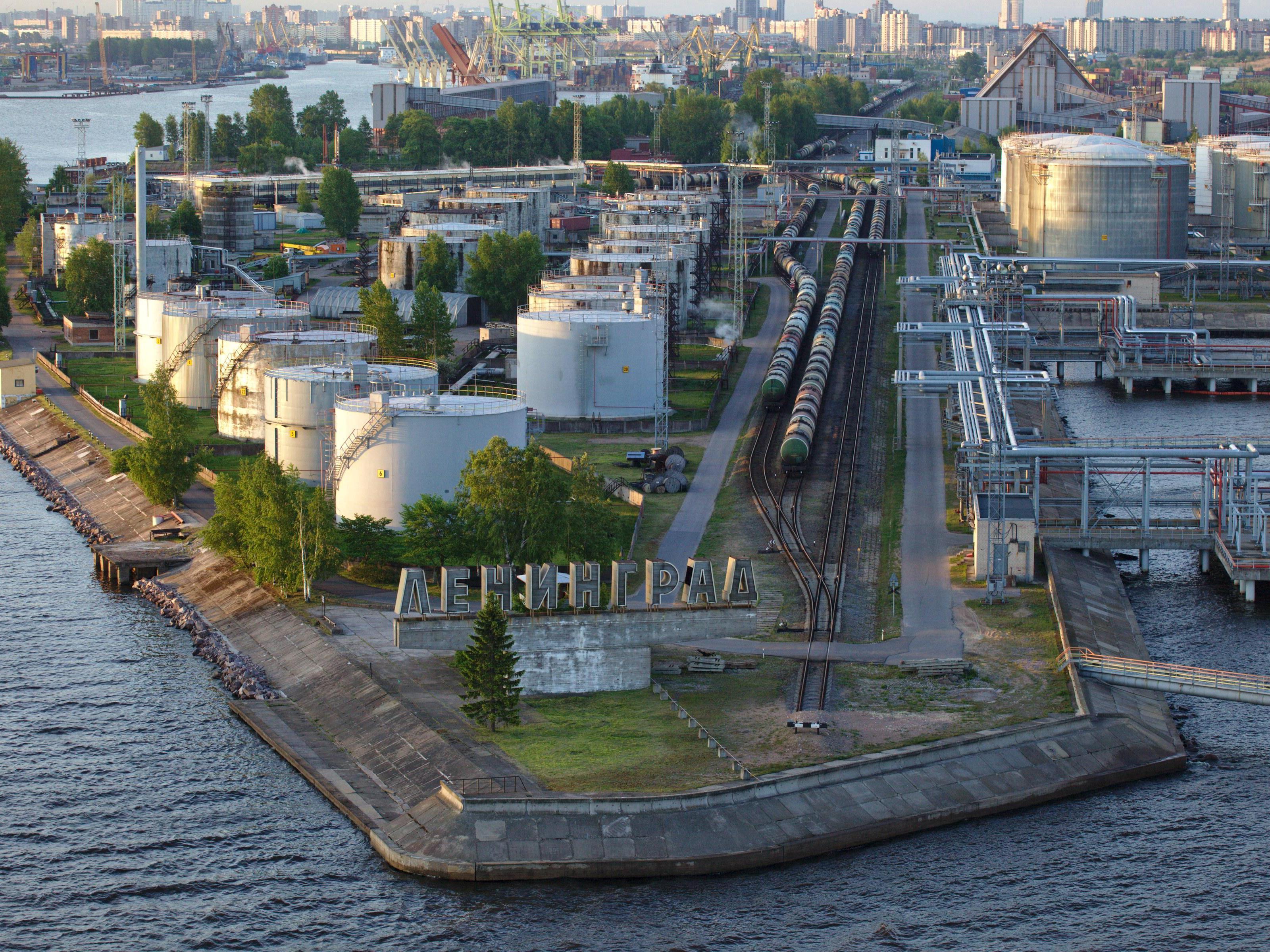

Elena Vasilyeva, the former board chair and a minority shareholder of JSC St. Petersburg Oil Terminal (PNT), detailed the state of affairs at the enterprise after control passed to the state.
In December 2025, the Federal Agency for State Property Management (Rosimushchestvo) appointed a new management team for the terminal. Before that, since the 1990s, the asset had been in the private hands of the Skigin and Vasilyev families. Following a conflict between shareholders and a series of court cases, the Prosecutor General«s Office secured the transfer of the controlling stake to the state, which by the end of 2025 established full control over the company.
Vasilyeva described PNT«s business as classic stevedoring, handling the transshipment of oil products, liquid fertilizers, and vegetable oils for export and the domestic market. For imports, the company, for example, processes palm oil, transferring it from sea to rail transport.
For 2025, the transshipment volume was 5.3 million tons, which is 35% less than last year«s figure. However, the company»s net profit reached 4.9 billion rubles ($79 million at current rates), declining by only 14%. Vasilyeva called this result respectable for a stevedoring business under the current geopolitical conditions.
Addressing questions about the structure, she explained the role of the subsidiary PNT-Service. This operator ensures the loading of the terminal«s capacity, provides forwarding services, wholesale trading of oil products, and bunkering. Its revenue in 2024 was 34 billion rubles. Before its creation, similar functions were performed by an independent company, KTT, which, according to Vasilyeva, the terminal effectively financed: in 2021, loans of 1.078 billion rubles and guarantees of 19.328 billion rubles were provided, and in 2022—additional loans of 5.5 billion rubles. After the contract was terminated, KTT attempted to recover 38 billion rubles in damages from Vasilyeva personally, but the court denied the claim.
The PNT investment program is nearing completion: over 10 billion rubles of the company«s own funds have already been directed towards modernizing the »old part of the terminal.« A loading rack, tank farm, pumping station, and other facilities have been built. The final commissioning is scheduled for the first half of 2026. However, as Vasilyeva noted, further expansion is now in question due to sanctions pressure and the complex political situation.
The key topic of the interview was the conflict over dividend payments. The last time shareholders received payments was in September 2021—750 million rubles. Since then, due to conflicts between shareholders, annual meetings have not been held, and profits have accumulated. As of December 31, 2025, retained earnings on the balance sheet amounted to 27.7 billion rubles, and cash funds to 11 billion rubles. The board of directors on August 11, 2025, recommended paying 8.5 billion rubles in dividends for 2024 and part of the profits from previous years.
Vasilyeva initiated moving the date for determining the list of persons entitled to dividends from September 5 to October 6, 2025. This was done to await the decision of the cassation court on October 2 regarding the exact volume of shares transferred to state revenue. According to her, the goal was transparent—to ensure dividend payments to the state as the owner of 55% of the shares.
However, Rosimushchestvo opposed this, securing interim measures: Vasilyeva«s shares were seized, she was prohibited from voting, and the company was forbidden from paying dividends. Vasilyeva sees no logic in such actions by the state, which typically actively collects dividends from companies with state participation.
She suggested that the real reason may be a third party«s desire to acquire her 45% stake. If dividends are not paid to her and her shares are seized, the new owner could use these funds, including to buy out the state»s share.
Vasilyeva noted that Rosimushchestvo, acting as the sole shareholder, changed the general director, charter, and board of directors in December 2025 without notifying her. This, in her opinion, indicates a disregard for her rights as a co-owner.
In conclusion, she emphasized that the position is simple: PNT is obligated to pay dividends to all shareholders—her (45%) and the state (55%). The decision has been made, the profit and money are available, so, in her opinion, there should be no conflict.