Up to 30% of Rostov Restaurants May Close Amid Crisis
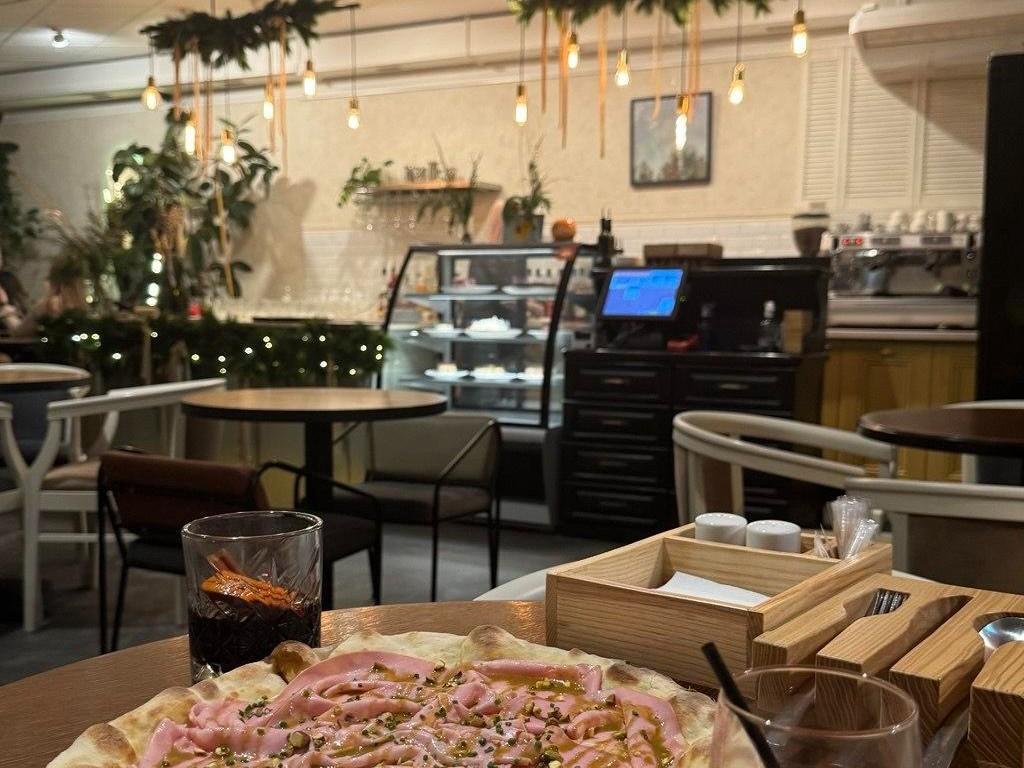

The new year in Rostov-on-Don has begun with the closure of several restaurants. The crisis, new tax policies, and popular federal franchises are gradually squeezing out unique, intimate establishments. 161.RU correspondent Alina Zayarnaya asked restaurateurs and HoReCa market experts about the future of Rostov«s restaurant business and whether to expect mass closures of cafes and bars.
It«s Not Just About Taxes
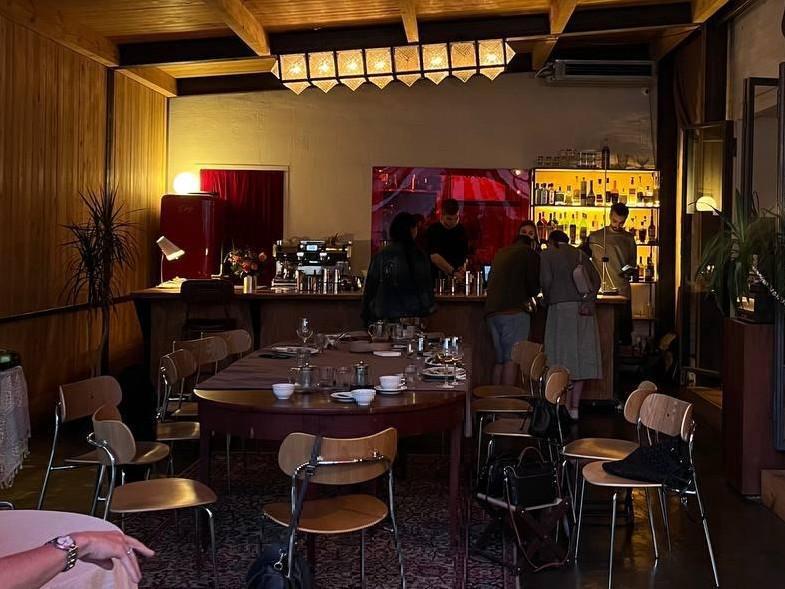
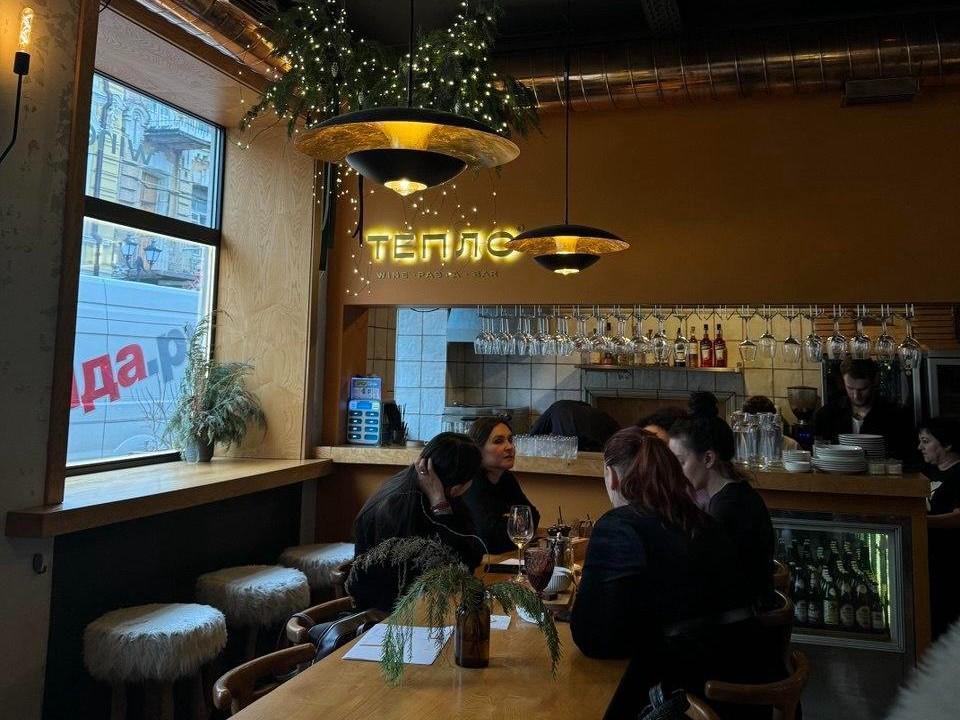
In 2025, several popular restaurant projects in Rostov announced their closure: Age, Ami Osteria, Memories, Leto, Mama Donna, Dhaba, Sababa, and others. In the first days of January this year, the owners of the pasta bar Tepo and the cafe Gorodskaya Dacha spoke about their imminent closure.
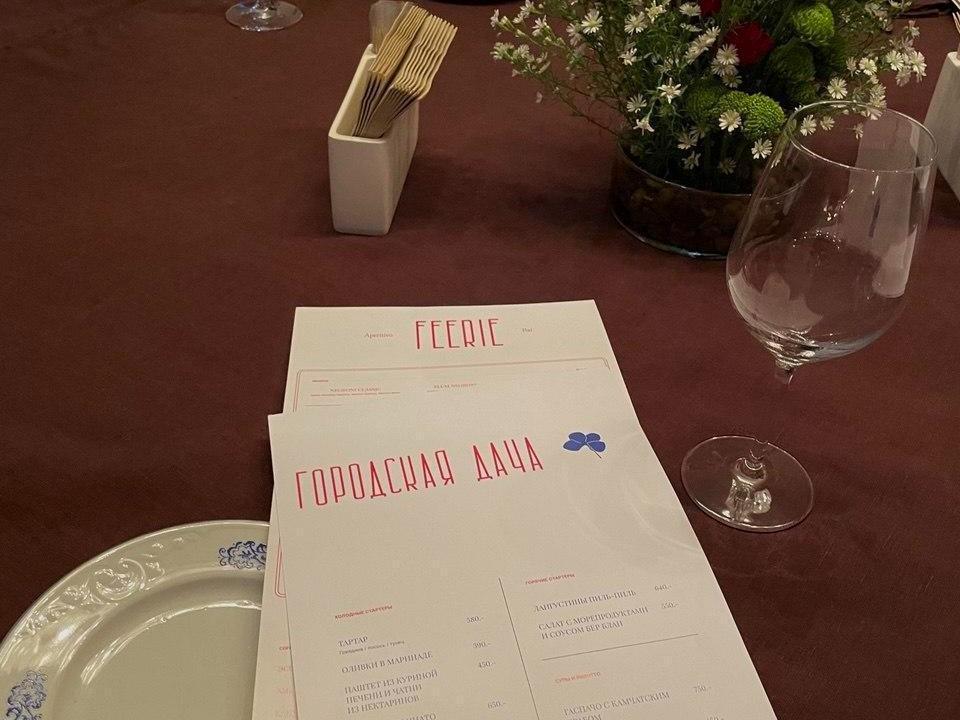
«It»s not just about high taxes, but also the general crisis. Profits are falling for everyone, not just the food service industry. So people are going out to eat at restaurants less,« Ilona Simona Maltseva, co-founder of Gorodskaya Dacha, told 161.RU.
In her opinion, businesses now need to optimize costs, reduce staff numbers, and simplify the format of their establishments.
«We will reopen in a bar format with simpler cuisine to reduce expenses. These decisions need to be made very quickly,» Maltseva believes.
She adds that the crisis mainly affects unique, intimate projects. Mass-market establishments can afford to weather inflation almost painlessly.
The same opinion was expressed in a conversation with 161.RU by restaurateur Anton Vostrikov, owner of the pasta bar Tepo and the already closed Ami Osteria.
«Tepo is an established brand, and this summer it was at its peak. We»ve been operating for six years. In our city, people are very spoiled; we have a high food service culture. So «eternal» restaurants, like Onegin Dacha and Gavrosh, are few, and they have a hard time. Projects of this size, of course, require updates, a change of format,« says Vostrikov.
Business analyst and HoReCa market expert Denis Zavalishin calls the situation with the restaurant business sad. According to him, the reason for closures is not always external factors. Sometimes entrepreneurs choose a losing financial model, sometimes they make mistakes in marketing strategies, and the team can also let them down.
«The change in tax policy has been a catalyst. Enterprises that even before the tax increase had a low level of profitability and are not ready for changes will close. Well, you work from morning till night, but your business brings in an amount that you could earn as an employee. Do you need such a business? Everyone makes a decision for themselves,» says Denis Zavalishin.
He agrees with the thesis that «to survive, a business needs to change.»
«You can»t remain as you were a year or two ago. If the external environment changes and you don«t change, a sad outcome awaits you. <...> If the owner sees the need to fight, believes in the project, sees that it will improve financial results, it is advisable. If he can»t, he«s tired, and the financial results are not good, then he will make a decision and close. This is as normal a decision as any. Sometimes a business closes, it»s a normal, though sad, process,« says Denis Zavalishin.
A Third of Establishments Will Close
According to Maltseva«s forecasts, restaurants in Rostov will face a series of closures. Not all are able to survive the crisis.
«Many have already closed, and many will close. Those with a profit of 10% will definitely close. Taxes have increased by 5%, and working for a 5% profit is impossible. A 5% profit is about 150,000 rubles (about $1,700 at current rates). You»d earn that as an employee. So there will be many closures. I assume that 30% of establishments will close,« the restaurateur believes.
The arrival of large federal franchises in the city also affects the situation of intimate Rostov restaurants. Franchises are freer in pricing policy and have already made a name for themselves to attract customers.
«Rostov still values that personal touch, which is lacking in big projects. People here love small, intimate projects,» believes Ilona Simona Maltseva.
Restaurateur Anton Vostrikov notes that franchises have more funds for marketing and developing different formats.
«The number of people in the city isn»t increasing. These projects don«t bring people with them. When a restaurant with 200 or 300 seats opens, people go there. They go to something new,» Vostrikov reasons.
That small restaurants have a hard time competing with franchises is confirmed by business analyst Denis Zavalishin.
«Every time a new interesting establishment opens on the regional market, it draws attention away from all others. When you launch with a federal franchise, you have a proven effective business model that has shown itself on the competitive Moscow market. So, in this franchise, everything is fine-tuned, there is a good product and a strong team. Of course, it»s difficult to compete with such restaurants,« says Denis Zavalishin.
He gives an example. Small businesses can afford investments in a project from 10 to 25 million rubles (about $110,000 to $280,000 at current rates). Federal franchises, however, can have investments of tens or even hundreds of millions of rubles.
«There are large budgets for marketing, a top team and chef, streamlined logistics and processes, high-level service and product. And with such franchises, of course, it»s hard to fight. But it«s possible. After all, there are restaurants on the Rostov market that cannot be replicated,» the expert is sure.
Need to Find Other Paths
Business analyst Denis Zavalishin believes that the expansion of franchises will affect the closure of local intimate restaurants and cafes.
«Entrepreneurs who want to open a restaurant today have two paths. The first path is to do everything themselves, but the risks are very high. It»s easy to lose money. The second path is to buy a franchise. Yes, it«s an expensive pleasure, but the result is more predictable, even guaranteed to some extent. Today, to withstand competition with federal brands, you need to be more flexible, faster, authentic, interesting, financially literate, and capable of change,» says Denis Zavalishin.
Ilona Simona Maltseva believes that now visitors prioritize entertainment; «just to eat» is no longer interesting.
«We need to find other ways so that people are interested in coming and doing something besides eating and drinking. We need to focus on people»s leisure,« the restaurateur is sure.
Restaurateur Anton Vostrikov also hasn«t lost optimism.
«We accept the rules of the game that are now dictated by the economy and the emergence of large federal franchises. We certainly won»t betray ourselves. And the guests who love us, respect our taste, and trust our competencies in the restaurant sphere will always be there,« says the creator of Tepo and Ami Osteria.