From Bread to Fuel: What Tyumen's Factories Produce


Most Tyumen factories that appeared in Soviet times vanished into oblivion in the 90s. However, there are industrial enterprises of this kind even now. Their specializations vary, as do their working approaches and conditions. They produce what each of us needs daily: soap, medicines, food, and much more. Let«s take a look.
Medicines
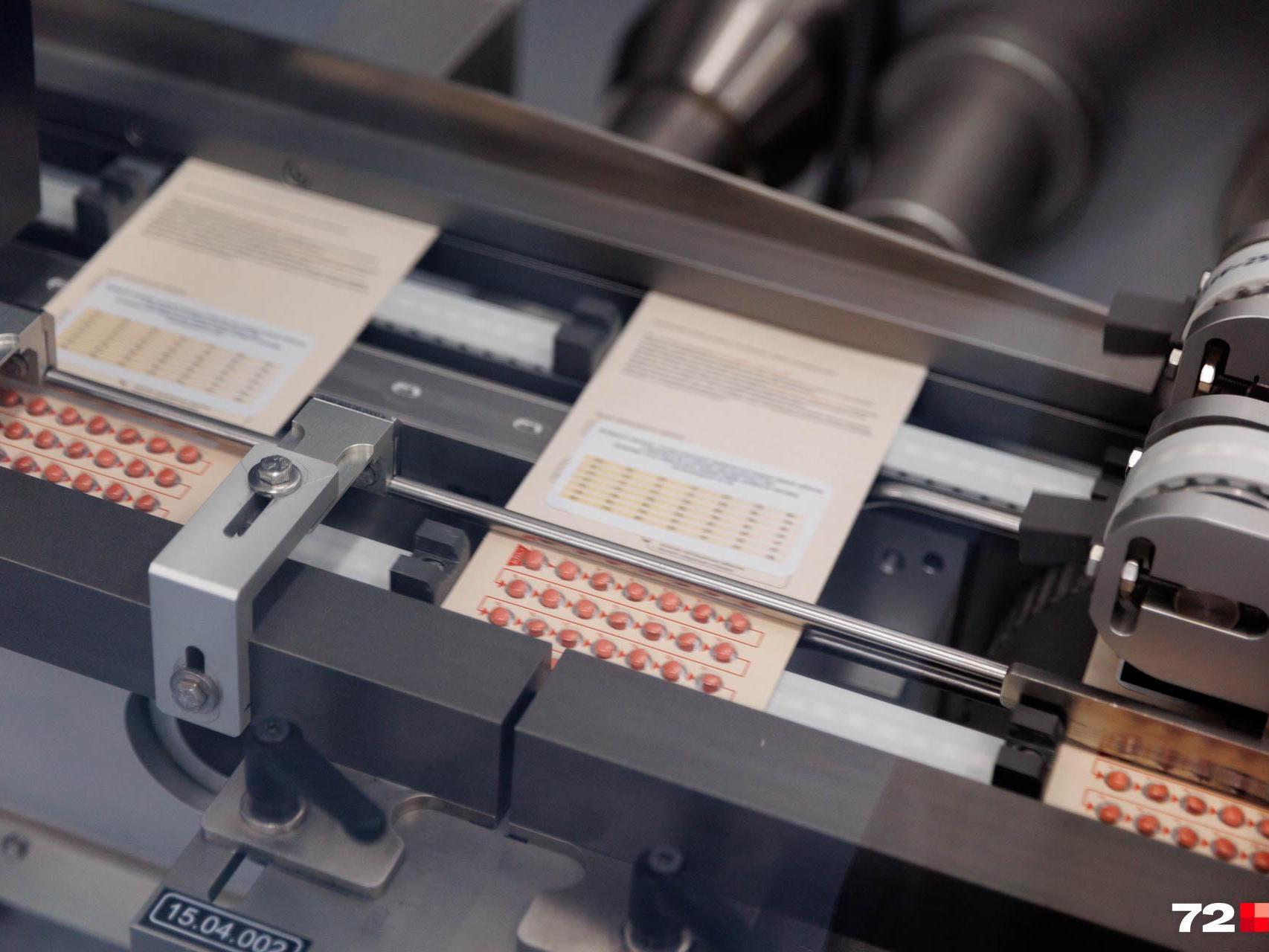
The «Farmasintez-Tyumen» plant appeared in 2016. The first were two workshops for drug manufacturing: one started making infusion solutions, the other — tablets.
Now the plant is divided into two separate production sites: non-hormonal and hormonal medicines. About how they are produced and how the work of this enterprise is organized — in our extensive report.
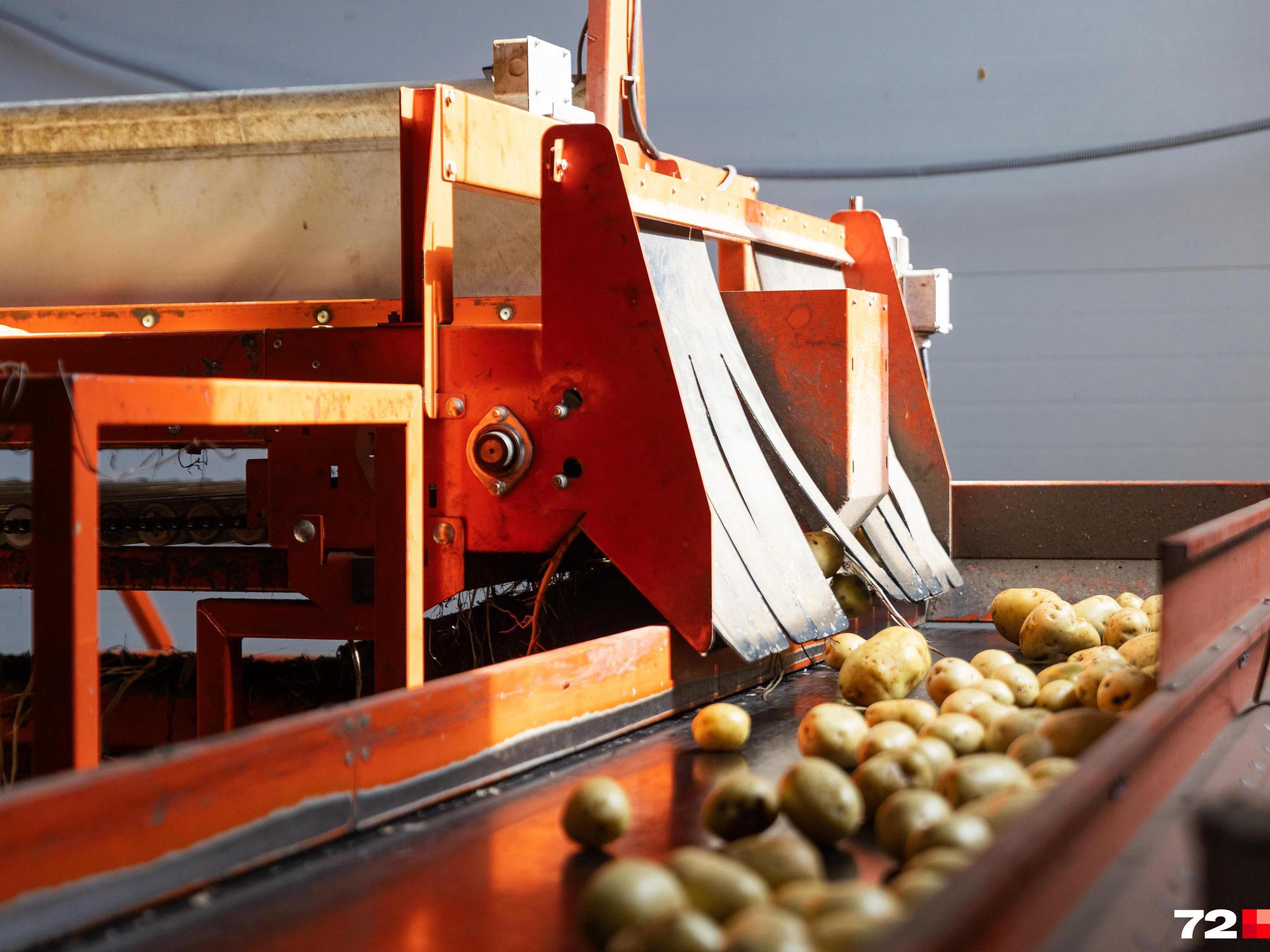
Potatoes and More
The agricultural firm «KRiMM» appeared back in 1999, founded on the basis of a small farm «Niva». The name — is a combination of the capital letters of the founders« surnames: Yuri Krivoruchkin, Gennady Ryazanov, Alexander Medvedev, and Gennady Muromtsev. Two of them (Krivoruchkin and Muromtsev) have already left the company.
Now «KRiMM» is a large agricultural enterprise that grows potatoes, grains, rapeseed, cabbage, beets, carrots, and salads. Why potatoes are getting more expensive, what a «cushion» for restaurants is — we found out and tell you about it.
Cucumbers and Tomatoes
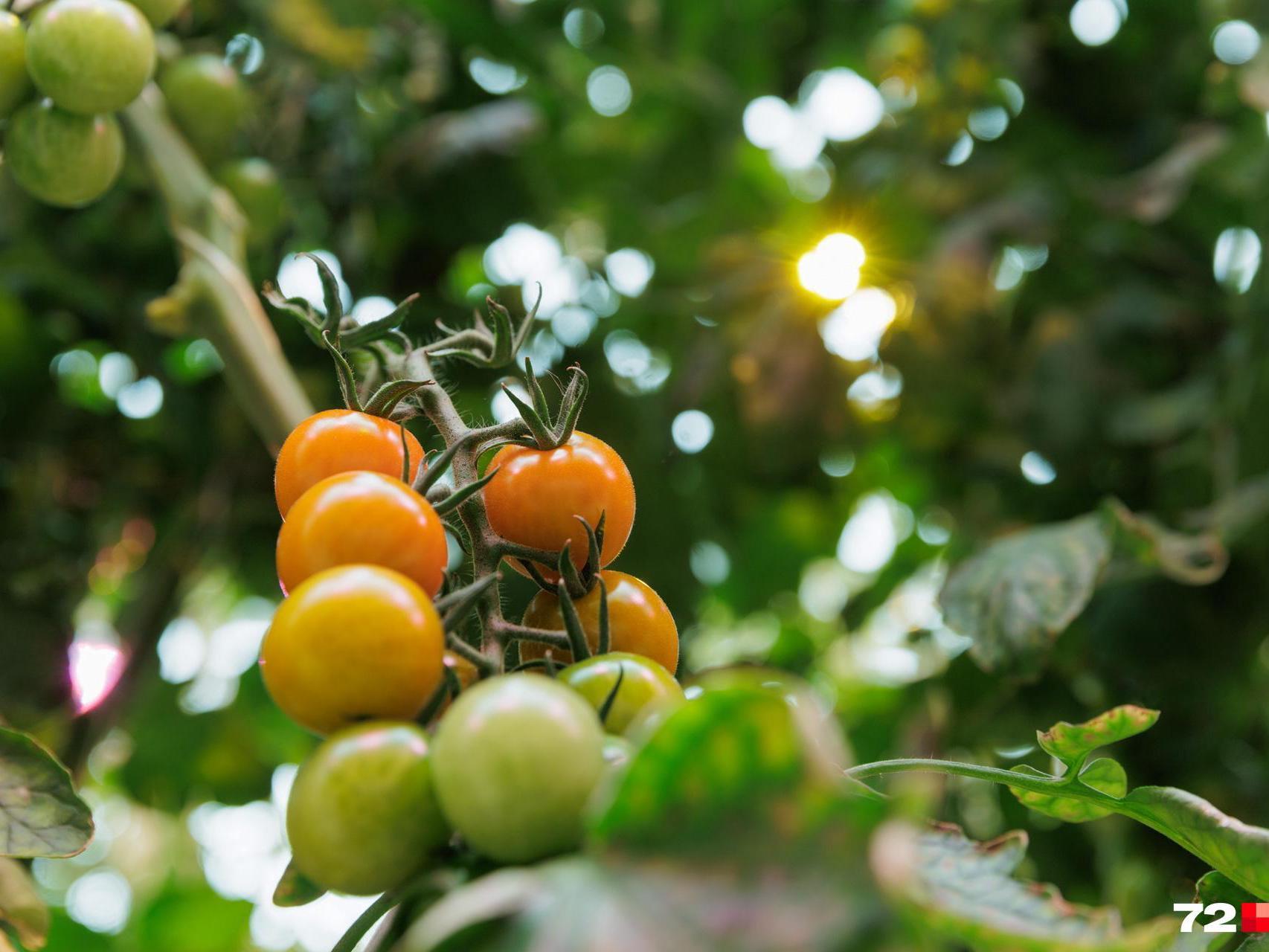
An hour«s drive from Tyumen is the village of Narimanova: it is there on an area of 50+ hectares that 19 giant greenhouses are located, which glow day and night so that they are visible from space. Yes, this is the »TyumenAgro« greenhouse complex, which appeared in 2013.
In the greenhouse, you can regulate temperature, lighting, watering, humidity, and even the level of carbon dioxide, which creates ideal conditions for growth. The result: harvest (cucumbers and tomatoes) is gathered here daily all year round. What other secrets there are, we already know. Find out for yourself.
Bread, Buns, and Cookies
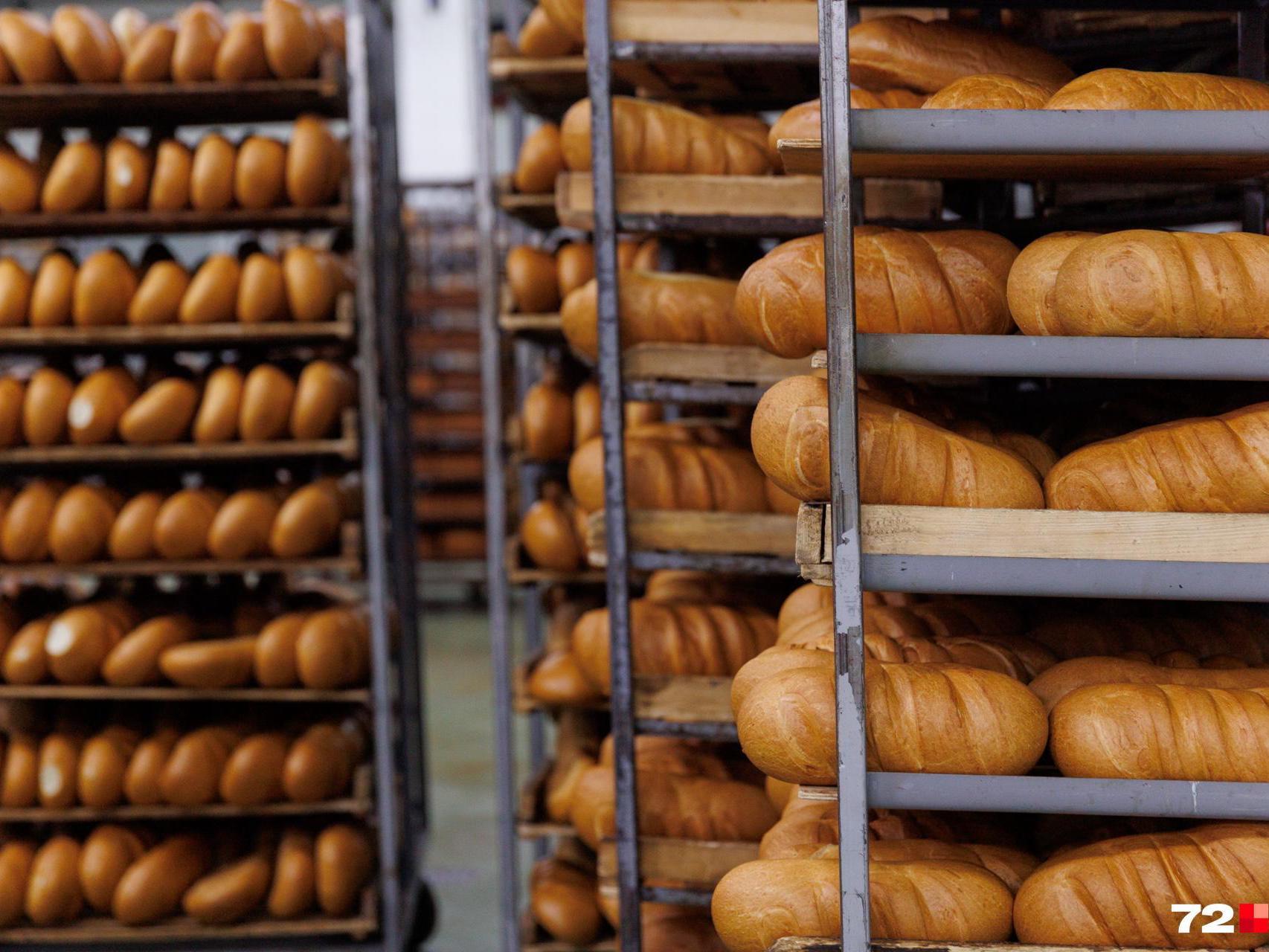
The «Absolut» bread plant has been operating since 2012. Here they make bread for their own: only Tyumen and the surrounding area within an 80-kilometer radius. Everything is without preservatives, according to classic recipes, with a short shelf life.
A separate pride of production — puff pastry, made using a special technology. Also in the assortment — treats for tea. What«s going on in the workshops, where outsiders are strictly prohibited from entering? We show in an exclusive report.
Fuel
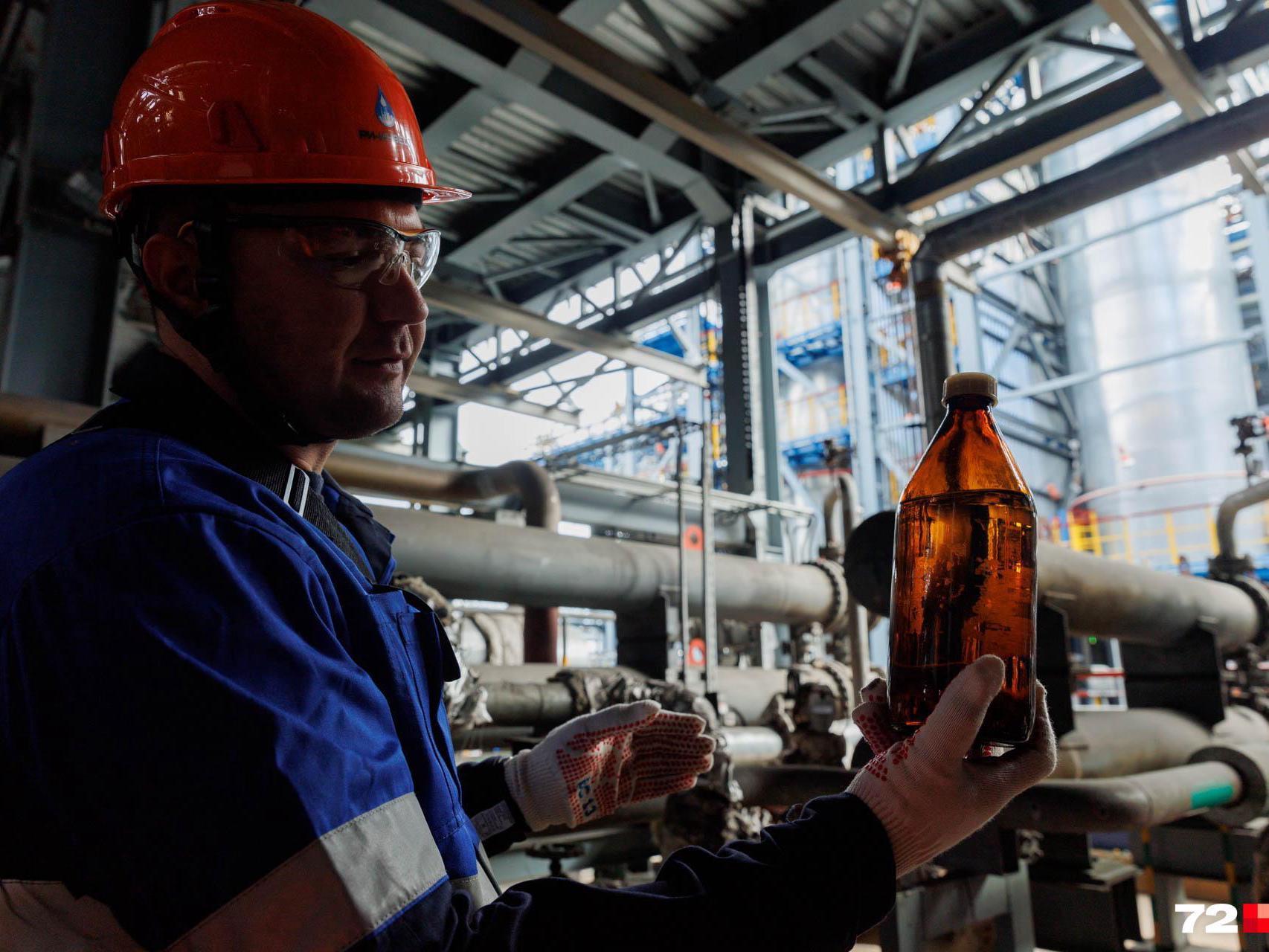
The Tyumen oil refinery, previously known as the Antipinsky refinery, is the largest plant in Russia that produces gasoline, diesel, and other products from oil. Created with private investments, the plant launched just two years after construction began in 2004. It took a long 14 years to reach the current scale of production.
In May 2021, the owner of TNPZ became the company «Rusinvest», later renamed «Ri-Invest», with Anatoly Yablonsky at the head. How fuel is made in Tyumen in multi-million volumes, which you drive on, we invite you to see right now.
Glass Containers
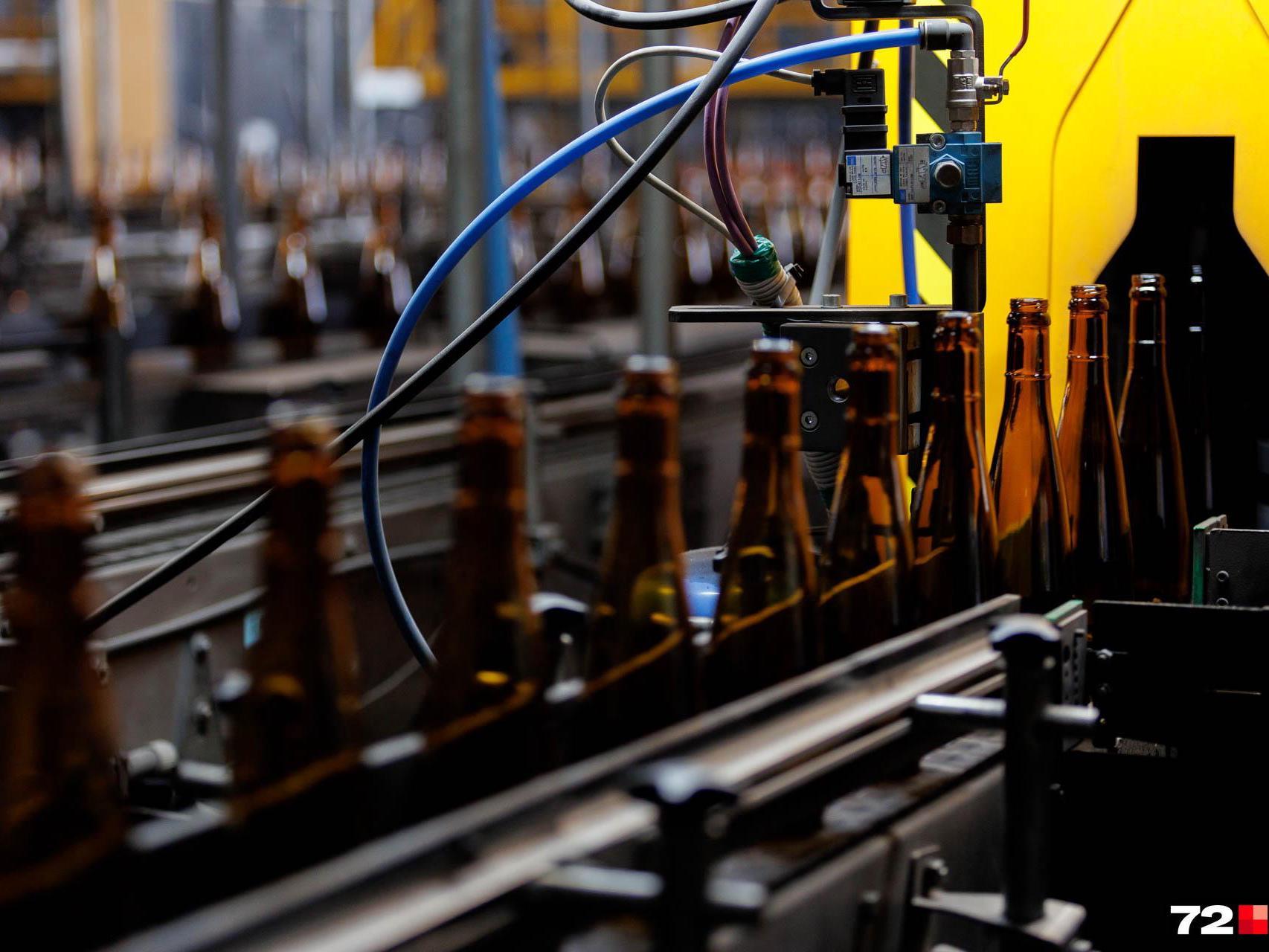
The «Steklotekh» plant in the village of Bogandinsky near Tyumen — is the only glass container enterprise in the Urals Federal District. It appeared in 2007, and now here they manufacture (just imagine) 700 bottles per minute. Quality control here is total: this is monitored in the plant«s laboratory. There, they also prepare formulas for the proportions of raw materials.
One of the main parts of the raw materials — is sand, which is delivered directly from a quarry near Zavodoukovsk. This place, due to its white sand and azure water, is often called Tyumen«s Maldives. How exactly sand is turned into glass containers — see here, it»s interesting.
Construction Materials
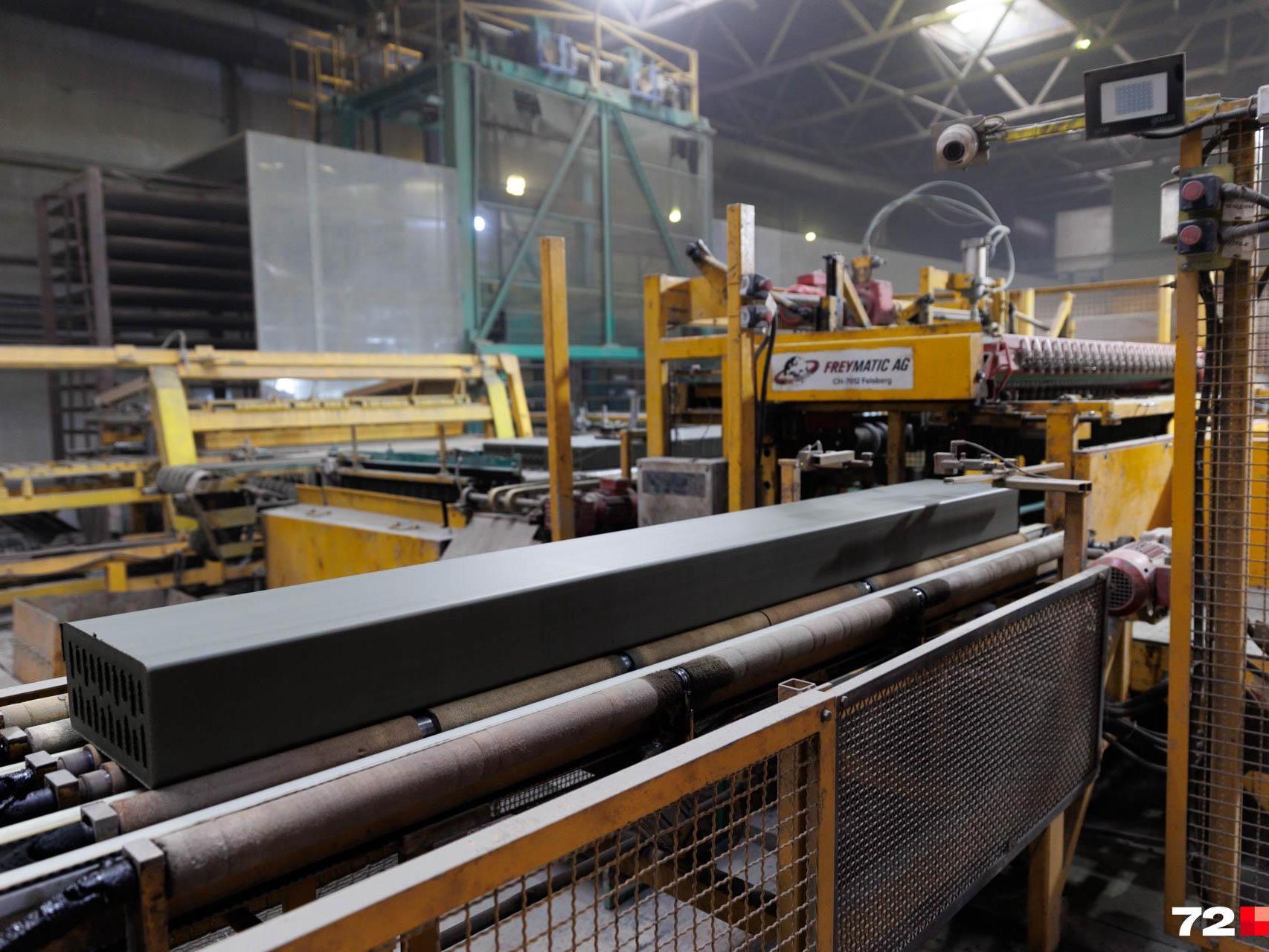
The «Vinser» construction materials plant — is a clear example of how an enterprise from the Soviet past can be adapted to the needs of the modern market. And now the plant, which produced since 1988 ordinary bricks, became a leading manufacturer of facing construction materials.
From the first day of this winter, the plant suspended operations, which its representatives explain by seasonality. About where the raw materials come from and how they turn into bricks and decorative tiles used for trendy new buildings — we told you here.
Vodka
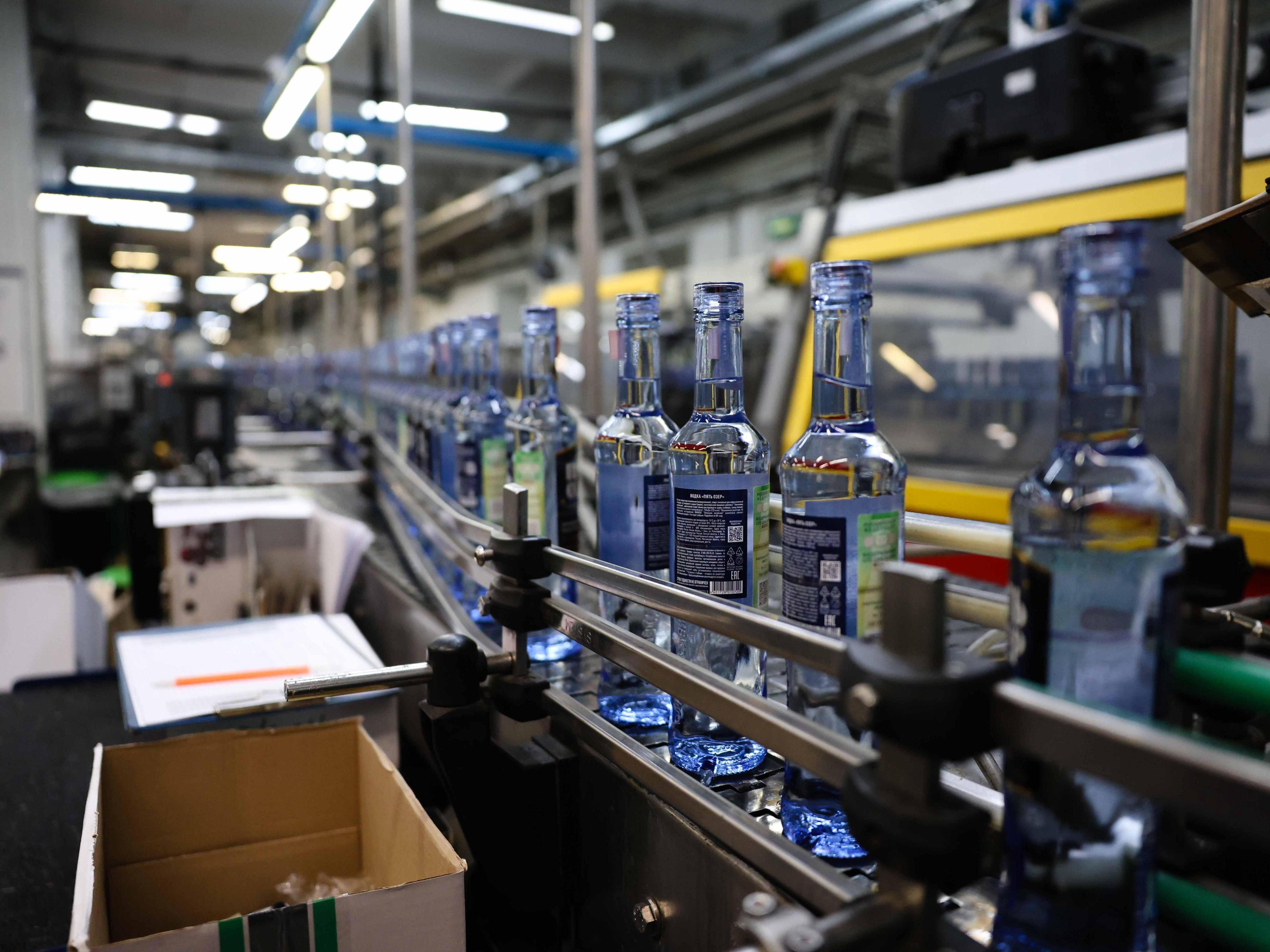
Now the «Benat» plant — is the largest producer of strong alcohol in the Urals Federal District. It appeared several decades ago, in 1991, becoming the successor to the Tyumen branch of the Omsk wine plant.
The story with the name turned out amusing: «Benat» = «BEzalcoholic» + «NApitki» + «Tyumeni». This summer, local authorities, as planned, put the plant up for sale — for 455.9 million rubles (approximately $4.6 million at current rates). However, it was not sold on the first attempt and with a large discount: for 45.6 million rubles (about $456,000 at current rates). How much money the plant brings in and who owns it now — in this analysis on the topic.
Engines
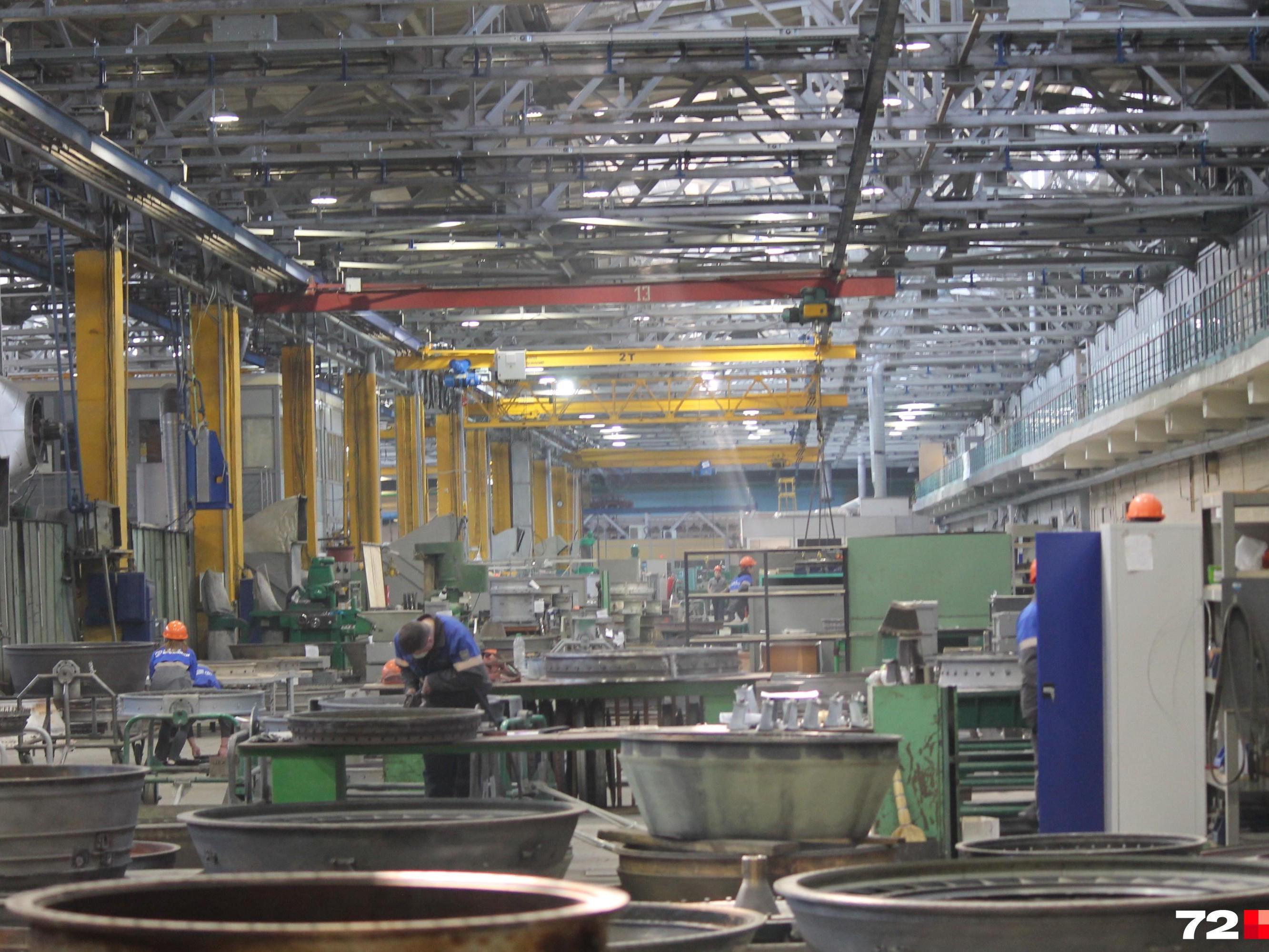
Appearing in 1963, the «Tyumen Motor Builders» plant specialized in producing engines for An-24, An-26, An-30 aircraft. Components for military MiG-29 and Su-24 and rocket engines were made here.
In the 1990s, the plant began repairing ship engines, and relatively recently, the enterprise, becoming part of the company «Gazprom Energokholding Industrial Assets», switched to repairing engines for the needs of the oil and gas sector and its own production of parts for them. How everything is arranged here — shown in this photo report.
Milk, Sour Cream, Butter
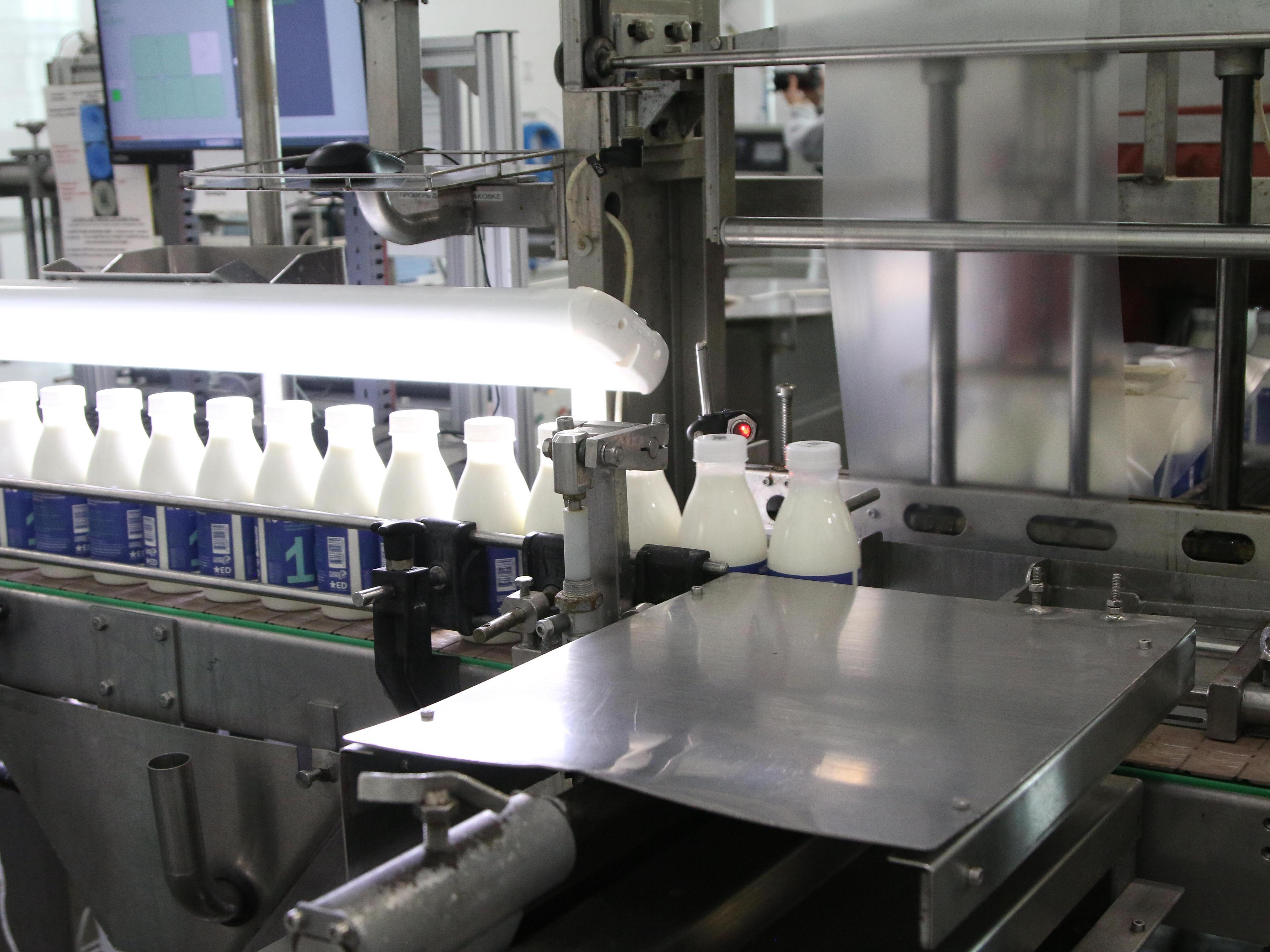
The local holding ARSIB has several productions at once: the «Yalutorovsky» meat processing plant and two dairy plants — in Nizhnyaya Tavda and Tyumen. The latter belongs to the company LLC «Tyumenmilk», registered in 2008. They produce butter, cottage cheese, kefir, sour cream, milk under the brand «Pershino» — you know it.
Daily, the plant processes 200+ tons of raw milk, most of which is produced on its own farms. The enterprise sells its products in its native Tyumen region, as well as beyond: in Sverdlovsk, Kurgan, Chelyabinsk regions, Omsk, Khanty-Mansi Autonomous Okrug, and Yamalo-Nenets Autonomous Okrug.
At the end of this summer, it became known about the closure of the «Sveza» plywood plant: more than 300 of its employees were laid off. Its last days are probably being lived out by the local bread plant: recently it was put up for sale for 800 million rubles (approximately $8 million at current rates).
About enterprises that disappeared forever much earlier, we told in the section «Residential Complexes in Place of Industrial Zones». Among them:
machine-tool plant;
sheepskin and fur factory;
wool and cloth combine;
shipbuilding plant;
ATE plant;
«Stroymash» plant;
plastics plant;
medical equipment plant;
net-knitting factory.