Strict Rules and Fines for Dog Owners in Russia
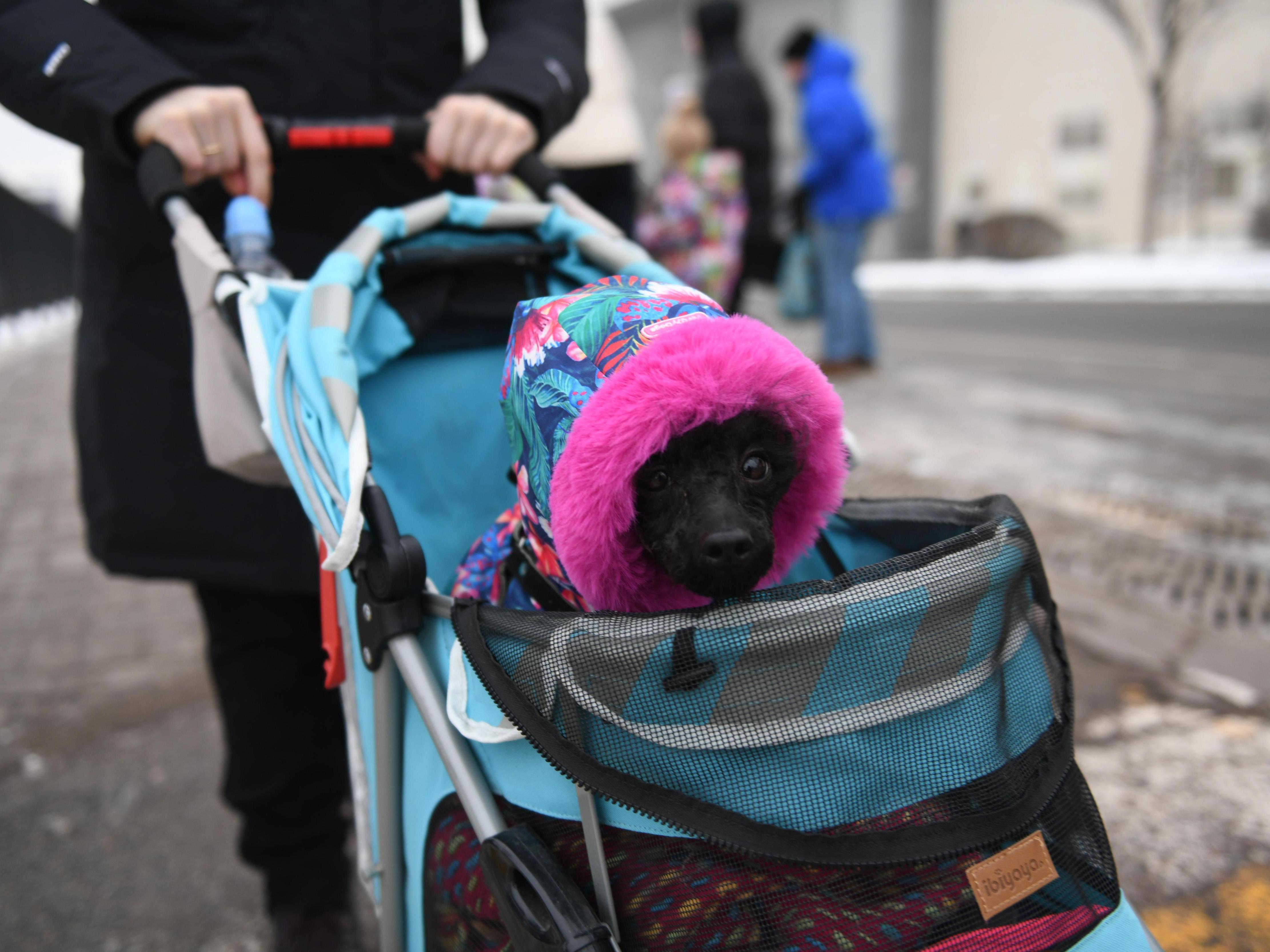

Dog owners in Russia are subject to strict rules, with serious fines for violations. In 2026, legislation continues to change: safety requirements are being tightened, and penalties may become harsher. Here’s what every responsible owner needs to know.
Current Regulations
Since December 11, 2024, unified federal fines have been in effect in Russia for violations of pet keeping and walking rules under Article 8.52 of the Code of Administrative Offences.
The main rules that every owner must comply with:
Leash and Muzzle. All dogs in public places must be on a leash. For potentially dangerous breeds (e.g., pit bull mastiff, bulldog), a muzzle is additionally mandatory, except on the owner«s fenced property.
Designated Areas. Walking is permitted only in designated areas. Free-roaming (moving freely without the owner) is prohibited.
Clean-up. The owner is obliged to clean up after their dog.
Prohibited Zones. It is forbidden to walk dogs on children»s and sports grounds, hospital territories, schools, and kindergartens.
Current federal fines:
for violation of general rules (lack of leash, walking in an unauthorized place): for citizens — 1500–3000 rubles ($15–$30 at current rates);
if the violation caused harm to health or property (e.g., a bite): for citizens — 10,000–30,000 rubles ($100–$300 at current rates).
Important: regions can set their own, higher fines. For example, in St. Petersburg walking a dangerous dog without a muzzle can result in a fine of 3000–5000 rubles ($30–$50 at current rates).
The fine does not cancel civil liability. The owner whose dog caused harm is obliged to fully compensate the victim for treatment, property repair, and moral damage.
Planned Changes
Currently, the State Duma is considering initiatives aimed at further tightening responsibility. The key change is a bill that proposes a multiple increase in administrative fines for violations that caused harm to health or property.
New proposed fines:
for citizens: from 25,000 to 50,000 rubles ($250–$500 at current rates);
for officials: from 50,000 to 100,000 rubles ($500–$1,000 at current rates);
for legal entities: from 200,000 to 500,000 rubles ($2,000–$5,000 at current rates).
Another bill proposes the introduction of mandatory free registration of dogs and cats in the state veterinary system. Methods of marking could include, for example, a microchip or collar with a number. This is necessary to create a unified database for identifying animals and their owners, which will simplify control and search in case of violations.
Unfortunately, dogs can bring not only joy to their owner but also inconvenience to neighbors. Here’s what to do if someone else«s dog is constantly making noise, defecating, and biting.