Missing Tourist Found: Ice Floating Under Scrutiny After Tragedy

In the Murmansk region, the active phase of the search operation for missing Belarusian tourist Vera Kurlyandchik has ended. The woman had been missing since early January, but the search yielded no results. The tragedy beyond the Arctic Circle has become not only a personal drama for one family but also a catalyst for a serious discussion about safety, organizer responsibility, and the lack of clear rules in the new tourism industry. Details are in a report from our colleagues at 51.RU.
What Happened
Rescuers and volunteers searched for Vera Kurlyandchik, a 57-year-old tourist from Belarus, for over a week. They examined dozens of kilometers of shoreline and the riverbed, covering section after section. The emergency occurred on the Tuloma River — one of the most dangerous rivers in the Murmansk region.
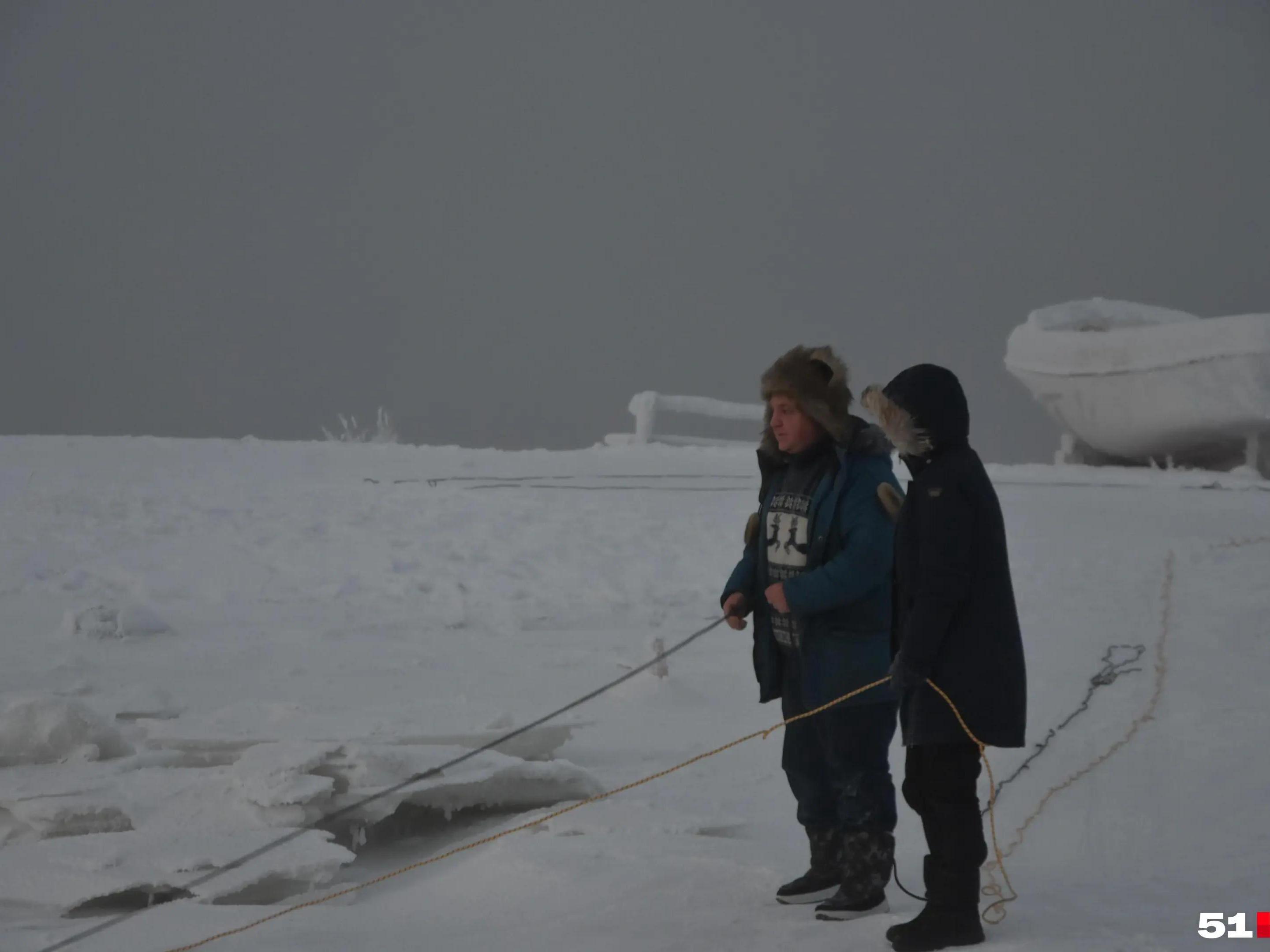
The Tuloma is known for its strong underwater currents and for not freezing even in temperatures as low as minus 30 degrees Celsius (–22°F). It was here that Vera participated in ice floating, during which she was swept away by the current. The harsh northern conditions — severe frost and the polar night — complicated the search. Despite the scale of the operation, the tourist has not yet been found.
A Pretty Picture and Hidden Risks
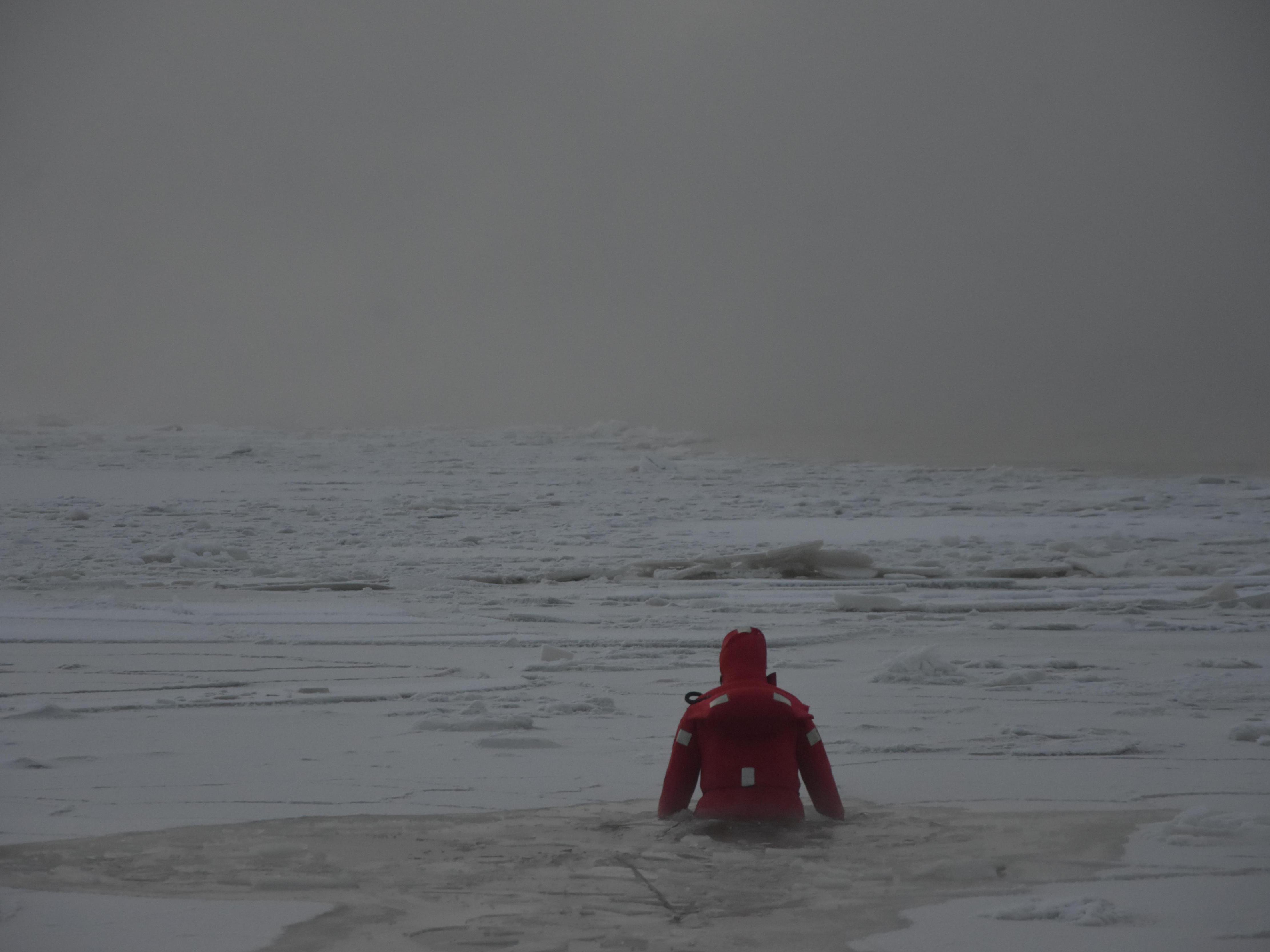
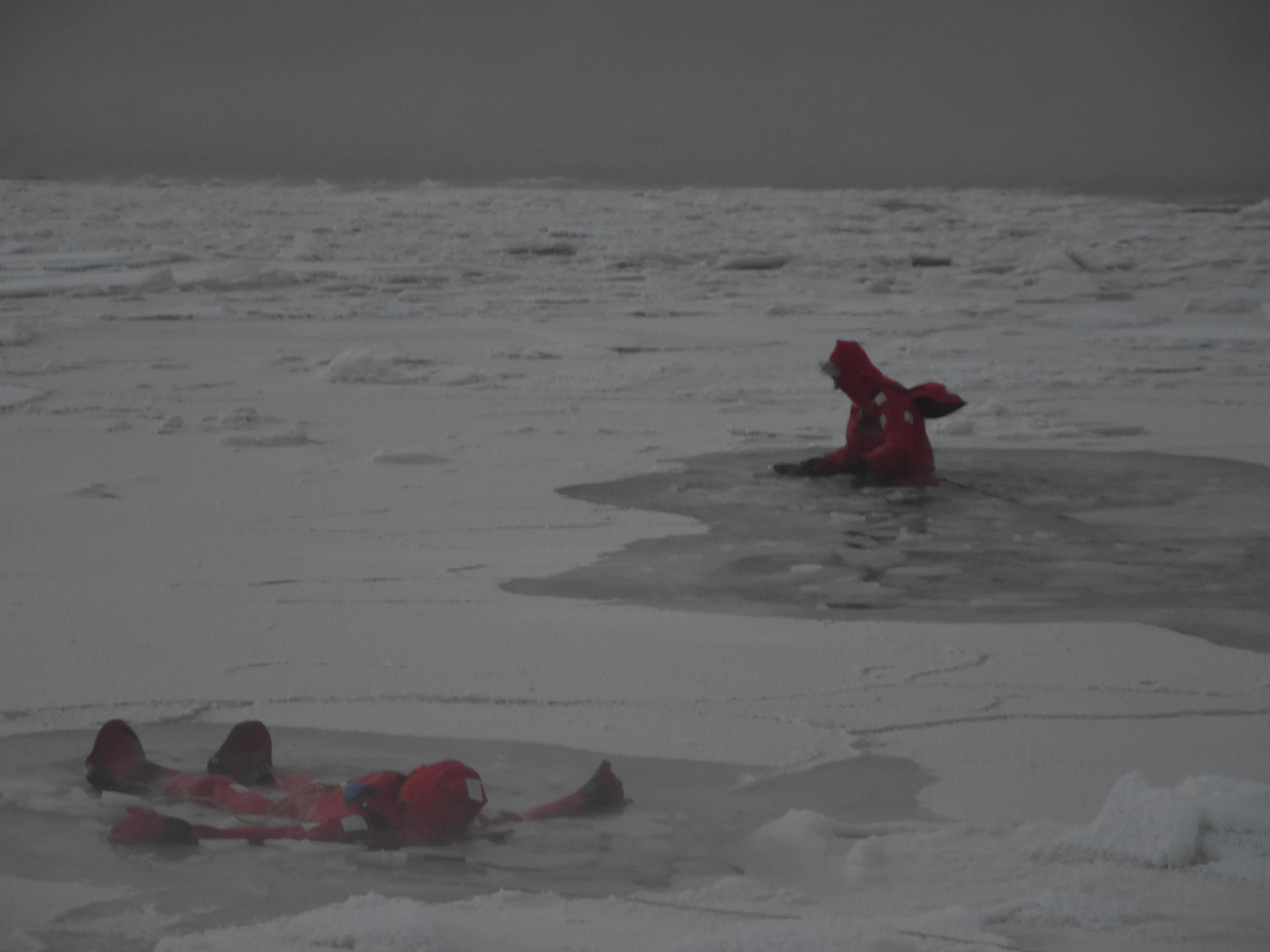
Ice floating — or «ice-floating» — is a relatively new form of entertainment in Russia, having arrived from Scandinavia. It is often presented as a safe and even relaxing leisure format: participants lie on the water«s surface among ice floes in special sealed suits, observing the sky and northern nature.
However, the tragedy on the Tuloma showed that behind the spectacular images and social media popularity, negligence and disregard for basic safety rules are often hidden.
The extreme tour was found through a popular classifieds website. The cost was 4,000 rubles ($50 at current rates) per person, payable in cash. Tourists were not given receipts or service contracts. No safety briefing was provided: the guide immediately suggested putting on the gear and heading to the swimming spot. This was reported by the outlet REN TV.
A Swim Without a Lifeline
The tourists were taken to Pervomaysky Beach in Murmansk. There were no rescue posts or marker buoys in the water area. During the activity, participants lie on their backs, floating among ice floes. It is extremely difficult to get out of the water on your own in such a suit.
A group of five or more people was watched by only one instructor, who was in the water. Experts emphasize that in an emergency, this may not be enough.
The chairman of the All-Russian Fleet Support Movement, Vladimir Maltsev, told REN TV that to conduct such events, it is necessary to study the water area in advance and ensure a full-fledged safety system. Without preparation, instructors physically cannot quickly help a person in the water.
Criminal Case
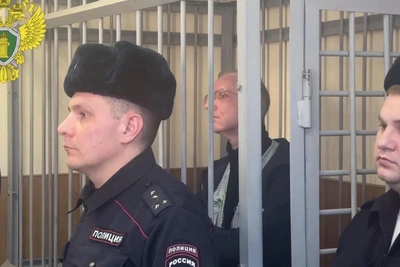
Guide Andrey Spiridonov, who released the tourists into the Tuloma River, has become a suspect in a criminal case. Journalists from 51.RU contacted him by phone, but he declined any comment.
On the website uslugi.yandex.ru, you can find advertisements for Andrey Spiridonov«s services. The description claims he is an experienced, certified guide with ten years of work experience.
The investigation established that the wetsuits he offered tourists had not undergone mandatory annual inspection. Their use was prohibited.
What is Known About Vera Kurlyandchik
According to REN TV, Vera Kurlyandchik was 57 years old. In Belarus, she worked as a nurse in a hospital. She is survived by two adult daughters. According to relatives and colleagues, Vera traveled a lot, skied, hiked, and loved active leisure.
«Vera Vladimirovna was the kind of person who was fully aware of her actions and deeds,» colleague Olga Alferovich noted. Vera«s sister Tatyana adds: «I think the organization of this entire tourist event was absolutely appalling, it»s simply horrible. The instructor didn«t enter the water, there was no rescue boat, not even ordinary ropes.»
No License — No Rules
Today, no license is required to organize ice floating in Russia. Most often, the organizers are guides who have completed only basic training courses. At the same time, there are no unified federal safety standards for this type of leisure activity.
After the tragedy in the Murmansk region, the local authorities began working on measures to improve ice floating safety. On the initiative of the Ministry of Tourism and Entrepreneurship, an interdepartmental meeting was held with representatives of the regional government, the Ministry of Emergency Situations (EMERCOM), transport police, municipalities, the tourism community, and companies working with this format.
The regional authorities hope that the developed measures will help preserve the tourist appeal of the Murmansk region and reduce possible risks for extreme leisure enthusiasts.
Where is the Line Between Format and Risk
Ice floating in the Murmansk region exists in different formats, and there is a fundamental difference between them.
Operators work in the region, offering structured programs with briefing, control, and supervision. One well-known example is Arctic Safari, which organizes group ice floating in the Kola Bay. The program includes a briefing, changing into a sealed suit, swimming under instructor supervision, and hot tea after exiting the water. The total duration is about 2 hours, the cost is on average from 4,900 to 5,500 rubles (approx. $60–$70). This format is often chosen by tourists who want a vivid experience without complex logistics.
There are also short urban formats — ice floating near the Murmansk shoreline. These are quick immersions without an excursion component, but with equipment and instructor supervision; price — 4,000 rubles ($50). Such options are often chosen by those who want to try the format within the city limits.
In addition, seasonal custom tours appear on travel aggregators. They usually involve swimming near an equipped section of the shore, instructor supervision, and staying in the water for 30 to 60 minutes. The cost of such programs is about 4,000 rubles ($50) per person.
A separate direction — projects specializing specifically in ice floating. For example, Ice Float Teriberka offers swimming in the Barents Sea in sealed suits for about an hour, costing from 4,000 rubles ($50).
«It«s a Thrill, Not Fear»
Anna Pavlova, a district representative for the Northwestern Federal District of the Rosmolodezh (Russian Youth) young entrepreneurs community, shared her experience with safe ice floating. She tried this format twice in Murmansk, at Pribrezhka, in a shallow water zone.
According to her, the participants were in sealed rescue suits used on ships, and everyone was tethered to the shore with safety ropes. An instructor in a special suit was constantly in the water, monitoring the time and condition of the group. Anna vividly describes her sensations:
Key safety factors, she said, were precisely the safety lines, proximity to the shore, and constant supervision by instructors.
«Everyone Thinks They«ll Be Swept Out to Sea»
Tikhon Nikolaev, a rescue training manager and former Russian Navy officer, explained why safe Arctic relaxation is now under threat of disappearing.
«Of course, demand has changed. Of course, there are more questions. And there are fewer people willing to try it. Now everyone thinks they«ll be swept out to sea,» says Tikhon.
According to him, ice floating was previously actively included in tourist programs as a format of unusual relaxation. However, after the tragedy, tour firms began to drop this activity one after another.
Teriberka Scenario: Easier to Exclude Than to Explain
Tikhon compares the situation with ice floating to trips to Teriberka (a coastal village), which tour companies are increasingly removing from programs due to constant road closures.
«Even with a little wind, the road is closed, often without warning. Tourists are unhappy, plans are ruined, and the tour company ends up being blamed. So many simply exclude Teriberka to avoid scandals. The same thing is now happening with ice floating,» notes our interlocutor.
In the instructor«s opinion, it is unknown how long it will take for tourist trust to be restored.
«What, You Don«t Know People Get Swept Away?»
To attract tourists again, Tikhon believes it will be necessary to advertise the service as a safe way to relax, but in the current situation, this is difficult. Even posting photos of happy clients attracts negative comments.
«What, you don«t know people get swept away? Are you deliberately trying to kill people there?» the instructor cites people»s comments.
Tikhon added that locals in Murmansk may have wanted to try ice floating before but have now become more cautious. Among tourists, however, there remain those who are completely unaware of the tragedy.
«Now the Kola Bay is almost completely frozen over where we swim, there«s ice everywhere all around. So, we break the ice, and people are already lying in the ice and enjoying themselves, feeling warm and good there, enjoying this relaxation effect in Arctic waters.»
Safety is the Top Priority
All instructors work together, stay in the water in wetsuits, and watch over the tourists. Our interlocutor noted that unscrupulous providers have appeared who offer a low price but ignore safety measures, simply changing tourists« clothes and sending them into the water.
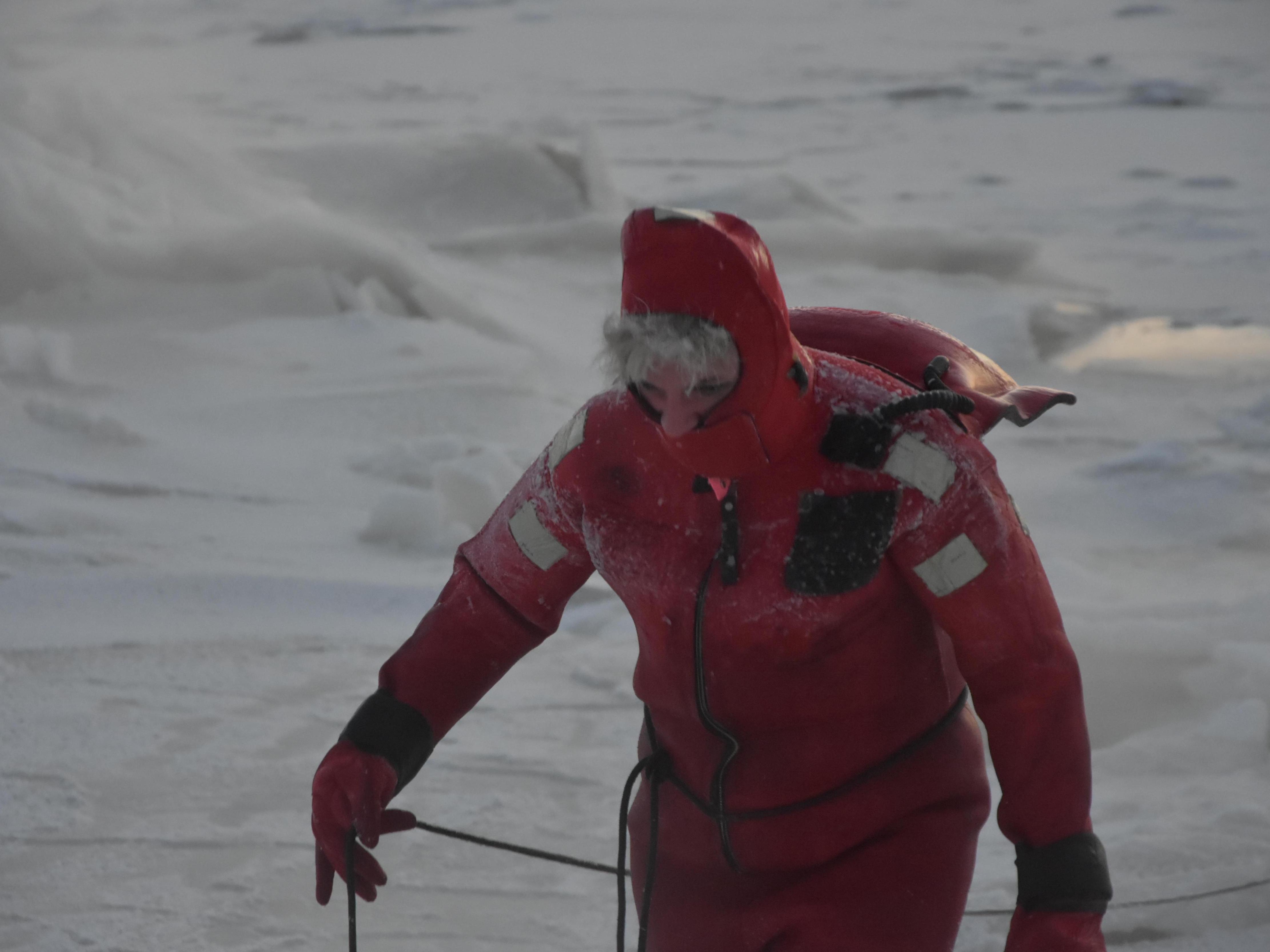
«I have a warm cabin, lighting, additional waterproof suits, socks, gloves, hats. There are ropes, life rings. I am also in a hydro-thermal suit. We take photos, warm up, dance. And then we go and lie down in the water,» Tikhon said.
Due to the high cost of organizing safe ice floating, orders have decreased, and tour firms continue to be cautious about including this service in their programs.
Who Ice Floating is Not For
Even with all safety measures observed, ice floating is not suitable for everyone. Swimming in icy water is not recommended for people with cardiovascular diseases, including hypertension and hypotension, as well as pregnant women.
People with epilepsy are contraindicated from this format due to the risk of seizures in cold water. Only adults can participate in ice floating: the suits are designed for adults. In case of minors participating, parental consent is required, but in practice such cases are extremely limited.
Experts agree: risk is present in any sphere of life, but it should not be the result of irresponsibility. While ice floating in the Murmansk region remains in a grey area without unified safety standards, the regional authorities must develop them to ensure such tragedies never happen again.