Medvedev: World situation 'not cloudless' as New START expires
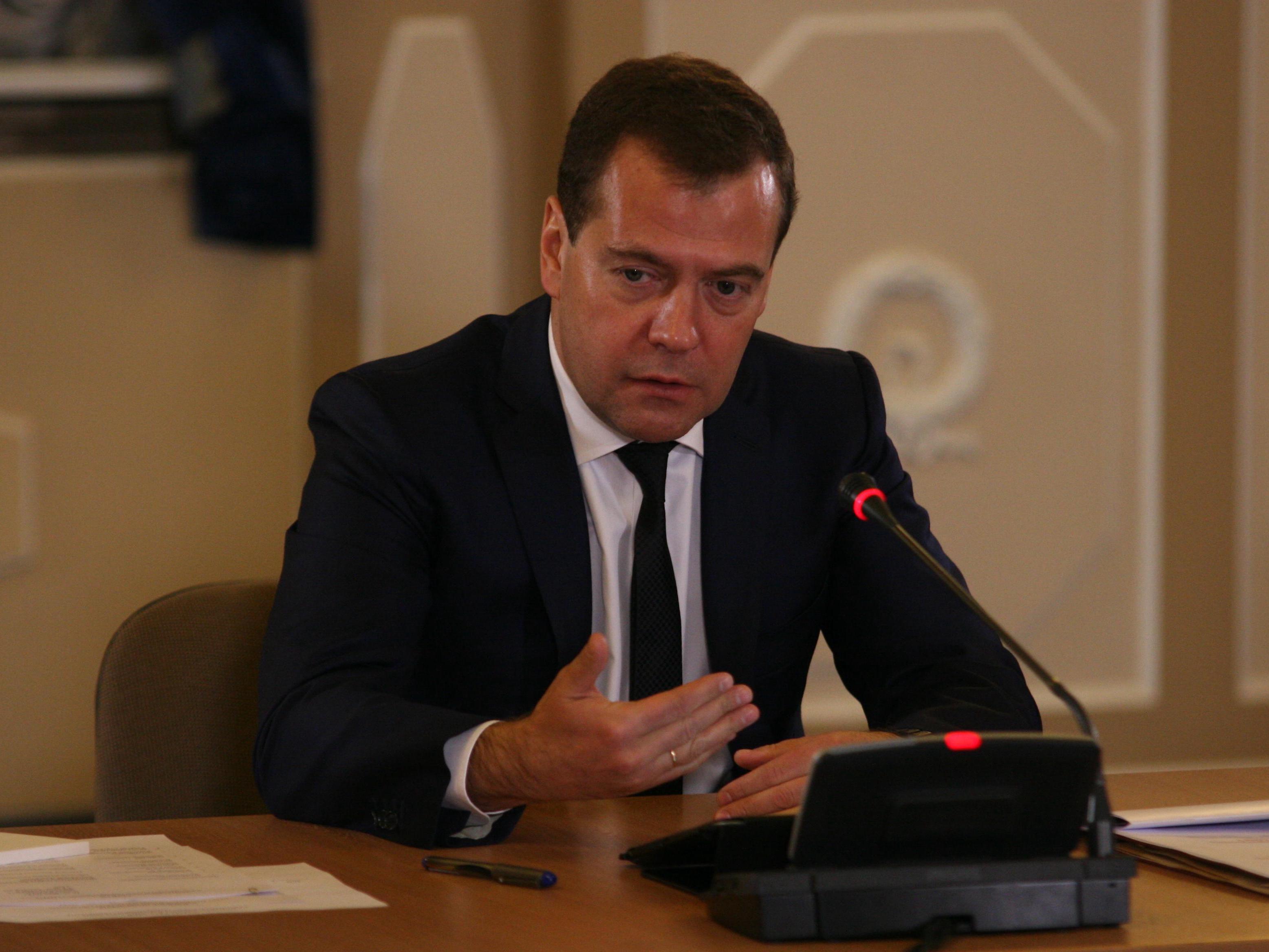

The Russian-American Treaty on Strategic Offensive Arms (New START) expires on February 5. Despite the fact that in September 2025, Russian President Vladimir Putin proposed to the U.S. to preserve the nuclear arms agreement for a year or more, the Kremlin has not received a response on this issue from the White House. This was reported by Deputy Chairman of the Security Council of the Russian Federation Dmitry Medvedev.
The President of Russia put forward a constructive initiative: the voluntary preservation by the parties of their commitment to the New START limits for at least one more year after the end of its life cycle (that is, after February 5). The head of our state emphasized that this measure could be viable only if America acts in a similar manner and does not take steps that violate today«s parity.
Medvedev told the Kommersant newspaper.
According to him, preserving this treaty could become «a significant contribution to ensuring global security and expanding strategic dialogue with the U.S.»
New START is a bilateral treaty between Russia and the U.S., officially called the «Treaty on Measures for the Further Reduction and Limitation of Strategic Offensive Arms.» It was signed in 2010 by Presidents Dmitry Medvedev and Barack Obama, entered into force in 2011, and became a key tool for controlling the nuclear arsenals of the world«s two largest nuclear powers. The signing of New START was a logical continuation of previous nuclear disarmament agreements.
The main goal of the treaty is to maintain strategic stability and predictability in the field of nuclear weapons. New START establishes clear and verifiable limits on the number of strategic offensive arms of Russia and the U.S., which reduces the risk of an arms race and increases the level of trust between the parties.
Also, the Chairman of the Security Council of Russia noted that in the future the number of states possessing nuclear weapons may increase.
As for the overall situation in the world, it is, to put it mildly, not cloudless. It is getting worse because the general world instability, the contradictions, one might even say the rift that has formed in the world order, are pushing a number of countries to think about how to defend themselves most effectively. It is possible that some countries will consider that the most optimal option is to acquire nuclear weapons. Therefore, I believe that the nuclear club will in the future, despite all the dissatisfaction about this, nevertheless expand.
Dmitry Medvedev suggested.
As he noted, many states are already conducting research in this area.
Yes, probably, humanity is not interested in this, but, to be honest, humanity has not come up with another way to reliably protect their country, its sovereignty and interests.
emphasized the Deputy Chairman of the Russian Security Council.
There are currently nine nuclear powers in the world. Five officially recognized: Russia, the U.S., China, France and the United Kingdom. And four unofficial: India, Pakistan, Israel and North Korea.
Since 2023, New START has been in effect only nominally (but the parties nevertheless adhere to the limits on warheads, carriers and launchers provided for by it).